
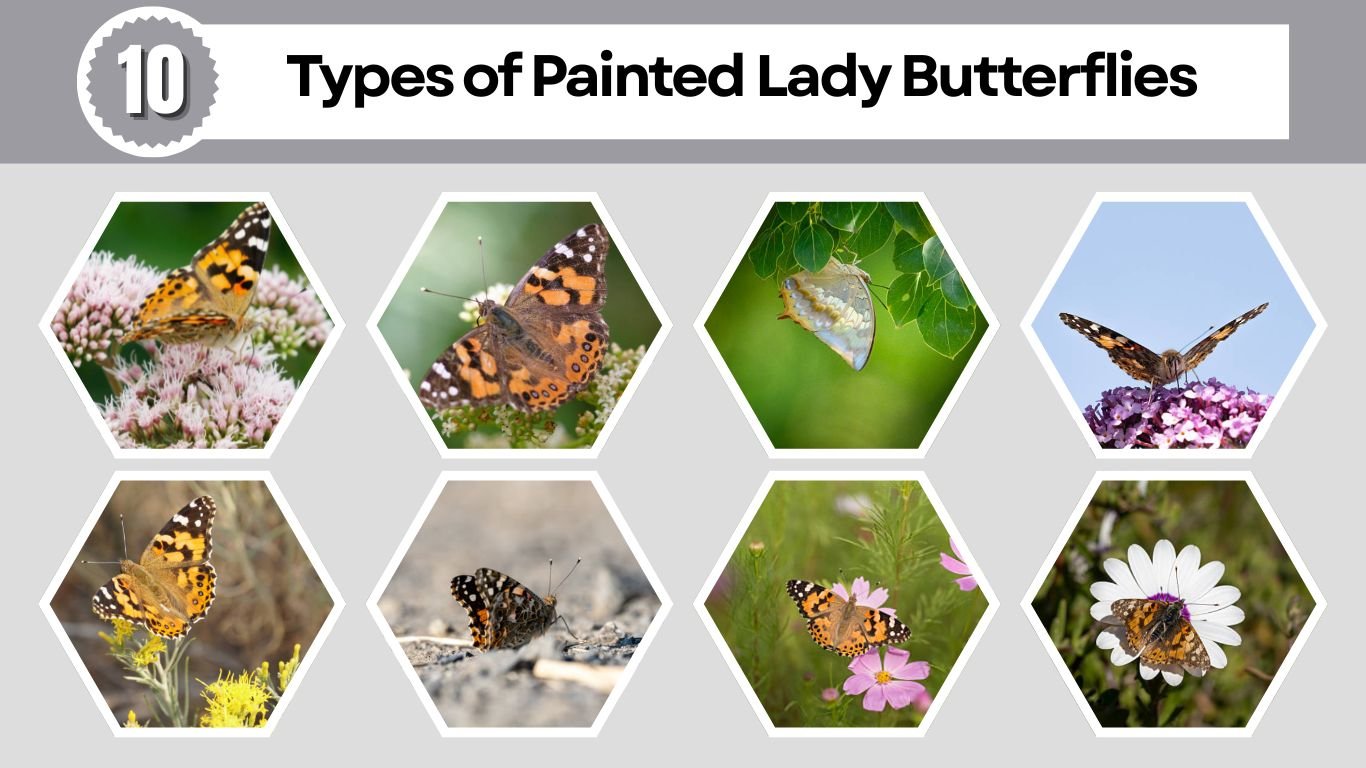
Painted Lady butterflies are among the most widespread and adaptable butterfly species in the world. Known for their beautiful orange, black, and white patterns, they can be found across different continents and habitats, from deserts to tropical regions.
In this guide, you’ll explore 10 types of Painted Lady butterflies identified by their size, color variations, habitat preferences, and diet. This helps you understand how this species adapts to different environments while maintaining its unique and recognizable appearance.
1. North American Painted Lady
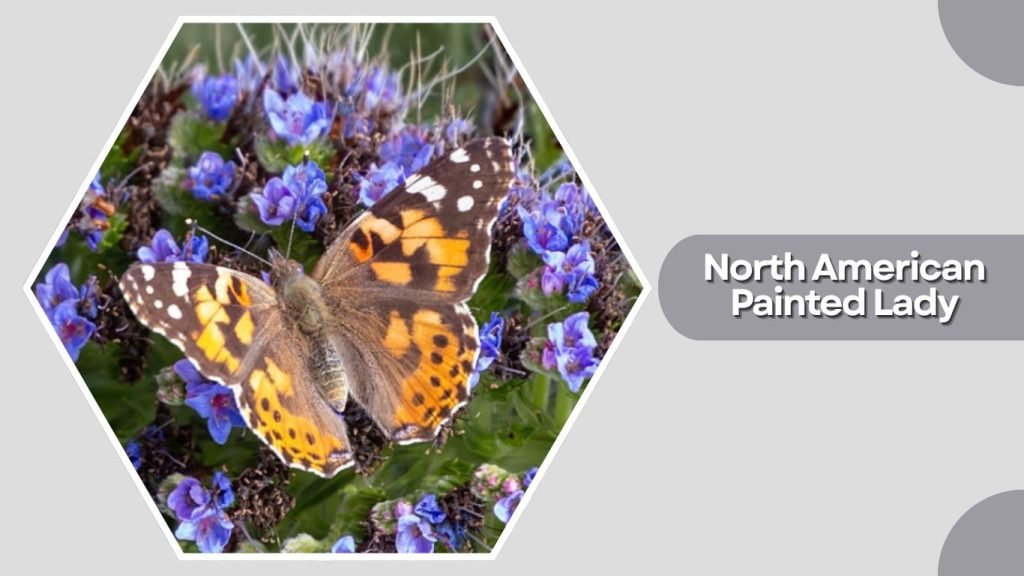
The North American Painted Lady is one of the most widespread and adaptable butterflies across the continent. It is commonly seen in gardens, fields, and open landscapes, especially during migration seasons.
Identification
- Orange-brown wings with black and white markings
- Small eye spots on the underside
- Wingspan ranges from 5 to 9 cm
- Mottled brown underside for camouflage
Color Pattern
This butterfly displays a mix of orange, black, and white on the upper wings. The underside is more muted with brown and gray tones, helping it blend into its surroundings when resting. The eye spots on the hindwings may help deter predators.
Diet
Caterpillars feed on plants such as thistles, nettles, and mallows. Adult butterflies consume nectar from flowers like asters, sunflowers, and daisies, providing energy for flight and reproduction.
Habitat
The North American Painted Lady thrives in open habitats such as meadows, fields, gardens, and roadsides. It is highly adaptable and can survive in both rural and urban environments, often appearing in large numbers during favorable conditions.
2. European Painted Lady
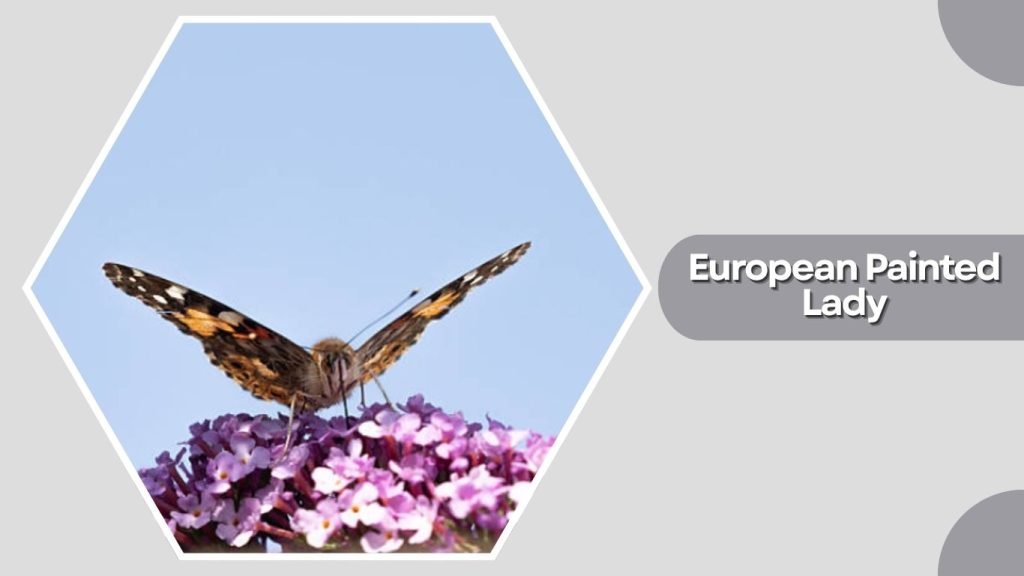
The European Painted Lady is a widely distributed butterfly found across Europe and parts of Asia and Africa. It is known for its strong migratory behavior and ability to thrive in different environments.
Identification
- Orange-brown wings with black and white markings
- Small eye spots on the underside
- Wingspan ranges from 5 to 9 cm
- Mottled underside for camouflage
Color Pattern
The European Painted Lady shows a vibrant mix of orange, black, and white on the upper wings. The underside is more subdued with brown tones, helping it stay hidden when resting. The eye spots provide additional protection against predators.
Diet
Caterpillars feed on thistles, nettles, and other host plants. Adult butterflies consume nectar from flowers such as clover, asters, and thistles, which support their long-distance travel.
Habitat
This butterfly prefers open habitats like grasslands, fields, gardens, and coastal areas. It is highly adaptable and can be found in a wide range of environments across its range.
3. African Painted Lady
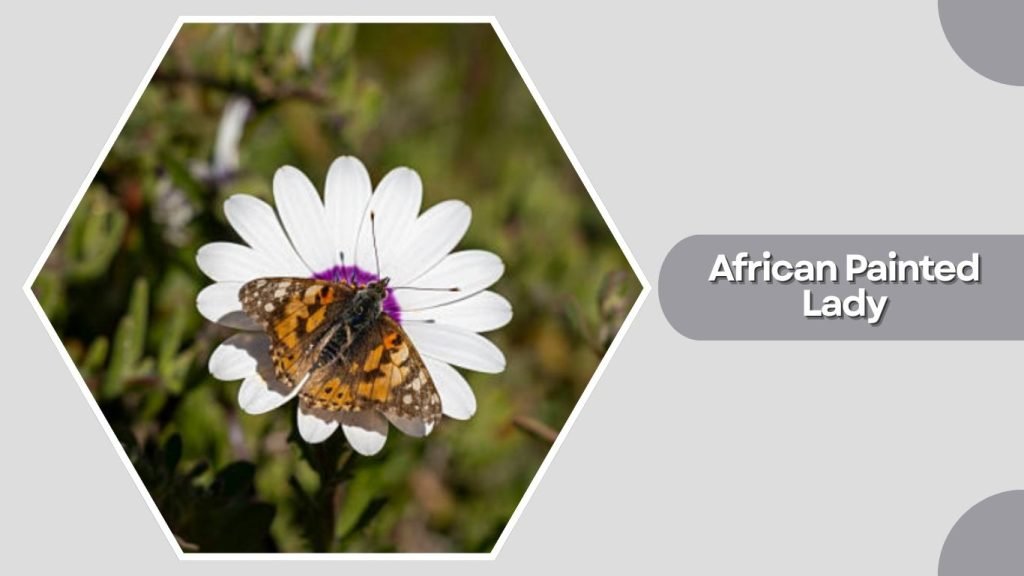
The African Painted Lady is commonly found across Africa and nearby regions, thriving in warm climates and open landscapes. It is known for its resilience and ability to adapt to dry and semi-arid environments.
Identification
- Orange-brown wings with black and white markings
- Small eye spots on the underside
- Wingspan ranges from 5 to 9 cm
- Mottled brown underside for camouflage
Color Pattern
The African Painted Lady displays the familiar orange, black, and white pattern on the upper wings. The underside is duller with earthy tones, helping it blend into dry surroundings and avoid predators.
Diet
Caterpillars feed on plants such as thistles and desert-adapted herbs. Adult butterflies consume nectar from a variety of wildflowers, which provide energy for survival in harsh conditions.
Habitat
This butterfly prefers open habitats such as savannas, grasslands, and semi-desert regions. It is well adapted to warm climates and can survive in areas with limited vegetation.
4. Asian Painted Lady
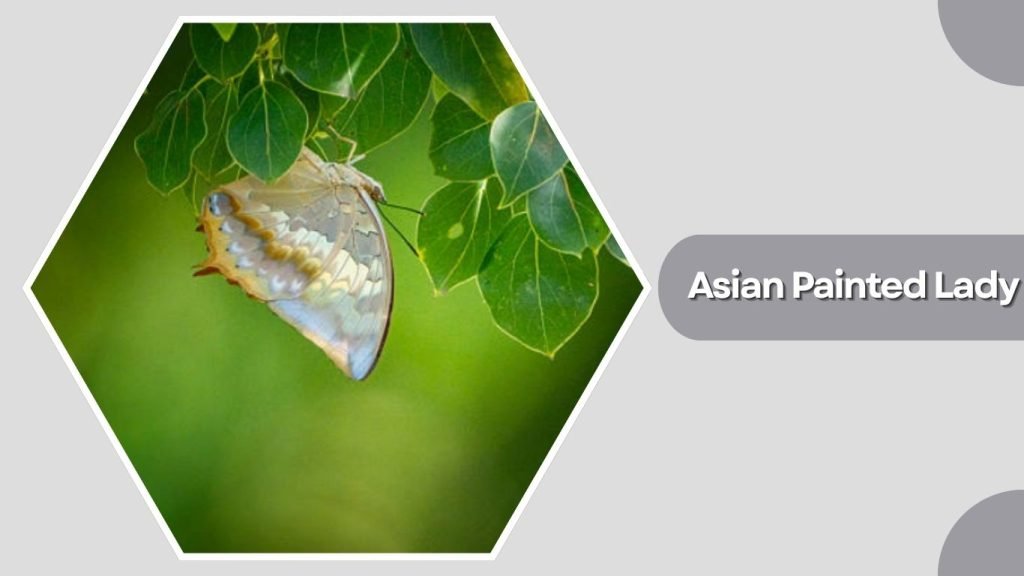
The Asian Painted Lady is found across parts of Asia, adapting well to a variety of climates from temperate to tropical regions. It is a resilient and widespread butterfly often seen in open landscapes.
Identification
- Orange-brown wings with black and white markings
- Small eye spots on the underside
- Wingspan ranges from 5 to 9 cm
- Mottled underside for camouflage
Color Pattern
The Asian Painted Lady features a vibrant mix of orange, black, and white on the upper wings. The underside is more muted with brown and gray tones, allowing it to blend into natural surroundings when resting.
Diet
Caterpillars feed on plants such as thistles, nettles, and mallows. Adult butterflies consume nectar from a wide range of flowers, providing energy for movement and reproduction.
Habitat
This butterfly is commonly found in grasslands, gardens, agricultural fields, and forest edges. Its adaptability allows it to thrive in both rural and urban environments.
5. Australian Painted Lady
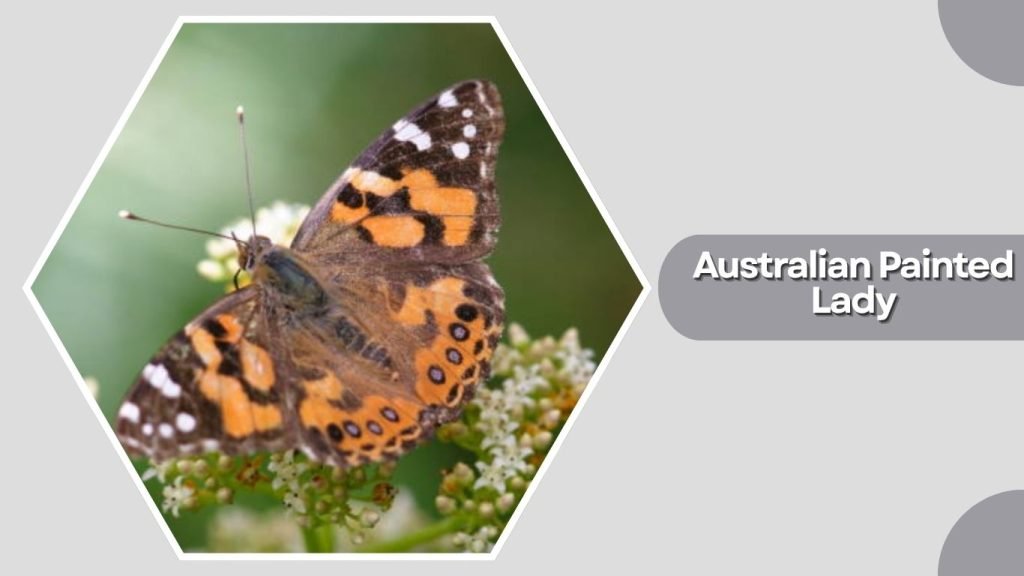
The Australian Painted Lady is a well-known butterfly found across Australia, especially in open and dry regions. It is recognized for its adaptability and seasonal population changes.
Identification
- Orange-brown wings with black and white markings
- Small eye spots on the underside
- Wingspan ranges from 5 to 8 cm
- Slightly smaller than some other Painted Ladies
Color Pattern
The Australian Painted Lady displays the typical orange, black, and white pattern, though it may appear slightly lighter in color. The underside is more subdued with brown tones, helping it blend into dry landscapes.
Diet
Caterpillars feed on plants such as everlastings and native herbs. Adult butterflies consume nectar from a variety of wildflowers, supporting their active lifestyle.
Habitat
This species prefers open habitats like grasslands, deserts, and coastal areas. It is well adapted to dry conditions and can often be seen in large numbers after seasonal rains.
6. Coastal Painted Lady
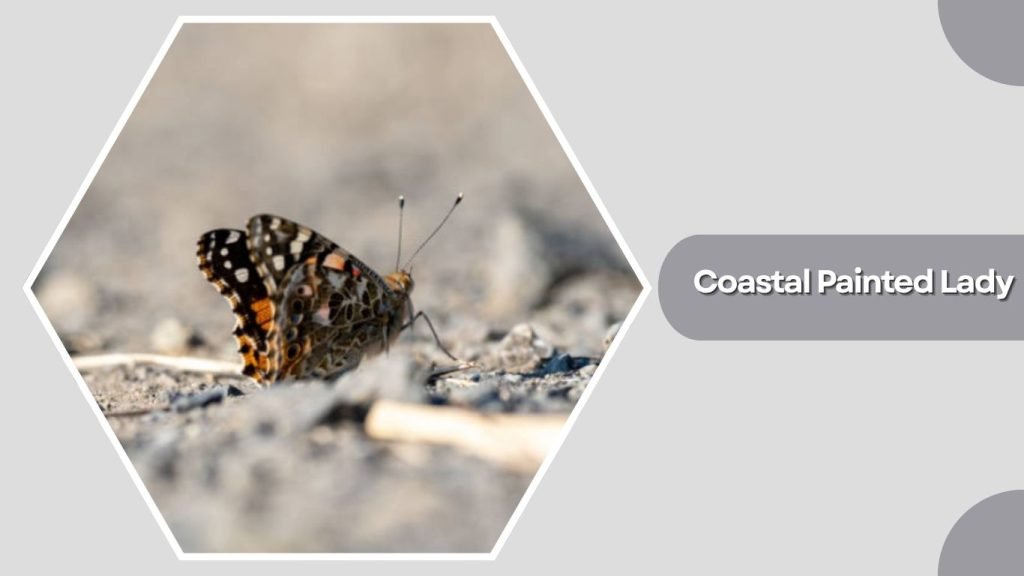
The Coastal Painted Lady is commonly found near coastal regions, where mild climates and abundant flowering plants support its lifecycle. It is often seen in dunes, coastal gardens, and open seaside habitats.
Identification
- Orange-brown wings with black and white markings
- Small eye spots on the underside
- Wingspan ranges from 5 to 8.5 cm
- Slightly lighter tone due to coastal conditions
Color Pattern
This butterfly shows the typical Painted Lady pattern with orange, black, and white colors. In coastal environments, the colors may appear slightly faded or lighter. The underside remains mottled brown, helping it blend into sandy or dry surroundings.
Diet
Caterpillars feed on coastal plants such as thistles and low-growing herbs. Adult butterflies consume nectar from seaside flowers, including daisies and coastal wildflowers, which provide energy for daily activity.
Habitat
The Coastal Painted Lady thrives in sandy dunes, coastal grasslands, and seaside gardens. It prefers open, sunny environments with plenty of nectar sources and low vegetation.
7. Desert Painted Lady
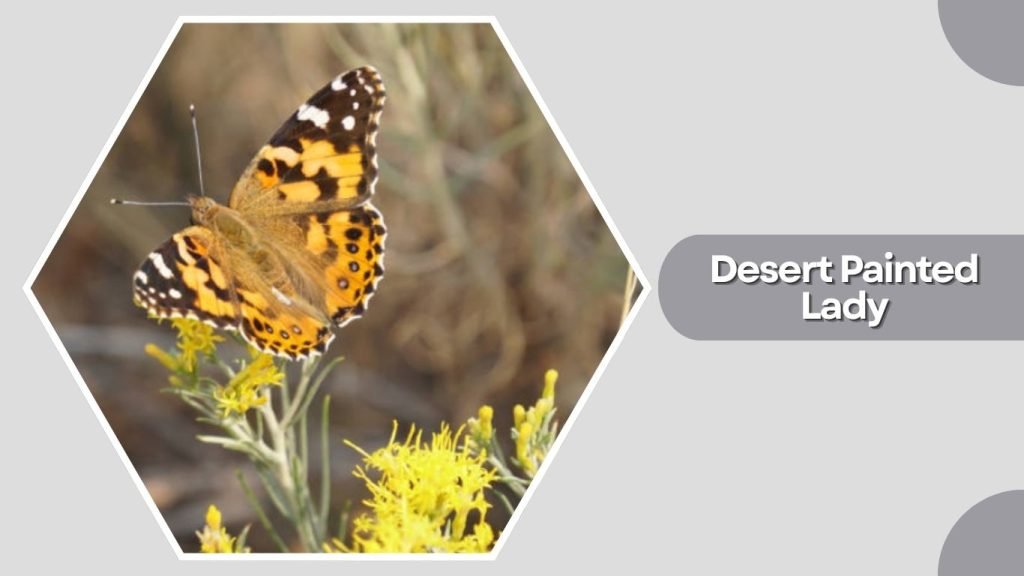
The Desert Painted Lady is adapted to arid and semi-arid environments, where it thrives despite harsh conditions. It is often seen in dry landscapes after seasonal rains when flowers bloom.
Identification
- Orange-brown wings with black and white markings
- Small eye spots on the underside
- Wingspan ranges from 5 to 8 cm
- Duller tones suited for desert camouflage
Color Pattern
The Desert Painted Lady has the typical orange and black pattern, but often appears more muted or dusty. The underside is brown and mottled, helping it blend into sandy and rocky environments. This camouflage is essential for avoiding predators.
Diet
Caterpillars feed on desert plants such as thistles and drought-resistant herbs. Adult butterflies consume nectar from wildflowers that bloom briefly after rain, providing essential energy.
Habitat
This butterfly is found in deserts, semi-arid regions, and dry grasslands. It becomes more visible during favorable conditions when vegetation temporarily increases after rainfall.
8. Mountain Painted Lady
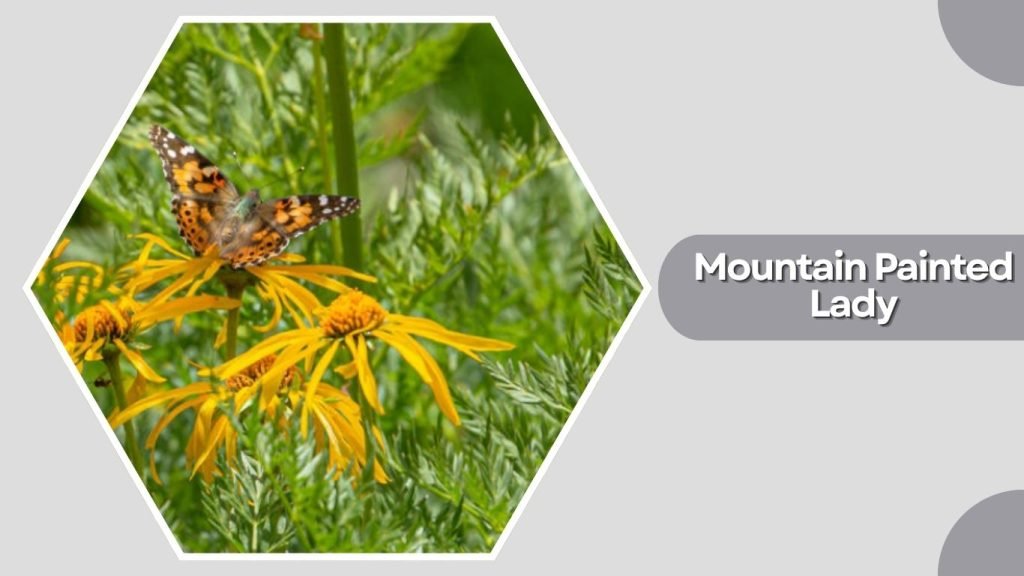
The Mountain Painted Lady is found in higher elevation regions where cooler temperatures and alpine vegetation influence its lifestyle. It is adapted to survive in rugged and variable environments.
Identification
- Orange-brown wings with black and white markings
- Small eye spots on the underside
- Wingspan ranges from 5 to 8.5 cm
- Slightly darker tone for cooler climates
Color Pattern
This butterfly displays the classic Painted Lady pattern with orange, black, and white colors. In mountainous regions, the coloration may appear slightly darker, which can help absorb heat in cooler conditions. The underside remains mottled for camouflage.
Diet
Caterpillars feed on hardy plants such as alpine thistles and mountain herbs. Adult butterflies consume nectar from wildflowers found in high-altitude meadows, which provide necessary energy in cooler environments.
Habitat
The Mountain Painted Lady lives in alpine meadows, hillsides, and mountainous grasslands. It prefers open, sunny areas where flowering plants are available despite the cooler climate.
9. Tropical Painted Lady
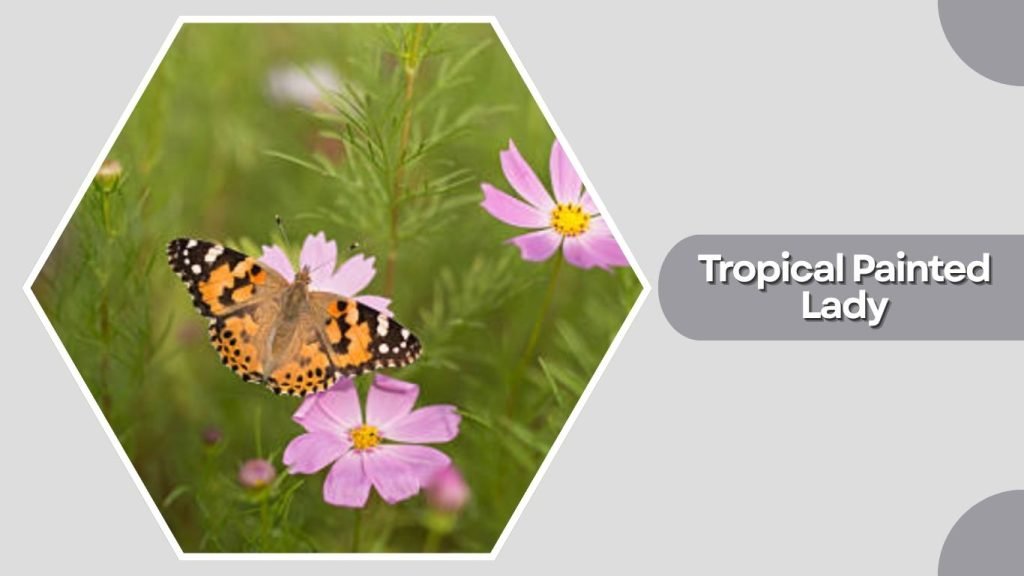
The Tropical Painted Lady is found in warm, humid regions where vegetation is abundant throughout the year. It thrives in stable climates and is often seen in gardens and forest edges.
Identification
- Orange-brown wings with black and white markings
- Small eye spots on the underside
- Wingspan ranges from 5 to 8.5 cm
- Bright and well-defined markings
Color Pattern
This butterfly shows a vibrant mix of orange, black, and white, often appearing more intense due to strong sunlight in tropical regions. The underside remains muted with brown tones, helping it stay hidden when resting.
Diet
Caterpillars feed on a variety of host plants such as thistles and tropical herbs. Adult butterflies consume nectar from flowers like hibiscus, lantana, and other tropical blooms.
Habitat
The Tropical Painted Lady prefers warm habitats such as rainforests, gardens, and open tropical fields. It is commonly seen in areas with continuous plant growth and abundant nectar sources.
10. Migratory Painted Lady
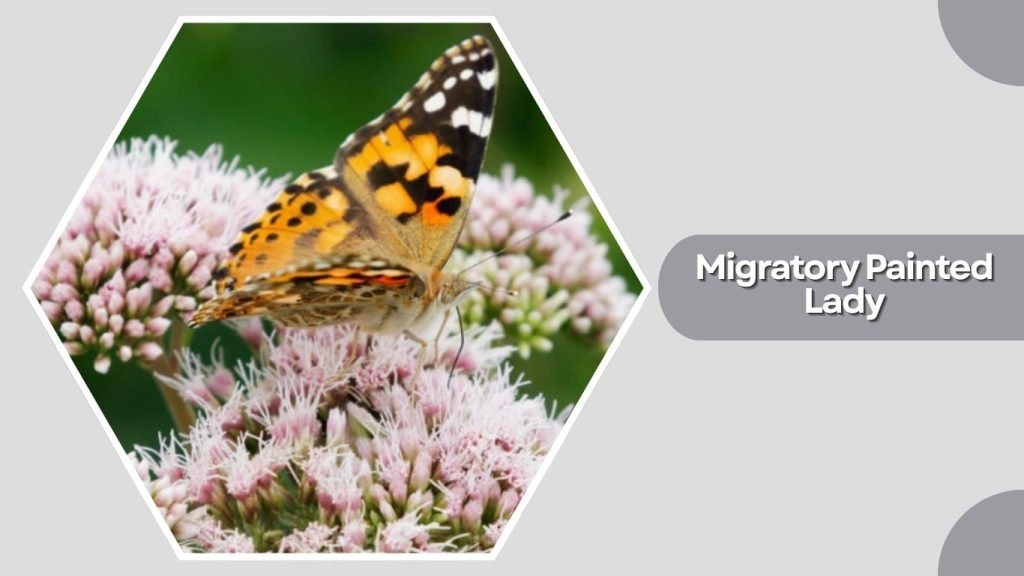
The Migratory Painted Lady is known for its long-distance seasonal movements, making it one of the most widely traveling butterflies in the world. It appears in large numbers during migration periods.
Identification
- Orange-brown wings with black and white markings
- Small eye spots on the underside
- Wingspan ranges from 5 to 9 cm
- Strong and sustained flight
Color Pattern
This butterfly displays the typical Painted Lady coloration with bright orange, black, and white patterns. The markings are bold and clear, helping with both recognition and predator deterrence. The underside remains camouflaged with brown tones.
Diet
Caterpillars feed on plants such as thistles, nettles, and mallows. Adult butterflies consume nectar from a wide variety of flowers, providing energy for their long migratory journeys.
Habitat
The Migratory Painted Lady is found in diverse habitats including grasslands, fields, gardens, and open landscapes. Its wide range is due to its ability to travel across continents following seasonal changes.
FAQs
What makes Painted Lady butterflies unique?
Painted Lady butterflies are known for their incredible adaptability and global distribution. They can survive in a wide range of habitats, from deserts to tropical forests. Their ability to migrate long distances and use various host plants makes them one of the most successful butterfly species worldwide.
How can you identify a Painted Lady butterfly?
Painted Lady butterflies can be identified by their orange-brown wings with black and white markings. The underside of their wings usually has small eye spots and a mottled brown pattern, which helps them blend into their surroundings when resting.
What do Painted Lady butterflies eat?
As caterpillars, they feed on plants like thistles, nettles, and mallows. Adult butterflies mainly consume nectar from flowers such as daisies, asters, and sunflowers, which provide the energy needed for flight and reproduction.
Do Painted Lady butterflies migrate?
Yes, Painted Lady butterflies are known for their long-distance migration. Some populations travel thousands of kilometers across continents, especially between Africa and Europe, depending on seasonal changes and food availability.
Where can Painted Lady butterflies be found?
Painted Lady butterflies are found almost worldwide, except in Antarctica and South America’s extreme regions. They live in diverse habitats including grasslands, gardens, deserts, mountains, and coastal areas, making them one of the most widely distributed butterfly species.
