
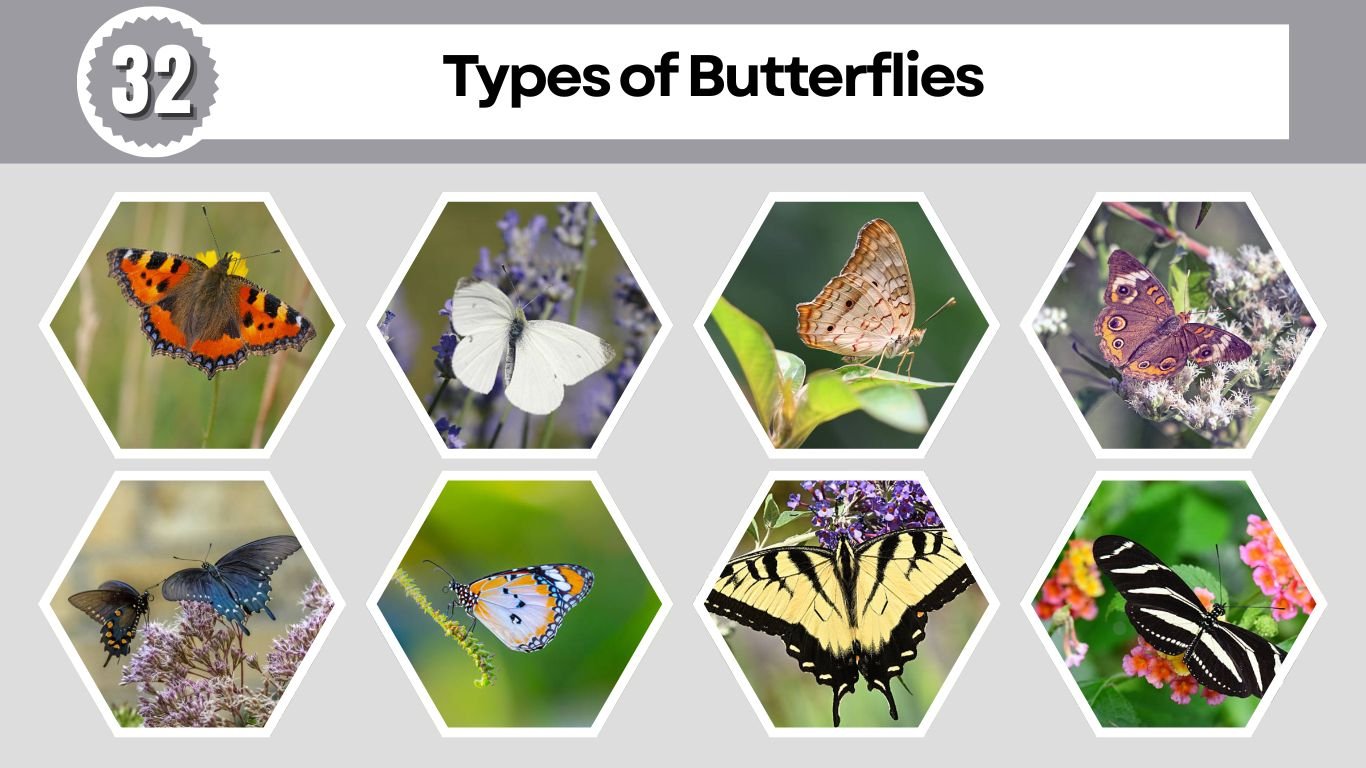
Butterflies are among the most beautiful and diverse insects in the world, known for their vibrant colors and delicate wings. With thousands of species found across different habitats, each butterfly has unique features that help in identification.
In this guide, you’ll discover 32 different types of butterflies, listed by name and described with key identification details, color patterns, diet, and migration behavior. This makes it easier to recognize and understand each species, whether you are a beginner or a nature enthusiast.
1. Monarch Butterfly

The Monarch butterfly is one of the most recognizable and studied butterfly species in the world. Known for its striking appearance and long-distance migration, it plays an important role in ecosystems and is often used as a symbol of transformation and conservation awareness.
Identification
- Bright orange wings with bold black veins
- White spots along the black wing borders
- Wingspan typically ranges from 8.9 to 10.2 cm
- Males have two distinct black scent glands on the hindwings
Color Pattern
The Monarch butterfly displays a vivid orange and black color combination that serves as a warning to predators. The black veins create a stained-glass effect across the wings, while the white spots along the edges add contrast. This coloration signals toxicity, as Monarchs consume milkweed during their larval stage, making them unpalatable to many predators.
Diet
Monarch caterpillars feed exclusively on milkweed plants, which contain toxic compounds. As adults, they primarily consume nectar from a variety of flowering plants such as goldenrod, asters, and lantana. This diet provides the energy needed for flight and migration, while also helping with pollination.
Migration
Monarch butterflies are famous for their extraordinary migration journey. Populations in North America travel thousands of kilometers from the United States and Canada to central Mexico for the winter. This multi-generational migration is unique among insects and relies on environmental cues such as temperature and daylight changes.
2. Viceroy Butterfly
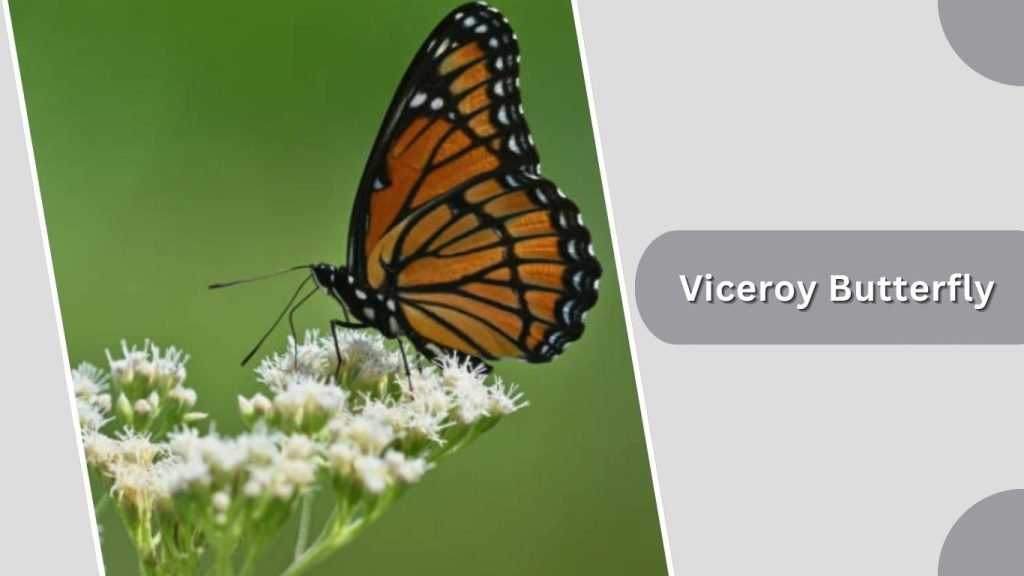
The Viceroy butterfly closely resembles the Monarch, often causing confusion between the two species. It is well known for its mimicry, which helps protect it from predators. Despite its similar appearance, the Viceroy has its own unique traits and ecological role.
Identification
- Orange wings with black veins similar to Monarch
- Distinct black line crossing the hindwings
- Smaller wingspan, usually around 6.3 to 8.1 cm
- White spots along the black wing edges
Color Pattern
The Viceroy’s orange and black pattern is a classic example of mimicry. It imitates the Monarch’s warning colors, but unlike earlier beliefs, the Viceroy is also somewhat unpalatable to predators. The key difference is the horizontal black band across the hindwing, which helps in distinguishing it from Monarchs.
Diet
Viceroy caterpillars feed mainly on willow, poplar, and cottonwood leaves rather than milkweed. Adult butterflies consume nectar from flowers, along with tree sap and sometimes decaying organic matter. This varied diet supports their survival in different habitats.
Migration
Unlike Monarchs, Viceroy butterflies do not undertake long-distance migrations. They are generally non-migratory and remain within their local habitats throughout the year. Their populations may shift slightly with seasonal changes, but they do not travel across continents.
3. Painted Lady Butterfly
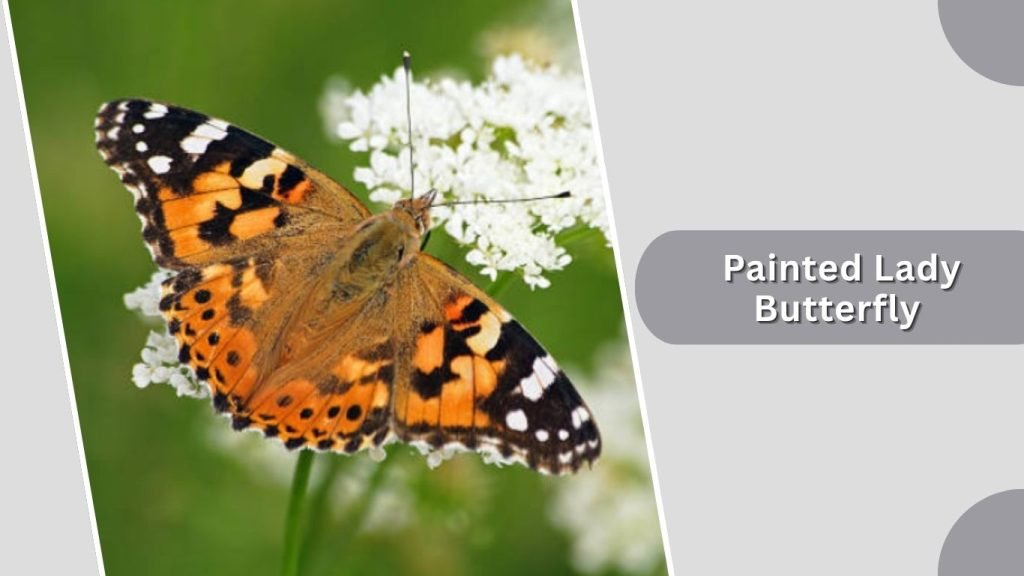
The Painted Lady butterfly is one of the most widespread butterfly species in the world, found on almost every continent except Antarctica. It is known for its adaptability and seasonal movements, making it a fascinating species for observation.
Identification
- Orange-brown wings with black and white markings
- Small eye spots on the underside of the wings
- Wingspan ranges from 5 to 9 cm
- Mottled brown underside for camouflage
Color Pattern
The Painted Lady features a mix of orange, black, white, and brown shades. The upper wings are bright with bold patterns, while the underside is more muted, helping it blend into its surroundings when resting. The eye spots on the hindwings may help deter predators by mimicking larger animals.
Diet
Caterpillars feed on a variety of host plants such as thistles, nettles, and mallows. Adult butterflies primarily consume nectar from flowers like daisies, asters, and sunflowers. Their flexible diet allows them to survive in diverse environments.
Migration
Painted Ladies are known for their long-distance migrations, although not as famous as Monarchs. They travel in large numbers across regions, especially between Africa and Europe. These migrations are influenced by seasonal changes and availability of food.
4. Red Admiral Butterfly
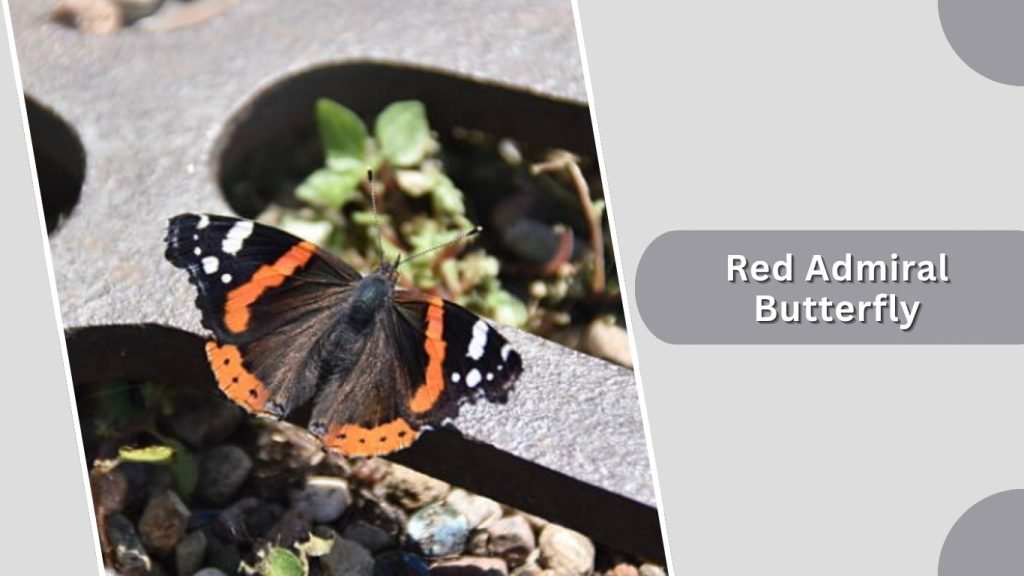
The Red Admiral butterfly is a striking and fast-flying species commonly found in gardens and woodlands. It is known for its bold colors and territorial behavior, often seen basking in sunny spots.
Identification
- Dark brown to black wings with red-orange bands
- White spots near the tips of the forewings
- Wingspan ranges from 6.7 to 7.6 cm
- Strong, rapid flight pattern
Color Pattern
The Red Admiral has a dramatic appearance with dark wings contrasted by bright red-orange bands. The white spots near the forewings add to its distinct look. The underside of the wings is more camouflaged, helping it blend into tree bark or leaves when at rest.
Diet
Caterpillars mainly feed on nettles, which are common in many regions. Adult butterflies prefer nectar from flowers such as buddleia and asters. They also feed on rotting fruit and tree sap, especially in late summer when nectar sources are limited.
Migration
Red Admirals are partially migratory depending on the region. In cooler climates, they migrate to warmer areas during winter. In warmer regions, they may remain year-round. Their movement patterns are influenced by temperature and food availability.
5. American Lady Butterfly
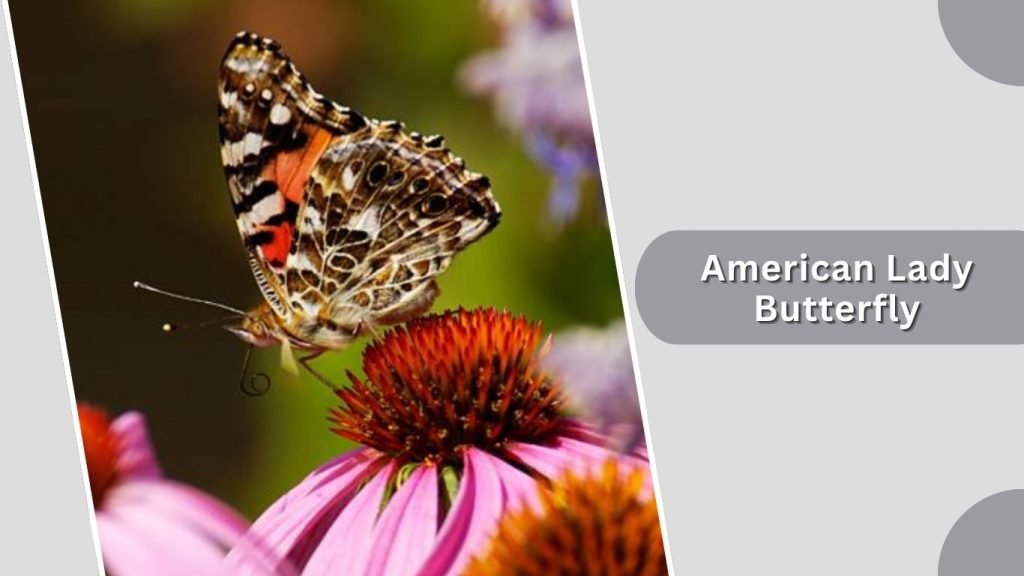
The American Lady butterfly is a close relative of the Painted Lady and is commonly found across North America. It is known for its subtle beauty and adaptability to different habitats, especially open fields and gardens.
Identification
- Orange wings with black and white markings
- Two large eye spots on the underside of hindwings
- Wingspan ranges from 4.5 to 6.5 cm
- More angular wing shape compared to Painted Lady
Color Pattern
The American Lady displays a mix of orange, black, and white patterns on the upper side of its wings. The underside is more muted with two prominent eye spots that help deter predators. These eye spots are a key feature that distinguishes it from similar species.
Diet
Caterpillars primarily feed on plants like cudweed, pussytoes, and everlastings. Adult butterflies feed on nectar from flowers such as asters, goldenrods, and clover. This diet supports their active lifestyle and reproduction.
Migration
American Lady butterflies show seasonal movements but are not as consistent as Monarch migrations. They may migrate southward during colder months and return north in warmer seasons, depending on environmental conditions.
6. Mourning Cloak Butterfly
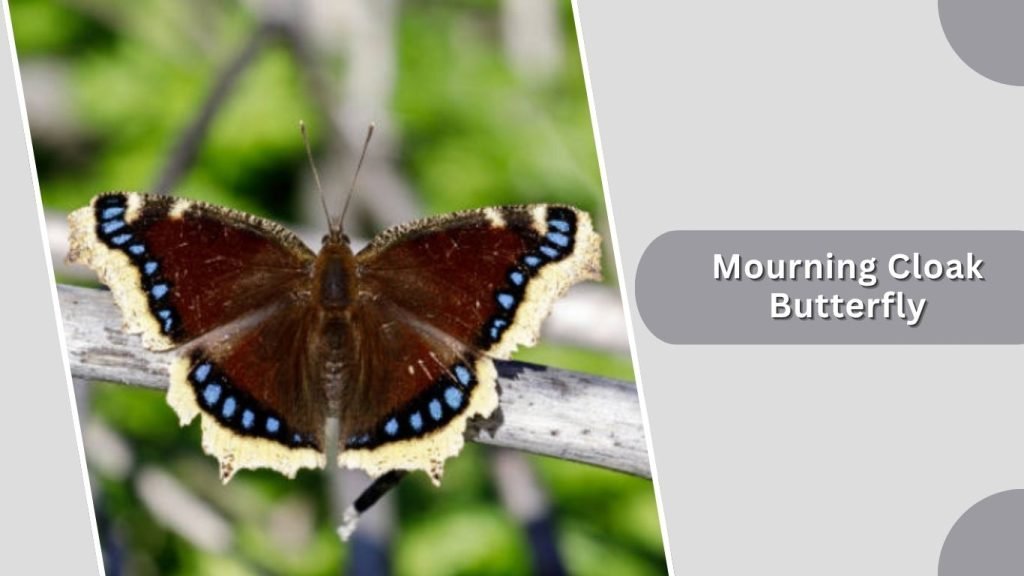
The Mourning Cloak butterfly is a unique species known for its dark, elegant appearance and long lifespan. It is often one of the first butterflies seen in spring due to its ability to overwinter as an adult.
Identification
- Dark maroon to brown wings with pale yellow borders
- Row of blue spots along the wing edges
- Wingspan ranges from 6.2 to 10 cm
- Irregular, jagged wing edges
Color Pattern
The Mourning Cloak has a deep, velvety dark coloration with a contrasting pale border and bright blue spots. The underside of the wings is dull and bark-like, providing excellent camouflage when the butterfly is resting on trees.
Diet
Caterpillars feed on trees such as willow, elm, and poplar. Adult butterflies rarely visit flowers; instead, they prefer tree sap, rotting fruit, and even animal dung. This unusual diet helps them survive early in the season when flowers are scarce.
Migration
Mourning Cloak butterflies do not migrate long distances. Instead, they overwinter as adults in sheltered places like tree cavities or under bark. This adaptation allows them to emerge early in spring, often before other butterfly species appear.
7. Question Mark Butterfly
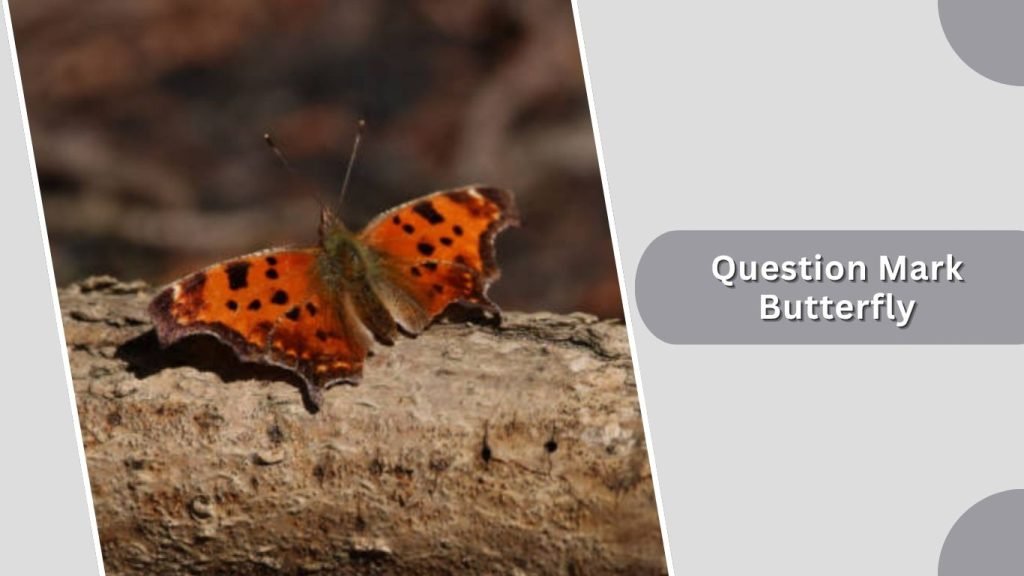
The Question Mark butterfly is named after the small silver marking on the underside of its wings that resembles a question mark. It is a hardy and adaptable species commonly found in wooded areas and parks.
Identification
- Bright orange wings with black spots
- Irregular, jagged wing edges
- Silver question mark-shaped marking on underside
- Wingspan ranges from 7.6 to 9.5 cm
Color Pattern
The upper side of the wings is vibrant orange with bold black spots, giving it a striking appearance in flight. The underside, however, is much darker and resembles dead leaves, providing excellent camouflage when the butterfly is at rest. The small silver marking is its most distinctive feature.
Diet
Caterpillars feed on elm, nettle, and hackberry leaves. Adult butterflies prefer tree sap, rotting fruit, and animal droppings rather than flower nectar. This diet helps them survive in environments where flowers are not always available.
Migration
Question Mark butterflies are partially migratory. Some individuals move southward during colder months, while others overwinter in sheltered areas such as tree bark or woodpiles. Their movement depends on climate conditions.
8. Comma Butterfly
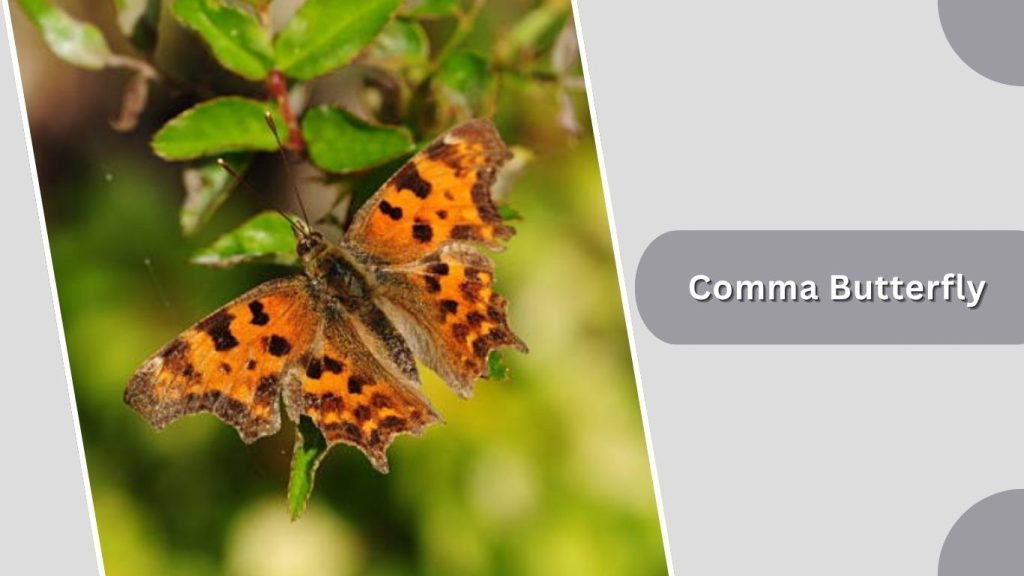
The Comma butterfly is closely related to the Question Mark and gets its name from the comma-shaped silver mark on the underside of its wings. It is commonly found in forests, gardens, and along woodland edges.
Identification
- Orange wings with dark spots
- Jagged and uneven wing edges
- Silver comma-shaped marking on underside
- Wingspan ranges from 5.5 to 6.5 cm
Color Pattern
The Comma butterfly has bright orange wings with scattered black spots on the upper side. The underside is brown and resembles dried leaves, allowing it to blend perfectly into its surroundings. The small silver comma marking is the key identifying feature.
Diet
Caterpillars feed on plants such as nettles, hops, and elm. Adult butterflies consume nectar from flowers, but they also feed on tree sap and overripe fruits. This flexible diet supports their survival in various habitats.
Migration
Comma butterflies are generally non-migratory but may move short distances in response to seasonal changes. They overwinter as adults, hiding in sheltered places like tree crevices, and reappear in early spring.
9. Common Buckeye Butterfly
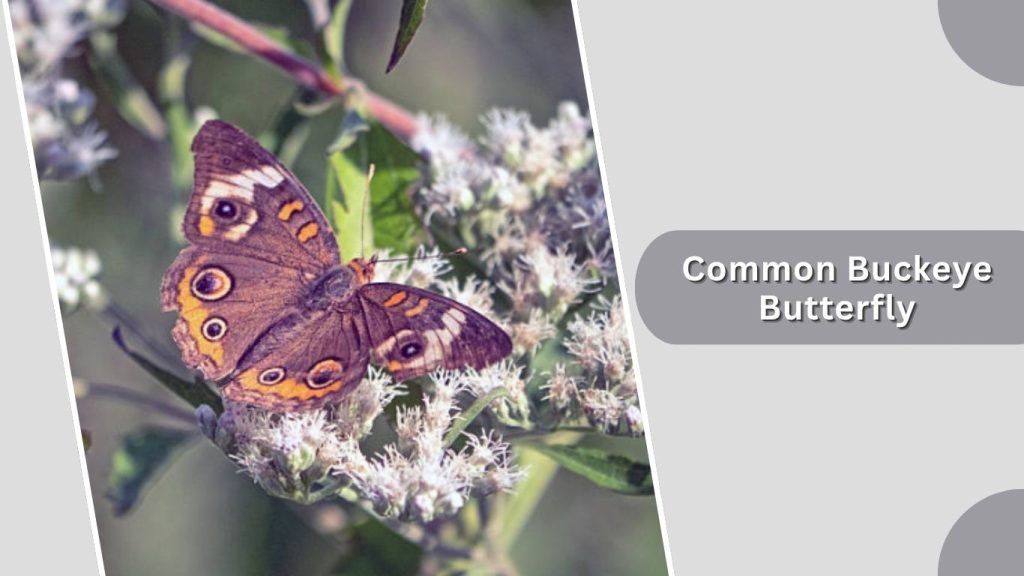
The Common Buckeye butterfly is a distinctive species known for its bold eye spots and preference for open, sunny habitats. It is often seen resting on the ground or low vegetation, making it easy to observe.
Identification
- Brown wings with orange bands and large eye spots
- Multiple circular eye spots on both forewings and hindwings
- Wingspan ranges from 5 to 7 cm
- Often rests with wings open
Color Pattern
The Common Buckeye features a mix of brown, orange, and cream colors with striking eye spots. These eye spots are thought to confuse or scare predators. The bold contrast makes it highly visible when basking, while still offering some camouflage against dry vegetation.
Diet
Caterpillars feed on plants such as plantain, snapdragon, and false foxglove. Adult butterflies consume nectar from a variety of flowers, including asters and lantana. Their diet helps support their active daytime behavior.
Migration
Common Buckeyes are partially migratory. In colder regions, they move south during winter and return north in warmer months. Their movement is influenced by temperature and availability of host plants.
10. Zebra Longwing Butterfly
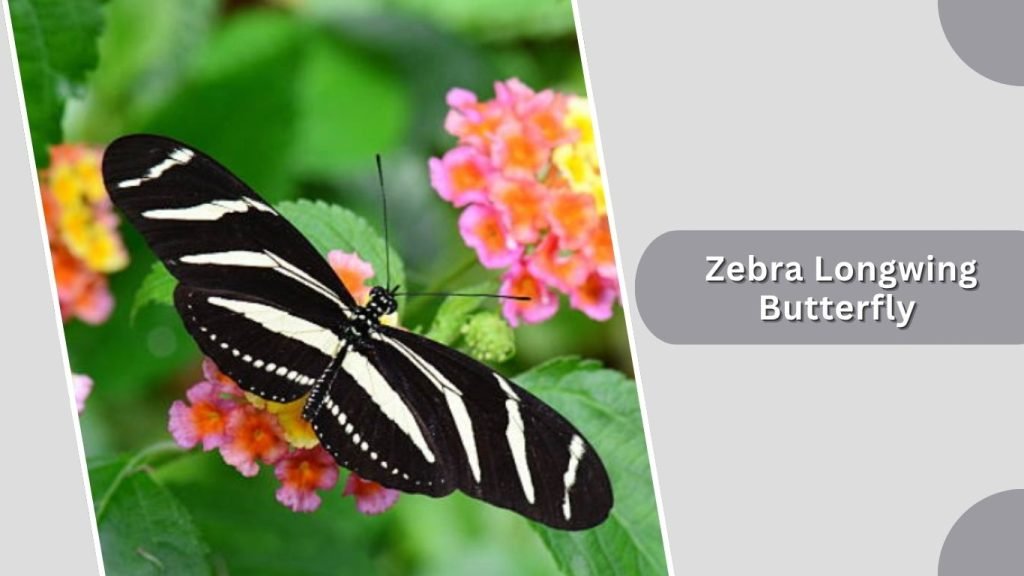
The Zebra Longwing butterfly is a graceful species recognized for its elongated wings and striking black-and-white stripes. It is commonly found in tropical and subtropical regions.
Identification
- Long, narrow wings with black and white stripes
- Wingspan ranges from 7.2 to 10 cm
- Slow and gliding flight pattern
- Often seen in groups
Color Pattern
The Zebra Longwing has a bold pattern of black wings crossed by thin white stripes. This high-contrast design serves as a warning to predators, indicating that it is toxic. Its elongated wings also give it a unique and elegant appearance during flight.
Diet
Caterpillars feed on passionflower plants. Adult butterflies consume nectar, but they are unique in also feeding on pollen. This provides extra nutrients and contributes to their longer lifespan compared to many other butterflies.
Migration
Zebra Longwings are generally non-migratory. They tend to stay within a specific territory, especially in warm climates. However, they may move locally in search of food or suitable breeding sites.
11. Gulf Fritillary Butterfly
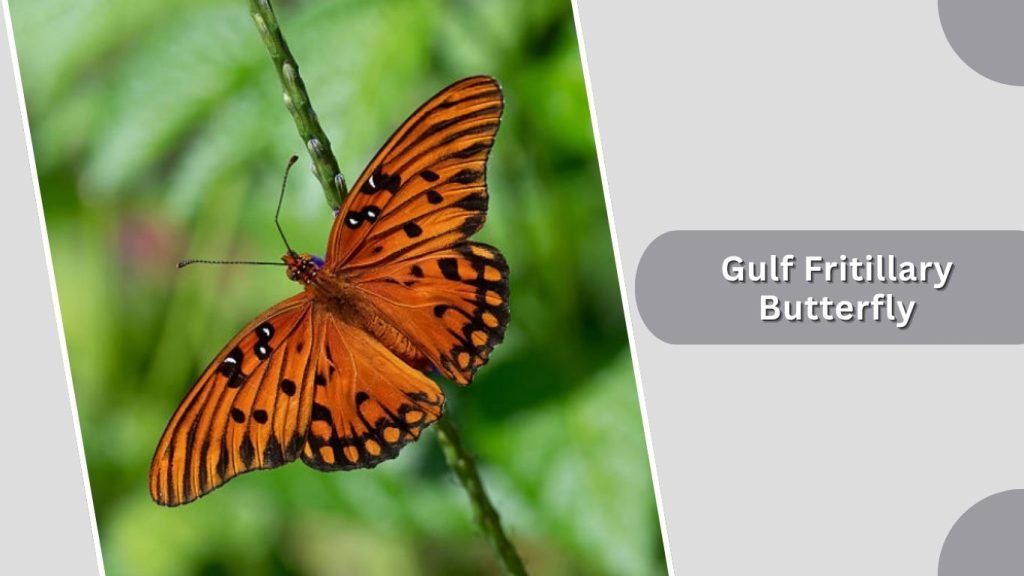
The Gulf Fritillary butterfly is a bright and active species commonly found in warm regions. It is known for its fast flight and strong association with passionflower plants, which serve as its primary host.
Identification
- Bright orange wings with black spots
- Underside of wings has silvery-white markings
- Wingspan ranges from 6.5 to 9.5 cm
- Long, narrow forewings
Color Pattern
The upper side of the Gulf Fritillary is vivid orange with scattered black spots, making it easy to spot in flight. The underside contrasts sharply with brown tones and metallic silver spots, which may help in confusing predators when the butterfly is at rest.
Diet
Caterpillars feed exclusively on passionflower vines. Adult butterflies consume nectar from flowers such as lantana, verbena, and zinnias. This diet provides the energy needed for their active and fast-moving behavior.
Migration
Gulf Fritillaries are partially migratory. In cooler seasons, they move toward warmer southern regions and return north during spring and summer. Their movement depends largely on temperature and availability of host plants.
12. Variegated Fritillary Butterfly
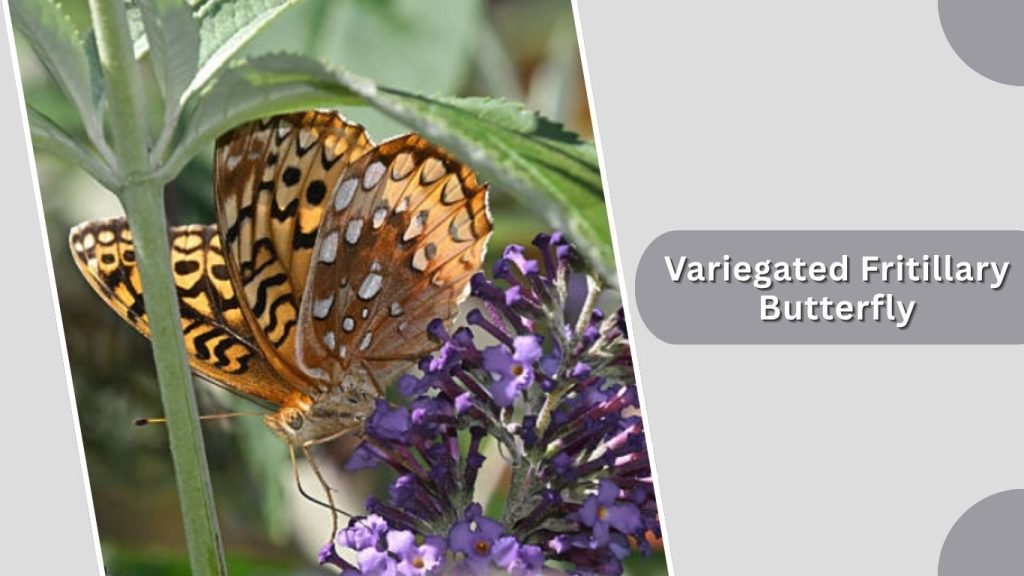
The Variegated Fritillary is a colorful butterfly known for its patterned wings and wide distribution. It is often seen in open areas such as fields, gardens, and roadsides.
Identification
- Orange wings with black markings and lines
- Underside has a mottled brown pattern with light spots
- Wingspan ranges from 4.5 to 6.3 cm
- Slightly scalloped wing edges
Color Pattern
The Variegated Fritillary displays a mix of orange, black, and brown tones. The upper side is bright and patterned, while the underside is more camouflaged with intricate markings. This dual coloration helps it remain hidden from predators when resting.
Diet
Caterpillars feed on a variety of plants including passionflower, violets, and maypop. Adult butterflies consume nectar from flowers such as sunflowers, thistles, and asters. Their flexible diet allows them to thrive in different habitats.
Migration
Variegated Fritillaries are not strong migrants but may move locally in response to seasonal changes. In warmer climates, they can be active year-round, while in cooler areas they appear mainly during warmer months.
13. Great Spangled Fritillary
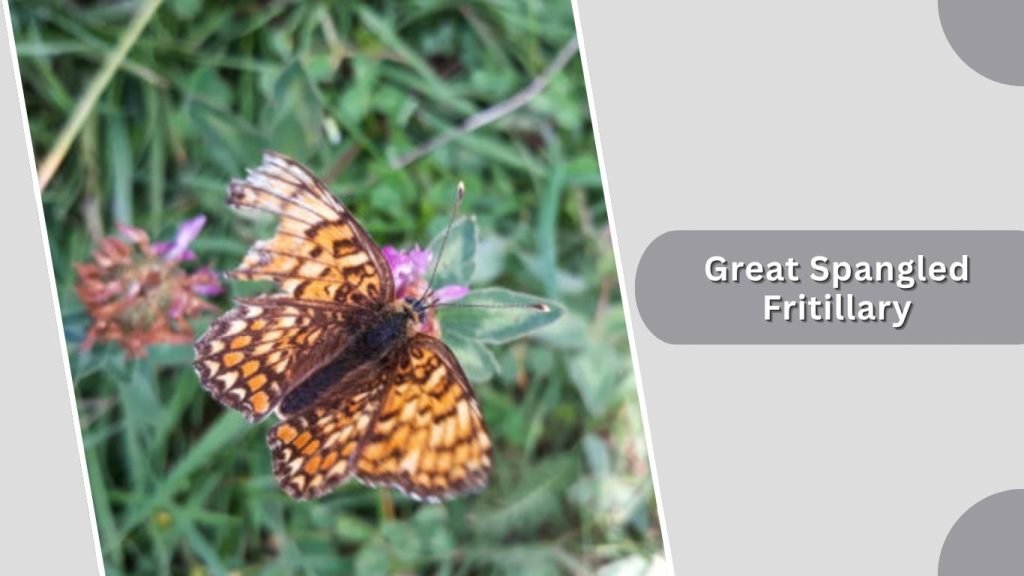
The Great Spangled Fritillary is one of the largest fritillary butterflies in North America. It is commonly found in meadows and open fields, especially where violets grow, which are essential for its life cycle.
Identification
- Bright orange wings with black spots
- Underside of hindwings has large silvery spots
- Wingspan ranges from 6.5 to 10 cm
- Strong and steady flight
Color Pattern
This butterfly has vivid orange wings covered with bold black markings on the upper side. The underside is darker with prominent silver spots that shimmer in the light. These reflective spots are a key feature used for identification and may help deter predators.
Diet
Caterpillars feed mainly on violet plants. Adult butterflies consume nectar from a variety of flowers such as milkweed, thistle, and coneflowers. Their diet supports their relatively large size and active flight.
Migration
Great Spangled Fritillaries are not true migrants. However, they may move locally in search of food and breeding areas. Their populations are generally stable within suitable habitats during the warmer months.
14. Hackberry Emperor Butterfly
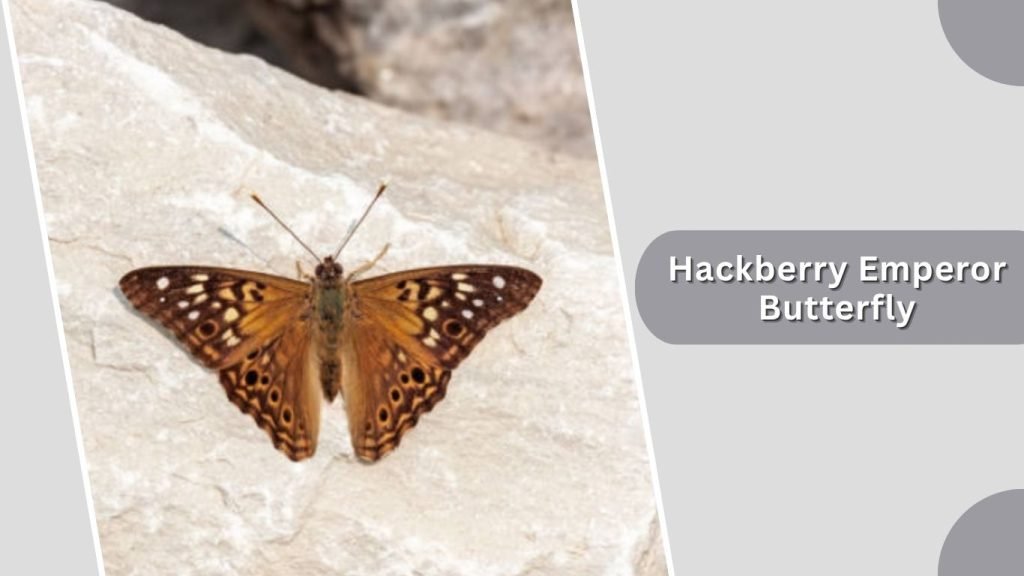
The Hackberry Emperor is a unique butterfly known for its behavior more than its bright colors. It is often seen perched on tree trunks or even landing on people, attracted by sweat and minerals.
Identification
- Brown wings with darker spots and eye markings
- Subtle orange patches near the forewings
- Wingspan ranges from 5.5 to 7 cm
- Often rests on tree bark or ground
Color Pattern
The Hackberry Emperor has a more subdued appearance compared to many butterflies. Its brown and orange tones help it blend into tree bark, providing excellent camouflage. Small eye spots on the wings may help in deterring predators.
Diet
Caterpillars feed on hackberry leaves, which give the butterfly its name. Adult butterflies rarely visit flowers; instead, they feed on tree sap, rotting fruit, and even animal droppings. They are also attracted to moisture and salts from human skin.
Migration
Hackberry Emperors are non-migratory butterflies. They remain in their local habitats throughout the year, especially in areas where hackberry trees are abundant. Their activity levels change with seasonal temperatures rather than long-distance movement.
15. Tawny Emperor Butterfly
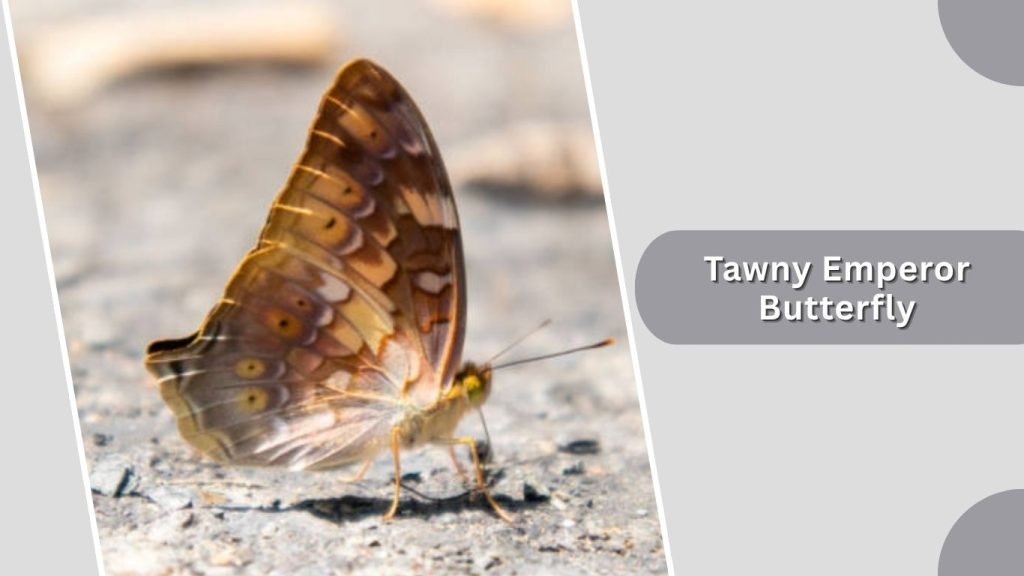
The Tawny Emperor butterfly is closely related to the Hackberry Emperor and shares similar habitats and behaviors. It is commonly found in wooded areas where hackberry trees are present, which are essential for its survival.
Identification
- Light brown to orange-tan wings
- Dark spots and faint eye markings
- Wingspan ranges from 5.7 to 7.6 cm
- Less contrasting pattern than Hackberry Emperor
Color Pattern
The Tawny Emperor has a warm, orange-brown coloration with subtle darker markings. Compared to its relative, it appears more uniformly colored and less patterned. The underside is paler, which helps it blend into tree bark and dry leaves when resting.
Diet
Caterpillars feed exclusively on hackberry leaves. Adult butterflies rarely visit flowers; instead, they prefer tree sap, rotting fruit, and organic matter. They are also known to land on people to absorb salts and moisture.
Migration
Tawny Emperor butterflies are non-migratory. They stay within their local habitats year-round, especially in regions where hackberry trees are abundant. Their activity varies with seasonal temperature changes.
16. White Peacock Butterfly
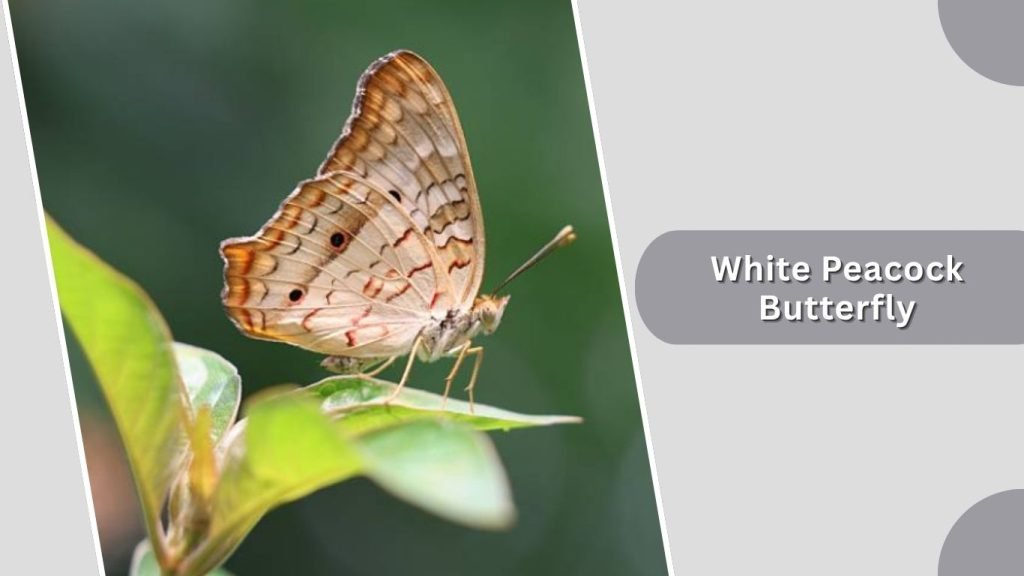
The White Peacock butterfly is a beautiful species commonly found in warm climates, especially in open fields and near water sources. It is known for its delicate appearance and eye-catching wing patterns.
Identification
- White to pale cream wings with black and orange markings
- Distinct eye spots on hindwings
- Wingspan ranges from 5 to 6.5 cm
- Often seen basking with wings open
Color Pattern
The White Peacock displays a soft white background with bold black lines and small orange accents. Eye spots on the hindwings add to its striking appearance and may help deter predators. The contrast makes it easily noticeable in sunlight.
Diet
Caterpillars feed on plants such as water hyssop and frogfruit. Adult butterflies consume nectar from a variety of flowers, including lantana and verbena. This diet supports their frequent activity in sunny, open areas.
Migration
White Peacock butterflies are generally non-migratory. They remain in warm regions throughout the year, although they may expand their range during warmer seasons. Their movement is mostly local and influenced by environmental conditions.
17. Blue Morpho Butterfly
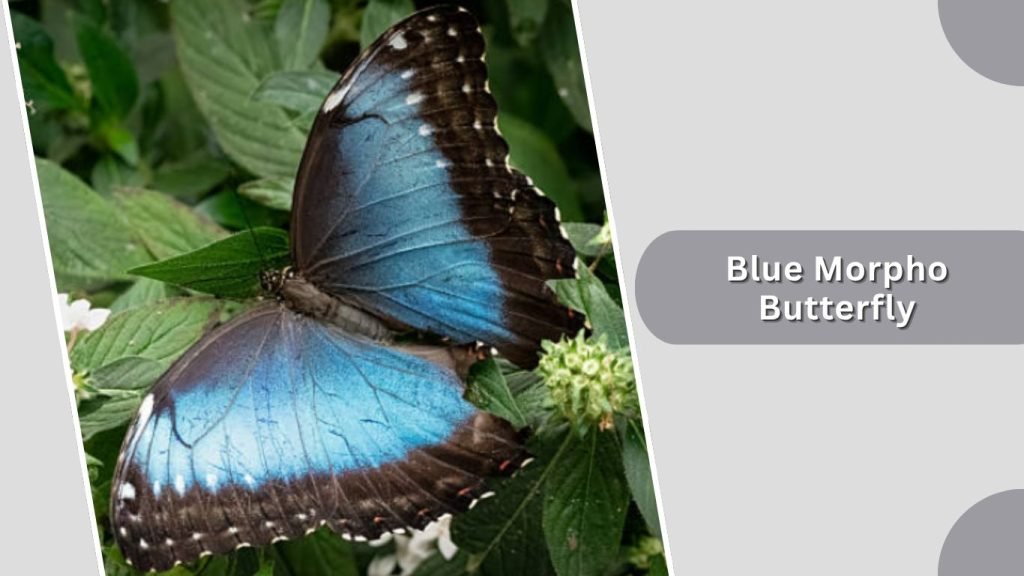
The Blue Morpho butterfly is one of the most famous and visually stunning butterflies in the world. Found in tropical forests, it is admired for its brilliant blue wings that shimmer in sunlight.
Identification
- Large wings with bright iridescent blue upper side
- Brown underside with multiple eye spots
- Wingspan ranges from 12 to 20 cm
- Strong but slow, floating flight
Color Pattern
The Blue Morpho’s upper wings are a vivid, metallic blue that appears to glow when light hits them. In contrast, the underside is dull brown with eye spots, providing camouflage when the wings are closed. This contrast helps protect it from predators.
Diet
Caterpillars feed on various plant leaves, including legumes. Adult butterflies prefer fermenting fruit, tree sap, and organic matter rather than flower nectar. This diet is common among many tropical butterfly species.
Migration
Blue Morpho butterflies are non-migratory. They remain within their rainforest habitats, moving locally in search of food and breeding areas. Their activity is influenced by light and humidity levels.
18. Glasswing Butterfly
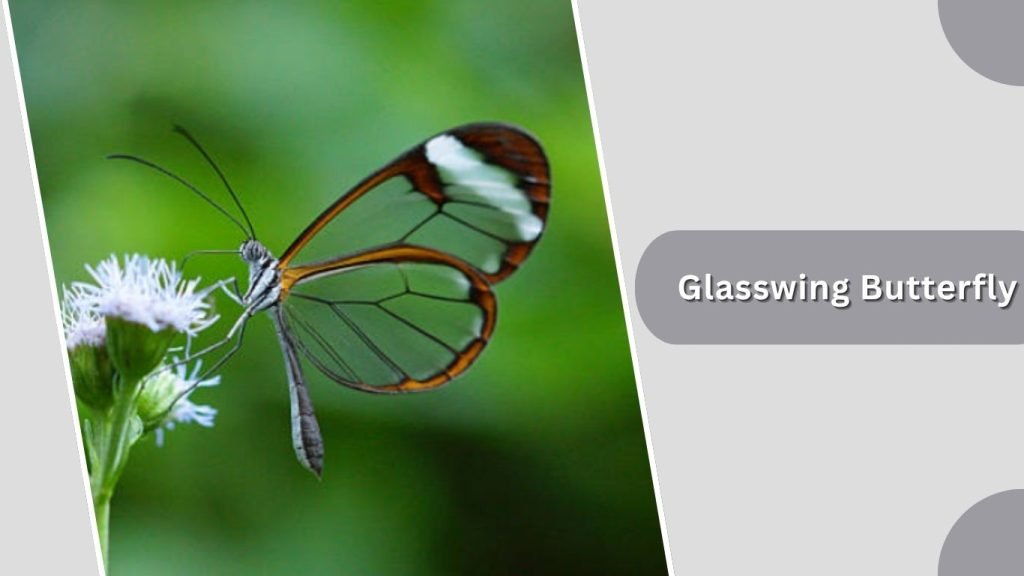
The Glasswing butterfly is a unique species known for its transparent wings, which make it almost invisible in flight. It is commonly found in Central and South America.
Identification
- Transparent wings with thin black borders
- Slight orange or brown tint near wing edges
- Wingspan ranges from 5.5 to 6 cm
- Delicate and slow flight pattern
Color Pattern
The most striking feature of the Glasswing is its clear wings, which lack the usual scales found on other butterflies. This transparency helps it avoid predators by blending into its surroundings. The thin dark borders add slight definition to its shape.
Diet
Caterpillars feed on plants from the nightshade family. Adult butterflies consume nectar from flowers, but they also ingest toxic compounds from certain plants, making them unappealing to predators.
Migration
Glasswing butterflies are not known for long-distance migration. They typically stay within their forest habitats, although they may move short distances in response to seasonal changes and food availability.
19. Ulysses Butterfly
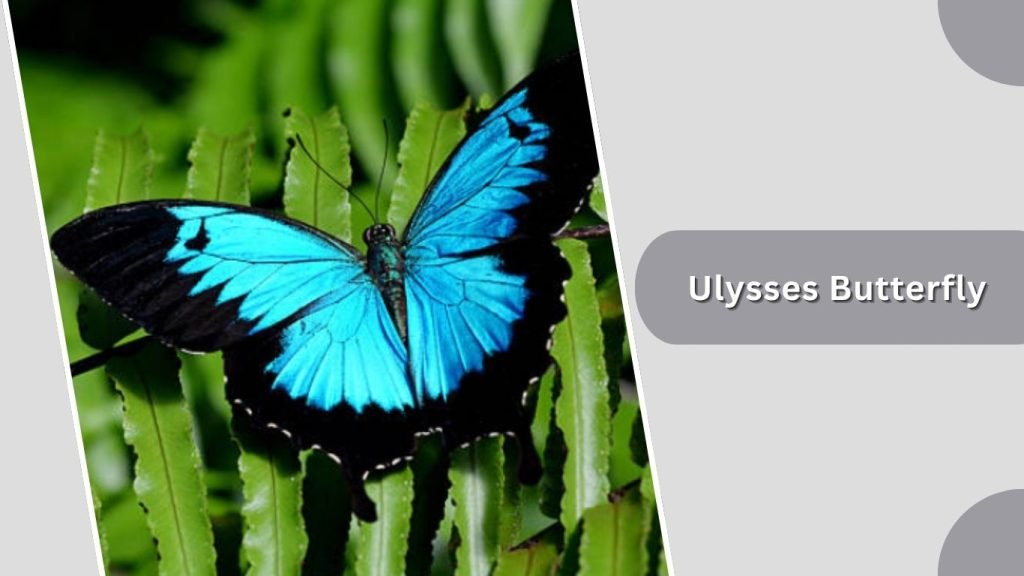
The Ulysses butterfly, also known as the Blue Mountain butterfly, is a striking species native to Australia and nearby regions. It is admired for its brilliant blue coloration and fast flight through tropical forests.
Identification
- Bright electric blue upper wings
- Dark brown to black wing edges
- Wingspan ranges from 10 to 14 cm
- Fast and strong flight
Color Pattern
The Ulysses butterfly displays a vivid, glowing blue on the upper side of its wings, which stands out sharply against the dark edges. The underside is more subdued with brown tones, allowing it to blend into its environment when resting. This contrast helps in both attraction and protection.
Diet
Caterpillars feed on plants from the citrus family. Adult butterflies consume nectar from a variety of tropical flowers. Their diet supports their energetic flight and active daytime behavior.
Migration
Ulysses butterflies are generally non-migratory. They remain within rainforest habitats, moving locally in search of food and suitable breeding areas. Their movement depends on environmental conditions rather than seasonal migration.
20. Peacock Butterfly
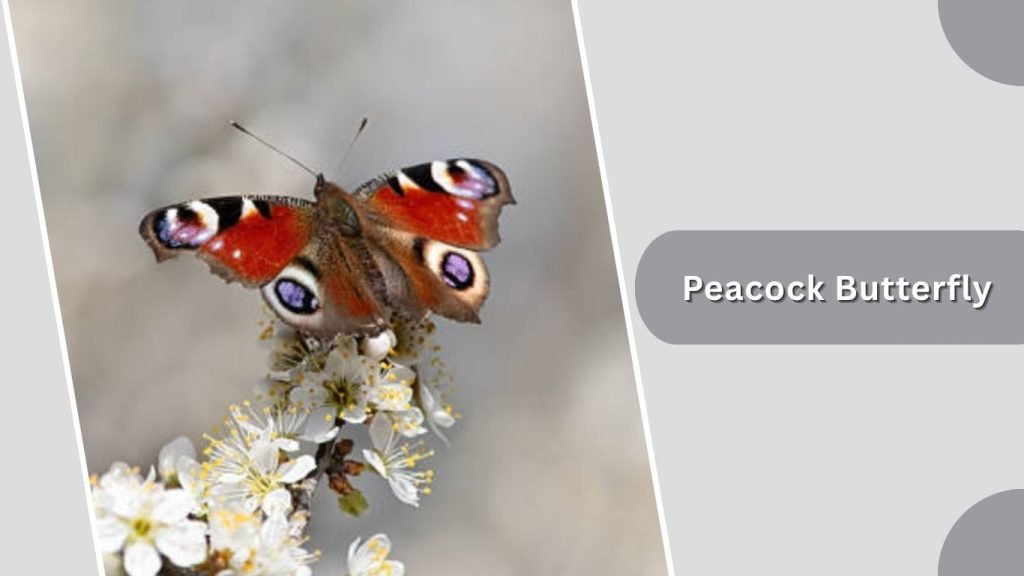
The Peacock butterfly is a well-known species in Europe and Asia, famous for its large eye spots that resemble the eyes of a peacock’s feathers. These markings help protect it from predators.
Identification
- Reddish wings with large eye spots on each wing
- Dark body with short antennae
- Wingspan ranges from 5 to 5.5 cm
- Often rests with wings closed
Color Pattern
The Peacock butterfly has rich reddish-brown wings with bold eye spots in shades of blue, black, and yellow. The underside is dark and plain, providing camouflage when the butterfly is at rest. The eye spots can startle predators and give the illusion of a larger animal.
Diet
Caterpillars feed mainly on nettles. Adult butterflies consume nectar from flowers such as buddleia and thistles. They also feed on tree sap and overripe fruit, especially in late seasons.
Migration
Peacock butterflies are non-migratory. They overwinter as adults in sheltered places like buildings or tree cavities. This allows them to reappear early in spring when temperatures rise.
21. Small Tortoiseshell Butterfly
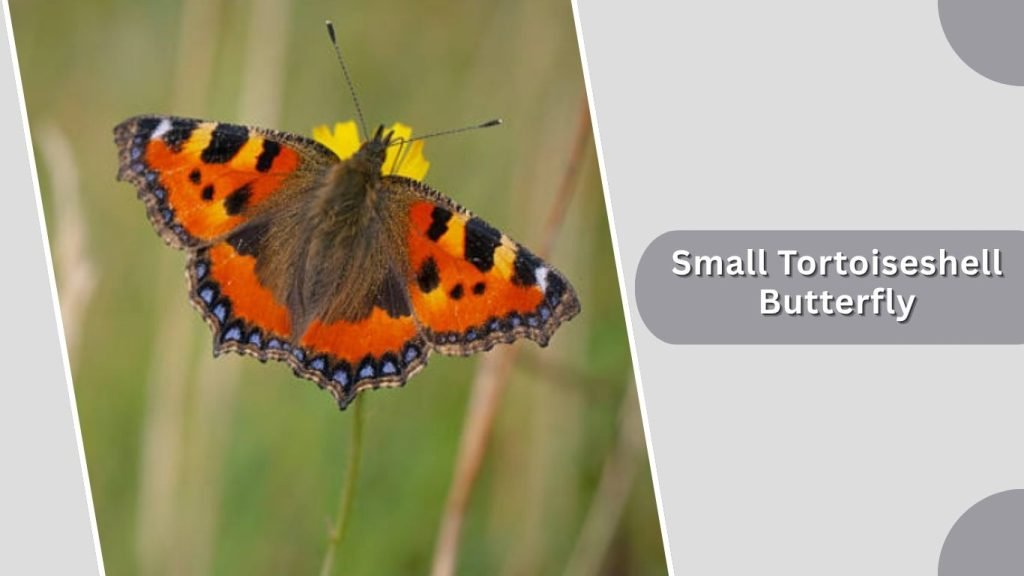
The Small Tortoiseshell butterfly is a colorful and widespread species commonly found in gardens and open landscapes. It is known for its bright appearance and ability to survive cold winters by hibernating as an adult.
Identification
- Bright orange wings with black and yellow markings
- Blue spots along the wing edges
- Wingspan ranges from 4.5 to 6.2 cm
- Compact body with slightly scalloped wings
Color Pattern
The Small Tortoiseshell has a vibrant mix of orange, black, and yellow on the upper wings, with a row of blue spots along the edges. The underside is much darker and dull, helping it blend into surroundings when resting. This contrast provides both visibility and camouflage.
Diet
Caterpillars feed mainly on nettles, which are abundant in many regions. Adult butterflies consume nectar from flowers such as thistles, dandelions, and buddleia. Their diet helps sustain them throughout their active months.
Migration
Small Tortoiseshell butterflies are not migratory. Instead, they hibernate during winter in sheltered places like sheds, tree holes, or houses. They emerge in early spring when temperatures rise.
22. Large White Butterfly
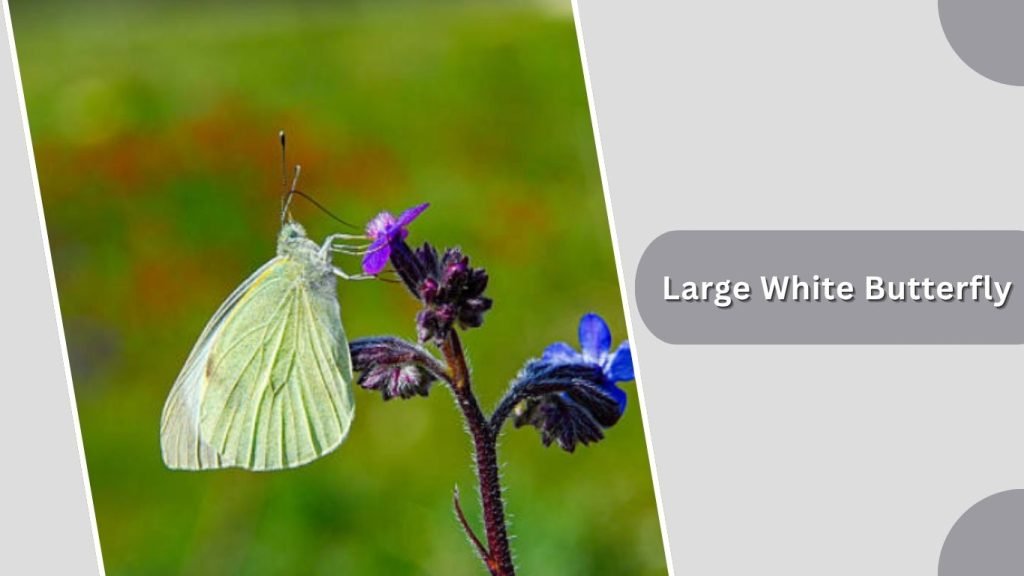
The Large White butterfly, often called the cabbage butterfly, is a common species found in gardens and agricultural areas. It is known for its simple appearance and its role as a pest in crop fields.
Identification
- White wings with black tips on forewings
- Black spots on wings, especially in females
- Wingspan ranges from 5.5 to 7 cm
- Strong and steady flight
Color Pattern
The Large White has clean white wings contrasted by black tips and spots. This simple yet distinct pattern makes it easy to recognize. The underside is pale with a slight yellow tint, helping it blend when resting among plants.
Diet
Caterpillars feed on cabbage, broccoli, and other plants in the mustard family, often causing damage to crops. Adult butterflies consume nectar from flowers such as dandelions and clover.
Migration
Large White butterflies are partially migratory. In some regions, they move in large numbers during warmer months. Their movement depends on climate and availability of food sources.
23. Cabbage White Butterfly
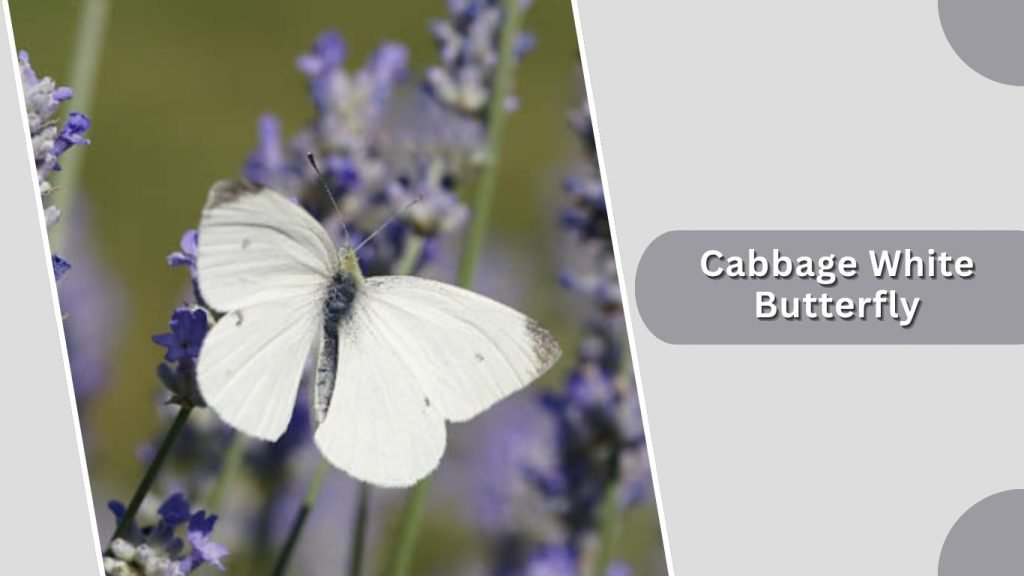
The Cabbage White butterfly is a very common and widespread species, often seen fluttering in gardens, fields, and urban areas. It is closely related to the Large White and is also known for its impact on vegetable crops.
Identification
- Small white wings with light black tips
- One or two black spots on the forewings
- Wingspan ranges from 3.2 to 5.1 cm
- Quick and erratic flight
Color Pattern
The Cabbage White has simple white wings with subtle black markings. Compared to the Large White, it is smaller and less bold in appearance. The underside of the wings often has a pale yellow tint, helping it blend into vegetation.
Diet
Caterpillars feed on cabbage, kale, and other mustard-family plants, making them common garden pests. Adult butterflies consume nectar from a variety of flowers such as clover and dandelions.
Migration
Cabbage White butterflies are partially migratory. They can travel short to moderate distances, especially during warmer months, expanding their range based on climate and food availability.
24. Clouded Yellow Butterfly
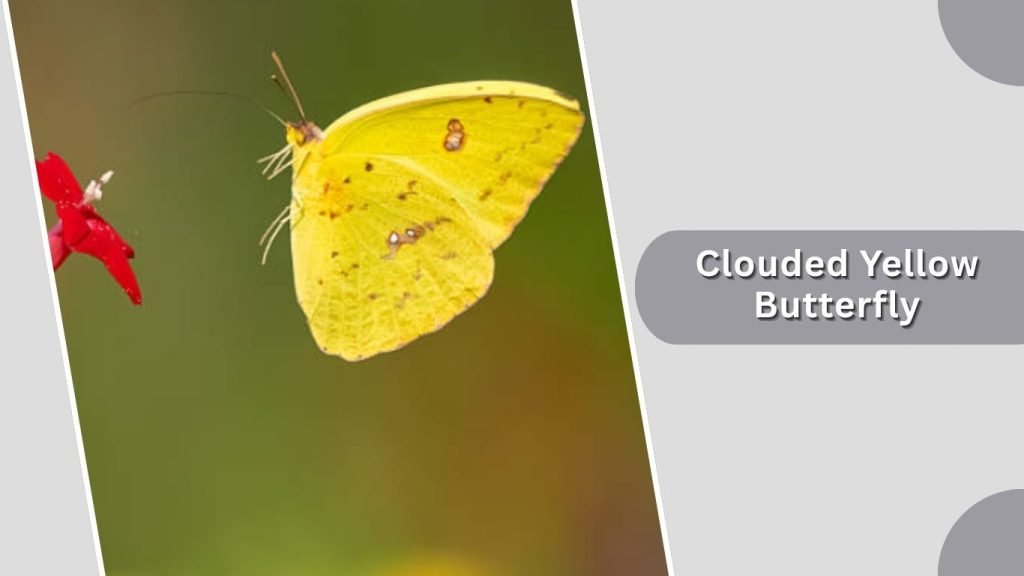
The Clouded Yellow butterfly is a fast-flying species commonly found in open grasslands and fields. It is known for its bright yellow coloration and seasonal appearances in many regions.
Identification
- Bright yellow wings with dark black borders
- Small orange spot on each forewing
- Wingspan ranges from 4.5 to 5.5 cm
- Fast and active flight
Color Pattern
The Clouded Yellow displays vivid yellow wings edged with dark black borders, creating a strong contrast. In some individuals, especially females, the color may appear paler or slightly greenish. The underside is lighter with small spots, aiding in camouflage.
Diet
Caterpillars feed on legumes such as clover and alfalfa. Adult butterflies consume nectar from a variety of flowers, which provides energy for their constant movement and activity.
Migration
Clouded Yellow butterflies are known for their migratory behavior. In some regions, they appear in large numbers during certain seasons, moving across long distances in response to climate conditions and food availability.
25. Brimstone Butterfly
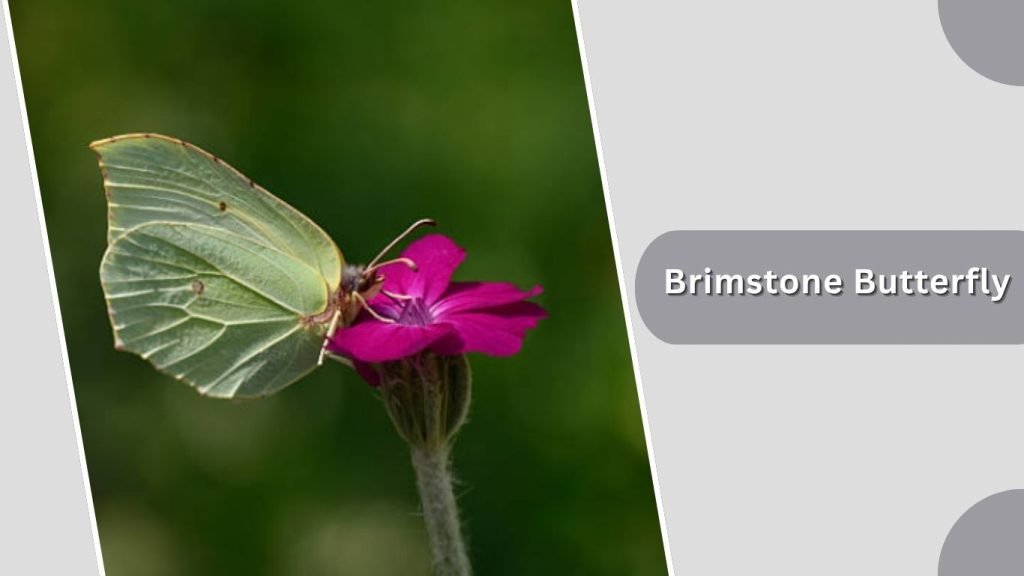
The Brimstone butterfly is one of the earliest butterflies to appear in spring. It is easily recognized by its leaf-like wings and bright coloration, especially in males.
Identification
- Leaf-shaped wings with pointed tips
- Males are bright yellow, females are pale greenish-white
- Wingspan ranges from 5.5 to 7.4 cm
- Slow and fluttering flight
Color Pattern
The Brimstone’s wings resemble leaves, which provides excellent camouflage when at rest. Males display a vivid yellow color, while females are more subdued. The underside looks like a green leaf with visible vein-like patterns, helping it blend into foliage.
Diet
Caterpillars feed mainly on buckthorn plants. Adult butterflies consume nectar from early spring flowers such as primrose and dandelion. Their early emergence allows them to take advantage of limited nectar sources.
Migration
Brimstone butterflies are non-migratory. They overwinter as adults in dense vegetation and reappear in early spring. Their long lifespan is unusual compared to many other butterfly species.
26. Swallowtail Butterfly
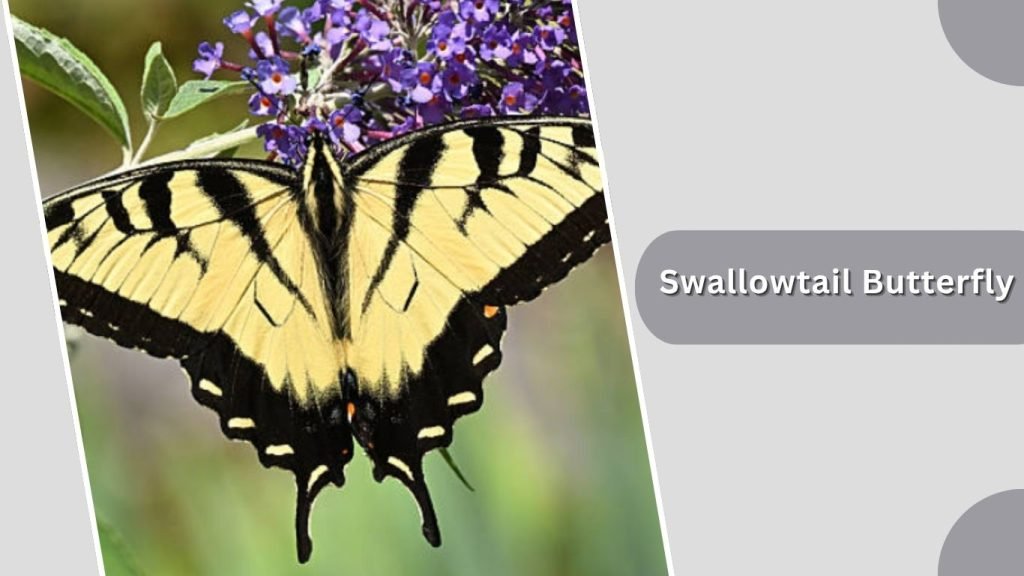
The Swallowtail butterfly is a large and elegant species known for the distinctive tail-like extensions on its hindwings. It is widely distributed and admired for its graceful flight.
Identification
- Large wings with tail-like extensions
- Yellow wings with black stripes and markings
- Wingspan ranges from 7 to 14 cm
- Strong and gliding flight
Color Pattern
Swallowtail butterflies typically have bright yellow wings marked with bold black stripes. Some species may also show blue and red spots near the tail. The striking pattern makes them one of the most visually appealing butterfly groups.
Diet
Caterpillars feed on a variety of plants, including parsley, fennel, and citrus species. Adult butterflies consume nectar from flowers such as lilac, milkweed, and thistle.
Migration
Some Swallowtail species are migratory, while others remain in local habitats. Their movement patterns vary depending on the species and environmental conditions.
27. Tiger Swallowtail Butterfly
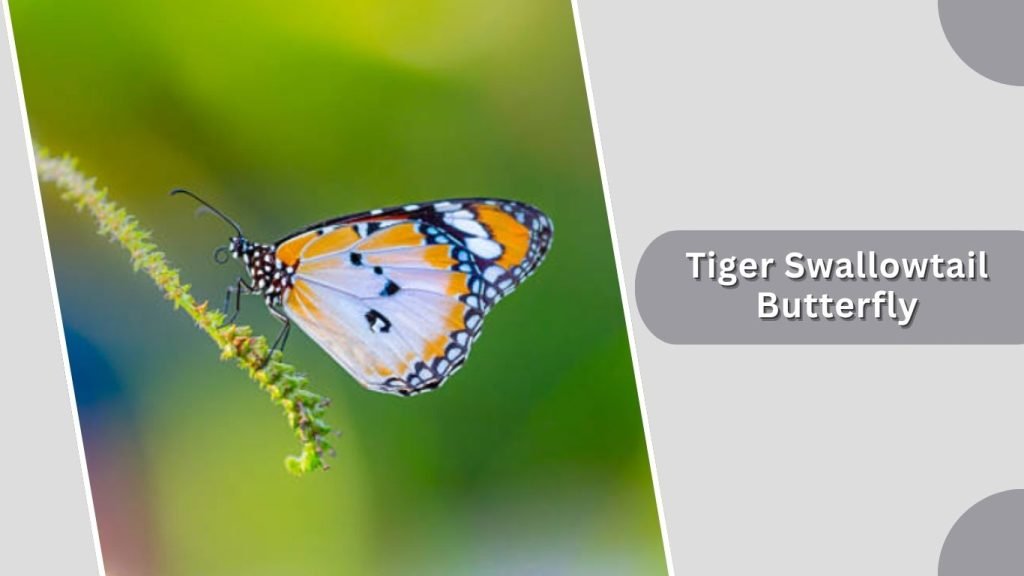
The Tiger Swallowtail butterfly is a large and colorful species commonly found in forests, gardens, and near rivers. It is admired for its striking patterns and graceful flight.
Identification
- Yellow wings with bold black tiger-like stripes
- Tail-like extensions on hindwings
- Wingspan ranges from 7.5 to 14 cm
- Strong and gliding flight
Color Pattern
The Tiger Swallowtail features bright yellow wings marked with black stripes that resemble a tiger’s pattern. Some individuals, especially females, may appear darker. Blue and orange spots are often visible near the hindwing tails, adding to its vibrant look.
Diet
Caterpillars feed on leaves of trees such as birch, willow, and cherry. Adult butterflies consume nectar from flowers like lilac, milkweed, and wild cherry blossoms. Their diet supports their large size and active flight.
Migration
Tiger Swallowtails are generally non-migratory but may move locally in response to seasonal changes. In warmer regions, they can produce multiple generations in a year.
28. Pipevine Swallowtail Butterfly
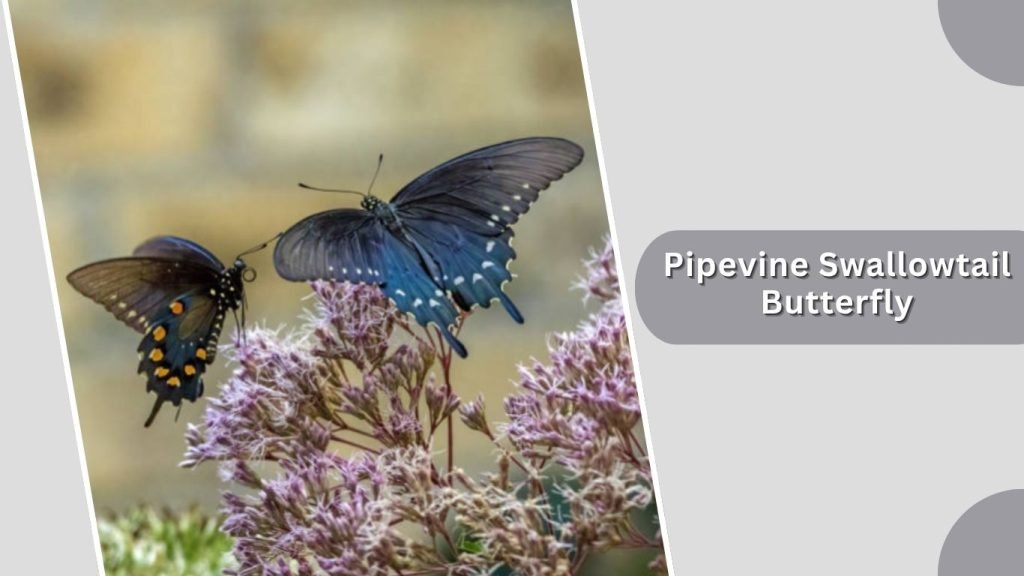
The Pipevine Swallowtail butterfly is known for its dark, iridescent wings and its toxic nature, which helps protect it from predators. It is commonly found in woodlands and gardens.
Identification
- Dark blue to black wings with iridescent sheen
- Row of bright orange spots on hindwings underside
- Wingspan ranges from 7 to 13 cm
- Tail-like extensions on hindwings
Color Pattern
The Pipevine Swallowtail has a deep black or bluish upper wing surface that shines in sunlight. The underside features bright orange spots, creating a strong contrast. This coloration serves as a warning to predators about its toxicity.
Diet
Caterpillars feed on pipevine plants, which contain toxic compounds. Adult butterflies consume nectar from flowers such as thistle, lantana, and petunia. The toxins from their diet make both larvae and adults unpalatable.
Migration
Pipevine Swallowtails are not strong migrants. They usually remain within their local habitats, although they may move short distances in search of host plants and nectar sources.
29. Black Swallowtail Butterfly

The Black Swallowtail butterfly is a striking species commonly found in gardens, fields, and open areas. It is well known for its dark coloration and its association with herb plants like parsley and dill.
Identification
- Black wings with yellow spots and blue markings
- Red-orange eye spots near the hindwings
- Wingspan ranges from 6.5 to 10.5 cm
- Tail-like extensions on hindwings
Color Pattern
The Black Swallowtail has dark black wings highlighted with rows of yellow spots. The hindwings often display blue shading and small red-orange spots, adding contrast. The underside is lighter but still patterned, helping with camouflage when resting.
Diet
Caterpillars feed on plants such as parsley, dill, fennel, and carrot leaves. Adult butterflies consume nectar from flowers like clover, milkweed, and thistle. This diet makes them common visitors in herb gardens.
Migration
Black Swallowtails are generally non-migratory. They remain within local habitats but may expand their range during warmer months. In cooler regions, they overwinter in the pupal stage.
30. Common Jezebel Butterfly
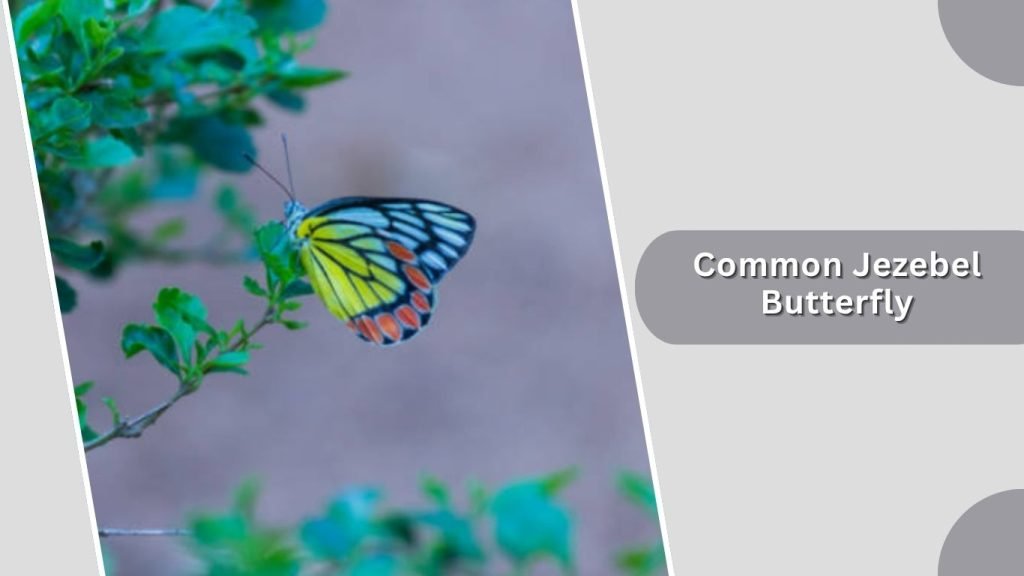
The Common Jezebel butterfly is a brightly colored species often seen in gardens and forest edges. It is especially known for its vibrant underside patterns and slow, graceful flight.
Identification
- White upper wings with black veins
- Bright yellow and red markings on underside
- Wingspan ranges from 5 to 6.5 cm
- Slow and fluttering flight
Color Pattern
The upper side of the Common Jezebel is mostly white with bold black veins, while the underside is vividly colored with yellow and red patches. This bright coloration serves as a warning to predators about its toxicity.
Diet
Caterpillars feed on mistletoe plants. Adult butterflies consume nectar from a variety of flowers, including lantana and jasmine. Their feeding habits support pollination in their habitats.
Migration
Common Jezebel butterflies are not known for long-distance migration. They usually stay within their local environments, moving short distances in search of food and breeding sites.
31. Crimson Rose Butterfly
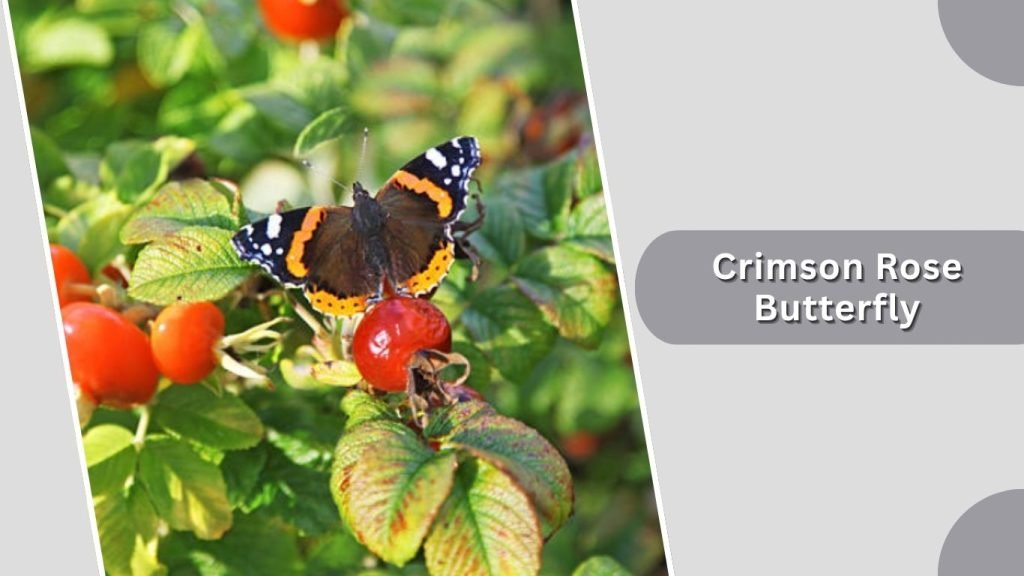
The Crimson Rose butterfly is a large and striking species known for its bold red and black coloration. It is commonly found in tropical regions and is admired for its graceful flight and warning colors.
Identification
- Black wings with white patches
- Bright red body and red spots on hindwings
- Wingspan ranges from 9 to 10 cm
- Long, tail-like extensions on hindwings
Color Pattern
The Crimson Rose displays a dramatic contrast of black wings with white patches and vivid red markings. The bright red body and spots serve as a warning to predators about its toxicity. Its bold coloration makes it easily recognizable in flight.
Diet
Caterpillars feed on plants from the Aristolochia family, which contain toxic compounds. Adult butterflies consume nectar from flowers such as lantana and hibiscus. These toxins make both larvae and adults unpalatable to predators.
Migration
Crimson Rose butterflies are not strong migrants. They usually remain within their local habitats, although they may move short distances in search of food and breeding areas.
32. Common Mormon Butterfly
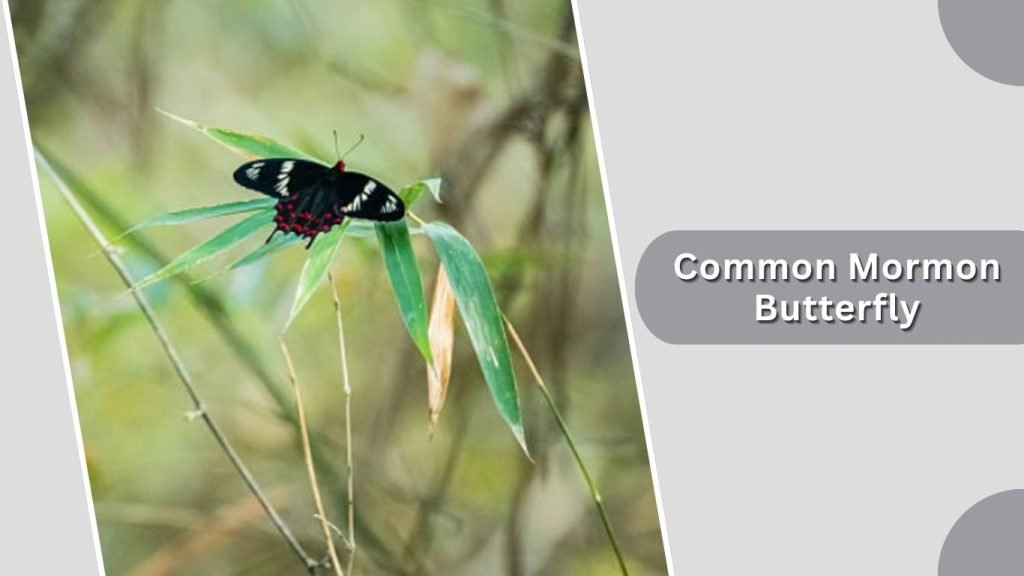
The Common Mormon butterfly is a highly adaptable species found in gardens and forests across Asia. It is known for its variation in appearance, especially among females that mimic other toxic species.
Identification
- Black wings with white spots
- Females show multiple forms with different patterns
- Wingspan ranges from 9 to 10 cm
- Tail-like extensions on hindwings
Color Pattern
The Common Mormon typically has black wings with subtle white markings. Females may display different color patterns to mimic other toxic butterflies, helping them avoid predators. This variation makes them unique among butterfly species.
Diet
Caterpillars feed on citrus plants such as lemon and orange leaves. Adult butterflies consume nectar from a wide range of flowers, making them common visitors in gardens.
Migration
Common Mormon butterflies are generally non-migratory. They stay within their local habitats year-round, although they may move short distances depending on environmental conditions and food availability.
