
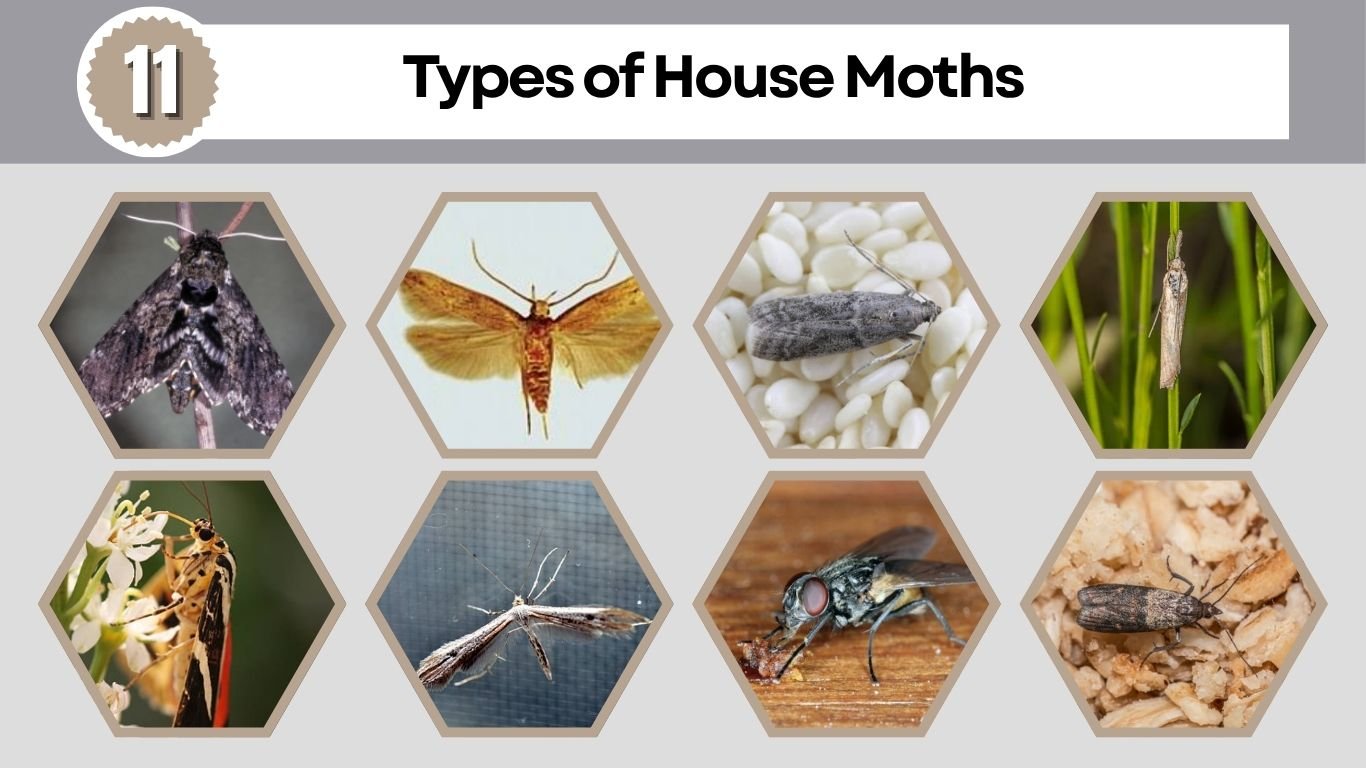
House moths are small but significant insects commonly found indoors, especially in kitchens, closets, and storage areas. While they may seem harmless at first, many species can cause damage to fabrics, food supplies, and stored goods. Their size, color, and behavior vary, making it important to identify them correctly.
In this guide, you’ll explore 11 types of house moths along with key details about their size, color, habitat, and diet. This will help you recognize common indoor moth species and understand how they live and interact within your home environment.
1. Clothes Moth
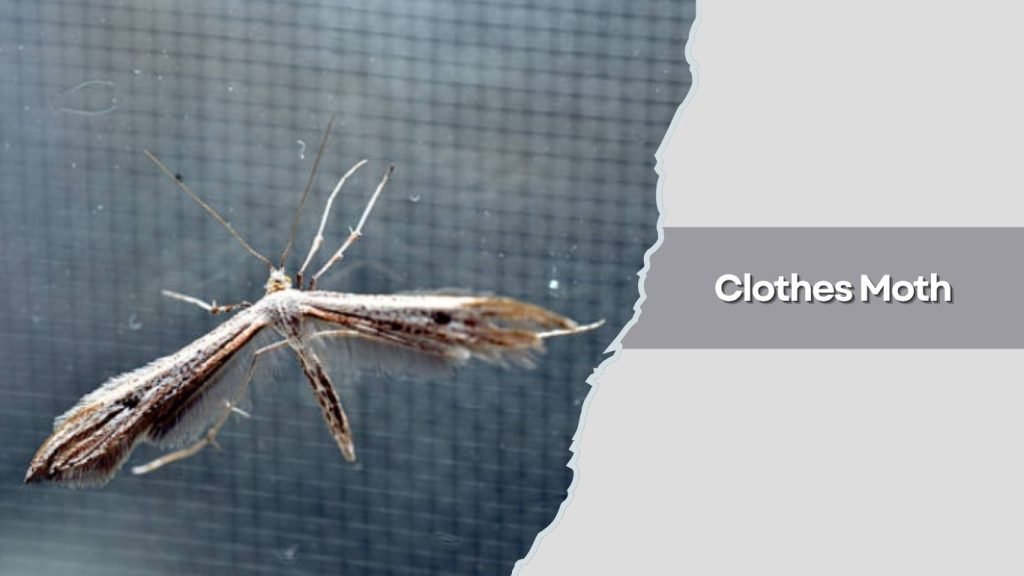
The Clothes moth is one of the most common household moths, known for damaging fabrics made from natural fibers. It is often found in closets, wardrobes, and storage areas where clothing is kept.
Identification
- Wingspan ranges from 1–1.5 cm
- Pale golden or buff-colored wings
- Narrow wings with fringed edges
- Small, slender body
Size and Color
Clothes moths are very small with a wingspan of about 1–1.5 cm. They have a uniform pale golden or beige color, giving them a subtle and understated appearance.
Habitat
These moths are commonly found indoors, especially in dark and undisturbed areas such as closets, drawers, and storage boxes where fabrics are stored.
Diet
Adult clothes moths do not feed on fabrics. The larvae are responsible for damage, feeding on materials like wool, silk, fur, and other natural fibers.
2. Case-bearing Clothes Moth
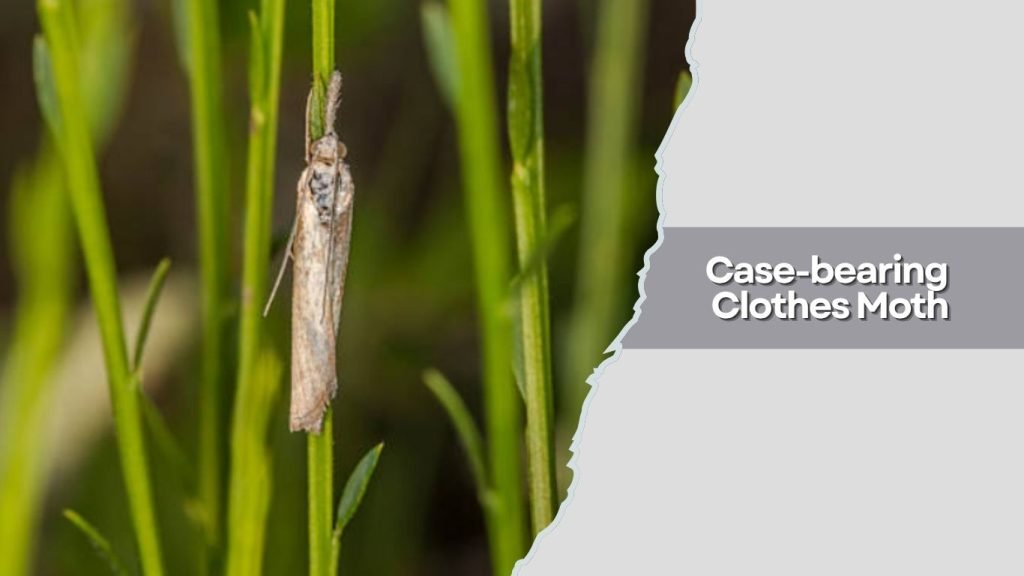
The Case-bearing clothes moth is a common household pest closely related to the clothes moth. It is known for the protective case its larvae carry while feeding on fabrics.
Identification
- Wingspan ranges from 1–1.5 cm
- Pale brown to grayish wings with subtle darker spots
- Slender body with narrow wings
- Larvae carry a small silken case
Size and Color
This moth is small, similar in size to the common clothes moth, with a wingspan of about 1–1.5 cm. Its coloration is slightly darker, often grayish or brown with faint markings.
Habitat
Case-bearing clothes moths are found indoors in dark, undisturbed areas such as closets, carpets, and storage spaces. They prefer places where natural fibers are present.
Diet
The larvae feed on wool, silk, fur, and other animal-based materials. They live inside a portable case made from silk and fabric fibers, which protects them as they move and feed.
3. Indianmeal Moth
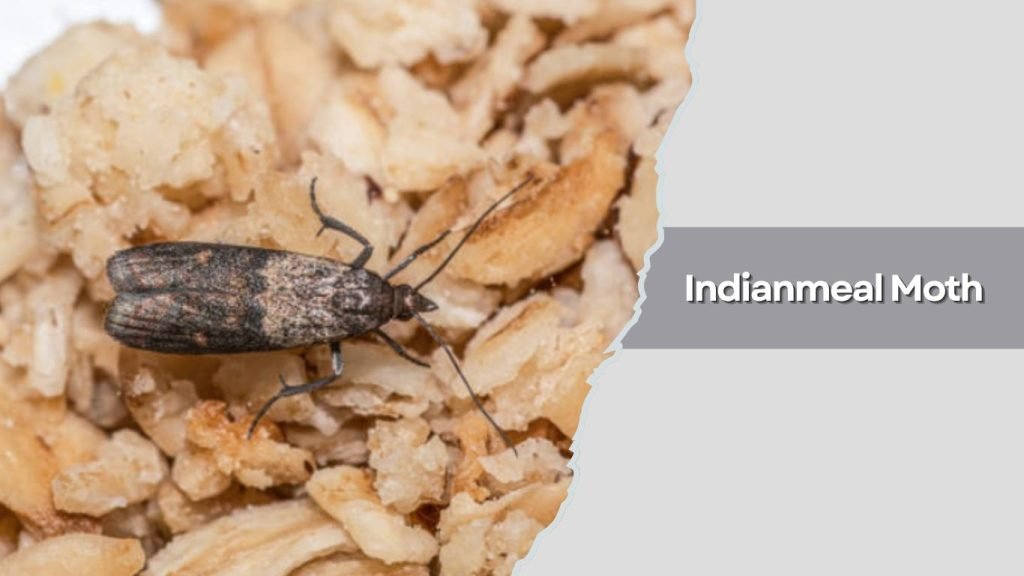
The Indianmeal moth is a common household pest often found in kitchens and food storage areas. It is known for infesting dry food products such as grains, flour, and cereals.
Identification
- Wingspan ranges from 1–2 cm
- Distinct two-toned wings (gray near the body, reddish-brown toward the tips)
- Slender body with narrow wings
- Small size with noticeable color contrast
Size and Color
Indianmeal moths are small, with a wingspan of about 1–2 cm. Their most distinctive feature is their two-toned wing pattern, combining gray and reddish-brown colors.
Habitat
These moths are commonly found indoors, especially in kitchens, pantries, and food storage areas. They thrive in warm environments with access to dry food products.
Diet
Adult moths do not feed on stored food. The larvae feed on grains, flour, nuts, dried fruits, and other pantry items, often leaving behind webbing in infested products.
4. Brown House Moth
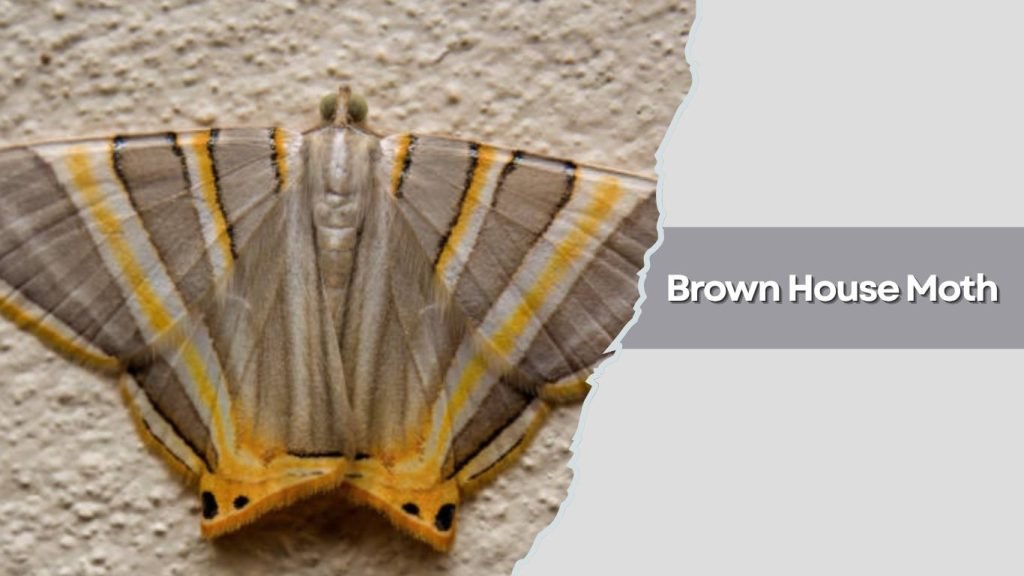
The Brown house moth is a common indoor species often found in homes, especially in areas where food or organic materials are stored. It is less destructive than some pantry moths but can still be a nuisance.
Identification
- Wingspan ranges from 2–3 cm
- Brown wings with darker speckled patterns
- Slightly broader wings compared to smaller house moths
- Slender body with a dull appearance
Size and Color
Brown house moths are medium-sized compared to other indoor moths, with a wingspan of about 2–3 cm. Their coloration is typically dull brown with darker mottled markings.
Habitat
These moths are commonly found indoors in kitchens, pantries, and storage areas. They may also inhabit attics and other quiet spaces where organic materials are present.
Diet
Adult moths may feed on small amounts of food, while larvae feed on a variety of items such as grains, dried food, and sometimes natural fibers or debris.
5. White-shouldered House Moth
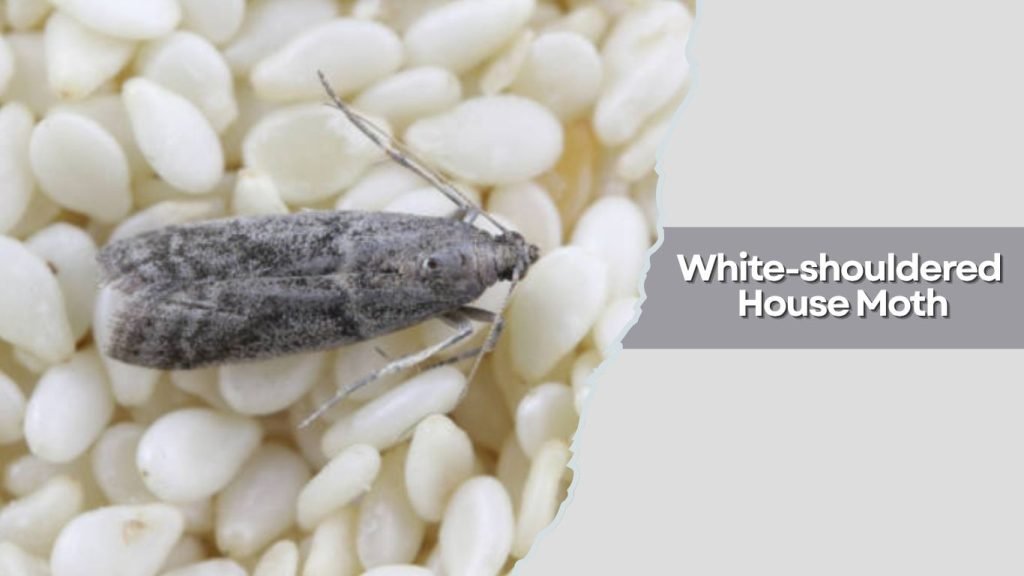
The White-shouldered house moth is a common indoor species recognized by its contrasting wing coloration. It is often found in homes and storage areas where food or organic materials are present.
Identification
- Wingspan ranges from 1.5–2 cm
- Dark brown wings with a distinctive pale or white “shoulder” near the head
- Slender body with smooth scales
- Noticeable contrast between wing base and rest of wing
Size and Color
This moth is small, with a wingspan of about 1.5–2 cm. It has dark brown wings with a lighter, whitish area near the front, giving it a two-tone appearance.
Habitat
White-shouldered house moths are commonly found indoors, especially in kitchens, pantries, and cupboards. They prefer warm environments with access to stored food.
Diet
Adult moths feed on small amounts of food. The larvae feed on a variety of dry food products, including grains, cereals, and other stored items, making them a common pantry pest.
6. Mediterranean Flour Moth
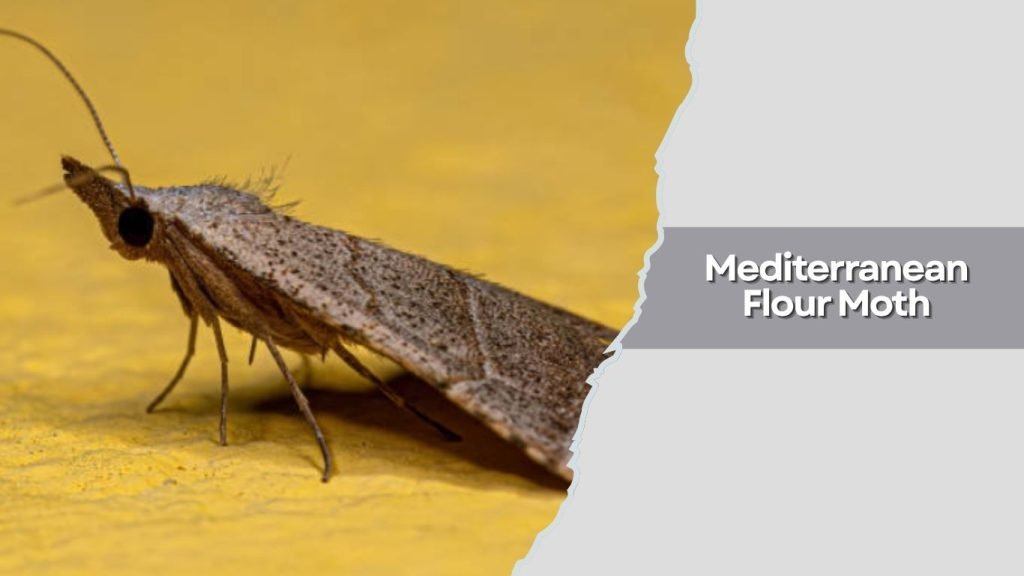
The Mediterranean flour moth is a common household pest that primarily infests stored food products. It is frequently found in kitchens, bakeries, and grain storage areas.
Identification
- Wingspan ranges from 2–3 cm
- Grayish wings with wavy dark patterns
- Slender body with slightly elongated wings
- Subtle markings that blend with surroundings
Size and Color
This moth is medium-sized for a house moth, with a wingspan of about 2–3 cm. Its coloration is mostly gray with darker zigzag or wavy lines across the wings.
Habitat
Mediterranean flour moths are commonly found indoors in kitchens, flour mills, bakeries, and storage facilities. They prefer warm environments with access to stored grains and food products.
Diet
Adult moths do not feed on stored products. The larvae feed on flour, grains, cereals, and other dry food items, often creating webbing that contaminates the food.
7. Angoumois Grain Moth
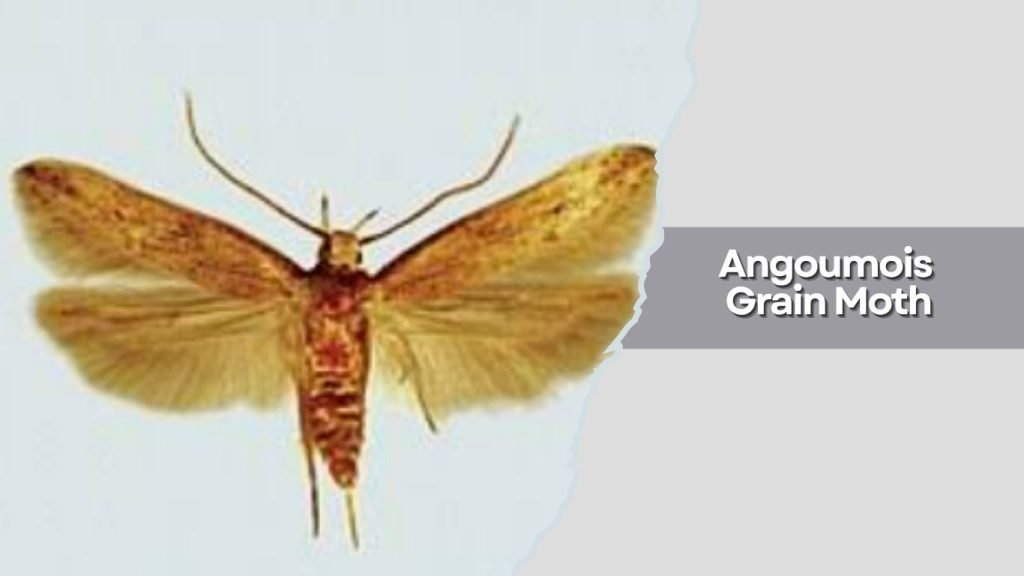
The Angoumois grain moth is a common household and storage pest known for infesting whole grains. It is often found in homes, granaries, and storage facilities where grains are kept.
Identification
- Wingspan ranges from 1–1.5 cm
- Pale yellowish-brown wings
- Narrow wings with pointed tips
- Small, slender body
Size and Color
This moth is small, with a wingspan of about 1–1.5 cm. It has a light yellowish or tan color, giving it a simple and uniform appearance.
Habitat
Angoumois grain moths are commonly found in stored grain environments, including kitchens, pantries, and storage bins. They prefer warm conditions with access to whole grains like corn, wheat, and rice.
Diet
Adult moths do not feed. The larvae develop inside whole grains, feeding internally, which makes infestations difficult to detect until damage becomes visible.
8. Meal Moth
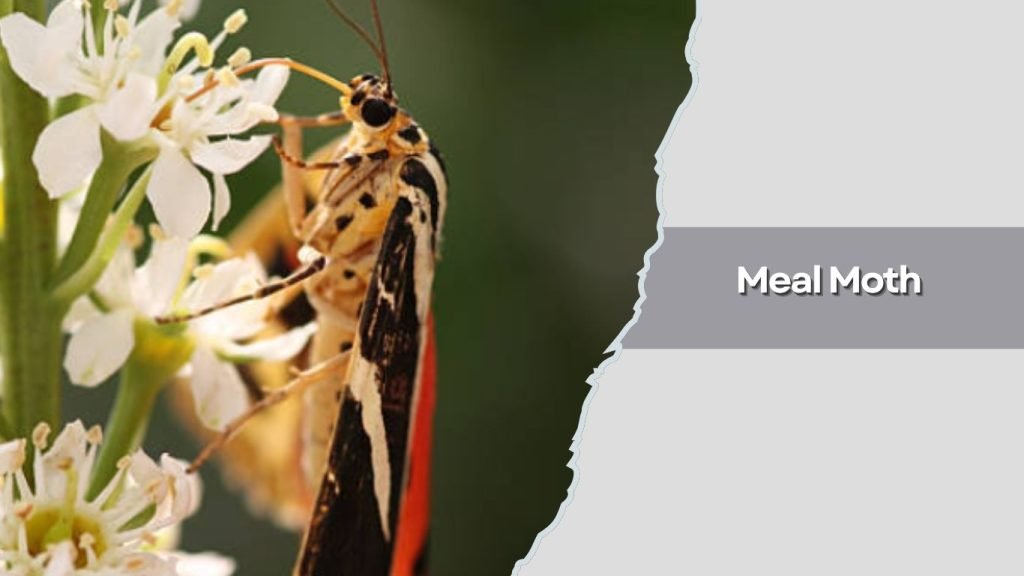
The Meal moth is a common indoor pest often found in stored food products. It is closely related to other pantry moths and can quickly become a nuisance if not controlled.
Identification
- Wingspan ranges from 1–2 cm
- Gray to brown wings with faint markings
- Slender body with narrow wings
- Subtle, dusty appearance
Size and Color
Meal moths are small, with a wingspan of about 1–2 cm. Their coloration is typically dull gray or brown, helping them blend into indoor environments.
Habitat
These moths are commonly found in kitchens, pantries, and food storage areas. They thrive in warm indoor conditions where dry food products are available.
Diet
Adult moths feed very little or not at all. The larvae feed on grains, cereals, flour, and other stored food items, often contaminating them with webbing and waste.
9. Tobacco Moth
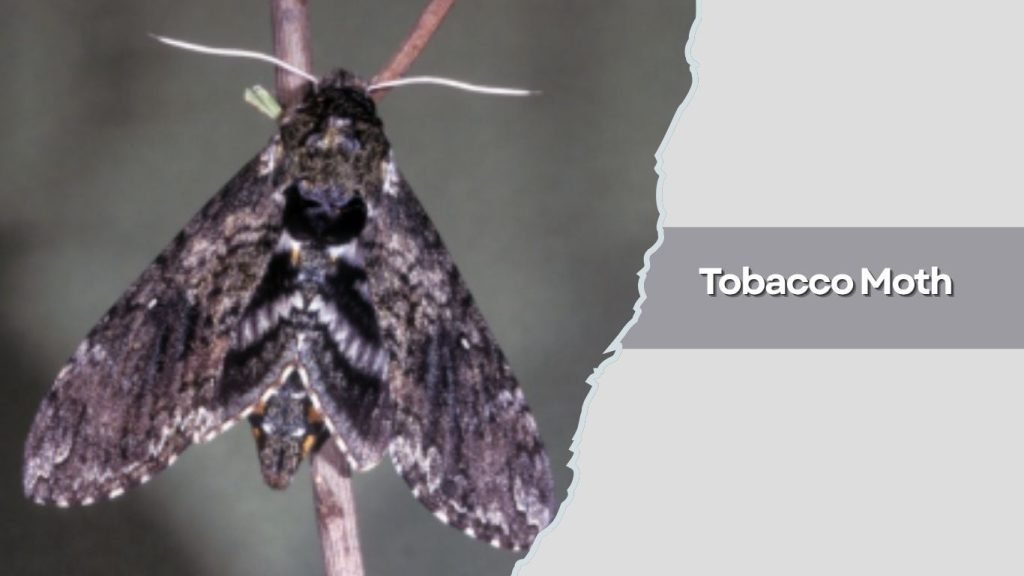
The Tobacco moth is a small household pest commonly found in stored products, especially tobacco and dried plant materials. It is often seen in homes, warehouses, and storage areas.
Identification
- Wingspan ranges from 1–1.5 cm
- Light brown to yellowish wings
- Smooth wings with a uniform appearance
- Small, slender body
Size and Color
Tobacco moths are small, with a wingspan of about 1–1.5 cm. They typically have a pale brown or yellowish color, giving them a simple and plain look.
Habitat
These moths are found indoors in homes, warehouses, and storage areas. They prefer warm environments where dried goods such as tobacco, herbs, and grains are stored.
Diet
Adult moths do not feed significantly. The larvae feed on dried plant materials, including tobacco, spices, grains, and other stored products, making them a common pest in storage environments.
10. Almond Moth
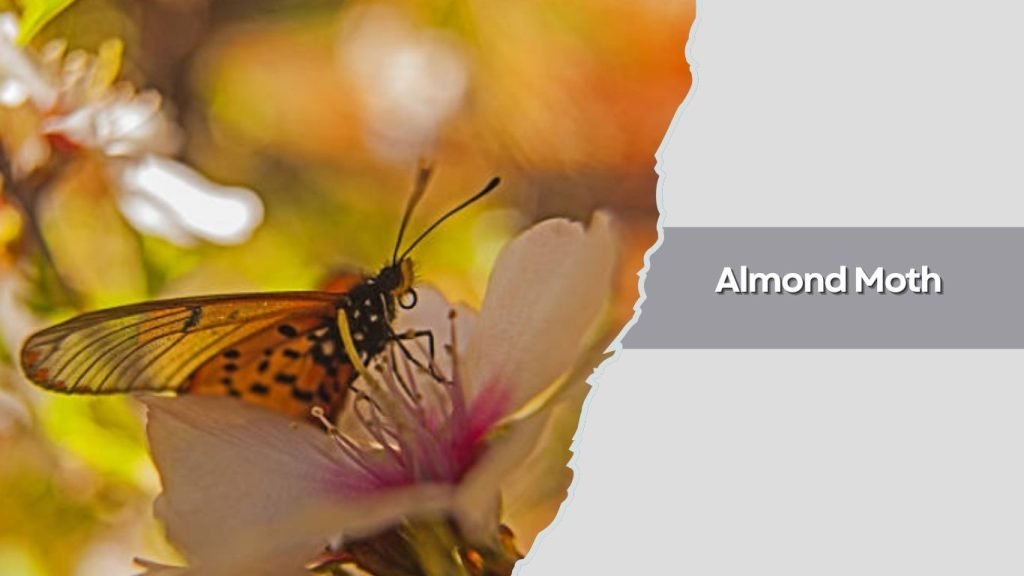
The Almond moth is a common household and storage pest that often infests dry food products. It is closely related to other pantry moths and is frequently found in kitchens and storage areas.
Identification
- Wingspan ranges from 1.5–2 cm
- Grayish-brown wings with faint darker patterns
- Slender body with narrow wings
- Subtle markings that are not very distinct
Size and Color
Almond moths are small to medium in size, with a wingspan of about 1.5–2 cm. Their coloration is typically grayish-brown, helping them blend into indoor surroundings.
Habitat
These moths are commonly found in kitchens, pantries, warehouses, and food storage areas. They prefer warm environments where dry food products are readily available.
Diet
Adult moths do not feed much. The larvae feed on stored products such as grains, cereals, nuts, and dried fruits, often contaminating food with webbing.
11. Warehouse Moth
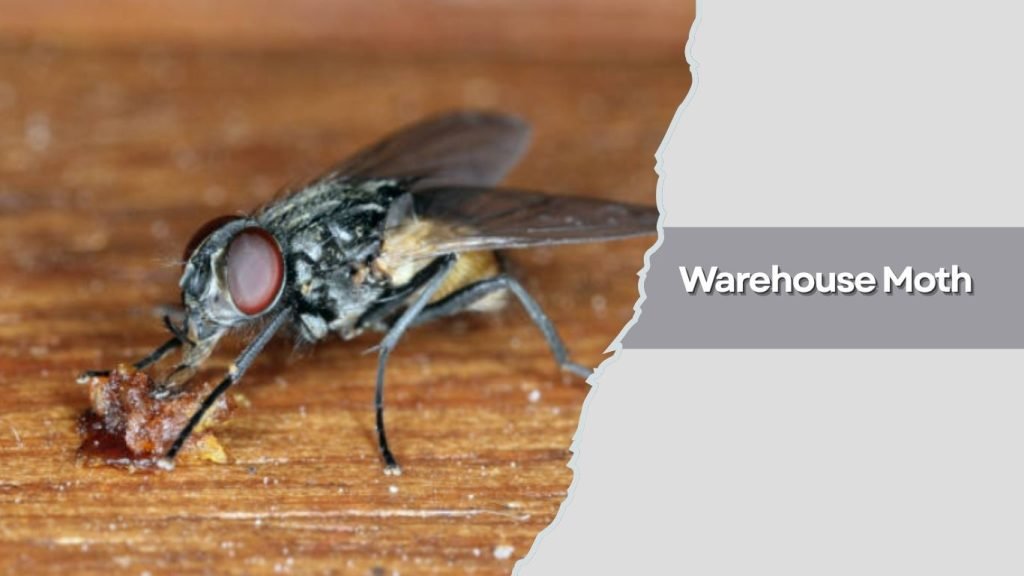
The Warehouse moth is a common pest found in storage facilities and homes, especially where large quantities of dry food are kept. It is closely related to other pantry moths and can cause contamination in stored goods.
Identification
- Wingspan ranges from 2–3 cm
- Grayish-brown wings with darker wavy patterns
- Slender body with narrow wings
- Subtle but noticeable markings
Size and Color
Warehouse moths are medium-sized among house moths, with a wingspan of about 2–3 cm. Their coloration is typically grayish-brown with faint darker lines.
Habitat
These moths are commonly found in warehouses, food storage areas, kitchens, and pantries. They prefer warm environments with access to stored grains and dry food products.
Diet
Adult moths feed very little or not at all. The larvae feed on grains, cereals, nuts, and other stored food items, often causing contamination through webbing and waste.
FAQs
What are house moths?
House moths are small moth species that live indoors, often in kitchens, closets, or storage areas. They are commonly associated with stored food or natural fabrics and can become pests if they multiply in large numbers.
What causes moths in the house?
Moths are usually attracted by food sources or suitable places to lay eggs. Pantry moths come from infested food products, while clothes moths are drawn to natural fibers like wool, silk, and fur.
Are house moths harmful?
House moths are not harmful to humans directly, but their larvae can damage clothing, carpets, and stored food. This can lead to contamination and financial loss if infestations are not controlled.
How do you get rid of house moths?
To eliminate house moths, clean and inspect affected areas, discard infested food, and store items in airtight containers. Regular cleaning and proper storage are key to preventing future infestations.
How can you prevent moths in your home?
Prevention includes keeping your home clean, storing food securely, washing clothes before storage, and using moth repellents if needed. Reducing clutter and checking stored items regularly also helps keep moths away.
