

White moths are admired for their delicate beauty, soft coloration, and graceful appearance. Ranging from pure white to creamy or pale-toned species, these moths often symbolize elegance and simplicity in nature. Their light coloration can help them blend into flowers, bark, or moonlit surroundings, offering both camouflage and visual charm.
In this guide, you’ll explore 10 beautiful white moth species, along with key details about their identification, color patterns, habitat, diet, and behavior. This will help you easily recognize and appreciate these stunning and unique insects.
1. Luna Moth
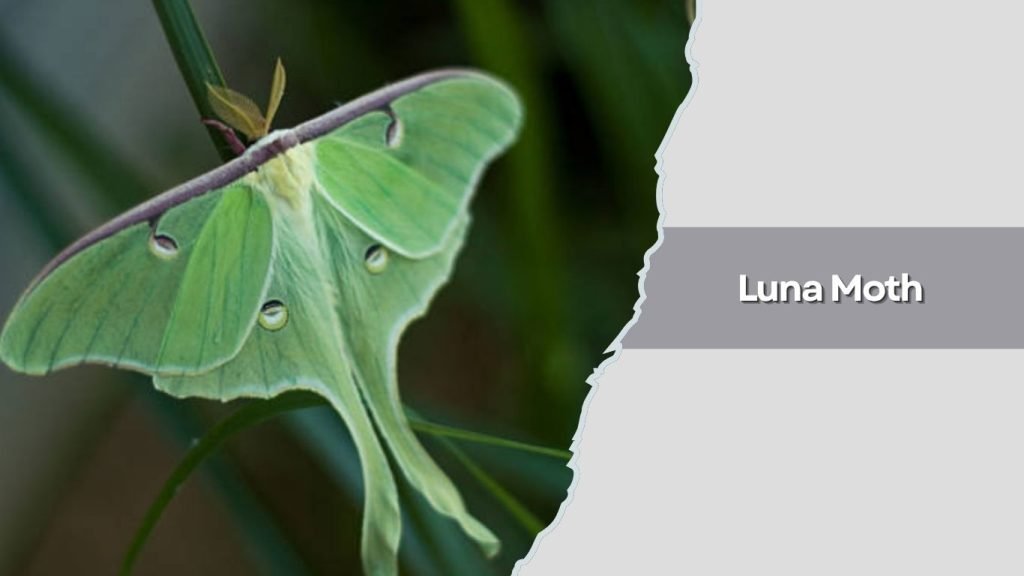
The Luna moth is one of the most beautiful white-toned moth species, admired for its soft, pale greenish-white color and elegant wing shape. It is commonly found in North America and is known for its graceful appearance and short adult lifespan.
Identification
- Wingspan ranges from 8–12 cm
- Pale green to whitish wings with long, trailing tails
- Distinct eyespots on each wing
- Fuzzy white body with feathery antennae
Color Pattern
The Luna moth displays a soft, almost glowing pale green or whitish color. Its wings are semi-translucent with subtle yellow tones and feature round eyespots, giving it a delicate and ethereal look.
Habitat
Luna moths are found in deciduous forests, woodlands, and suburban areas. They prefer regions with trees such as walnut, hickory, and sweetgum, which support their life cycle.
Diet
Adult Luna moths do not feed, as they lack functional mouthparts. The caterpillars feed on leaves of hardwood trees, storing energy for their short adult stage.
2. White Ermine Moth
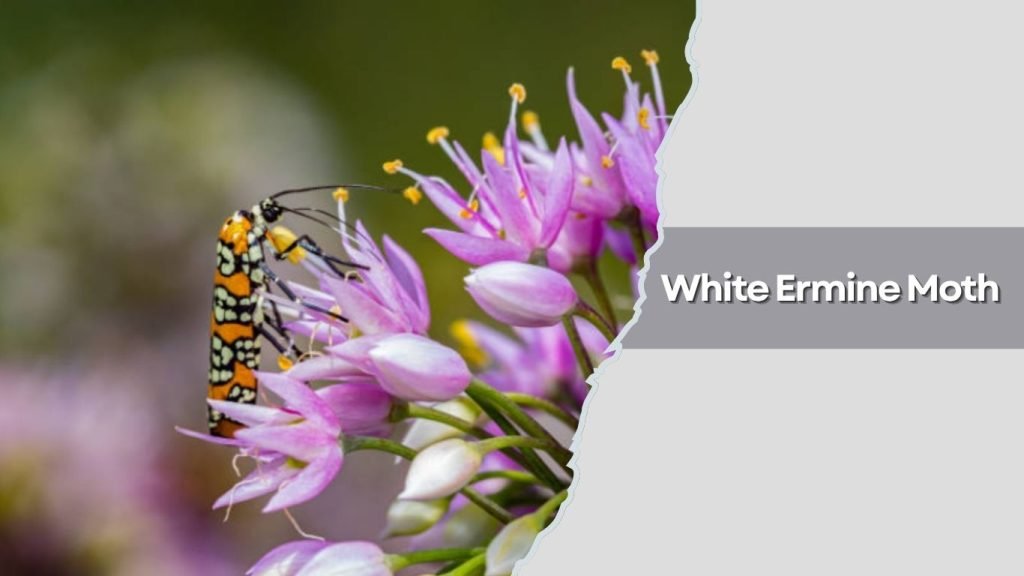
The White ermine moth is a delicate and attractive species known for its bright white wings and subtle black markings. It is commonly found in gardens and natural landscapes, making it one of the most recognizable white moths.
Identification
- Wingspan ranges from 4–6 cm
- White wings with small black spots
- Yellowish or orange body with black markings
- Soft, slightly hairy body
Color Pattern
This moth features a clean white background dotted with small black spots. The contrast is simple yet elegant, giving it a refined and eye-catching appearance.
Habitat
White ermine moths are found in meadows, gardens, woodlands, and hedgerows. They adapt well to both rural and urban environments with abundant vegetation.
Diet
Adult moths feed on nectar from flowers. The caterpillars feed on a variety of low-growing plants such as dandelion, nettle, and dock.
3. Giant Leopard Moth
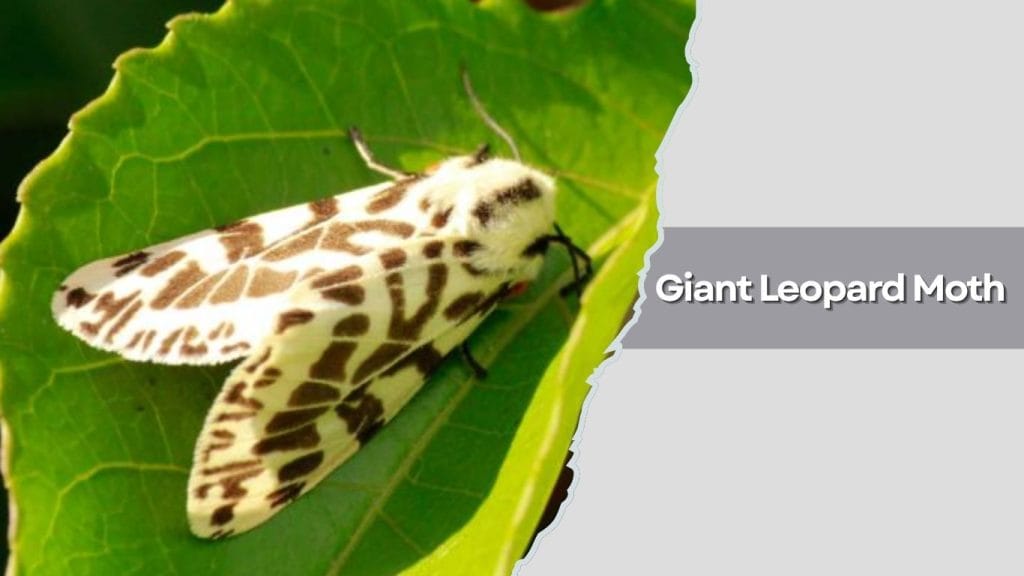
The Giant leopard moth is a stunning white moth species known for its bold spotted pattern and striking contrast. It is one of the most eye-catching moths found in North America.
Identification
- Wingspan ranges from 6–8 cm
- Bright white wings covered with bold black spots
- Furry white body with black markings
- Hidden iridescent blue and orange on the abdomen
Color Pattern
This moth features a bright white base with large, irregular black spots scattered across its wings. The high contrast creates a dramatic and beautiful appearance, making it easy to recognize.
Habitat
Giant leopard moths are commonly found in forests, gardens, and suburban areas. They prefer environments with plenty of vegetation and shelter.
Diet
Adult moths feed on nectar from flowers. The caterpillars feed on a wide variety of plants, including dandelion, violet, and other low-growing vegetation.
4. Satin Moth

The Satin moth is a graceful white moth species known for its smooth, silky appearance and soft sheen. It is commonly found in parts of Europe and North America and is admired for its clean, elegant look.
Identification
- Wingspan ranges from 4–6 cm
- Pure white wings with a silky texture
- Minimal or no visible markings
- Slender body with fine scales
Color Pattern
The Satin moth has a pure white, glossy appearance that almost looks silky under light. Its wings lack bold markings, giving it a smooth and refined look.
Habitat
Satin moths are typically found in woodlands, parks, and areas with poplar and willow trees. They prefer environments where their host plants are abundant.
Diet
Adult moths feed on nectar. The caterpillars feed on leaves of trees such as poplar and willow, sometimes causing noticeable defoliation.
5. White Plume Moth
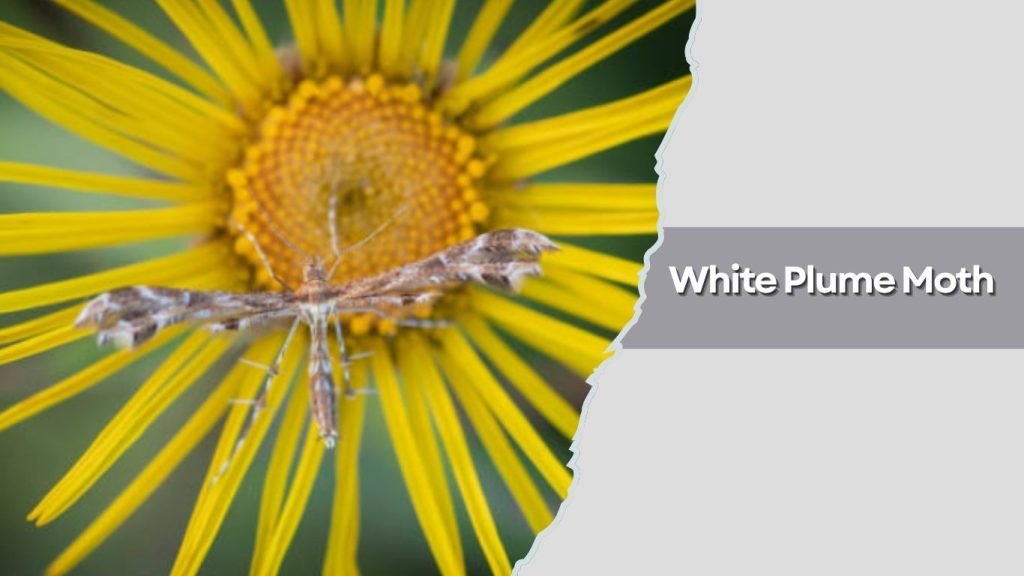
The White plume moth is a unique and delicate species known for its feathery, plume-like wings. Its unusual shape and pure white color make it stand out among other moths.
Identification
- Wingspan ranges from 2–3 cm
- Pure white wings divided into feathery plumes
- Slender body with long legs
- Wings appear “T-shaped” when at rest
Color Pattern
This moth is entirely white, with a soft, clean appearance. Its wings are split into thin, plume-like sections, giving it a light and airy look unlike most moth species.
Habitat
White plume moths are found in gardens, grasslands, and open areas. They prefer habitats with flowering plants and low vegetation.
Diet
Adult moths feed on nectar from flowers. The caterpillars feed on plants such as bindweed, where they grow and develop before pupation.
6. Ghost Moth
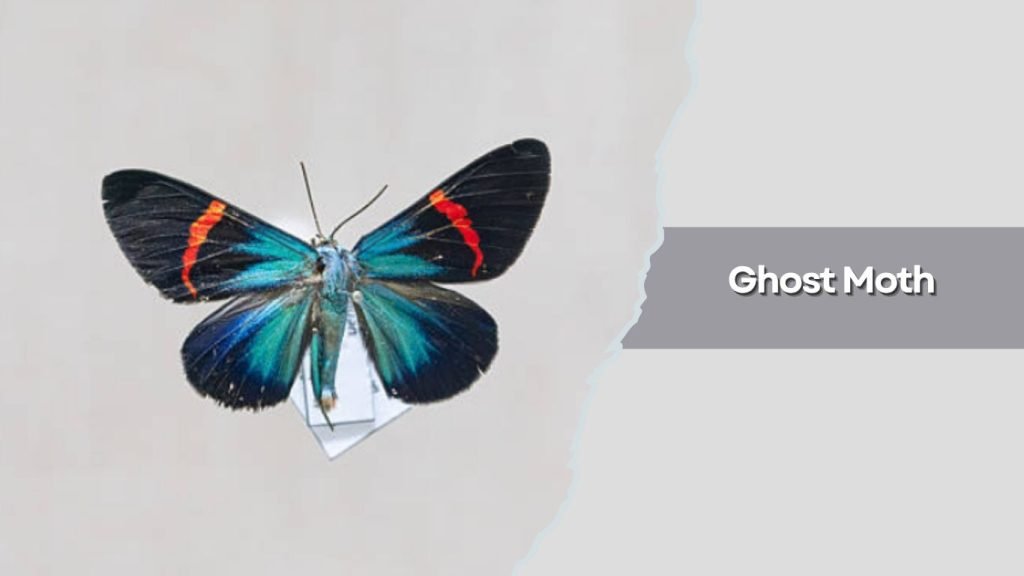
The Ghost moth is a fascinating white moth species known for its pale, almost glowing appearance and unusual behavior. It gets its name from its ghostly flight at dusk, which can appear eerie in low light.
Identification
- Wingspan ranges from 5–7 cm
- Pale white to creamy wings, often with minimal markings
- Males are brighter white, while females are more dull-colored
- Stout body with relatively short antennae
Color Pattern
The Ghost moth typically has a plain white or slightly creamy color with very faint markings. Its simple coloration gives it a glowing, ghost-like appearance, especially during flight at twilight.
Habitat
Ghost moths are found in grasslands, heathlands, and open countryside across Europe and parts of Asia. They prefer areas with moist soil where their larvae can develop underground.
Diet
Adult Ghost moths do not feed. The larvae live in the soil and feed on roots of grasses and other plants, sometimes for several years before emerging as adults.
7. Ivory-marked Moth
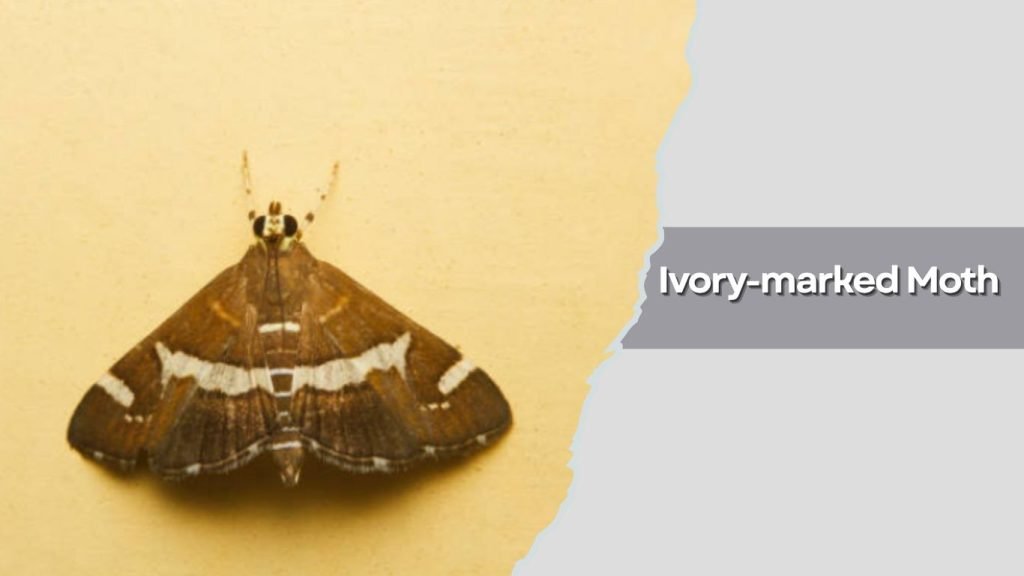
The Ivory-marked moth is a small and elegant white moth species known for its soft coloration and subtle markings. It is often overlooked due to its delicate appearance but is quite attractive upon closer observation.
Identification
- Wingspan ranges from 2–3 cm
- Pale white to ivory-colored wings
- Small dark or gray markings on the forewings
- Slender body with fine scales
Color Pattern
This moth features a creamy white or ivory base color with faint darker markings, giving it a soft and refined look. The subtle contrast adds to its understated beauty.
Habitat
Ivory-marked moths are commonly found in woodlands, gardens, and hedgerows. They prefer areas with shrubs and trees that support their life cycle.
Diet
Adult moths feed on nectar from small flowers. The caterpillars feed on various low-growing plants and shrubs, depending on their environment.
8. White Silk Moth
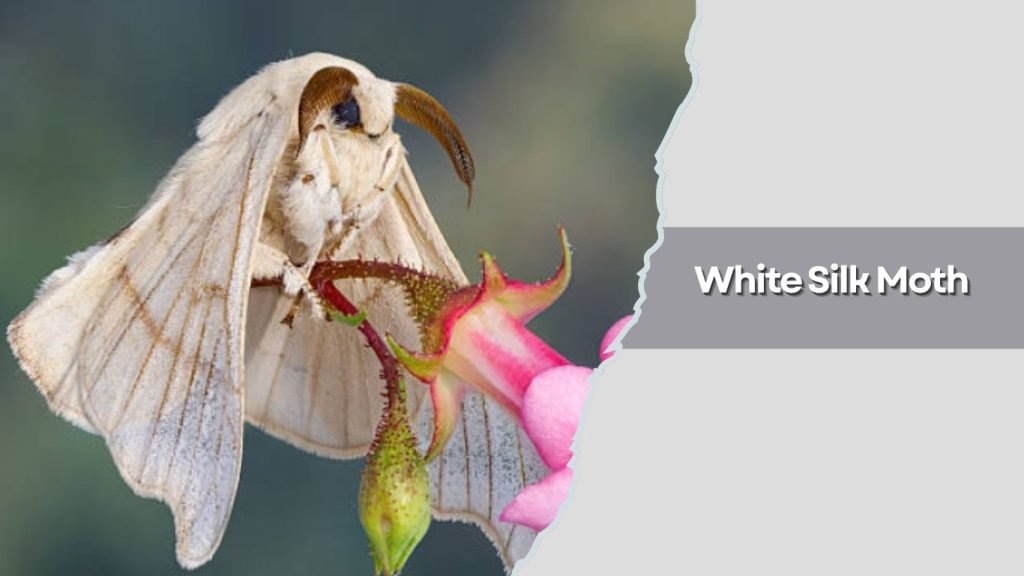
The White silk moth is a beautiful and well-known species, admired for its soft white appearance and importance in silk production. It has been domesticated for thousands of years and is closely associated with human cultivation.
Identification
- Wingspan ranges from 4–6 cm
- Creamy white to pure white wings
- Thick, fuzzy body
- Reduced ability to fly
Color Pattern
This moth has a smooth, uniform white or creamy coloration with very minimal markings. Its soft and silky appearance gives it a gentle, elegant look.
Habitat
White silk moths are primarily found in controlled environments such as farms and rearing facilities. Originally native to Asia, they are now raised worldwide for silk production.
Diet
Adult moths do not feed. The caterpillars, known as silkworms, feed exclusively on mulberry leaves, which are essential for producing high-quality silk.
9. Miller Moth
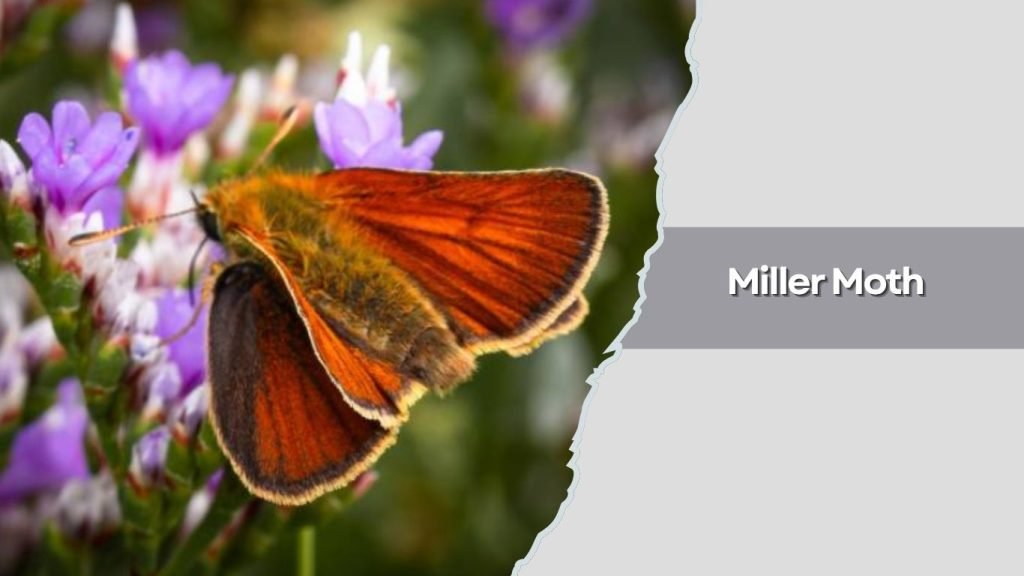
The Miller moth is a common white or pale-colored moth known for its dusty appearance and seasonal migrations. It is often seen in large numbers and is well-known in parts of North America.
Identification
- Wingspan ranges from 3–5 cm
- Pale gray to whitish wings with fine, dusty scales
- Subtle markings and patterns on the wings
- Stout body with a slightly fuzzy texture
Color Pattern
The Miller moth has a light gray to whitish coloration with a powdery or dusty look. Its muted tones help it blend into walls, rocks, and tree bark, providing effective camouflage.
Habitat
Miller moths are found in fields, grasslands, and agricultural areas. During migration, they often enter homes and buildings, especially in search of shelter.
Diet
Adult moths feed on nectar from flowers. The caterpillars feed on crops and grasses, which can sometimes make them agricultural pests.
10. Fall Webworm Moth
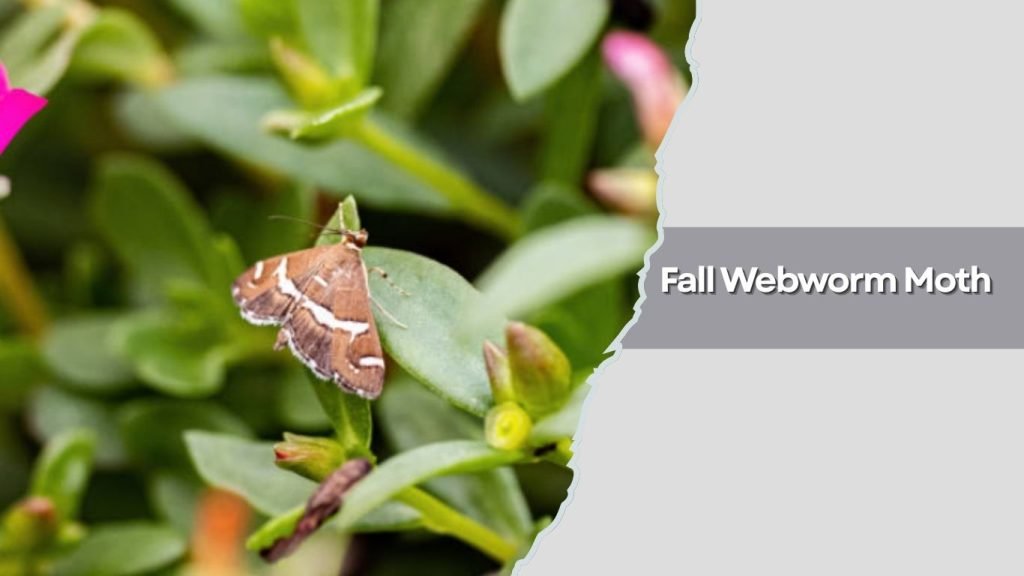
The Fall webworm moth is a white moth species known for its association with web-covered tree branches created by its larvae. It is commonly found in many regions and is easy to recognize during its caterpillar stage.
Identification
- Wingspan ranges from 2–3 cm
- Pure white wings, sometimes with small black spots
- Slender body with fine hairs
- Simple and clean wing appearance
Color Pattern
This moth is usually bright white, though some individuals may have a few small black spots on their wings. Its plain coloration gives it a neat and minimalistic look.
Habitat
Fall webworm moths are found in forests, gardens, and urban areas. They prefer environments with deciduous trees such as maple, walnut, and fruit trees.
Diet
Adult moths feed on nectar. The caterpillars feed on tree leaves and create large silken webs on branches, which can sometimes cause noticeable damage to trees.
FAQs
What are white moths called?
White moths belong to many different species rather than a single group. Common examples include the Luna moth, Satin moth, and White ermine moth. Their white coloration varies from pure white to creamy or pale green shades depending on the species.
Are white moths rare?
Most white moths are not rare and can be found in many parts of the world. Some species are quite common in gardens and forests, while others may be less frequently seen due to specific habitat or seasonal conditions.
Why are some moths white?
White coloration helps moths with camouflage, especially at night or when resting on light surfaces like bark or flowers. It may also reflect moonlight, making them less visible to predators in low-light conditions.
Are white moths harmful?
Most white moths are harmless to humans. However, their caterpillars may feed on plants and occasionally cause minor damage to trees, crops, or garden plants.
When are white moths most active?
Most white moths are nocturnal and are active at night. Some species may also be seen during dusk or early morning, especially in warmer months when they are searching for mates or food.
