
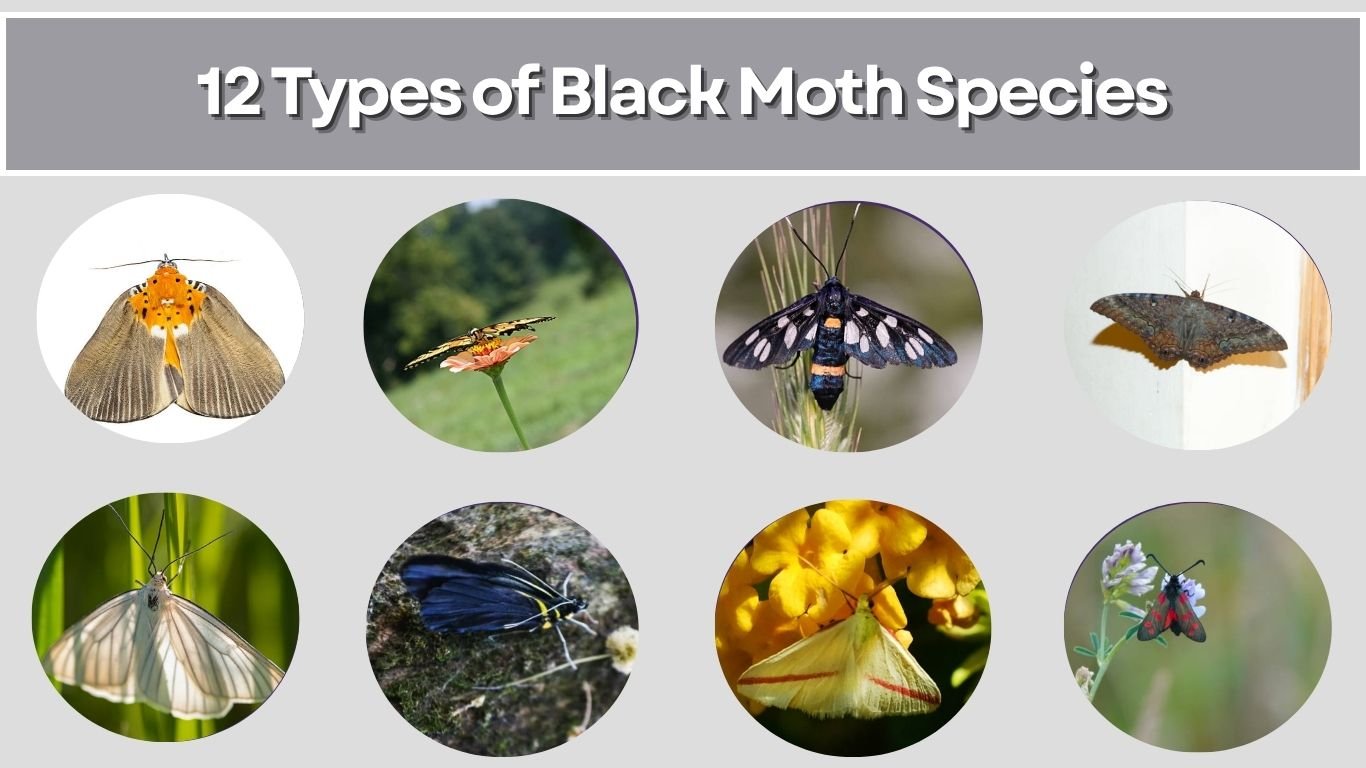
Black moths are fascinating insects known for their dark, mysterious appearance and diverse adaptations. While some species are entirely black, others feature subtle patterns, spots, or contrasting colors that help with camouflage or defense. These moths can be found in a wide range of habitats, from forests and mountains to gardens and even homes.
In this guide, you’ll explore 12 types of black moth species, along with key details about their identification, habitat, diet, and behavior. This will help you better recognize and understand these unique and often overlooked moths.
1. Black Witch Moth

The Black Witch moth is one of the largest and most striking dark-colored moths in the world. Known for its broad wings and mysterious appearance, it is often associated with folklore and is commonly found in warmer regions of the Americas.
Identification
- Large wingspan reaching up to 15–17 cm
- Dark brown to black wings with subtle wavy patterns
- Light-colored markings, sometimes resembling eyespots
- Long, broad wings with a slightly scalloped edge
Habitat
Black Witch moths are found across Central and South America, and occasionally migrate into North America. They prefer tropical forests, but can also be seen in urban areas, especially near lights.
Diet
Adult Black Witch moths feed on fermented fruit, tree sap, and other sugary substances. The caterpillars feed on legume plants, including acacia and related species.
Behavior
These moths are nocturnal and often attracted to artificial lights. They are strong fliers and can travel long distances during migration. Due to their size and dark color, they are sometimes mistaken for bats when flying at night.
2. Black Arches Moth
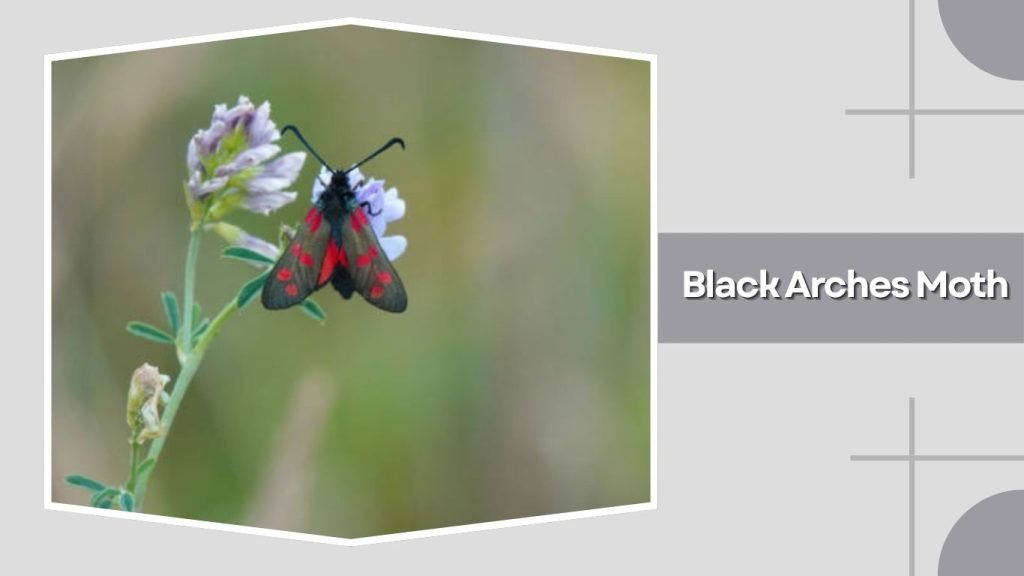
The Black arches moth is a distinctive species known for its contrasting black and white wing patterns. It is commonly found in Europe and parts of Asia, and is often associated with forested areas where its larvae can feed on trees.
Identification
- Wingspan ranges from 4–6 cm
- White wings with bold black zigzag or arch-like markings
- Males are darker and more patterned than females
- Slender body with fine hairs
Habitat
Black arches moths are typically found in woodlands, forests, and sometimes parks. They prefer areas with coniferous and deciduous trees, which provide suitable conditions for their life cycle.
Diet
Adult moths do not feed. The caterpillars feed on the leaves and needles of various trees, including pine, spruce, and birch.
Behavior
These moths are mainly nocturnal and are attracted to light. Males are active fliers, while females are less mobile. In large numbers, the caterpillars can cause noticeable damage to trees by feeding on foliage.
3. Black Cutworm Moth
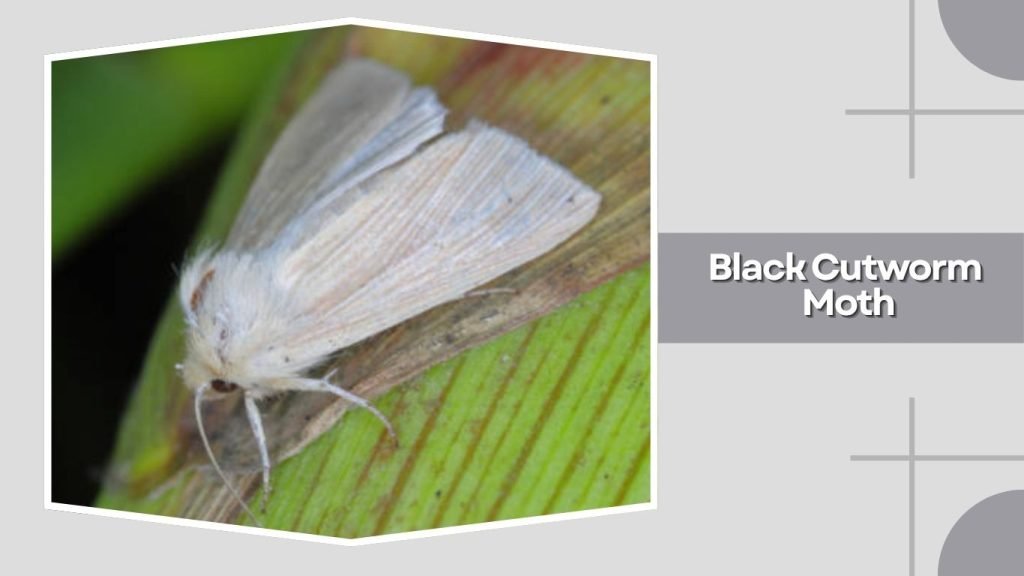
The Black cutworm moth is a common agricultural pest known for the damage its larvae cause to crops. Despite its plain appearance, it plays a significant role in farming due to its widespread presence and feeding habits.
Identification
- Wingspan ranges from 3–5 cm
- Dark brown to black forewings with subtle markings
- Lighter hindwings, often grayish or pale
- Stout body with a slightly fuzzy texture
Habitat
Black cutworm moths are found worldwide, especially in agricultural areas, grasslands, and open fields. They prefer environments where crops such as corn, wheat, and vegetables are grown.
Diet
Adult moths feed on nectar from flowers. The larvae, known as cutworms, feed on stems and leaves of young plants, often cutting them at the base, which can severely damage crops.
Behavior
These moths are nocturnal and are attracted to light. Females lay eggs in fields, and once hatched, the larvae hide in the soil during the day and feed at night. Their feeding behavior makes them particularly harmful to young plants.
4. Black Rustic Moth
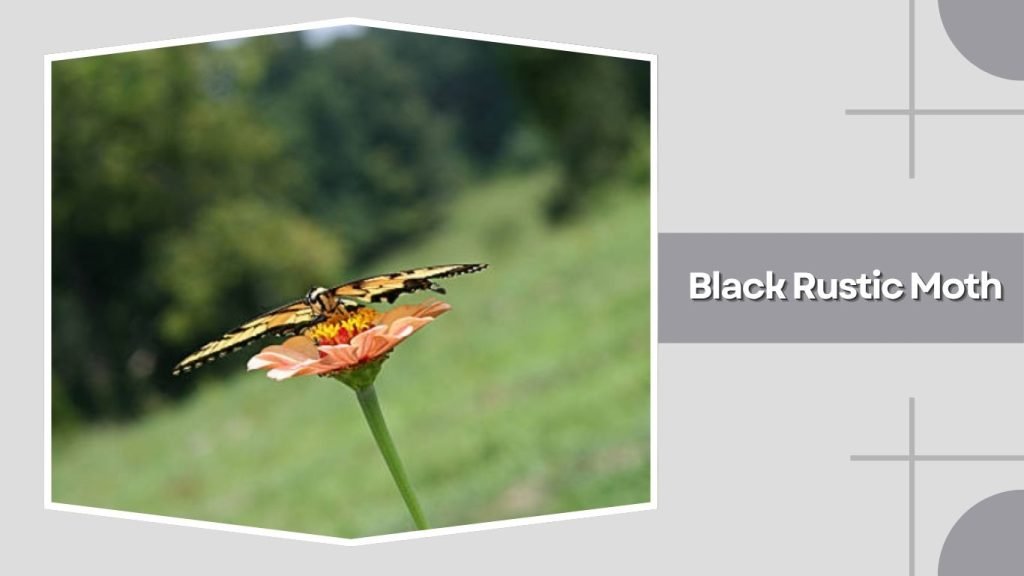
The Black rustic moth is a dark-colored species known for its subtle patterns and adaptability to different environments. It is commonly found in parts of Europe and is active during warmer months.
Identification
- Wingspan ranges from 3–4 cm
- Dark brown to nearly black wings with faint markings
- Slightly lighter hindwings
- Compact body with a smooth appearance
Habitat
Black rustic moths are typically found in woodlands, gardens, and grassy areas. They prefer habitats with plenty of vegetation, where their larvae can find suitable food sources.
Diet
Adult moths feed on nectar from flowers. The caterpillars feed on grasses and low-growing plants, making them well-suited to a variety of natural environments.
Behavior
These moths are nocturnal and are often attracted to light. They are relatively common and can be seen resting on vegetation during the day, blending in with their surroundings.
5. Black Bordered Lemon Moth
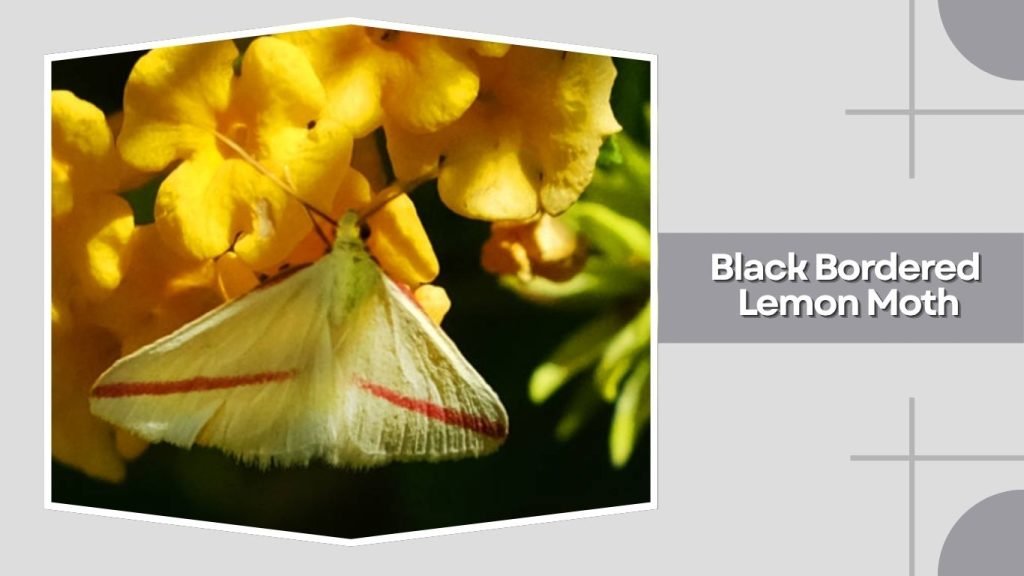
The Black bordered lemon moth is a visually striking species known for its bright yellow wings contrasted with bold black edges. It is commonly found in southern Europe and nearby regions.
Identification
- Bright yellow wings with distinct black borders
- Wingspan ranges from 4–5 cm
- Smooth, broad wings with clear color contrast
- Slender body with light coloration
Habitat
These moths are found in dry, open habitats such as scrublands, hillsides, and grasslands. They prefer warm climates and areas with sparse vegetation.
Diet
Adult moths feed on nectar from flowers. The caterpillars feed on low-growing plants, particularly herbaceous species found in their natural habitat.
Behavior
Black bordered lemon moths are mostly active at night but can occasionally be seen during the day. Their bright coloration may help deter predators or serve as camouflage among flowers and foliage.
6. Black Noctuid Moth
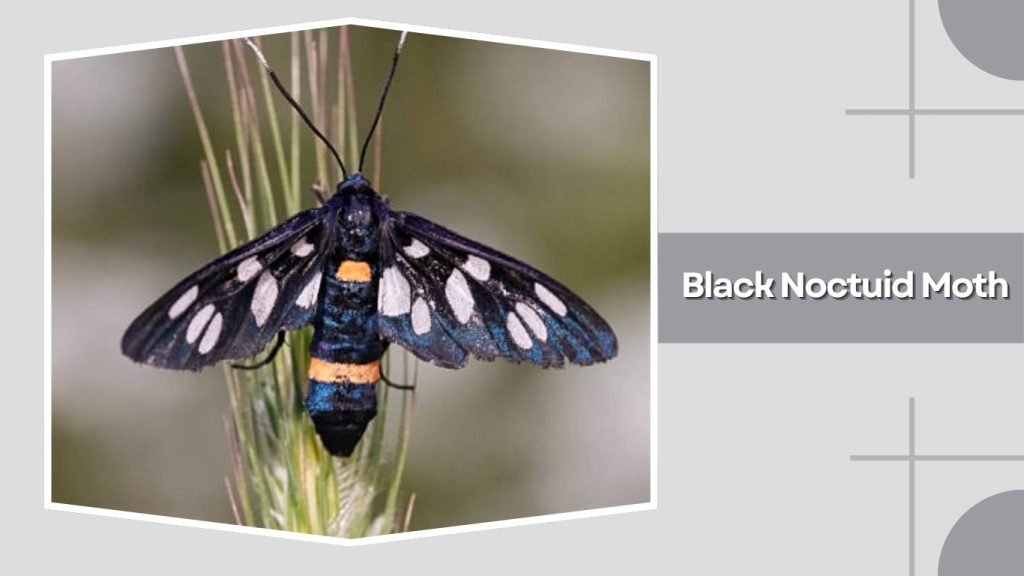
The Black noctuid moth is a general term used for several dark-colored moths within the Noctuidae family, known for their nighttime activity and muted coloration. These moths are widespread and often overlooked due to their simple appearance.
Identification
- Wingspan ranges from 3–5 cm
- Dark gray to black forewings with faint or indistinct patterns
- Lighter hindwings, usually pale gray or brown
- Sturdy body with a slightly hairy texture
Habitat
Black noctuid moths are found worldwide in a variety of habitats, including forests, grasslands, agricultural fields, and urban areas. They are highly adaptable and thrive in environments with abundant vegetation.
Diet
Adult noctuid moths typically feed on nectar from flowers. Their larvae, commonly known as cutworms or armyworms, feed on a wide range of plants, including crops and grasses.
Behavior
These moths are strictly nocturnal and are strongly attracted to artificial lights. They rest during the day, blending into tree bark or foliage. Many species within this group are known for their agricultural impact due to their feeding larvae.
7. Black Mountain Moth
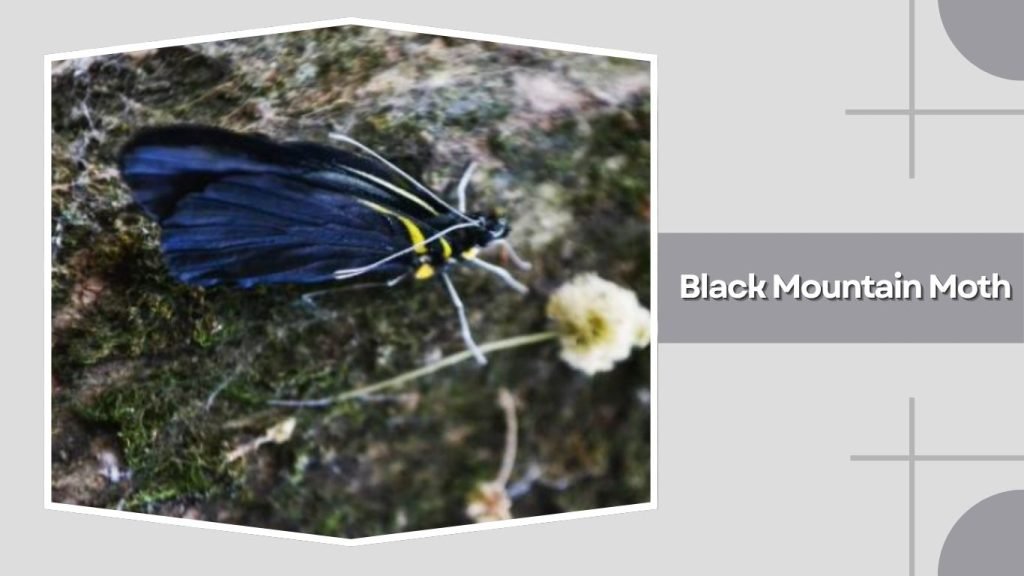
The Black mountain moth is a lesser-known dark moth species that typically inhabits cooler, high-altitude regions. Its dark coloration helps it blend into rocky and forested environments, offering protection from predators.
Identification
- Wingspan ranges from 3–5 cm
- Dark gray to black wings with subtle, mottled patterns
- Slightly lighter underside of the wings
- Medium-sized body with fine scales
Habitat
Black mountain moths are usually found in mountainous regions, including highland forests, rocky slopes, and alpine meadows. They prefer cooler climates and are often seen at elevations where fewer predators are present. These habitats provide both shelter and access to suitable host plants for their larvae.
Diet
Adult moths typically feed on nectar from alpine and mountain flowers. Their caterpillars feed on a variety of low-growing plants, mosses, and grasses that thrive in high-altitude environments. This flexible diet allows them to survive in harsher conditions where plant diversity may be limited.
Behavior
These moths are primarily nocturnal and are occasionally attracted to light sources, even in remote areas. During the day, they rest on rocks or tree bark, where their dark coloration provides excellent camouflage. They are adapted to cooler temperatures and may have shorter active seasons compared to moths in warmer regions.
8. Black Owlet Moth
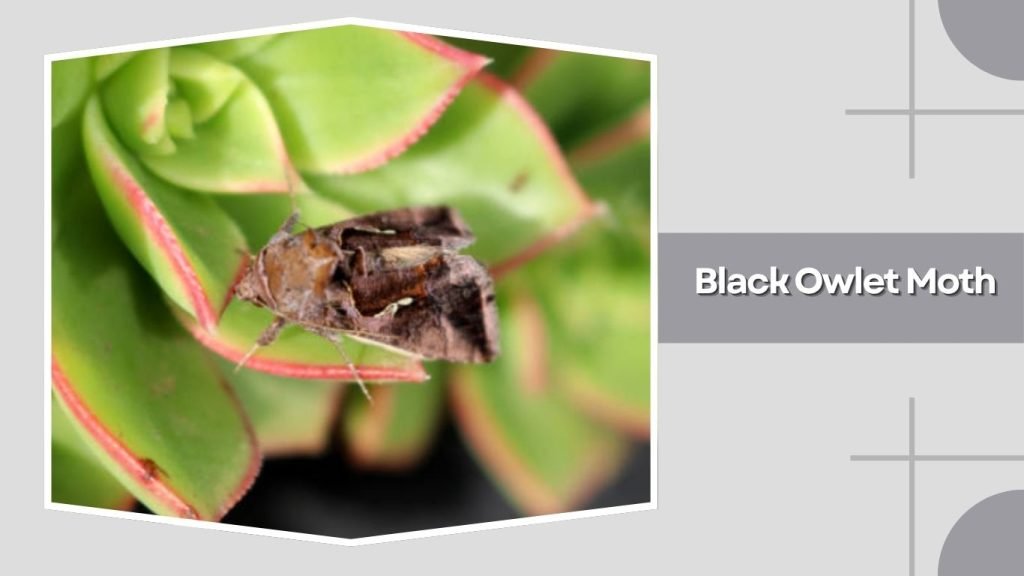
The Black owlet moth is a small, dark species commonly found in warmer regions. It is part of the owlet moth family and is known for its adaptability and presence in both natural and human-influenced environments.
Identification
- Wingspan ranges from 2–3 cm
- Dark brown to black wings with faint patterns
- Lighter underside of the wings
- Small, slender body with fine scales
Habitat
Black owlet moths are widely distributed across tropical and subtropical regions. They are commonly found in gardens, agricultural lands, forests, and urban areas where vegetation is abundant.
Diet
Adult moths feed on nectar and other sugary substances. The larvae feed on a variety of plants, including crops and weeds, which allows them to thrive in different environments.
Behavior
These moths are nocturnal and are frequently attracted to light. They rest during the day on leaves or walls, blending into their surroundings. Due to their adaptability, they are often seen in both rural and urban settings.
9. Black Carpet Moth
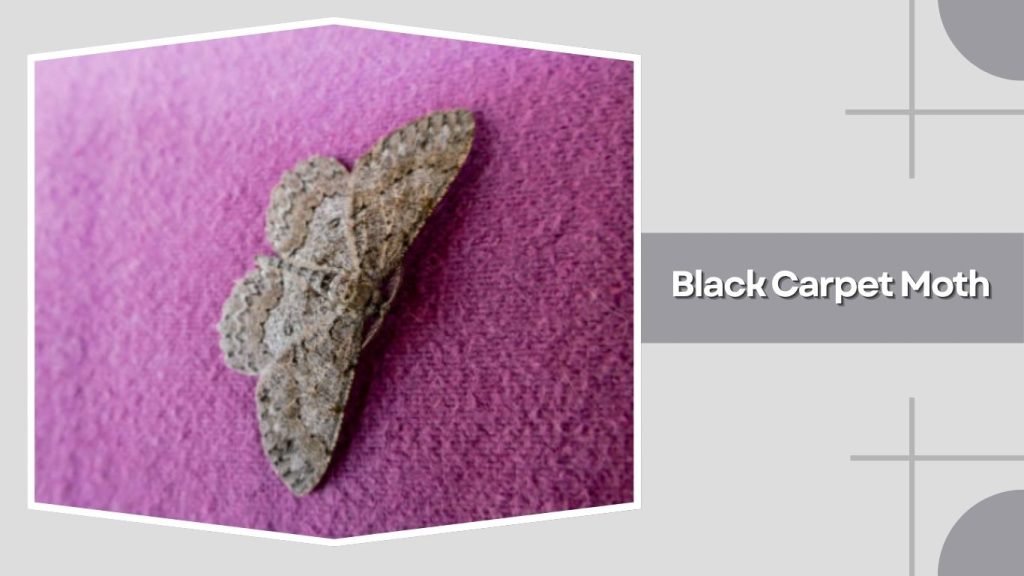
The Black carpet moth is a small, dark-colored species known for its patterned wings and association with woodland and garden environments. It belongs to the Geometridae family, often referred to as inchworm moths.
Identification
- Wingspan ranges from 2–3 cm
- Dark brown to black wings with wavy cross-lines
- Subtle lighter markings forming a “carpet-like” pattern
- Slender body with relatively broad wings
Habitat
Black carpet moths are typically found in woodlands, hedgerows, gardens, and parks. They prefer areas with dense vegetation where their larvae can easily find host plants.
Diet
Adult moths usually feed on nectar from small flowers. The caterpillars feed on a variety of plants, including low-growing shrubs and herbaceous vegetation.
Behavior
These moths are mainly nocturnal and are attracted to light sources. During the day, they rest on tree bark or foliage, where their patterned wings provide effective camouflage against predators.
10. Black Spotted Tussock Moth
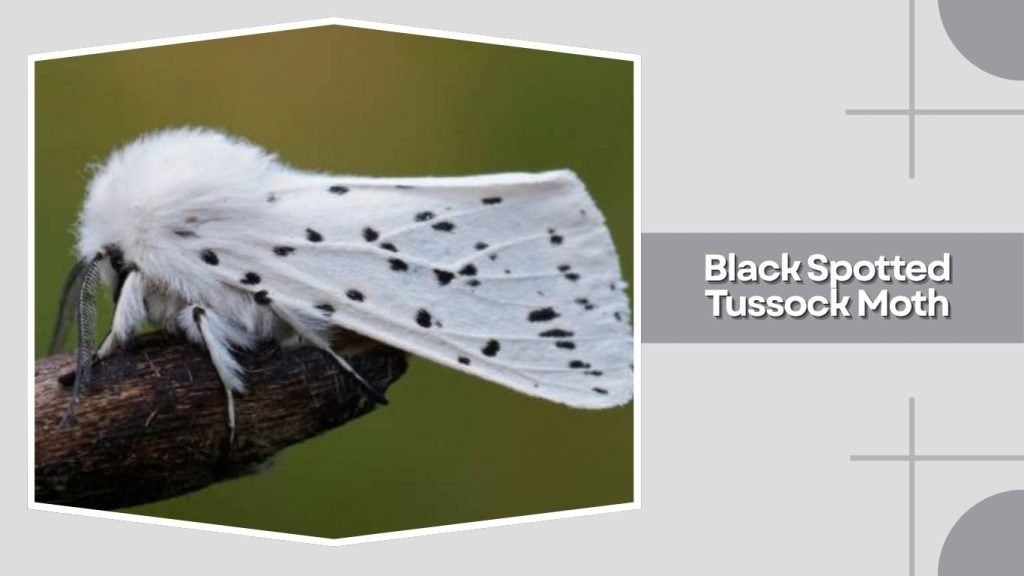
The Black spotted tussock moth is a distinctive species known for its contrasting wing patterns and hairy caterpillars. It belongs to the tussock moth group, many of which are recognized for their unique larval appearance.
Identification
- Wingspan ranges from 3–4 cm
- Light-colored wings with black spots or markings
- Fuzzy body, especially in the thorax area
- Males are typically winged, while females may be less mobile
Habitat
Black spotted tussock moths are found in forests, woodlands, and sometimes gardens. They prefer areas with abundant trees and shrubs that can support their larvae.
Diet
Adult moths may feed on nectar, though some species feed very little. The caterpillars feed on leaves of various trees and shrubs, including hardwood species.
Behavior
These moths are mostly nocturnal and are attracted to light. The caterpillars are often covered in dense hairs, which can act as a defense mechanism against predators. In some cases, the hairs may cause irritation if touched.
11. Black-veined Moth
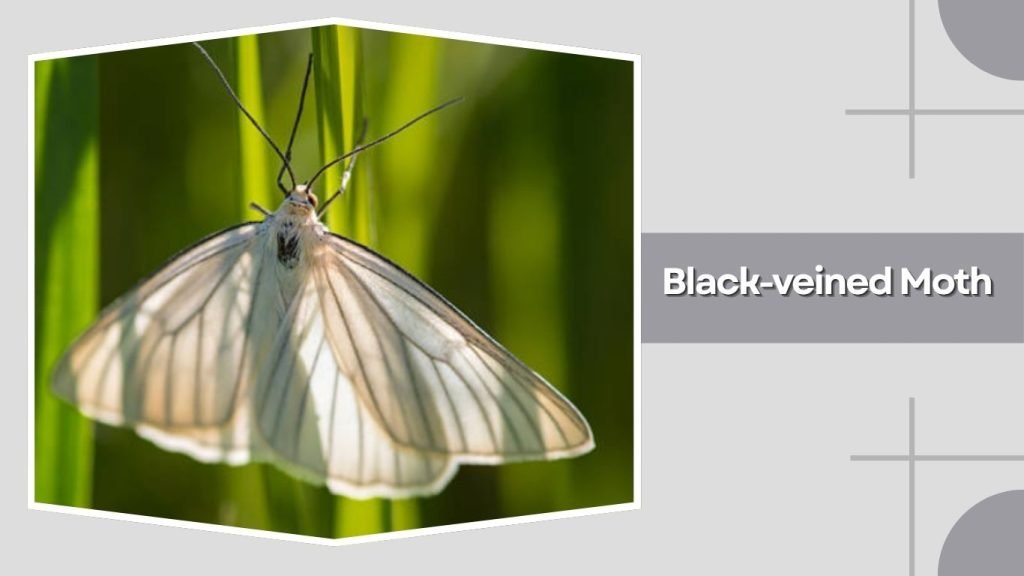
The Black-veined moth is a visually striking species recognized for the contrast between its light wings and bold dark veins. This pattern makes it easy to identify among other moth species.
Identification
- Wingspan ranges from 4–6 cm
- Pale or white wings with prominent black vein-like markings
- Delicate, semi-transparent wing appearance
- Slender body with fine scales
Habitat
Black-veined moths are typically found in woodlands, meadows, and open countryside. They prefer areas with plenty of flowering plants and shrubs that support both adults and larvae.
Diet
Adult moths feed on nectar from a variety of flowers. The caterpillars feed on leaves of shrubs and small trees, depending on the species and region.
Behavior
These moths are mostly nocturnal but may occasionally be seen during the day. They rest on vegetation where their wing patterns can provide some camouflage. Their slow, gentle flight makes them easy to observe.
12. Black Underwing Moth
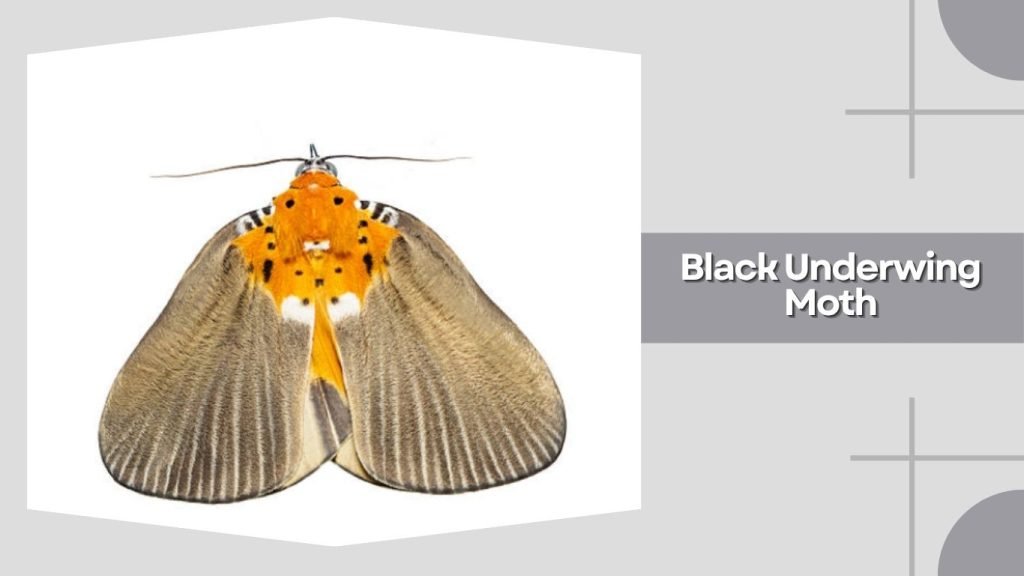
The Black underwing moth is a large and striking species known for its dark forewings and brightly colored hindwings, which are usually hidden at rest. This contrast helps it surprise and deter predators when disturbed.
Identification
- Wingspan ranges from 6–8 cm
- Dark gray to black forewings with subtle patterns
- Bright hindwings, often orange or red with black bands
- Strong, robust body with a slightly hairy texture
Habitat
Black underwing moths are commonly found in woodlands, forests, and areas with mature trees. They prefer habitats where tree bark provides good camouflage during the day.
Diet
Adult moths feed on tree sap, fermented fruit, and sometimes nectar. The caterpillars feed on leaves of trees such as oak, willow, and poplar.
Behavior
These moths are nocturnal and rest on tree trunks during the day, blending in with the bark. When disturbed, they flash their bright hindwings to startle predators, then quickly fly away to safety.
