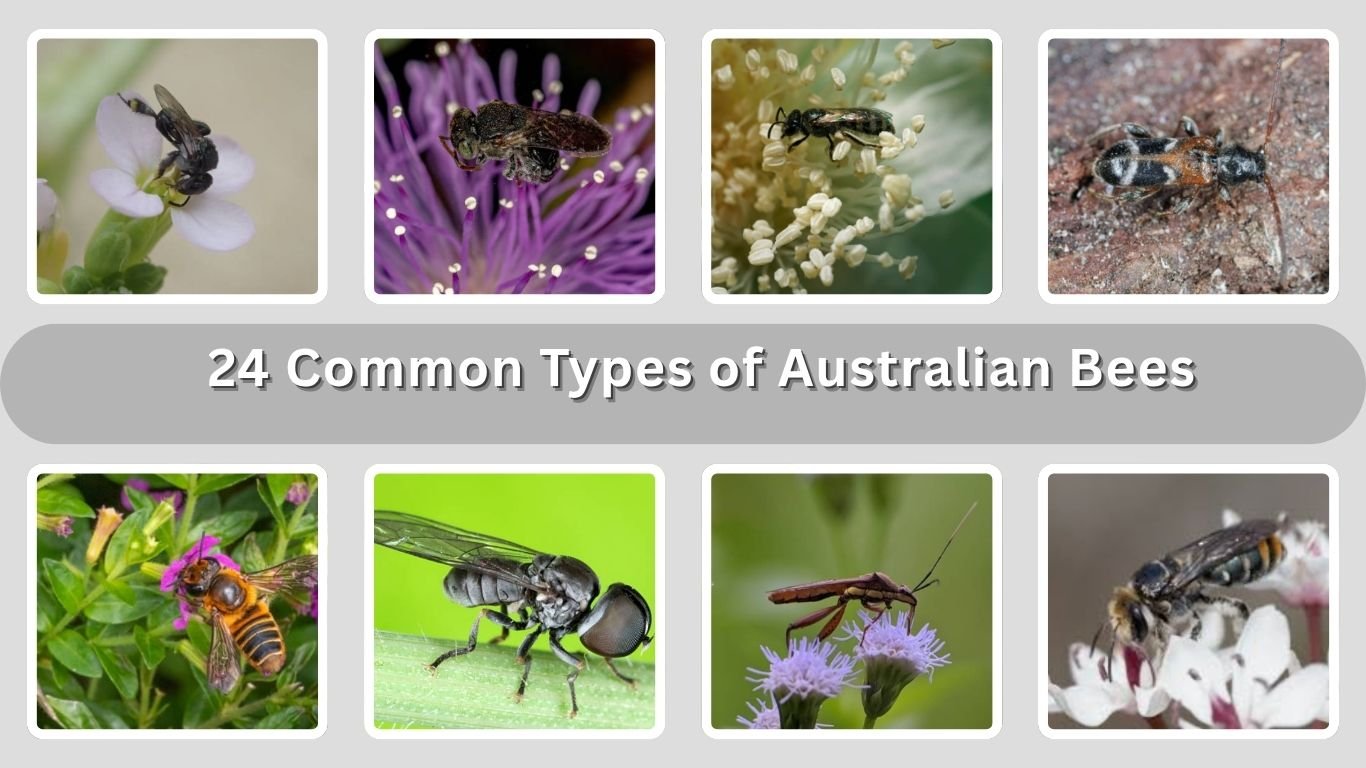
Australian bees are incredibly diverse, with hundreds of species found across the continent. From tiny stingless bees to large carpenter bees, these pollinators play a vital role in maintaining ecosystems and supporting agriculture. Many species are specially adapted to Australia’s unique climate and native plants.
This list highlights 24 common types of Australian bees, along with key details about their size, color, diet, and identification. These bees vary widely in appearance and behavior, showing how important and fascinating Australia’s native bee population is for biodiversity and plant life.
1. Tetragonula carbonaria
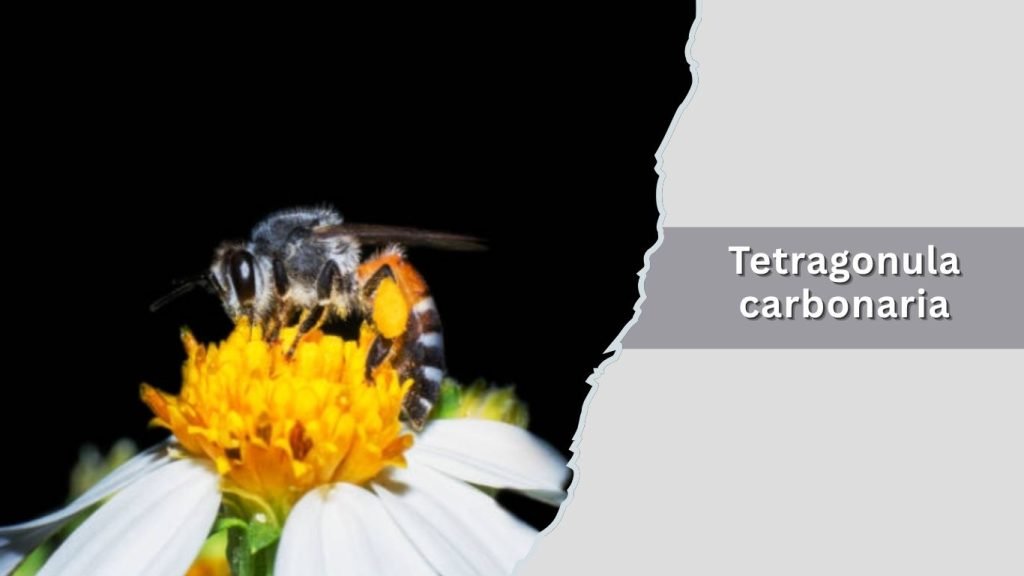
Tetragonula carbonaria, commonly known as the Australian stingless bee, is one of the most well-known native bee species in Australia. It is highly valued for its role in pollination and is often kept by beekeepers due to its gentle nature and ability to produce small amounts of honey. This species is especially important in maintaining healthy ecosystems.
Identification
- Very small body
- Black to dark brown coloration
- Smooth, slightly shiny appearance
- Short wings
- No functional sting
Size
Tetragonula carbonaria typically measures about 3 to 5 mm in length. Its small size makes it less noticeable compared to larger bees, but it is often seen in groups around flowers.
Color
This species has a uniform black or dark brown body. It lacks bright markings or metallic colors, giving it a simple and subtle appearance.
Diet
Tetragonula carbonaria feeds on nectar for energy and collects pollen to feed its larvae. It visits a wide variety of flowering plants, including native Australian species and garden flowers.
ID
This bee can be identified by its very small size, dark coloration, and lack of a sting. It is often seen flying in groups and nesting in tree hollows or man-made hives. Its calm behavior and presence in warm regions also help in identification.
2. Austroplebeia australis
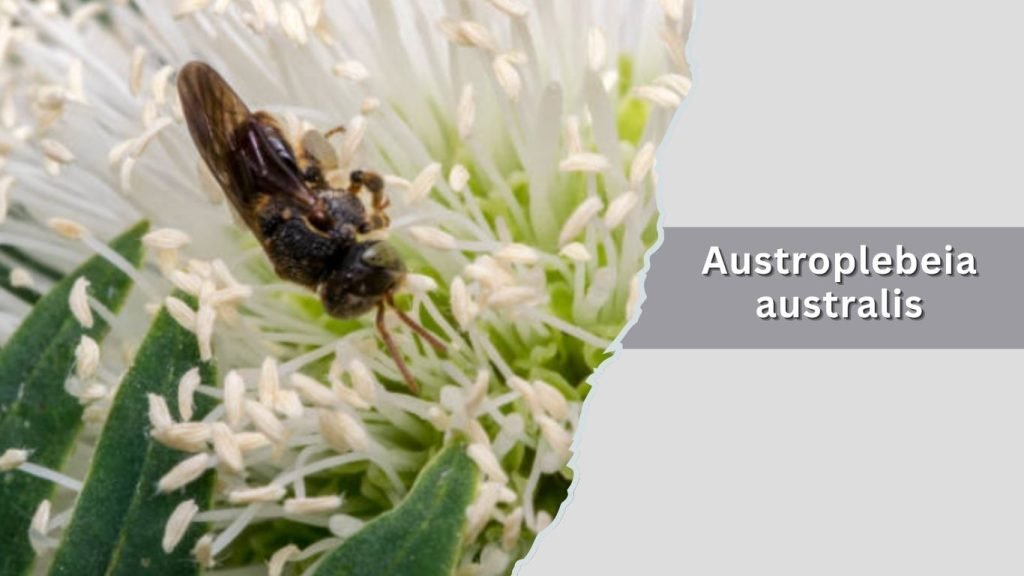
Austroplebeia australis is a small stingless bee native to Australia. It is known for its gentle behavior and importance in pollinating native plants. This species is commonly found in warm regions and is sometimes kept by beekeepers.
Identification
- Very small body
- Dark brown to black coloration
- Slightly hairy appearance
- Transparent wings
- No functional sting
Size
This species usually measures around 3 to 5 mm in length. Its tiny size makes it less noticeable, especially when flying among flowers.
Color
Austroplebeia australis has a dark brown to black body with a slightly dull or matte appearance. It does not have bright markings or metallic colors.
Diet
It feeds on nectar and collects pollen for its larvae. It visits a variety of flowers, especially native plants and small blossoms.
ID
It can be identified by its small size, dark body, and calm behavior. It is often seen near nests in tree hollows or walls and moves quietly among flowers.
3. Amegilla cingulata
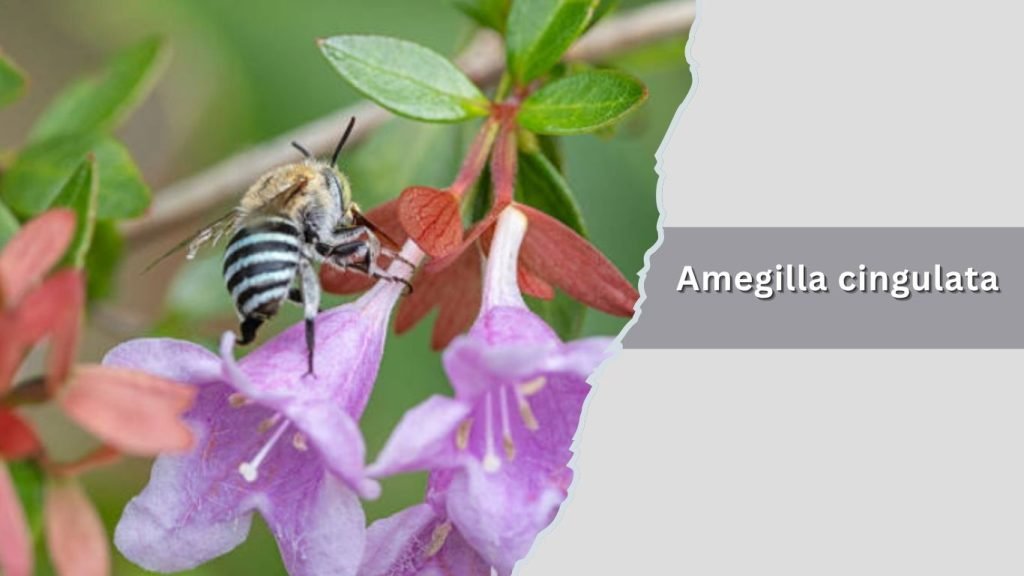
Amegilla cingulata, also known as the Blue-banded Bee, is one of the most recognizable Australian bees due to its bright blue stripes. It is a fast-flying and highly effective pollinator.
Identification
- Medium-sized body
- Distinct blue bands across abdomen
- Black and light hair covering
- Strong, fast flight
- Slender shape
Size
This species typically measures about 10 to 12 mm in length. It is larger than many native bees, making it easier to observe.
Color
Amegilla cingulata has bright blue stripes on a black abdomen, with a slightly fuzzy body. The vivid blue bands make it highly distinctive.
Diet
It feeds on nectar and collects pollen from flowers. It is especially known for pollinating crops like tomatoes through buzz pollination.
ID
This bee can be easily identified by its bright blue bands and rapid flight. It often hovers near flowers and nests in soil or soft materials.
4. Amegilla bombiformis
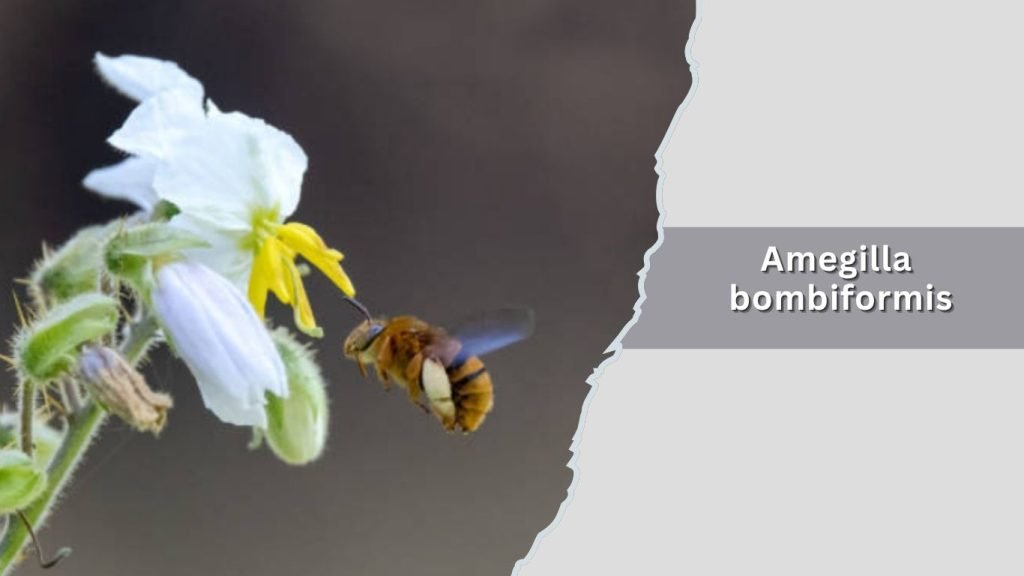
Amegilla bombiformis is a native Australian bee species known for its fast flight and strong pollination ability. It is similar to other blue-banded bees and plays an important role in pollinating various plants.
Identification
- Medium-sized body
- Blue bands across abdomen
- Fuzzy appearance
- Slender shape
- Fast, hovering flight
Size
This species typically measures around 10 to 13 mm in length. It is moderately large compared to many native bees, making it easier to spot.
Color
Amegilla bombiformis has a black body with bright blue bands on the abdomen. The contrast makes it visually striking and easy to recognize.
Diet
It feeds on nectar for energy and collects pollen for its larvae. It visits a wide range of flowers and is especially effective in pollinating certain crops.
ID
It can be identified by its blue-banded abdomen and quick, hovering flight. It often nests in soil or soft walls, which also helps in identification.
5. Xylocopa aeratus
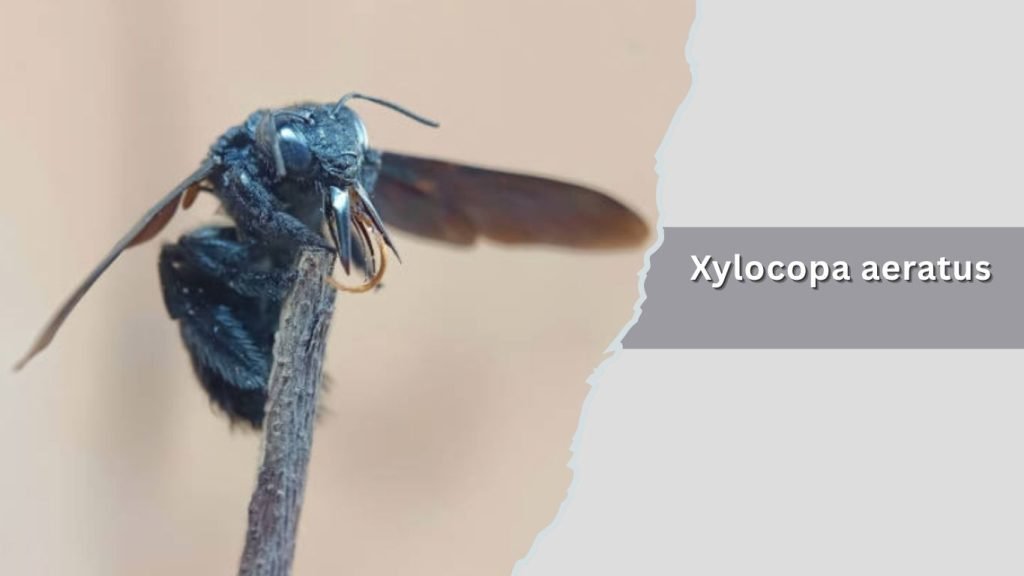
Xylocopa aeratus, commonly known as a carpenter bee, is a large and powerful bee species found in Australia. It is known for nesting in wood and its important role in pollination.
Identification
- Large, robust body
- Shiny black coloration
- Sparse hair compared to other bees
- Strong wings
- Loud buzzing flight
Size
This species typically measures about 18 to 24 mm in length. It is one of the largest native bees in Australia.
Color
Xylocopa aeratus has a mostly black, shiny body with minimal markings. The smooth, glossy surface makes it stand out from fuzzy bees.
Diet
It feeds on nectar and collects pollen from a variety of flowers. It is a strong pollinator of both native plants and crops.
ID
This bee can be identified by its large size, black shiny body, and habit of boring into wood to create nests. Its loud buzzing sound is also a key feature.
6. Xylocopa bombylans
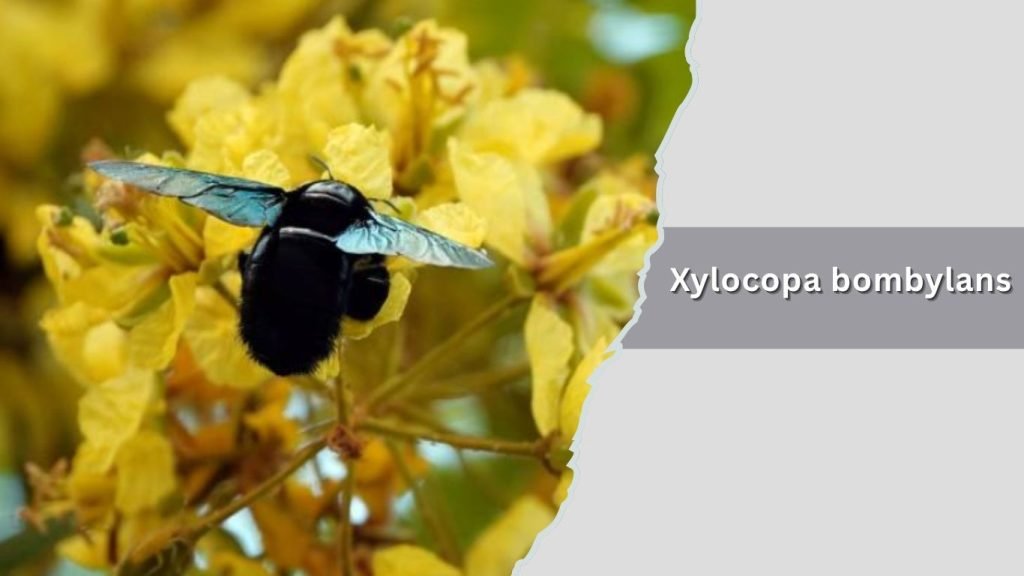
Xylocopa bombylans is another species of carpenter bee known for its strong flight and wood-nesting behavior. It is a large and powerful pollinator commonly found in suitable habitats.
Identification
- Large, robust body
- Dark black coloration
- Slightly hairy thorax
- Strong wings
- Loud buzzing flight
Size
This species typically measures around 18 to 25 mm in length. Its large size makes it one of the more noticeable native bees.
Color
Xylocopa bombylans has a mostly black body with a slightly dull or semi-shiny appearance. Some individuals may show subtle color variations.
Diet
It feeds on nectar and gathers pollen from a wide variety of flowering plants. It is especially useful in pollinating large flowers.
ID
It can be identified by its large size, dark body, and habit of nesting in wood. Its loud buzzing sound and powerful flight are also key features.
7. Leioproctus spp
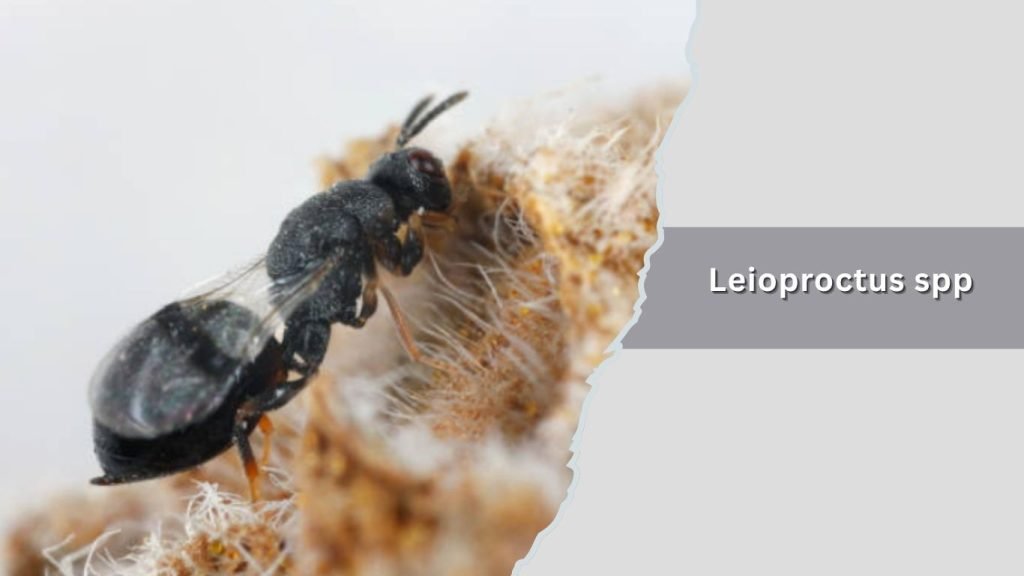
Leioproctus spp. refers to a group of native Australian bees that are diverse and widely distributed. These bees are important pollinators of native plants and are often found in natural habitats.
Identification
- Small to medium-sized body
- Slender shape
- Variable coloration (black, brown, or patterned)
- Fine hair covering
- Clear wings
Size
Species within this group typically range from 5 to 12 mm in length. Size can vary depending on the specific species.
Color
Leioproctus bees may appear black, brown, or have subtle patterns. Some species have lighter markings on the abdomen.
Diet
They feed on nectar and collect pollen, often specializing in certain native plants. This makes them important for specific plant species.
ID
They can be identified by their slender bodies, varied colors, and association with native flowers. Close observation is often needed to distinguish species within this group.
8. Lasioglossum spp
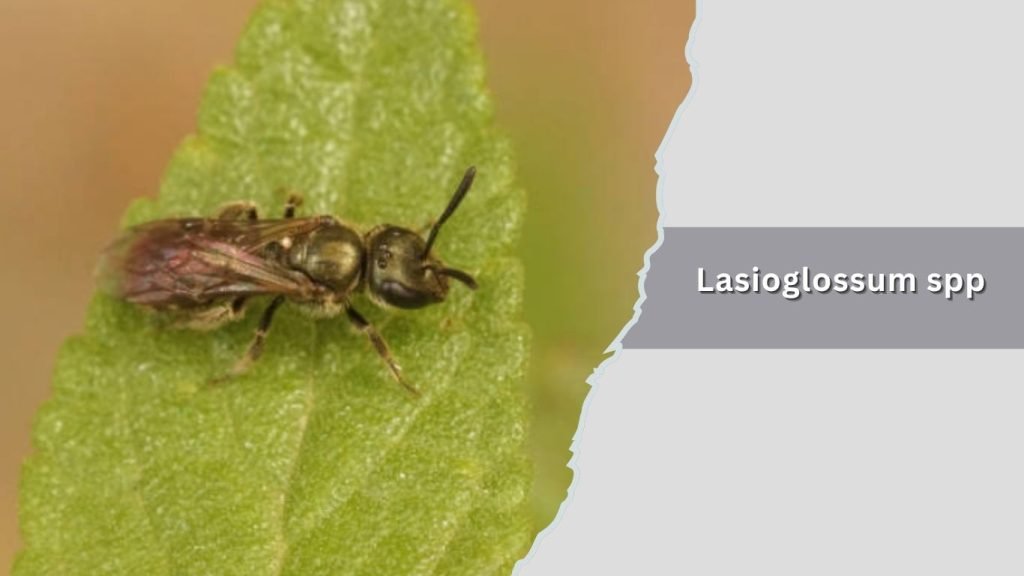
Lasioglossum spp. are small sweat bees that are widely distributed in Australia. They are very common and can be found in a variety of habitats, including gardens and natural areas. These bees are important pollinators despite their small size.
Identification
- Small, slender body
- Dark brown to black coloration
- Fine hair covering
- Some species show slight metallic sheen
- Transparent wings
Size
These bees typically measure about 4 to 8 mm in length. Their small size makes them less noticeable unless closely observed.
Color
Lasioglossum species are usually dark brown or black, though some may have a slight greenish or metallic shine depending on the species.
Diet
They feed on nectar and collect pollen from a wide variety of flowers. They are generalist pollinators and visit both native plants and garden flowers.
ID
They can be identified by their small size, dark color, and slender shape. Their frequent presence around flowers and sometimes attraction to sweat also helps in recognition.
9. Homalictus spp
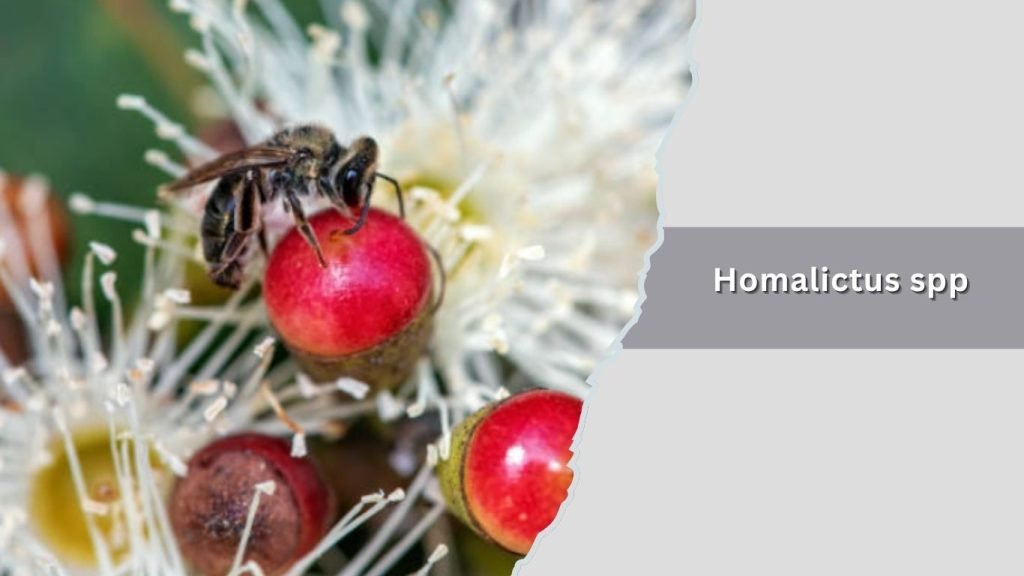
Homalictus spp. are small native Australian bees often found in large numbers. They are active and commonly seen visiting flowers in both urban and natural environments.
Identification
- Very small body
- Slender shape
- Dark or metallic coloration
- Smooth appearance
- Clear wings
Size
These bees usually measure about 3 to 7 mm in length. Their tiny size can make them difficult to notice unless seen in groups.
Color
Homalictus species can be dark brown, black, or show a metallic green or blue sheen. The metallic appearance is more visible in sunlight.
Diet
They feed on nectar and collect pollen from a wide range of flowers. They are generalist feeders and contribute to pollination in many habitats.
ID
They can be identified by their very small size, sometimes metallic color, and active behavior. They are often seen in groups around flowering plants.
10. Hylaeus spp
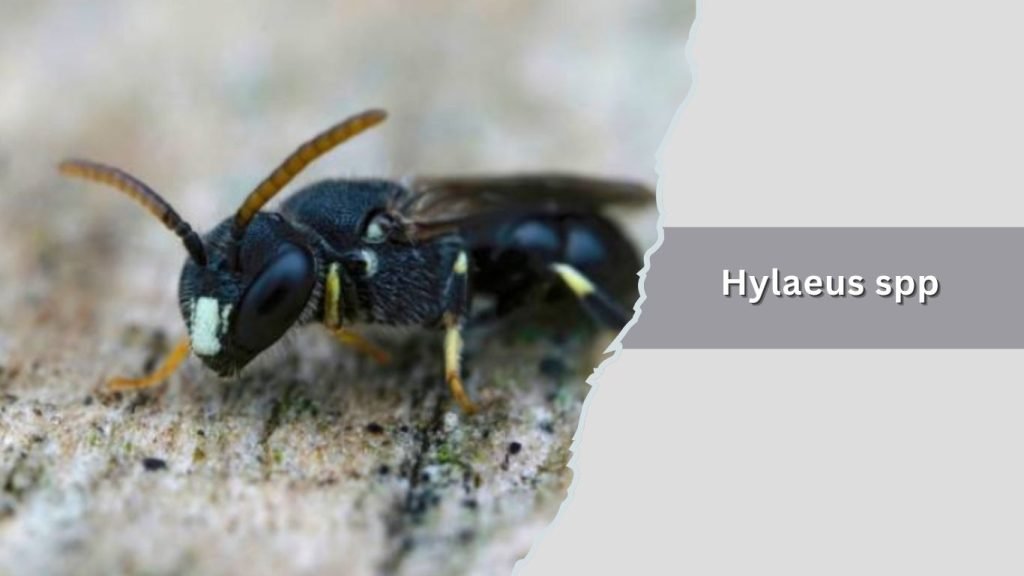
Hylaeus spp., commonly known as masked bees, are small native Australian bees recognized for their smooth bodies and distinct facial markings. Unlike many other bees, they carry pollen internally rather than on their bodies.
Identification
- Small, slender body
- Smooth and less hairy appearance
- Black body with pale or yellow facial markings
- Clear wings
- Lack visible pollen baskets
Size
These bees typically measure about 4 to 8 mm in length. Their small size and smooth bodies make them less noticeable than fuzzy bees.
Color
Hylaeus species are usually black with distinctive white or yellow markings on the face. These markings give them a “masked” appearance.
Diet
They feed on nectar and collect pollen, which they store internally. They visit a variety of flowers, especially small blossoms.
ID
They can be identified by their smooth, hairless look and unique facial markings. Their lack of visible pollen on legs also helps distinguish them.
11. Megachile spp
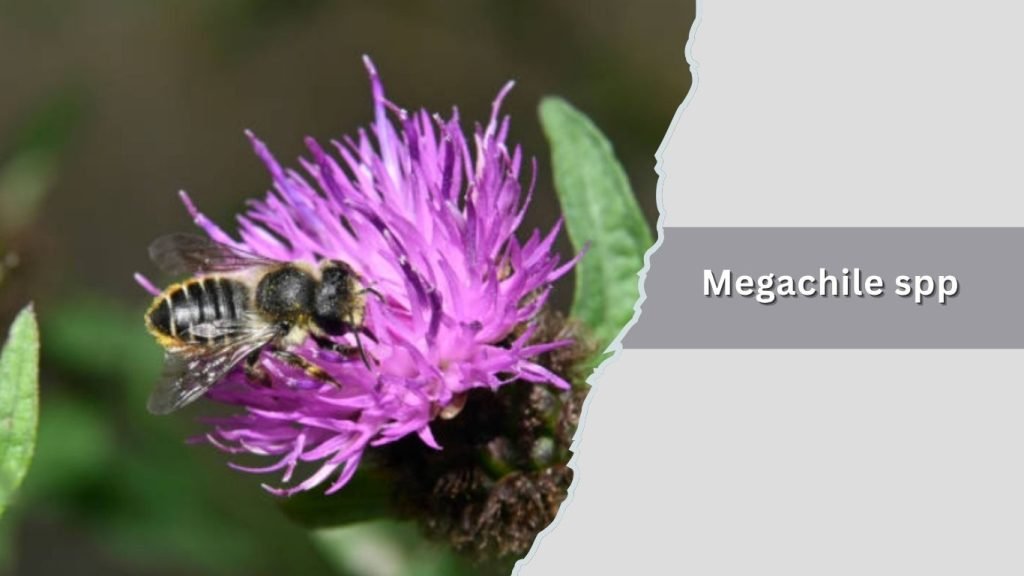
Megachile spp., also known as leafcutter bees, are well-known for their unique nesting behavior of cutting leaf pieces. They are important pollinators and are commonly found in gardens and natural habitats.
Identification
- Medium-sized, robust body
- Black or dark coloration
- Hairy underside of abdomen
- Strong mandibles for cutting leaves
- Clear wings
Size
These bees typically measure about 8 to 15 mm in length. Their size varies depending on the species.
Color
Megachile bees are usually dark brown or black. Some species may have lighter hair or subtle markings.
Diet
They feed on nectar and collect pollen, which they carry on the underside of their abdomen. They visit a wide range of flowering plants.
ID
They can be identified by their habit of cutting neat, circular pieces from leaves. The presence of pollen under the abdomen is also a key feature.
12. Exoneura spp
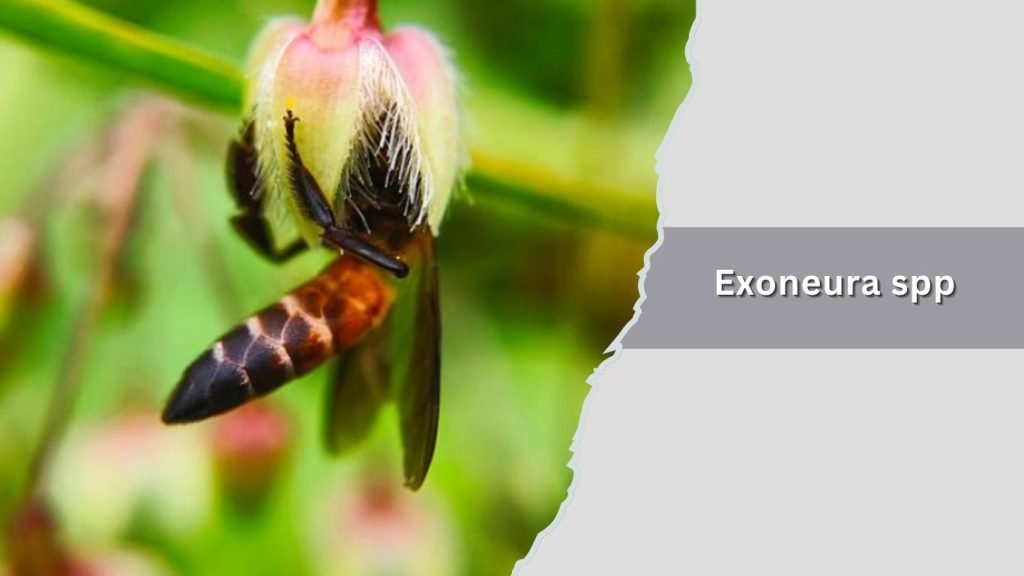
Exoneura spp., commonly known as reed bees, are small native Australian bees that often live in hollow plant stems. They are known for their simple social behavior and are important pollinators in natural habitats.
Identification
- Small, slender body
- Dark brown to black coloration
- Smooth, slightly shiny appearance
- Short wings
- Fine hair covering
Size
These bees typically measure about 4 to 8 mm in length. Their small size makes them easy to overlook unless closely observed.
Color
Exoneura species are usually dark brown or black with a subtle shine. They lack bright markings or metallic colors.
Diet
They feed on nectar and collect pollen from a variety of flowers. They are generalist feeders and visit both native plants and garden flowers.
ID
They can be identified by their small size and habit of nesting in hollow stems or reeds. Their simple social structure also sets them apart from other bees.
13. Nomia australica
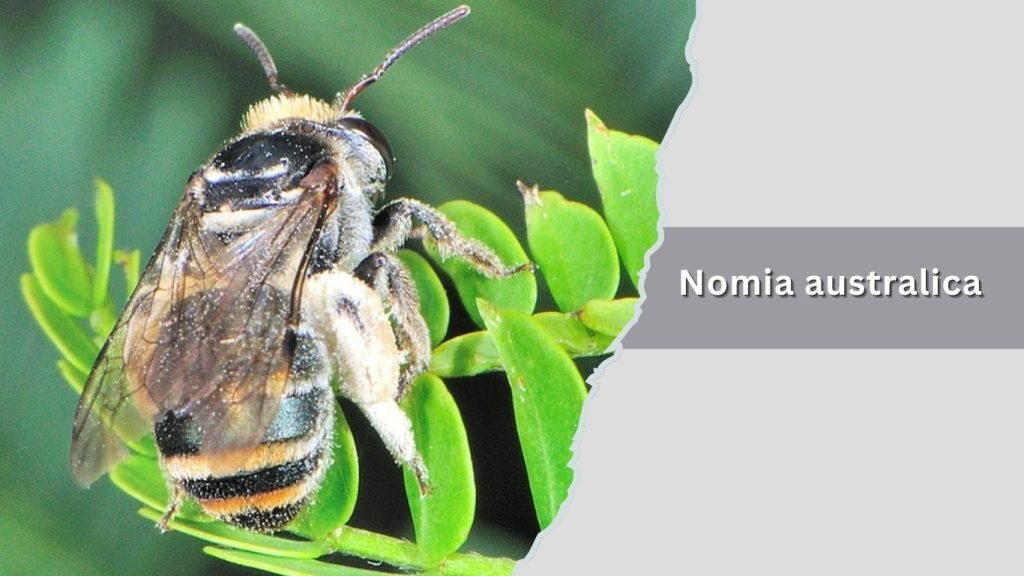
Nomia australica is a native Australian bee species often found in open habitats. It is a ground-nesting bee and plays a useful role in pollination.
Identification
- Medium-sized body
- Slender shape
- Dark body with pale bands
- Fine hair covering
- Clear wings
Size
This species typically measures about 8 to 12 mm in length. It is larger than many small native bees.
Color
Nomia australica has a dark brown to black body with noticeable pale or whitish bands across the abdomen.
Diet
It feeds on nectar and collects pollen for its larvae. It visits a wide range of flowering plants in open environments.
ID
This bee can be identified by its banded abdomen and ground-nesting behavior. It is often seen flying low over sandy or open areas.
14. Euhesma spp
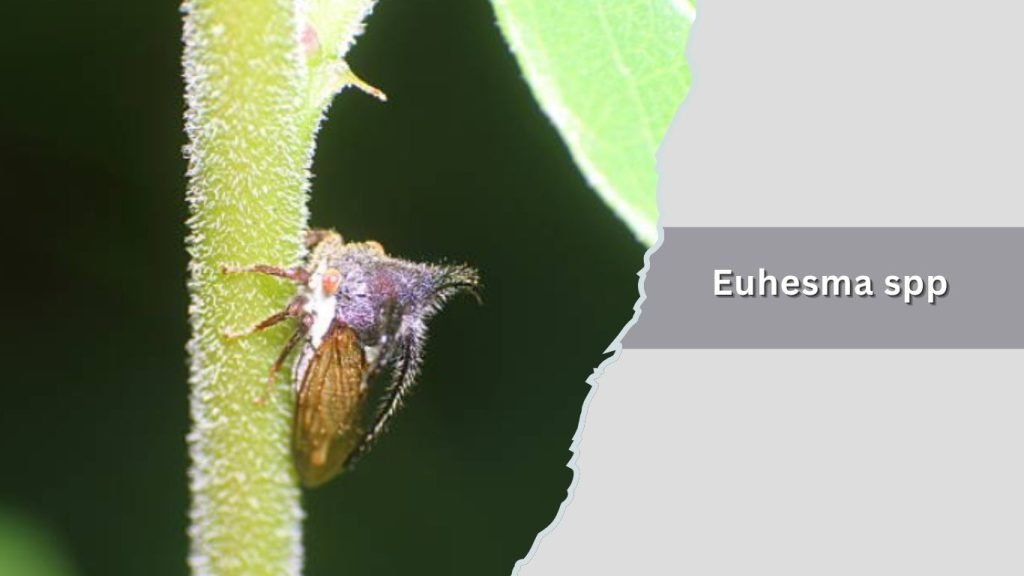
Euhesma spp. are a diverse group of native Australian bees known for their association with specific native plants. They are important pollinators in natural ecosystems.
Identification
- Small to medium-sized body
- Slender shape
- Variable coloration (black, brown, or patterned)
- Fine hair covering
- Clear wings
Size
These bees typically range from 5 to 12 mm in length, depending on the species. Their size can vary widely within the group.
Color
Euhesma species may appear black, brown, or have subtle markings. Some may show light bands or patterns on the abdomen.
Diet
They feed on nectar and collect pollen, often specializing in certain native plants. This makes them important for specific plant pollination.
ID
They can be identified by their slender bodies and close association with native flowers. Detailed identification often requires close observation.
15. Thyreus nitidulus
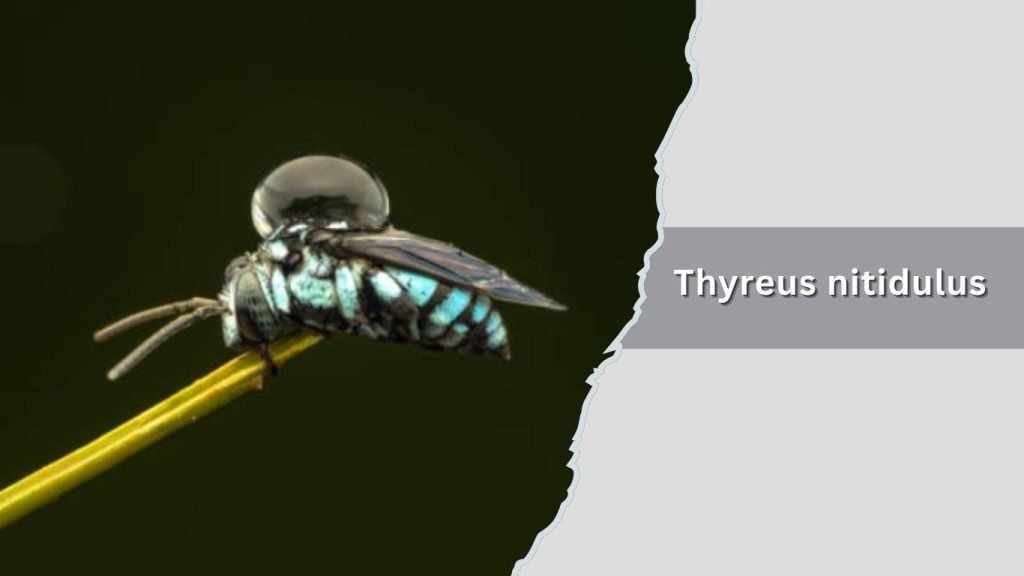
Thyreus nitidulus is a striking cuckoo bee species found in Australia. It does not collect pollen but instead relies on other bees to raise its young.
Identification
- Medium-sized body
- Black coloration with white or blue markings
- Smooth, shiny appearance
- Slender shape
- No pollen-carrying structures
Size
This species typically measures about 10 to 14 mm in length. It is moderately sized and noticeable due to its markings.
Color
Thyreus nitidulus has a black body with bright white or bluish spots and patterns, giving it a distinctive look.
Diet
It feeds on nectar but does not collect pollen. It relies on host bees to provide food for its larvae.
ID
It can be identified by its spotted pattern and smooth body. Its behavior of hovering near host nests also helps in recognition.
16. Goniocolletes spp
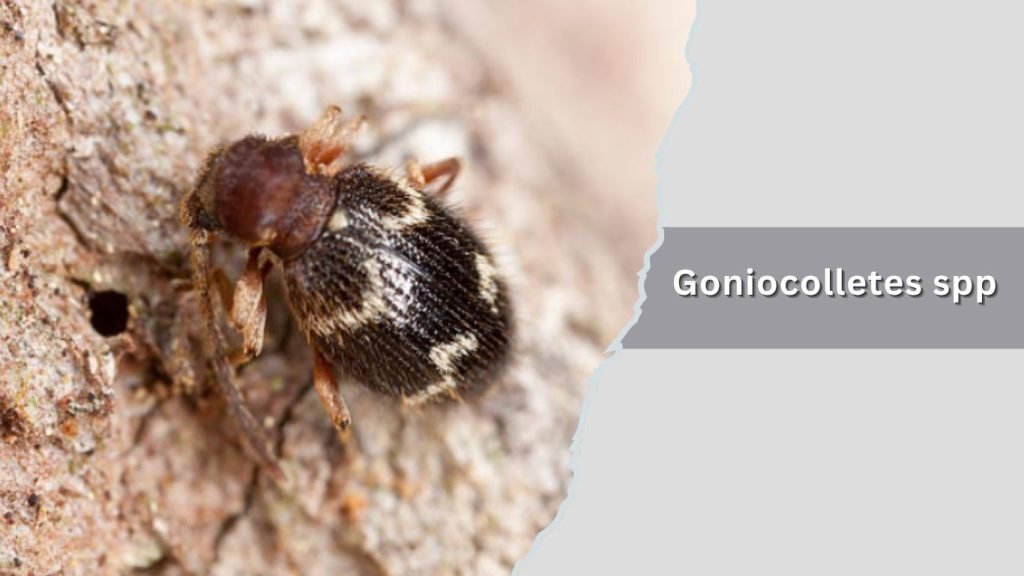
Goniocolletes spp. are native Australian bees known for their role in pollinating specific native plants. They are less commonly noticed but are important in maintaining ecosystem balance.
Identification
- Small to medium-sized body
- Slender shape
- Dark coloration with light markings
- Fine hair covering
- Clear wings
Size
These bees typically measure around 6 to 12 mm in length. Size may vary depending on the species.
Color
Goniocolletes species are generally dark brown or black, sometimes with pale bands or subtle markings on the abdomen.
Diet
They feed on nectar and collect pollen, often specializing in certain native plants. This makes them important for plant-specific pollination.
ID
They can be identified by their slender bodies and association with native flowers. Close observation is often needed to distinguish them from similar species.
17. Trichocolletes spp
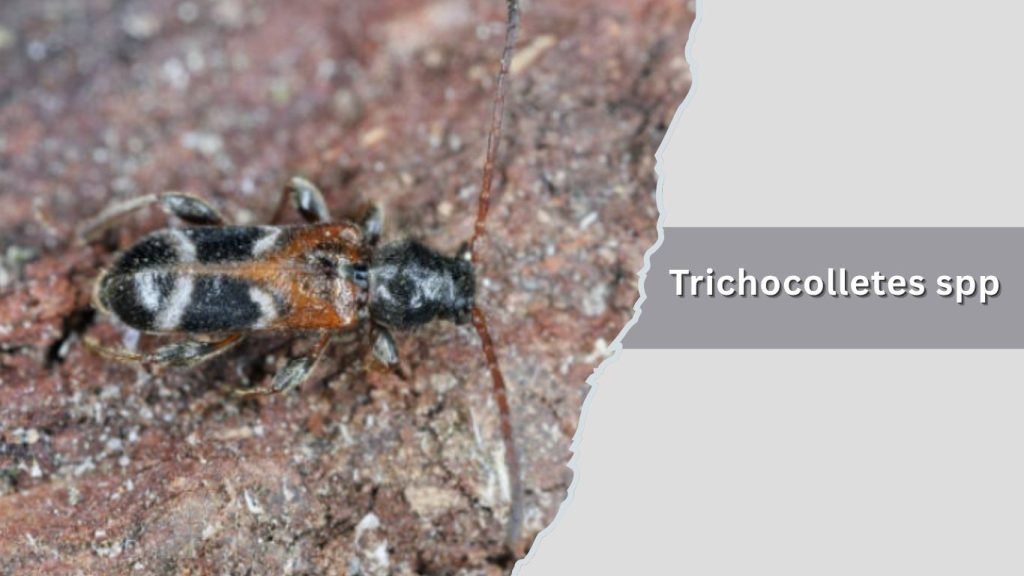
Trichocolletes spp., often called “hairy bees,” are native Australian bees known for their dense hair and effective pollination abilities.
Identification
- Medium-sized, robust body
- Very hairy appearance
- Light brown to golden coloration
- Thick hair covering entire body
- Clear wings
Size
These bees typically measure about 8 to 15 mm in length. Their larger size and hairy bodies make them easier to notice.
Color
Trichocolletes species often have light brown, golden, or yellowish hair, giving them a soft and fuzzy look.
Diet
They feed on nectar and collect pollen, often from native flowering plants. They are effective pollinators due to their dense hair.
ID
They can be identified by their very hairy bodies and soft, golden appearance. Their strong association with native plants also helps in recognition.
18. Lipotriches australica
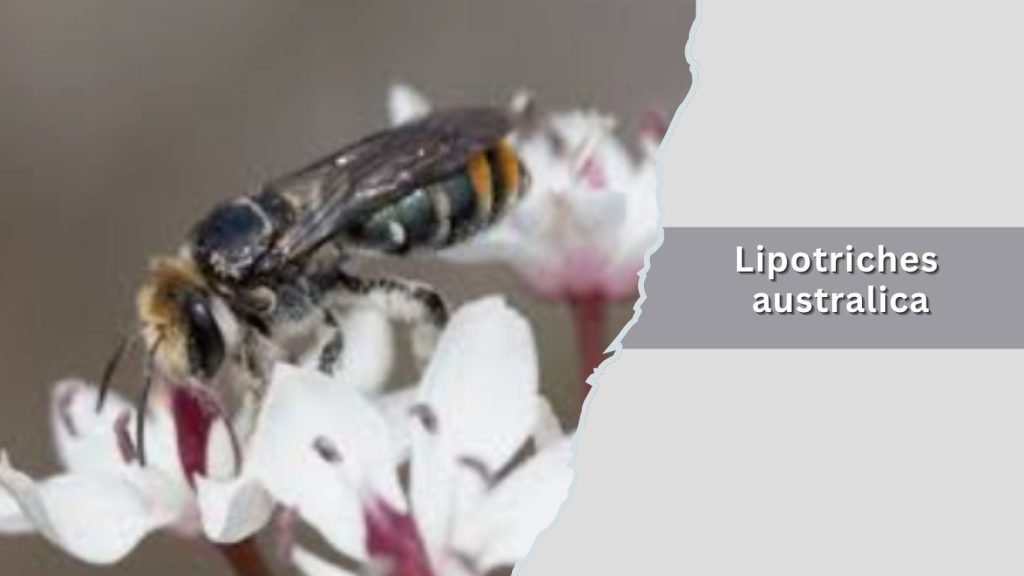
Lipotriches australica is a native Australian bee species that belongs to the sweat bee group. It is commonly found in warm regions and plays a role in pollination of various plants.
Identification
- Small to medium-sized body
- Slender shape
- Dark brown to black coloration
- Fine hair covering
- Clear wings
Size
This species typically measures around 6 to 10 mm in length. It is moderately sized compared to other native bees.
Color
Lipotriches australica usually has a dark brown or black body. It may show slight lighter markings depending on the individual.
Diet
It feeds on nectar and collects pollen from a variety of flowers. It is a generalist feeder and visits both native and cultivated plants.
ID
It can be identified by its slender body, dark coloration, and active behavior around flowers. It is often seen in open and warm environments.
19. Ceratina australensis
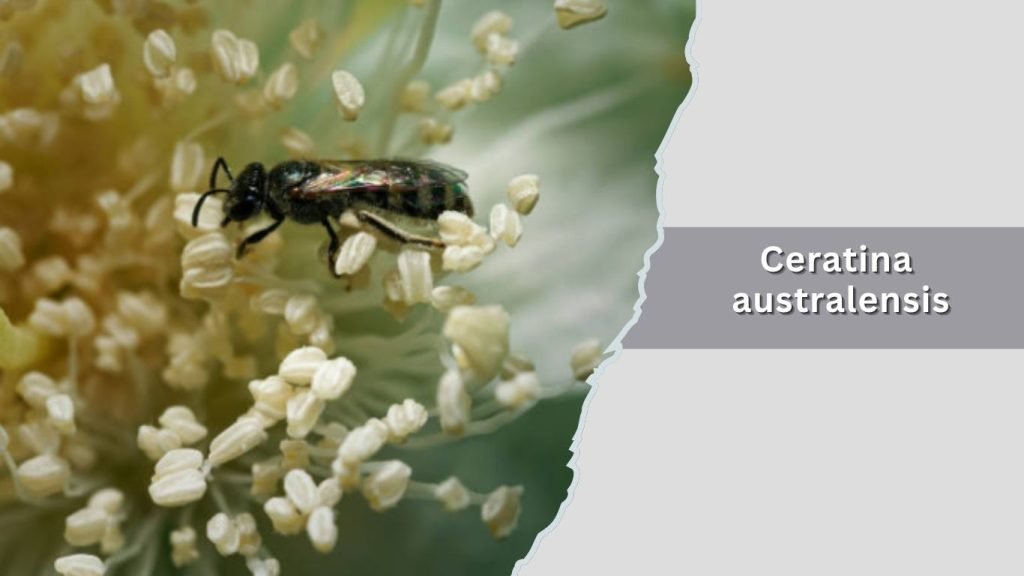
Ceratina australensis, also known as a small carpenter bee, is a native Australian species that nests in plant stems. It is a quiet and efficient pollinator.
Identification
- Small, slender body
- Dark metallic coloration
- Smooth and slightly shiny appearance
- Short hair covering
- Clear wings
Size
This species typically measures about 5 to 8 mm in length. It is relatively small and may be overlooked.
Color
Ceratina australensis often has a dark body with a slight metallic sheen, sometimes appearing bluish or greenish in sunlight.
Diet
It feeds on nectar and collects pollen for its larvae. It visits a variety of small flowers in gardens and natural habitats.
ID
This bee can be identified by its small size, smooth metallic body, and habit of nesting in hollow stems. Its quiet behavior also makes it less noticeable.
20. Stenotritus spp
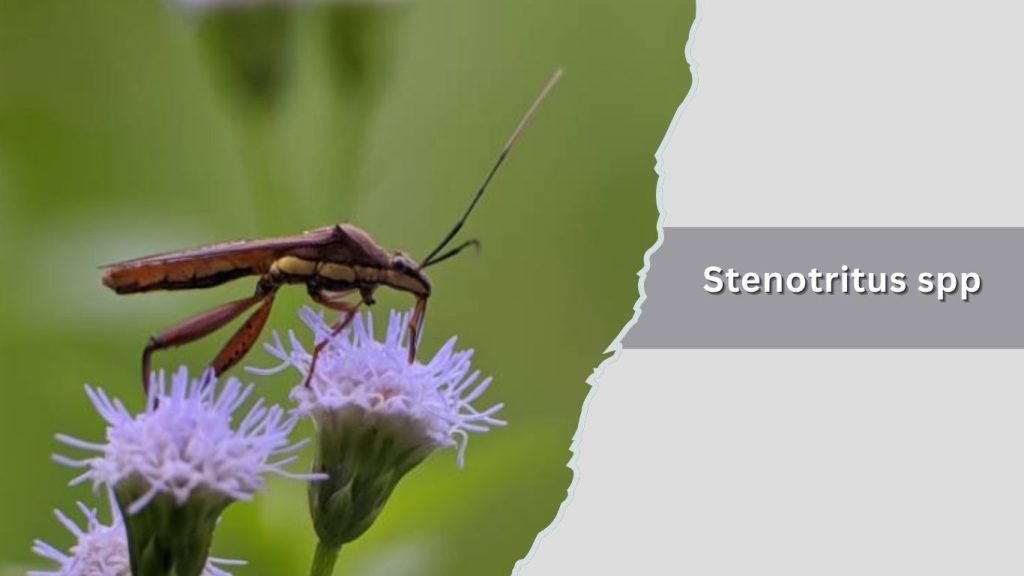
Stenotritus spp. are unique native Australian bees belonging to a small family found only in Australia. They are ground-nesting bees and are important pollinators in sandy habitats.
Identification
- Medium-sized body
- Robust and slightly hairy
- Brown to black coloration
- Strong legs for digging
- Clear wings
Size
These bees typically measure around 10 to 15 mm in length. They are relatively large compared to many native bees.
Color
Stenotritus species usually have a brown to dark brown body with lighter hair. Their appearance is generally simple without bright markings.
Diet
They feed on nectar and collect pollen from flowering plants. They are often associated with specific native flora.
ID
They can be identified by their ground-nesting behavior and strong digging legs. Their presence in sandy soils also helps in recognition.
21. Pharohylaeus lactiferus
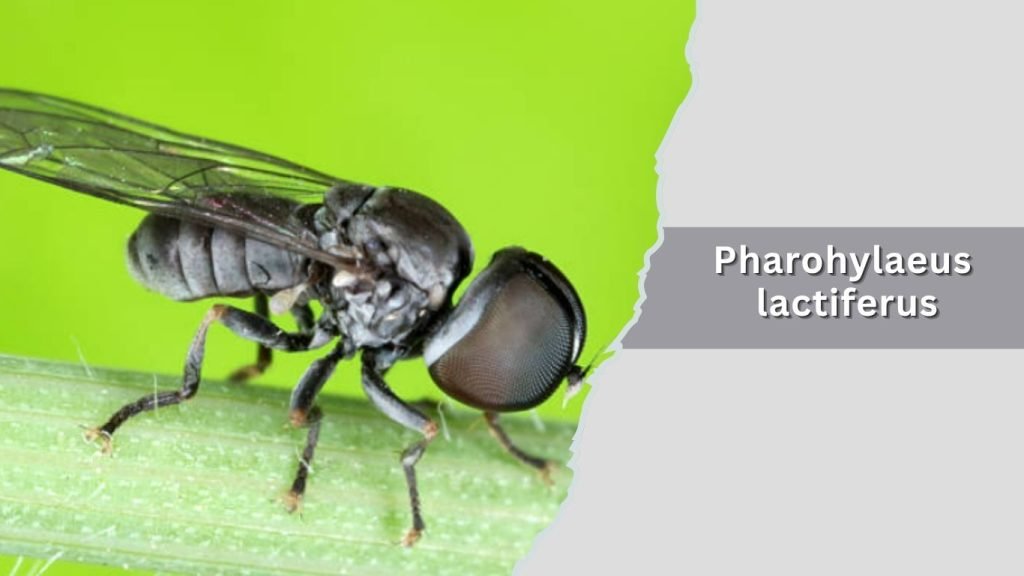
Pharohylaeus lactiferus is a rare and unique masked bee species found in Australia. It is notable for its distinct appearance and limited distribution.
Identification
- Small, slender body
- Black coloration with white markings
- Smooth and less hairy appearance
- Clear wings
- Mask-like facial pattern
Size
This species typically measures about 5 to 7 mm in length. It is small and may be difficult to notice in the wild.
Color
Pharohylaeus lactiferus has a black body with striking white or pale markings, especially on the face, giving it a masked look.
Diet
It feeds on nectar and collects pollen, storing it internally rather than on its body. It visits a variety of flowers.
ID
It can be identified by its smooth body and distinctive facial markings. Its rarity and specific habitat also help distinguish it.
22. Neopasiphae simplicior
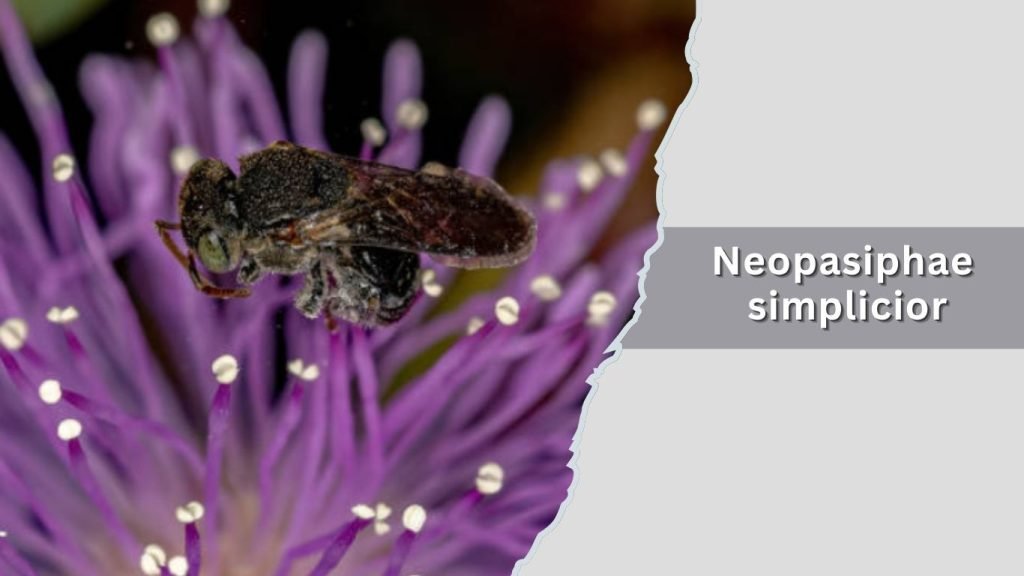
Neopasiphae simplicior is a lesser-known native Australian bee that plays an important role in pollinating local plants. It is usually found in natural habitats and is associated with specific flowering species.
Identification
- Small to medium-sized body
- Slender shape
- Dark brown to black coloration
- Fine hair covering
- Clear wings
Size
This species typically measures around 6 to 10 mm in length. It is moderately sized compared to other native bees.
Color
Neopasiphae simplicior generally has a dark body, sometimes with subtle lighter markings. It does not display bright or metallic colors.
Diet
It feeds on nectar and collects pollen, often from native plants. It may show preference for certain flowers depending on the region.
ID
It can be identified by its slender body and dark coloration. Its association with native flora and natural habitats also helps in recognition.
23. Callomelitta antipodes
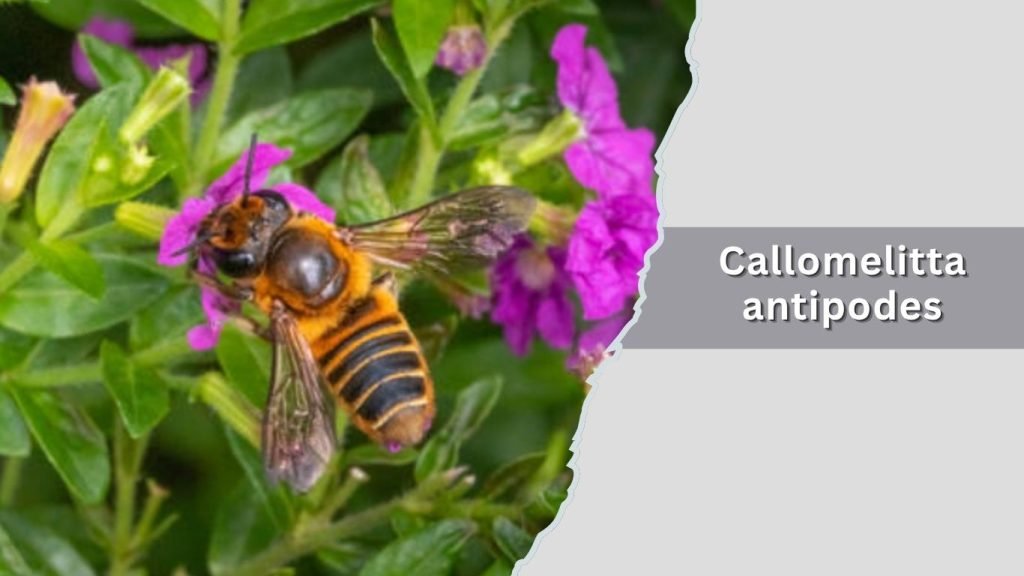
Callomelitta antipodes is a native Australian bee known for its role in pollinating wildflowers. It is not very commonly seen but contributes to maintaining plant diversity.
Identification
- Medium-sized body
- Robust and slightly hairy
- Dark coloration with possible markings
- Strong wings
- Clear body segmentation
Size
This species typically measures about 8 to 14 mm in length. It is moderately large compared to many small native bees.
Color
Callomelitta antipodes usually has a dark brown or black body, sometimes with subtle lighter patterns or hair.
Diet
It feeds on nectar and collects pollen from flowering plants. It is particularly associated with native wildflowers.
ID
It can be identified by its robust body and moderate size. Its presence around native plants and less common sightings help distinguish it.
24. Braunsapis spp
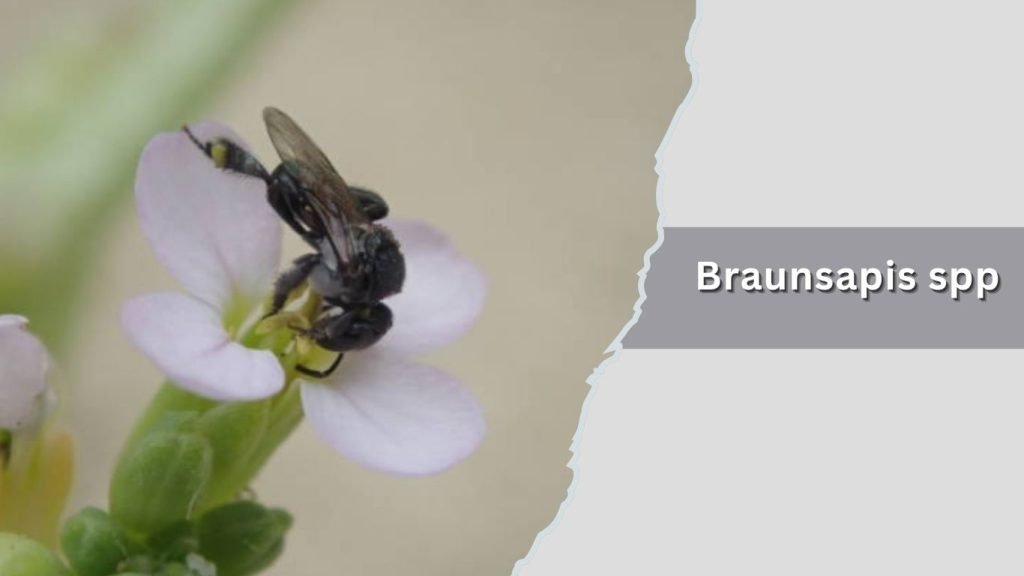
Braunsapis spp. are small native Australian bees often found in warm and tropical regions. They are social bees and are commonly seen visiting flowers in gardens and natural habitats.
Identification
- Very small body
- Slender shape
- Dark brown to black coloration
- Slightly hairy appearance
- Transparent wings
Size
These bees typically measure about 3 to 6 mm in length. Their tiny size makes them easy to overlook unless seen closely on flowers.
Color
Braunsapis species are usually dark brown or black. They may have subtle lighter markings, but they generally lack bright or metallic colors.
Diet
They feed on nectar and collect pollen from a wide variety of flowers. They are generalist feeders and are active in warm climates.
ID
They can be identified by their very small size and social behavior. They are often seen in groups around flowers and may nest in small cavities or plant stems.