
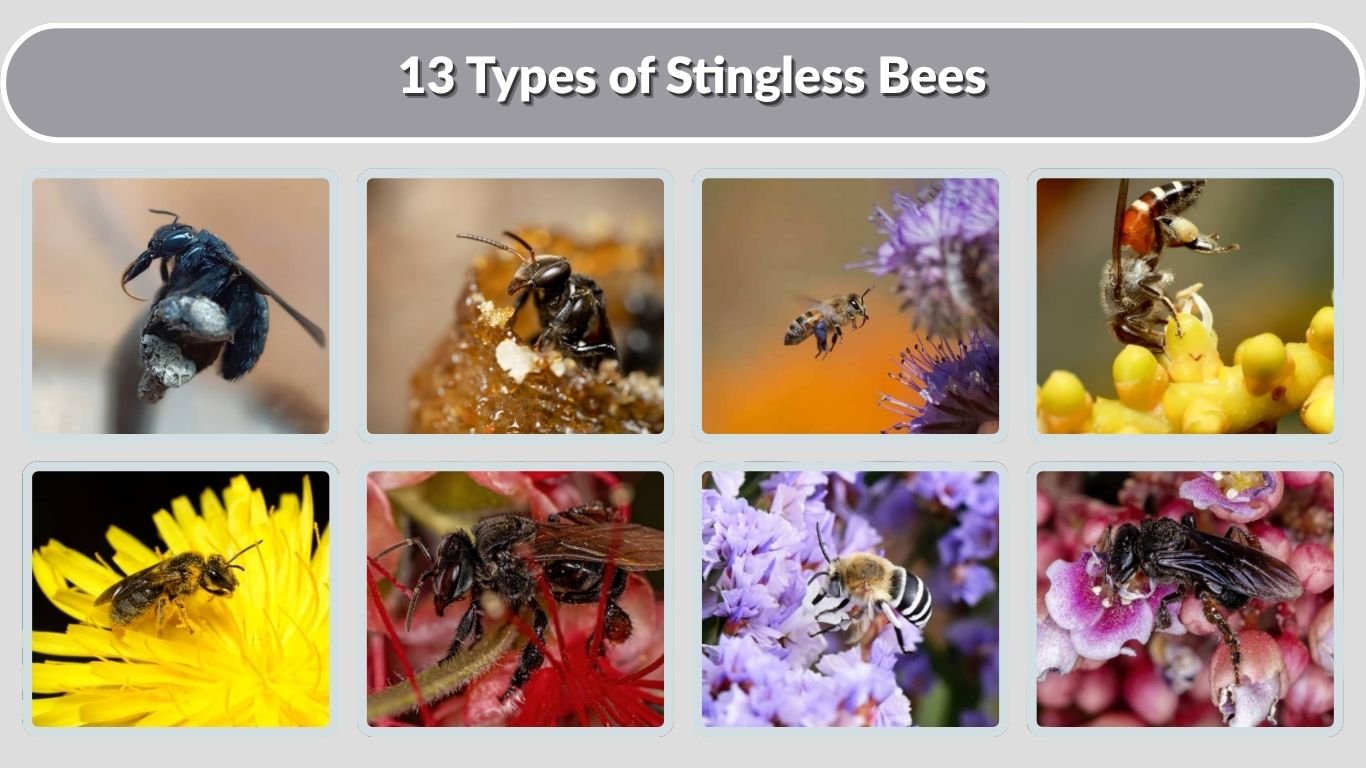
Stingless bees are small, social bees known for their gentle nature and lack of a functional sting. They are mostly found in tropical and subtropical regions and play a crucial role in pollination. Despite their size, they are highly efficient in helping plants reproduce.
This list highlights 13 different types of stingless bees, each with unique characteristics, habitats, and behaviors. From forest-dwelling species to those adapted to urban environments, these bees are essential for maintaining biodiversity and supporting agriculture.
1. Melipona beecheii
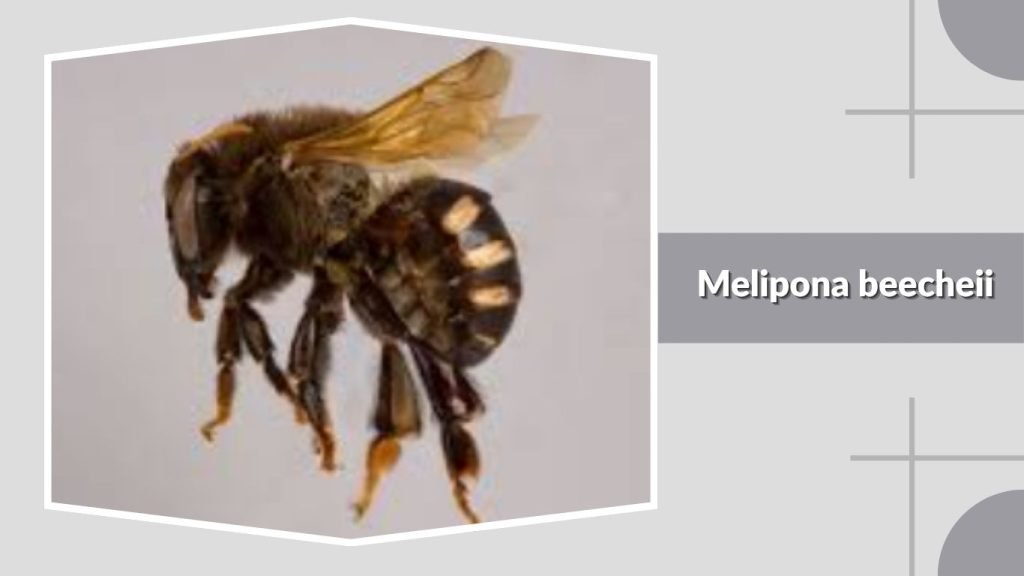
Melipona beecheii is a well-known species of stingless bee native to Central and South America. It has been kept by humans for centuries due to its honey production and gentle nature. This species plays a vital role in pollination and is especially important in tropical ecosystems.
Identification
- Small to medium-sized body
- Dark brown to black coloration
- Short wings compared to body size
- Smooth, less hairy appearance than bumblebees
- Lacks a functional sting
Habitat and Distribution
Melipona beecheii is primarily found in tropical regions, especially in countries like Mexico, Guatemala, and Belize. It prefers forested areas but is also commonly kept in artificial hives by beekeepers. These bees thrive in warm climates with abundant flowering plants.
Behavior and Diet
This species is highly social and lives in well-organized colonies with a queen and workers. They feed on nectar and collect pollen to nourish their young. Unlike honeybees, they store honey in small wax pots. They are known for their calm behavior, making them suitable for traditional beekeeping.
Importance in Pollination
Melipona beecheii is an excellent pollinator for many tropical crops and wild plants. It supports biodiversity and improves crop yields, especially in regions where other pollinators are less effective.
2. Melipona quadrifasciata
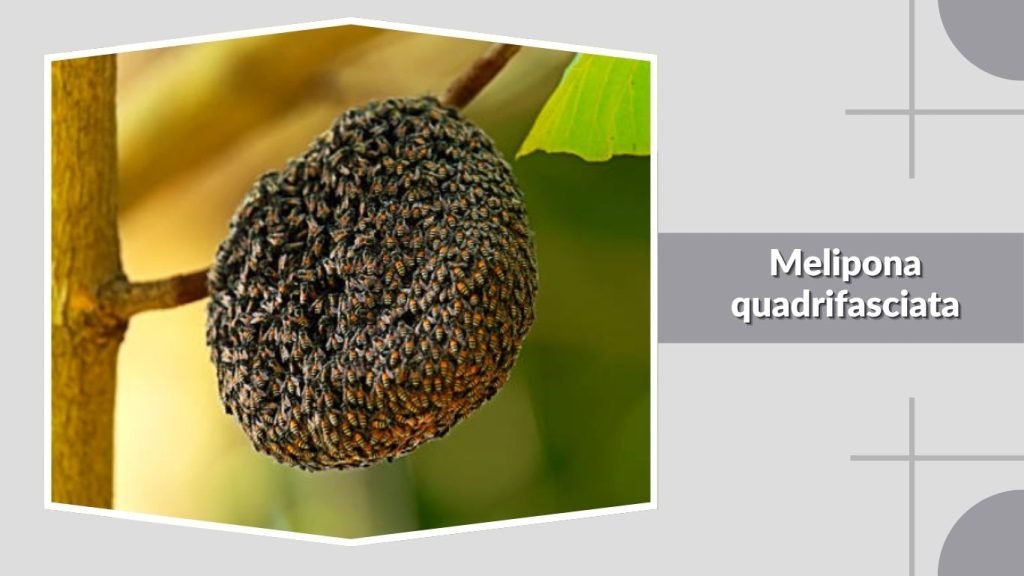
Melipona quadrifasciata is a popular stingless bee species known for its striped abdomen and importance in pollination. It is commonly managed by beekeepers and plays a key role in maintaining healthy ecosystems in tropical regions.
Identification
- Medium-sized body
- Dark brown to black color
- Distinct yellow stripes on abdomen
- Smooth, less hairy body
- No functional sting
Habitat and Distribution
This species is mainly found in Brazil and surrounding regions of South America. It prefers forests and areas with abundant flowering plants. It is also commonly raised in artificial hives by local beekeepers.
Behavior and Diet
Melipona quadrifasciata lives in social colonies with a queen and workers. They collect nectar and pollen and store honey in small wax pots. They are calm and rarely show defensive behavior.
Importance in Pollination
They are highly efficient pollinators of many crops and native plants. Their activity helps increase agricultural productivity and supports biodiversity.
3. Melipona subnitida
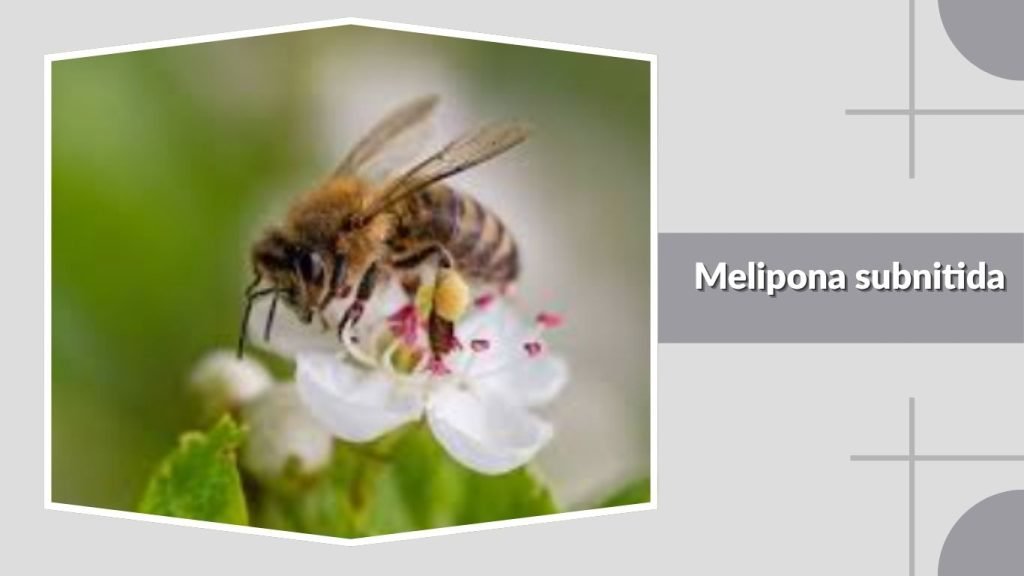
Melipona subnitida is a stingless bee species adapted to dry and semi-arid environments. It is valued for its honey and its ability to survive in harsh conditions.
Identification
- Small to medium-sized body
- Dark brown or black coloration
- Light markings on the body
- Smooth and slightly shiny appearance
- Lacks a functional sting
Habitat and Distribution
This species is commonly found in northeastern Brazil. It thrives in dry forests and semi-arid regions where few other bees can survive.
Behavior and Diet
Melipona subnitida forms organized colonies and feeds on nectar and pollen. It stores honey in wax pots and is known for being gentle and easy to manage.
Importance in Pollination
It plays a crucial role in pollinating plants in dry regions. Its adaptability makes it essential for maintaining plant life and supporting agriculture in challenging environments.
4. Trigona spinipes
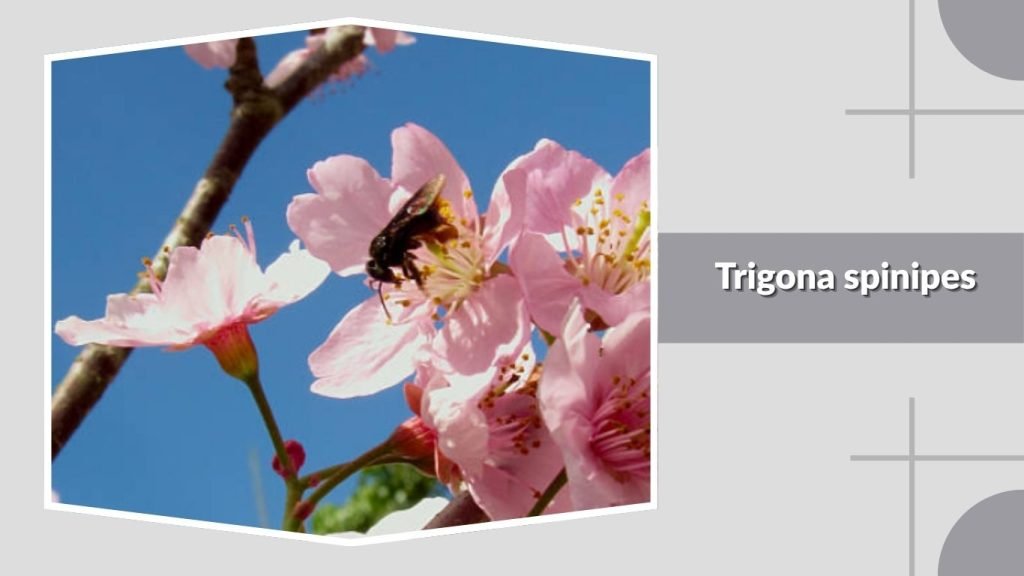
Trigona spinipes is a common stingless bee species known for its aggressive defense behavior compared to other stingless bees. Despite lacking a sting, it can bite and is highly active in tropical environments.
Identification
- Small-sized body
- Dark brown to black coloration
- Slender shape
- Transparent wings
- No functional sting but strong mandibles
Habitat and Distribution
This species is widely found across South America, especially in Brazil. It prefers forests, gardens, and agricultural areas where flowering plants are abundant.
Behavior and Diet
Trigona spinipes lives in large colonies and builds exposed nests in trees or structures. They collect nectar and pollen but can also gather plant resins. They are known for their defensive behavior.
Importance in Pollination
They are effective pollinators of many wild plants and crops. However, their aggressive nature can sometimes make them less desirable in managed environments.
5. Tetragonisca angustula
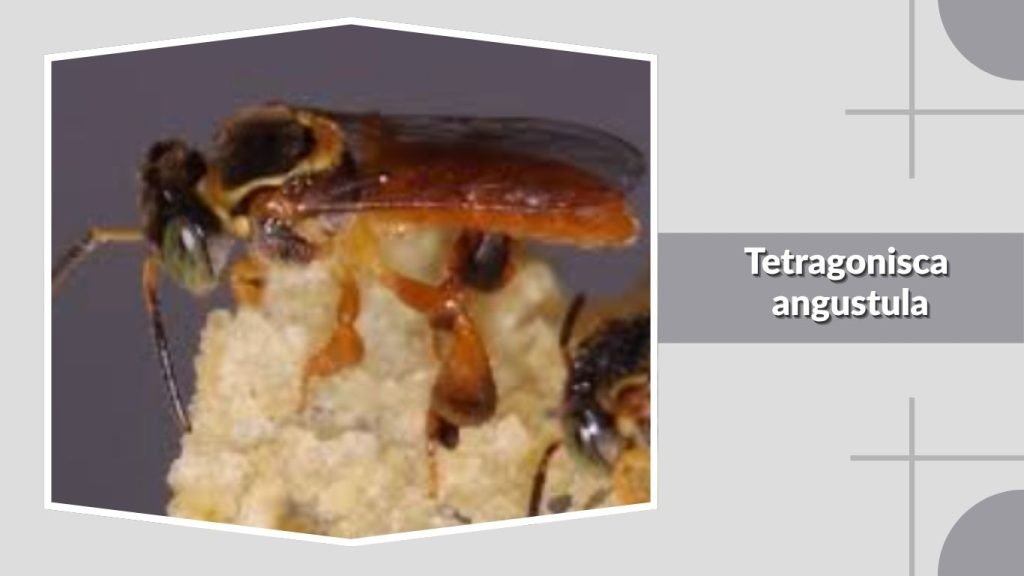
Tetragonisca angustula, often called the “little yellow bee,” is one of the most popular stingless bees for beekeeping. It is gentle and highly efficient in pollination.
Identification
- Very small body
- Light yellow to golden coloration
- Slender and delicate appearance
- Transparent wings
- No functional sting
Habitat and Distribution
This species is found throughout Central and South America. It thrives in forests, gardens, and urban areas, often nesting in small cavities.
Behavior and Diet
Tetragonisca angustula forms highly organized colonies. They feed on nectar and pollen and store honey in small pots. They are calm and easy to manage.
Importance in Pollination
These bees are excellent pollinators for many crops and flowers. Their gentle nature and efficiency make them valuable for sustainable agriculture.
6. Scaptotrigona postica
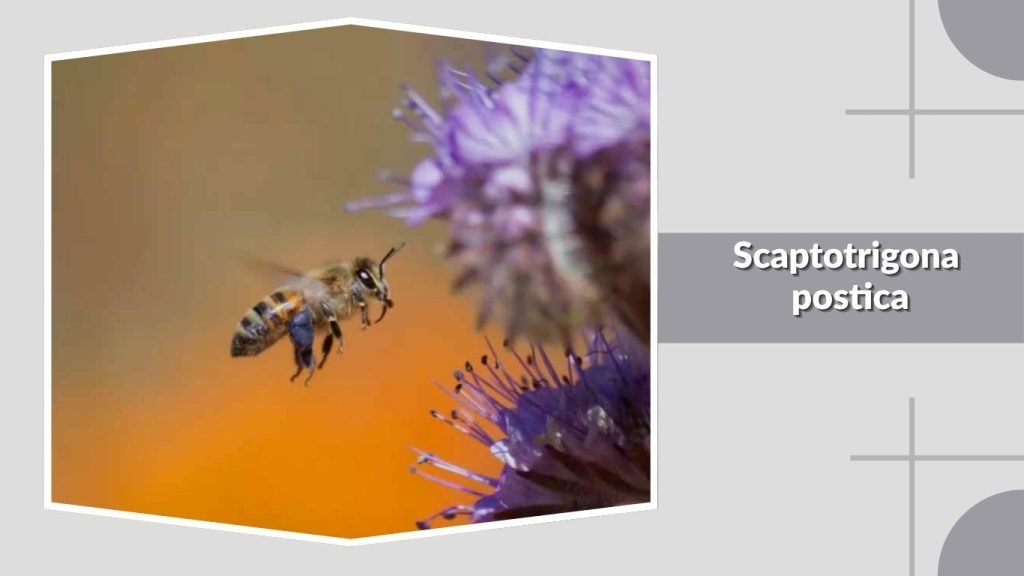
Scaptotrigona postica is a widely known stingless bee species valued for its honey production and strong colony structure. It is commonly managed by beekeepers in tropical regions.
Identification
- Small to medium-sized body
- Dark brown to black coloration
- Slightly hairy body
- Broad head and strong mandibles
- No functional sting
Habitat and Distribution
This species is mainly found in South America, especially in Brazil. It prefers forests, gardens, and agricultural areas with abundant flowering plants.
Behavior and Diet
Scaptotrigona postica lives in large, organized colonies. They collect nectar, pollen, and plant resins, storing honey in wax pots. They can be more defensive than some other stingless bees.
Importance in Pollination
They are efficient pollinators of many crops and native plants. Their activity helps improve plant reproduction and supports biodiversity.
7. Plebeia remota
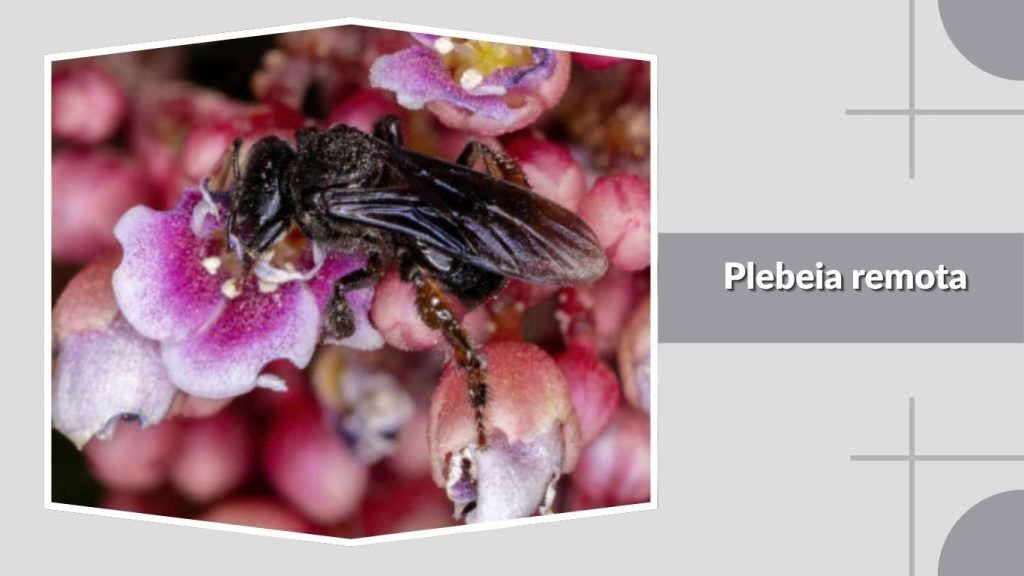
Plebeia remota is a small and gentle stingless bee species often found in forested areas. It is less aggressive and plays an important role in pollination.
Identification
- Very small body
- Dark brown or black coloration
- Smooth and less hairy appearance
- Delicate wings
- Lacks a functional sting
Habitat and Distribution
This species is found in South America, particularly in Brazil. It prefers forests and shaded environments with diverse plant life.
Behavior and Diet
Plebeia remota forms small colonies and feeds on nectar and pollen. They store honey in tiny wax pots and are known for their calm behavior.
Importance in Pollination
These bees contribute to pollinating small flowers and forest plants. Their activity supports ecosystem balance and plant diversity.
8. Nannotrigona testaceicornis
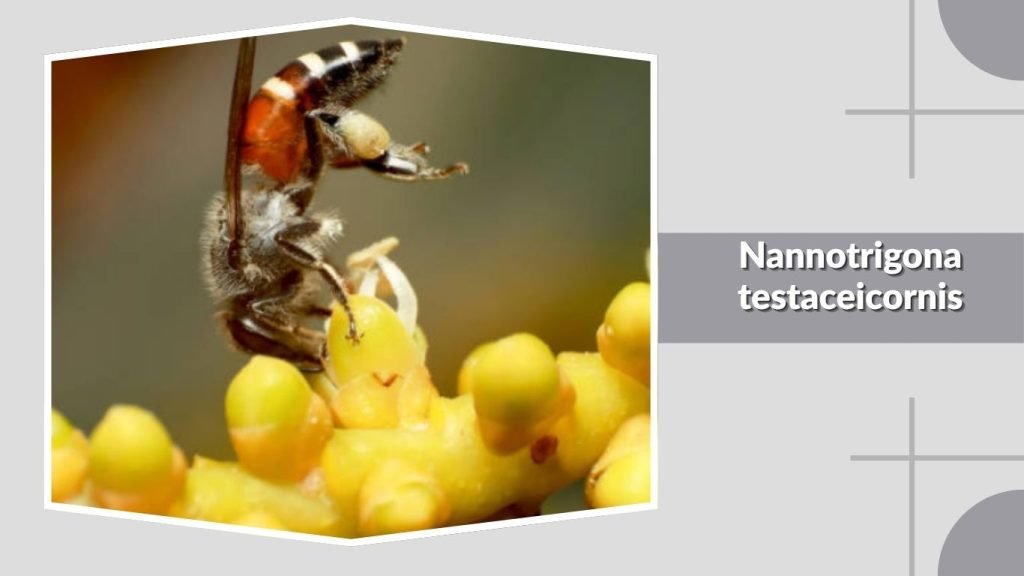
Nannotrigona testaceicornis is a small stingless bee species known for its adaptability and presence in both natural and urban environments. It is commonly kept by beekeepers for its pollination benefits.
Identification
- Very small body
- Dark brown to black coloration
- Slightly shiny appearance
- Short wings
- No functional sting
Habitat and Distribution
This species is found in South America, especially in Brazil. It thrives in forests, gardens, and urban areas where flowering plants are available.
Behavior and Diet
Nannotrigona testaceicornis lives in organized colonies. They collect nectar and pollen and store honey in small wax pots. They are generally calm but can defend their nests when disturbed.
Importance in Pollination
They are effective pollinators of small flowers and crops. Their adaptability makes them valuable in both natural and human-managed environments.
9. Frieseomelitta varia
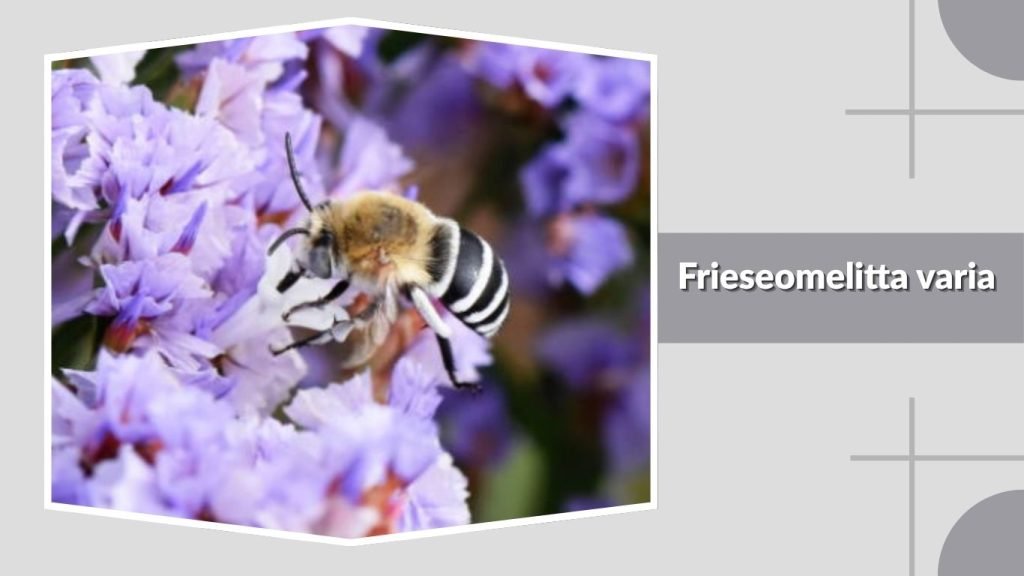
Frieseomelitta varia is a unique stingless bee species known for its smooth body and structured colonies. It is an important pollinator in tropical ecosystems.
Identification
- Small to medium-sized body
- Dark coloration with slight variations
- Smooth, less hairy body
- Slender shape
- Lacks a functional sting
Habitat and Distribution
This species is found across South America. It prefers tropical forests and areas rich in flowering plants.
Behavior and Diet
Frieseomelitta varia forms large colonies with complex organization. They feed on nectar and collect pollen, storing resources in wax structures inside their nests.
Importance in Pollination
They play a significant role in pollinating tropical plants. Their activity supports biodiversity and helps maintain healthy ecosystems.
10. Geotrigona subterranea
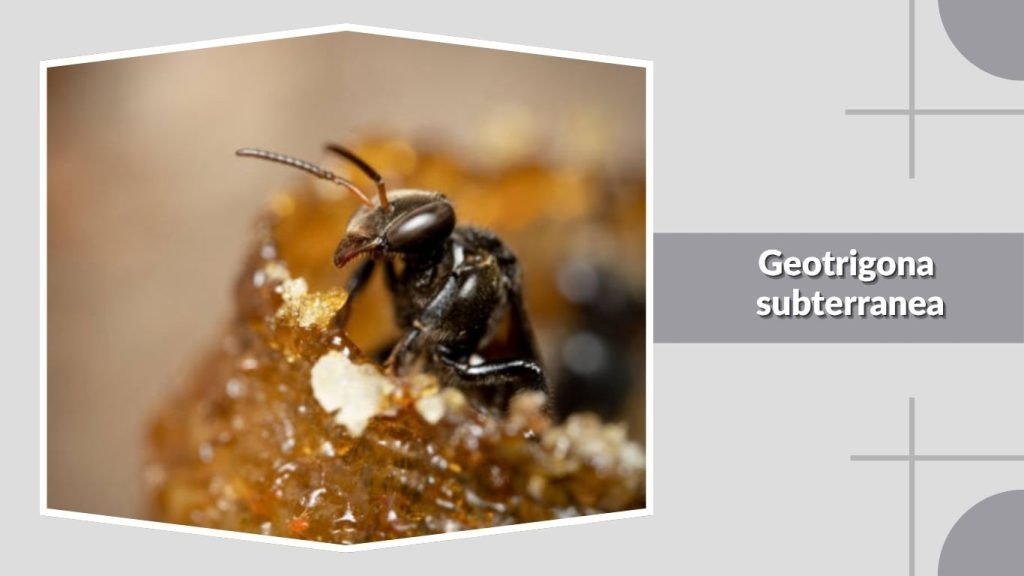
Geotrigona subterranea is a unique stingless bee species known for nesting underground. It is less commonly seen but plays an important role in pollinating plants in its environment.
Identification
- Small to medium-sized body
- Dark brown to black coloration
- Smooth and slightly shiny appearance
- Compact body shape
- No functional sting
Habitat and Distribution
This species is found in parts of Central and South America. It prefers dry forests, grasslands, and areas with loose soil suitable for underground nesting.
Behavior and Diet
Geotrigona subterranea forms colonies below ground. They collect nectar and pollen and store honey in underground chambers. They are generally calm and less visible due to their nesting habits.
Importance in Pollination
They contribute to pollination of ground-level and nearby plants. Their role supports plant diversity, especially in less disturbed habitats.
11. Partamona helleri
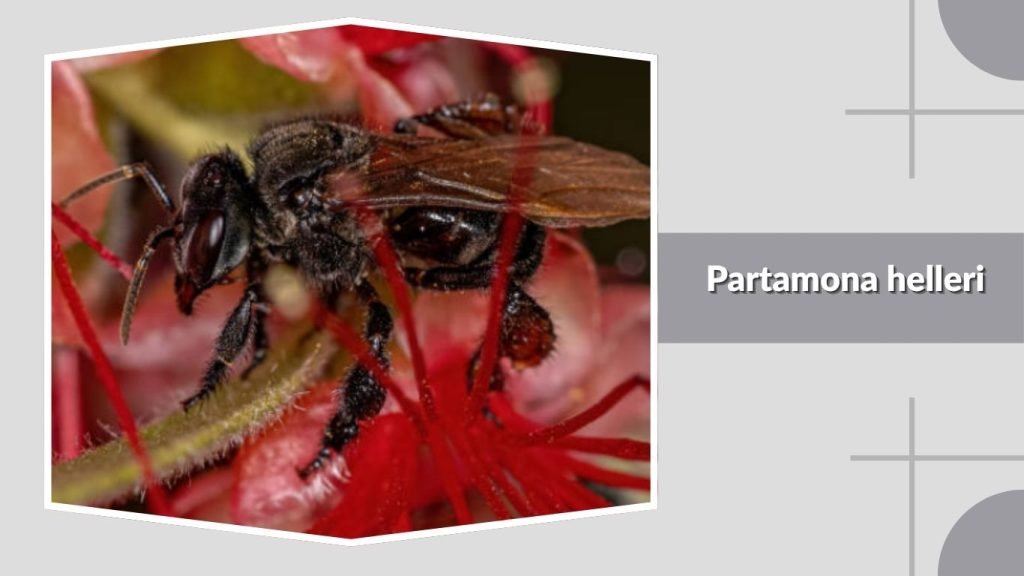
Partamona helleri is a stingless bee species known for its structured nests and adaptability to different environments. It is commonly found in both natural and urban areas.
Identification
- Small to medium-sized body
- Dark brown or black coloration
- Slightly hairy body
- Strong mandibles
- Lacks a functional sting
Habitat and Distribution
This species is widely distributed across South America. It prefers forests, gardens, and urban settings, often nesting in tree cavities or man-made structures.
Behavior and Diet
Partamona helleri forms organized colonies and is active throughout the year in warm climates. They feed on nectar and pollen and store honey in wax pots. They can be moderately defensive when disturbed.
Importance in Pollination
They are effective pollinators of many plants and crops. Their adaptability makes them valuable for both natural ecosystems and agricultural environments.
12. Austroplebeia australis
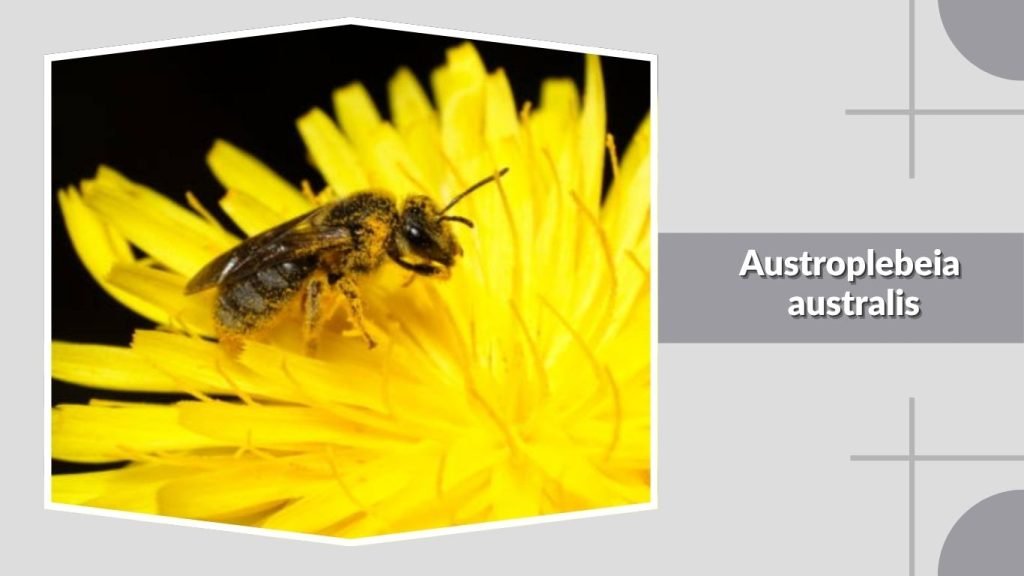
Austroplebeia australis is a small stingless bee species native to Australia. It is known for its gentle nature and is commonly found in warm regions where it contributes to pollination.
Identification
- Very small body
- Dark brown to black coloration
- Slightly hairy appearance
- Transparent wings
- No functional sting
Habitat and Distribution
This species is found mainly in Australia. It prefers forests, woodlands, and gardens with a good supply of flowering plants.
Behavior and Diet
Austroplebeia australis forms small colonies and nests in tree hollows or wall cavities. They feed on nectar and pollen and store honey in small resin pots. They are calm and rarely aggressive.
Importance in Pollination
They are important pollinators of native Australian plants. Their activity supports biodiversity and helps maintain healthy ecosystems.
13. Heterotrigona itama
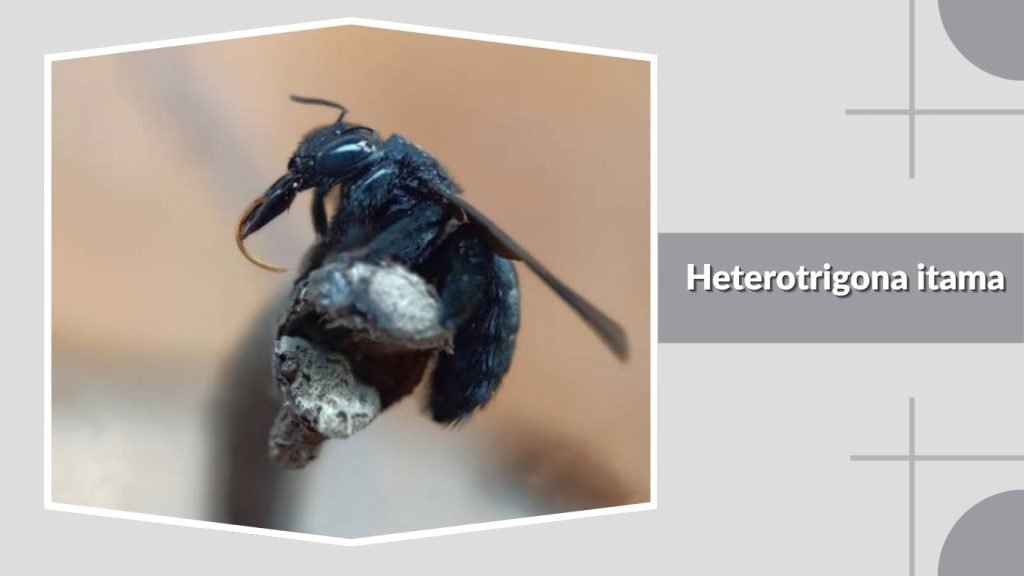
Heterotrigona itama is a popular stingless bee species widely used in meliponiculture (stingless beekeeping). It is known for producing honey and being easy to manage.
Identification
- Small-sized body
- Dark black coloration
- Smooth and slightly shiny body
- Slender shape
- Lacks a functional sting
Habitat and Distribution
This species is found in Southeast Asia, including Malaysia and Indonesia. It prefers tropical forests and is also commonly kept in managed hives.
Behavior and Diet
Heterotrigona itama lives in organized colonies and is active year-round in warm climates. They collect nectar and pollen and store honey in resin pots. They are generally gentle but can defend their nests.
Importance in Pollination
They are highly effective pollinators of tropical crops and plants. Their use in beekeeping supports agriculture and helps increase crop yields.
