
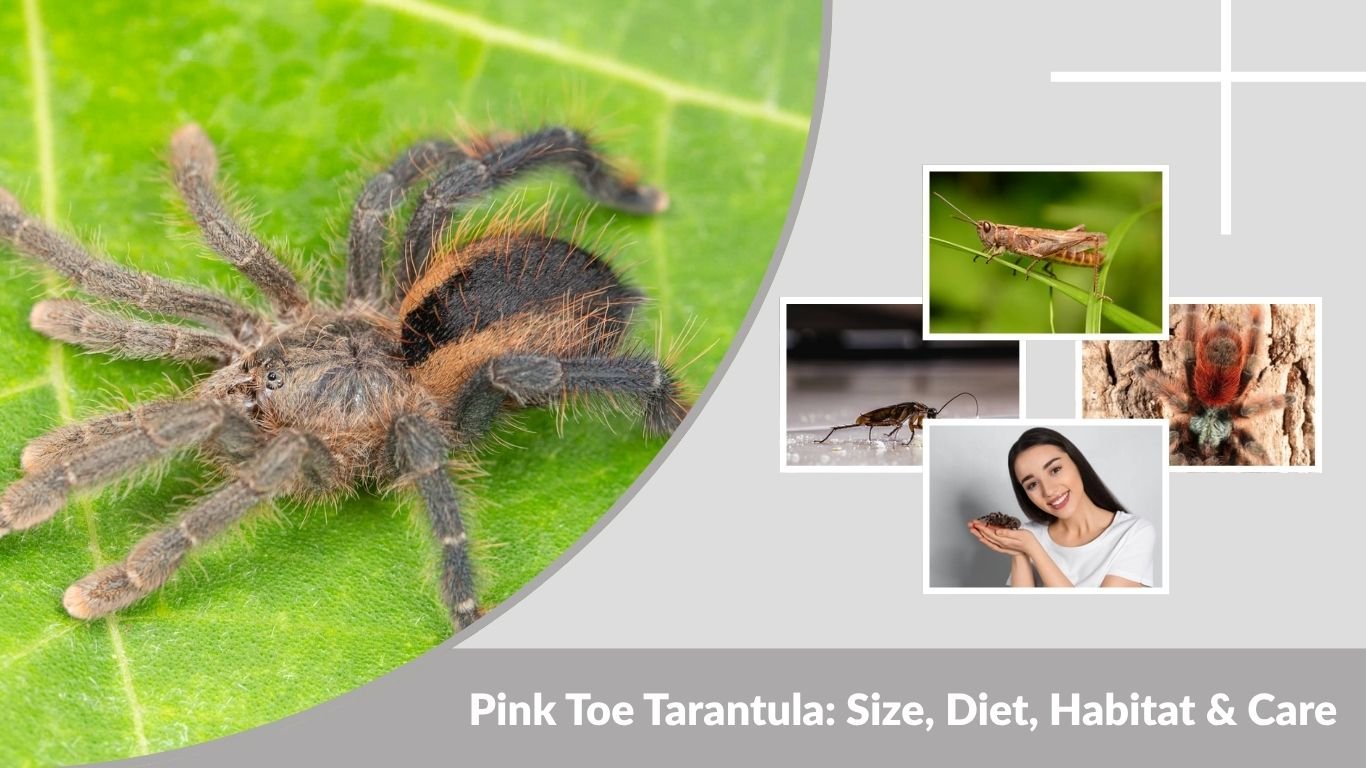
The pink toe tarantula is one of the most popular pet spiders thanks to its calm temperament, unique appearance, and relatively simple care needs. Known for its distinctive pink-colored feet, this arboreal species is a favorite among beginners and experienced keepers alike. In this guide, you’ll learn everything about pink toe tarantulas, including their size, lifespan, types, and essential care requirements.
What Is a Pink Toe Tarantula?
The pink toe tarantula, scientifically known as Avicularia avicularia, is a tree-dwelling spider native to South America and parts of the Caribbean. It gets its name from the bright pink tips on its feet, which contrast with its dark body.
These tarantulas are arboreal, meaning they prefer living in trees rather than on the ground. In the wild, they are commonly found in regions like Guyana, Brazil, Trinidad, and Martinique. Their ability to climb and jump makes them different from many other tarantula species.
They are often referred to by several names, including:
- Pink toed tarantula
- Pink footed tarantula
- Pink toe spider
Types of Pink Tarantulas
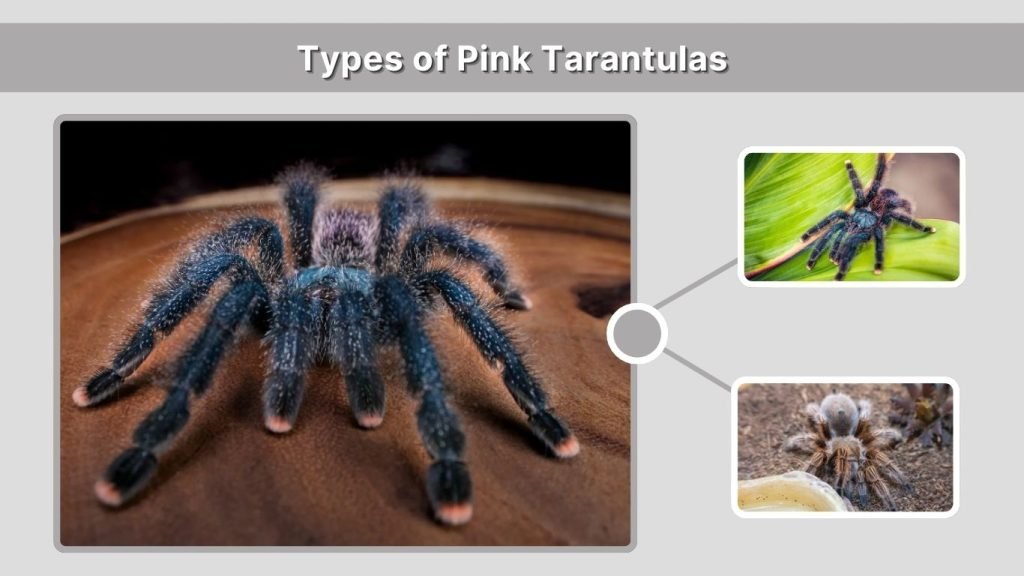
Not all pink tarantulas are the same. Several species and variations fall under this category, each with unique traits.
Pink Toe Variants
There are multiple regional variations of pink toe tarantulas. These include the Antilles pink toe, Guyana pink toe, and Martinique pink toe. Some variants display slight differences in color, including purple or metallic hues, making them highly attractive to collectors.
Salmon Pink Birdeater Tarantulas
The Brazilian salmon pink birdeater (Lasiodora parahybana) is often confused with pink toe tarantulas due to its coloration. However, it is a completely different species. Unlike the arboreal pink toe, this tarantula is terrestrial and much larger in size, often reaching impressive leg spans.
Other Pink Tarantula Species
Other species with pink coloration include the pink zebra beauty tarantula and certain “rainbow” or pink bloom tarantulas. These are less commonly kept but still popular among enthusiasts looking for unique varieties.
Pink Toe Tarantula Size and Growth
Pink toe tarantulas are considered medium-sized spiders. As adults, they typically reach a leg span of about 4 to 5 inches. While this may seem small compared to giant tarantulas, their long legs and climbing behavior make them appear larger.
They grow through a process called molting, where they shed their old exoskeleton. Young spiderlings grow quickly, especially when fed regularly, while adults grow more slowly.
Compared to larger species like the salmon pink birdeater, pink toe tarantulas are smaller but more agile and active.
Lifespan of Pink Toe Tarantulas
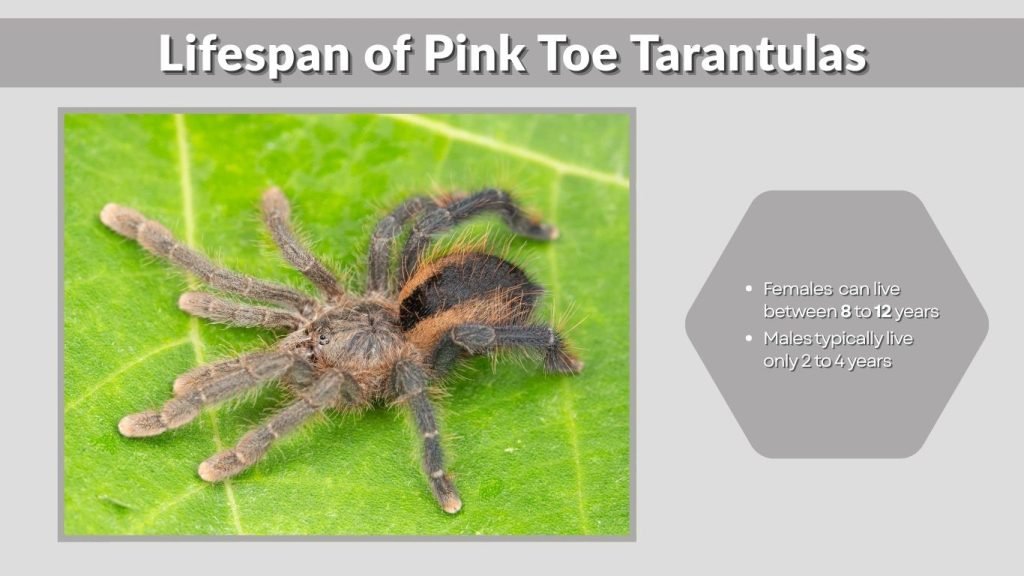
The lifespan of a pink toe tarantula depends largely on its gender.
Female pink toe tarantulas can live between 8 to 12 years when properly cared for. Males, on the other hand, have a much shorter lifespan and typically live only 2 to 4 years after reaching maturity.
Factors that influence lifespan include:
- Proper temperature and humidity
- Adequate nutrition
- Low stress environment
- Clean enclosure conditions
With good care, these tarantulas can live long and healthy lives in captivity.
Pink Toe Tarantula Care Guide
Proper care is essential for keeping your tarantula healthy. Fortunately, pink toe tarantulas are relatively easy to care for compared to many other exotic pets.
Enclosure Setup
Since pink toe tarantulas are arboreal, they require a vertical enclosure rather than a horizontal one. Height is more important than floor space because they like to climb and build webs above the ground.
Good ventilation is extremely important. Poor airflow can lead to health issues, so enclosures should have plenty of cross-ventilation.
A suitable enclosure should include:
- Vertical space for climbing
- Secure lid to prevent escape
- Ventilation holes or mesh panels
Branches, cork bark, and artificial plants can be added to create a natural environment and allow web-building.
Temperature and Humidity
Pink toe tarantulas thrive in warm and slightly humid conditions. The ideal temperature range is between 24°C and 28°C. Temperatures that are too low can slow their metabolism, while excessive heat can cause stress.
Humidity should be moderate, but not overly high. Too much moisture combined with poor ventilation can be harmful. Light misting and a small water dish are usually enough to maintain proper humidity.
Substrate and Decorations
The substrate is less important for arboreal tarantulas than for ground-dwelling species, but it still plays a role in maintaining humidity.
Common substrate options include coconut fiber and peat moss. Decorations such as branches and vertical hides are essential, as they provide climbing surfaces and shelter.
Pink toe tarantulas are known for their web-building behavior, often creating intricate web structures in their enclosure.
Feeding – What Do Pink Toe Tarantulas Eat
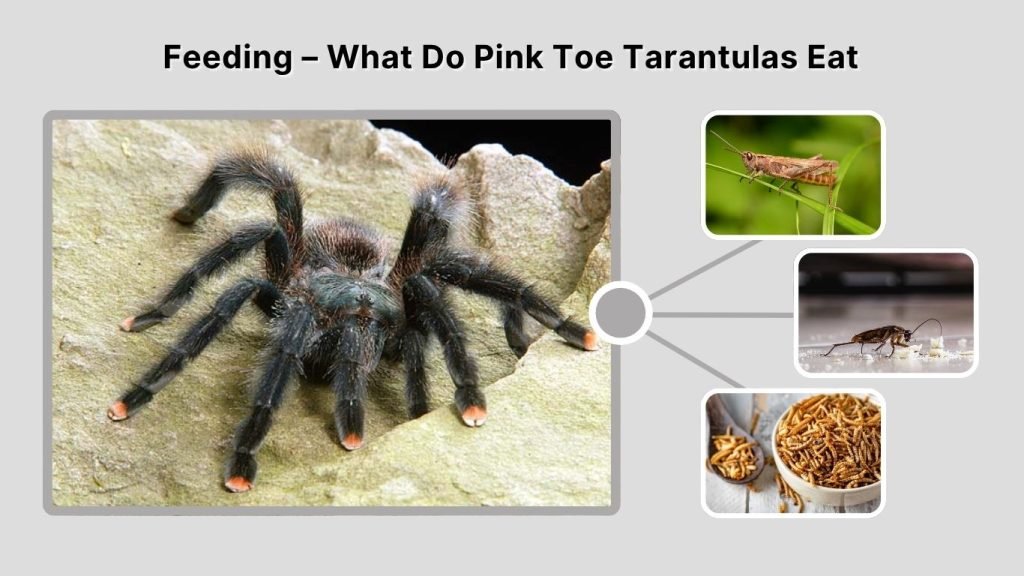
Feeding a pink toe tarantula is simple, as they primarily eat live insects. In captivity, their diet usually consists of crickets, roaches, and mealworms. These insects provide the nutrients needed for healthy growth and molting.
Juveniles should be fed more frequently, typically 2–3 times per week, while adults can be fed once or twice weekly. It’s important to remove uneaten prey to avoid stress or injury.
Overfeeding should be avoided, as it can lead to obesity and molting issues. A well-fed tarantula will have a slightly rounded abdomen, which is a good indicator of proper nutrition.
Pink Toe Tarantulas Behavior and Temperament
Pink toe tarantulas are known for their relatively calm and gentle nature, making them a good choice for beginners. However, they are also very fast and agile, which can make handling difficult.
As arboreal spiders, they prefer climbing and often stay in elevated areas of their enclosure. They are also capable of quick jumps when startled.
While they are not aggressive, they may display defensive behavior if threatened. Instead of biting, they are more likely to retreat or jump away. Because of their delicate bodies, handling is generally not recommended.
Are Pink Toe Tarantulas Venomous or Dangerous
Like all tarantulas, pink toe tarantulas are venomous, but their venom is mild and not considered dangerous to humans. A bite, if it occurs, is usually compared to a bee sting in terms of pain and severity.
They are not poisonous, meaning they do not harm through touch or ingestion. Bites are rare and typically happen only when the spider feels threatened or stressed.
To stay safe:
- Avoid handling frequently
- Do not provoke the spider
- Use gentle movements during maintenance
Overall, they are considered safe pets when treated with care and respect.
Male vs Female Pink Toe Tarantula
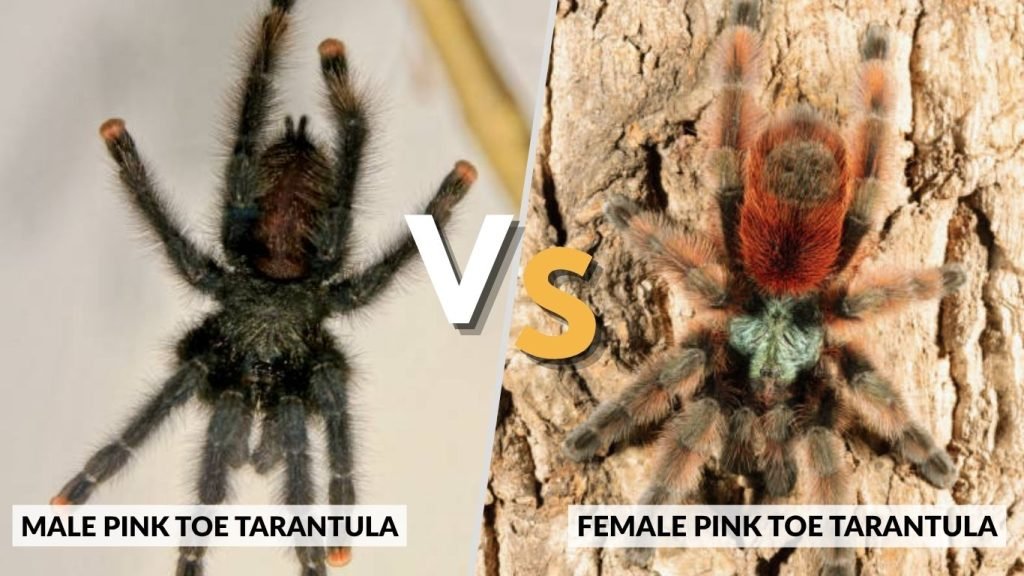
There are noticeable differences between male and female pink toe tarantulas, especially in lifespan and behavior.
Females tend to live much longer, often up to 10–12 years, while males usually live only a few years after reaching maturity. Females are also slightly larger and more robust.
Males are generally more active and may wander more, especially when searching for a mate. Identifying gender usually requires examining the underside or waiting until the spider matures.
Common Health Issues
Although pink toe tarantulas are hardy, they can suffer from certain health problems if not properly cared for.
One common issue is the “death curl,” where the spider’s legs curl inward. This is often a sign of dehydration or severe stress and requires immediate attention.
Other potential problems include:
- Dehydration due to lack of water
- Molting difficulties
- Stress from poor ventilation
Maintaining proper humidity, ventilation, and cleanliness can prevent most of these issues.
Pink Toe Tarantula Habitat
In the wild, pink toe tarantulas live in warm, humid rainforest environments. They are typically found in trees, where they build silk retreats in branches and hollow spaces.
Replicating this habitat in captivity is essential for their well-being. A proper enclosure should include vertical climbing space, moderate humidity, and good airflow.
Providing a naturalistic setup with branches and hiding spots helps reduce stress and encourages natural behavior such as web-building.
Pink Toe Tarantula as a Pet
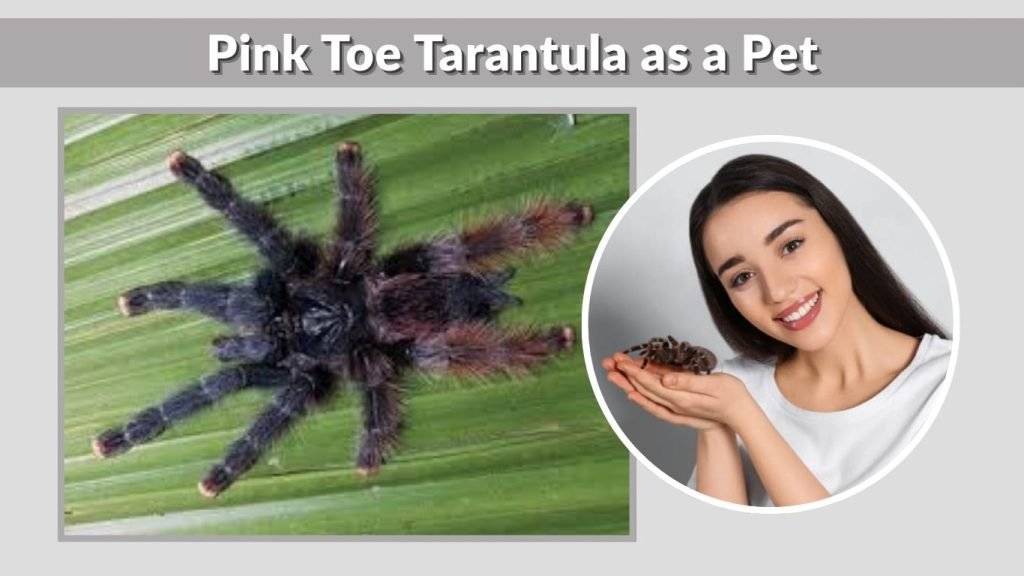
Pink toe tarantulas are often recommended for beginners because of their calm temperament and relatively simple care needs. They do not require daily attention and are inexpensive to maintain.
Some advantages include:
- Easy feeding and maintenance
- Generally docile behavior
- Attractive appearance
However, they are fast-moving and fragile, which makes them unsuitable for frequent handling. They are best observed rather than handled.
Price and Buying Guide
The price of a pink toe tarantula can vary depending on its size, age, and specific variant. Spiderlings are usually more affordable, while adults cost more.
They can be purchased from:
- Local pet stores
- Online breeders
- Exotic animal expos
When buying, it’s important to choose a healthy specimen. Look for active movement, a well-shaped abdomen, and clear signs of good care.
FAQs
How big do pink toe tarantulas get?
Adult pink toe tarantulas typically grow to about 4–5 inches in leg span. While not the largest tarantulas, their long legs and climbing behavior make them appear quite impressive in size.
How long do pink toe tarantulas live?
Females can live between 8–12 years with proper care, while males usually live only 2–4 years after reaching maturity. Good habitat conditions and diet play a key role in longevity.
What do pink toe tarantulas eat?
They mainly feed on insects such as crickets, roaches, and worms. Feeding should be done regularly but in moderation to maintain a healthy weight and avoid complications.
Are pink toe tarantulas good pets?
Yes, they are considered beginner-friendly due to their calm nature and simple care requirements. However, they are best kept as display pets rather than for handling.
Do pink toe tarantulas bite?
Bites are rare and usually occur only when the spider feels threatened. Their venom is mild and not dangerous to most people, making them relatively safe to keep.
Conclusion
The pink toe tarantula is a fascinating and beginner-friendly pet that combines unique beauty with manageable care needs. With proper enclosure setup, balanced feeding, and attention to humidity and ventilation, these spiders can thrive in captivity. Whether you are new to tarantulas or an experienced keeper, the pink toe offers an excellent introduction to the world of exotic pets.
