
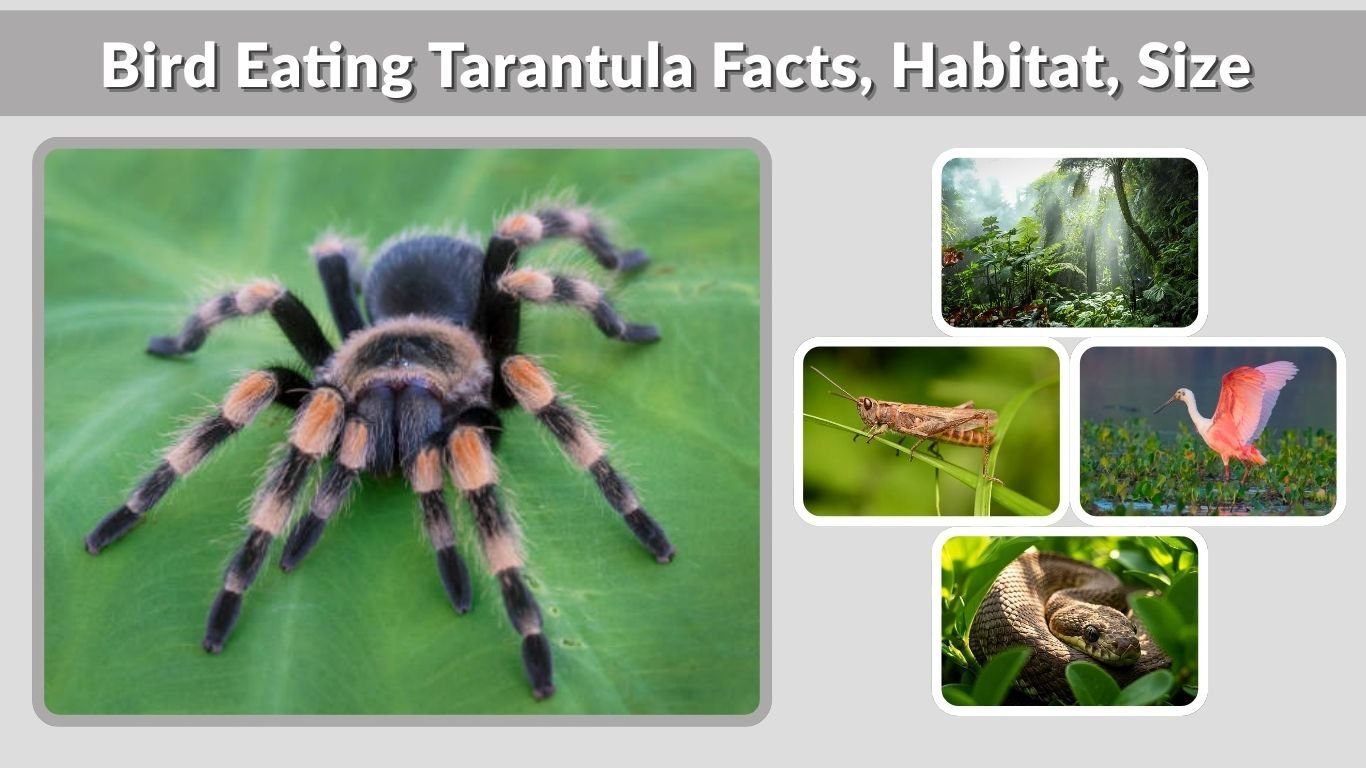
The Goliath Bird Eating Tarantula is the largest tarantula species in the world and one of the most fascinating spiders on Earth. Known for its massive size and intimidating appearance, it often sparks curiosity and fear. Despite its name, this tarantula rarely eats birds and instead feeds on insects and small animals. Native to South American rainforests, it has become popular among experienced keepers and wildlife enthusiasts due to its unique behavior and impressive size.
What Is a Bird Eating Tarantula?
The term “bird eating tarantula” refers to a group of large tarantulas known for their size rather than a diet focused on birds. The most famous species is the Goliath Bird Eating Tarantula (Theraphosa blondi), which is considered the largest tarantula by mass. These spiders are part of the New World tarantula group and are known for their defensive behaviors rather than aggression.
- Scientific name: Theraphosa blondi
- Common names: Goliath Bird Eater, Bird Eating Tarantula
- Native to South America
- Belongs to New World tarantulas
Types of Bird Eating Tarantulas
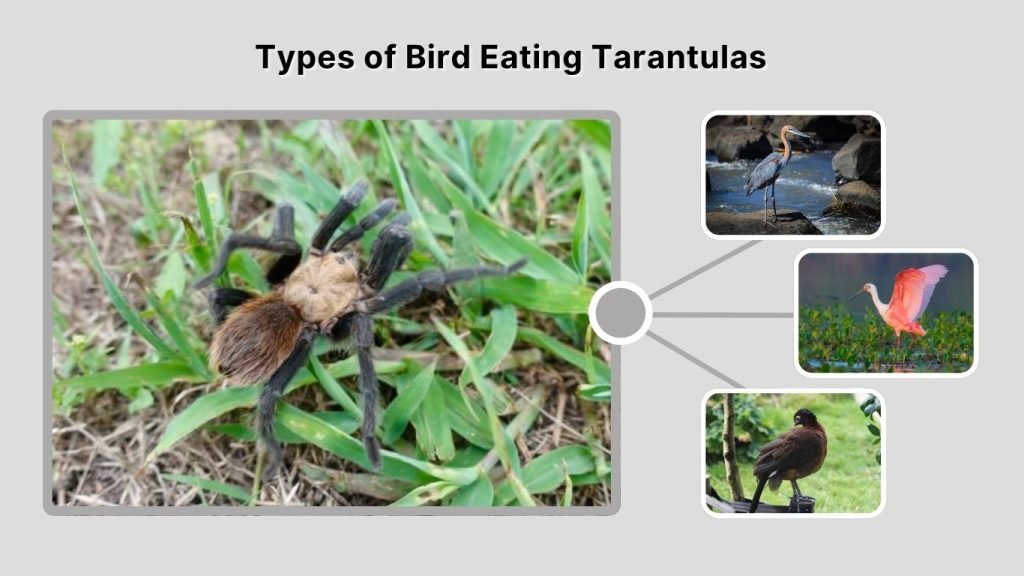
Several species are commonly referred to as bird-eating tarantulas, each with unique traits and characteristics. While they share similarities in size and habitat, their coloration and behavior can vary. These species are often confused with one another due to their similar appearance and naming.
- Goliath Bird Eating Tarantula (Theraphosa blondi)
- Brazilian Salmon Pink Bird Eater (Lasiodora parahybana)
- Burgundy Goliath Bird Eater (Theraphosa stirmi)
- Other South American bird eater varieties
Goliath Bird Eating Tarantula Facts
The Goliath Bird Eater is famous for being the largest tarantula species in the world. Its size, strength, and unique defensive behaviors make it one of the most studied spiders. Despite its intimidating look, it prefers to avoid conflict and relies on defense mechanisms to protect itself.
- Largest tarantula by weight and mass
- Can produce a hissing sound using body hairs
- Possesses large fangs up to 1 inch long
- Primarily nocturnal and reclusive
Size: How Big Is a Goliath Bird Eating Tarantula?
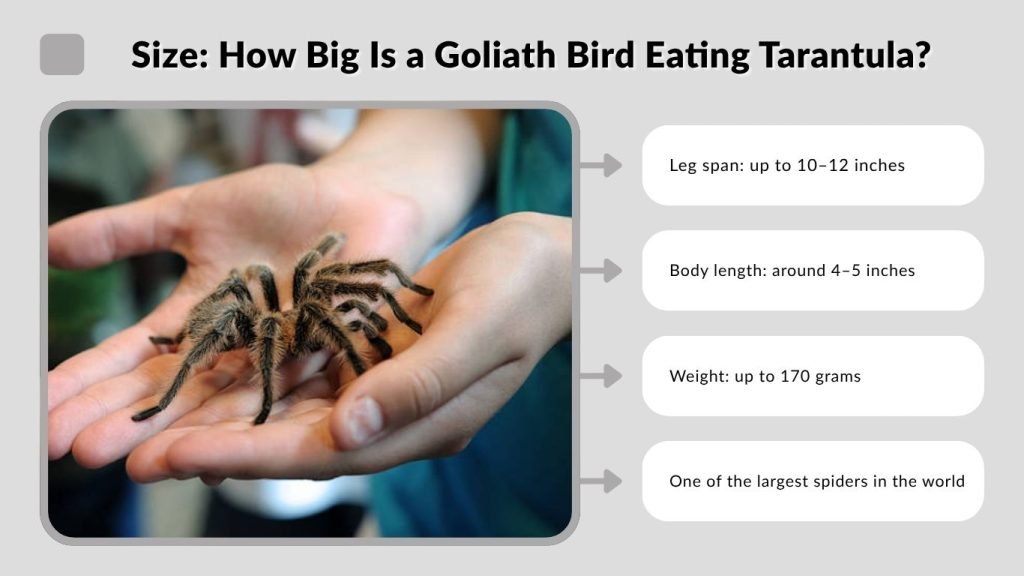
The size of the Goliath Bird Eating Tarantula is one of its most defining features. It is often compared to a dinner plate due to its large leg span and heavy body. This impressive size makes it stand out among all other tarantula species.
- Leg span: up to 10–12 inches
- Body length: around 4–5 inches
- Weight: up to 170 grams
- One of the largest spiders in the world
Habitat: Where Do Goliath Bird Eating Tarantulas Live?
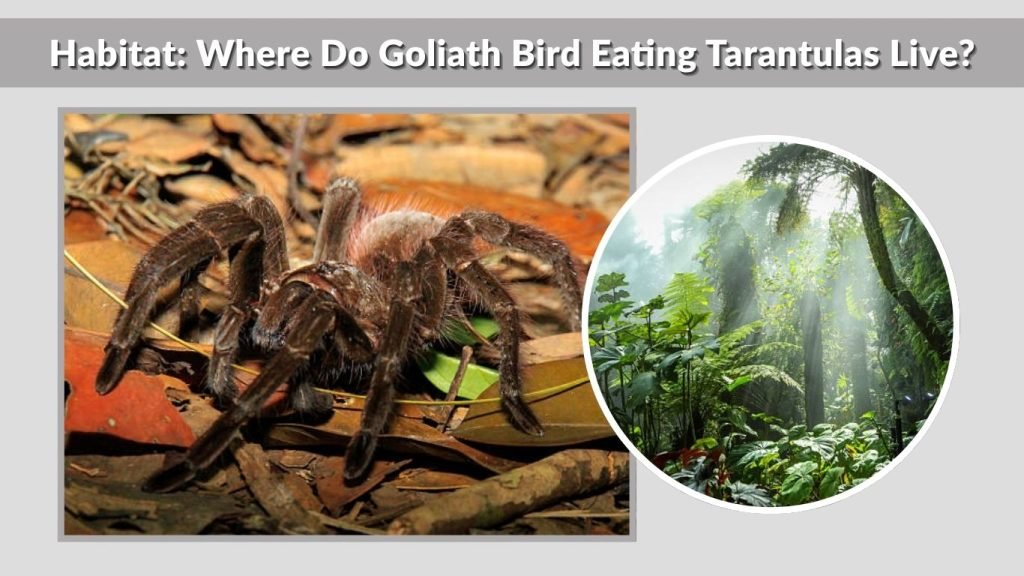
Goliath Bird Eating Tarantulas are native to the tropical rainforests of South America, where they thrive in warm and humid conditions. Their natural environment plays a major role in their behavior and lifestyle. They prefer hidden, secure locations where they can avoid predators and hunt effectively.
- Found in Brazil, Venezuela, Guyana
- Lives in tropical rainforest environments
- Creates deep burrows in moist soil
- Active mainly at night
Do Tarantulas Really Eat Birds?
Despite their name, bird eating tarantulas rarely eat birds in the wild. The name originated from early observations but does not accurately represent their typical diet. These spiders are opportunistic predators that feed on whatever prey they can overpower.
- Mostly eat insects and invertebrates
- Occasionally eat frogs or small rodents
- Rarely consume birds
- Opportunistic feeding behavior
Behavior and Temperament
The Goliath Bird Eating Tarantula is generally not aggressive but can be highly defensive when threatened. Its large size and ability to produce warning signals make it intimidating. Instead of attacking, it prefers to scare off predators using its defensive mechanisms.
- Defensive rather than aggressive
- Flicks urticating hairs when threatened
- Produces hissing sound as warning
- Prefers hiding in burrows
Goliath Bird Eating Tarantula Bite and Venom
Although this tarantula looks dangerous, its venom is not considered deadly to humans. However, its bite can still be painful due to its large fangs. Bites are rare and usually happen only when the spider feels threatened or handled improperly.
- Venom is mild to moderate
- Not life-threatening to humans
- Bite can cause pain and swelling
- Large fangs cause mechanical injury
Goliath Bird Eating Tarantula Care Guide
Keeping a Goliath Bird Eating Tarantula requires experience and careful setup. Due to its size and environmental needs, it is not recommended for beginners. Providing proper humidity and space is essential for its health and comfort.
- Suitable for experienced keepers
- Requires high humidity environment
- Minimal handling recommended
- Needs stable enclosure conditions
Goliath Bird Eating Tarantula Enclosure
A proper enclosure should closely mimic the tarantula’s natural rainforest habitat. Since this species spends most of its time on the ground or in burrows, floor space and substrate depth are more important than height. A secure and well-maintained enclosure helps reduce stress and supports natural behavior.
- Large enclosure with ample floor space
- Deep substrate for burrowing
- Secure lid with ventilation
- Maintain warm and humid conditions
Temperature and Humidity Requirements
Maintaining proper environmental conditions is critical for the health of a Goliath Bird Eating Tarantula. Since they come from humid rainforest regions, they require higher moisture levels than most tarantulas. Incorrect humidity can lead to molting issues and health problems.
- Temperature: 25–28°C
- Humidity: 70–80%
- Regular misting to maintain moisture
- Good ventilation to prevent mold
Bird Eating Tarantula Feeding and Diet
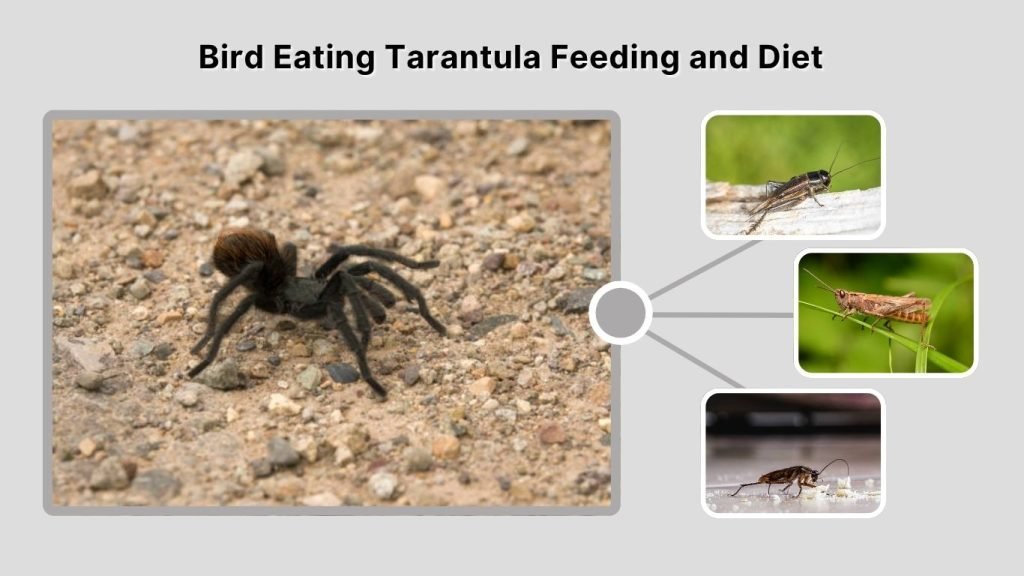
Goliath Bird Eating Tarantulas are powerful predators that can handle a wide range of prey. In captivity, their diet should be varied and appropriate for their size. While they are capable of eating small vertebrates, this is not necessary for their health.
- Crickets and roaches as staple food
- Large insects like locusts
- Occasional pinky mice (optional)
- Feed once every 1–2 weeks for adults
Can You Keep a Bird Eating Tarantula as a Pet?
Although fascinating, the Goliath Bird Eater is not ideal for beginners. Its size, strength, and environmental needs require experience and proper handling. It is best suited for keepers who already have knowledge of tarantula care.
- Not beginner-friendly
- Requires large, humid enclosure
- Best kept as a display pet
- Handling is not recommended
Goliath Bird Eating Tarantula Handling
Handling this species is generally discouraged due to its size and defensive nature. While it is not aggressive, it can react quickly when threatened. Its large fangs and urticating hairs make handling risky for both the spider and the keeper.
- Avoid handling whenever possible
- Can flick irritating hairs
- Large size increases injury risk if dropped
- Observe rather than interact
Goliath Bird Eating Tarantula Growth and Molting
Like all tarantulas, the Goliath Bird Eater grows by molting. This process is essential but also a vulnerable time for the spider. Proper care during molting ensures healthy development and prevents complications.
- Molts multiple times before adulthood
- Stops eating before molting
- Lies on back during molt
- Needs undisturbed environment
Goliath Bird Eating Tarantula Price and Availability
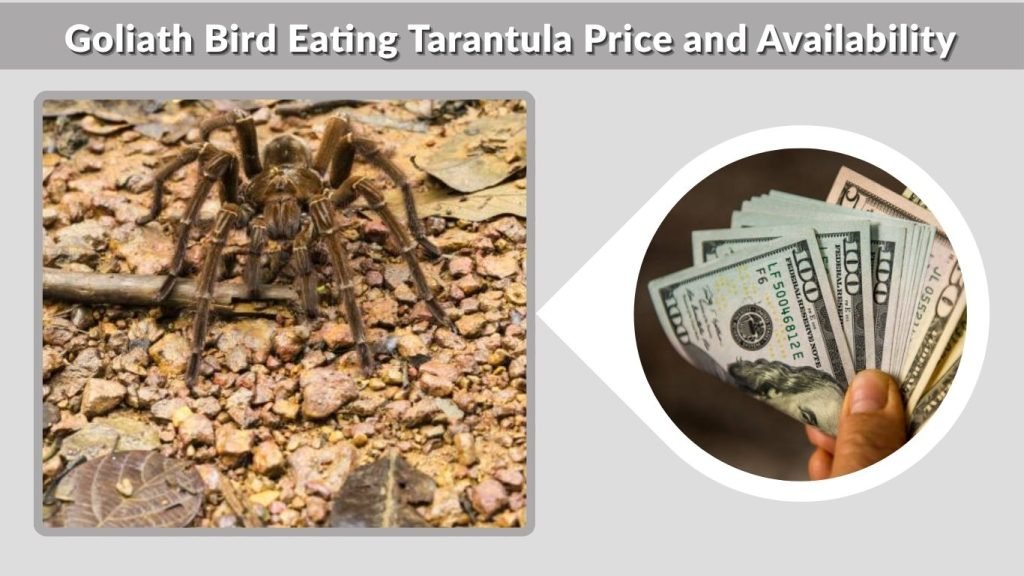
Due to its size and popularity, the Goliath Bird Eating Tarantula can be expensive compared to other species. Prices vary depending on age, size, and availability in the market.
- Slings: $50–$150
- Juveniles: $150–$300
- Adults: $300–$800+
- Rare and not always available
Where to Buy Goliath Bird Eating Tarantula
When purchasing this species, it is important to choose a reputable source. Captive-bred tarantulas are preferred as they adapt better to captivity and help reduce pressure on wild populations.
- Reputable exotic breeders
- Online tarantula shops
- Reptile expos and events
- Avoid wild-caught specimens
Predators: What Eats Tarantulas?
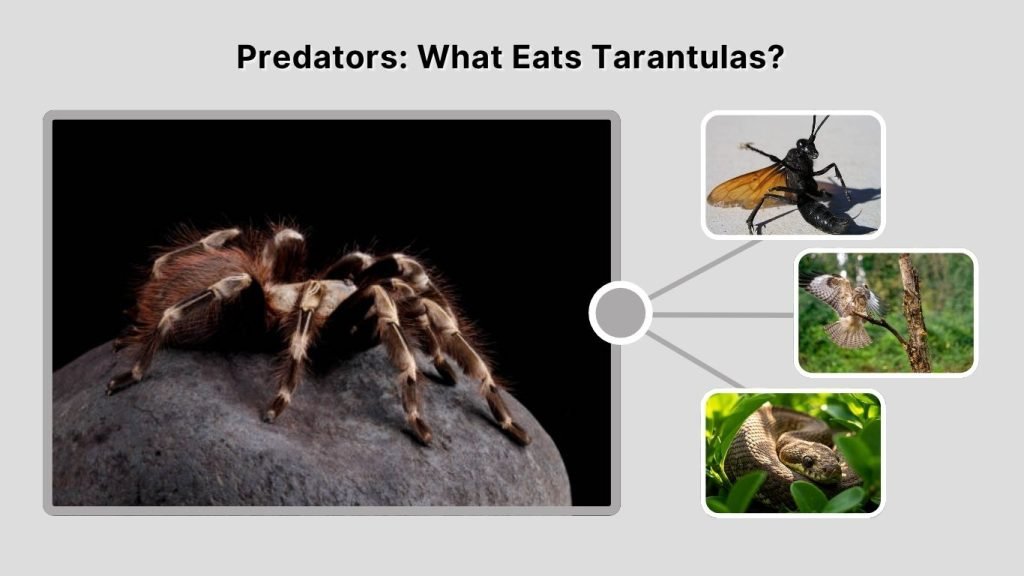
Despite their large size, Goliath Bird Eating Tarantulas are not at the top of the food chain. In the wild, they face several predators that can overpower them, especially when they are young or vulnerable.
- Tarantula hawk wasps
- Birds of prey
- Snakes
- Small mammals
Interesting Facts About Bird Eating Tarantulas
These spiders are full of surprising and unique traits that make them stand out in the animal kingdom. Their size and behavior continue to fascinate researchers and hobbyists alike.
- Can produce a hissing sound as a warning
- One of the heaviest spiders in the world
- Has large, visible fangs
- Rarely eats birds despite its name
Conclusion
The Goliath Bird Eating Tarantula is one of the most impressive and misunderstood spiders in the world. Its massive size and intimidating appearance often lead to fear, but in reality, it is a shy and defensive species. With proper care and respect, it can be a fascinating animal to observe, though it is best suited for experienced keepers. Its unique traits and behavior make it a true giant of the spider world.
FAQs
Do tarantulas eat birds?
Tarantulas rarely eat birds. While it can happen, their usual diet consists of insects and small animals like frogs or rodents. The name “bird eating tarantula” comes from early observations rather than common behavior.
How big is a Goliath bird eating tarantula?
It can reach a leg span of up to 10–12 inches, making it the largest tarantula species in the world. Its body is also heavier than most other spiders.
Is the Goliath bird eating tarantula dangerous?
It is not considered dangerous to humans. Its venom is mild, but its bite can be painful due to its large fangs and may cause swelling or discomfort.
Can you keep a Goliath bird eating tarantula as a pet?
Yes, but it is recommended only for experienced keepers. It requires high humidity, a large enclosure, and careful handling due to its size and defensive nature.
What do bird eating tarantulas eat?
They mainly eat insects such as crickets and roaches. Occasionally, they may consume small vertebrates, but birds are not a regular part of their diet.
