
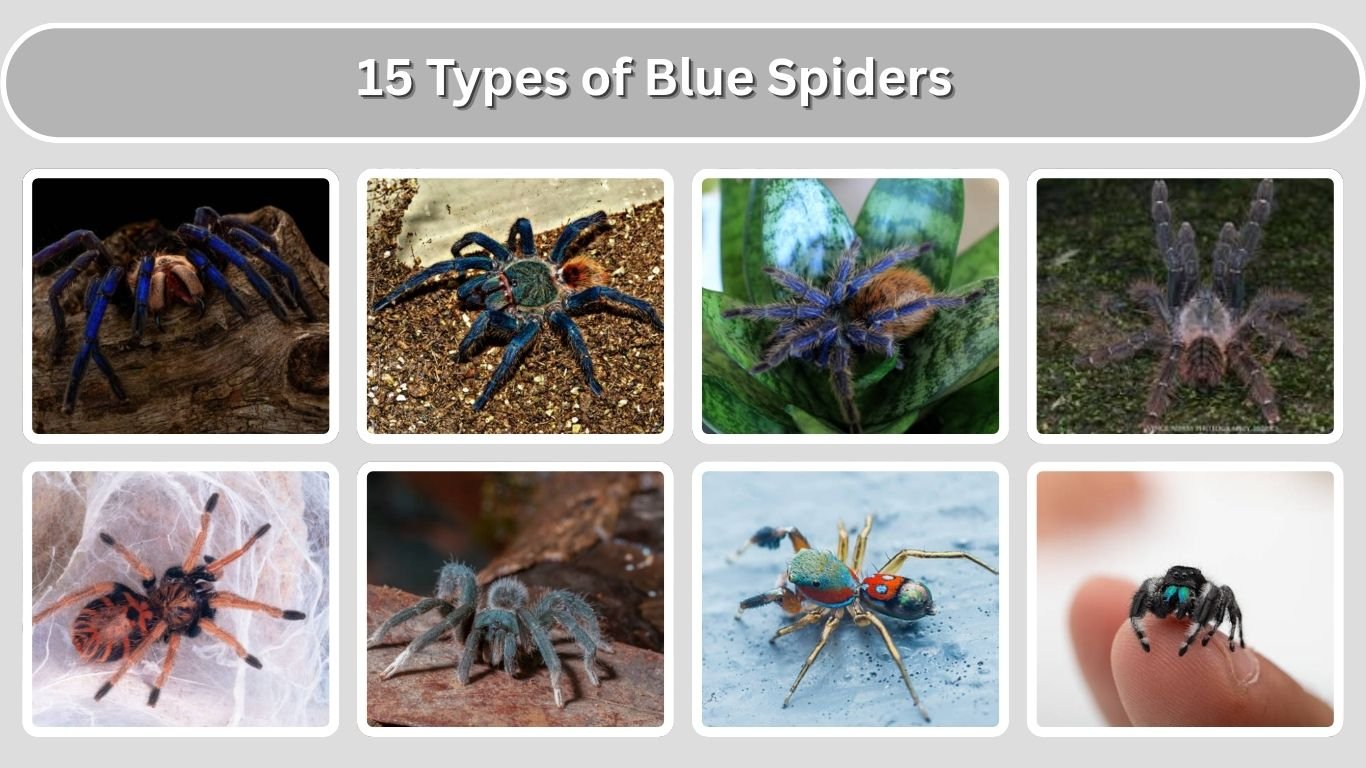
Blue spiders are among the most eye-catching arachnids due to their rare and vibrant coloration. Found mainly in tropical and subtropical regions, these spiders include both large tarantulas and small jumping species. Their striking blue hues often come from structural coloration rather than pigments, making them even more fascinating in the natural world.
1. Blue Tarantula
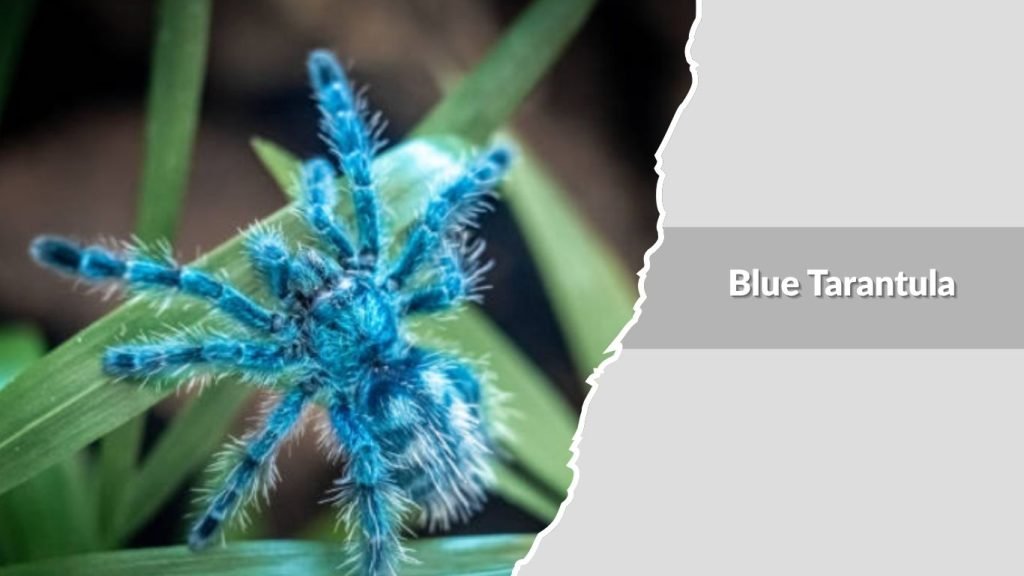
The Blue Tarantula is a general term used for several tarantula species that display striking blue coloration. These spiders are admired for their vivid appearance and are often found in tropical and subtropical regions.
Identification
- Bright blue or bluish legs and body
- Large, hairy appearance
- Thick, sturdy legs
- Medium to large size
- Color may vary from light blue to deep metallic blue
Habitat
Blue Tarantulas are typically found in forests, grasslands, and sometimes underground burrows. Depending on the species, they may live in trees (arboreal) or on the ground (terrestrial).
Behavior
These spiders are generally shy and prefer to avoid confrontation. Some species are more defensive and may show threat displays if disturbed. They do not build webs to catch prey but may use silk to line their burrows.
Diet
Their diet consists of insects, small invertebrates, and occasionally small vertebrates. They are ambush predators, waiting patiently before quickly capturing their prey.
2. Greenbottle Blue Tarantula
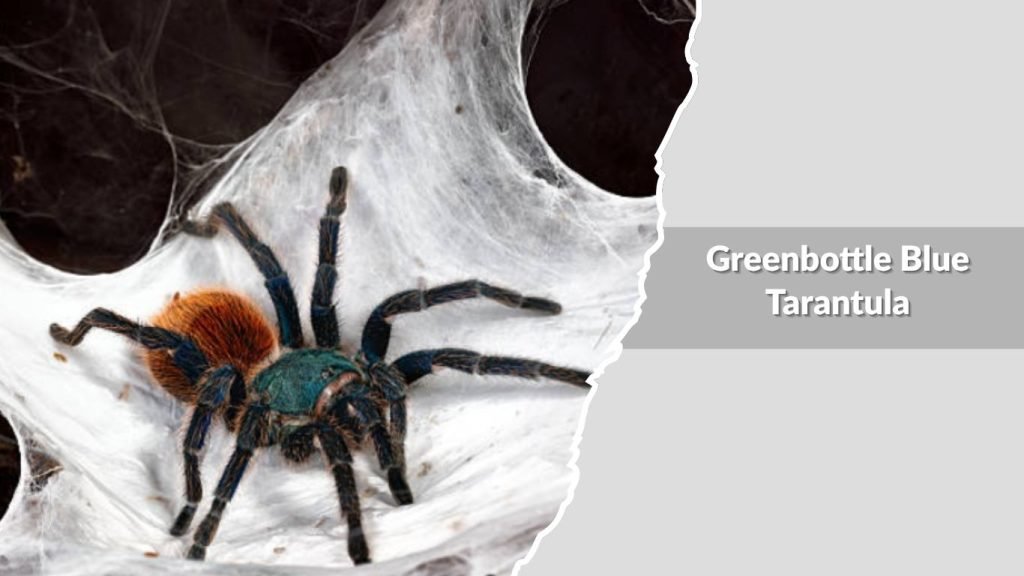
The Greenbottle Blue Tarantula (Chromatopelma cyaneopubescens) is one of the most vibrant tarantulas, known for its metallic blue legs combined with green and orange coloration.
Identification
- Bright metallic blue legs
- Green carapace (front body)
- Orange to reddish abdomen
- Medium size with a hairy body
- Striking multicolor appearance
Habitat
This species is native to arid and scrubland regions. It prefers dry environments with low vegetation, where it builds extensive webbing across bushes and ground areas.
Behavior
Unlike many tarantulas, it is an active web builder. It creates dense silk structures and is generally fast-moving. It can be defensive if threatened but usually avoids direct conflict.
Diet
It feeds on insects such as crickets, roaches, and other small invertebrates. Its web helps it detect and capture prey efficiently.
3. Cobalt Blue Tarantula
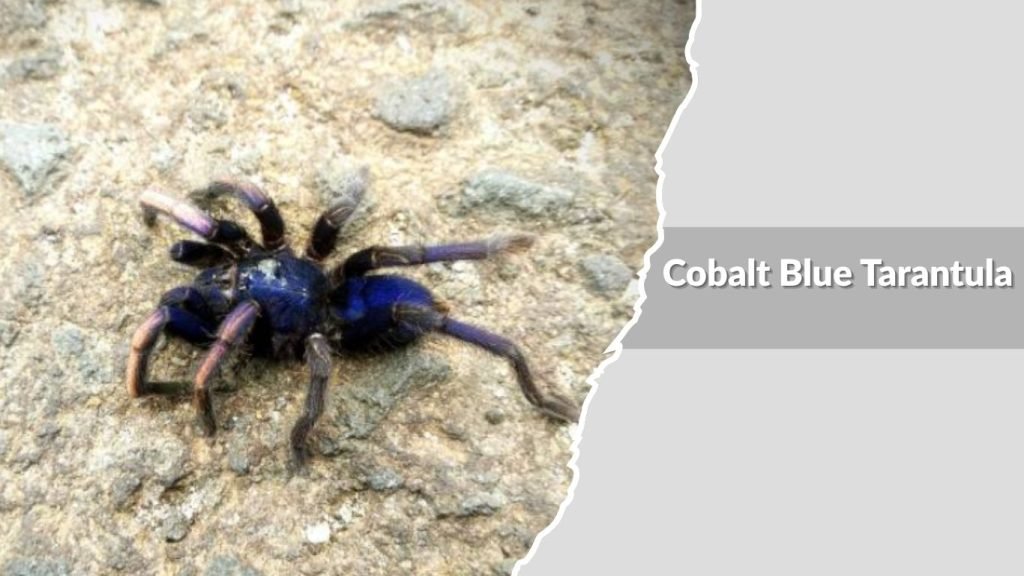
The Cobalt Blue Tarantula (Cyriopagopus lividus) is famous for its deep, vivid blue coloration and defensive nature. It is a burrowing species often hidden from view.
Identification
- Deep cobalt blue legs
- Dark body with velvety texture
- Medium to large size
- Strong, thick legs
- Intense, solid blue coloration
Habitat
This spider is found in tropical forests of Southeast Asia. It lives in deep burrows in moist soil, often hidden under logs or debris.
Behavior
The Cobalt Blue Tarantula is known for being fast and highly defensive. It spends most of its time inside its burrow and will react quickly if disturbed.
Diet
It preys on insects and small invertebrates. As an ambush predator, it waits near its burrow entrance to capture passing prey.
4. Singapore Blue Tarantula
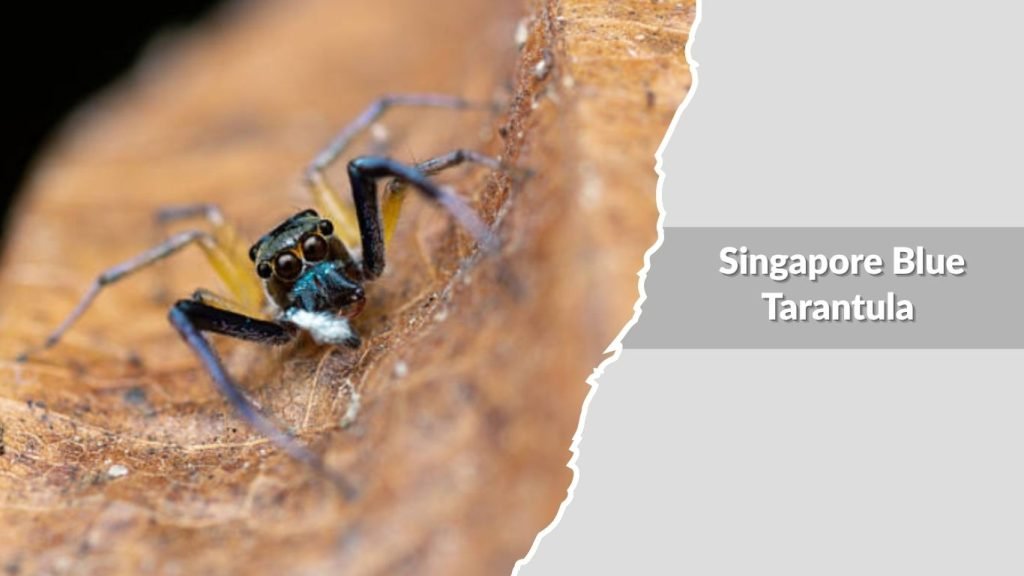
The Singapore Blue Tarantula (Omothymus violaceopes) is a large arboreal spider known for its deep blue legs and impressive size. It is commonly found in Southeast Asia.
Identification
- Deep blue or violet legs
- Large body with long leg span
- Dark brown or black body
- Hairy appearance
- Strong, elongated legs
Habitat
This species lives in tropical rainforests, mainly in trees. It creates silk-lined retreats in tree hollows, bark, or high vegetation.
Behavior
Singapore Blue Tarantulas are fast and agile, spending most of their time off the ground. They are defensive if disturbed and prefer to escape rather than confront threats.
Diet
They feed on insects and other small prey, capturing them quickly in their arboreal environment using speed and precision.
5. Electric Blue Tarantula
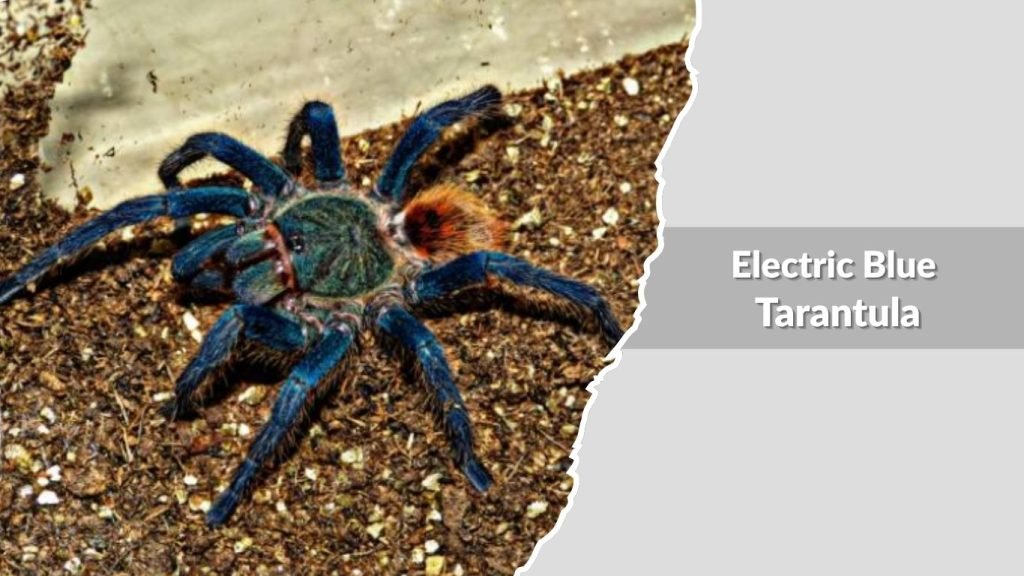
The Electric Blue Tarantula is admired for its intense, glowing blue coloration. It is a rare and visually stunning species among tarantulas.
Identification
- Bright electric blue legs and body
- Medium size with a hairy texture
- Compact but sturdy build
- Uniform vivid blue coloration
- Striking and glossy appearance
Habitat
This spider is typically found in forested regions, living in burrows or hidden retreats. It prefers humid environments with good cover.
Behavior
Electric Blue Tarantulas are generally shy but can be defensive. They rely on speed and hiding rather than aggression and may retreat quickly when disturbed.
Diet
Their diet includes insects such as crickets, beetles, and other small invertebrates. They are ambush predators, striking quickly when prey comes within reach.
6. Blue Baboon Tarantula
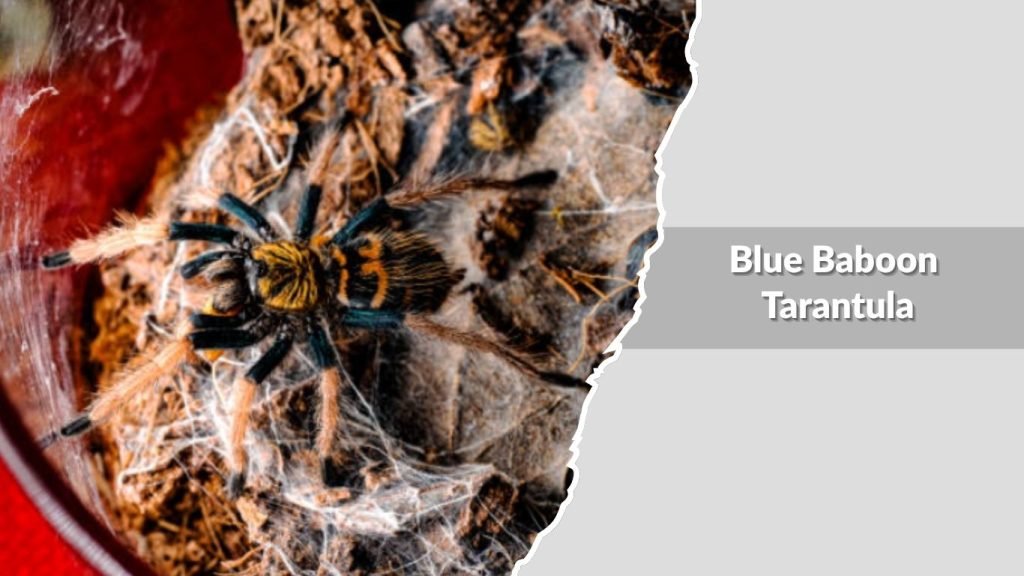
The Blue Baboon Tarantula (Monocentropus balfouri) is a striking species known for its deep blue coloration and social behavior, which is rare among tarantulas.
Identification
- Deep blue legs with lighter body tones
- Medium to large size
- Hairy body with a velvety look
- Strong, thick legs
- Subtle patterning on the abdomen
Habitat
This species is native to dry, scrubby regions and rocky areas. It lives in burrows or under rocks, often in colonies, which is unusual for tarantulas.
Behavior
Blue Baboon Tarantulas are semi-social and may live in groups, sharing webs and space. They are fast and can be defensive but often rely on retreating into their shelters.
Diet
They feed on insects and small invertebrates. Living in groups can sometimes help them capture prey more efficiently.
7. Blue Fang Tarantula
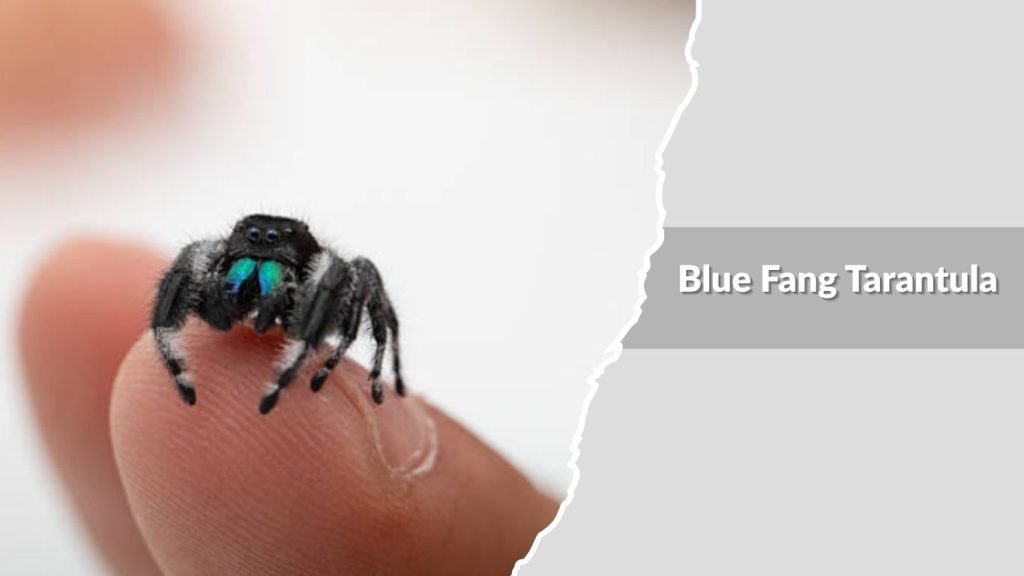
The Blue Fang Tarantula (Ephebopus cyanognathus) is known for its unique blue-colored fangs and overall dark body. It is a fascinating and less common species.
Identification
- Dark body with metallic blue fangs
- Medium size with a hairy texture
- Strong legs with subtle blue tones
- Distinctive fang coloration
- Slightly robust body shape
Habitat
This spider is found in tropical rainforests, where it lives in burrows or hidden ground retreats. It prefers moist, humid environments.
Behavior
Blue Fang Tarantulas are shy but can be defensive if threatened. They are ground-dwelling and spend most of their time hidden, emerging mainly to hunt.
Diet
Their diet includes insects and small invertebrates. They rely on ambush tactics, quickly grabbing prey that comes close to their hiding spot.
8. Blue Foot Baboon Spider
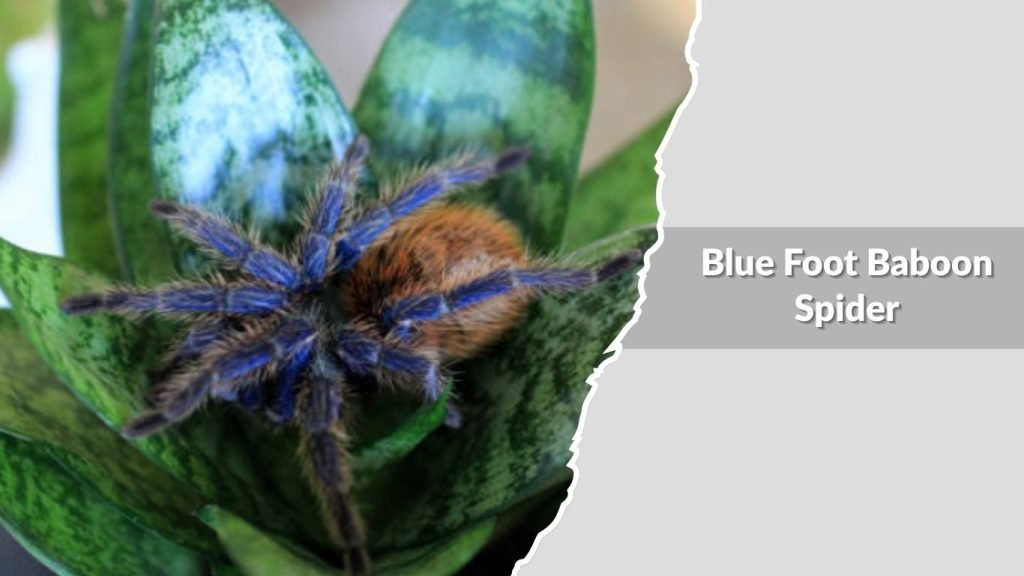
The Blue Foot Baboon Spider is a visually striking tarantula known for its bluish legs and strong, robust body. It is part of the baboon spider group found in Africa.
Identification
- Bluish legs with darker body
- Thick, hairy appearance
- Medium to large size
- Strong, sturdy legs
- Subtle color contrast between body and legs
Habitat
This spider is typically found in dry regions, including savannas and scrublands. It lives in burrows dug into the ground, often hidden under rocks or vegetation.
Behavior
Blue Foot Baboon Spiders are fast and defensive. They spend most of their time inside their burrows and may display threat postures if disturbed.
Diet
They feed on insects and small invertebrates. As ambush predators, they wait near their burrow entrance to capture passing prey.
9. Blue Malaysian Earth Tiger
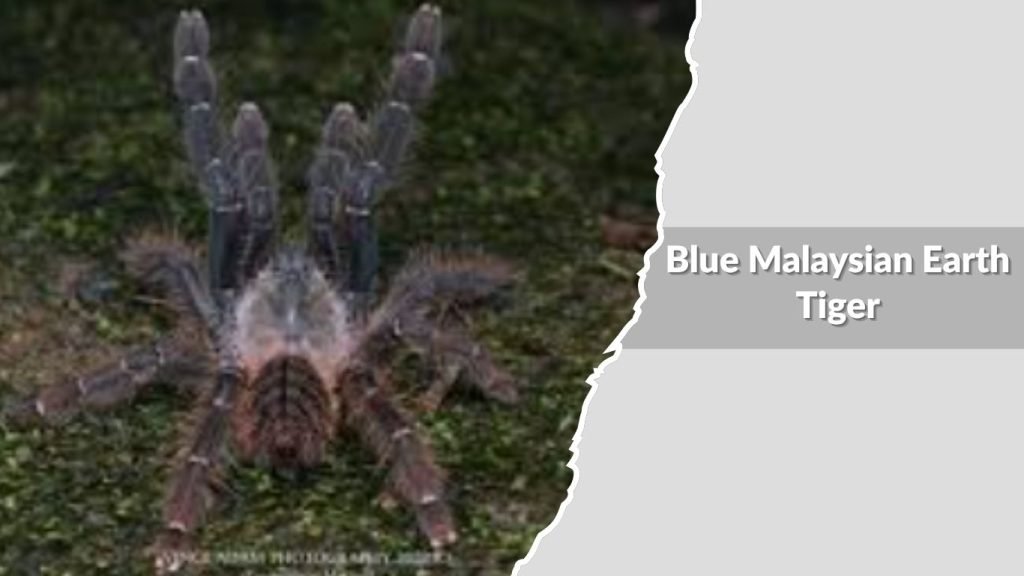
The Blue Malaysian Earth Tiger (Cyriopagopus sp.) is a bold and colorful tarantula known for its deep blue hues and terrestrial lifestyle.
Identification
- Dark body with deep blue legs
- Medium to large size
- Hairy and robust structure
- Strong legs built for digging
- Intense blue coloration on limbs
Habitat
This spider is native to tropical regions and is usually found in forests. It lives in deep burrows in moist soil, often hidden under logs or leaf litter.
Behavior
The Blue Malaysian Earth Tiger is known for being fast and highly defensive. It prefers to stay hidden but will react quickly if threatened.
Diet
It feeds on insects and other small prey. Like many tarantulas, it uses ambush tactics, waiting near its burrow to capture prey efficiently.
10. Blue Ornamental Tree Spider
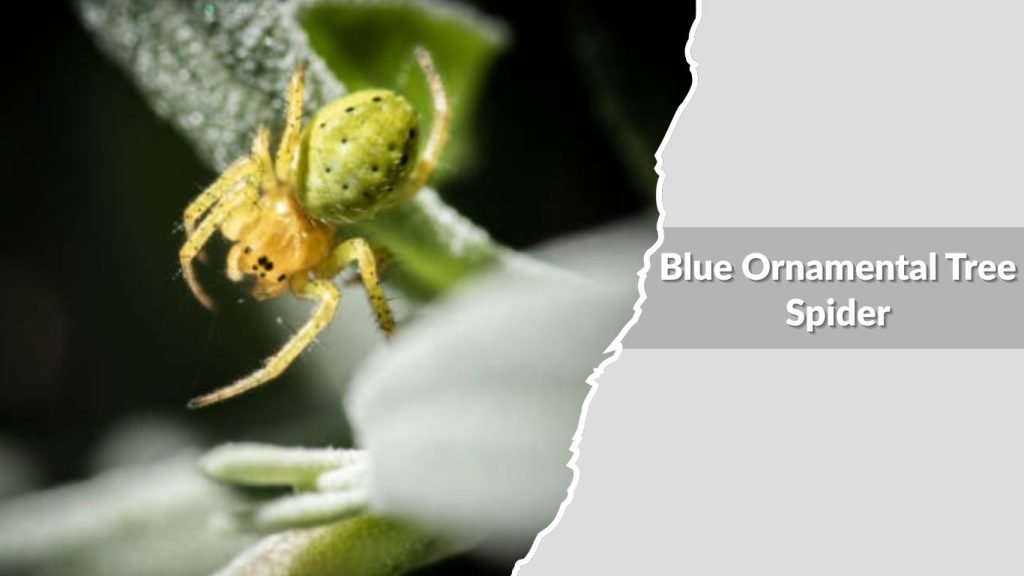
The Blue Ornamental Tree Spider (Poecilotheria species) is a fast and beautifully patterned arboreal tarantula known for its blue tones and intricate markings.
Identification
- Blue and black patterned legs
- Slender, elongated body
- Long legs adapted for climbing
- Intricate markings on body and limbs
- Medium to large size
Habitat
This spider is found in tropical forests, living high in trees. It creates silk retreats in tree bark, hollows, and crevices.
Behavior
Blue Ornamental Tree Spiders are very fast and agile. They prefer to stay hidden in tree shelters and will quickly escape if disturbed, though they can be defensive.
Diet
They feed on insects and small prey, capturing them in their arboreal environment using speed and precision.
11. Blue Dwarf Tarantula
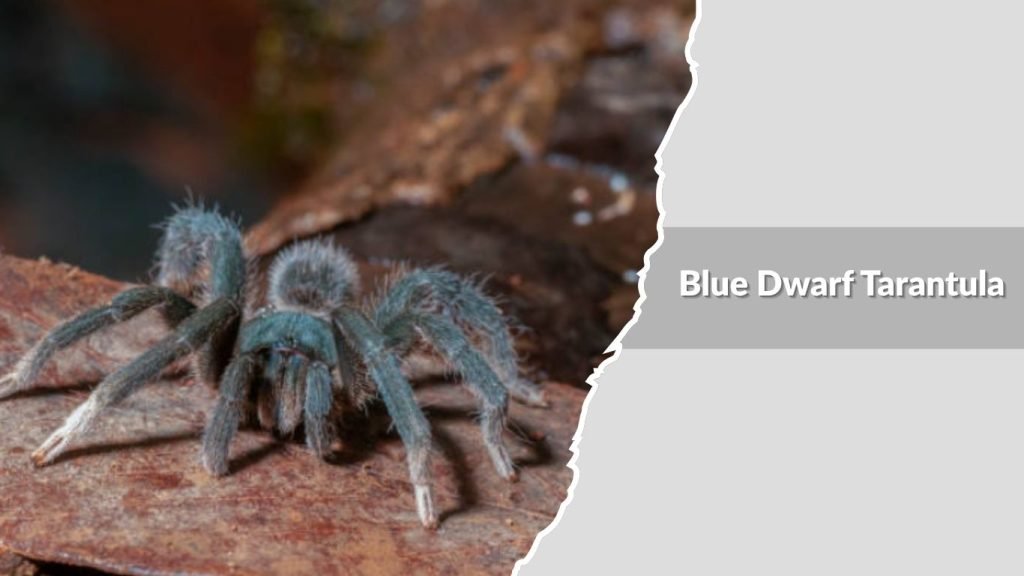
The Blue Dwarf Tarantula is a smaller species known for its subtle blue coloration and compact size. It is less commonly seen compared to larger tarantulas.
Identification
- Small body with bluish tones
- Compact and slender build
- Fine hairs covering the body
- Shorter legs compared to larger tarantulas
- Subtle metallic sheen
Habitat
This spider is typically found in tropical and subtropical environments. It lives in small burrows or hidden spaces under debris and vegetation.
Behavior
Blue Dwarf Tarantulas are generally shy and secretive. They spend much of their time hidden and come out mainly to hunt or explore at night.
Diet
Their diet consists of small insects and invertebrates such as ants, tiny beetles, and larvae. They rely on ambush hunting to capture prey efficiently.
12. Blue Peacock Spider
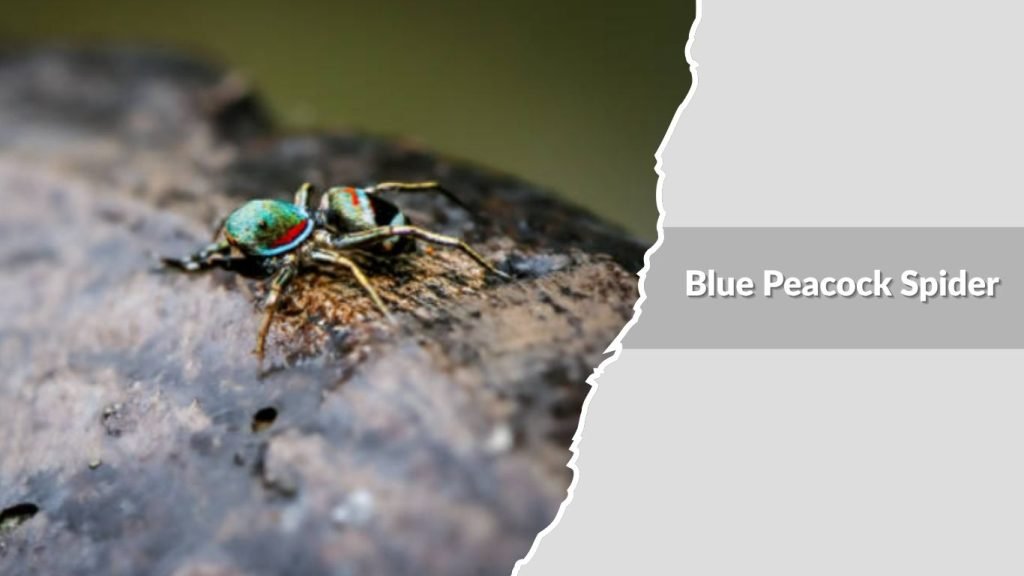
The Blue Peacock Spider (Maratus species) is a tiny but stunning jumping spider known for its vibrant colors and unique courtship displays.
Identification
- Small body with bright blue patterns
- Compact shape typical of jumping spiders
- Short legs built for jumping
- Males have colorful, fan-like abdomen
- Distinct large forward-facing eyes
Habitat
This spider is commonly found in grasslands, gardens, and low vegetation. It prefers open, sunny areas where it can move freely and hunt.
Behavior
Blue Peacock Spiders are famous for their mating dances, where males display their colorful abdomen to attract females. They are active during the day and rely on vision rather than webs.
Diet
They feed on tiny insects such as flies and small arthropods. Their jumping ability allows them to capture prey quickly and accurately.
13. Blue Jumping Spider
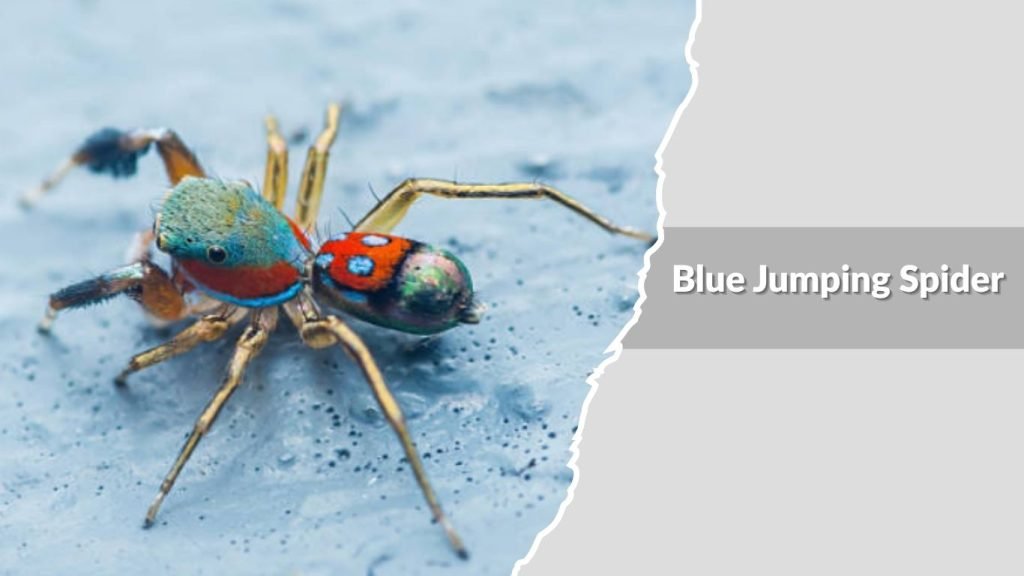
The Blue Jumping Spider refers to several small jumping spiders that show blue coloration. They are agile hunters with excellent eyesight.
Identification
- Small body with blue or bluish markings
- Large front-facing eyes
- Short, strong legs
- Slightly hairy texture
- Compact and active build
Habitat
These spiders are found in gardens, forests, and on walls or plants. They prefer areas with good visibility for spotting prey.
Behavior
Blue Jumping Spiders are active daytime hunters. They do not build webs to catch prey but instead leap onto insects with precision. They are curious and often observe movement around them.
Diet
Their diet includes small insects like flies, gnats, and other tiny bugs. Their sharp vision and jumping skills make them efficient predators.
14. Blue Bottle Spider
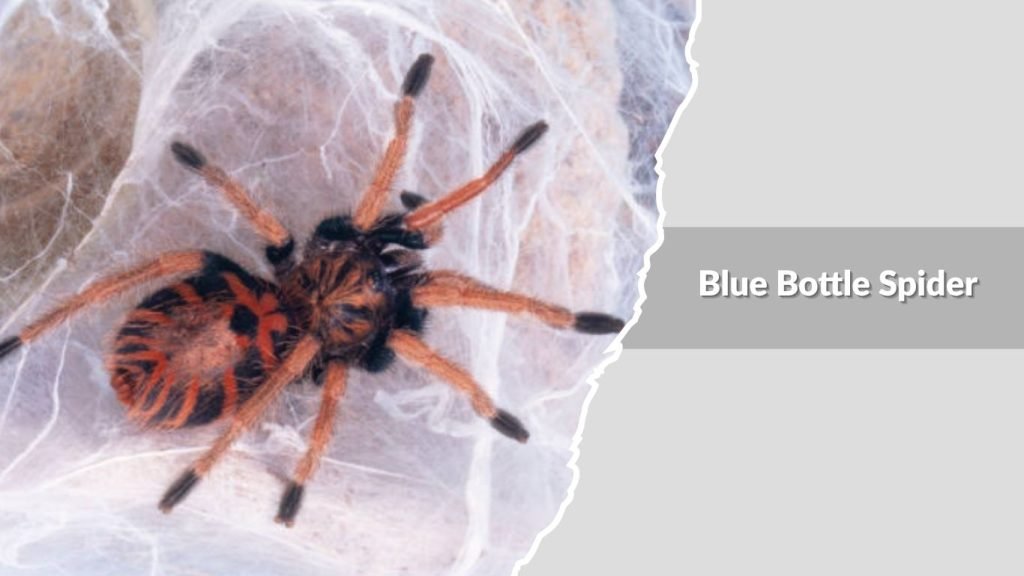
The Blue Bottle Spider is a lesser-known spider recognized for its subtle blue sheen and small size. It is often overlooked due to its delicate appearance.
Identification
- Small body with bluish tint
- Slender legs
- Smooth and slightly shiny texture
- Compact body shape
- Light to moderate blue coloration
Habitat
This spider is typically found in gardens, shrubs, and low vegetation. It prefers quiet areas where it can remain hidden among leaves and small plants.
Behavior
Blue Bottle Spiders are generally shy and avoid open spaces. They may build small webs or wander to hunt, depending on the species. They are harmless to humans.
Diet
They feed on small insects such as gnats, flies, and other tiny arthropods. Their role helps control minor insect populations in their environment.
15. Blue Leg Trapdoor Spider
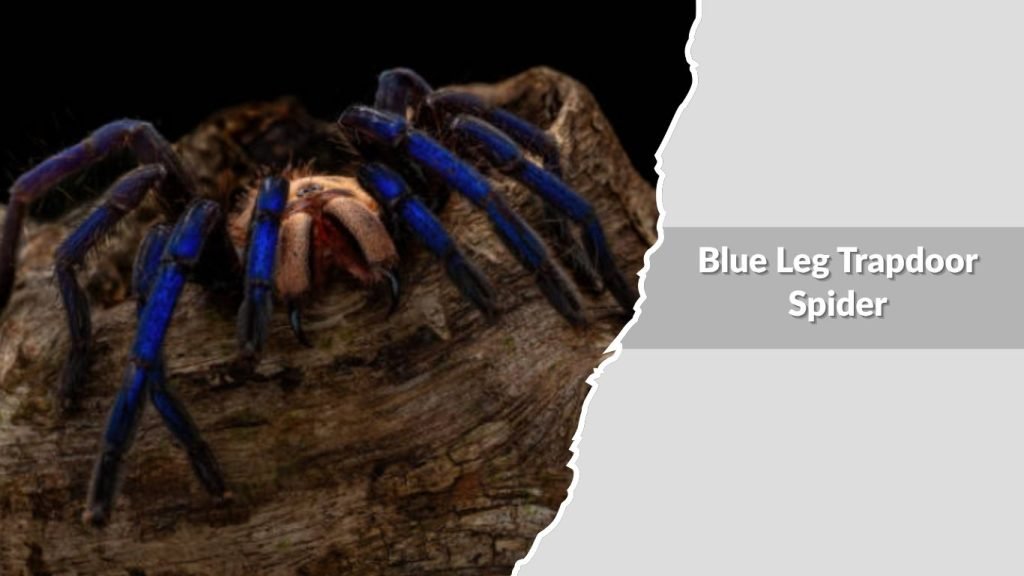
The Blue Leg Trapdoor Spider is a ground-dwelling spider known for its burrow and trapdoor hunting style. Its legs may show a bluish coloration.
Identification
- Dark body with bluish legs
- Robust and sturdy build
- Medium size
- Thick legs adapted for digging
- Slight hair covering the body
Habitat
This spider is found in soil-rich environments such as forests and grasslands. It builds burrows with a hidden trapdoor made of silk and soil.
Behavior
Blue Leg Trapdoor Spiders are ambush predators. They stay inside their burrow and wait for vibrations before quickly emerging to catch prey. They are reclusive and rarely seen.
Diet
Their diet includes insects and small invertebrates. They rely on their trapdoor technique to capture prey efficiently with minimal movement.
