
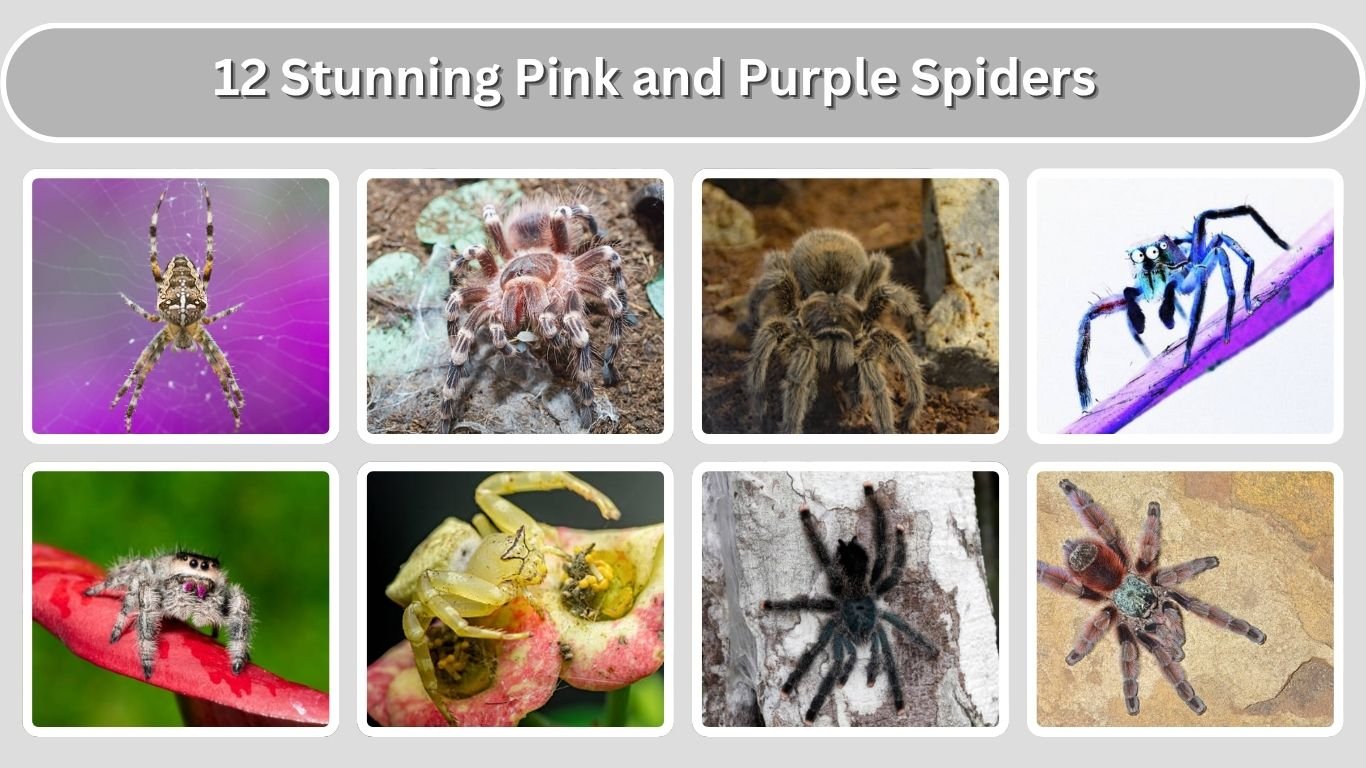
Pink and purple spiders are some of the most visually unique arachnids, admired for their soft, vibrant, and sometimes iridescent colors. Found in a variety of habitats from tropical forests to gardens, these spiders include both large tarantulas and tiny active hunters. Their unusual coloration not only adds to their beauty but also helps with camouflage and survival in their natural environments.
1. Pink Toe Tarantula
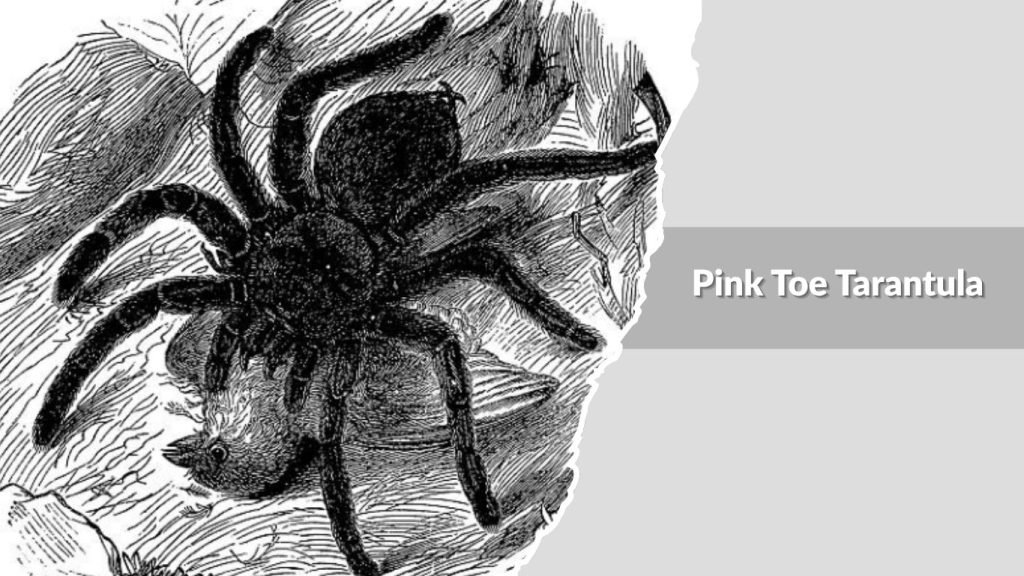
The Pink Toe Tarantula (Avicularia avicularia) is one of the most popular and visually appealing tarantulas, known for its soft dark body and distinctive pink-colored tips on its feet. Native to South America, this spider is often found in tropical rainforests and is especially admired for its calm nature and unique appearance.
Identification
- Dark brown to black body
- Distinct pink or reddish tips on the feet (“toes”)
- Medium to large size
- Long, slender legs with a slightly hairy texture
- Soft, velvety appearance
Habitat
The Pink Toe Tarantula is an arboreal species, meaning it lives in trees rather than on the ground. It is commonly found in humid rainforest environments, where it builds silk retreats in tree hollows, branches, or leaves. These spiders prefer warm temperatures and high humidity to thrive.
Behavior
Unlike many ground-dwelling tarantulas, the Pink Toe Tarantula is agile and comfortable climbing. It is generally docile and prefers to escape rather than defend itself when threatened. Instead of aggressive behavior, it may flick tiny hairs or jump short distances to avoid danger. It also creates light webbing around its living area for safety and stability.
Diet
This tarantula feeds mainly on insects such as crickets, flies, and roaches. Occasionally, it may eat small vertebrates like tiny lizards. It hunts by ambush, using speed and precision to capture prey. Its role in the ecosystem is important, as it helps control insect populations in its natural habitat.
2. Purple Pink Toe Tarantula
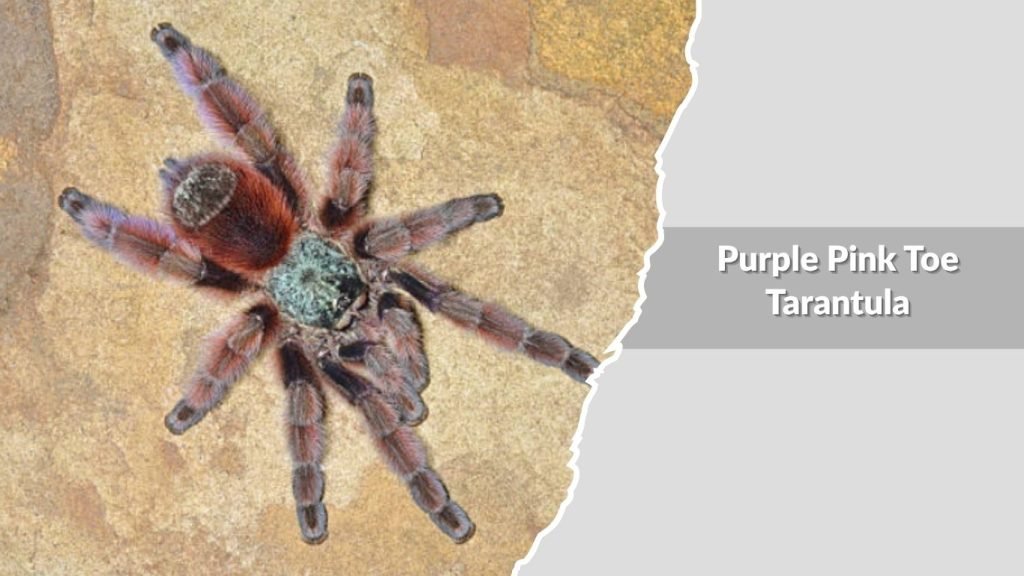
The Purple Pink Toe Tarantula is a beautiful variation of the pink toe group, known for its subtle purple sheen combined with pink-tipped feet. It is an arboreal species often appreciated for its calm temperament and striking coloration.
Identification
- Dark body with a noticeable purple or violet sheen
- Pink or reddish tips on the feet
- Slender, long legs
- Medium to large size
- Soft, velvety texture
Habitat
This spider is typically found in tropical rainforest regions, living high in trees. It creates silk retreats in branches, tree hollows, or dense foliage where humidity levels are high.
Behavior
Purple Pink Toe Tarantulas are generally docile and prefer to avoid confrontation. They are agile climbers and may move quickly when disturbed. Instead of aggression, they rely on retreating or hiding.
Diet
Their diet consists mainly of insects such as crickets, moths, and roaches. Occasionally, they may consume small vertebrates. They hunt using ambush tactics and quick movements.
3. Brazilian Pink Bloom Tarantula
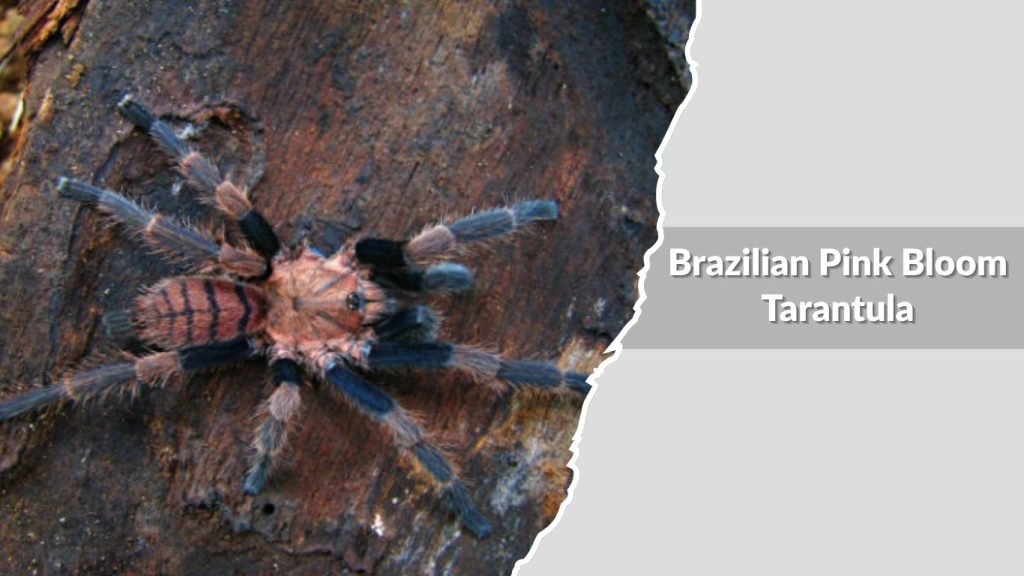
The Brazilian Pink Bloom Tarantula is a visually stunning spider known for its pinkish tones mixed with darker hues. It is native to South America and is admired for its unique coloration.
Identification
- Pinkish body with darker brown or black shading
- Medium to large size
- Hairy, robust appearance
- Thick legs with soft coloration
- Subtle color variations across the body
Habitat
This species is usually found in tropical forests and grasslands. It may live in burrows or sheltered ground areas, depending on environmental conditions.
Behavior
Brazilian Pink Bloom Tarantulas are generally calm but can become defensive if threatened. They spend much of their time in hiding and come out mainly to hunt.
Diet
They feed on insects such as beetles, crickets, and other small invertebrates. Like most tarantulas, they are ambush predators that rely on timing and speed to catch prey.
4. Chilean Rose Hair Tarantula
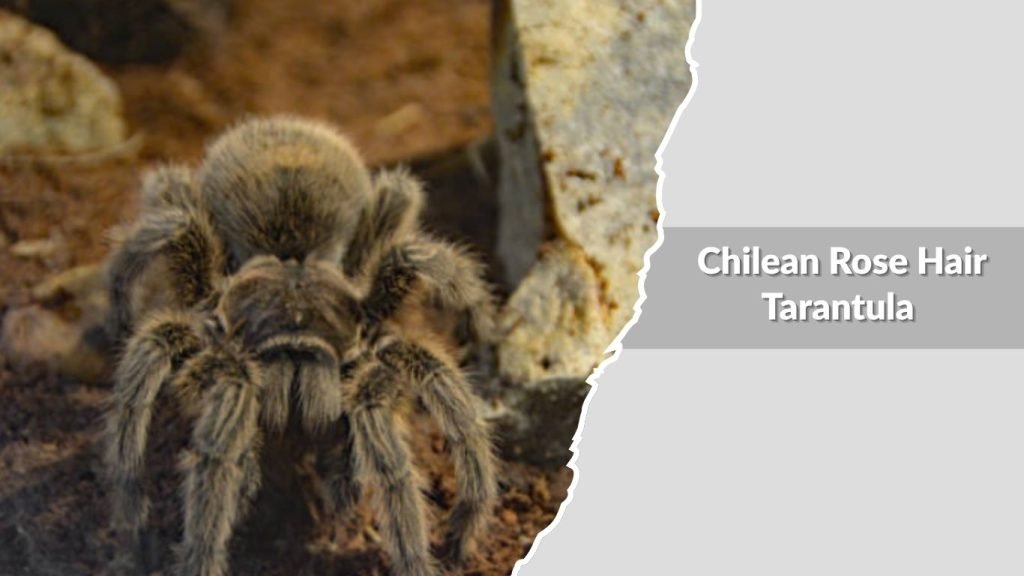
The Chilean Rose Hair Tarantula (Grammostola rosea) is a well-known species that can display pinkish or rosy tones across its body. It is popular for its calm nature and subtle coloration.
Identification
- Brown to gray body with pink or rose-colored hairs
- Medium to large size
- Thick, hairy legs
- Rounded abdomen
- Soft, muted color tones
Habitat
This spider is native to dry regions such as deserts and scrublands. It lives in burrows or under rocks, where it can stay protected from harsh environmental conditions.
Behavior
Chilean Rose Hair Tarantulas are known for their docile temperament. They move slowly and prefer to stay hidden, coming out mainly at night to hunt. They rarely show aggression unless disturbed.
Diet
Their diet includes insects like crickets, beetles, and other small invertebrates. They are patient hunters, waiting for prey to come close before striking.
5. Pink Zebra Beauty Tarantula
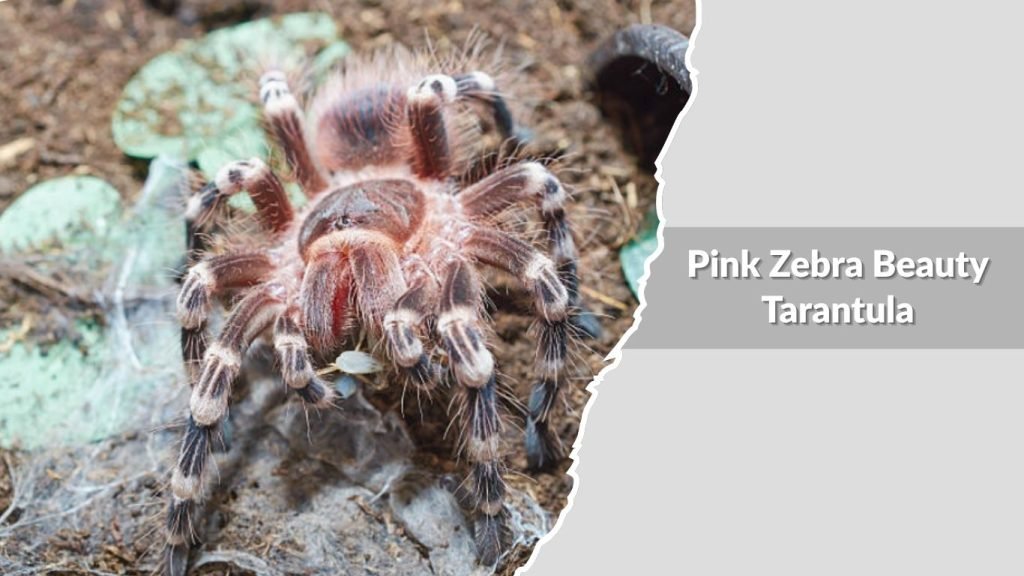
The Pink Zebra Beauty Tarantula (Eupalaestrus campestratus) is admired for its gentle behavior and soft pink highlights along its legs. It is a ground-dwelling species.
Identification
- Dark body with pinkish or light stripes on legs
- Medium size
- Hairy, sturdy build
- Distinct banding pattern on legs
- Subtle pink tones
Habitat
This spider is commonly found in grasslands and dry regions. It lives in burrows or natural shelters in the ground, where it remains hidden during the day.
Behavior
Pink Zebra Beauty Tarantulas are calm and slow-moving. They prefer to avoid conflict and will retreat into their burrow when threatened. They are mostly active at night.
Diet
They feed on insects such as crickets, roaches, and small bugs. Like other tarantulas, they rely on ambush hunting, capturing prey quickly when it comes within reach.
6. Costa Rican Pink Toe Tarantula
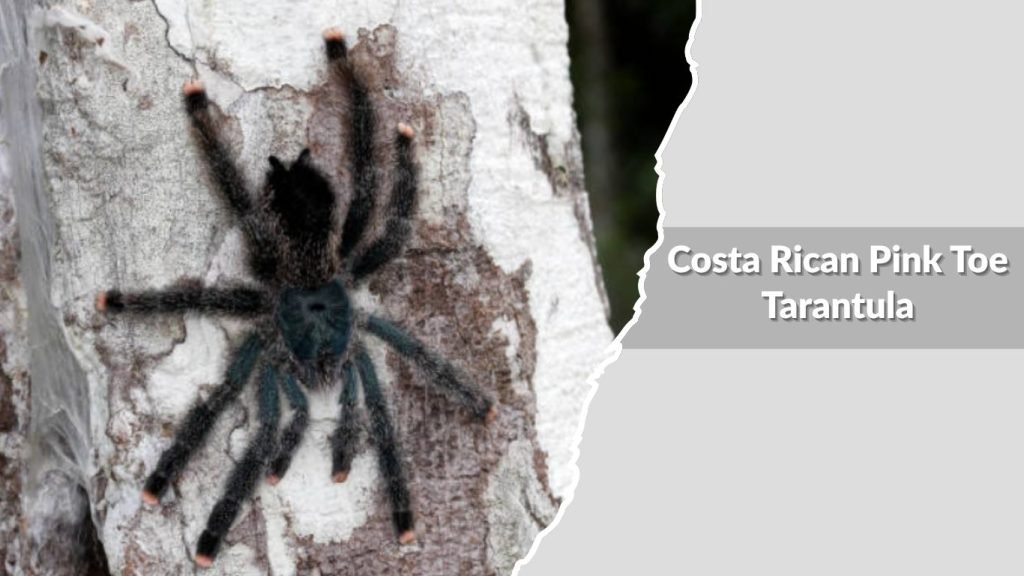
The Costa Rican Pink Toe Tarantula is a colorful arboreal species known for its pink-tipped feet and slightly brighter tones compared to other pink toe varieties.
Identification
- Dark body with pink or reddish toe tips
- Slightly brighter coloration than common pink toe species
- Long, slender legs
- Medium to large size
- Soft, velvety appearance
Habitat
This spider is native to tropical regions of Central America. It lives in trees, building silk retreats in branches, leaves, and tree hollows where humidity is high.
Behavior
Costa Rican Pink Toe Tarantulas are generally calm and agile. They prefer climbing and may move quickly when disturbed. They avoid aggression and rely on escape and hiding.
Diet
Their diet consists of insects such as crickets, flies, and roaches. Occasionally, they may consume small vertebrates. They hunt using quick ambush techniques.
7. Purple Earth Tiger Tarantula
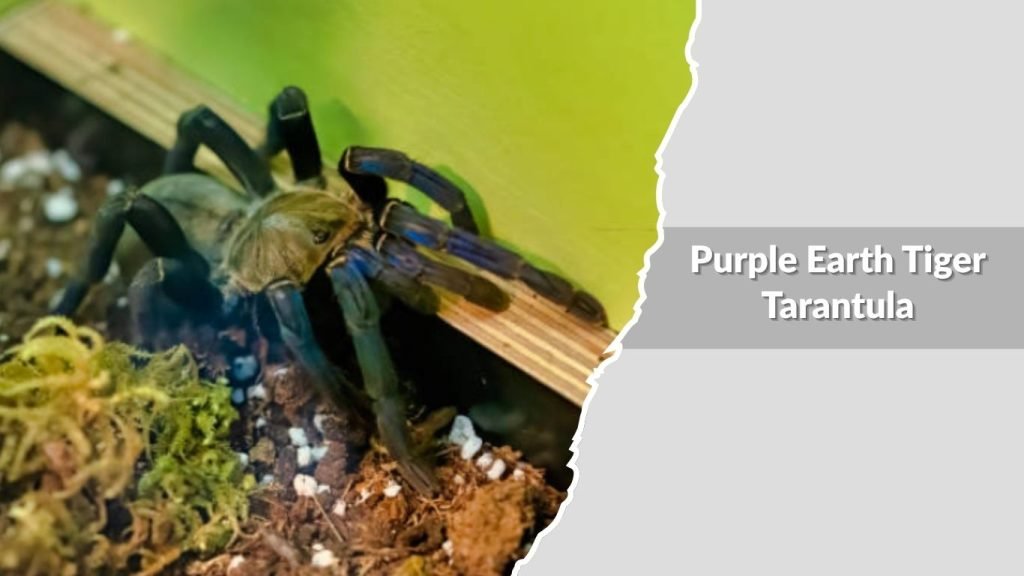
The Purple Earth Tiger Tarantula (Chilobrachys species) is a striking spider known for its deep purple coloration and fast, defensive nature.
Identification
- Dark body with strong purple or violet sheen
- Medium to large size
- Thick, hairy legs
- Robust and powerful build
- Intense, rich coloration
Habitat
This spider is found in tropical regions, where it lives in deep burrows in moist soil. It prefers forested environments with plenty of cover.
Behavior
Purple Earth Tiger Tarantulas are fast and highly defensive. They spend most of their time hidden in burrows and react quickly if disturbed.
Diet
They feed on insects and small invertebrates. As ambush predators, they wait near their burrow entrance and strike rapidly when prey approaches.
8. Purple Bloom Tarantula
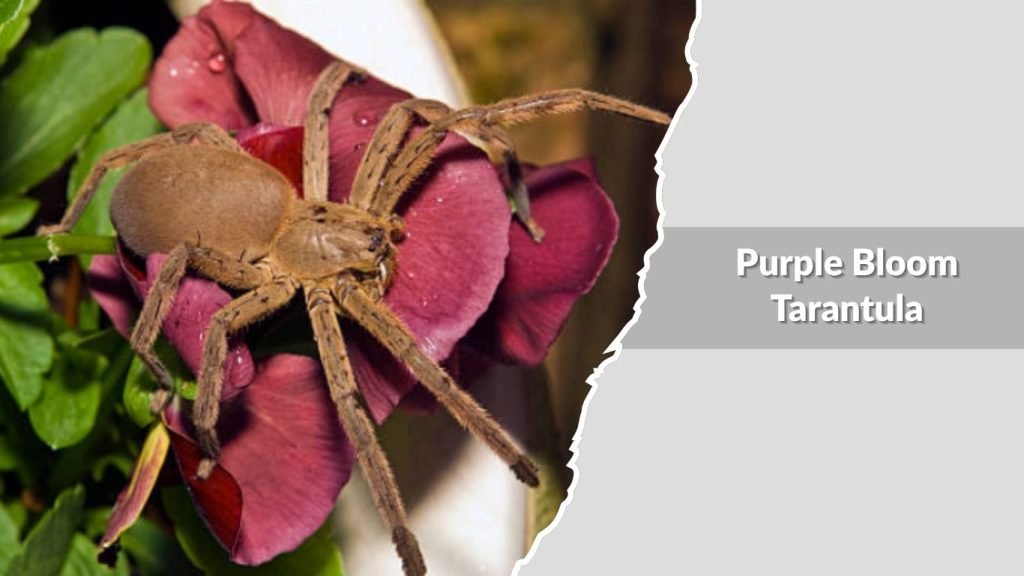
The Purple Bloom Tarantula is a visually striking species known for its soft purple tones that appear to “bloom” under light. Its coloration gives it a unique and elegant look among tarantulas.
Identification
- Purple or violet sheen across the body
- Medium to large size
- Hairy, velvety texture
- Thick legs with subtle color gradients
- Soft, glowing appearance under light
Habitat
This spider is typically found in tropical and subtropical regions. It prefers forested environments where it can live in burrows or hidden shelters under logs and vegetation.
Behavior
Purple Bloom Tarantulas are generally shy and prefer to stay hidden. They may become defensive if disturbed but usually rely on retreating to safety. They are mostly active at night.
Diet
Their diet includes insects such as crickets, beetles, and other small invertebrates. They use ambush hunting techniques, striking quickly when prey comes close.
9. Purple Tree Spider
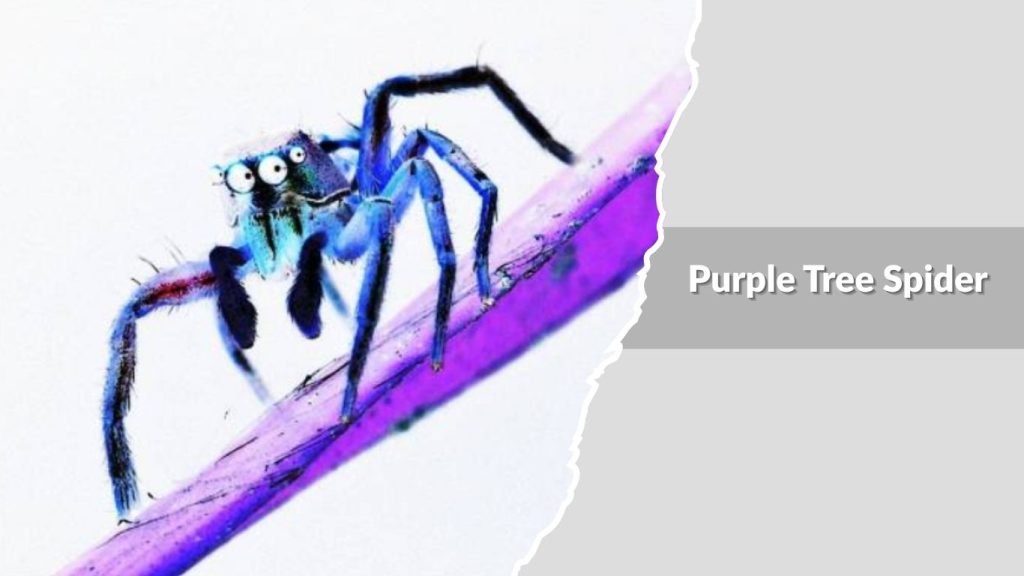
The Purple Tree Spider is an arboreal species known for its subtle purple coloration and tree-dwelling lifestyle. It is less commonly seen but highly attractive.
Identification
- Slender body with purple or violet tones
- Long legs adapted for climbing
- Medium size
- Smooth or slightly hairy texture
- Elegant, elongated shape
Habitat
This spider lives in trees within tropical forests. It creates silk retreats in bark crevices, leaves, or branches, where it stays hidden during the day.
Behavior
Purple Tree Spiders are agile climbers and prefer to stay off the ground. They are shy and avoid confrontation, quickly retreating into their shelters when disturbed.
Diet
They feed on small insects such as flies, moths, and other arthropods. Their arboreal lifestyle allows them to catch prey efficiently among branches and leaves.
10. Pink Crab Spider
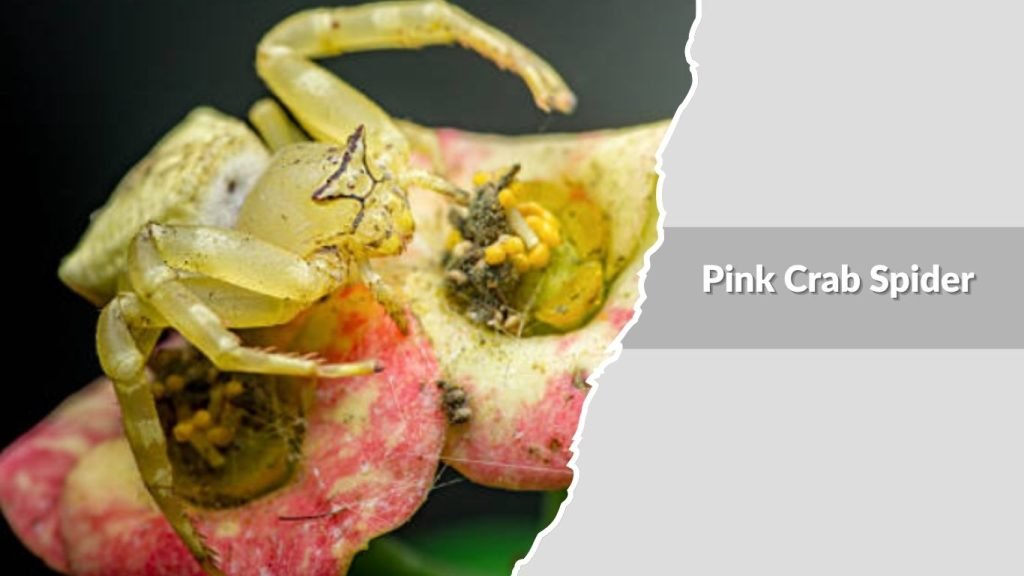
The Pink Crab Spider is a small, flower-dwelling spider known for its ability to blend into pink petals. Its soft coloration makes it both beautiful and highly effective at camouflage.
Identification
- Pale pink or light rosy body
- Flattened, crab-like shape
- Front legs longer and stronger
- Small to medium size
- Smooth texture with minimal markings
Habitat
This spider is commonly found on flowers, shrubs, and garden plants. It prefers areas with colorful blooms where it can hide and wait for prey.
Behavior
Pink Crab Spiders are ambush predators. They remain still on flowers and capture insects that come close. They do not build webs and rely entirely on camouflage and quick reflexes.
Diet
They feed on insects such as bees, butterflies, and flies. Their position on flowers allows them to catch pollinators effectively.
11. Pink Jumping Spider
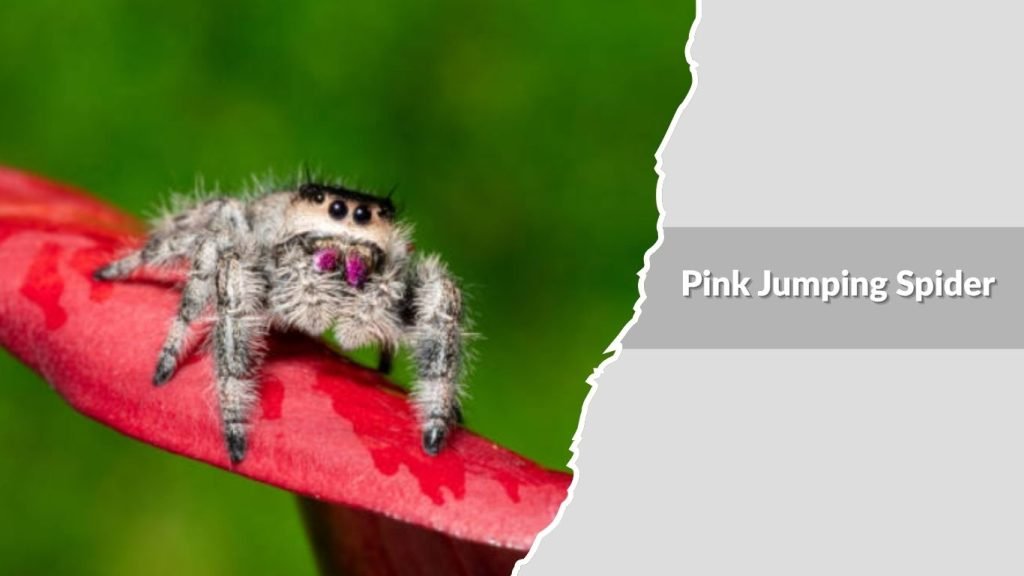
The Pink Jumping Spider is a small, active spider known for its soft pink tones and energetic movements. It belongs to the jumping spider family.
Identification
- Small body with pink or reddish coloration
- Large forward-facing eyes
- Short, strong legs
- Slightly hairy appearance
- Compact and agile build
Habitat
This spider is found in gardens, walls, and vegetation. It prefers sunny areas where it can easily spot and chase prey.
Behavior
Pink Jumping Spiders are active during the day and rely on vision rather than webs. They jump onto prey with precision and may appear curious when observing movement.
Diet
They feed on small insects such as flies, ants, and other tiny arthropods. Their hunting skills make them efficient predators despite their small size.
12. Purple Orb Weaver

The Purple Orb Weaver is a visually appealing spider known for its subtle purple tones and classic web-building behavior. It is often found in natural vegetation where it can blend with surroundings.
Identification
- Rounded abdomen with purple or violet hues
- Medium-sized body
- Long, slender legs
- Slightly hairy texture
- Subtle patterns on the abdomen
Habitat
This spider is commonly found in gardens, forests, and shrublands. It builds orb-shaped webs between branches, leaves, or tall plants where insects frequently pass.
Behavior
Purple Orb Weavers are web builders that stay at or near the center of their web. They are mostly active during the evening and rely on their web to detect and capture prey.
Diet
They feed on flying insects such as flies, moths, and mosquitoes. Their webs are effective in trapping prey, helping maintain balance in their ecosystem.
