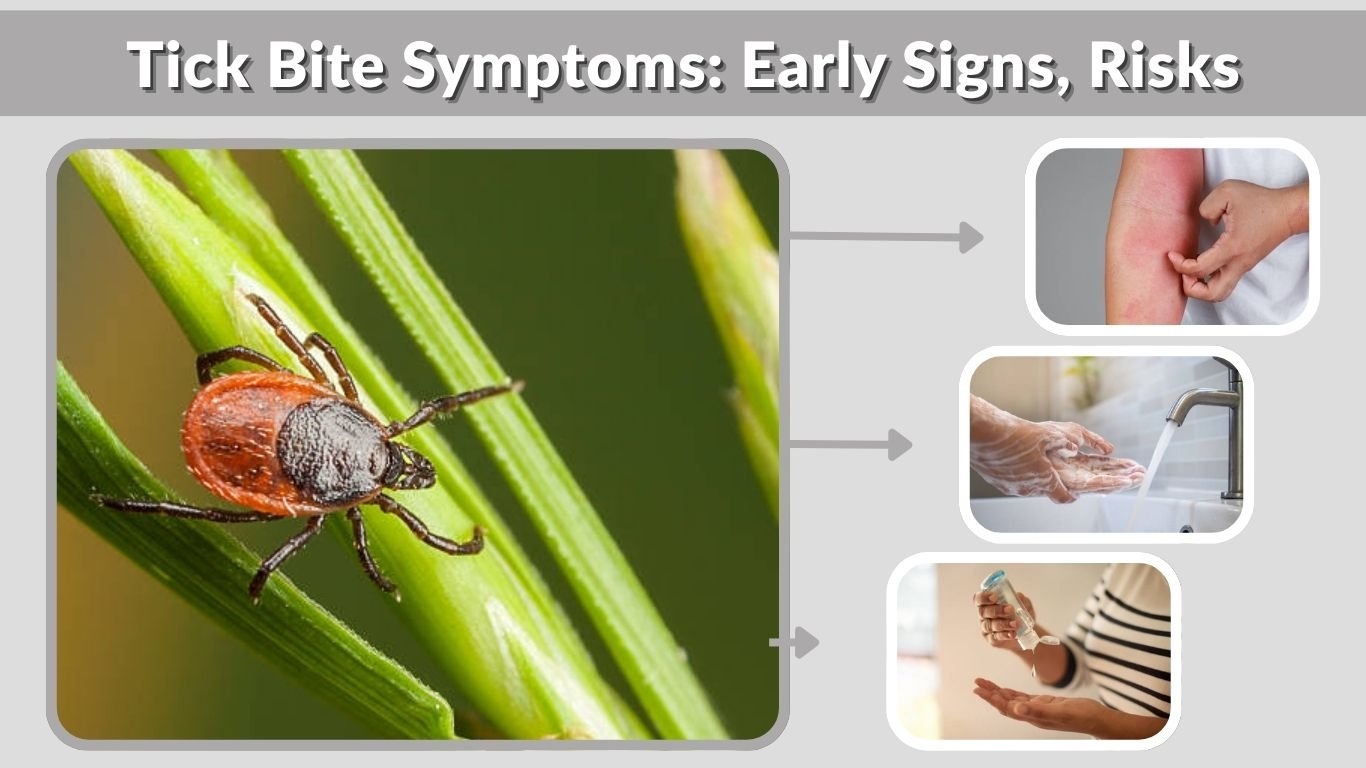
Tick bites are common, especially in grassy or wooded environments where ticks thrive. While many bites are harmless and cause only mild irritation, some can transmit serious infections such as Lyme disease or other tick-borne illnesses. The symptoms of a tick bite can appear immediately or develop gradually over days or even weeks. Recognizing these symptoms early is essential for preventing complications. This guide explains the different types of tick bite symptoms, from mild skin reactions to more serious warning signs that require medical attention.
What Are Tick Bite Symptoms?
Tick bite symptoms refer to the physical and sometimes systemic reactions your body shows after being bitten by a tick. These reactions can vary depending on factors such as the type of tick, how long it remained attached, and whether it carried any disease. In many cases, symptoms are limited to the skin. However, in some situations, the bite can trigger widespread symptoms affecting the entire body.
Some people may not notice the bite at all because ticks are small and their saliva contains substances that reduce pain. This makes it important to check your skin after spending time outdoors, even if you feel fine.
Common Tick Bite Symptoms
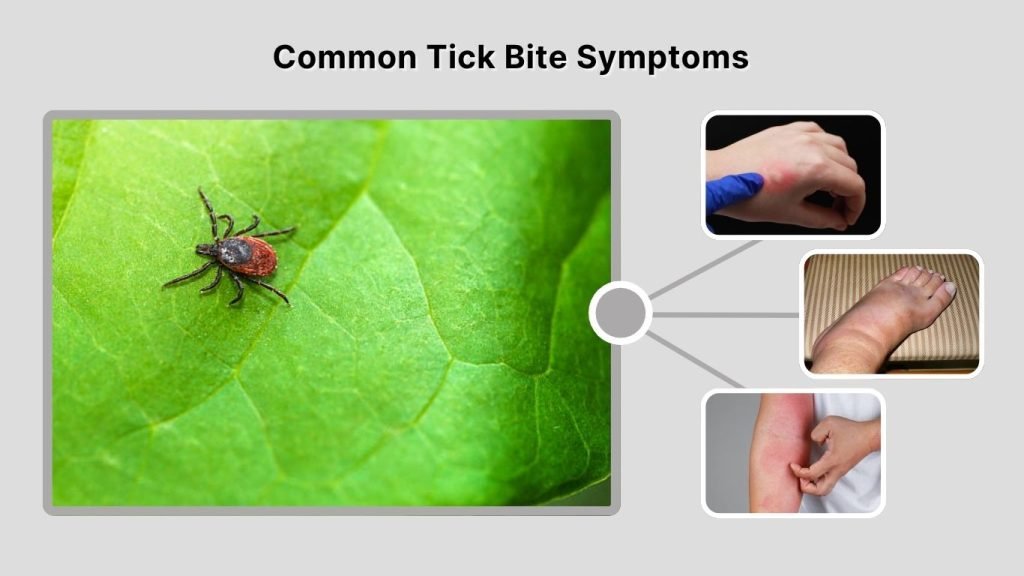
Most tick bites are mild and do not lead to serious health issues. However, they often produce noticeable reactions at the site of the bite. These symptoms usually appear within a short time after the tick attaches or is removed.
Local Skin Reactions
- Redness around the bite area
- Mild swelling or inflammation
- Itching or irritation
These are the most typical signs of a tick bite. The affected area may look similar to a mosquito bite but can last longer. The redness is usually small and does not expand significantly unless an infection develops.
Mild Physical Discomfort
- Slight pain or tenderness
- Burning sensation
- Temporary skin sensitivity
In some cases, the bite area may feel uncomfortable or sensitive to touch. These symptoms are generally short-lived and improve within a few days without treatment.
Early Signs of a Tick Bite
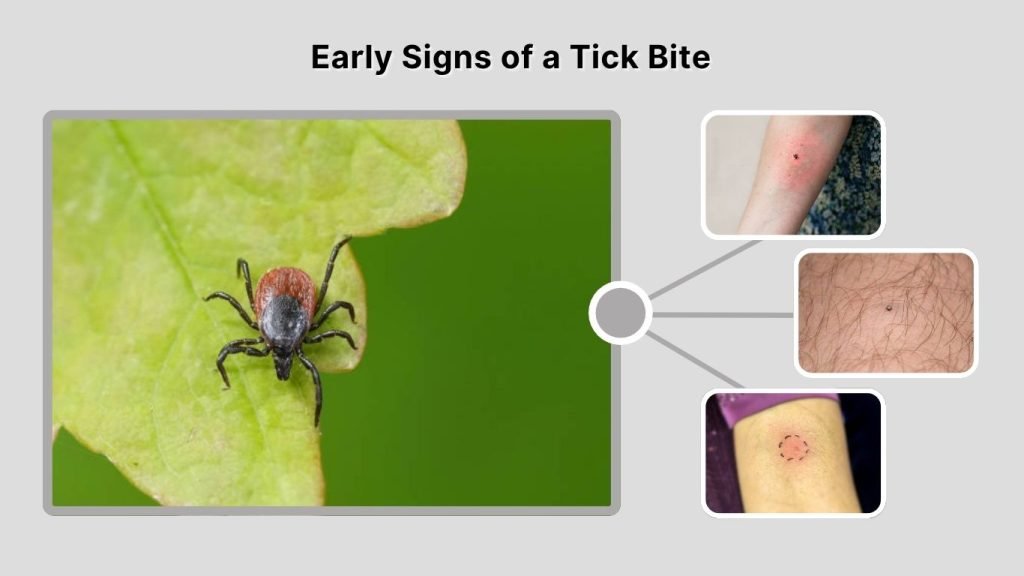
Early signs typically develop within hours to a few days after the bite. Recognizing these signs quickly can help you take appropriate action, such as removing the tick properly and monitoring your health.
Immediate Visible Indicators
- Tick attached to the skin
- Small puncture mark
- Red spot at the bite site
One of the clearest signs is finding a tick attached to your skin. Ticks often attach in warm, hidden areas such as behind the knees, under the arms, or along the hairline. After removal, a small puncture mark may remain.
Subtle Early Symptoms
- Mild fatigue
- Slight headache
- Low-grade fever
These symptoms are less obvious and can easily be mistaken for general tiredness or minor illness. However, when combined with a known tick bite, they may signal the beginning of a reaction that needs monitoring.
Tick Bite Symptoms Days or Weeks Later
Not all symptoms appear right away. In some cases, more noticeable or serious symptoms develop days or even weeks after the initial bite. This delayed response is often associated with infections transmitted by ticks.
One of the most important signs to watch for is the development of a rash. This rash may begin as a small red spot and gradually expand over time. In certain cases, it forms a circular pattern that spreads outward, which is commonly linked to Lyme disease. However, not all rashes follow this pattern, so any unusual skin change should be taken seriously.
Flu-like symptoms are another common delayed reaction. These may include fatigue, fever, chills, and muscle aches. Unlike a typical flu, these symptoms may persist or worsen over time rather than improving. This is a key indicator that the body may be responding to an infection rather than a simple illness.
Some individuals may also experience increasing tiredness that interferes with daily activities. This type of fatigue is often more intense than normal tiredness and may be accompanied by headaches or body aches. Monitoring these changes is important, especially if they occur after known exposure to ticks.
Serious Symptoms to Watch For
While many tick bites remain harmless, some can lead to serious health complications. These symptoms usually indicate a tick-borne disease and require immediate medical attention.
Neurological Symptoms
- Numbness or tingling
- Difficulty concentrating
- Facial weakness or paralysis
Neurological symptoms can develop when an infection affects the nervous system. These signs may appear gradually and can worsen if not treated promptly. Early diagnosis is critical to prevent long-term complications.
Severe Physical Symptoms
- Joint pain and swelling
- Persistent or high fever
- Heart rhythm irregularities
These symptoms suggest that the infection may be spreading throughout the body. Joint pain can become severe and may move from one area to another. A persistent fever that does not improve is also a strong warning sign that should not be ignored.
Infected Tick Bite Symptoms
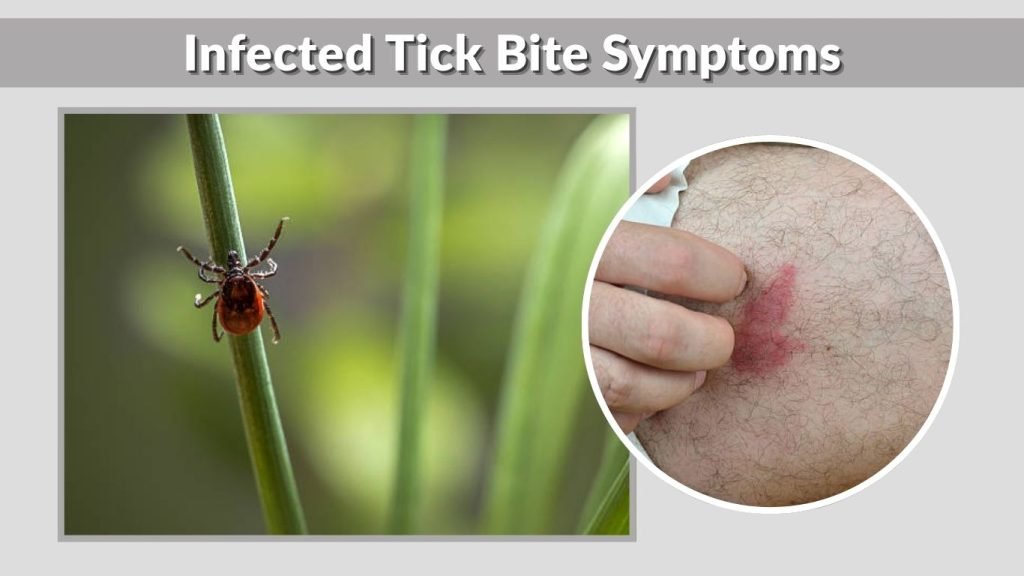
A tick bite can sometimes become infected, especially if the area is not kept clean or if bacteria enter the skin. Unlike normal irritation, an infected bite tends to worsen over time rather than improve. Recognizing these signs early can help prevent further complications.
Signs of Infection
- Increasing redness that spreads outward
- Warmth around the bite area
- Swelling that becomes more pronounced
- Pus or fluid discharge
How Infection Differs from Normal Reaction
A typical tick bite may look slightly red and feel itchy, but it usually improves within a few days. In contrast, an infected bite becomes more painful, swollen, and may show visible signs of worsening inflammation. If the area continues to deteriorate, medical attention is necessary.
Diseases Linked to Tick Bites
Ticks are known carriers of several diseases that can affect different systems in the body. These illnesses vary in severity, but early detection greatly improves treatment outcomes.
Lyme Disease
- Expanding rash, often circular
- Fatigue and weakness
- Joint pain over time
Lyme disease is one of the most well-known tick-borne illnesses. It often begins with a skin rash and can progress to affect joints, the heart, and the nervous system if untreated.
Rocky Mountain Spotted Fever
- Red or spotted rash
- High fever
- Severe headache
This condition can develop rapidly and may become life-threatening without prompt treatment. The rash may appear on wrists and ankles before spreading.
Tick-Borne Encephalitis
- Intense headaches
- Sensitivity to light
- Neurological complications
This viral infection affects the brain and nervous system. Though less common in some regions, it can lead to serious health issues and requires immediate care.
When to See a Doctor
Not every tick bite requires medical attention, but certain symptoms should never be ignored. Knowing when to seek help can prevent serious complications and ensure proper treatment.
If you notice an expanding rash, especially one that continues to grow over several days, it is important to consult a healthcare professional. Persistent fever lasting more than a couple of days is another warning sign that your body may be fighting an infection.
Worsening symptoms, such as increasing fatigue, joint pain, or neurological issues, also indicate the need for medical evaluation. Even if the initial bite seemed harmless, delayed symptoms should always be taken seriously.
Treatment and Symptom Management
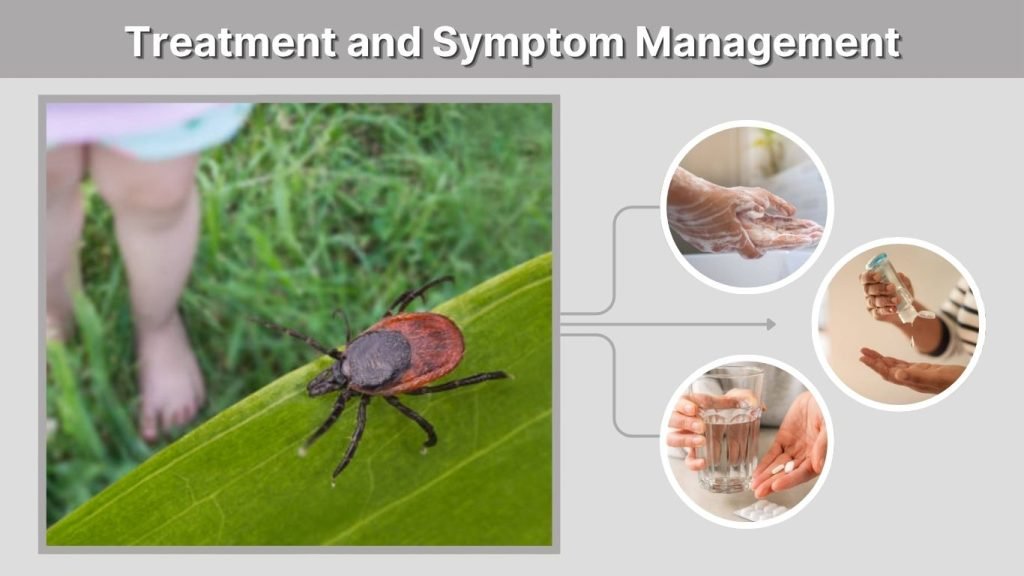
Managing a tick bite involves both immediate care and ongoing monitoring. Proper treatment can reduce discomfort and lower the risk of complications.
Home Care Measures
- Clean the bite area with soap and water
- Apply an antiseptic to prevent infection
- Avoid scratching the affected area
These simple steps help keep the bite clean and reduce irritation. Monitoring the area daily is also important to detect any changes early.
Medical Treatment Options
- Antibiotics for bacterial infections
- Pain relievers for discomfort
- Follow-up checkups if symptoms persist
Doctors may prescribe antibiotics if there is a risk of diseases like Lyme disease. Early treatment is highly effective and can prevent long-term health problems.
Prevention Tips
Preventing tick bites is the best way to avoid related symptoms and diseases. Taking simple precautions can significantly reduce your risk.
Personal Protection
- Wear long-sleeved clothing outdoors
- Use insect repellent on exposed skin
- Choose light-colored clothes to spot ticks easily
Post-Exposure Checks
- Inspect your body after outdoor activities
- Check hidden areas like underarms and scalp
- Shower soon after returning indoors
Regular checks help you detect ticks early before they attach for long periods, which reduces the risk of disease transmission.
FAQs
How long do tick bite symptoms last?
Mild symptoms such as redness or itching usually go away within a few days. However, if a tick transmits a disease, symptoms may last longer and can worsen over time. Monitoring your condition is important, and persistent symptoms should be evaluated by a doctor.
Do all tick bites cause symptoms?
No, many tick bites do not cause noticeable symptoms. Some people may not even realize they were bitten. However, even symptom-free bites should be monitored for changes, as certain tick-borne diseases can develop later without early warning signs.
What does a tick bite rash look like?
A tick bite rash may appear as a small red spot or expand into a larger circular pattern. In some cases, it forms a bullseye-like shape. Any rash that grows or changes over time should be carefully observed and may require medical attention.
Can symptoms appear weeks after a tick bite?
Yes, some tick-borne diseases have delayed symptoms that may appear weeks after the initial bite. These can include fatigue, fever, or joint pain. This is why continued observation is important even after the bite seems to heal.
Is every tick bite dangerous?
Not all tick bites are dangerous, as many ticks do not carry disease. However, because it is difficult to identify which ticks are harmful, it is best to treat every bite with caution and monitor for any unusual symptoms.
Conclusion
Tick bite symptoms can range from mild skin irritation to serious health conditions. While most bites are harmless, some can lead to infections or diseases that require medical attention. Recognizing early signs, monitoring delayed symptoms, and taking preventive measures are essential steps in protecting your health. By staying informed and cautious, you can reduce risks and respond effectively if a tick bite occurs.