
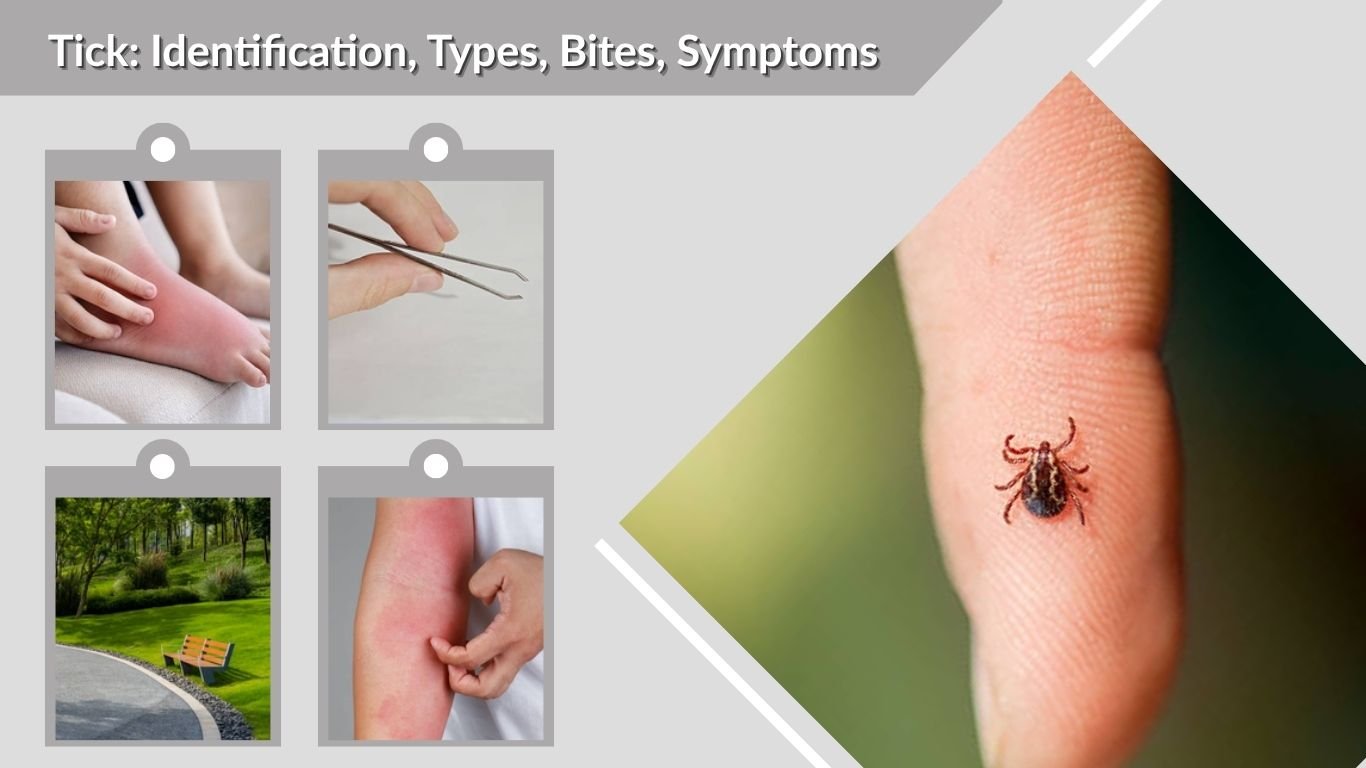
Ticks are small parasitic arachnids that feed on the blood of animals and humans. Commonly found in grassy, wooded, and humid environments, they are known carriers of several diseases, including Lyme disease. Understanding ticks, how to identify them, and how they behave is essential for preventing bites and protecting your health.
What is a Tick?
Ticks are tiny external parasites that belong to the arachnid family, which also includes spiders and mites. Unlike insects, ticks have eight legs and lack wings and antennae.
They survive by attaching themselves to a host—such as humans, dogs, or wildlife—and feeding on blood. This feeding process can last several hours to days, depending on the tick’s life stage.
Ticks are broadly classified into two main groups:
- Hard ticks (Ixodidae): Have a hard outer shield and are most commonly found on humans and pets.
- Soft ticks (Argasidae): Lack a hard shell and typically feed for shorter periods, often on birds or bats.
Because of their feeding behavior, ticks can transmit harmful pathogens, making them a serious public health concern.
Tick Identification
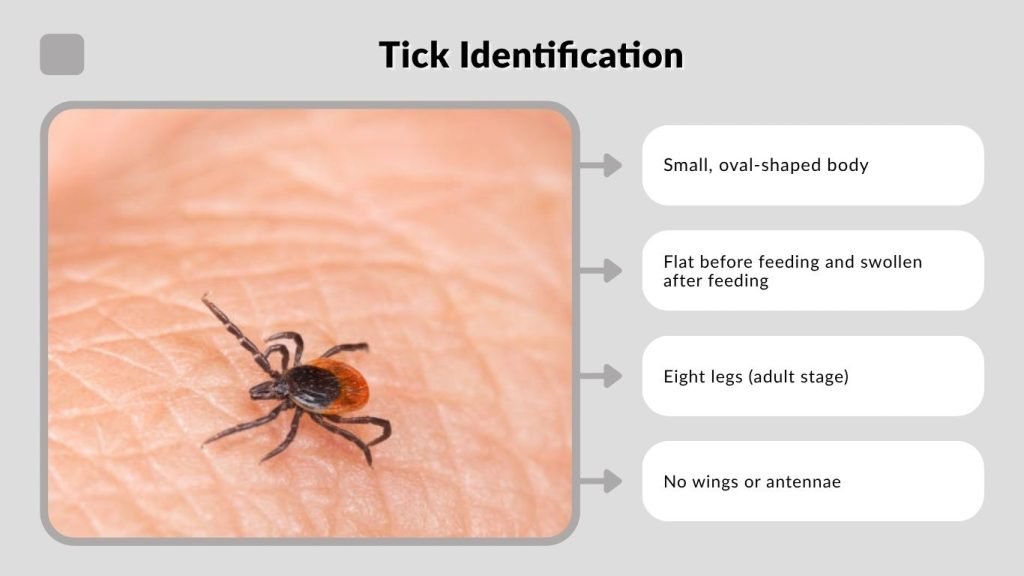
Identifying ticks correctly is crucial to avoid confusion with other small insects and to take appropriate action quickly.
Physical Characteristics
Ticks have a distinctive appearance that sets them apart from other pests:
- Small, oval-shaped body
- Flat before feeding and swollen after feeding
- Eight legs (adult stage)
- No wings or antennae
- Mouthparts designed for piercing skin
When attached to the skin, they may look like a small bump or dark spot.
Size and Color
Ticks vary in size depending on their life stage:
- Larvae: extremely tiny (about the size of a grain of sand)
- Nymphs: slightly larger (similar to a poppy seed)
- Adults: about the size of a sesame seed
Their color can range from:
- Light brown
- Reddish-brown
- Dark brown or black
After feeding, ticks can become noticeably larger and appear grayish or bluish due to the blood they have consumed.
Common Tick Species Identification
Different species of ticks have unique identifying features:
- Deer tick (Black-legged tick): Small, dark-colored, often responsible for transmitting Lyme disease
- Dog tick: Larger with a brown body and sometimes white or gray markings
- Lone star tick: Recognizable by a single white dot on its back (female)
Recognizing these species can help assess potential health risks.
Difference Between Ticks and Similar Bugs
Ticks are often mistaken for other small pests. Here’s how they differ:
- Ticks vs mites: Mites are usually smaller and often microscopic
- Ticks vs bed bugs: Bed bugs have six legs and are more oval and flat
- Ticks vs fleas: Fleas can jump and move quickly, while ticks crawl slowly
Correct identification ensures proper treatment and prevention.
Types of Ticks
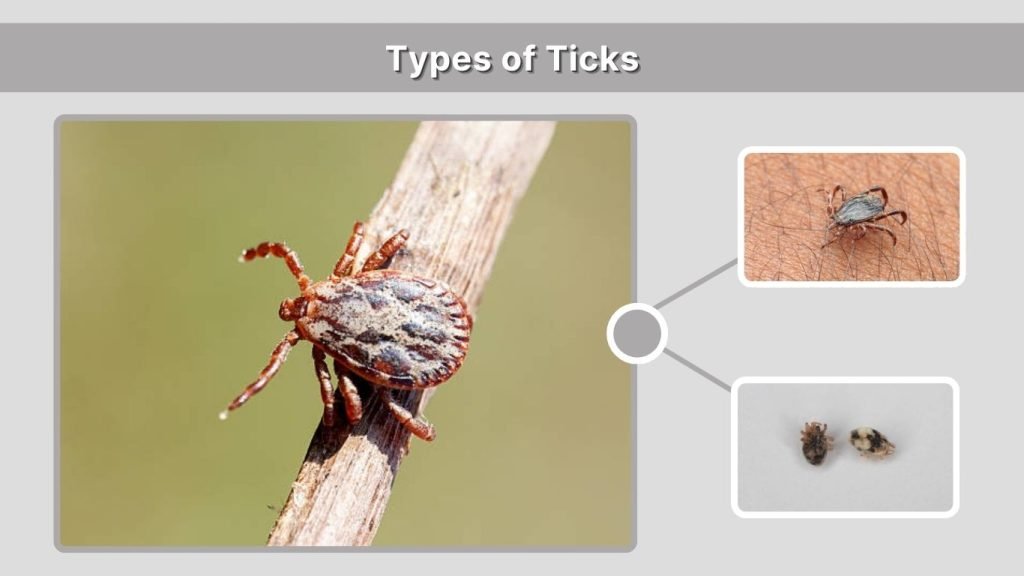
Ticks are divided into two main families, each with distinct characteristics and behaviors.
Hard Ticks (Ixodidae)
Hard ticks are the most common type encountered by humans and pets. They have a hard outer shell called a scutum and tend to feed for longer periods—sometimes several days.
Common examples include:
- Deer ticks
- Dog ticks
- Lone star ticks
These ticks are responsible for transmitting many tick-borne diseases.
Soft Ticks (Argasidae)
Soft ticks do not have a hard outer shell and are less commonly encountered by humans. They typically feed quickly and repeatedly rather than staying attached for long durations.
They are often found in:
- Bird nests
- Animal burrows
- Caves or rural shelters
While less visible, they can still pose health risks in certain environments.
Tick Life Cycle
Ticks go through a complex life cycle consisting of four stages, each requiring a blood meal to progress to the next stage.
- Egg: Female ticks lay thousands of eggs in the environment
- Larva: Six-legged stage that seeks a small host
- Nymph: Eight-legged stage, more likely to bite humans
- Adult: Fully developed and capable of reproduction
This life cycle can take several months to years, depending on environmental conditions such as temperature and humidity.
Ticks are most active during warmer months but can survive in cooler climates as well.
Where Do Ticks Live?
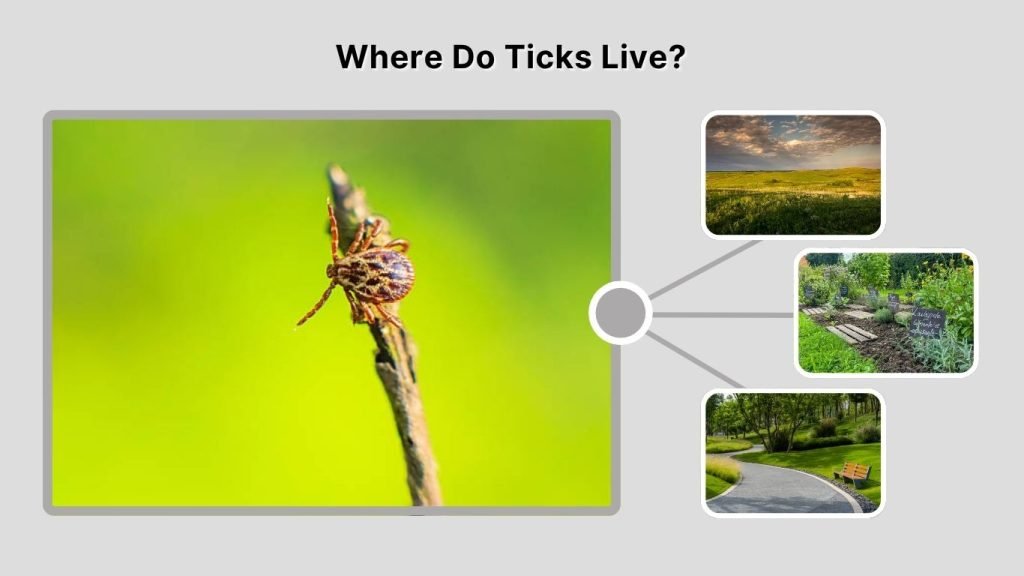
Ticks thrive in environments where they can easily find hosts and maintain moisture. They are highly adaptable and can be found in both rural and urban settings.
- Grasslands: Tall grass provides an ideal place for ticks to wait for passing hosts
- Forests and wooded areas: Leaf litter and shaded areas help retain humidity
- Gardens and yards: Overgrown vegetation and shrubs can attract ticks
- Urban parks: Even city environments can harbor ticks
Ticks are most active during warm and humid seasons, particularly in spring and summer. However, in some regions, they can remain active year-round.
How Ticks Bite Humans
Ticks do not jump or fly. Instead, they use a behavior called “questing,” where they cling to vegetation and latch onto passing hosts.
- They attach when skin or clothing brushes against them
- Use their mouthparts to pierce the skin
- Secrete a substance that numbs the area, making the bite painless
- Feed slowly on blood for hours or even days
Because their bites are painless, many people do not realize they have been bitten until the tick becomes visible.
Diseases Caused by Ticks
Ticks are known carriers of several serious diseases that can affect humans and animals.
- Lyme disease: The most common tick-borne illness, causing rash, fever, and joint pain
- Rocky Mountain spotted fever: A bacterial infection that can become severe if untreated
- Tick paralysis: A rare condition caused by toxins in tick saliva
- Other infections: Including ehrlichiosis and anaplasmosis
Not all ticks carry diseases, but the risk increases the longer a tick remains attached.
Symptoms of Tick Bites
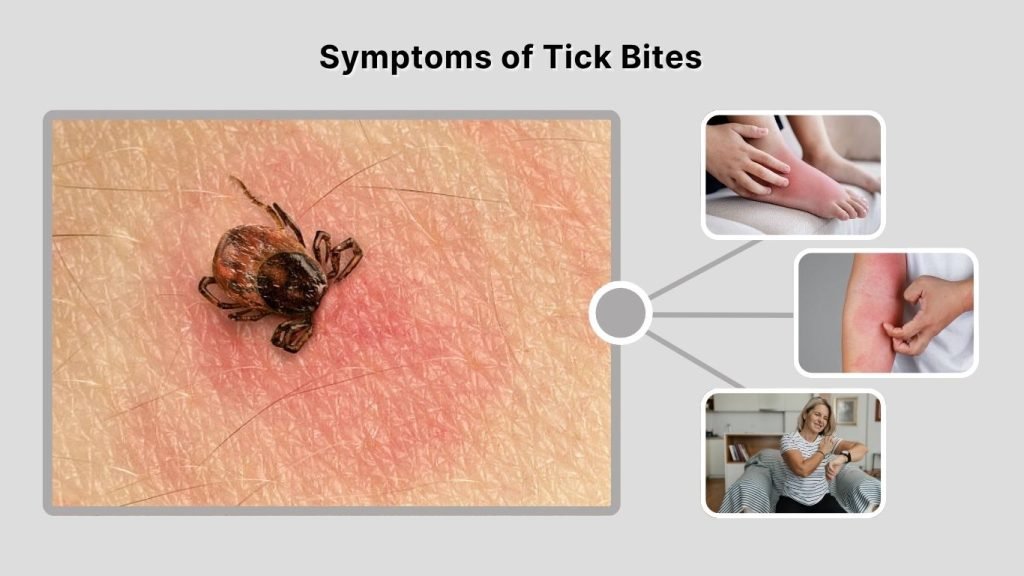
Most tick bites are harmless, but some may lead to noticeable symptoms, especially if infection occurs.
- Redness or swelling at the bite site
- Itching or irritation
- Rash (sometimes a bull’s-eye pattern in Lyme disease)
- Fever, fatigue, or muscle aches
If symptoms develop days or weeks after a bite, medical attention should be sought promptly.
How to Remove a Tick Safely
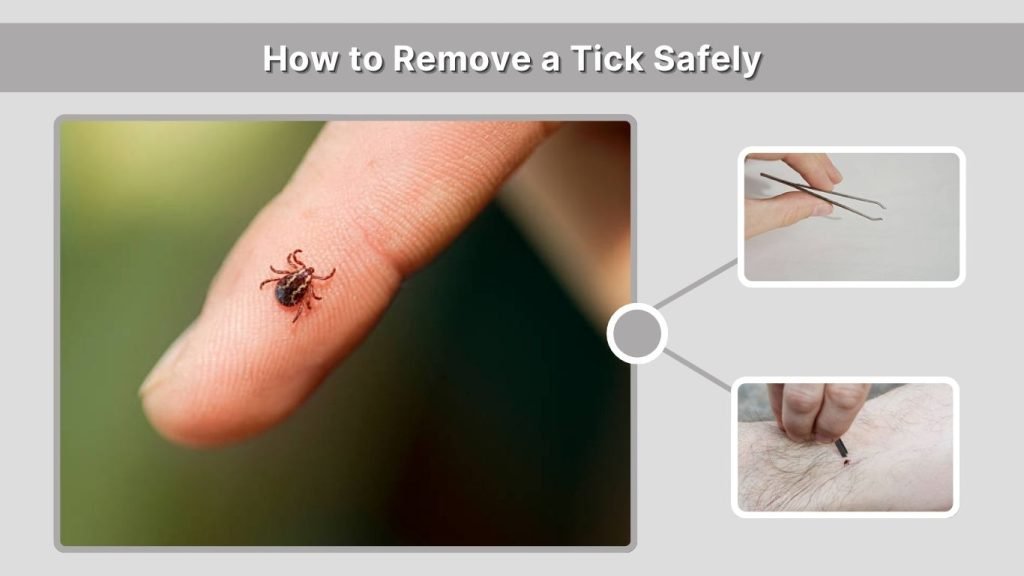
Removing a tick properly is important to reduce the risk of infection.
- Use fine-tipped tweezers
- Grasp the tick as close to the skin as possible
- Pull upward slowly and steadily
- Avoid twisting or crushing the tick
- Clean the bite area with antiseptic afterward
Avoid using home remedies like burning or applying chemicals, as these can worsen the situation.
Tick Prevention Tips
Preventing tick bites is the best way to avoid tick-borne diseases.
- Wear long sleeves and pants in grassy or wooded areas
- Use insect repellents containing DEET or permethrin
- Check your body and clothing after outdoor activities
- Shower soon after being outdoors
- Keep lawns trimmed and remove leaf litter
Regular checks are especially important after spending time in high-risk environments.
Ticks on Pets
Ticks can easily attach to pets and pose health risks to both animals and humans.
- Dogs and cats may carry ticks into the home
- Ticks can cause irritation, infection, or disease in pets
- Regular grooming and inspection are essential
- Use veterinarian-approved tick prevention products
Keeping pets protected helps reduce the overall risk of tick exposure.
Conclusion
Ticks are small but potentially dangerous parasites that can affect both humans and animals. By understanding how to identify ticks, where they live, and how they behave, you can take effective steps to prevent bites and reduce health risks. Awareness and early action are key to staying safe.
FAQs
Where are ticks most commonly found?
Ticks are most commonly found in grassy, wooded, and humid environments where they can easily attach to passing hosts. They tend to live in tall grass, leaf litter, and shrubs. Even gardens and urban parks can harbor ticks, especially if there is enough vegetation and wildlife nearby.
How long does it take for a tick to transmit disease?
In many cases, a tick must remain attached for several hours before transmitting disease. For example, Lyme disease typically requires 24–48 hours of attachment. This is why early detection and prompt removal of ticks are very important in reducing infection risk.
Do all tick bites cause disease?
No, not all tick bites lead to disease. Only certain ticks carry harmful pathogens, and even then, transmission does not always occur. However, because it’s difficult to know which ticks are infected, every bite should be treated with caution and monitored for symptoms.
Can ticks survive indoors?
Ticks can survive indoors for a short time, especially if they are brought in on clothing or pets. However, they generally prefer outdoor environments with humidity. If left unchecked, they may attach to another host, so it’s important to remove them quickly and clean affected areas.
What time of year are ticks most active?
Ticks are most active during warmer months, particularly in spring and summer. However, in mild climates, they can remain active even during fall and winter. Their activity depends largely on temperature and humidity, so they can pose a risk throughout much of the year.
