
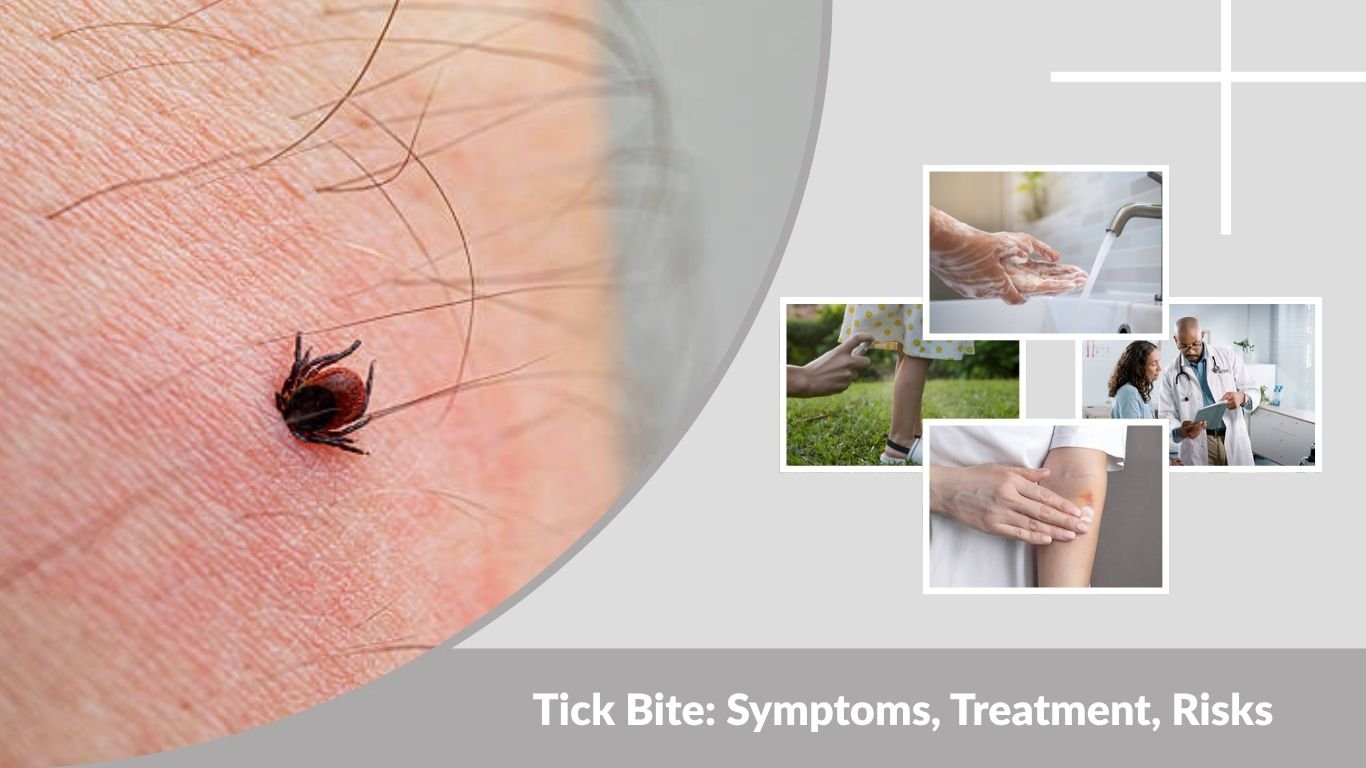
A tick bite may appear minor, but it can lead to significant health concerns if ignored. Ticks are tiny parasites that attach to the skin and feed on blood, often without immediate detection. Some ticks carry harmful bacteria that can transmit diseases like Lyme disease or other infections. Knowing how to recognize a tick bite, remove it safely, and monitor symptoms is essential for early intervention. This guide explains everything you need to stay informed, reduce risks, and protect yourself and your family from complications caused by tick bites.
What Is a Tick Bite?
A tick bite happens when a tick attaches to human skin and begins feeding on blood. These parasites are commonly found in grassy fields, forests, and humid outdoor environments. Because their bite is usually painless, many people do not realize they have been bitten until the tick is noticed. Understanding how tick bites occur helps in early detection and prevention.
- Small parasitic insects that feed on blood
- Found in grass, bushes, and wooded areas
- Attach firmly to skin using mouthparts
- Often go unnoticed due to painless bites
What Does a Tick Bite Look Like?
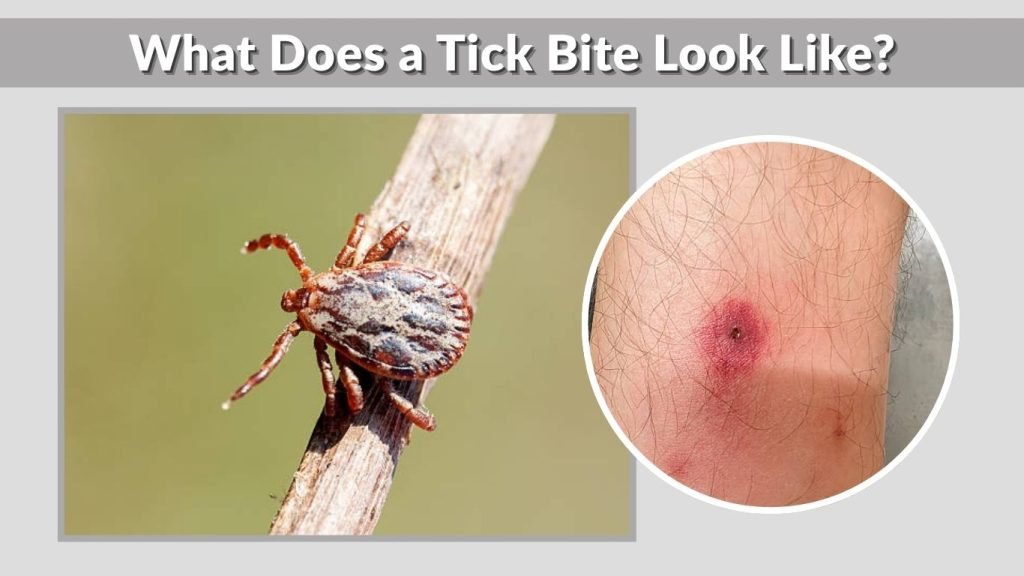
Tick bites can vary in appearance depending on the duration of attachment and whether infection occurs. Most bites start as small red spots but may change over time. Identifying the difference between a normal bite and a concerning one is important for early action.
- Small red bump similar to a mosquito bite
- Central puncture mark where tick attached
- Possible swelling or mild irritation
- Bullseye rash may indicate Lyme disease
Tick Bite Symptoms
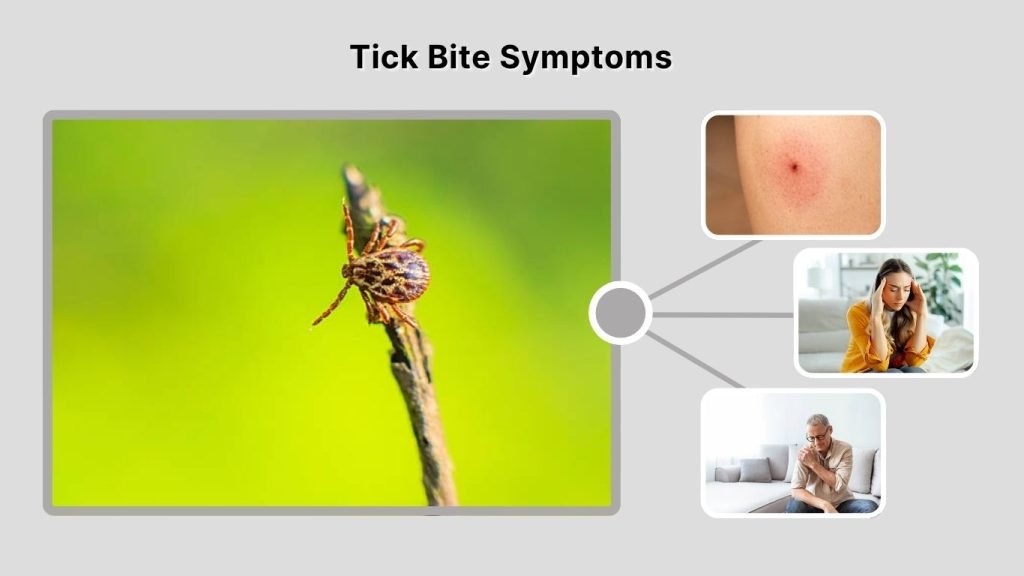
Symptoms of a tick bite can be mild or severe depending on whether the tick carries disease. While many bites cause only minor irritation, some may lead to serious health issues. Monitoring symptoms over time is essential for early diagnosis.
- Redness, itching, or slight swelling
- Fever, fatigue, or headache (delayed)
- Muscle or joint pain
- Rash or unusual skin changes
- Signs of tick-borne illness in some cases
How to Remove a Tick Safely
Removing a tick properly reduces the risk of infection and prevents parts from remaining in the skin. It is important to act carefully and avoid common mistakes that can worsen the situation. Using the right technique ensures safe removal.
- Use fine-tipped tweezers for precision
- Pull upward slowly without twisting
- Remove the entire tick from the skin
- Clean the area with antiseptic afterward
- Avoid burning or applying chemicals
Tick Bite Treatment
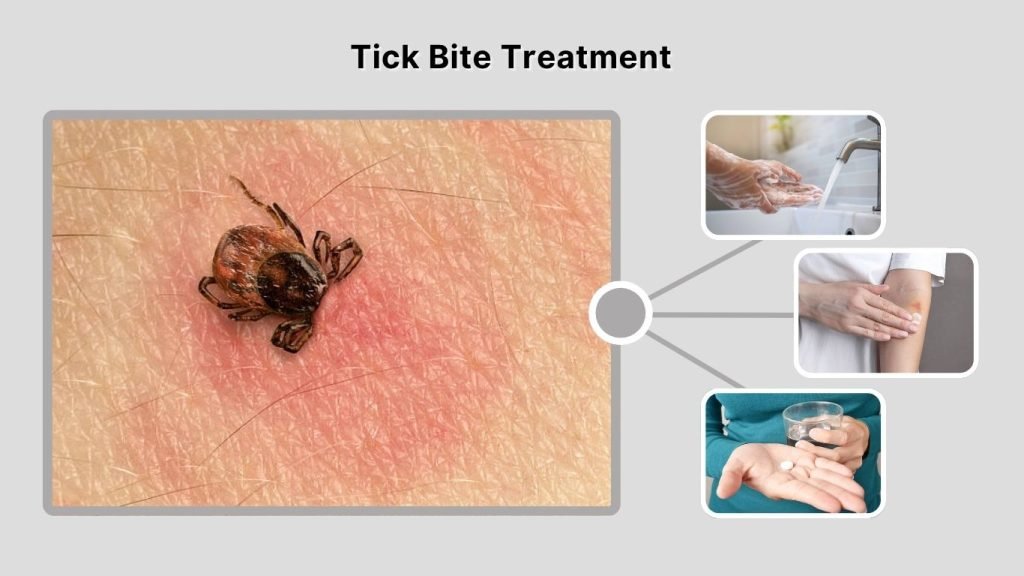
After removal, proper care helps the skin heal and reduces discomfort. Most tick bites can be treated at home, but some situations require medical attention. Keeping the area clean and monitoring symptoms is key.
- Wash the bite area with soap and water
- Apply antiseptic or antibiotic cream
- Use anti-itch creams if irritation occurs
- Take pain relievers if needed
- Seek medical help if symptoms worsen
Tick Bite Risks & Complications
While many tick bites are harmless, some can lead to serious health complications if the tick carries infectious organisms. The risk increases the longer a tick remains attached to the skin. Early removal and symptom awareness are key to preventing long-term problems.
- Lyme disease risk from infected ticks
- Rocky Mountain spotted fever and other illnesses
- Skin infections at the bite site
- Allergic reactions in some individuals
- Increased risk if tick remains attached for long
When to See a Doctor
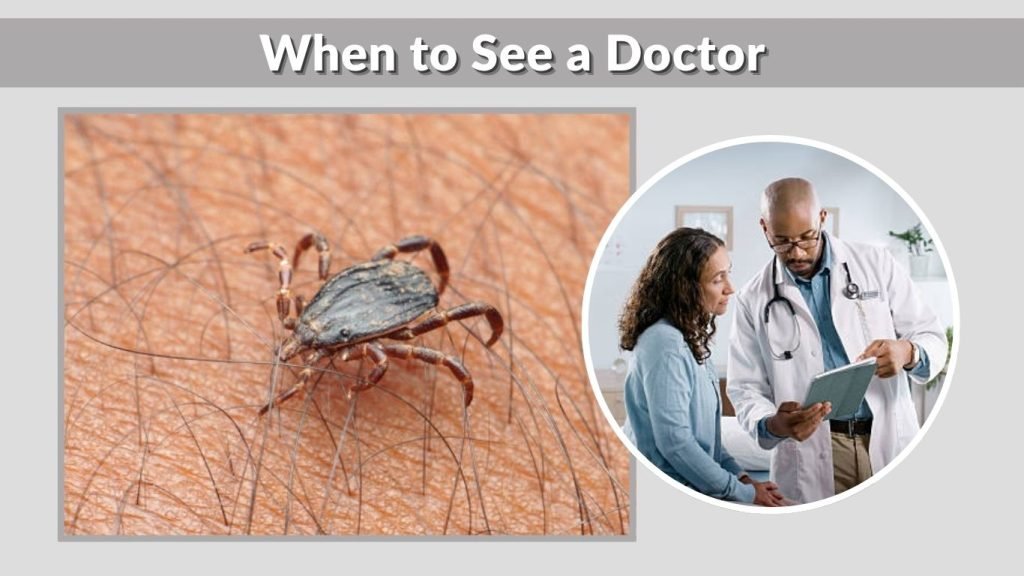
Most tick bites do not require medical attention, but certain symptoms indicate the need for professional care. Early diagnosis can prevent complications and ensure proper treatment, especially if a tick-borne disease is suspected.
- Development of a bullseye-shaped rash
- Fever, chills, or flu-like symptoms
- Severe headache or muscle pain
- Signs of infection (pus, swelling, warmth)
- Tick attached for more than 24–36 hours
How to Prevent Tick Bites
Prevention is the best way to avoid complications from tick bites. Taking simple precautions when spending time outdoors can significantly reduce your risk of exposure.
- Wear long sleeves and protective clothing
- Use insect repellents containing DEET
- Avoid walking through tall grass and bushes
- Check your body after outdoor activities
- Shower soon after returning indoors
Tick Bite Duration & Healing Time
The healing time of a tick bite depends on the individual and whether complications develop. Most bites heal quickly, but some may take longer if irritation or infection occurs.
- Mild bites heal within a few days
- Itching and redness may last up to a week
- Delayed symptoms can appear after several days
- Healing may take longer if infection develops
- Monitoring for 2–4 weeks is recommended
Tick Bite in Children vs Adults
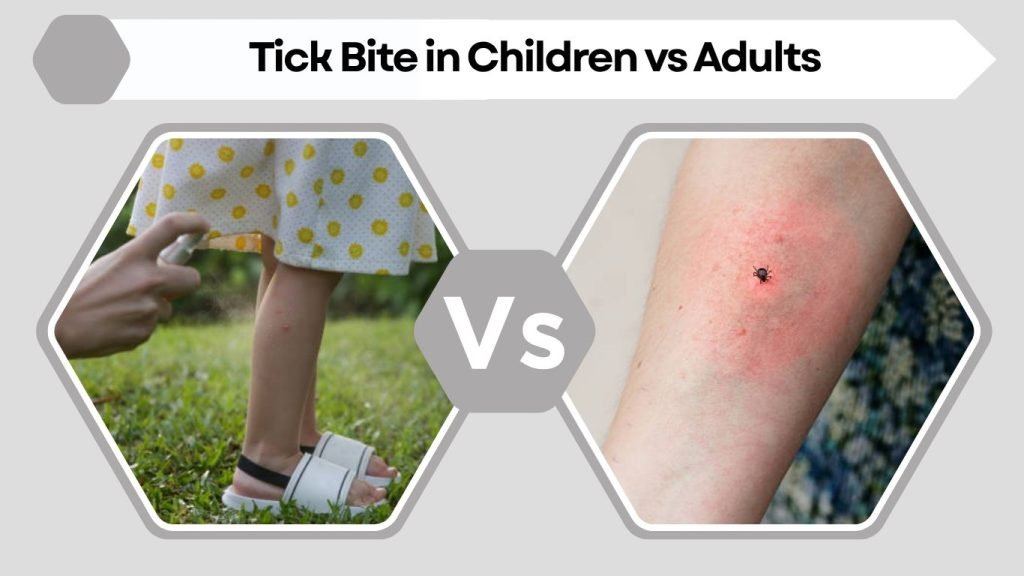
Tick bites can affect both children and adults, but symptoms may appear differently. Children may be more sensitive to irritation and less likely to report early symptoms, making careful observation important.
- Children may experience more itching or discomfort
- Symptoms may be harder to identify early
- Adults may notice fatigue and joint pain sooner
- Treatment approach is generally similar
- Extra monitoring needed for young children
FAQs
How can I tell if a tick is still in my skin?
If a tick is still attached, you may see a small dark or brown insect embedded in your skin. Sometimes only part of the tick remains, appearing as a tiny black dot. If unsure, examine closely or seek medical help to ensure complete removal.
Can a tick bite become infected?
Yes, a tick bite can become infected if bacteria enter the skin. Signs include redness, warmth, swelling, pus, or increasing pain. Keeping the area clean and avoiding scratching helps prevent infection. Seek medical care if symptoms worsen or do not improve.
Do ticks bite at night or during the day?
Ticks can bite at any time, but they are most active in warm, humid conditions, especially during the day in grassy or wooded areas. They latch onto hosts when brushing against vegetation, rather than actively seeking people like mosquitoes do.
Should I save the tick after removal?
Saving the tick can be helpful for identification if symptoms develop later. Place it in a sealed container or plastic bag with a date label. This may assist healthcare providers in determining the risk of disease and appropriate treatment if needed.
Can pets bring ticks into the home?
Yes, pets can carry ticks into your home after being outdoors. Ticks may transfer from animals to humans or remain in living spaces. Regularly checking pets, using tick prevention products, and maintaining cleanliness can reduce the risk of indoor exposure.
Conclusion
Tick bites are common but should never be ignored. Proper removal, early symptom recognition, and preventive measures play a crucial role in avoiding complications. By staying informed and vigilant, you can protect yourself and your family from the potential risks associated with tick bites and ensure quick, safe recovery.
