
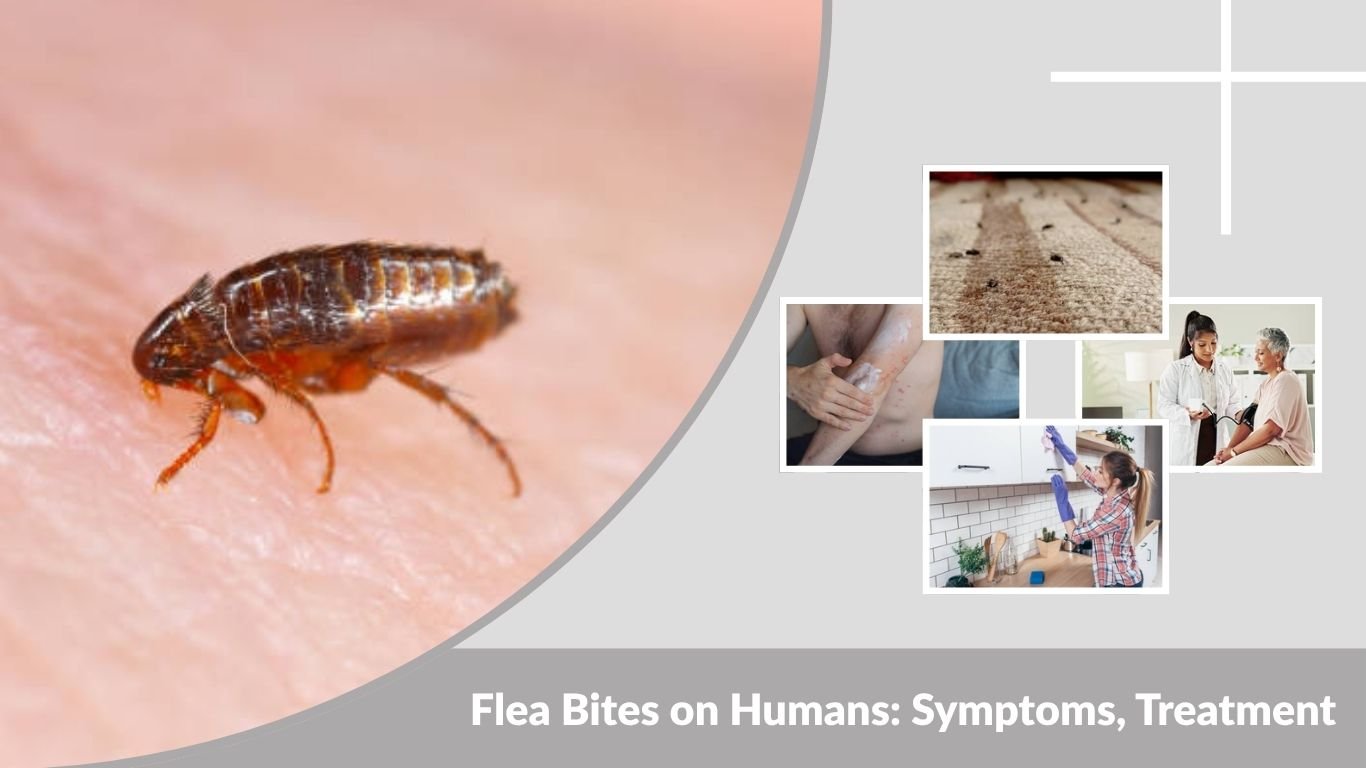
Flea bites on humans are a common problem, especially in homes with pets or in areas where fleas are present. These tiny parasites typically prefer animals like dogs and cats, but they will bite humans when given the opportunity. Although flea bites are usually not dangerous, they can cause intense itching, discomfort, and irritation.
Understanding flea bites is important for identifying the source of the problem and preventing further infestations. By recognizing the signs early, you can take steps to treat the bites and eliminate fleas from your environment.
What Are Flea Bites on Humans?
Flea bites occur when fleas pierce the skin and feed on human blood. Fleas are small, wingless insects that survive by feeding on warm-blooded hosts. While humans are not their preferred hosts, they can still be affected when fleas are present in the environment.
How Fleas Bite Humans
Fleas use sharp mouthparts to puncture the skin and draw blood. During feeding, they inject saliva into the skin, which often triggers an allergic reaction. This reaction is what causes the itching and redness associated with flea bites.
Why Fleas Bite Humans
Fleas usually prefer animals, but they will bite humans when their primary hosts are unavailable or when infestations become severe. Humans can also be bitten when walking through infested areas such as carpets, bedding, or grassy outdoor spaces.
What Do Flea Bites Look Like on Humans?
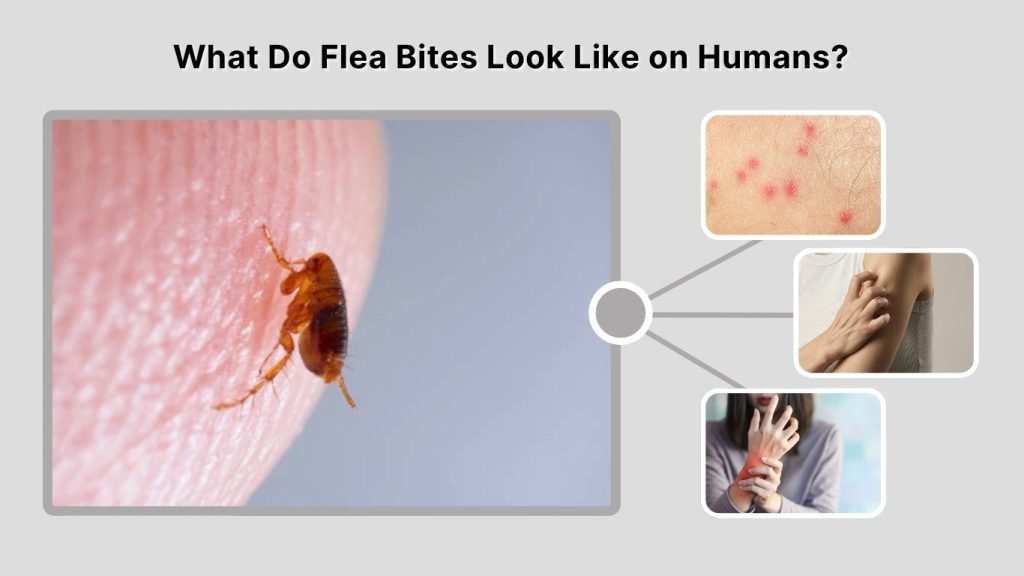
Flea bites have a distinct appearance that can help differentiate them from other insect bites. However, the exact look may vary depending on a person’s skin sensitivity.
Common Symptoms
Flea bites typically appear as small, red bumps that may have a darker center. They are often surrounded by a slightly swollen area and are extremely itchy. Scratching can make the irritation worse and may lead to redness or inflammation.
Where Flea Bites Commonly Appear
Flea bites are most commonly found on the lower parts of the body, especially around the ankles and feet. They may also appear on the legs, waist, or areas where clothing fits tightly against the skin. These locations are more accessible to fleas, which usually stay close to the ground.
Signs You Have Flea Bites
Recognizing flea bites early can help you take action before the problem spreads further. Their pattern and location often provide important clues.
Bite Patterns
Flea bites often appear in clusters or small groups, sometimes forming a line of two or three bites. This pattern occurs because fleas may bite multiple times in one area while feeding.
Differences from Other Bites
Compared to mosquito bites, flea bites are smaller and tend to appear in groups rather than as single, isolated bumps. Unlike bed bug bites, which may occur on various parts of the body, flea bites are more commonly concentrated on the lower body.
Causes of Flea Infestation in Humans
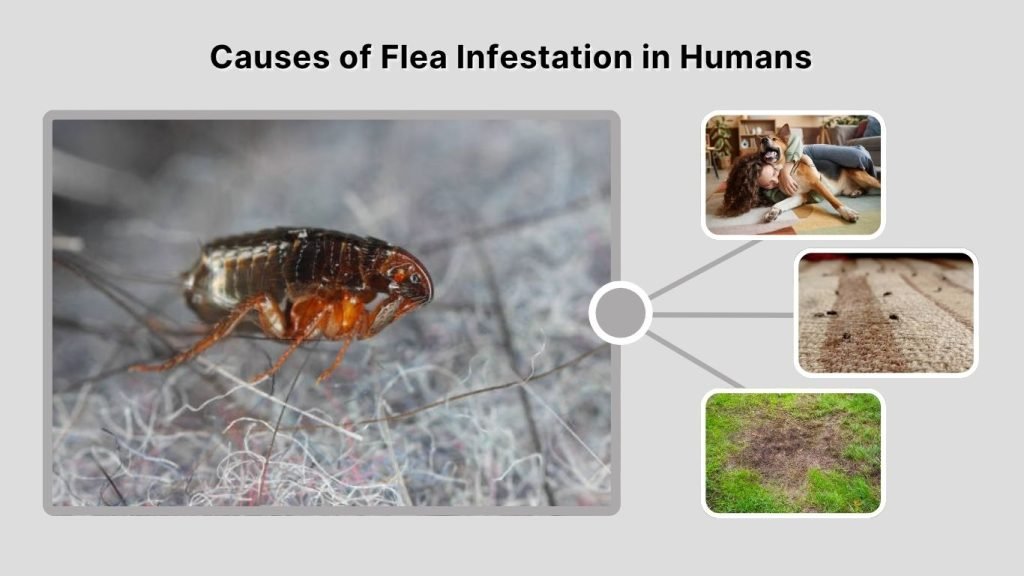
Flea bites usually indicate the presence of fleas in your surroundings. Understanding how infestations occur can help you address the root cause.
Pets and Animals
Pets such as dogs and cats are the most common carriers of fleas. Once fleas attach to a pet, they can spread into the home environment, laying eggs that hatch and multiply quickly.
Indoor Infestation
Fleas can live in carpets, furniture, bedding, and cracks in floors. Their eggs can fall off pets and remain hidden until they hatch, leading to repeated exposure even if you do not see the fleas directly.
Outdoor Exposure
Fleas are also found in outdoor environments like grass, soil, and shaded areas. People can bring fleas indoors after spending time in infested areas, especially if pets accompany them.
Are Flea Bites Dangerous to Humans?
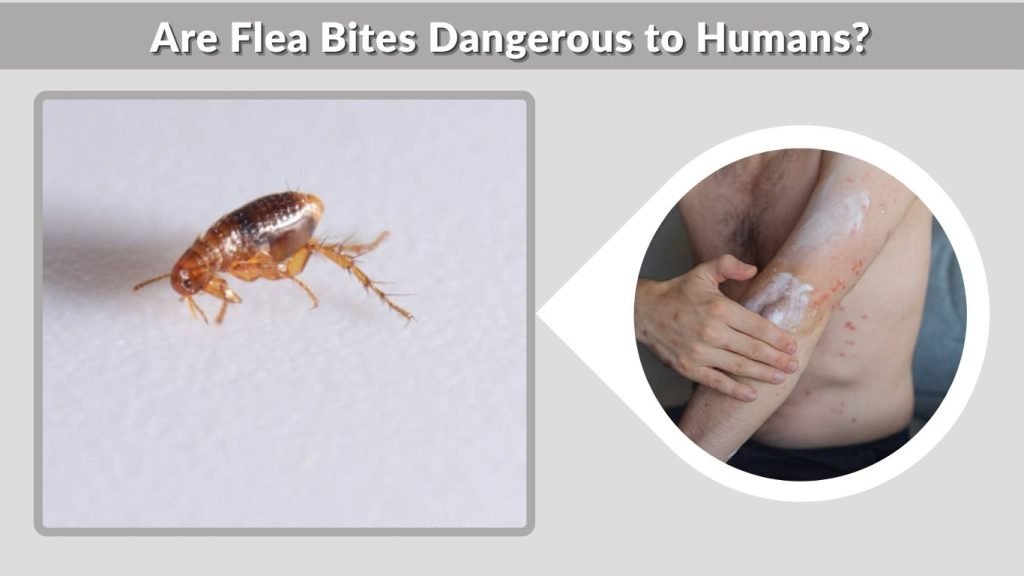
In most cases, flea bites are not dangerous, but they can cause discomfort and irritation. The severity of the reaction varies from person to person.
Skin Reactions
Flea bites often lead to itching, redness, and mild swelling. Some individuals may experience stronger reactions, especially if they are sensitive to flea saliva. This can result in more noticeable inflammation and discomfort.
Risk of Infection
Excessive scratching can break the skin and increase the risk of infection. When bacteria enter these small wounds, it may lead to further complications such as redness, pain, or pus formation.
Disease Transmission
Although rare, fleas can carry certain bacteria and parasites. While transmission to humans is uncommon, it is still important to manage infestations promptly to reduce any potential risk.
How to Treat Flea Bites on Humans
Treating flea bites focuses on relieving itching, reducing inflammation, and preventing infection. Most flea bites can be managed at home with simple care.
Immediate Relief
The first step is to clean the affected area with soap and water to reduce irritation and remove any bacteria. Applying a cold compress can help calm the skin and reduce swelling. Avoid scratching, as this can worsen the irritation and increase the risk of infection.
Medical Treatments
Over-the-counter treatments such as antihistamines and hydrocortisone creams are commonly used to reduce itching and inflammation. In more severe cases, a doctor may recommend stronger medications to control allergic reactions or treat infections.
Home Remedies
Natural remedies like aloe vera or oatmeal-based products can soothe irritated skin. These options may provide temporary relief, especially for mild bites. However, they should be used alongside proper flea control to prevent recurring bites.
How to Get Rid of Fleas in Your Home
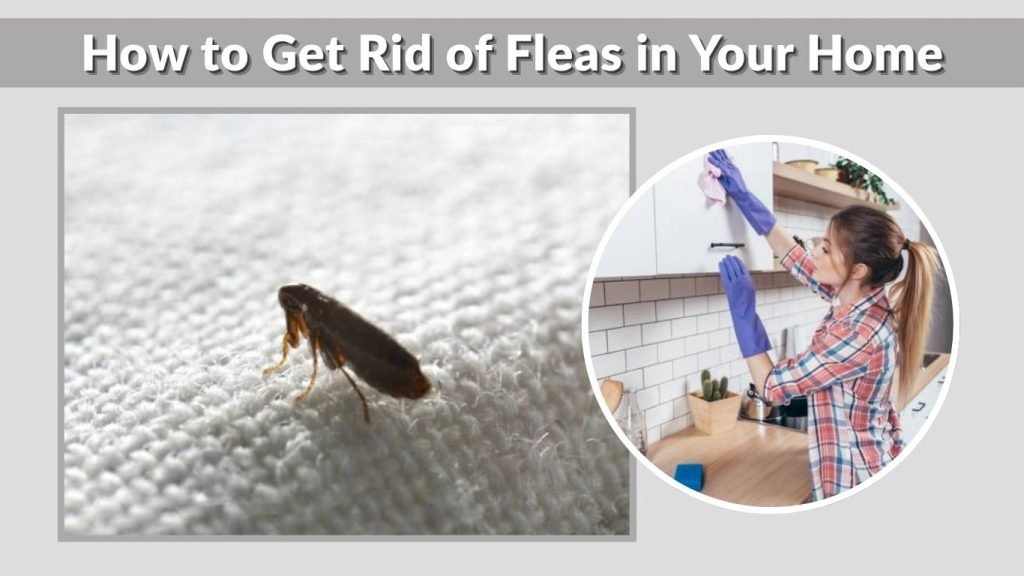
Eliminating fleas from your environment is essential to stop ongoing bites. Treating bites alone will not solve the problem if fleas remain in your home.
Treating Pets
If you have pets, they should be treated first since they are often the main source of fleas. Using veterinarian-approved flea treatments helps remove fleas and prevent them from returning.
Cleaning the House
Thorough cleaning is necessary to remove fleas and their eggs. Vacuuming carpets, rugs, and furniture can help eliminate hidden fleas. Washing bedding, clothing, and pet items in hot water is also important.
Environmental Control
Outdoor areas such as gardens and yards may also need attention. Keeping grass trimmed and reducing damp, shaded areas can make the environment less suitable for fleas. In severe cases, professional pest control may be required.
How to Prevent Flea Bites on Humans
Preventing flea bites involves reducing exposure to fleas and maintaining a clean environment.
Personal Protection
Wearing protective clothing such as long pants and socks can help reduce the risk of bites, especially in areas where fleas are common. Using insect repellents may also provide additional protection.
Home Prevention
Regular cleaning and proper pet care are key to preventing flea infestations. Using preventive treatments on pets and maintaining hygiene in living spaces can significantly reduce the chances of flea problems.
When to See a Doctor
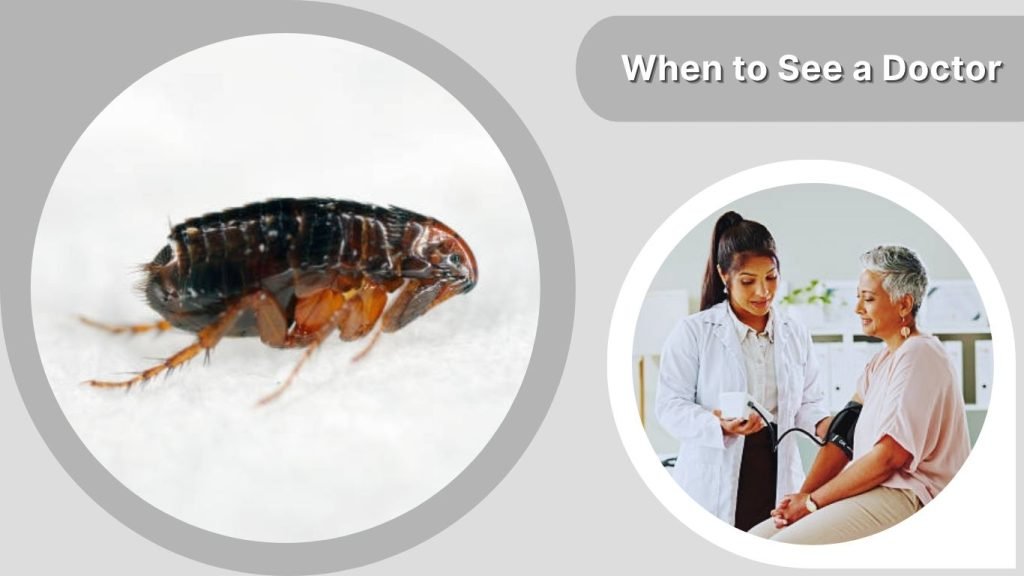
Most flea bites are harmless, but certain situations may require medical attention.
Severe Allergic Reaction
If you experience severe swelling, intense itching, or difficulty breathing, it is important to seek medical help immediately. These symptoms may indicate an allergic reaction.
Signs of Infection
If the bite area becomes increasingly red, painful, or filled with pus, it may be infected. A doctor can provide appropriate treatment to prevent further complications.
Flea Bite Facts
Flea bites are more common than many people realize, and understanding a few key facts can help you manage them effectively.
Fleas Prefer Animals Over Humans
Fleas typically prefer animals as their primary hosts. Humans are usually bitten only when fleas are abundant or when pets are not available.
Fleas Can Jump Long Distances
Fleas are capable of jumping significant distances compared to their size. This ability allows them to easily move between hosts and spread quickly within a home.
FAQs
How long do flea bites last on humans?
Flea bites usually last from a few days to about a week. The itching may continue longer if the bites are scratched or irritated. Proper care can help speed up healing.
Do flea bites spread from person to person?
Flea bites do not spread directly between people. However, fleas can move between individuals if they are present in the environment, which may lead to multiple people being bitten.
Why are flea bites so itchy?
Flea bites are itchy because of the saliva injected into the skin during feeding. This saliva triggers an allergic reaction, causing irritation and discomfort.
Can flea bites leave scars?
Flea bites usually do not leave scars, but excessive scratching can damage the skin and lead to marks or scarring. Avoiding scratching helps prevent this issue.
Are flea bites worse at night?
Flea bites may seem worse at night because itching can feel more intense when you are resting. Fleas are active at various times, but nighttime awareness often makes the irritation more noticeable.
Conclusion
Flea bites on humans are a common but manageable issue that often results from contact with pets or infested environments. While the bites themselves are usually harmless, they can cause significant discomfort and irritation. Proper treatment, along with thorough cleaning and prevention measures, is essential to eliminate fleas and avoid future bites. By addressing both the symptoms and the source, you can effectively protect yourself and maintain a comfortable, flea-free environment.
