
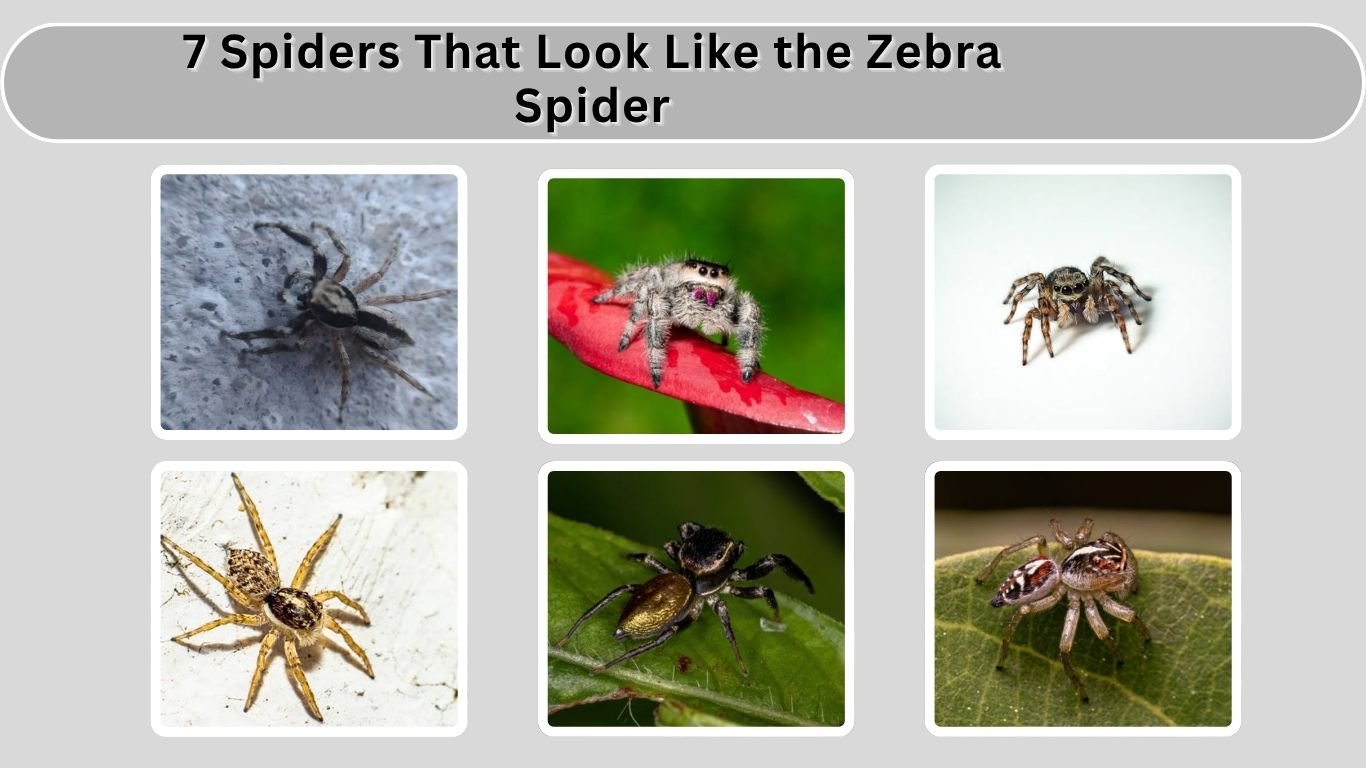
Jumping spiders are small, active hunters known for their excellent vision and bold patterns. Among them, the Zebra Spider is one of the most recognizable, but several other species closely resemble it in appearance and behavior. These lookalike spiders share similar body shapes, markings, and habitats, which can make identification challenging. Understanding these species helps in recognizing their differences and appreciating their role in controlling insect populations. In this guide, we explore spiders that look like the Zebra Spider, highlighting their key features, habitats, and behaviors.
1. Bold Jumping Spider
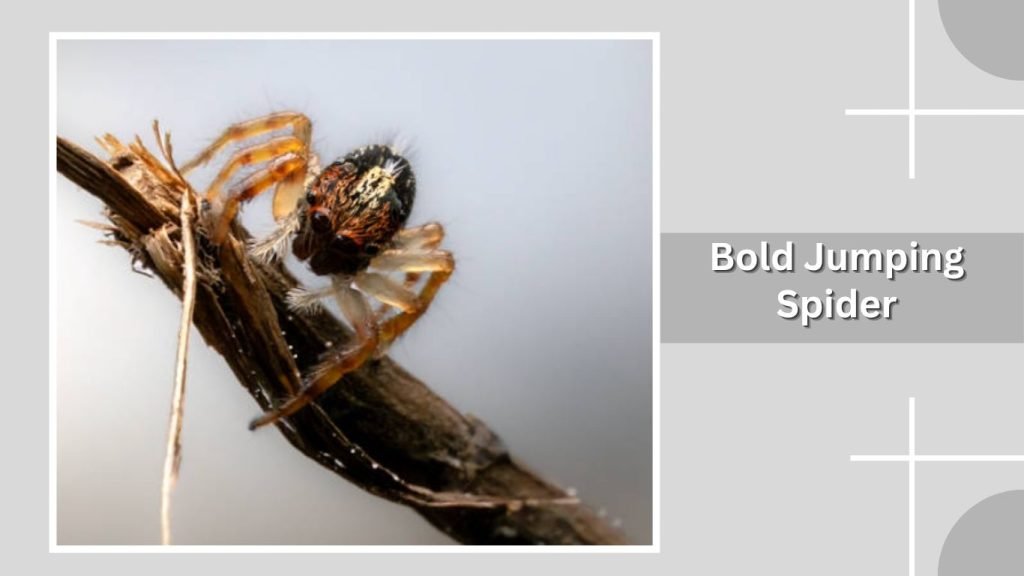
The Bold Jumping Spider is one of the most recognizable jumping spiders and is often mistaken for the Zebra Spider due to its compact body, striking patterns, and active daytime behavior. It belongs to the Salticidae family, known for excellent vision and agile hunting skills. This spider is commonly seen in human habitats, making encounters frequent. Despite its somewhat intimidating appearance, it is harmless to humans and plays a useful role in controlling insect populations.
Identification
- Black body with bold white spots or patches on the abdomen
- Sturdy, compact body structure
- Large, forward-facing eyes typical of jumping spiders
- Males often display more contrasting and vivid markings
- Short legs with noticeable hair
Habitat
The Bold Jumping Spider thrives in a wide range of environments, especially around human structures. It is frequently found on walls, fences, decks, gardens, and window sills where sunlight is abundant. These spiders prefer warm, dry conditions and are commonly spotted in both urban and rural settings. They tend to choose elevated surfaces that give them a better vantage point for spotting prey.
Behavior
This spider is highly active during the day and relies on its excellent vision to hunt rather than using webs. It stalks its prey carefully before making a quick, precise jump to capture it. Bold Jumping Spiders are also known for their curious nature and may turn to observe movement, including humans. They use silk as a safety line when jumping, which helps prevent falls and aids in climbing.
Diet
The diet of the Bold Jumping Spider mainly consists of small insects such as flies, mosquitoes, beetles, and other tiny arthropods. It is an opportunistic hunter and contributes significantly to natural pest control. Its hunting strategy involves stalking and ambushing prey rather than trapping it in a web, making it an efficient and fascinating predator.
2. Regal Jumping Spider
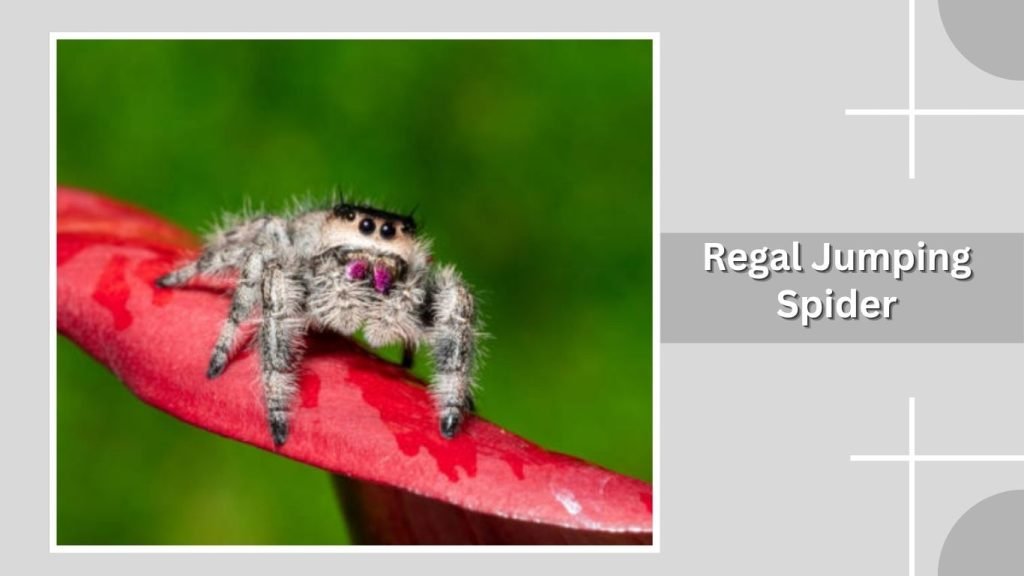
The Regal Jumping Spider is one of the largest and most visually striking jumping spiders, often confused with the Zebra Spider due to its bold coloration and similar body shape. Native to warmer regions, it is especially known for its vibrant patterns and confident, active movements. Despite its size, it is harmless and admired for its curious behavior and excellent eyesight.
Identification
- Black body with white spots or bands on the abdomen
- Larger size compared to most jumping spiders
- Males often have white markings; females may show orange or gray patterns
- Thick, sturdy legs with visible hair
- Prominent forward-facing eyes
Habitat
Regal Jumping Spiders prefer warm, sunny environments and are commonly found in gardens, shrubs, walls, fences, and around buildings. They thrive in areas where vegetation and open spaces meet, giving them access to both shelter and hunting grounds. These spiders are especially common in subtropical and tropical regions but can also be found in residential areas where suitable conditions exist.
Behavior
This species is active during the day and relies heavily on vision to hunt. It stalks prey with precision and leaps to capture it, using silk as a safety line. Regal Jumping Spiders are also known for their bold and curious nature, often turning to face movement. Males perform elaborate courtship dances involving leg waving and body vibrations to attract females.
Diet
The Regal Jumping Spider feeds on a variety of small insects, including flies, moths, and other arthropods. It is an efficient predator that helps control pest populations. Its hunting method involves careful observation, slow approach, and a sudden leap, making it a highly skilled and effective hunter.
3. Twin-flagged Jumping Spider
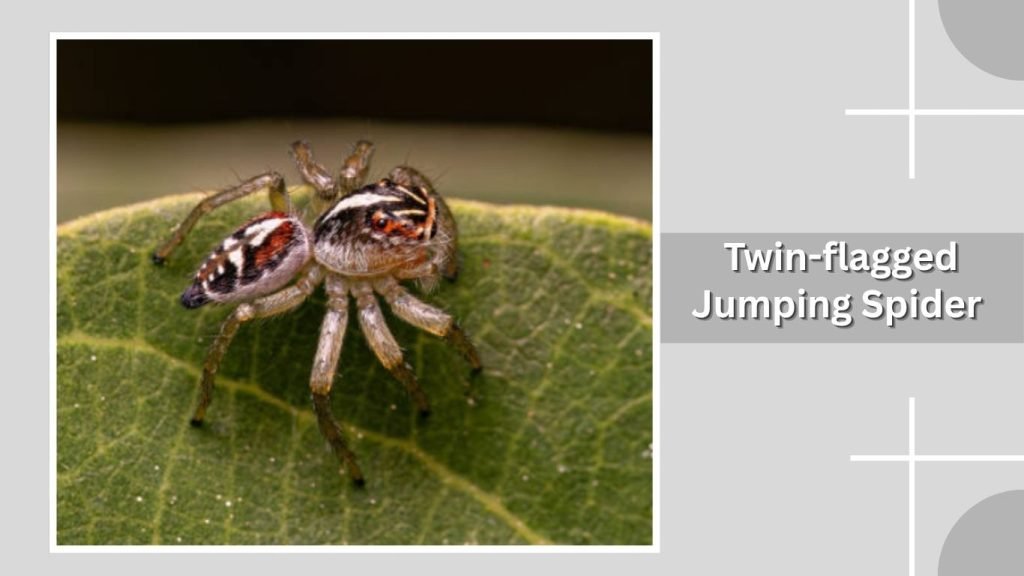
The Twin-flagged Jumping Spider is a distinctive species that can sometimes be confused with the Zebra Spider due to its contrasting markings and compact body. It gets its name from the unique “flag-like” appendages seen in males. This spider is less common but still shares the active hunting style and excellent vision typical of jumping spiders.
Identification
- Dark body with contrasting white or light markings
- Males have two elongated, flag-like structures near the mouthparts
- Compact and slightly flattened body shape
- Large, forward-facing eyes
- Hairy legs with subtle banding
Habitat
Twin-flagged Jumping Spiders are typically found in warmer climates and prefer natural habitats such as forests, bushes, and grassy areas. They can also be seen on tree bark, rocks, and occasionally on walls or fences. These spiders favor environments where they can easily hide and ambush prey while still having good visibility.
Behavior
This species is diurnal and relies on its sharp eyesight to detect and stalk prey. Like other jumping spiders, it does not use webs to catch food but instead uses stealth and precise jumping. Males are particularly notable for their courtship displays, where they raise and wave their “flags” to attract females. They are generally shy but may pause and observe movement when approached.
Diet
The Twin-flagged Jumping Spider feeds on small insects such as flies, ants, and other tiny arthropods. It is an active hunter that uses patience and quick reflexes to capture prey. Its role in controlling insect populations makes it beneficial in both natural and human-influenced environments.
4. Bronze Jumping Spider
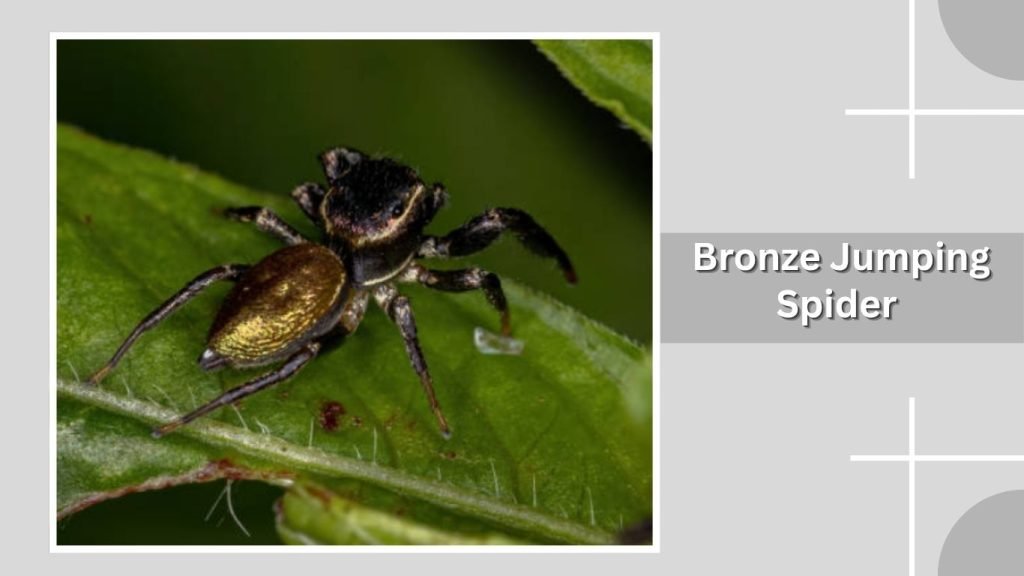
The Bronze Jumping Spider is a small but eye-catching species that can resemble the Zebra Spider due to its patterned body and similar size. Its subtle metallic tones and quick movements make it a unique member of the jumping spider family. It is commonly seen in sunny outdoor areas where it actively hunts during the day.
Identification
- Bronze or brownish body with lighter markings
- Slight metallic sheen on the abdomen
- Compact body typical of jumping spiders
- Large, forward-facing eyes
- Legs may show faint banding
Habitat
Bronze Jumping Spiders are often found in open, sunlit environments such as gardens, fields, and along fences or walls. They prefer areas with vegetation where insects are abundant. These spiders are well adapted to both natural habitats and human surroundings, often appearing on plants, tree trunks, and outdoor structures.
Behavior
This spider is active during daylight hours and uses its excellent vision to locate prey. It stalks slowly and carefully before making a precise leap to capture its target. Like other jumping spiders, it produces a silk dragline for safety when jumping. It tends to be alert and may turn to face movement, showing a curious but cautious nature.
Diet
The Bronze Jumping Spider feeds on small insects such as flies, gnats, and other tiny arthropods. It does not rely on webs for hunting, instead using its agility and sharp eyesight. This makes it an effective natural predator that helps keep insect populations in balance.
5. Gray Wall Jumping Spider
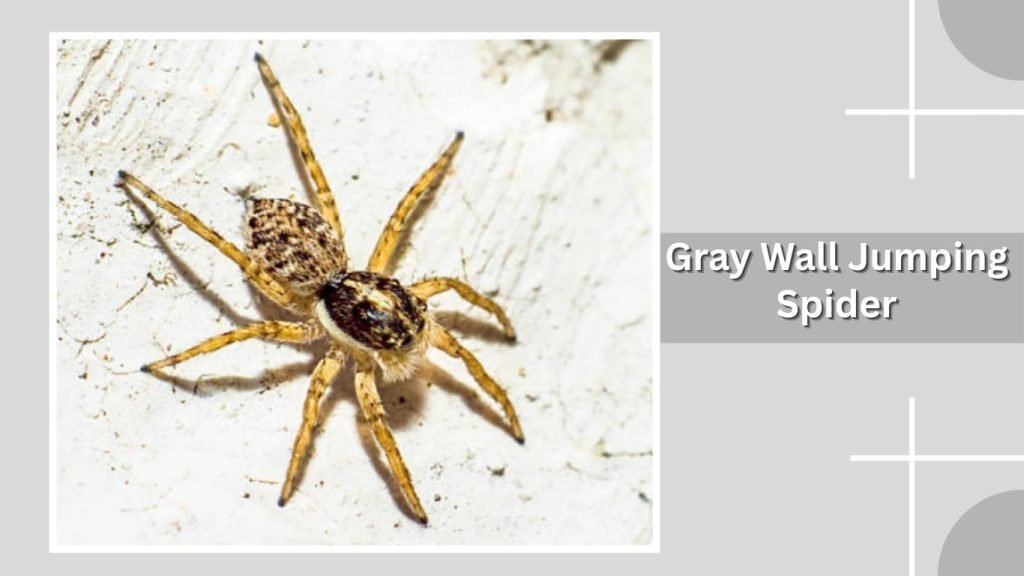
The Gray Wall Jumping Spider closely resembles the Zebra Spider in both appearance and behavior, especially due to its striped patterns and preference for walls and buildings. It is commonly found in urban environments and is known for blending well with concrete and stone surfaces. Its subtle coloration helps it stay hidden while hunting.
Identification
- Gray or light brown body with darker stripes or markings
- Flattened body that helps it cling to surfaces
- Large, forward-facing eyes
- Legs often show faint banding
- Overall muted coloration for camouflage
Habitat
Gray Wall Jumping Spiders are most often seen on walls, fences, rocks, and building exteriors. They prefer dry, sunlit surfaces where insects are active. These spiders are highly adaptable and thrive in cities, towns, and rural areas alike. Their ability to blend with man-made structures makes them especially common around homes.
Behavior
This species is active during the day and hunts using its keen eyesight. It moves in short bursts, pausing frequently to observe its surroundings before attacking prey. Like other jumping spiders, it uses silk as a safety line when leaping. It is generally cautious but may show curiosity by turning toward movement.
Diet
The Gray Wall Jumping Spider feeds on a variety of small insects, including flies, ants, and other arthropods. It relies on stealth and quick reflexes rather than webs to catch prey. This hunting style makes it an efficient predator and beneficial for controlling pest insects around homes and buildings.
6. Tan Jumping Spider
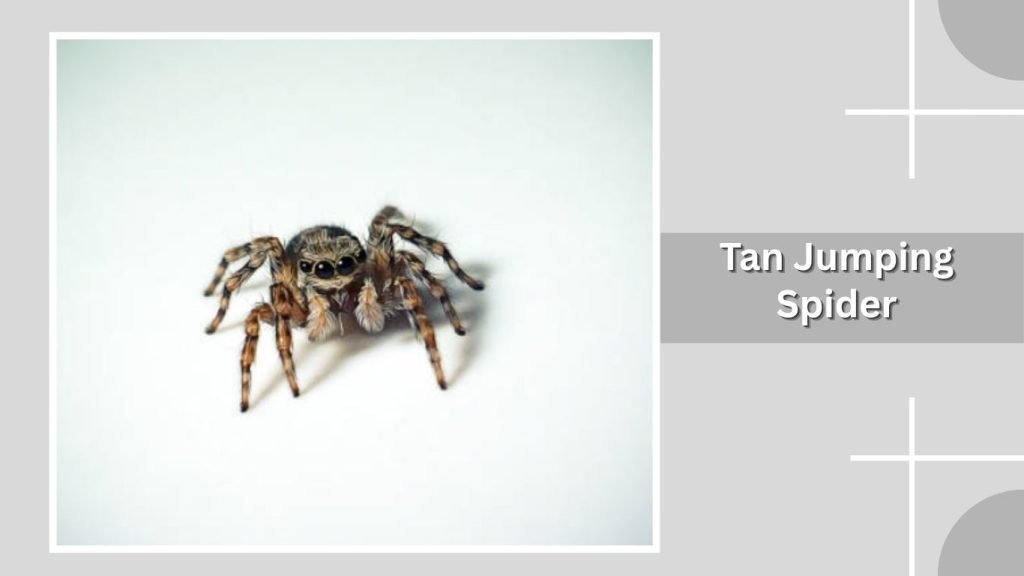
The Tan Jumping Spider is a lighter-colored species that can sometimes be mistaken for the Zebra Spider, especially when markings are faint or less defined. Its soft coloration and similar body structure make it a close visual match in certain lighting conditions. Like other jumping spiders, it is active, alert, and commonly seen during the day.
Identification
- Light tan or beige body color
- Subtle darker markings or faint patterns
- Compact, slightly rounded body
- Large, forward-facing eyes
- Legs are pale with minimal banding
Habitat
Tan Jumping Spiders are typically found in grassy areas, shrubs, gardens, and occasionally on walls or fences. They prefer warm, dry environments where they can easily hunt for prey. These spiders are adaptable and can live in both natural settings and near human dwellings, especially where vegetation is present.
Behavior
This species is diurnal and relies on its excellent vision to detect prey. It moves in quick, jerky motions, stopping frequently to assess its surroundings. When hunting, it carefully approaches before making a sudden leap. Like all jumping spiders, it uses a silk dragline for safety. It tends to be less bold than some other species but may still show curiosity toward movement.
Diet
The Tan Jumping Spider feeds on small insects such as flies, aphids, and other tiny arthropods. It plays an important role in maintaining ecological balance by reducing pest populations. Its hunting technique involves stalking and ambushing prey rather than using webs, making it an efficient and agile predator.
7. Asian Wall Jumping Spider
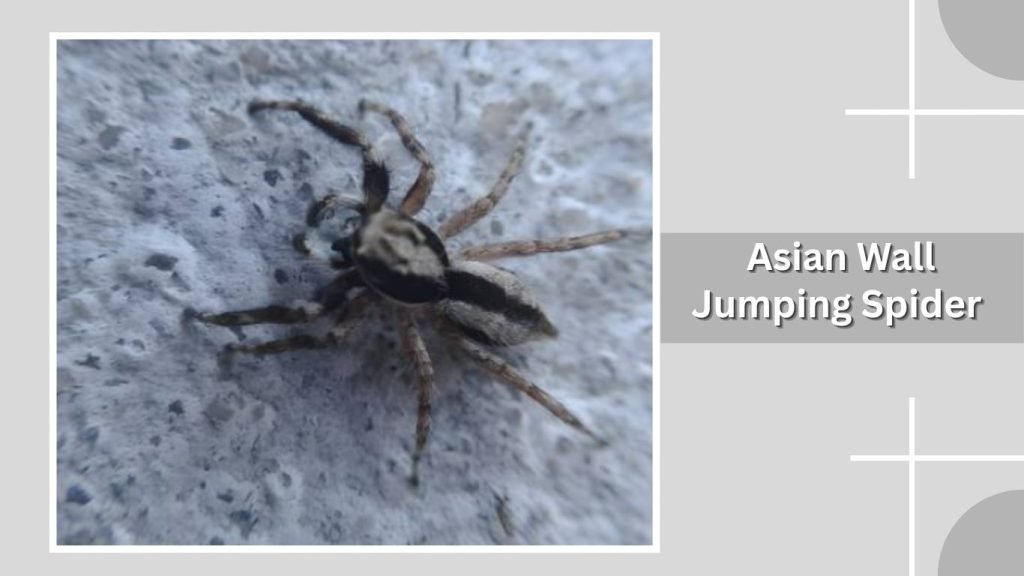
The Asian Wall Jumping Spider is a common species in many parts of Asia and is often mistaken for the Zebra Spider due to its striped appearance and similar size. It is well adapted to human environments and is frequently seen on walls and buildings. Its quick movements and bold patterns make it easy to notice during the day.
Identification
- Black or dark brown body with white or light stripes
- Compact, slightly flattened body
- Large, forward-facing eyes
- Legs may show banded patterns
- Overall appearance similar to Zebra Spider
Habitat
Asian Wall Jumping Spiders are commonly found on walls, ceilings, fences, and building exteriors. They prefer warm climates and are especially abundant in urban and suburban areas. These spiders thrive in places where insects gather, such as near lights or windows, making human structures ideal habitats.
Behavior
This species is active during daylight and hunts using its sharp vision. It moves quickly, often pausing to observe before attacking prey. Like other jumping spiders, it uses silk as a safety line when jumping. It is generally bold and may approach or watch movement, showing curiosity toward its surroundings.
Diet
The Asian Wall Jumping Spider feeds on small insects such as flies, mosquitoes, and other arthropods. It does not rely on webs but instead uses stalking and jumping to capture prey. This makes it an effective natural pest controller, especially in and around homes.
FAQs
Are jumping spiders dangerous to humans?
Jumping spiders, including those that resemble the Zebra Spider, are generally harmless to humans. They are not aggressive and will only bite if they feel directly threatened. Even in rare cases of bites, the effects are usually mild and similar to a small insect sting.
Why do these spiders look similar to Zebra Spiders?
Many jumping spiders share similar body shapes, patterns, and behaviors because they belong to the same family (Salticidae). Their striped or spotted appearances often serve as camouflage or signaling, which can make different species look alike at a glance.
Do jumping spiders build webs?
Unlike many other spiders, jumping spiders do not use webs to catch prey. Instead, they actively hunt using their excellent vision and powerful jumping ability. However, they do use silk to create shelters and safety lines when moving or jumping.
Where are these spiders commonly found?
These spiders are found in a wide range of environments, including gardens, forests, walls, fences, and inside homes. They prefer warm, sunny areas where insects are abundant, making urban and suburban locations ideal habitats.
How can I tell them apart from a Zebra Spider?
While they may look similar, differences can be seen in size, color intensity, and marking patterns. Some species have more vivid colors, unique features like appendages, or different stripe arrangements. Observing closely or comparing images can help identify the exact species.
