
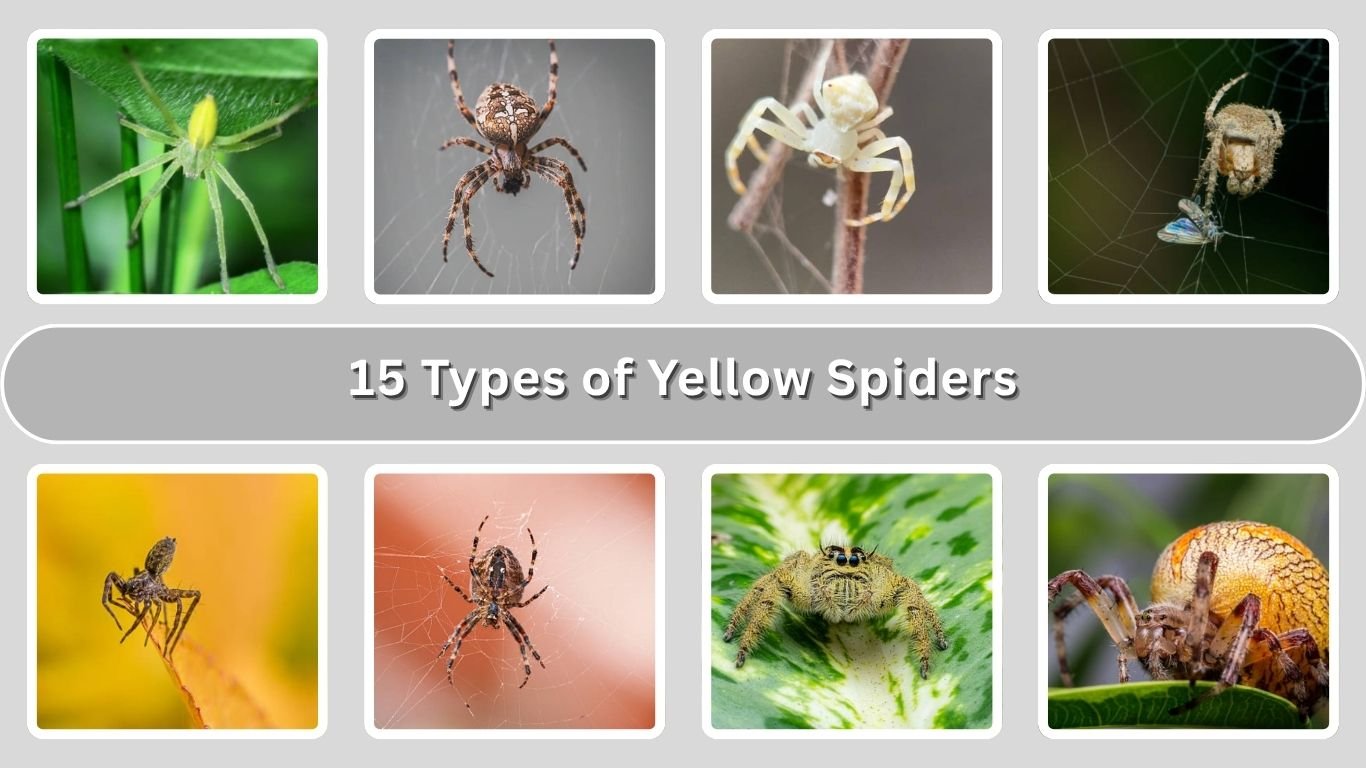
Yellow spiders are a diverse group of species known for their bright coloration and unique behaviors. Found in gardens, forests, and even inside homes, these spiders use their yellow tones for camouflage and hunting. While their appearance may seem alarming, most yellow spiders are harmless and play an important role in controlling insect populations. From web-building orb-weavers to active hunters like lynx and crab spiders, each type has distinct characteristics. Learning about these spiders can help you identify them easily and understand their benefits in maintaining a balanced ecosystem.
1. Golden Silk Orb-Weaver
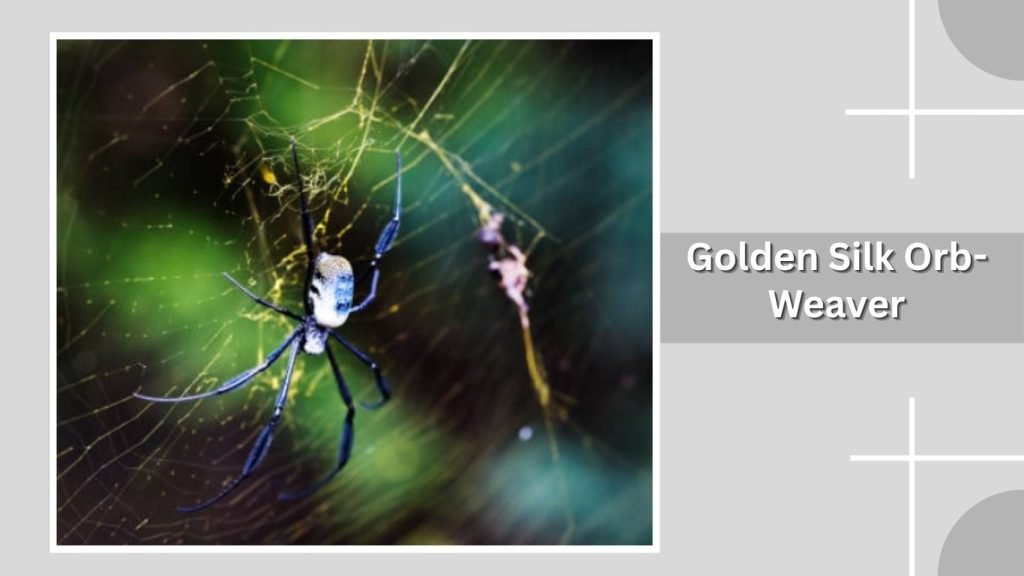
The Golden Silk Orb-Weaver is a large and visually striking spider known for its shimmering, golden-colored webs. Common in warm and tropical regions, this spider is often found outdoors where it plays a vital role in controlling flying insect populations. Despite its intimidating size and bold appearance, it is harmless to humans and rarely shows aggressive behavior. Its unique web structure and coloration make it one of the most recognizable yellow spiders.
Identification
- Large body with long, slender legs
- Golden-yellow to brown coloration
- Legs often have dark bands or tufts of hair
- Elongated abdomen, sometimes with subtle patterns
- Spins strong, golden-colored silk webs that glisten in sunlight
Habitat
Golden Silk Orb-Weavers are typically found in forests, gardens, and areas with dense vegetation. They prefer warm, humid environments and are commonly seen building large, circular webs between trees, shrubs, fences, or structures. These spiders rarely enter homes and are most active in outdoor spaces where flying insects are abundant.
Behavior
These spiders are passive web-builders that remain in the center of their large orb-shaped webs, waiting for prey to become trapped. Their silk is incredibly strong, allowing them to catch large insects like beetles and grasshoppers. Females usually stay in the web, while smaller males remain nearby. They are non-aggressive and will retreat if disturbed.
Is It Dangerous?
The Golden Silk Orb-Weaver is not dangerous to humans. Bites are rare and typically occur only when the spider is handled. If a bite does happen, it usually results in mild irritation similar to a bee sting.
2. Yellow Garden Spider
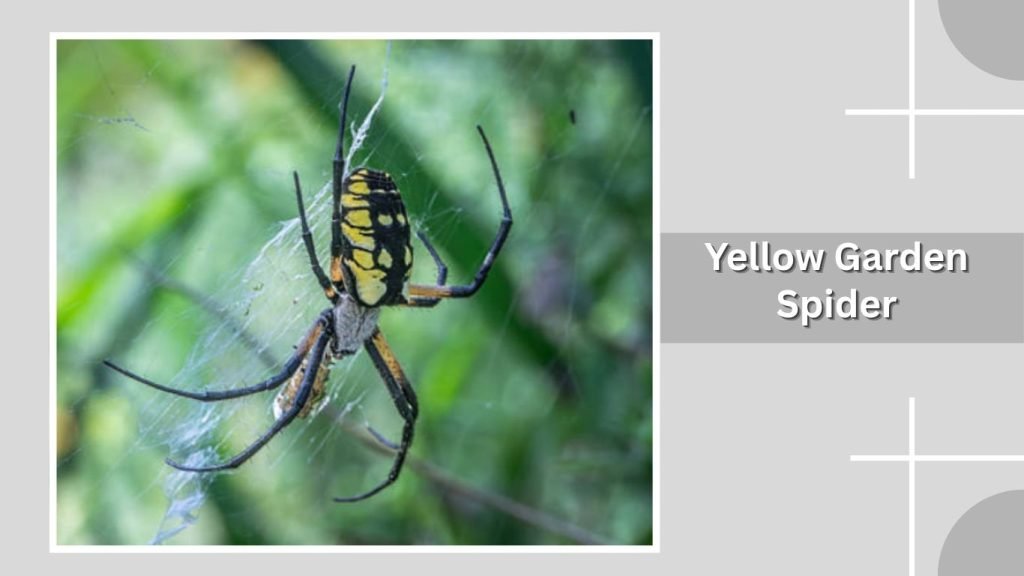
The Yellow Garden Spider is a large, brightly colored spider commonly found in gardens and outdoor spaces. Known for its bold yellow and black markings, it is easy to spot in its large, circular web. Despite its striking appearance, this spider is harmless and highly beneficial, as it helps control populations of flying insects. It is often seen during late summer and fall when it becomes more active.
Identification
- Large spider with a rounded abdomen
- Bright yellow and black patterns on the body
- Long, banded legs
- Often seen in the center of a large orb-shaped web
- May create a zigzag pattern (stabilimentum) in its web
Habitat
Yellow Garden Spiders are commonly found in gardens, yards, fields, and along fences or shrubs. They prefer sunny areas where they can build large webs between plants or structures. These spiders are rarely found indoors and thrive in outdoor environments with plenty of insects.
Behavior
These spiders are web-builders and usually remain in the center of their webs during the day. They rebuild or repair their webs regularly, especially at night. When prey gets caught, they quickly immobilize it by wrapping it in silk. They are calm and non-aggressive, often staying still unless disturbed.
Is It Dangerous?
The Yellow Garden Spider is not dangerous to humans. It may bite if handled, but the bite is mild and typically causes only minor discomfort or redness.
3. Crab Spider (Yellow Variant)
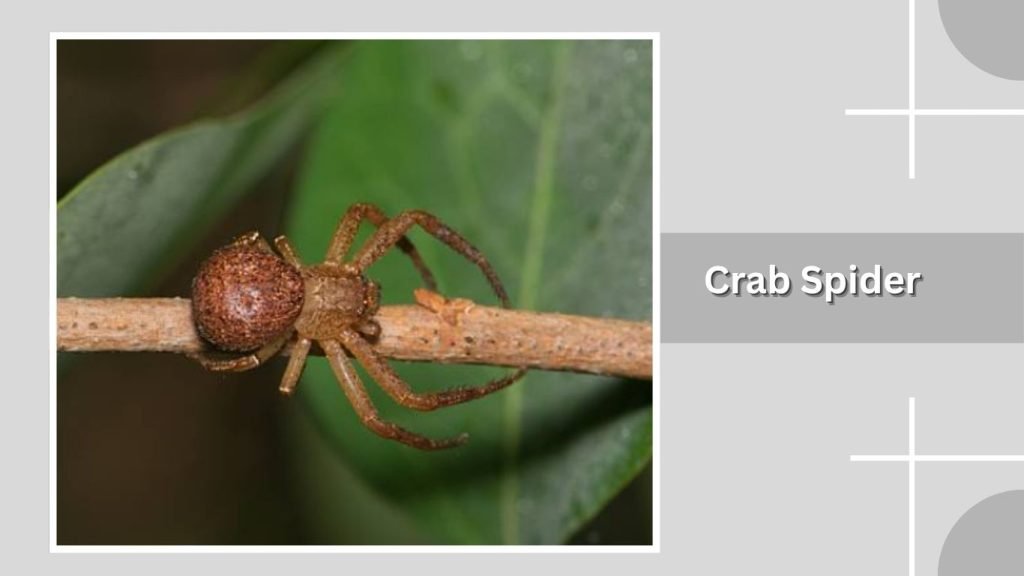
The yellow variant of the Crab Spider is a small but fascinating spider known for its excellent camouflage. Often found on flowers, it blends perfectly with yellow petals, making it nearly invisible to both predators and prey. Instead of building webs, this spider relies on ambush tactics to catch insects. Despite its unusual appearance and hunting style, it is harmless to humans and plays a helpful role in controlling pollinating insect populations.
Identification
- Small, wide, and flattened body
- Bright yellow coloration that matches flowers
- Front two pairs of legs are longer and extend sideways like a crab
- Smooth body with a slightly rounded abdomen
- Can sometimes change color slightly to match surroundings
Habitat
Yellow Crab Spiders are commonly found on flowers, shrubs, and garden plants. They prefer areas rich in pollinators such as bees and butterflies. These spiders stay in one place for long periods, especially on brightly colored flowers where they can remain hidden.
Behavior
These spiders are ambush predators. They sit motionless on flowers and wait for insects to land nearby. When prey comes within reach, they strike quickly and immobilize it. They do not build webs for hunting and rely entirely on stealth and speed. They are generally inactive unless hunting.
Is It Dangerous?
Yellow Crab Spiders are not dangerous to humans. They rarely bite, and if they do, the bite is mild and causes little to no discomfort.
4. Green Lynx Spider
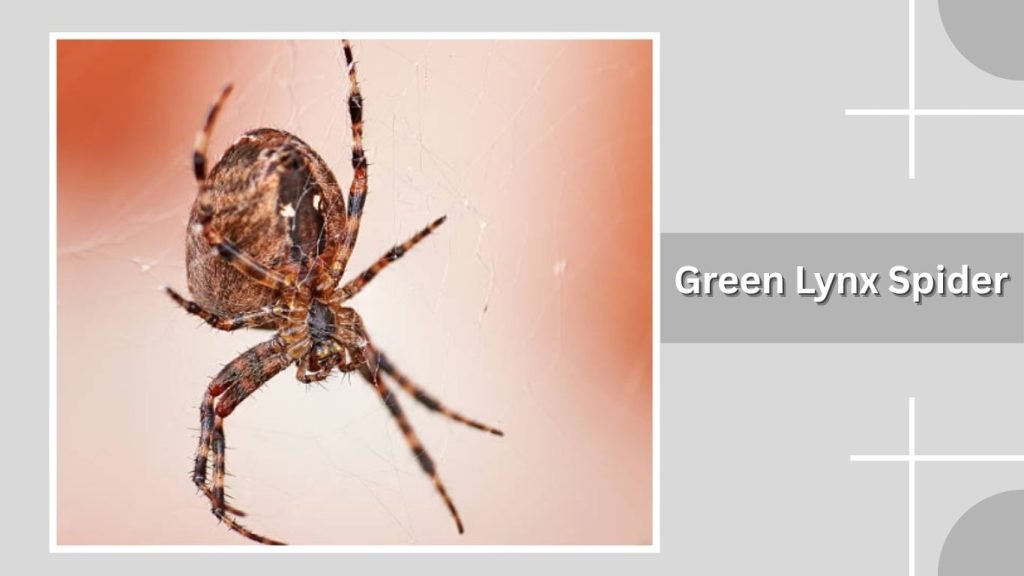
The Green Lynx Spider is a bright, vivid spider often found in gardens and grassy areas. Although primarily green, it can appear yellowish in certain lighting or stages, making it part of yellow spider groups. It is an active hunter that does not rely on webs to catch prey. This spider is beneficial in controlling insect populations, especially in agricultural settings. Despite its bold appearance, it is not dangerous to humans.
Identification
- Bright green to yellow-green body
- Long, slender legs with noticeable black spines
- Elongated body shape
- Transparent or pale green legs
- Females may show red or orange markings
Habitat
Green Lynx Spiders are commonly found in shrubs, tall grasses, gardens, and fields. They prefer sunny environments with dense vegetation where they can blend in with leaves and stems. These spiders are rarely found indoors and are mostly active outdoors.
Behavior
These spiders are active daytime hunters. They stalk and pounce on insects such as flies, grasshoppers, and bees. Unlike web-building spiders, they rely on speed and precision. Females are known to guard their egg sacs aggressively, staying close until the spiderlings hatch.
Is It Dangerous?
The Green Lynx Spider is not dangerous to humans. It may bite if handled or threatened, but the bite is mild and usually results in minor irritation or redness.
5. Banana Spider
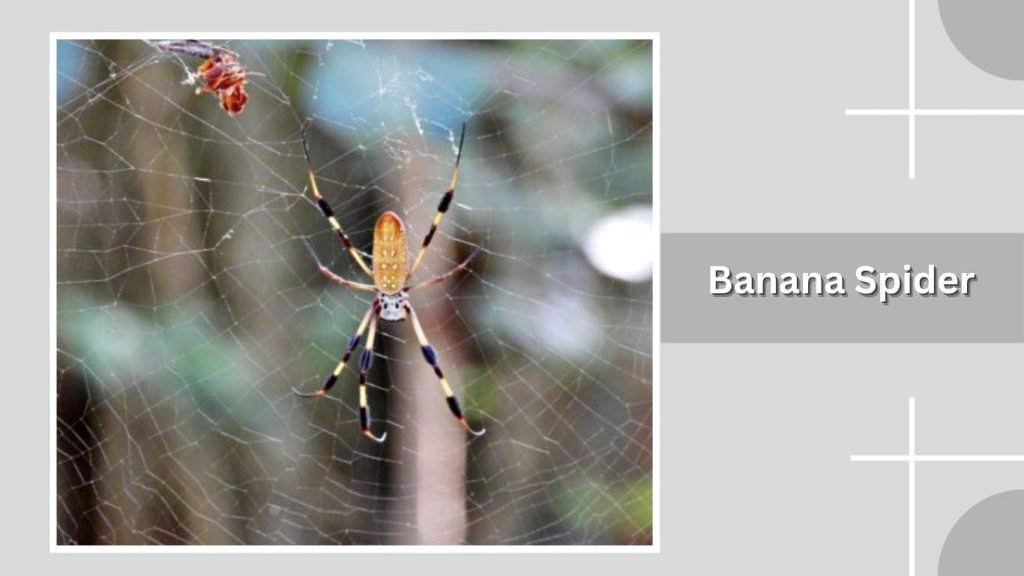
The Banana Spider is a name often used for large, yellow-colored spiders, especially those with long legs and golden hues. In many cases, this name refers to orb-weaving spiders that build large, visible webs. These spiders are commonly found in warm climates and are known for their impressive size and web strength. Despite their intimidating look, they are generally harmless and beneficial for controlling insect populations.
Identification
- Large body with long, slender legs
- Yellow to golden coloration with possible brown markings
- Elongated abdomen
- Legs may have dark bands or tufts
- Often associated with large, visible webs
Habitat
Banana Spiders are typically found in forests, gardens, and areas with dense vegetation. They build large webs between trees, shrubs, and structures where flying insects are common. These spiders prefer warm, humid environments and are rarely found indoors.
Behavior
These spiders are web-builders and spend most of their time sitting in the center of their webs. They wait patiently for prey such as flies, beetles, and other flying insects to get caught. They are generally non-aggressive and will retreat if disturbed.
Is It Dangerous?
Banana Spiders are not dangerous to humans. Although they can bite if provoked, their bite is mild and usually causes only minor discomfort.
6. Yellow Sac Spider
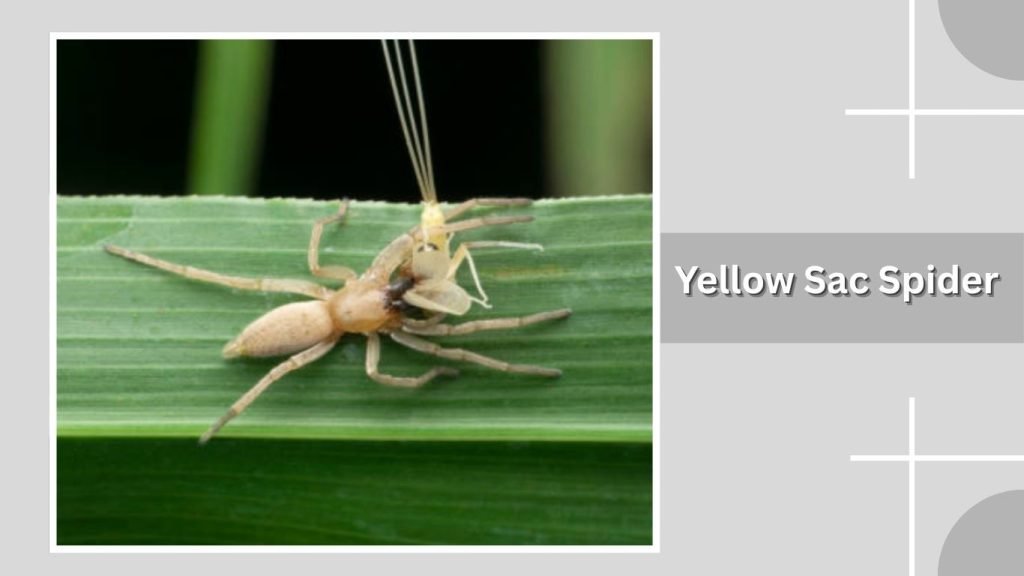
The Yellow Sac Spider is a small, pale yellow spider commonly found both indoors and outdoors. It is one of the more frequently encountered yellow spiders and is known for its nocturnal hunting habits. Unlike many spiders, it does not build webs to catch prey but instead actively hunts insects at night. It may create small silk sacs where it rests during the day. While generally harmless, it is one of the few spiders that may bite more readily if disturbed.
Identification
- Small, slender body with pale yellow or light green coloration
- Slightly darker mouthparts
- Long, thin legs
- Smooth, semi-translucent appearance
- Often seen wandering on walls or ceilings at night
Habitat
Yellow Sac Spiders can be found indoors on walls, ceilings, and corners, as well as outdoors in gardens, under leaves, and in shrubs. They prefer warm, dry environments and often create small silk sacs in hidden areas for resting.
Behavior
These spiders are active hunters and do not rely on webs for capturing prey. They roam at night in search of insects and return to their silk sacs during the day. They are quick-moving and tend to avoid human interaction but may wander into living spaces frequently.
Is It Dangerous?
The Yellow Sac Spider is mildly venomous and can bite if threatened. The bite may cause redness, itching, or slight pain, but it is not considered medically dangerous.
7. Marbled Orb-Weaver
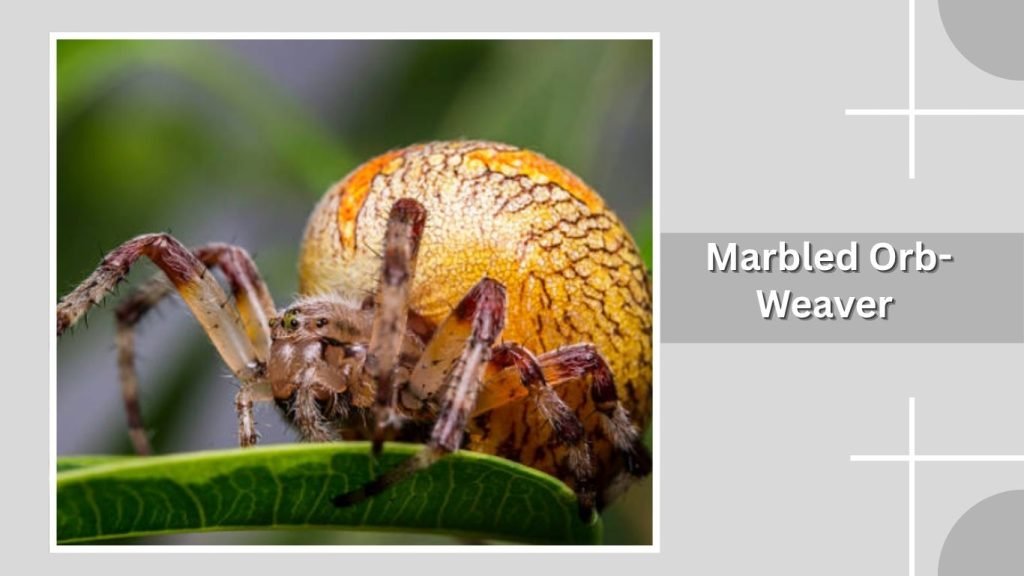
The Marbled Orb-Weaver is a colorful spider often seen in shades of yellow, orange, and brown, making it one of the more visually striking yellow-toned spiders. It is commonly found in gardens and wooded areas, especially during late summer and fall. Known for its large, circular webs, this spider helps control flying insect populations. Despite its bold appearance, it is harmless and not aggressive toward humans.
Identification
- Medium to large-sized body with a rounded abdomen
- Bright yellow, orange, or marbled patterns on the back
- Legs are banded with light and dark colors
- Bulbous abdomen with unique swirling or marbled markings
- Often seen sitting in the center of a circular web
Habitat
Marbled Orb-Weavers are typically found in gardens, forests, shrubs, and near homes. They build large orb-shaped webs between plants, trees, or structures. These spiders prefer areas with good vegetation and a steady supply of flying insects. They are rarely found indoors.
Behavior
These spiders are mostly active during the evening and night, when they build or repair their webs. During the day, they often hide nearby or remain still in their webs. They wait patiently for insects to get trapped, then quickly wrap and consume their prey. They are non-aggressive and prefer to stay hidden.
Is It Dangerous?
The Marbled Orb-Weaver is not dangerous to humans. Bites are very rare and usually result in only mild irritation if they occur.
8. Spiny-Backed Orb-Weaver (Yellow Form)
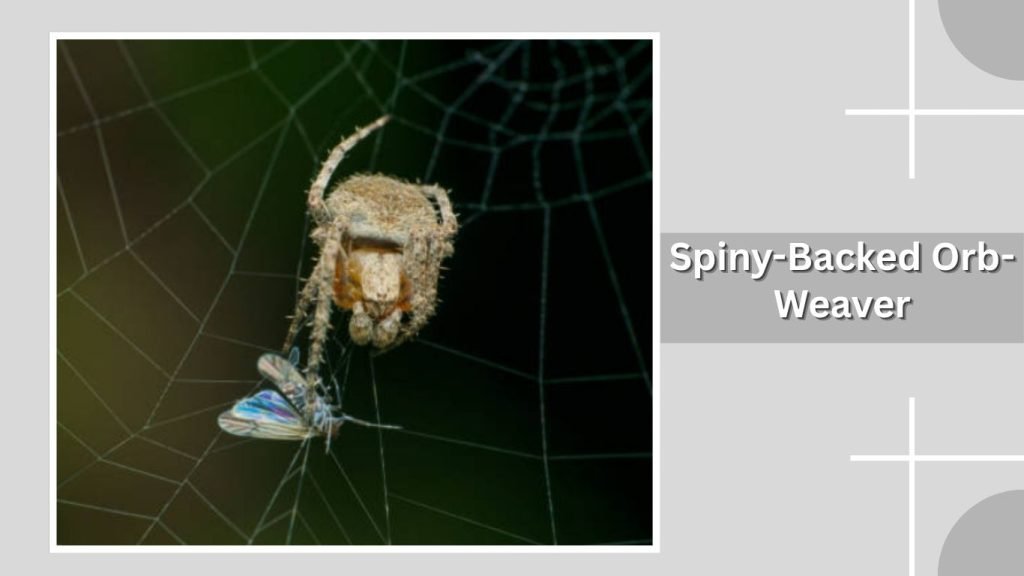
The Spiny-Backed Orb-Weaver (Yellow Form) is a small, brightly colored spider known for its unique shape and vibrant appearance. Its yellow body, combined with distinctive spines, makes it easy to recognize. Commonly found in warm climates, this spider is harmless and plays a helpful role in controlling flying insects. Its unusual look often attracts attention, but it is completely non-threatening to humans.
Identification
- Small, flat body with bright yellow coloration
- Six prominent spines on the abdomen
- Hard, shell-like appearance
- Black or dark spots on the back
- Short legs compared to other orb-weavers
Habitat
This spider is typically found in gardens, shrubs, forests, and around homes. It builds small orb-shaped webs between branches, plants, or structures. It prefers warm environments with plenty of vegetation and is commonly seen outdoors rather than indoors.
Behavior
The Spiny-Backed Orb-Weaver is a web-building spider that stays in its web waiting for prey. It feeds on small flying insects that get caught in its web. These spiders are active during the day and often rebuild their webs regularly. They are non-aggressive and will remain still unless disturbed.
Is It Dangerous?
This spider is not dangerous to humans. It rarely bites, and even if it does, the bite is mild and causes little to no discomfort.
9. Flower Crab Spider
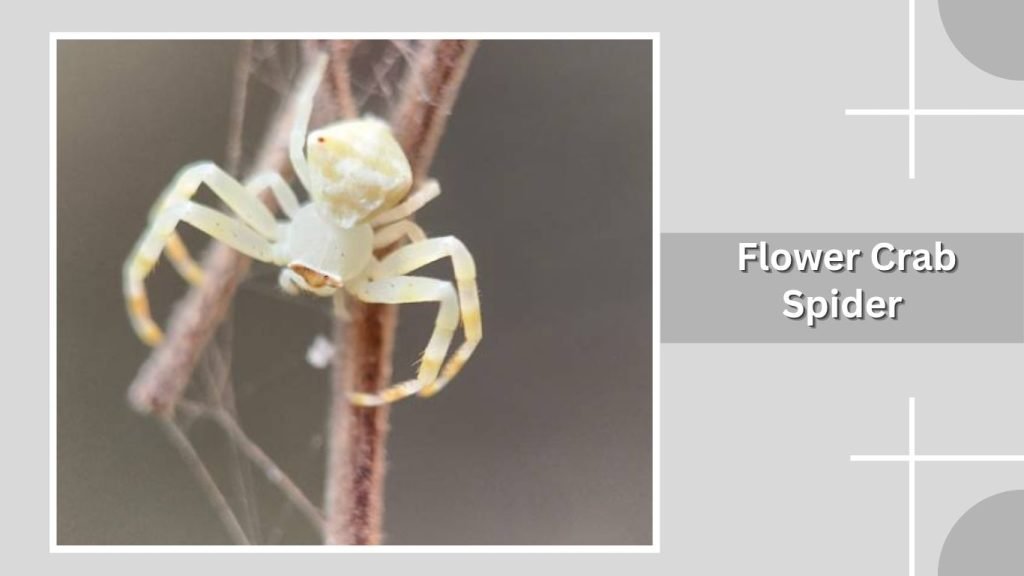
The Flower Crab Spider is a small, brightly colored spider often found on flowers, where it blends in perfectly with its surroundings. Its yellow coloration allows it to camouflage among petals, making it an effective ambush predator. This spider does not build webs to catch prey but instead waits patiently for insects to come close. It is harmless to humans and plays a beneficial role in controlling pollinating insect populations.
Identification
- Small, wide, and flattened body
- Bright yellow or white coloration
- Front legs are longer and extend sideways like a crab
- Smooth, rounded abdomen
- Can change color slightly to match flowers
Habitat
Flower Crab Spiders are commonly found on flowers, shrubs, and garden plants. They prefer areas with high insect activity, especially where bees and butterflies are present. These spiders remain in one spot for long periods, using camouflage to stay hidden.
Behavior
These spiders are ambush hunters. They sit motionless on flowers and strike quickly when prey lands nearby. They rely on stealth rather than webs and are most active during the day. Their ability to remain still makes them difficult to detect.
Is It Dangerous?
The Flower Crab Spider is not dangerous to humans. Bites are extremely rare and usually cause only mild irritation if they occur.
10. Yellow Jumping Spider
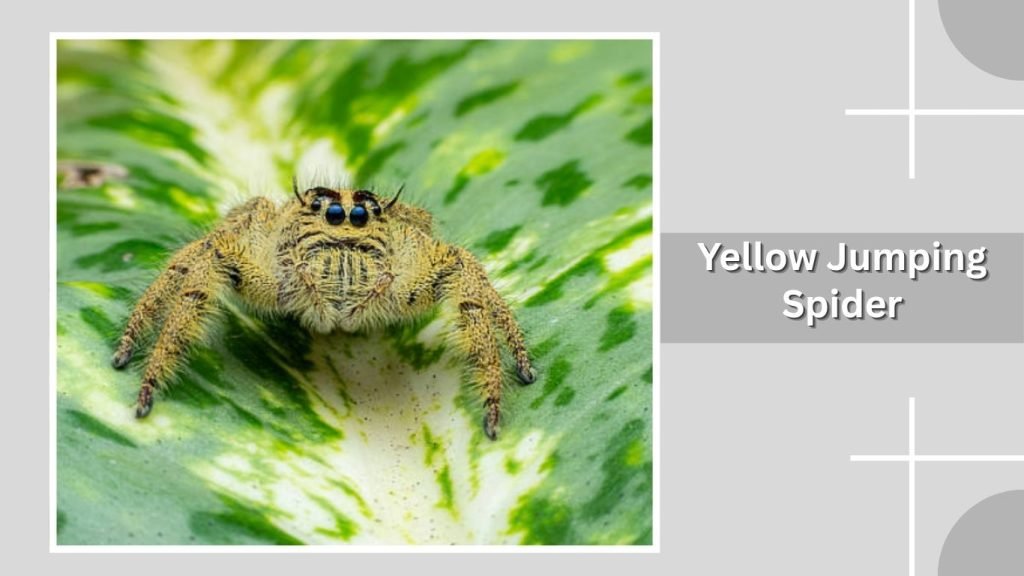
The Yellow Jumping Spider is a small, active spider known for its excellent vision and quick movements. Its yellow or pale coloration helps it blend into leaves and walls, making it harder to spot. Unlike web-building spiders, it actively hunts its prey during the day. These spiders are curious and often appear to observe movement around them. Despite their energetic behavior, they are harmless and beneficial for controlling insect populations.
Identification
- Small, compact body with a slightly fuzzy texture
- Yellow, pale tan, or light brown coloration
- Large front-facing eyes that give it excellent vision
- Short, strong legs adapted for jumping
- Distinctive alert posture
Habitat
Yellow Jumping Spiders are commonly found on plants, walls, windowsills, and fences. They prefer sunny areas where they can actively hunt during the day. Indoors, they are often seen near windows where insects are present.
Behavior
These spiders are active daytime hunters. They stalk their prey carefully and then leap to catch it with precision. They do not build webs for trapping insects but use silk as a safety line when jumping. They are known for their curious nature and may turn toward movement or humans.
Is It Dangerous?
Yellow Jumping Spiders are not dangerous to humans. They rarely bite, and if they do, the bite is mild and causes minimal irritation.
11. Yellow Wolf Spider
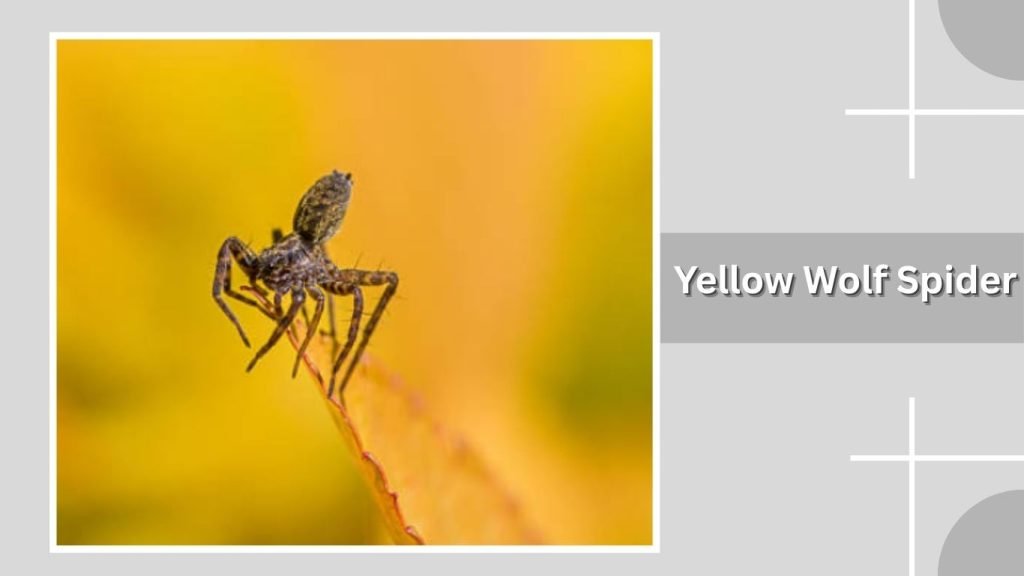
The Yellow Wolf Spider is a fast-moving ground hunter that can sometimes appear yellowish or tan, helping it blend into sandy or dry environments. Like other wolf spiders, it does not rely on webs to catch prey but instead actively hunts insects. Its speed and size can make it seem intimidating, but it is generally harmless to humans and plays a useful role in controlling pests.
Identification
- Medium to large body with a hairy texture
- Yellowish-brown or tan coloration with darker markings
- Long, strong legs built for running
- Prominent eyes arranged in rows, with two large central eyes
- Robust and slightly flattened body
Habitat
Yellow Wolf Spiders are commonly found in grasslands, gardens, leaf litter, and sandy areas. They live at ground level and may hide under rocks, logs, or debris. Occasionally, they may enter homes, especially in search of food or shelter.
Behavior
These spiders are active hunters, mostly at night. They rely on speed and vision to chase down prey rather than using webs. Females may carry egg sacs attached to their abdomen and later carry spiderlings on their backs. They are shy and will usually run away when disturbed.
Is It Dangerous?
Yellow Wolf Spiders are not dangerous to humans. They may bite if threatened, but the bite is mild and typically causes only minor pain or irritation.
12. Yellow Orb-Weaver
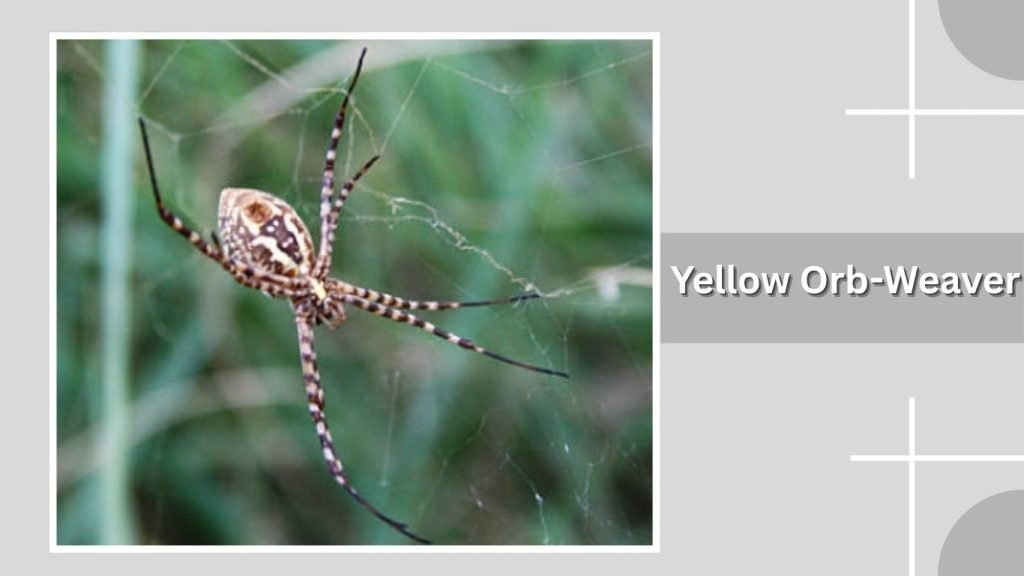
The Yellow Orb-Weaver is a classic web-building spider known for its bright yellow coloring and beautifully structured circular webs. It is commonly found in gardens and natural areas where flying insects are abundant. These spiders are beneficial to the environment because they help control pest populations. Despite their noticeable size and vibrant appearance, they are harmless and non-aggressive toward humans.
Identification
- Medium to large-sized body with a rounded abdomen
- Bright yellow coloration, sometimes with black or orange markings
- Long legs, often banded or striped
- Typically found sitting in the center of a circular web
- Body may have distinct patterns depending on the species
Habitat
Yellow Orb-Weavers are commonly found in gardens, forests, and areas with dense vegetation. They build large orb-shaped webs between plants, trees, fences, or structures. These spiders prefer outdoor environments with plenty of flying insects and are rarely seen indoors.
Behavior
These spiders are web-builders and spend most of their time waiting in their webs for prey. They are usually active in the evening or early morning, often rebuilding their webs regularly. When an insect gets trapped, they quickly wrap it in silk before feeding. They are calm and tend to remain in one place.
Is It Dangerous?
Yellow Orb-Weavers are not dangerous to humans. Bites are extremely rare and usually result in only mild irritation if they occur.
13. Lynx Spider (Yellow Variant)
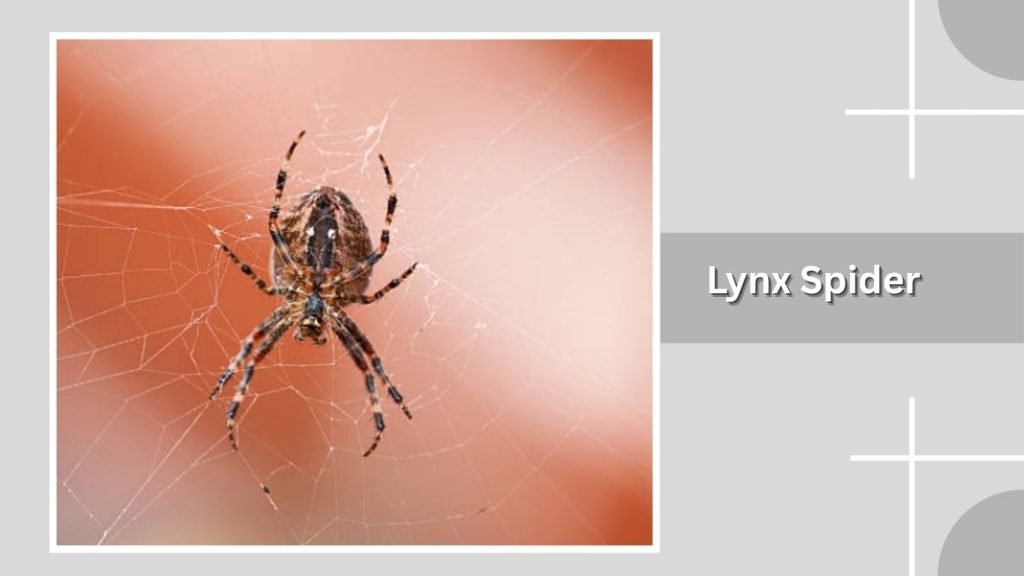
The yellow variant of the Lynx Spider is a slender, fast-moving spider that blends well into grassy and leafy environments. Its yellowish coloration helps it stay hidden among plants while hunting. Unlike web-building spiders, it actively stalks and captures prey. This spider is beneficial for controlling insect populations and is commonly found in gardens and fields. Despite its active hunting style, it is harmless to humans.
Identification
- Slender body with yellow or yellow-green coloration
- Long legs covered in noticeable spines
- Elongated shape with a slightly pointed abdomen
- Legs often appear semi-transparent
- Quick and agile movements
Habitat
Yellow Lynx Spiders are typically found in tall grass, shrubs, gardens, and agricultural fields. They prefer sunny areas with plenty of vegetation where they can easily camouflage and hunt. These spiders are rarely found indoors.
Behavior
These spiders are active daytime hunters. They rely on speed and stealth to catch insects such as flies and grasshoppers. They do not build webs for hunting but may use silk for egg sacs. Females often guard their eggs aggressively until they hatch.
Is It Dangerous?
The Yellow Lynx Spider is not dangerous to humans. It may bite if handled, but the bite is mild and usually causes only slight irritation.
14. Garden Spider (Yellow Form)
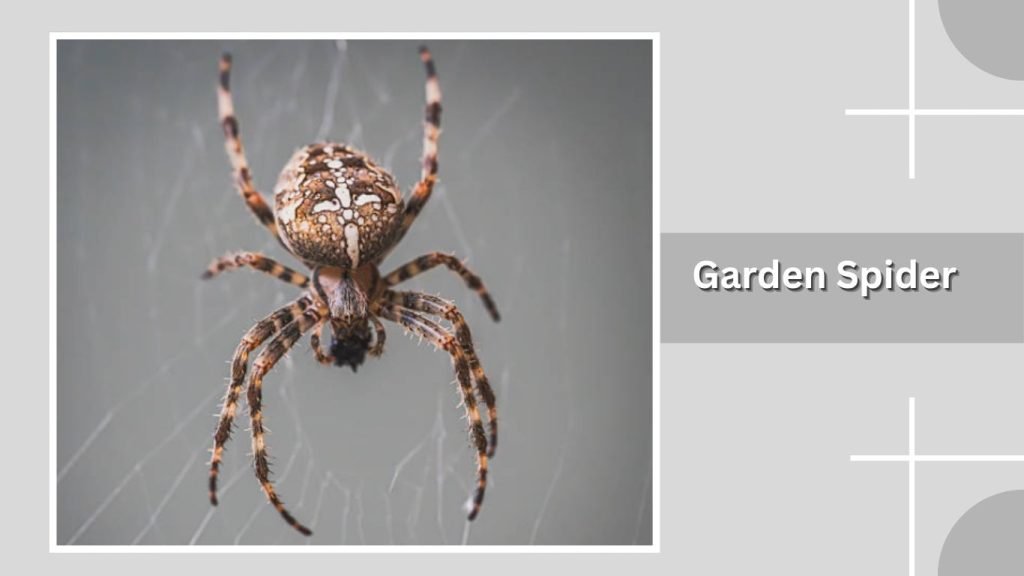
The Garden Spider (Yellow Form) is a brightly colored spider often found in outdoor spaces such as gardens and yards. Its yellow markings make it stand out against its web, which is usually large and easy to spot. This spider is beneficial because it helps reduce populations of flying insects. Despite its bold appearance, it is harmless and non-aggressive toward humans.
Identification
- Medium to large body with a rounded abdomen
- Yellow markings combined with black or brown patterns
- Long, banded legs
- Often seen sitting in the center of a large circular web
- May create a zigzag pattern in the web
Habitat
Garden Spiders are commonly found in gardens, fields, and near vegetation. They build large orb-shaped webs between plants, fences, and structures. These spiders prefer sunny outdoor areas with plenty of insects and are rarely found indoors.
Behavior
These spiders are web-builders and usually remain in their webs waiting for prey. They are most active during the day and may rebuild their webs regularly. When an insect is caught, they quickly wrap it in silk. They are calm and tend to stay in one place unless disturbed.
Is It Dangerous?
The Garden Spider (Yellow Form) is not dangerous to humans. Bites are rare and typically cause only mild irritation if they occur.
15. Yellow House Spider
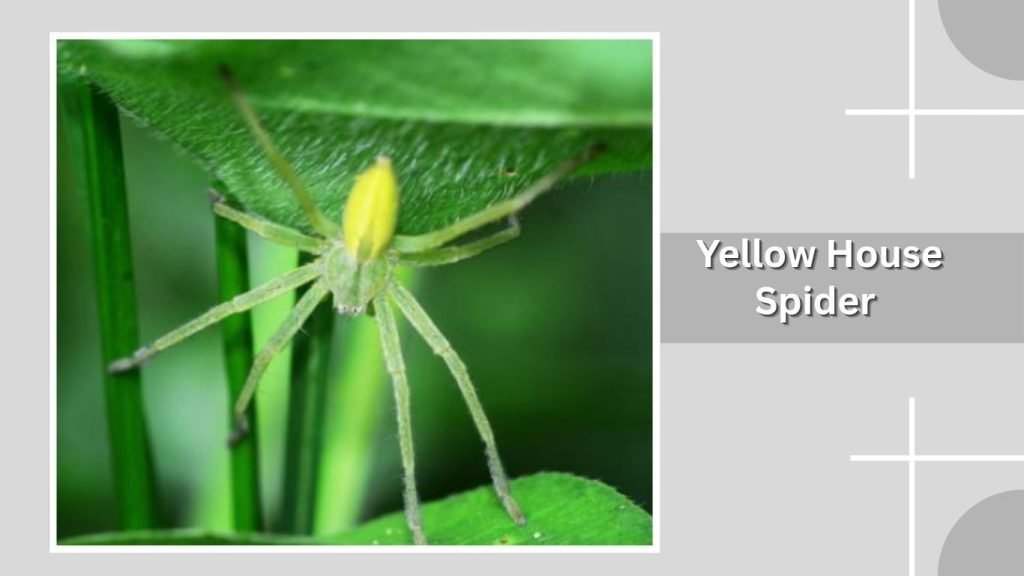
The Yellow House Spider is a small, pale-colored spider often found indoors. Its light yellow or creamy appearance helps it blend into walls and ceilings, making it less noticeable. This spider is commonly seen in homes, especially in quiet corners or near lights where insects gather. It plays a helpful role by feeding on small household pests. Despite being frequently encountered, it is harmless and not aggressive toward humans.
Identification
- Small body with pale yellow or cream coloration
- Slightly translucent appearance
- Long, thin legs
- Smooth, soft-looking body
- Often seen resting on walls or ceilings
Habitat
Yellow House Spiders are commonly found indoors in homes, apartments, and buildings. They prefer quiet, undisturbed areas such as corners, ceilings, behind furniture, and near light sources. Outdoors, they may live under leaves, bark, or in sheltered structures.
Behavior
These spiders are generally active at night and may wander in search of prey. They do not build large webs for trapping insects but may create small silk retreats. They are shy and tend to avoid human interaction, quickly moving away when disturbed.
Is It Dangerous?
The Yellow House Spider is not dangerous to humans. It rarely bites, and if it does, the bite is mild and causes little to no irritation.
FAQs
Are yellow spiders dangerous to humans?
Most yellow spiders are harmless and not dangerous to humans. Only a few species, like the Yellow Sac Spider, may bite, but their bites are usually mild and not medically significant.
Why are some spiders yellow in color?
Yellow coloration helps spiders blend into flowers, leaves, and sunlight. This camouflage allows them to hide from predators and ambush prey more effectively.
Where are yellow spiders commonly found?
Yellow spiders are typically found in gardens, fields, shrubs, and forests. Some species may also live indoors, especially in quiet corners or near light sources where insects gather.
Do yellow spiders build webs?
Some yellow spiders, like orb-weavers, build large webs to catch prey. Others, such as crab spiders and lynx spiders, do not build webs and instead hunt actively.
How can I keep spiders out of my home?
You can reduce spiders by sealing cracks, keeping your home clean, reducing clutter, and minimizing insects indoors, as spiders are attracted to areas with abundant prey.
