
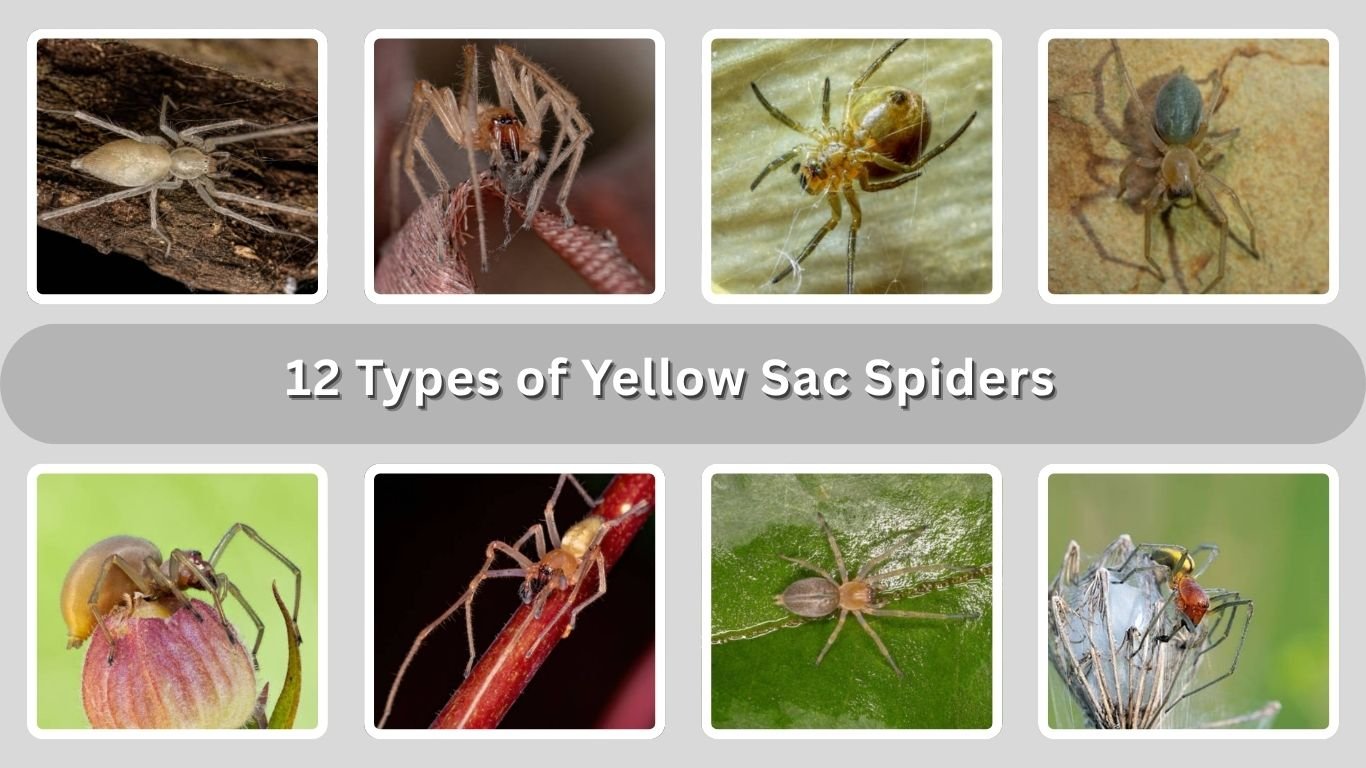
Yellow sac spiders are a group of small, pale-colored spiders belonging to the genus Cheiracanthium. They are widely distributed across different regions of the world and are commonly found in both outdoor vegetation and indoor spaces. Known for their nocturnal hunting behavior, these spiders do not rely on webs to catch prey but actively search for insects at night. During the day, they rest inside silk sacs, which give them their name. Although often encountered by humans, they are generally harmless and play a useful role in controlling insect populations.
1. Cheiracanthium inclusum (American Yellow Sac Spider)
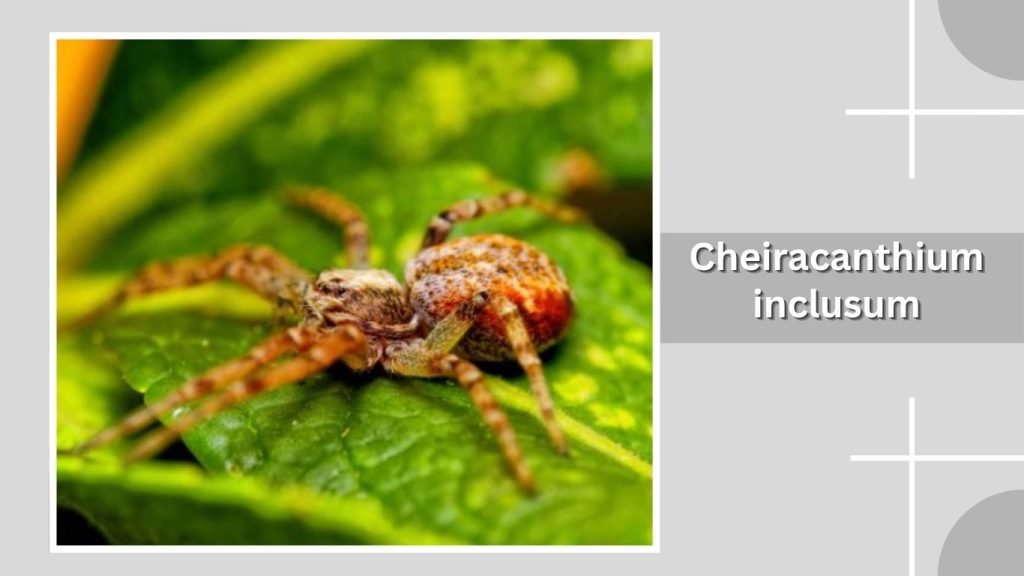
A common and widely distributed species in North America, Cheiracanthium inclusum is known for its pale yellow coloration and nocturnal hunting behavior. It often lives near human dwellings, making it one of the most frequently encountered yellow sac spiders.
Identification
- Pale yellow to light green body
- Body length: about 5–10 mm
- Slightly darker cephalothorax (head region)
- Long, slender legs with fine hairs
- Dark tips on the feet (tarsi)
- Oval-shaped abdomen, sometimes with a faint stripe
Habitat and Distribution
This species is commonly found across the United States and parts of southern Canada. It prefers outdoor environments like gardens, shrubs, crops, and grassy areas but is also known to enter homes. Indoors, it may hide in corners, ceilings, or folded fabrics, creating small silk sacs for resting.
Behavior
Cheiracanthium inclusum is a nocturnal hunter that does not rely on webs to catch prey. Instead, it actively roams at night in search of insects such as flies, moths, and small arthropods. During the day, it rests inside a silk sac, which gives the species its name. It is generally shy but may bite if disturbed.
Bite and Human Interaction
Although not aggressive, this spider may bite when trapped against the skin. The bite can cause mild pain, redness, and swelling, similar to a bee sting. In rare cases, symptoms may last longer but are typically not medically serious. Because it often lives near humans, encounters are relatively common, especially at night.
2. Cheiracanthium mildei (Northern Yellow Sac Spider)
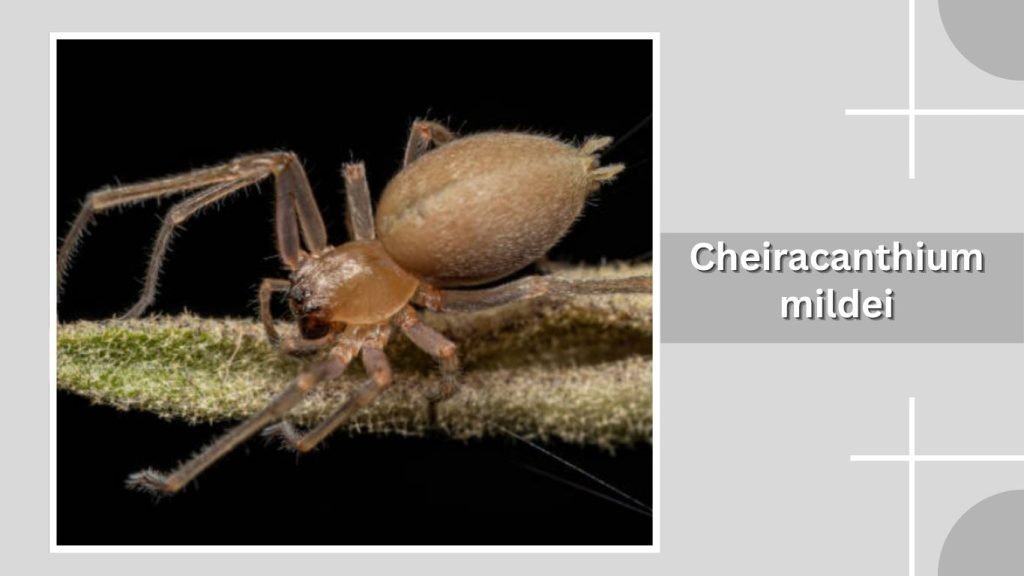
Cheiracanthium mildei is a widely recognized yellow sac spider, especially common in Europe and North America. It is often found indoors and is considered one of the most frequent household spider species due to its adaptability to human environments.
Identification
- Pale yellow to beige body color
- Body length: about 5–9 mm
- Slightly darker head region (cephalothorax)
- Slender, elongated legs
- Abdomen smooth and oval-shaped
- Less vibrant coloration compared to some other species
Habitat and Distribution
This species is native to Europe but has spread extensively across North America. It thrives in indoor environments such as homes, offices, and buildings. Outdoors, it can be found in vegetation, but it shows a strong preference for living inside walls, ceilings, and corners of rooms.
Behavior
Cheiracanthium mildei is nocturnal and actively hunts rather than building prey-catching webs. It creates small silk sacs in hidden areas where it rests during the day. At night, it wanders in search of insects. It is generally non-aggressive but may wander across walls and ceilings, making it noticeable indoors.
Bite and Human Interaction
This spider may bite if provoked or accidentally pressed against the skin. The bite is usually mild, causing slight redness, itching, or discomfort. Serious reactions are rare. Due to its indoor habits, it is more commonly encountered by humans than many other spider species.
3. Cheiracanthium erraticum (European Yellow Sac Spider)
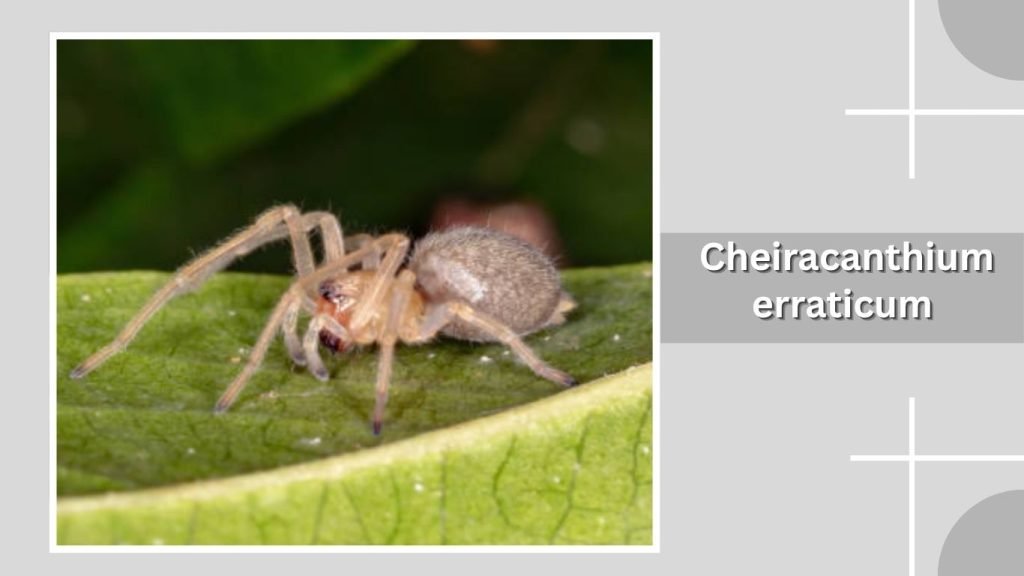
Cheiracanthium erraticum is a well-known yellow sac spider found mainly across Europe and parts of Asia. It is commonly associated with grasslands and low vegetation, where it actively hunts small insects during the night.
Identification
- Pale yellow to greenish body
- Body length: about 6–10 mm
- Slightly darker cephalothorax
- Long, thin legs adapted for movement
- Oval abdomen with a smooth texture
- Subtle coloration that blends with vegetation
Habitat and Distribution
This species is widely distributed throughout Europe and extends into parts of Central Asia. It prefers natural habitats such as grasslands, meadows, and agricultural fields. It typically stays outdoors and is less likely to be found inside homes compared to other yellow sac spiders.
Behavior
Cheiracanthium erraticum is a nocturnal hunter that does not spin webs to capture prey. Instead, it roams through grasses and plants at night in search of insects. During the day, it rests inside a silk sac constructed among leaves or stems. It is generally shy and avoids human contact.
Bite and Human Interaction
Although not aggressive, this spider can bite if handled or disturbed. The bite may cause localized pain, redness, and mild swelling. In some cases, the bite can feel slightly more intense than other yellow sac spiders, but serious medical issues are uncommon.
4. Cheiracanthium punctorium (Mediterranean Yellow Sac Spider)
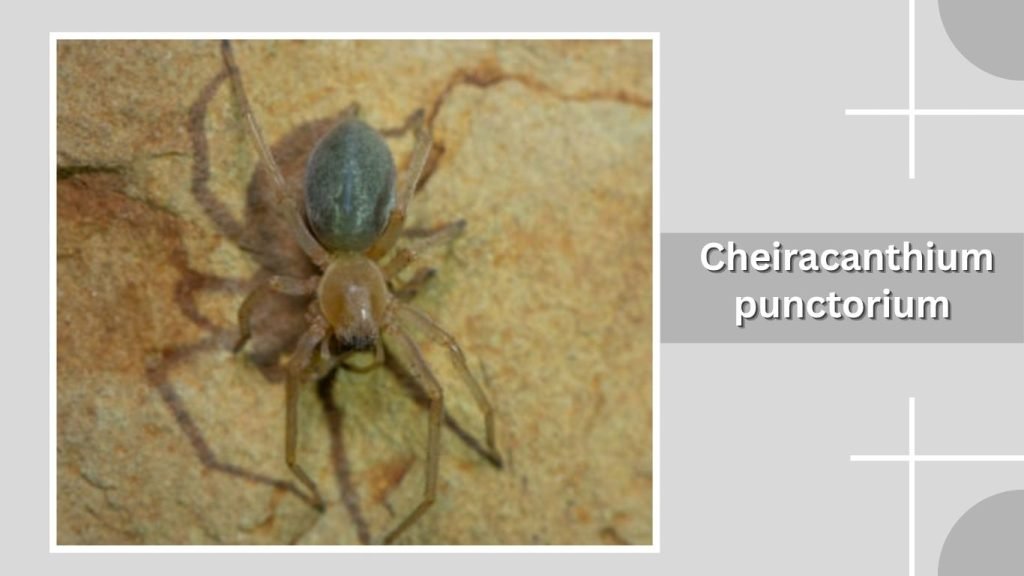
Cheiracanthium punctorium is one of the largest and most notable yellow sac spiders, commonly found in Europe and parts of Asia. It is often recognized for its slightly stronger bite compared to other species in the same genus.
Identification
- Bright yellow to yellow-green body
- Body length: about 10–15 mm (larger than most species)
- Reddish or orange-brown cephalothorax
- Strong, elongated legs
- Prominent fangs (chelicerae)
- Smooth, oval abdomen
Habitat and Distribution
This species is mainly found in Southern and Central Europe, extending into parts of Asia. It prefers warm, dry environments such as grasslands, meadows, and agricultural fields. It builds silk sacs in tall grasses or shrubs, where it rests during the day.
Behavior
Cheiracanthium punctorium is a nocturnal hunter that actively searches for prey rather than relying on webs. It is more defensive than many other yellow sac spiders and may display warning behavior if threatened. It spends daylight hours inside a silk sac attached to vegetation.
Bite and Human Interaction
This species is known for having a more painful bite compared to others in its group. The bite can cause sharp pain, redness, swelling, and sometimes mild systemic symptoms like headache or nausea. However, serious complications are rare, and most symptoms resolve within a few days.
5. Cheiracanthium japonicum (Japanese Yellow Sac Spider)
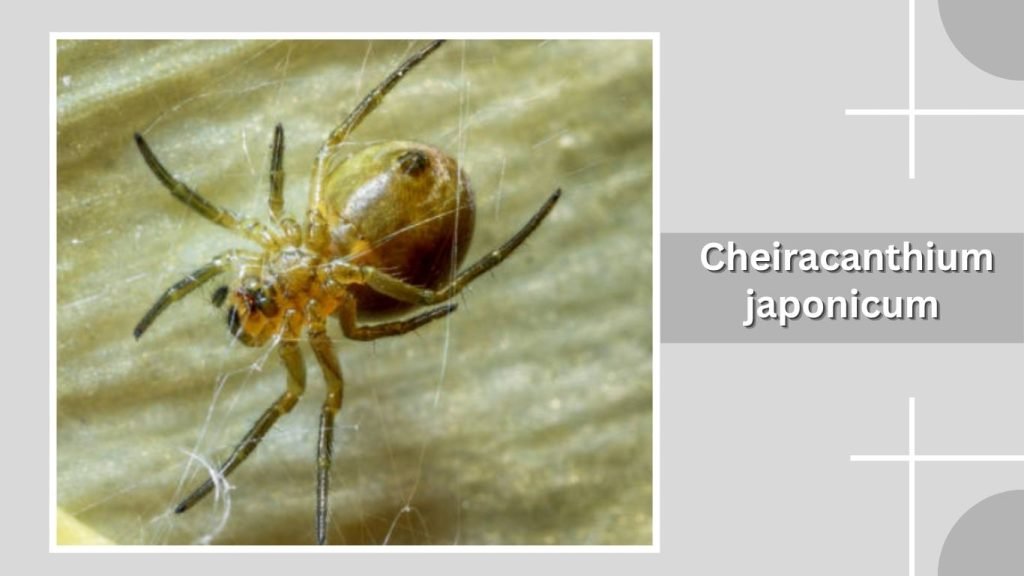
Cheiracanthium japonicum is a yellow sac spider species commonly found in East Asia, especially in Japan, China, and Korea. It is known for its adaptability to both natural and semi-urban environments, often living close to vegetation and occasionally near human structures.
Identification
- Pale yellow to light green body
- Body length: about 6–10 mm
- Slightly darker cephalothorax
- Long, slender legs with fine hairs
- Smooth, oval-shaped abdomen
- Subtle greenish tint in some individuals
Habitat and Distribution
This species is widely distributed across East Asia, particularly in Japan. It prefers outdoor habitats such as grasslands, shrubs, forests, and agricultural areas. It is often found resting in silk sacs attached to leaves or stems. While mainly outdoor-dwelling, it may occasionally enter homes or buildings near vegetation.
Behavior
Cheiracanthium japonicum is a nocturnal predator that actively hunts insects rather than trapping them in webs. At night, it moves through plants searching for prey like flies and small arthropods. During the day, it hides inside a silk sac, which provides protection from predators and environmental conditions.
Bite and Human Interaction
This spider is generally not aggressive but may bite if disturbed or accidentally handled. The bite can cause mild pain, redness, and swelling, similar to other yellow sac spiders. In most cases, symptoms are temporary and do not require medical treatment. Encounters with humans are relatively uncommon due to its preference for outdoor habitats.
6. Cheiracanthium floridum (Florida Yellow Sac Spider)
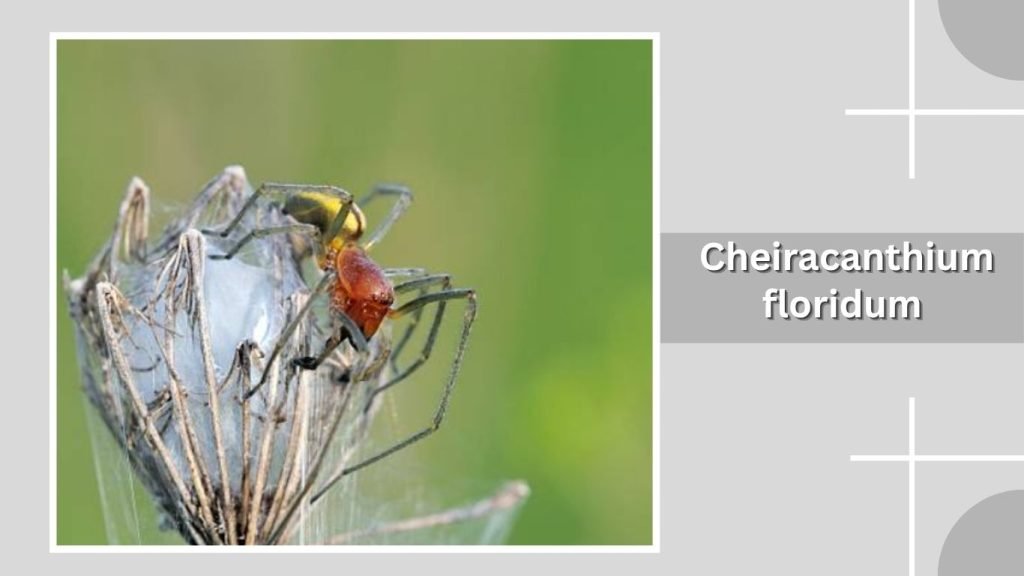
Cheiracanthium floridum is a lesser-known yellow sac spider species primarily found in parts of North America, especially in warmer regions. It is similar in appearance to other species in the genus but is typically associated with outdoor vegetation.
Identification
- Pale yellow to light green body
- Body length: about 5–9 mm
- Slightly darker head region
- Long, thin legs adapted for quick movement
- Smooth, oval abdomen
- Uniform coloration without strong markings
Habitat and Distribution
This species is mainly found in the southeastern United States, particularly in warm and humid environments like Florida. It prefers outdoor habitats such as shrubs, gardens, forests, and grassy areas. It constructs small silk sacs in leaves or plant folds where it rests during the day.
Behavior
Cheiracanthium floridum is a nocturnal hunter that actively searches for prey rather than relying on webs. At night, it moves through vegetation feeding on insects and other small arthropods. During daylight hours, it remains hidden in its silk retreat. It is generally shy and avoids confrontation.
Bite and Human Interaction
This spider is not considered aggressive but may bite if provoked or trapped against the skin. The bite usually results in mild symptoms such as redness, slight swelling, and temporary discomfort. Serious reactions are rare, and it poses little medical concern to humans.
7. Cheiracanthium pelasgicum (Mediterranean Yellow Sac Spider)
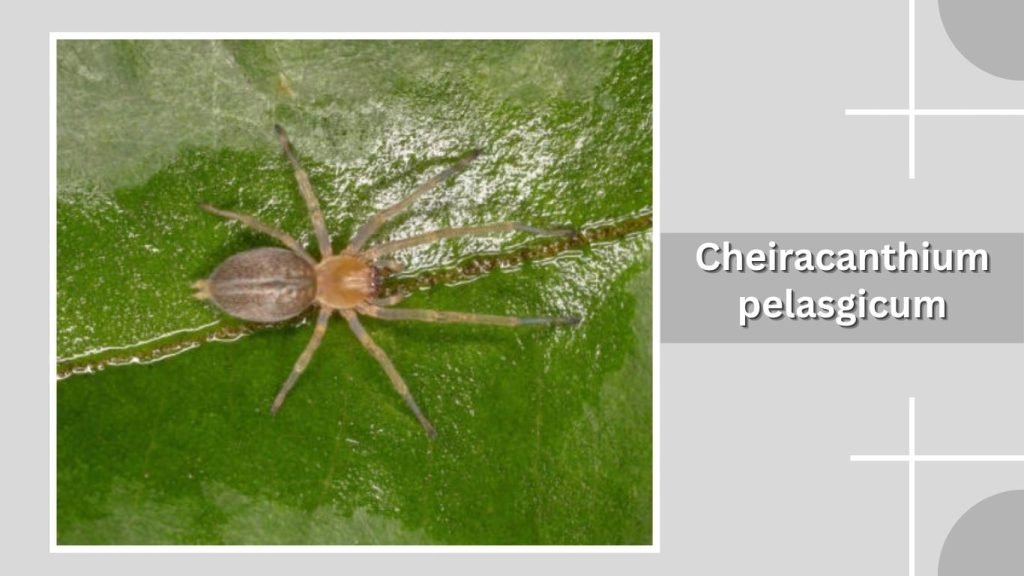
Cheiracanthium pelasgicum is a species commonly found in Mediterranean regions and parts of Southern Europe. It is typically associated with dry, warm climates and is often seen in natural vegetation rather than indoor environments.
Identification
- Pale yellow to yellow-green body
- Body length: about 6–10 mm
- Slightly darker cephalothorax
- Long, slender legs
- Smooth, oval-shaped abdomen
- Subtle coloration for camouflage in plants
Habitat and Distribution
This species is mainly distributed across Southern Europe and Mediterranean areas. It prefers dry habitats such as grasslands, shrubs, and rocky terrain. It builds small silk sacs among leaves or stems where it hides during the day. It is rarely found indoors and is mostly an outdoor species.
Behavior
Cheiracanthium pelasgicum is a nocturnal hunter that actively searches for prey instead of using webs to capture it. It feeds on small insects and arthropods found in vegetation. During the day, it stays hidden inside a silk sac, emerging at night to hunt. It is generally shy and avoids human contact.
Bite and Human Interaction
This spider is not aggressive but may bite if disturbed or handled. The bite typically causes mild symptoms such as localized pain, redness, and slight swelling. In most cases, symptoms are short-lived and not medically significant. Human encounters are uncommon due to its outdoor habitat preference.
8. Cheiracanthium virescens (Greenish Yellow Sac Spider)
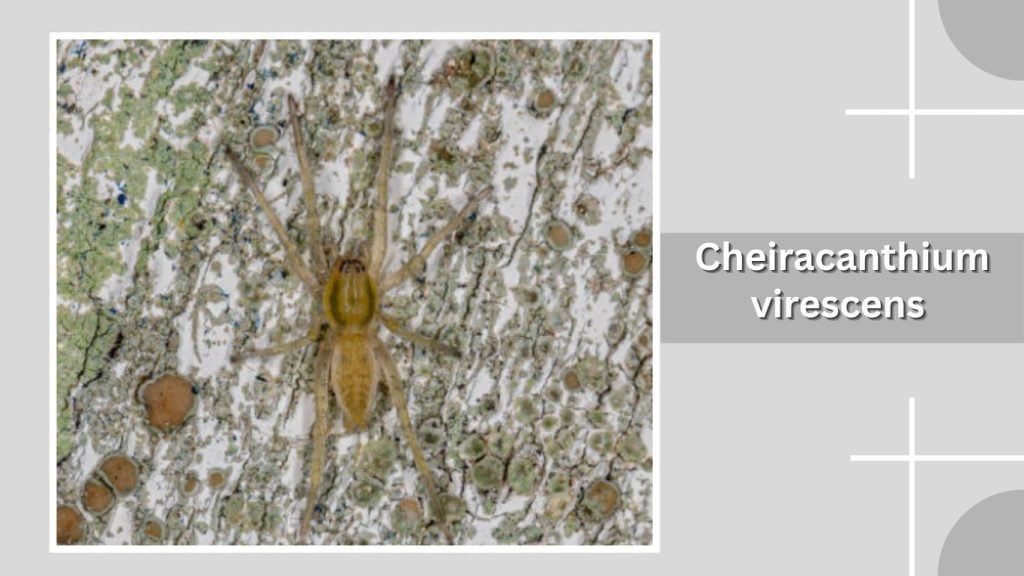
Cheiracanthium virescens is a yellow sac spider species known for its slightly greenish coloration, which helps it blend well with foliage. It is commonly found in warm regions and is primarily associated with outdoor environments.
Identification
- Pale yellow with a noticeable greenish tint
- Body length: about 6–10 mm
- Slightly darker cephalothorax
- Long, slender legs with fine hairs
- Smooth, oval abdomen
- Camouflaged appearance in green vegetation
Habitat and Distribution
This species is typically found in warm climates across parts of Europe, Africa, and Asia. It prefers habitats such as gardens, shrubs, forests, and grassy areas. It builds silk sacs in leaves or plant folds where it remains hidden during the day. It is rarely found indoors.
Behavior
Cheiracanthium virescens is a nocturnal hunter that actively searches for prey instead of using webs. It feeds on small insects and arthropods found in vegetation. During daylight hours, it rests inside a silk sac attached to plants. It is generally non-aggressive and avoids disturbances.
Bite and Human Interaction
This spider may bite if threatened or accidentally pressed against the skin. The bite usually results in mild symptoms such as redness, slight swelling, and temporary discomfort. Serious reactions are uncommon, and it is not considered medically dangerous to humans.
9. Cheiracanthium pennyi (Penny’s Yellow Sac Spider)
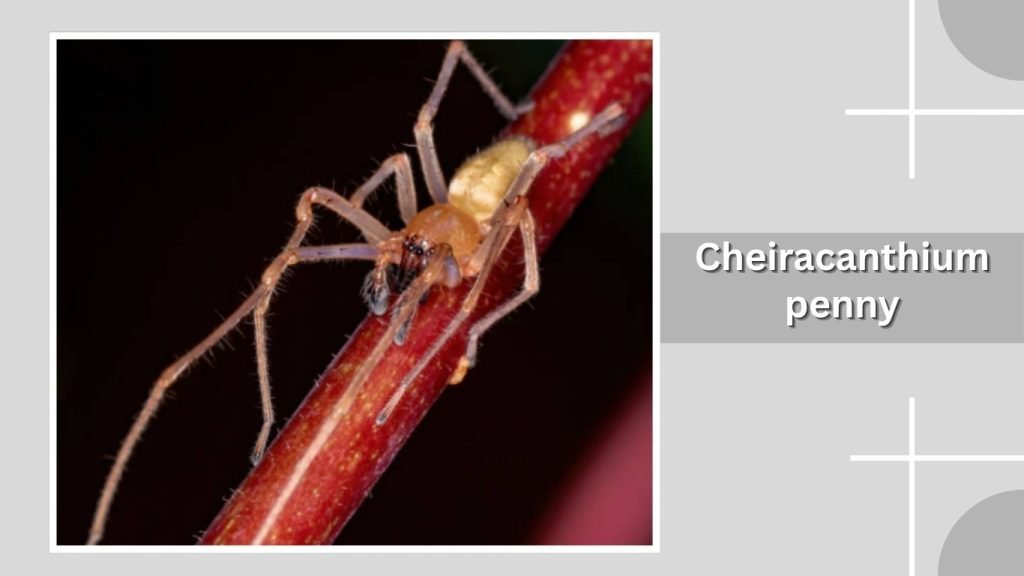
Cheiracanthium pennyi is a relatively lesser-known species of yellow sac spider, primarily recorded in parts of North America. Like others in its genus, it is a nocturnal hunter and is most often associated with outdoor vegetation.
Identification
- Pale yellow to light cream body
- Body length: about 5–8 mm
- Slightly darker cephalothorax
- Long, slender legs
- Smooth, oval-shaped abdomen
- Subtle, uniform coloration
Habitat and Distribution
This species is found mainly in North America, particularly in regions with moderate climates. It prefers outdoor habitats such as shrubs, grasses, and garden plants. It constructs small silk sacs within leaves or plant structures where it remains hidden during the day. It is rarely encountered indoors.
Behavior
Cheiracanthium pennyi is a nocturnal predator that actively hunts insects rather than relying on webs. It moves through vegetation at night in search of prey like small flies and arthropods. During the day, it stays inside a silk sac for protection. It is generally shy and avoids human interaction.
Bite and Human Interaction
This spider is not aggressive but may bite if provoked or accidentally disturbed. The bite usually causes mild irritation, including redness and slight swelling. Symptoms are typically short-lived and not considered medically significant. Encounters with humans are uncommon due to its outdoor lifestyle.
10. Cheiracanthium africanum (African Yellow Sac Spider)
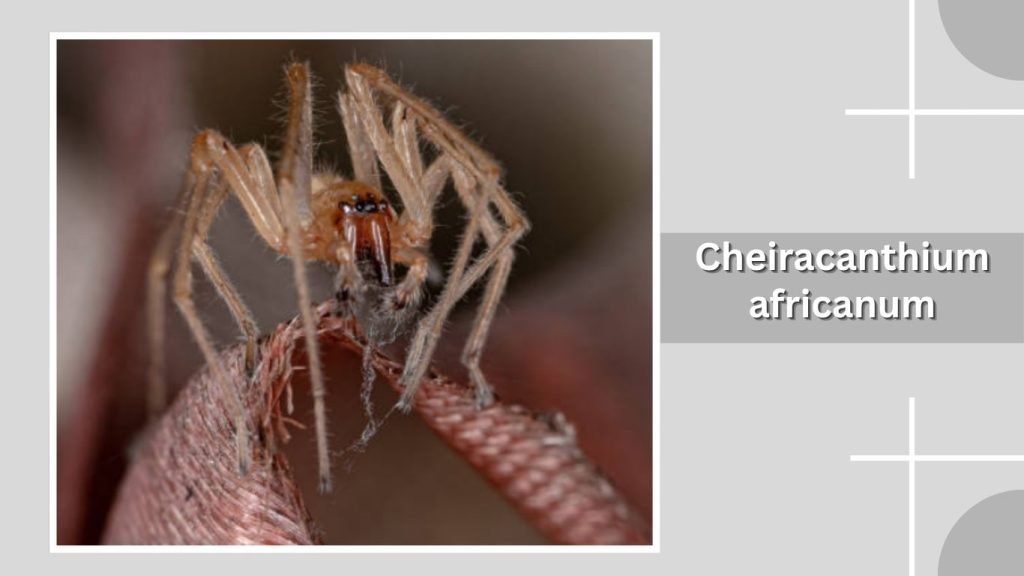
Cheiracanthium africanum is a yellow sac spider species commonly found in various parts of Africa. It is well adapted to warm climates and is typically associated with outdoor vegetation, where it remains well camouflaged.
Identification
- Pale yellow to yellow-green body
- Body length: about 6–10 mm
- Slightly darker cephalothorax
- Long, thin legs
- Smooth, oval abdomen
- Subtle coloration blending with surroundings
Habitat and Distribution
This species is widely distributed across different regions of Africa, particularly in warm and dry environments. It prefers habitats such as grasslands, shrubs, forests, and agricultural areas. It builds silk sacs within leaves or plant structures, where it rests during the day. It is mostly found outdoors.
Behavior
Cheiracanthium africanum is a nocturnal hunter that actively searches for prey instead of using webs. It feeds on small insects and other arthropods found in vegetation. During the day, it remains hidden in its silk sac. It is generally shy and avoids disturbances.
Bite and Human Interaction
This spider is not aggressive but may bite if handled or accidentally pressed against the skin. The bite can cause mild symptoms such as redness, swelling, and slight discomfort. These effects are usually temporary, and the species is not considered dangerous to humans.
11. Cheiracanthium hesperium (Western Yellow Sac Spider)
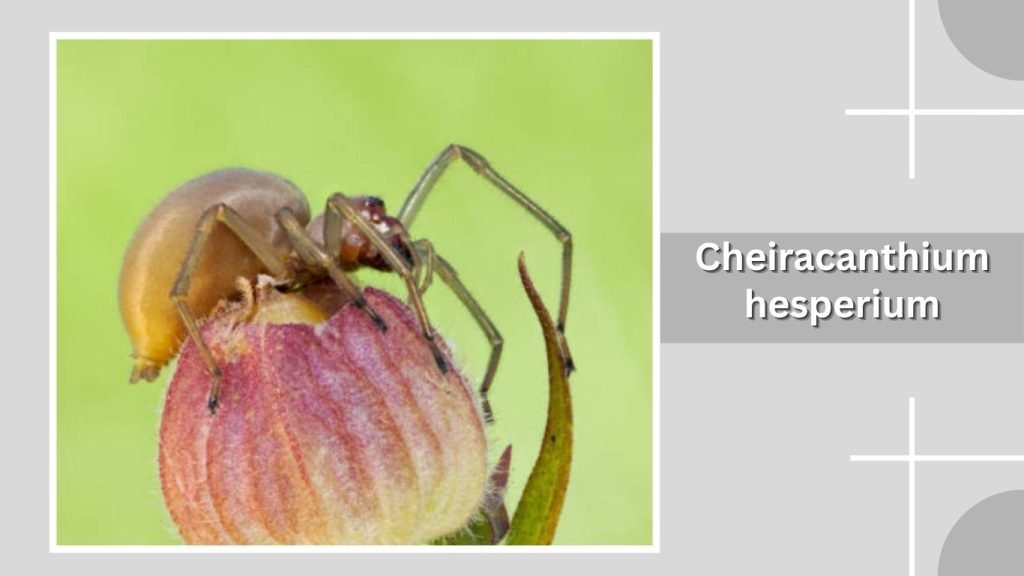
Cheiracanthium hesperium is a species commonly found in western parts of North America. It is similar in appearance and behavior to other yellow sac spiders and is often associated with both natural environments and human structures.
Identification
- Pale yellow to light tan body
- Body length: about 5–10 mm
- Slightly darker cephalothorax
- Long, slender legs
- Smooth, oval abdomen
- Subtle coloration with minimal markings
Habitat and Distribution
This species is mainly distributed in western North America, including the United States and parts of Canada. It can be found in a variety of habitats such as grasslands, forests, gardens, and sometimes indoors. It creates silk sacs in corners, leaves, or sheltered areas where it rests during the day.
Behavior
Cheiracanthium hesperium is a nocturnal hunter that actively searches for prey rather than building webs to capture it. It feeds on insects and small arthropods. During the day, it stays hidden in a silk sac. It is generally non-aggressive and avoids contact with humans.
Bite and Human Interaction
This spider may bite if provoked or trapped against the skin. The bite typically causes mild symptoms such as redness, itching, and slight swelling. Serious reactions are rare, and it is not considered medically significant. Due to its occasional indoor presence, human encounters can happen.
12. Cheiracanthium striolatum (Striped Yellow Sac Spider)
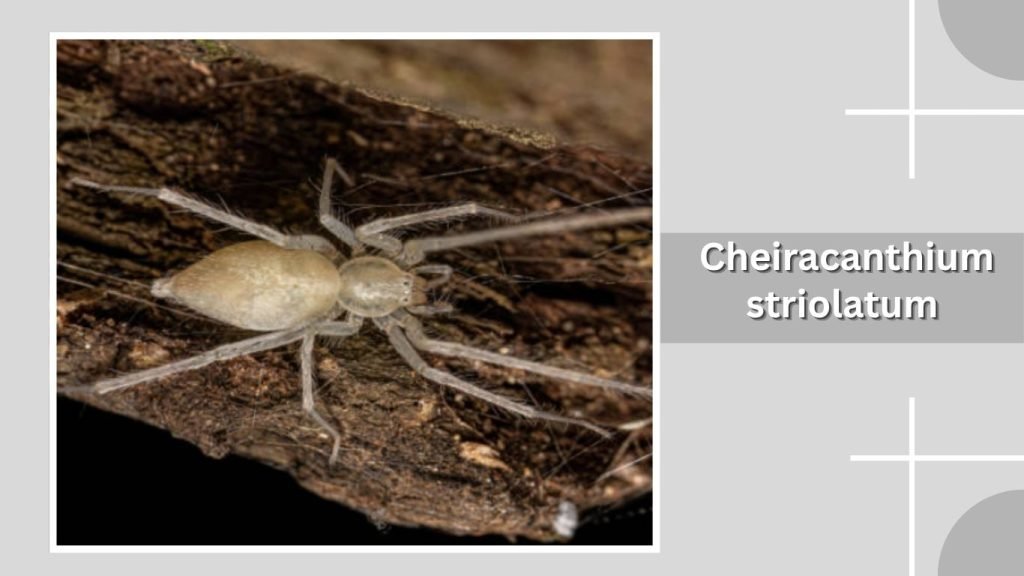
Cheiracanthium striolatum is a yellow sac spider species found mainly in parts of Asia and Eastern Europe. It is known for its subtle body markings and its ability to blend into natural surroundings, especially among grasses and shrubs.
Identification
- Pale yellow to light green body
- Body length: about 6–10 mm
- Slightly darker cephalothorax
- Long, slender legs
- Oval abdomen with faint stripe-like markings
- Soft, smooth body texture
Habitat and Distribution
This species is distributed across regions of Asia and Eastern Europe. It prefers outdoor habitats such as grasslands, fields, shrubs, and forest edges. It builds silk sacs among leaves or stems where it remains hidden during the day. It is rarely found indoors.
Behavior
Cheiracanthium striolatum is a nocturnal hunter that actively searches for prey instead of relying on webs. It feeds on small insects and arthropods found in vegetation. During daylight hours, it stays inside its silk sac. It is generally shy and avoids disturbances.
Bite and Human Interaction
This spider is not aggressive but may bite if disturbed or accidentally handled. The bite usually results in mild symptoms such as redness, slight swelling, and temporary discomfort. Serious effects are rare, and it is not considered dangerous to humans.
FAQs
Are yellow sac spiders dangerous to humans?
Yellow sac spiders are not considered dangerous. Their bites may cause mild pain, redness, and swelling, similar to a bee sting. In rare cases, symptoms may last longer, but serious medical complications are very uncommon.
Do yellow sac spiders live inside homes?
Yes, some species like Cheiracanthium mildei commonly live indoors. They hide in corners, ceilings, and folds of fabric. However, many other species prefer outdoor environments such as grasslands, shrubs, and gardens.
What do yellow sac spiders eat?
They are active hunters that feed on small insects such as flies, moths, and other arthropods. Unlike web-building spiders, they roam at night to catch prey instead of trapping it in webs.
Why are they called “sac spiders”?
They are called sac spiders because they create small silk sacs or retreats. These sacs are used for resting during the day, molting, and sometimes for protecting eggs.
Are yellow sac spiders aggressive?
No, they are generally shy and non-aggressive. They usually avoid humans and will only bite if disturbed or accidentally pressed against the skin.
