
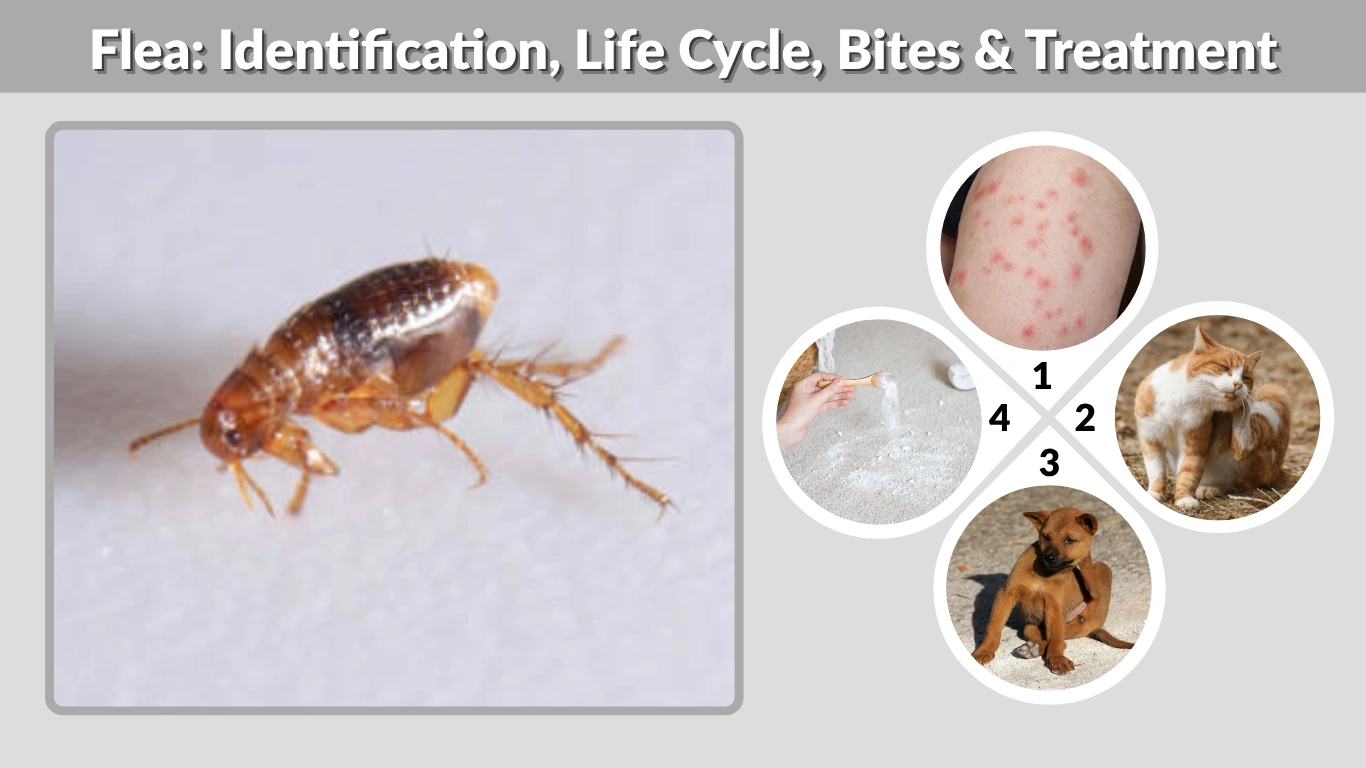
Fleas are tiny, wingless parasites that can quickly turn into a serious nuisance for both humans and pets. These blood-feeding insects multiply rapidly and are often difficult to eliminate once they infest a home. Understanding how fleas live, spread, and affect health is essential for effective control. In this guide, you’ll learn how to identify fleas, recognize their bites, and understand the early signs of infestation before it becomes a bigger problem.
What Is a Flea?
A flea is a small, dark-colored insect that survives by feeding on the blood of animals and sometimes humans. Despite their size, fleas are incredibly agile and can jump long distances, making them hard to catch or eliminate.
Fleas are a common household problem, especially in homes with pets like dogs and cats. The most widespread species is the cat flea, which affects both cats and dogs. These pests usually hide in warm, dark places such as carpets, bedding, upholstery, and pet fur.
Flea Life Cycle Explained
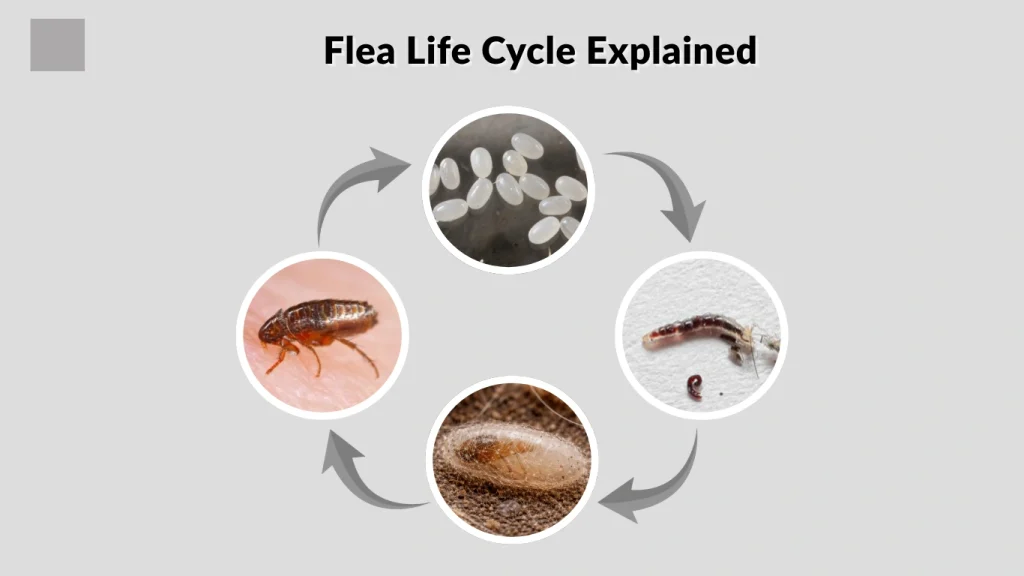
Understanding the flea life cycle is key to controlling an infestation effectively. Fleas go through four stages, and each stage requires a different approach for removal.
Egg Stage
Adult fleas lay eggs on their host, but these eggs often fall off into carpets, bedding, or floors. A single flea can lay dozens of eggs daily, which makes infestations spread quickly. Eggs typically hatch within 1–2 days under favorable conditions.
Larva Stage
Once hatched, larvae avoid light and burrow deep into carpets, cracks, or fabric. They feed on organic matter, including flea dirt (digested blood from adult fleas). This stage lasts several days to weeks depending on the environment.
Pupa Stage
In this stage, the larva forms a cocoon, making it highly resistant to environmental conditions and treatments. Fleas can remain in this stage for weeks or even months, waiting for the right conditions to emerge.
Adult Flea
Adult fleas emerge when they sense heat, vibration, or carbon dioxide—signs of a potential host. Once they find a host, they begin feeding immediately and start reproducing within a short time.
What Causes Flea Infestations?
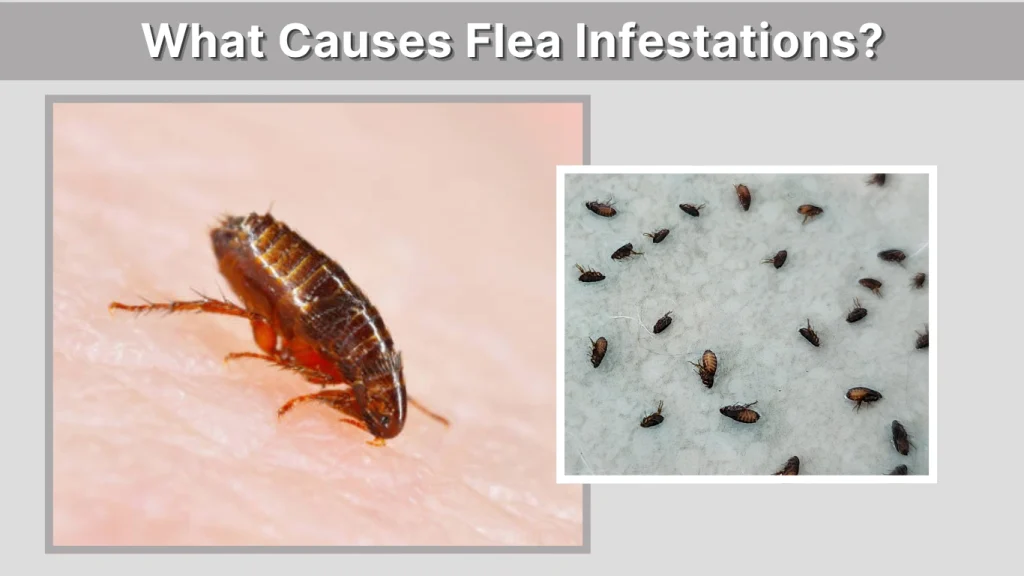
Flea infestations don’t happen randomly—they are usually caused by specific factors that allow fleas to enter and multiply in your home.
Pets as Primary Carriers
Pets are the most common way fleas enter a home. Dogs and cats can pick up fleas from outdoor environments, other animals, or even from grooming facilities.
Outdoor Exposure
Fleas thrive in warm, humid outdoor environments like gardens, grass, and shaded areas. If your pet spends time outside, they are more likely to bring fleas indoors.
Poor Hygiene and Environment
Fleas can easily hide in carpets, furniture, and bedding. Homes that are not cleaned regularly provide the perfect environment for fleas to grow and reproduce.
Flea Bites: Symptoms and Identification
Flea bites are often the first noticeable sign of an infestation. Recognizing them early can help prevent the problem from worsening.
What Do Flea Bites Look Like?
Flea bites appear as small, red bumps, often grouped in clusters or lines. They may have a darker center and are usually surrounded by a slightly raised area.
Common Bite Locations
Flea bites are most commonly found on the lower legs, ankles, and feet. In some cases, they may also appear around the waist or in areas where clothing fits tightly.
Allergic Reactions
Some people and pets may develop allergic reactions to flea saliva. This can lead to intense itching, swelling, or even skin infections if scratched excessively.
Flea Bites vs Other Insect Bites
Unlike mosquito bites, flea bites usually appear in clusters and are smaller. Compared to bed bug bites, flea bites are more commonly found on the lower body rather than exposed skin areas like arms or shoulders.
Fleas on Pets (Dogs and Cats)
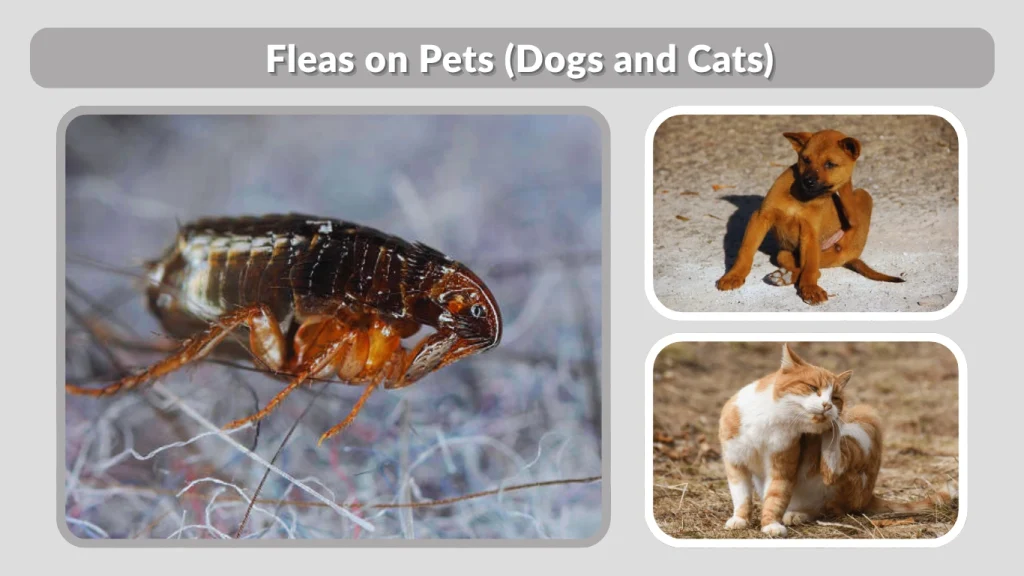
Pets are the primary targets of fleas, and infestations often begin with them. Early detection can save both your pet and your home from a severe problem.
Signs of Fleas on Dogs
Dogs with fleas often scratch excessively, especially around the neck, ears, and tail. You may also notice red or irritated skin, small scabs, or hair loss in affected areas.
Signs of Fleas on Cats
Cats tend to groom themselves more frequently when they have fleas. This can lead to hair thinning, skin irritation, and visible discomfort. In some cases, you may notice tiny black specks (flea dirt) in their fur.
How to Detect Fleas in Your Home
Detecting fleas early is essential to prevent a full-blown infestation. Since fleas are tiny and fast-moving, they can easily go unnoticed until the problem becomes serious.
Checking Common Areas
Start by inspecting areas where your pet spends most of its time. Carpets, rugs, sofas, and pet bedding are the most common hiding spots. Look closely for movement or tiny dark insects jumping around.
Identifying Flea Dirt
Flea dirt looks like small black or brown specks, similar to ground pepper. These are actually flea droppings made of digested blood. You can confirm this by placing the specks on a wet tissue—if they turn reddish, it’s flea dirt.
Using Simple Flea Traps
A simple way to detect fleas is by placing a bowl of water under a light source at night. Fleas are attracted to light and may jump into the water, helping you confirm their presence.
How to Get Rid of Fleas Effectively
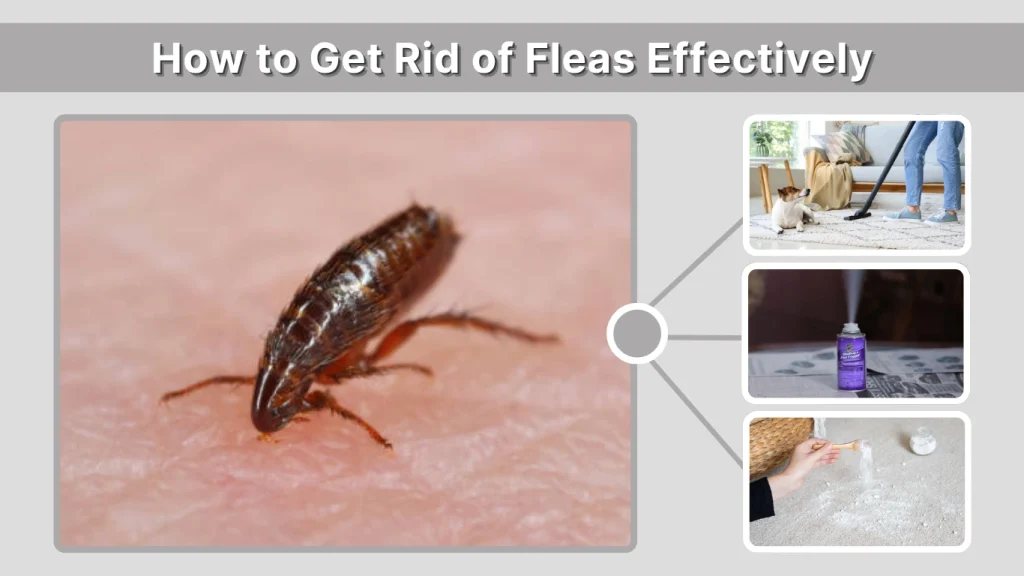
Eliminating fleas requires a combination of cleaning, treatment, and persistence. Since fleas exist in multiple life stages, one-time treatment is usually not enough.
Cleaning Methods
Regular vacuuming is one of the most effective ways to remove flea eggs, larvae, and adults. Focus on carpets, furniture, and corners. Wash all bedding, pet blankets, and fabrics in hot water to kill fleas at all stages.
Chemical Treatments
In severe infestations, chemical treatments may be necessary. Flea sprays, foggers, and powders can help eliminate fleas from your home. Always follow safety instructions and ensure pets are kept away during application.
Natural Remedies
For those who prefer non-chemical options, natural remedies can help. Baking soda and salt can dehydrate flea eggs and larvae when applied to carpets. Diatomaceous earth is another effective natural powder that damages the flea’s outer layer.
Best Flea Treatments for Pets
Treating your pets is a crucial step in controlling fleas, as they are the primary hosts.
Flea Shampoos
Flea shampoos provide immediate relief by killing fleas on contact. However, they are usually a short-term solution and should be combined with other treatments.
Spot-On Treatments
These are liquid treatments applied directly to your pet’s skin, usually between the shoulder blades. They provide long-lasting protection and are commonly used monthly.
Oral Medications
Oral flea medications work from within and can kill fleas quickly. Some treatments start working within hours and are highly effective for severe infestations.
Flea Collars
Flea collars release active ingredients over time, providing continuous protection. They are convenient but should be chosen carefully based on your pet’s size and health.
How to Prevent Flea Infestations
Prevention is always easier and more effective than dealing with an infestation.
Regular Cleaning Routine
Keep your home clean by vacuuming frequently and washing fabrics regularly. This helps remove flea eggs before they hatch.
Pet Care and Grooming
Regular grooming and checking your pet’s fur can help you detect fleas early. Use flea combs to remove fleas and monitor your pet’s skin condition.
Yard Maintenance
Trim grass, remove debris, and keep outdoor areas dry. Fleas thrive in shaded, moist environments, so maintaining your yard reduces their habitat.
Preventive Treatments
Using monthly flea prevention products for pets is one of the most reliable ways to avoid infestations. Consult a veterinarian for the best option.
Health Risks Associated with Fleas
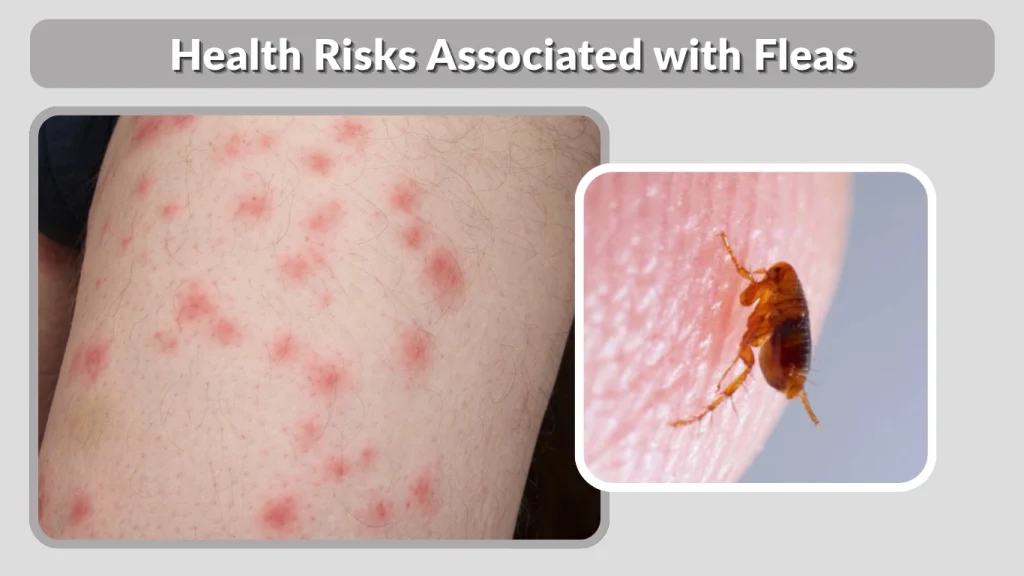
Fleas are not just irritating—they can also pose health risks to both humans and animals.
Disease Transmission
Fleas can carry bacteria and transmit diseases through their bites. While rare, some infections can be serious if left untreated.
Tapeworm Risk
Pets can ingest fleas while grooming, leading to tapeworm infections. This is a common issue in untreated infestations.
Skin Infections
Excessive scratching caused by flea bites can break the skin, leading to infections. This is especially common in pets with sensitive skin.
FAQs
How long do fleas live?
Fleas can live anywhere from a few weeks to several months, depending on environmental conditions and access to a host.
Can fleas live on humans?
Fleas may bite humans, but they do not typically live on human bodies. They prefer animal hosts with fur.
Do fleas jump or fly?
Fleas cannot fly, but they can jump extremely high relative to their size, which helps them move between hosts.
How fast can fleas spread?
Fleas spread very quickly due to their rapid reproduction. A small problem can turn into a major infestation within days.
Conclusion
Fleas may be small, but they can cause significant discomfort and health issues if left untreated. Understanding their life cycle, recognizing early signs, and taking prompt action are key to controlling infestations. By combining proper pet care, regular cleaning, and preventive measures, you can protect your home and loved ones from these persistent pests. Consistency is the most important factor in keeping fleas away for good.
