
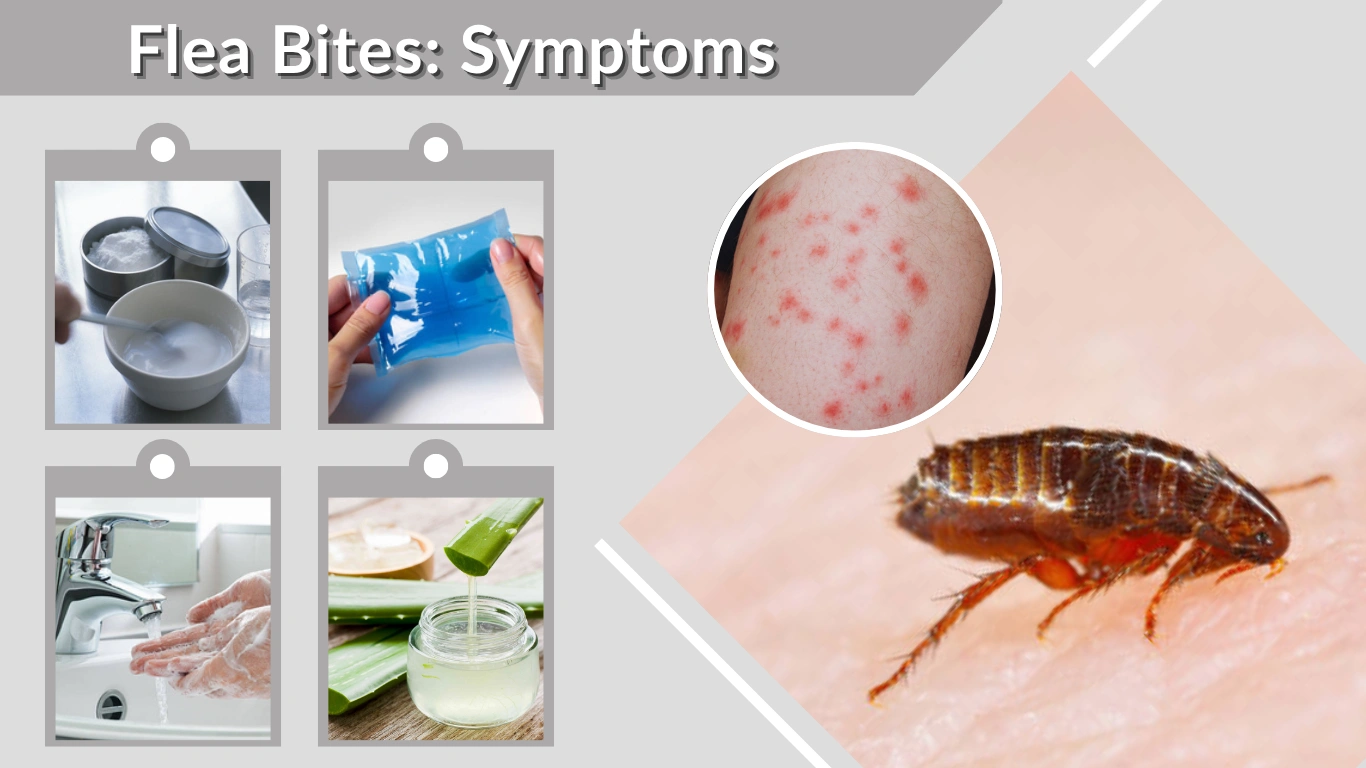
Flea bites are a common skin problem that can cause intense itching and discomfort. These tiny parasites feed on blood and often target both humans and pets, especially in infested environments. While flea bites are usually not dangerous, they can lead to irritation, allergic reactions, and even infections if not treated properly. Understanding how to identify flea bites and manage their symptoms is essential for quick relief and preventing further exposure.
What Are Flea Bites?
Flea bites occur when fleas pierce the skin to feed on blood. These bites are typically small but can become extremely itchy due to the flea’s saliva, which triggers a reaction in the skin.
Fleas usually prefer animals with fur, such as dogs and cats, but they can also bite humans when no other host is available. People living in homes with pets or in areas with flea infestations are more likely to experience flea bites.
What Do Flea Bites Look Like?
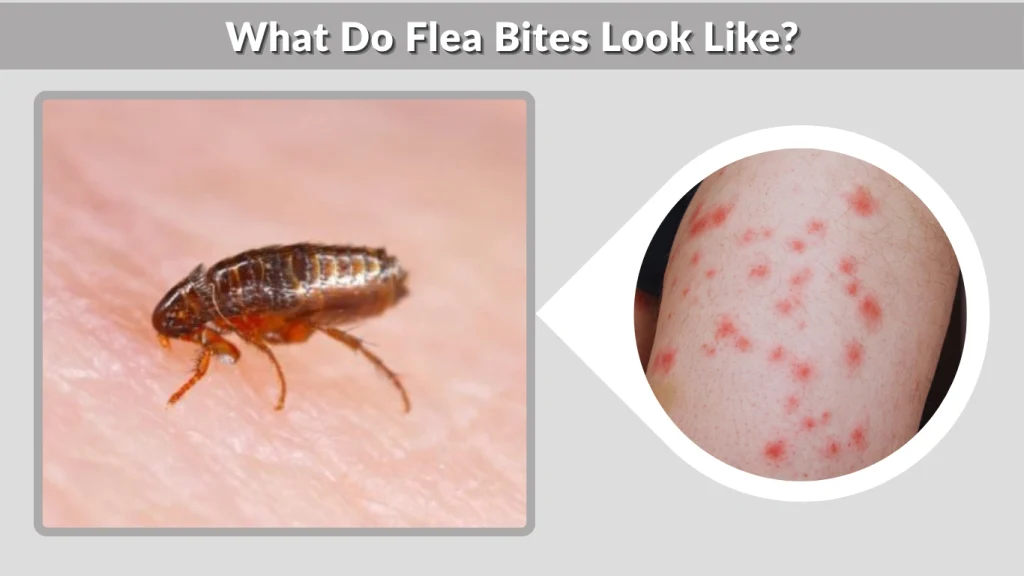
Recognizing flea bites early can help you take action before the problem worsens.
Appearance of Flea Bites
Flea bites appear as tiny red bumps with a slightly darker center. They often occur in clusters or straight lines because fleas tend to bite multiple times in one area. The surrounding skin may become inflamed or irritated.
Common Areas on the Body
Flea bites are most commonly found on the lower parts of the body, such as ankles, feet, and legs. They may also appear around the waist, especially where clothing fits tightly. This pattern helps distinguish them from other insect bites.
Symptoms of Flea Bites
The symptoms of flea bites can vary depending on how sensitive a person is to the bites.
Itching and Irritation
One of the most noticeable symptoms is intense itching. Flea bites tend to itch more than many other insect bites, making them particularly uncomfortable.
Skin Reactions
The affected area may become red, swollen, and slightly raised. In some cases, repeated scratching can lead to scabs or sores.
Allergic Reactions
Some individuals may experience an allergic reaction to flea saliva. This can result in severe itching, larger swollen areas, or even a rash. Pets are especially prone to flea allergy dermatitis, which can cause significant discomfort.
How Long Do Flea Bites Last?
Flea bites usually heal within a few days to a week. However, the duration depends on several factors, including skin sensitivity and how much the area is scratched.
In mild cases, the redness and itching may fade quickly. But if the bites are irritated or infected, they can take longer to heal. Scratching the bites can worsen the condition and increase the risk of infection, so it’s important to avoid touching them as much as possible.
Flea Bites vs Other Insect Bites
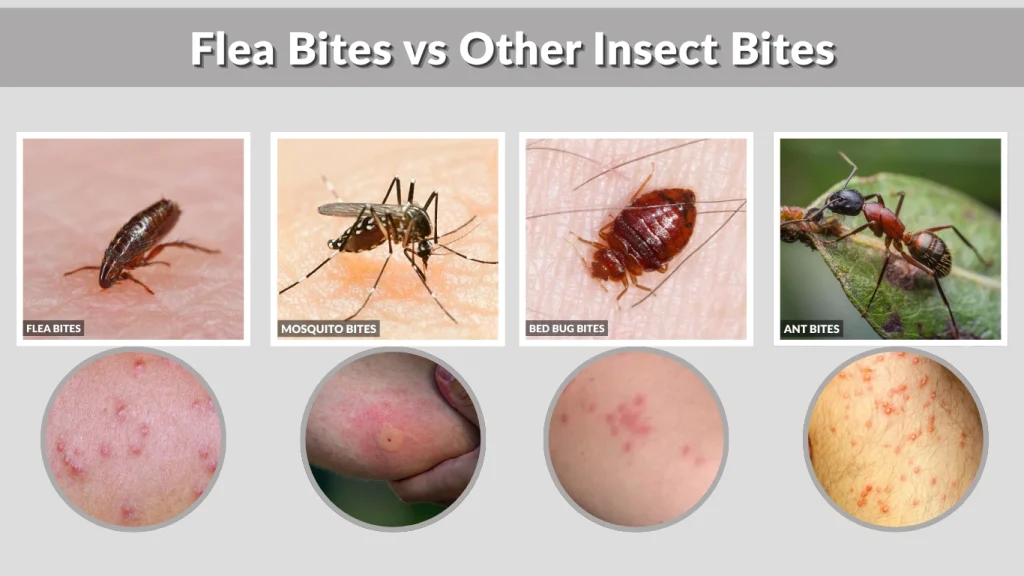
Flea bites can sometimes be confused with other insect bites, but there are key differences that can help you identify them correctly.
Flea Bites vs Mosquito Bites
Mosquito bites are usually larger and more spread out, while flea bites are smaller and appear in clusters. Mosquito bites also tend to occur on exposed areas like arms, whereas flea bites are more common on the lower body.
Flea Bites vs Bed Bug Bites
Bed bug bites often appear in straight lines and are commonly found on areas exposed during sleep, such as arms, neck, and shoulders. Flea bites, on the other hand, are more concentrated around the legs and ankles.
Flea Bites vs Ant Bites
Ant bites can be painful and may form pustules or blisters. Flea bites are usually less painful but much itchier and appear in groups rather than isolated spots.
How to Treat Flea Bites
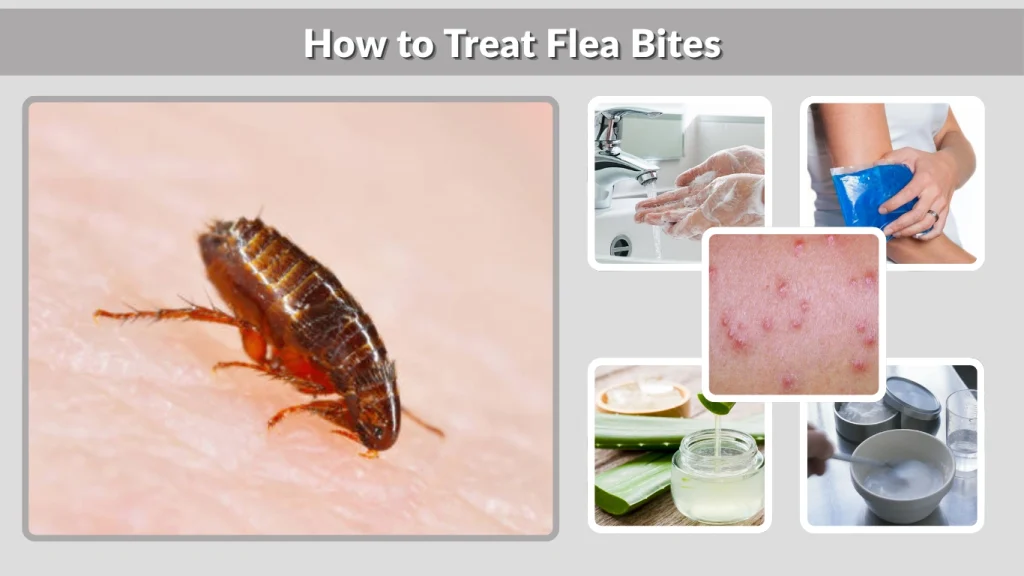
Treating flea bites quickly can help reduce discomfort and prevent complications.
Medical Treatments
Over-the-counter antihistamines can help reduce itching and allergic reactions. Anti-itch creams such as hydrocortisone are also effective in calming irritated skin.
Home Remedies
Simple home remedies can provide relief. Applying an ice pack can reduce swelling and numb the itching. Aloe vera is another natural option that soothes the skin, while a baking soda paste can help dry out the bites and reduce irritation.
When to See a Doctor
If the bites become severely swollen, painful, or show signs of infection (such as pus or increasing redness), it’s important to seek medical attention. Persistent allergic reactions should also be evaluated by a healthcare professional.
How to Stop Flea Bites from Itching
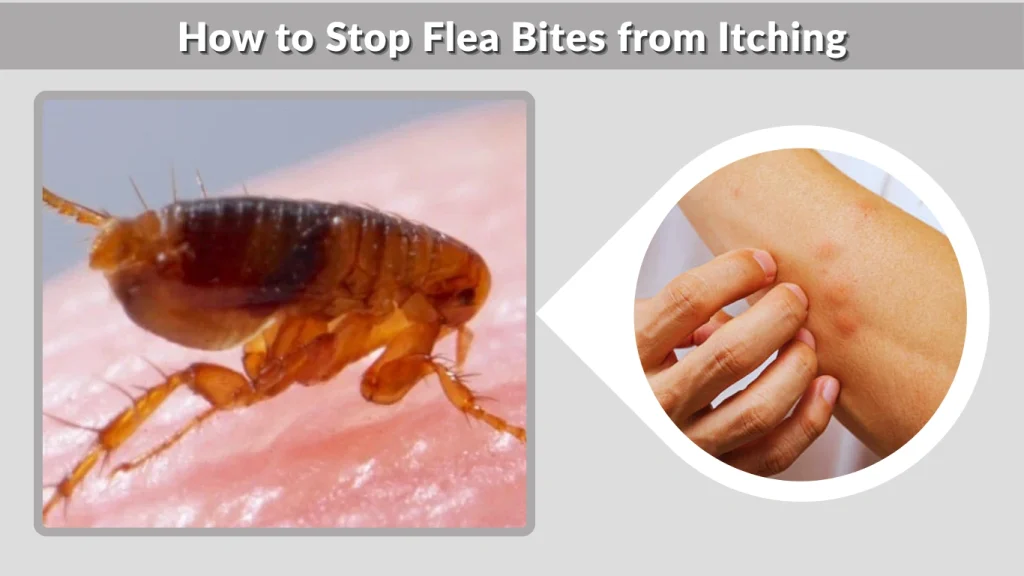
Managing the itching caused by flea bites is important to prevent skin damage and discomfort. Quick action can provide relief and reduce the urge to scratch.
Instant Relief Methods
Applying a cold compress or ice pack to the affected area can help numb the skin and reduce swelling. This is one of the fastest ways to relieve itching.
Topical Solutions
Over-the-counter products like calamine lotion and hydrocortisone cream can soothe irritated skin. These treatments reduce inflammation and help control itching effectively.
What to Avoid
Avoid scratching the bites, as this can break the skin and lead to infection. Also, stay away from harsh soaps or chemicals that may further irritate the skin.
How to Prevent Flea Bites
Preventing flea bites involves controlling fleas in both your home and on your pets.
Protecting Your Pets
Use regular flea treatments such as spot-on solutions, oral medications, or flea collars. Keeping your pets flea-free significantly reduces the risk of bites.
Home Cleaning Tips
Vacuum your home frequently, especially carpets, rugs, and furniture. Wash bedding and pet blankets in hot water to kill fleas and their eggs.
Outdoor Prevention
Maintain your yard by trimming grass and removing debris. Fleas thrive in warm, shaded areas, so keeping your outdoor space clean helps reduce their presence.
Are Flea Bites Dangerous?
Flea bites are generally not dangerous, but they can lead to complications if not managed properly.
Disease Risk
Fleas can carry bacteria and, in rare cases, transmit diseases. While this is uncommon, it is still a potential risk, especially in heavily infested environments.
Risk for Pets
Pets are more vulnerable to flea-related health issues. They can develop tapeworm infections if they ingest fleas while grooming.
Skin Complications
Excessive scratching can cause open wounds, which may become infected. This is one of the most common complications of flea bites in both humans and pets.
FAQs
Can flea bites spread disease?
Flea bites can sometimes transmit bacteria, but serious diseases are rare. Maintaining proper hygiene and flea control reduces any risk.
Do flea bites go away on their own?
Yes, most flea bites heal on their own within a few days. However, treatment can speed up recovery and reduce discomfort.
Why do flea bites itch more at night?
Itching may feel worse at night due to increased awareness and body temperature changes, which can intensify skin irritation.
Can fleas live on humans?
Fleas do not typically live on humans. They prefer animals with fur but may bite humans when necessary.
Conclusion
Flea bites may seem minor, but they can cause significant itching and discomfort if left untreated. Identifying the bites early, using effective treatments, and taking preventive measures are essential steps to avoid ongoing problems. By maintaining a clean environment, protecting your pets, and responding quickly to symptoms, you can reduce the risk of flea bites and keep your home comfortable and pest-free.
