
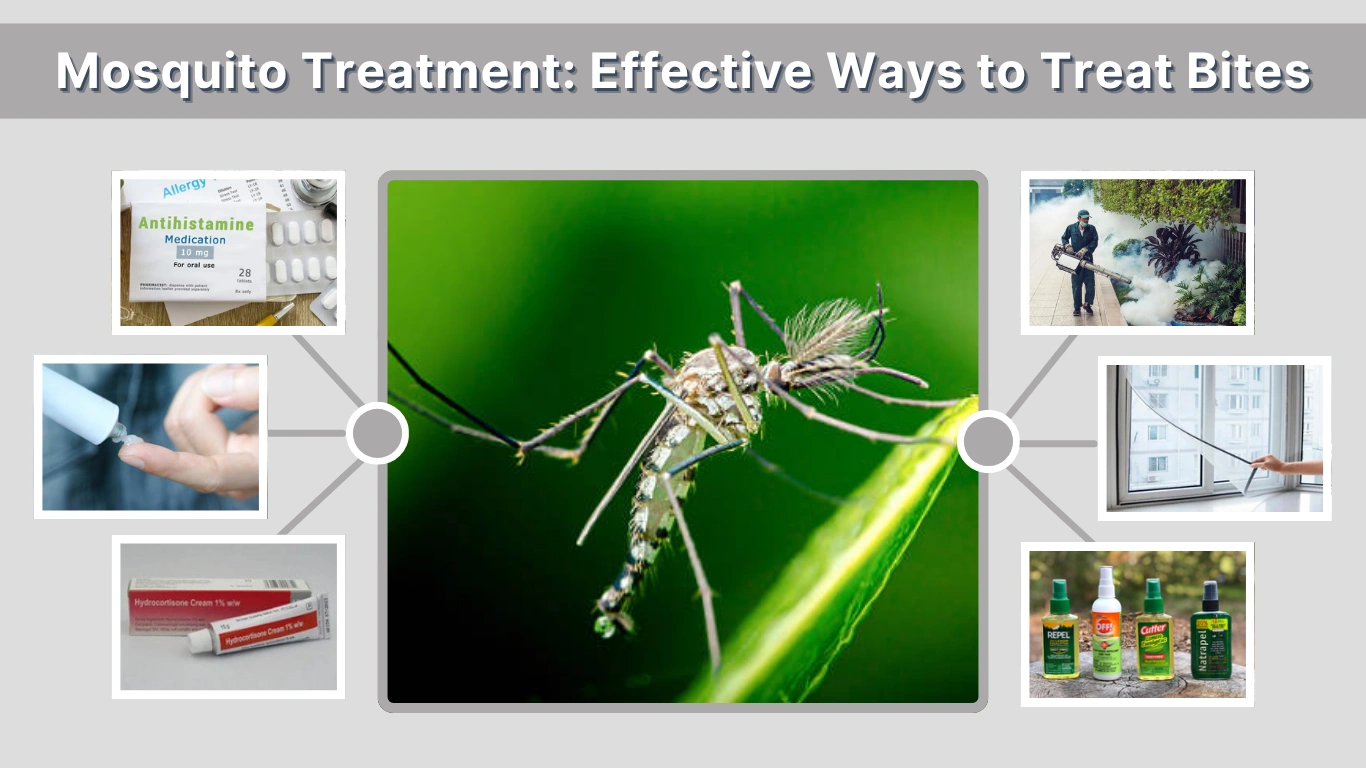
Mosquitoes are more than just a nuisance—they can cause itchy bites, allergic reactions, and even transmit diseases. Effective mosquito treatment involves two key aspects: treating mosquito bites to reduce discomfort and controlling mosquito populations to prevent future problems. Whether you’re dealing with irritating bites or trying to keep your home mosquito-free, understanding the right treatment methods can help you stay protected and comfortable.
What Is Mosquito Treatment?
Mosquito treatment refers to both the relief of mosquito bites and the control or elimination of mosquitoes in your environment. Many people focus only on soothing the itch, but long-term protection also requires reducing mosquito exposure.
There are two main types of mosquito treatment:
- Bite treatment: Focuses on reducing itching, swelling, and irritation after a bite
- Mosquito control treatment: Aims to eliminate mosquitoes and prevent bites
Using a combination of both approaches provides the most effective results.
Types of Mosquito Treatment
Understanding the different types of treatment helps you choose the right solution based on your needs.
Bite Treatment
This involves managing the symptoms caused by mosquito bites, such as itching, redness, and swelling. It is especially important for people with sensitive skin or allergic reactions.
Mosquito Control Treatment
This focuses on reducing or eliminating mosquitoes from your surroundings. It includes chemical, natural, and environmental methods.
Mosquito Bite Treatment
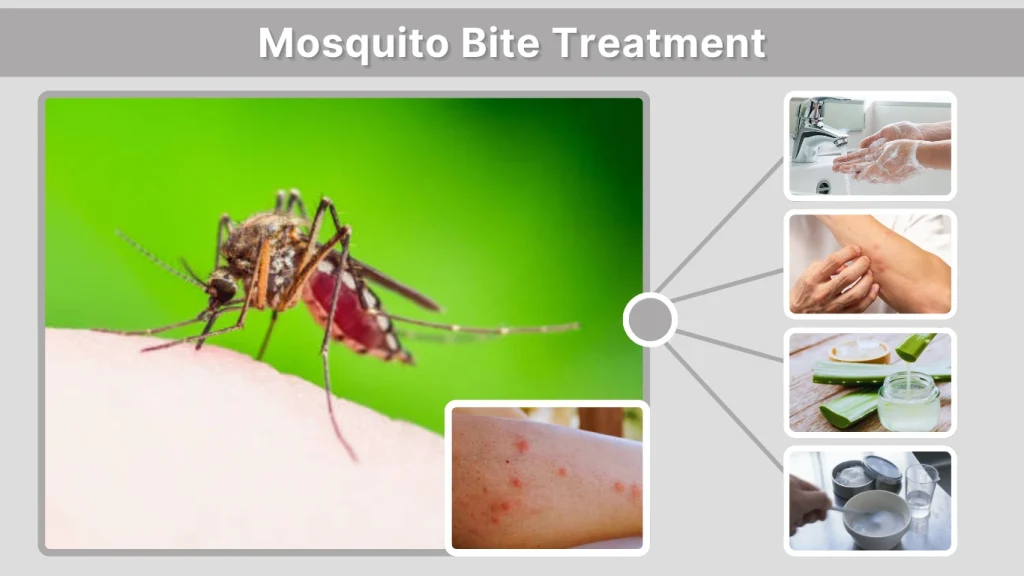
How to Treat Mosquito Bites Quickly
Treating mosquito bites as soon as possible can reduce discomfort and prevent worsening symptoms.
Immediate First Aid
- Wash the area: Clean the bite with soap and water to remove irritants
- Apply a cold compress: Reduces swelling and numbs itching
- Avoid scratching: Scratching can cause infection and increase irritation
Quick action can significantly reduce the severity of the reaction.
Home Remedies for Mosquito Bites
Natural remedies are widely used for mild to moderate mosquito bites. They are simple, affordable, and often effective.
- Aloe vera: Soothes the skin and reduces inflammation
- Honey: Has antibacterial properties and can reduce irritation
- Baking soda paste: Helps neutralize itching
- Oatmeal: Calms irritated skin when applied as a paste or bath
- Ice therapy: Provides immediate relief from itching and swelling
These remedies work best when applied shortly after the bite.
Over-the-Counter Mosquito Bite Treatments
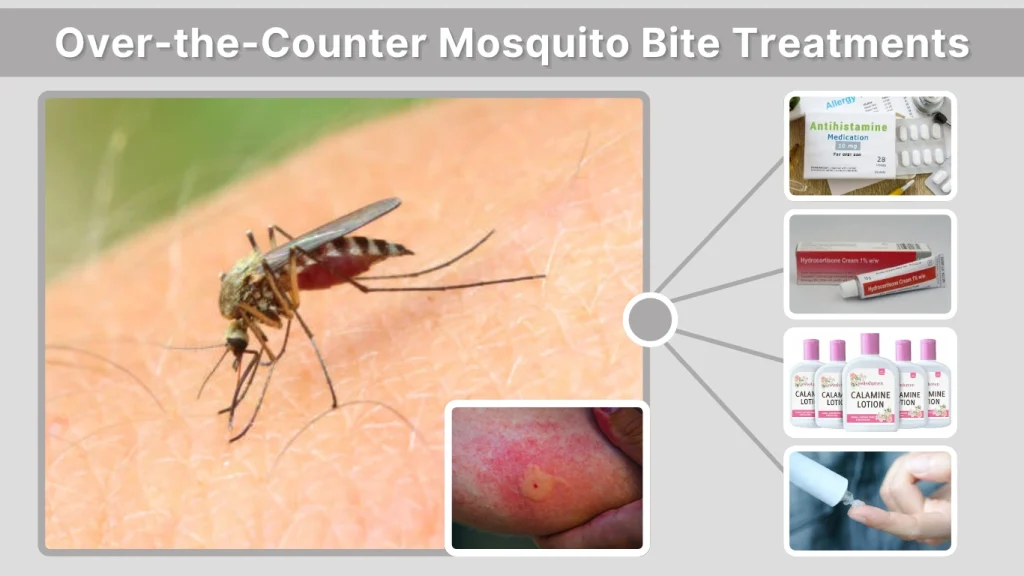
If home remedies are not enough, over-the-counter products can offer stronger relief.
- Antihistamines: Help control allergic reactions and reduce itching
- Hydrocortisone cream: Decreases inflammation and redness
- Calamine lotion: Soothes itching and cools the skin
- Anti-itch gels: Provide targeted relief
These treatments are widely available and easy to use, but it’s important to follow dosage instructions.
Medical Treatments for Severe Reactions
In some cases, mosquito bites can cause strong allergic reactions that require medical care.
- Prescription antihistamines: For intense itching and swelling
- Steroid creams or tablets: Reduce severe inflammation
- Treatment for allergic reactions: Including conditions like Skeeter syndrome
Seek medical attention if symptoms become severe or unusual.
How Long Do Mosquito Bites Take to Heal?
The healing time for mosquito bites depends on the individual and the severity of the reaction.
- Mild bites: Heal within 1–2 days
- Moderate reactions: May last 3–5 days
- Severe reactions: Can persist longer and may require treatment
Factors that affect healing include skin sensitivity, scratching, and overall immune response.
If a bite does not improve or worsens over time, it may indicate infection or an allergic reaction.
Mosquito Control & Prevention
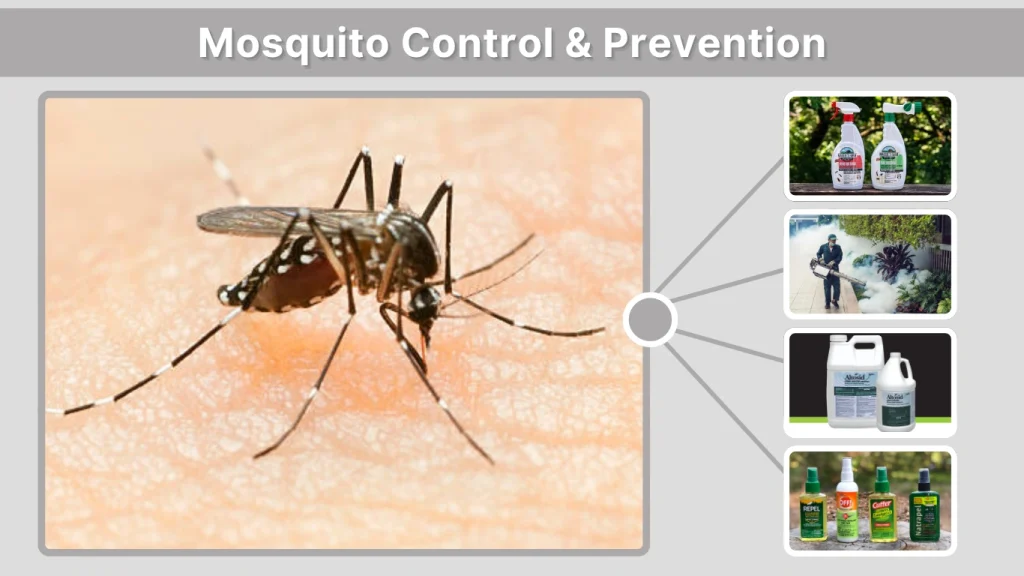
Best Mosquito Control Treatments
Controlling mosquitoes is essential to prevent bites and reduce health risks. There are several effective methods, ranging from chemical solutions to natural and biological approaches.
Chemical Treatments
Chemical methods are among the most effective ways to reduce mosquito populations quickly.
- Insecticide sprays: Used indoors or outdoors to kill adult mosquitoes
- Fogging treatments: Common in high-risk areas to control outbreaks
- Larvicides: Target mosquito larvae in water before they mature
- DEET-based repellents: Applied to skin to prevent bites
While effective, these treatments should be used carefully and according to safety guidelines.
Natural Mosquito Treatments
Natural options are popular for those who prefer chemical-free solutions.
- Citronella oil: Repels mosquitoes with its strong scent
- Neem oil: Has insect-repelling properties
- Eucalyptus oil: Effective in reducing mosquito presence
- Lavender oil: Provides mild repellent effects
Although natural remedies are safer for sensitive individuals, they may need frequent reapplication.
Biological Control Methods
Biological methods focus on controlling mosquito populations naturally.
- Mosquito-eating fish: Such as guppies, which feed on larvae
- Bacteria-based larvicides (BTI): Target larvae without harming humans or animals
These methods are environmentally friendly and suitable for long-term control.
How to Get Rid of Mosquitoes at Home
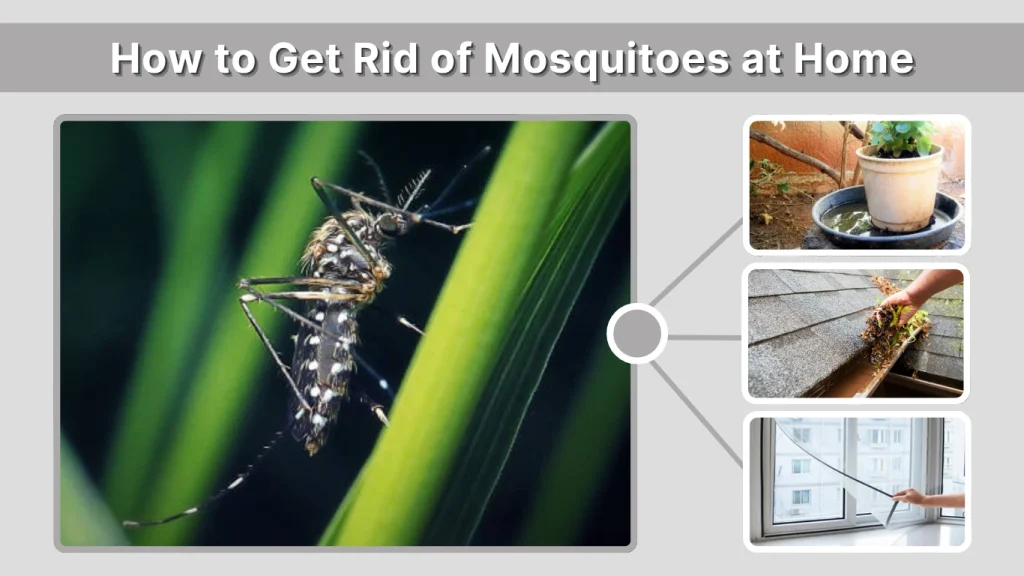
Keeping your home mosquito-free requires consistent effort and simple preventive steps.
- Eliminate standing water: Empty containers, buckets, and plant trays
- Clean drains and gutters: Prevent water buildup
- Install window screens: Keep mosquitoes from entering
- Use mosquito nets: Especially during sleep
- Indoor repellents: Coils, vaporizers, or electric devices
Small changes in your environment can significantly reduce mosquito presence.
Outdoor Mosquito Treatment Solutions
Outdoor areas can become breeding grounds if not properly maintained.
- Yard spraying: Helps reduce mosquito populations in gardens
- Trim vegetation: Mosquitoes rest in dense plants
- Remove debris: Prevent water collection
- Professional pest control: Effective for severe infestations
Regular outdoor maintenance is key to long-term mosquito control.
Prevention Tips
How to Prevent Mosquito Bites
Prevention is the most effective mosquito treatment strategy. Avoiding bites reduces the need for treatment altogether.
Personal Protection
- Use insect repellents containing DEET or picaridin
- Wear long-sleeved shirts and pants
- Avoid outdoor activity during peak mosquito hours (dawn and dusk)
Home Protection
- Install screens on windows and doors
- Use bed nets, especially in mosquito-prone areas
- Keep indoor spaces well-ventilated (fans can deter mosquitoes)
FAQs
What is the best treatment for mosquito bites?
The best treatment includes cleaning the area, applying ice, and using antihistamines or soothing creams like hydrocortisone.
How do you stop mosquito bites from itching fast?
Applying a cold compress, using anti-itch creams, and avoiding scratching can provide quick relief.
What kills mosquitoes instantly?
Insecticide sprays and fogging treatments can kill mosquitoes quickly, while electric devices can help indoors.
Are natural mosquito treatments effective?
Natural treatments can help repel mosquitoes but are generally less powerful than chemical solutions.
How can I keep mosquitoes away permanently?
While it’s difficult to eliminate mosquitoes completely, removing breeding sites and using repellents can significantly reduce their presence.
Conclusion
Mosquito treatment involves both relieving bite symptoms and controlling mosquito populations to prevent future problems. From simple home remedies to advanced control methods, there are many ways to manage mosquitoes effectively. While treatments can provide relief, prevention remains the most reliable strategy. By combining personal protection, environmental control, and timely treatment, you can reduce discomfort and enjoy a safer, mosquito-free environment.
