
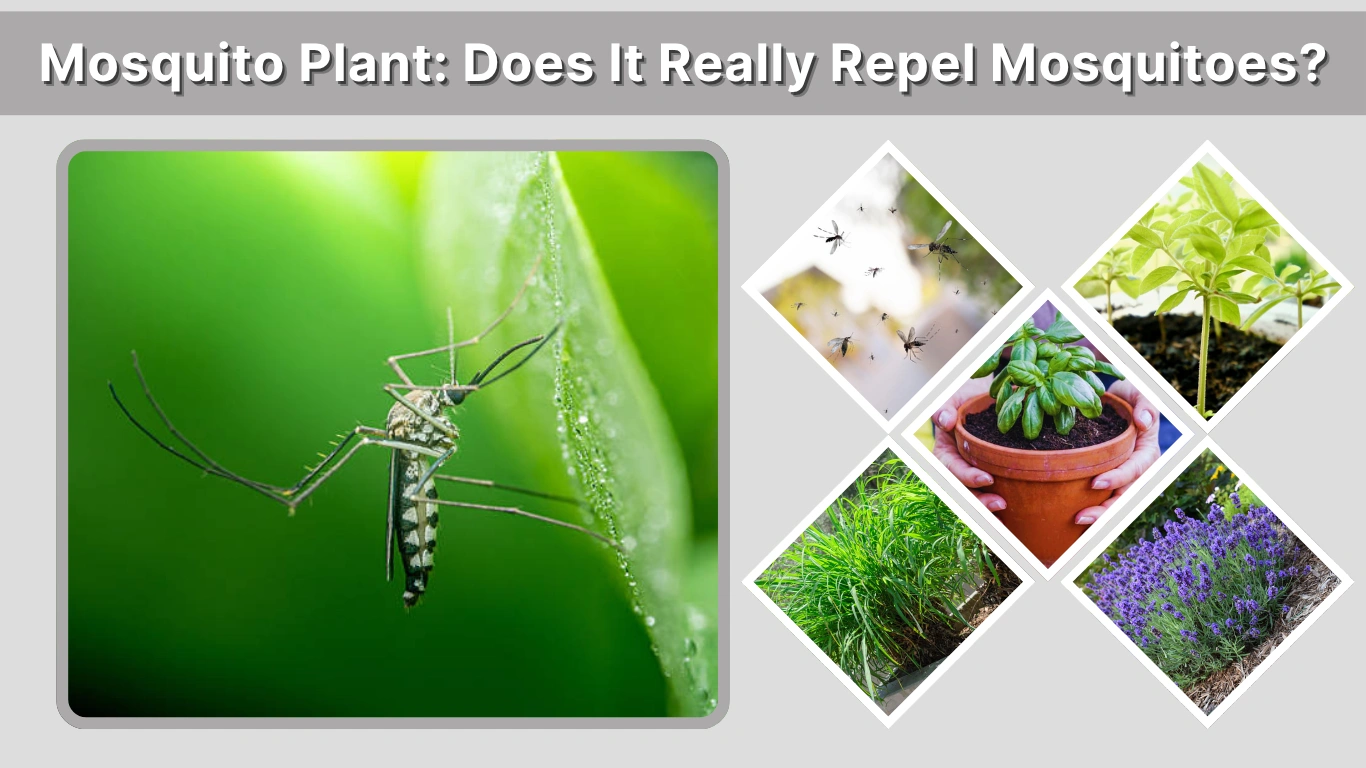
Mosquito plants have become increasingly popular as a natural way to keep mosquitoes away without using harsh chemicals. Known for their pleasant citrus-like scent, these plants are often placed in homes and gardens as a decorative yet functional solution. But do mosquito plants really work as effectively as claimed? In this guide, we’ll explore what a mosquito plant is, how it works, its benefits, and whether it can truly help reduce mosquito problems.
What Is a Mosquito Plant?
The term “mosquito plant” commonly refers to a specific type of scented geranium that is marketed as a natural mosquito repellent. While widely used, it is often misunderstood.
Definition and Origin
The mosquito plant is actually a citronella-scented geranium, not true citronella grass. It was developed by crossbreeding geraniums to produce a plant with a lemon-like fragrance similar to citronella oil, which is known for repelling insects.
Many people confuse it with citronella grass, the plant used to produce commercial citronella oil. However, the mosquito plant contains much lower levels of the active compounds found in true citronella.
Why It’s Called a Mosquito Plant
The plant gets its name from its strong citrus scent, which is believed to repel mosquitoes. When the leaves are touched or crushed, they release aromatic oils that can help deter insects.
Because of this feature, it is often sold as a natural mosquito control solution, especially for patios, balconies, and indoor spaces.
Do Mosquito Plants Really Work?
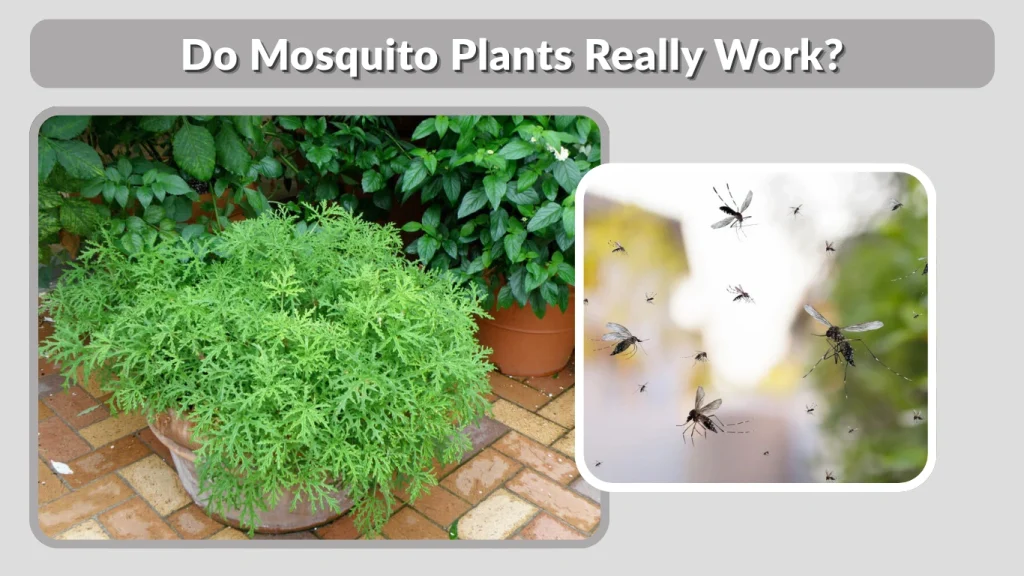
This is one of the most common questions people ask before buying a mosquito plant. The answer is a bit more nuanced than a simple yes or no.
Scientifically, mosquito plants have limited effectiveness when compared to commercial repellents. While the scent can help repel mosquitoes to some extent, the effect is usually mild and short-range. Simply placing the plant nearby may not provide strong protection.
However, the plant becomes more effective when:
- Leaves are crushed to release oils
- Multiple plants are used together
- Combined with other mosquito control methods
In short, mosquito plants can contribute to reducing mosquitoes, but they should not be relied upon as a standalone solution.
Benefits of Mosquito Plants
Despite their limitations, mosquito plants offer several advantages that make them a popular choice for homes and gardens.
Natural and Chemical-Free
One of the biggest benefits is that mosquito plants provide a chemical-free alternative to sprays and repellents. This makes them a safer option for households with children and pets, especially when compared to synthetic insecticides.
Decorative and Fragrant
Mosquito plants are not just functional—they are also visually appealing. Their green foliage and pleasant citrus scent make them a great addition to:
- Balconies
- Indoor spaces
- Gardens and patios
They enhance the overall atmosphere while offering some level of mosquito deterrence.
Easy to Grow and Maintain
These plants are relatively low-maintenance and suitable for beginners. With proper sunlight and moderate watering, they can thrive in various environments. This makes them ideal for people who want a simple, natural solution without much effort.
Types of Mosquito Repellent Plants
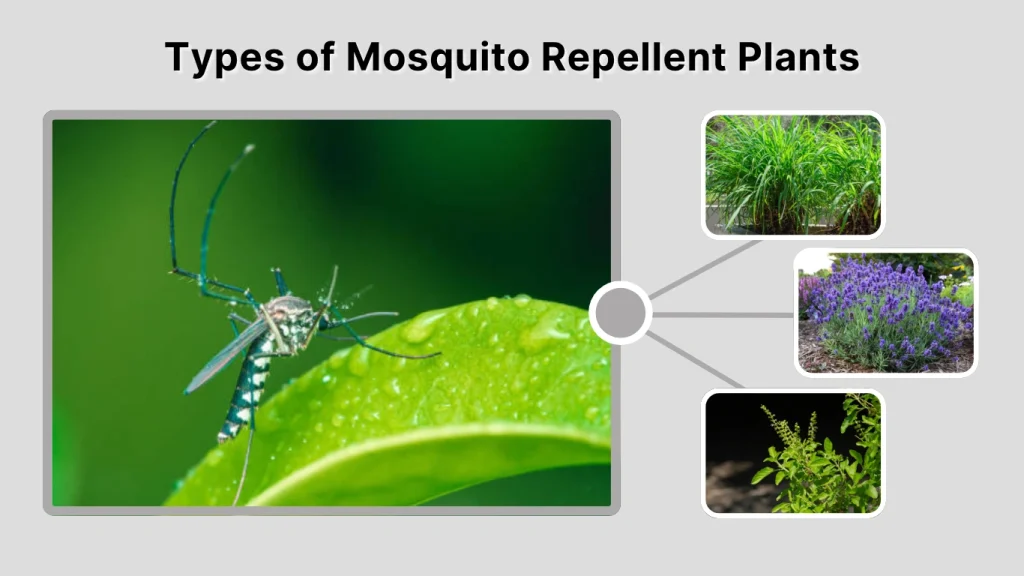
While the mosquito plant is popular, it is not the only plant known for repelling mosquitoes. Several other plants also have natural insect-repelling properties.
Citronella (Mosquito Plant)
Citronella-scented geranium is the most commonly referred to as “mosquito plant.” It releases a lemon-like fragrance that helps deter mosquitoes when the leaves are disturbed.
Lavender
Lavender is known for its calming scent, but it also helps repel mosquitoes and other insects. It can be grown both indoors and outdoors and adds a pleasant aroma to any space.
Tulsi (Holy Basil)
Tulsi is widely used in many households for its medicinal and spiritual value. It also acts as a natural mosquito repellent and can be easily grown in pots or gardens.
Mint and Lemongrass
Mint has a strong scent that mosquitoes dislike, while lemongrass contains citronella-like properties. Both plants are easy to grow and serve multiple purposes, including cooking and pest control.
How to Grow a Mosquito Plant
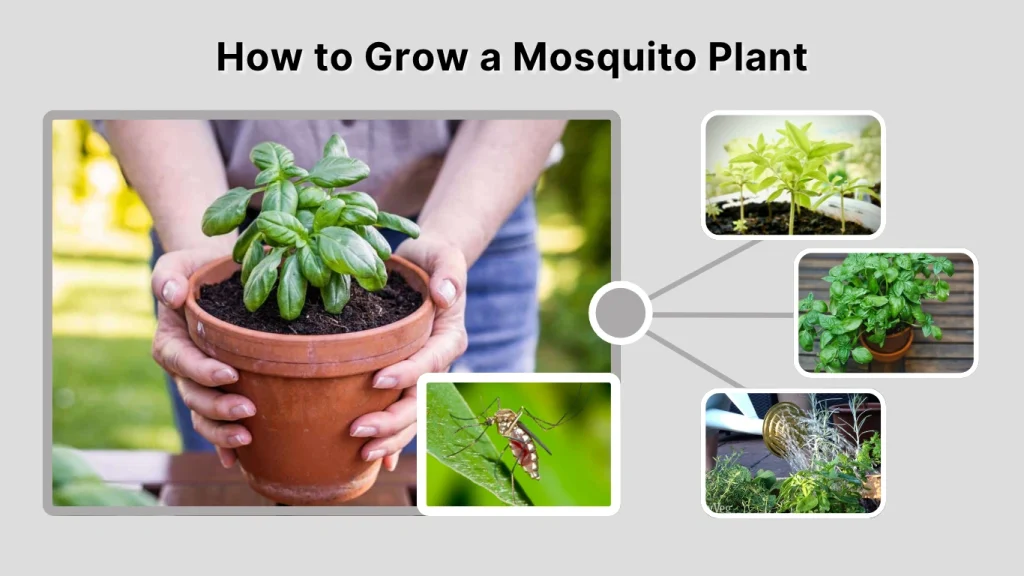
Growing a mosquito plant is simple if you follow a few basic guidelines. Proper care ensures healthy growth and better performance.
Soil and Sunlight Requirements
Mosquito plants prefer well-drained soil that allows excess water to escape easily. They thrive in:
- Partial to full sunlight
- Warm environments
Placing them in a sunny spot, such as a balcony or near a window, helps promote healthy growth.
Watering and Fertilizing
These plants require moderate watering. Overwatering can lead to root rot, which is a common problem. It’s best to:
- Water when the top soil feels dry
- Avoid waterlogging
Occasional use of fertilizer can help improve growth, especially during the growing season.
Indoor vs Outdoor Growing
Mosquito plants can grow both indoors and outdoors, but their effectiveness and health depend on proper placement.
- Indoor growing: Place the plant near windows where it can receive enough sunlight. It works well in living rooms, kitchens, or near entry points like doors and windows.
- Outdoor growing: Ideal for balconies, patios, and gardens where mosquitoes are more active. Outdoor placement allows the plant to grow fuller and healthier.
For best results, many people use a combination of indoor and outdoor placement to maximize coverage.
Mosquito Plant Care Guide
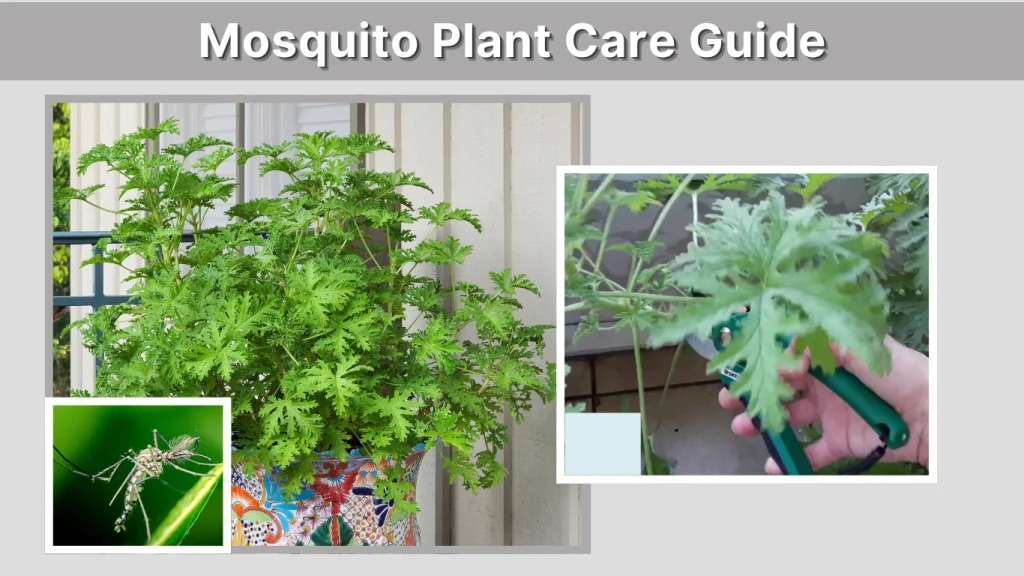
Taking proper care of your mosquito plant ensures it stays healthy and continues to release its natural scent.
Pruning and Maintenance
Regular pruning helps the plant grow bushier and stronger. You should:
- Trim long or weak stems
- Remove dead or yellow leaves
- Encourage new growth by cutting back occasionally
Pruning also helps release the plant’s scent, which may improve its mosquito-repelling effect.
Common Problems
Like any plant, mosquito plants can face a few issues:
- Yellow leaves: Often caused by overwatering
- Root rot: Due to poor drainage
- Pests: Such as aphids or spider mites
To avoid these problems, maintain proper watering habits and ensure good air circulation.
How to Use Mosquito Plants Effectively
Simply having a mosquito plant is not enough—you need to use it properly to get the best results.
Placement Tips
Strategic placement can improve effectiveness:
- Near doors and windows
- Around sitting areas
- On balconies or patios
Placing multiple plants around your home creates a stronger barrier against mosquitoes.
Enhancing Effectiveness
To make the plant more effective:
- Gently crush or rub the leaves to release oils
- Use several plants instead of one
- Combine with other methods like nets or repellents
This approach increases the chances of reducing mosquito activity.
Limitations of Mosquito Plants
While mosquito plants are helpful, it’s important to understand their limitations.
- They do not provide complete protection
- Their effect is limited to a small area
- They work best only when leaves are disturbed
- They cannot replace sprays, nets, or other control methods
Relying solely on mosquito plants may not be enough, especially in areas with high mosquito populations.
Common Mistakes to Avoid
Avoiding these common mistakes can help you get better results from your mosquito plant:
- Overwatering: Can damage roots and weaken the plant
- Keeping in low light: Reduces growth and effectiveness
- Using only one plant: Limits coverage
- Expecting instant results: Natural methods take time
Being consistent and realistic will help you make the most of your plant.
FAQs
Do mosquito plants really repel mosquitoes?
Mosquito plants can help repel mosquitoes to a small extent, especially when their leaves are crushed. However, they are not as effective as chemical repellents.
Can mosquito plants be kept indoors?
Yes, mosquito plants can be grown indoors as long as they receive enough sunlight and proper care.
Are mosquito plants safe for pets?
Generally, they are considered safe, but it’s best to prevent pets from chewing on the leaves, as it may cause mild irritation.
How fast do mosquito plants grow?
Mosquito plants grow moderately fast under proper conditions, especially in warm weather with sufficient sunlight and water.
Conclusion
Mosquito plants are a natural, attractive, and easy-to-maintain option for reducing mosquito presence around your home. While they may not completely eliminate mosquitoes, they can still play a useful role when combined with other control methods. By understanding their benefits, proper care, and limitations, you can use mosquito plants more effectively. With the right approach, they can contribute to a more comfortable and mosquito-free living space.
