
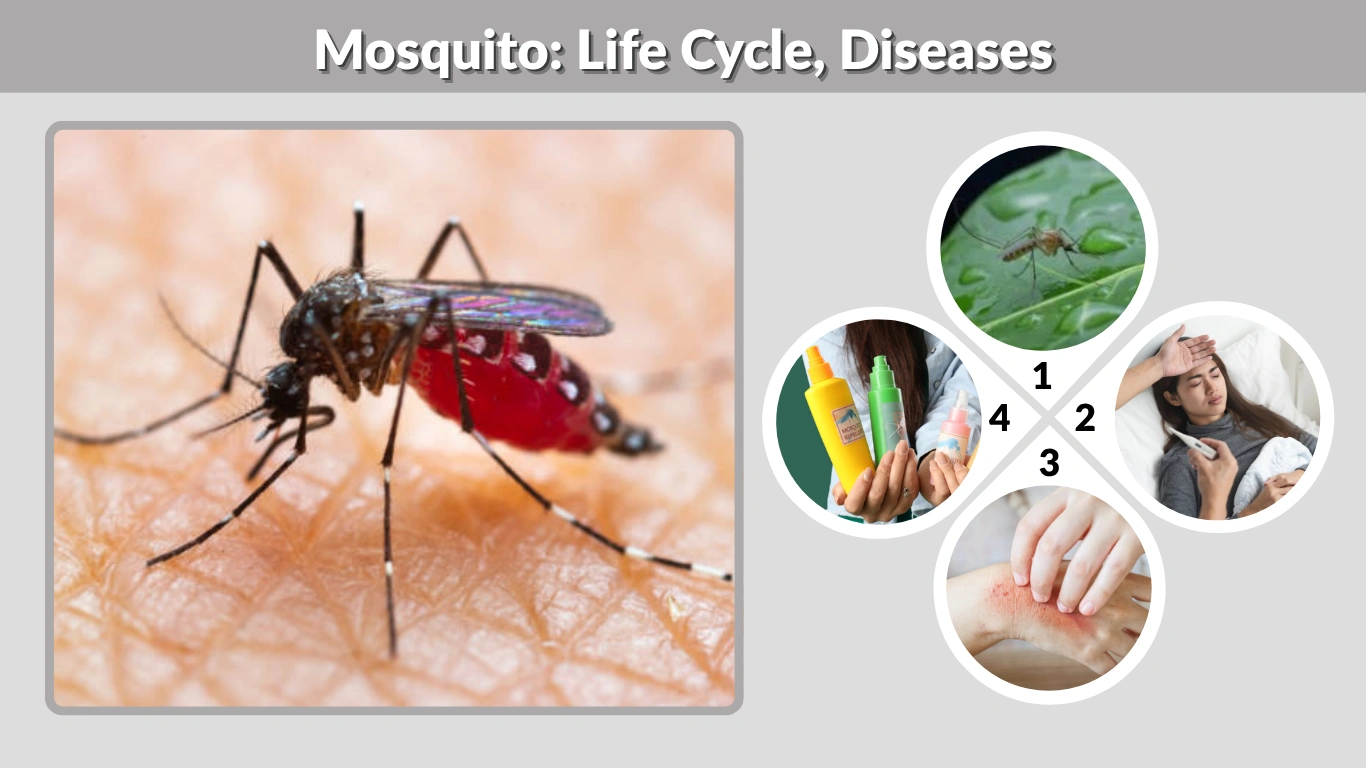
Mosquitoes are small flying insects found almost everywhere in the world, especially in warm and humid regions. Although they may seem harmless, mosquitoes are considered one of the deadliest creatures because they spread serious diseases like malaria and dengue. Understanding their behavior, life cycle, and the risks they pose is essential for protecting ourselves. This article explores what mosquitoes are, how they live, and why they are dangerous to human health.
What is a Mosquito?
Basic Definition and Classification
A mosquito is a small insect belonging to the Culicidae family. There are over 3,500 species of mosquitoes worldwide, and they thrive in tropical and subtropical climates. These insects are known for their slender bodies, long legs, and needle-like mouthparts used for feeding. Mosquitoes are highly adaptable and can survive in both urban and rural environments, making them a common nuisance for humans.
Types of Mosquitoes
Not all mosquitoes are the same. Some species are more dangerous than others because they carry diseases. The three most common types include:
- Aedes mosquitoes – Known for spreading dengue, Zika virus, and chikungunya. They usually bite during the daytime.
- Anopheles mosquitoes – Responsible for transmitting malaria, mainly active at night.
- Culex mosquitoes – Spread diseases like West Nile virus and are typically active in the evening.
Each type has unique habits, which makes controlling them more challenging.
Male vs Female Mosquito
Interestingly, not all mosquitoes bite humans. Only female mosquitoes feed on blood because they need protein to develop their eggs. Male mosquitoes, on the other hand, feed on nectar and plant juices. This difference is important because it explains why mosquito bites are directly linked to reproduction and disease transmission.
Mosquito Life Cycle Explained
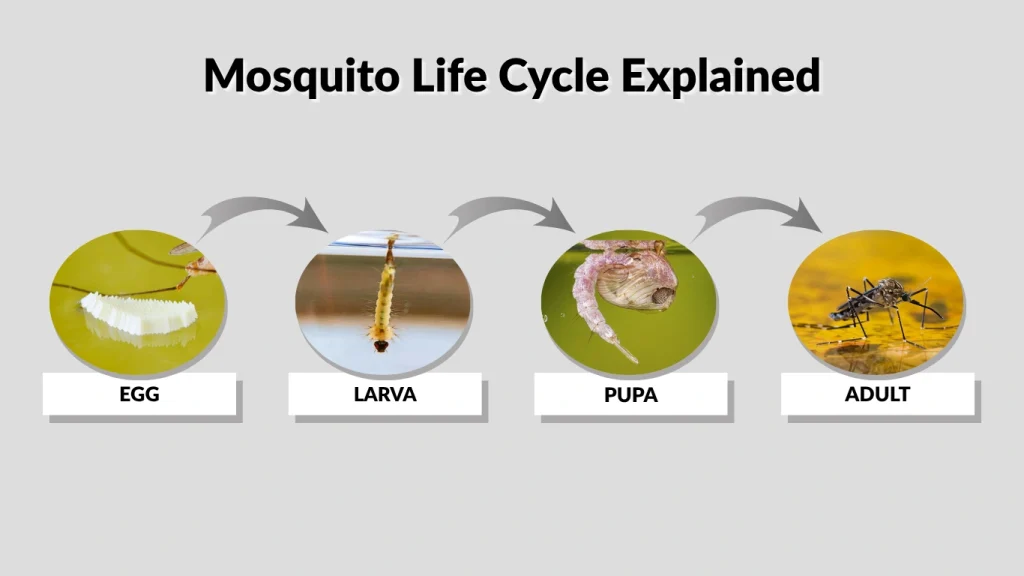
Four Stages of Life Cycle
Mosquitoes go through a complete life cycle consisting of four stages:
- Egg – Female mosquitoes lay eggs on or near water surfaces.
- Larva – After hatching, larvae live in water and feed on microorganisms.
- Pupa – This is a resting stage where the mosquito prepares to become an adult.
- Adult – Fully grown mosquitoes emerge from water and begin flying within a short time.
This entire cycle can take as little as 7 to 10 days, depending on environmental conditions.
Breeding Habits
Mosquitoes rely heavily on water for reproduction. Even small amounts of stagnant water can become breeding grounds. Common places include:
- Flower pots
- Open containers
- Drains and gutters
- Ponds and puddles
Because of this, poor sanitation and water accumulation significantly increase mosquito populations.
How Long Mosquitoes Live
The lifespan of a mosquito varies depending on species and environment. On average, female mosquitoes live for about 2 to 4 weeks, while males live for a shorter period. Warm temperatures and high humidity usually increase their survival rate, allowing them to reproduce more quickly.
Mosquito Habitat and Behavior
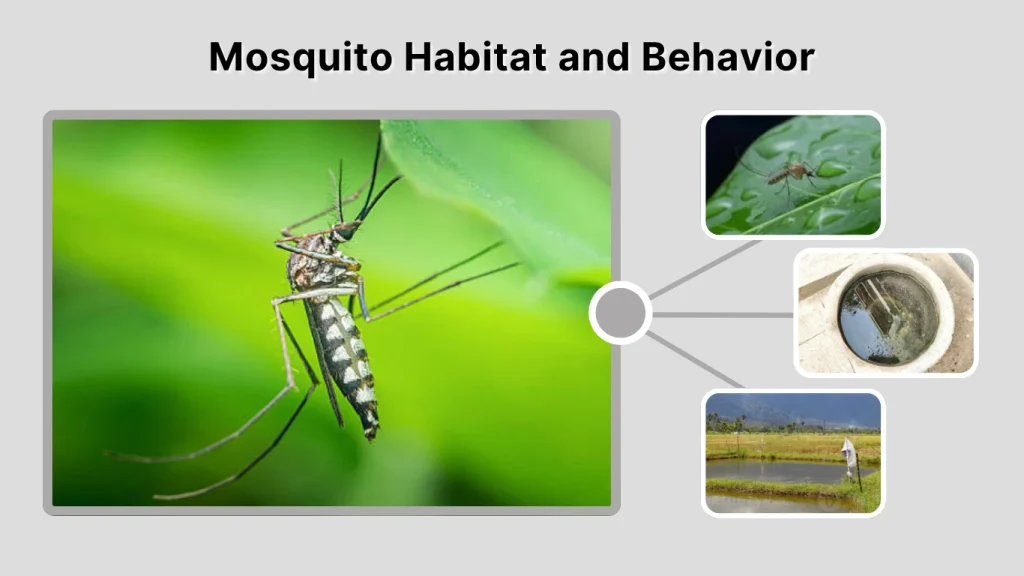
Where Do Mosquitoes Live?
Mosquitoes prefer warm, humid environments where water is easily available. They are commonly found in tropical countries, including regions like South Asia. In urban areas, they often breed in artificial containers, while in rural areas, they thrive near natural water sources such as ponds and rice fields.
Why Do Mosquitoes Bite?
Mosquitoes bite humans primarily for reproduction. Female mosquitoes need blood to produce eggs. They are attracted to humans by several factors:
- Carbon dioxide released during breathing
- Body heat
- Sweat and body odor
Some people may get bitten more often than others due to these factors.
When Are Mosquitoes Most Active?
Mosquito activity depends on the species:
- Aedes mosquitoes are active during the day, especially early morning and late afternoon.
- Anopheles and Culex mosquitoes are more active at night.
Understanding these patterns can help in taking proper preventive measures.
Diseases Caused by Mosquitoes
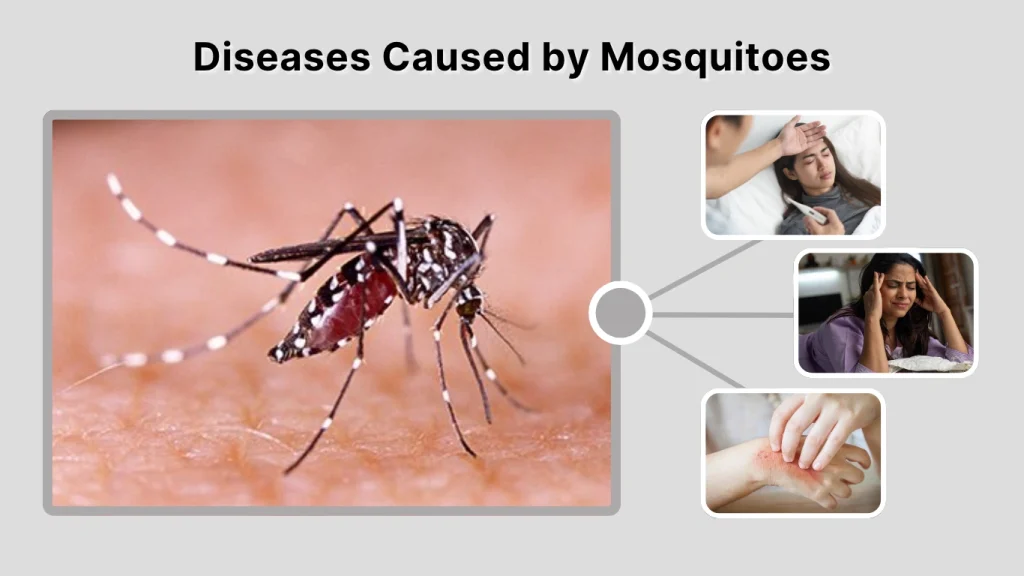
Mosquitoes are dangerous not because of the bite itself, but because of the diseases they transmit. These diseases affect millions of people every year.
Malaria
Malaria is caused by a parasite called Plasmodium and is transmitted by Anopheles mosquitoes. It is one of the most serious mosquito-borne diseases. Symptoms include:
- High fever
- Chills
- Sweating
- Headache
If untreated, malaria can become life-threatening.
Dengue Fever
Dengue is a viral disease spread by Aedes mosquitoes. It is very common in tropical regions. Symptoms include:
- Sudden high fever
- Severe headache
- Joint and muscle pain
- Skin rash
In severe cases, dengue can lead to complications like bleeding and organ damage.
Chikungunya and Zika Virus
These diseases are also spread by Aedes mosquitoes. They cause symptoms similar to dengue, such as fever and joint pain. While usually not fatal, they can lead to long-term health problems and complications, especially in vulnerable individuals.
How to Prevent Mosquito Bites
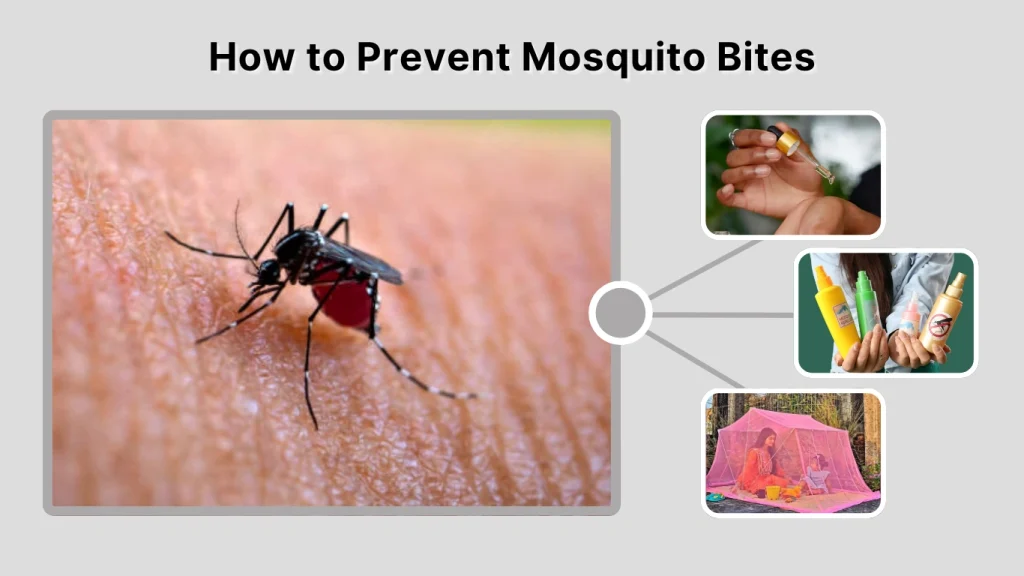
Preventing mosquito bites is the most effective way to reduce the risk of mosquito-borne diseases. Simple daily precautions can make a big difference.
Personal Protection Methods
One of the easiest ways to protect yourself is by using mosquito repellents on exposed skin. Products containing DEET, picaridin, or natural oils can help keep mosquitoes away. Wearing long-sleeved clothing and covering as much skin as possible also reduces the chances of being bitten.
Using mosquito nets, especially while sleeping, is highly effective in areas where mosquito activity is high at night.
Home Protection Tips
Keeping mosquitoes out of your home is equally important. Installing window screens and repairing any holes can prevent them from entering. Many households also use electric vaporizers, coils, or sprays to kill or repel mosquitoes indoors.
Regular cleaning and proper ventilation can also help reduce indoor mosquito presence.
Outdoor Protection
Mosquitoes breed in stagnant water, so eliminating such areas is crucial. Avoid leaving water in open containers, buckets, or plant pots. Clean drains regularly and ensure there is no water accumulation around your home. Maintaining cleanliness in your surroundings significantly reduces mosquito populations.
Mosquito Control Methods
Controlling mosquitoes requires a combination of individual efforts and community action. Different methods are used to manage and reduce mosquito populations.
Chemical Control
Chemical methods include the use of insecticides and sprays to kill adult mosquitoes. Fogging is often carried out by local authorities during outbreaks of diseases like dengue. While effective, excessive use of chemicals can have environmental and health impacts, so it should be used carefully.
Biological Control
Biological control involves using natural predators or organisms to reduce mosquito populations. For example, certain fish species feed on mosquito larvae in water bodies. Bacteria such as Bacillus thuringiensis are also used to kill larvae without harming other wildlife.
Environmental Control
Environmental management is one of the most sustainable methods. This includes removing stagnant water, improving drainage systems, and maintaining clean surroundings. Community awareness and participation play a key role in long-term mosquito control.
Natural Remedies to Repel Mosquitoes
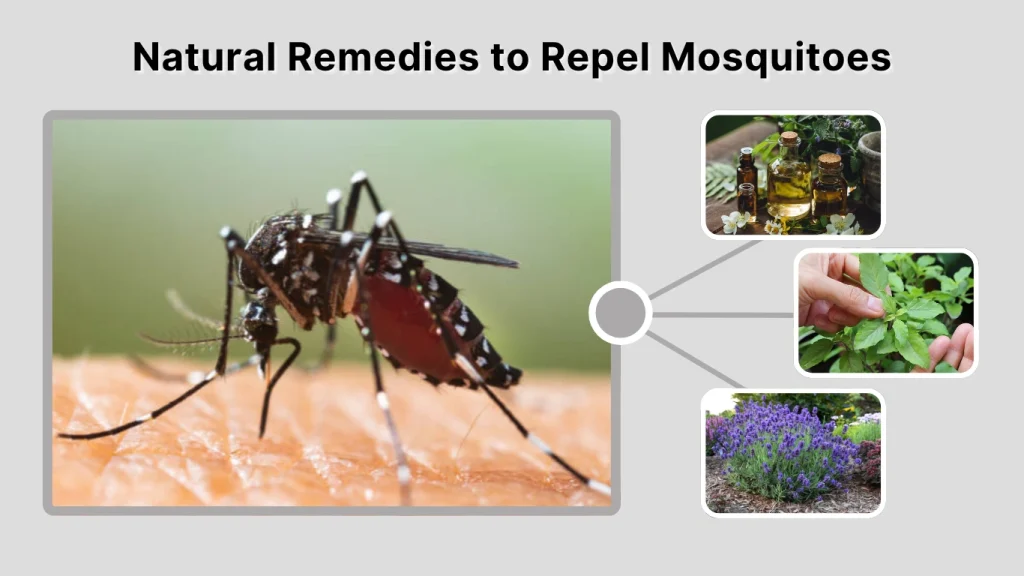
Many people prefer natural methods to repel mosquitoes, especially to avoid chemicals. While not always as strong as commercial products, these remedies can still be helpful.
Essential Oils
Certain essential oils are known for their mosquito-repelling properties. These include:
- Citronella oil
- Neem oil
- Eucalyptus oil
These oils can be applied (when diluted) or used in diffusers to keep mosquitoes away.
Mosquito Repellent Plants
Some plants naturally repel mosquitoes and can be grown at home. Popular examples include:
- Tulsi (Holy Basil)
- Lavender
- Mint
Placing these plants near windows or in gardens can help reduce mosquito presence.
DIY Home Remedies
Simple homemade solutions can also be used, such as mixing essential oils with water to create sprays. Burning natural herbs or using smoke from certain plant materials is another traditional method used in many regions.
Impact of Mosquitoes on Humans and Environment
Mosquitoes have a significant impact on human life, both directly and indirectly.
Health Impact
Mosquito-borne diseases affect millions of people every year, especially in developing countries. Illnesses like malaria and dengue can lead to severe health complications and even death if not treated properly. Children, elderly individuals, and those with weak immune systems are particularly at risk.
Economic and Social Impact
The spread of mosquito-borne diseases places a heavy burden on healthcare systems. Families often face high medical costs, and widespread illness can reduce productivity in communities. In some cases, outbreaks can also affect tourism and local economies.
Role in Ecosystem
Despite their negative impact, mosquitoes do play a role in the ecosystem. They serve as a food source for birds, fish, and other insects. Additionally, some species contribute to pollination. However, their harmful effects on human health far outweigh their ecological benefits.
FAQs
Why do only female mosquitoes bite humans?
Only female mosquitoes bite because they need protein from blood to develop their eggs. Male mosquitoes do not bite humans; they survive on nectar and plant juices.
What attracts mosquitoes to humans?
Mosquitoes are attracted to carbon dioxide from breathing, body heat, sweat, and certain body odors. People who produce more of these signals may get bitten more often.
How can I stop mosquitoes from breeding at home?
To prevent mosquito breeding, remove stagnant water from containers, clean drains regularly, cover water storage, and keep your surroundings clean and dry.
What is the most dangerous disease caused by mosquitoes?
Malaria is considered one of the most dangerous mosquito-borne diseases, causing millions of infections worldwide each year. Dengue is also very serious, especially in tropical regions.
Do natural remedies really work against mosquitoes?
Natural remedies like citronella, neem oil, and certain plants can help repel mosquitoes, but they may not be as effective as chemical repellents. They work best when combined with other preventive measures.
Conclusion
Mosquitoes may be small, but their impact on human health is enormous. From spreading deadly diseases to causing discomfort through bites, they remain a major global concern. Understanding their life cycle, behavior, and the risks they pose is the first step toward effective prevention. By maintaining cleanliness, eliminating stagnant water, and using protective measures, individuals and communities can significantly reduce mosquito populations. Taking these simple yet effective steps can help create a safer and healthier environment for everyone.
