
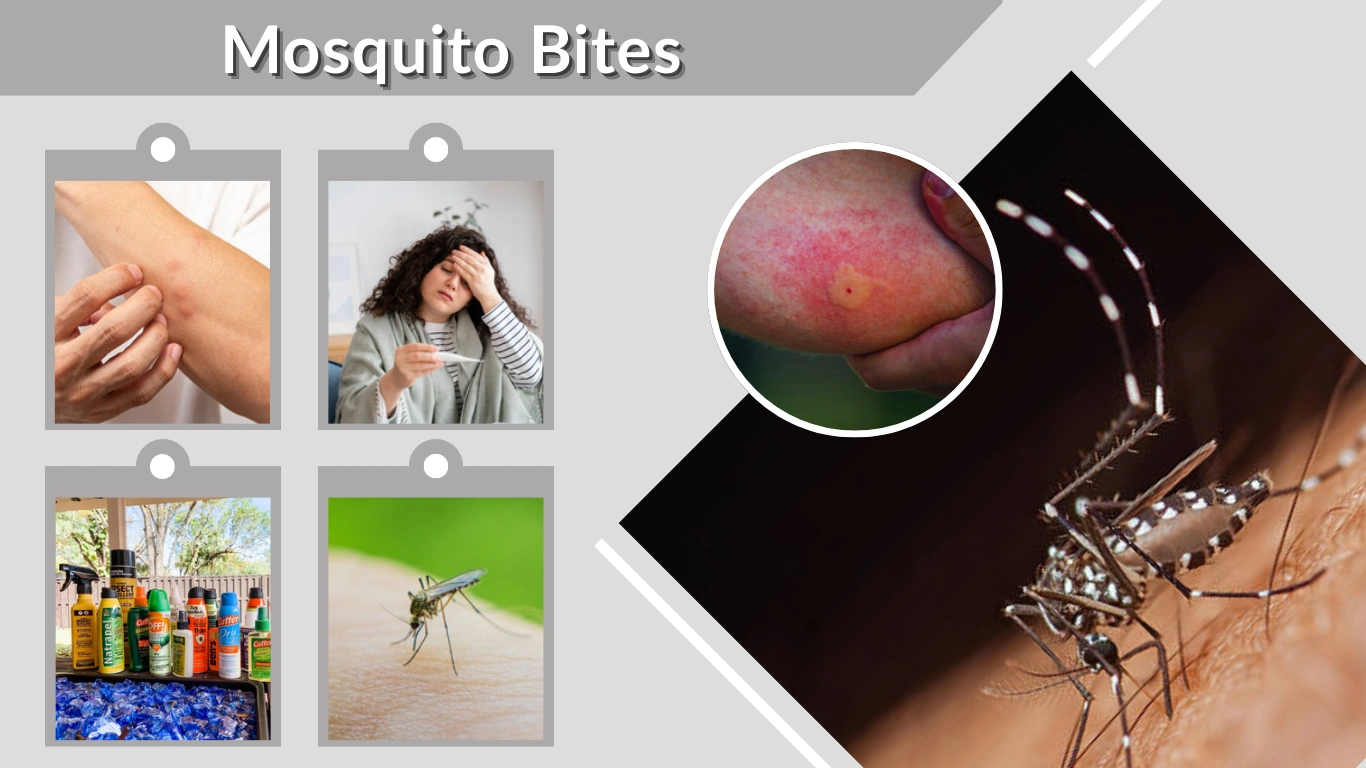
Mosquito bites are a common problem in many parts of the world, especially in warm and humid climates. These tiny insects bite humans to feed on blood, often leaving behind itchy and irritating bumps on the skin. While most mosquito bites are harmless, they can sometimes cause discomfort, swelling, or even transmit diseases. Understanding why mosquito bites happen, how to treat them, and how to prevent them can help reduce irritation and protect your health.
What Are Mosquito Bites?
Mosquito bites occur when a mosquito pierces the skin using its specialized mouthparts to draw blood. During the bite, the mosquito injects saliva into the skin, which prevents blood from clotting while it feeds. This saliva triggers a reaction in the body’s immune system, leading to redness, swelling, and itching.
Why Mosquitoes Bite Humans
Not all mosquitoes bite humans. Only female mosquitoes bite because they need the protein in human blood to produce eggs. Male mosquitoes, on the other hand, survive on plant nectar.
Mosquitoes locate humans through several signals. They are attracted to carbon dioxide that people breathe out, body heat, and certain chemicals found in sweat. This is why mosquitoes often target people who are exercising, sweating, or breathing heavily.
What Happens During a Mosquito Bite
When a mosquito lands on the skin, it uses its needle-like mouthpart called a proboscis to puncture the skin. As it feeds, the mosquito releases saliva that contains proteins which prevent blood clotting.
The human immune system recognizes these proteins as foreign substances. As a result, the body releases histamine, a chemical that causes the blood vessels around the bite to swell and itch. This reaction is responsible for the small raised bump commonly seen after a mosquito bite.
Common Symptoms of Mosquito Bites
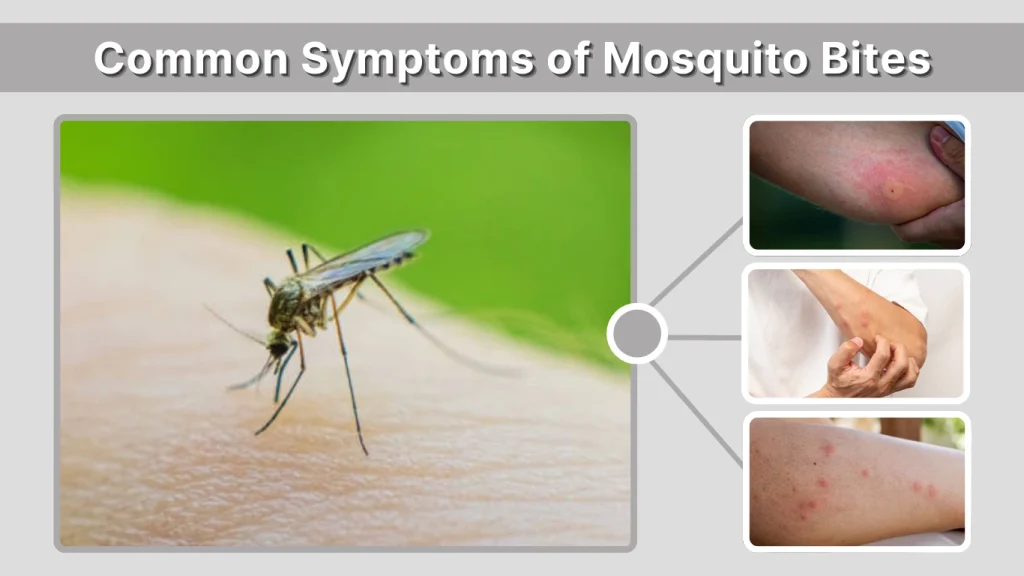
Mosquito bites usually cause mild skin reactions that disappear within a few days. However, the intensity of symptoms can vary from person to person.
Typical Symptoms
The most common symptoms of mosquito bites include:
- A small red bump on the skin
- Itching around the bite area
- Mild swelling or inflammation
- A small raised welt that appears shortly after the bite
These symptoms usually develop within minutes after the bite and may last from a few hours to several days. In most cases, the itching gradually decreases as the body heals.
Unusual or Severe Reactions
Some people experience stronger reactions to mosquito bites, especially children or individuals with sensitive skin. These reactions may include:
- Large swollen areas around the bite
- Blisters or hard lumps
- Intense itching and irritation
Although rare, some individuals may develop allergic reactions to mosquito bites. This condition is sometimes referred to as “Skeeter syndrome,” where swelling becomes unusually large and painful.
Why Mosquito Bites Itch
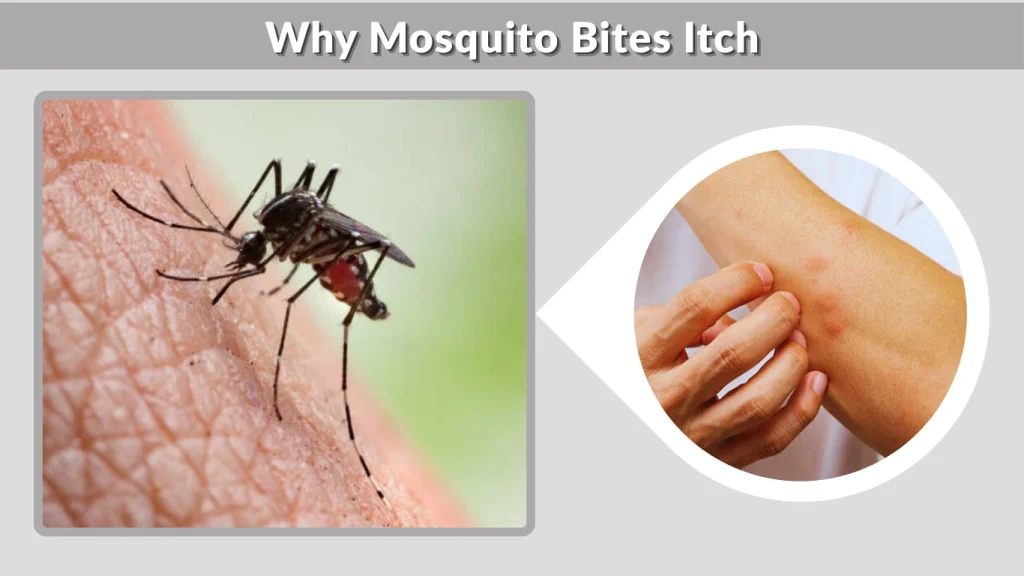
The itching sensation from mosquito bites is caused by the body’s immune response to mosquito saliva.
Role of Mosquito Saliva
Mosquito saliva contains several proteins that help the insect feed more easily. These proteins prevent blood clotting and allow the mosquito to draw blood smoothly. However, when these proteins enter the skin, the body recognizes them as harmful substances.
Because of this, the immune system immediately begins to defend the body, triggering a reaction at the bite site.
Histamine Reaction
When the immune system detects mosquito saliva, it releases histamine into the surrounding tissue. Histamine increases blood flow to the area and causes the nearby blood vessels to expand.
This process leads to swelling, redness, and the irritating itch that people often experience after being bitten by a mosquito. Scratching the bite may provide temporary relief, but it can worsen irritation and increase the risk of infection.
Health Risks Associated with Mosquito Bites
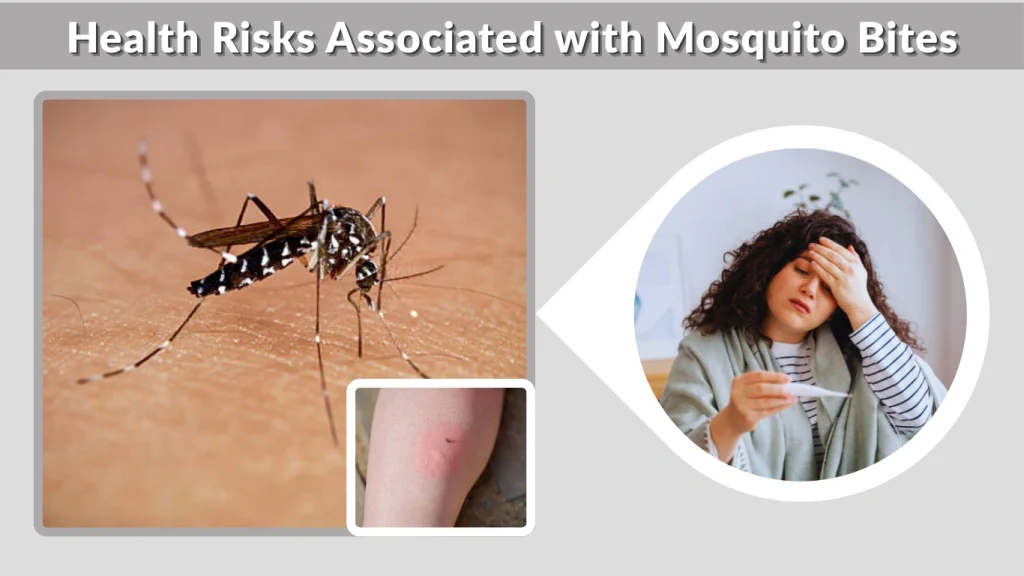
Although most mosquito bites are harmless, mosquitoes are known carriers of several serious diseases. These diseases can spread when infected mosquitoes bite humans.
Mosquito-Borne Diseases
Mosquitoes are responsible for transmitting a number of dangerous illnesses worldwide. Some of the most well-known mosquito-borne diseases include:
- Malaria – A serious disease caused by parasites transmitted through mosquito bites.
- Dengue fever – A viral infection that causes high fever, joint pain, and headaches.
- Zika virus – A virus that can cause mild symptoms but may lead to complications during pregnancy.
- Chikungunya – A viral disease that causes fever and severe joint pain.
These diseases are more common in tropical and subtropical regions where mosquitoes thrive.
Infection from Scratching
Another health risk from mosquito bites comes from excessive scratching. When people scratch a bite repeatedly, the skin can break open, allowing bacteria to enter the wound.
This can lead to skin infections such as redness, swelling, and pus formation. To avoid infection, it is important to keep mosquito bites clean and avoid scratching them as much as possible.
Effective Treatments for Mosquito Bites
Mosquito bites are usually harmless, but the itching and swelling can be uncomfortable. Fortunately, several treatments can help reduce irritation and speed up healing.
Immediate Relief Methods
The first step after getting a mosquito bite is to clean the area. Washing the bite with mild soap and water helps remove bacteria and reduces the risk of infection. After cleaning, applying a cold compress or ice pack can help reduce swelling and numb the itching sensation.
Cold temperatures slow down blood flow in the area and reduce inflammation. You can wrap ice in a cloth and apply it to the bite for about 10–15 minutes. Avoid placing ice directly on the skin to prevent irritation.
Another helpful method is to avoid scratching the bite. Scratching can damage the skin and increase irritation, which may prolong healing.
Over-the-Counter Treatments
Several over-the-counter medications can help relieve the symptoms of mosquito bites. Anti-itch creams and lotions are commonly used to reduce itching and inflammation.
Hydrocortisone cream is often recommended because it reduces redness and swelling around the bite. Antihistamine creams or oral antihistamines may also help control the allergic reaction that causes itching.
Calamine lotion is another popular option. It provides a soothing effect on the skin and helps reduce irritation caused by insect bites.
Natural Home Remedies
Many people prefer natural remedies to soothe mosquito bites. Aloe vera is widely known for its cooling and anti-inflammatory properties. Applying fresh aloe vera gel to the bite can help calm irritated skin and reduce swelling.
Honey is another natural option because of its antibacterial and anti-inflammatory properties. A small amount applied to the bite may help reduce itching and prevent infection.
Baking soda paste is also commonly used. Mixing baking soda with a small amount of water creates a paste that can be applied to the bite for a few minutes to relieve itching.
How to Prevent Mosquito Bites
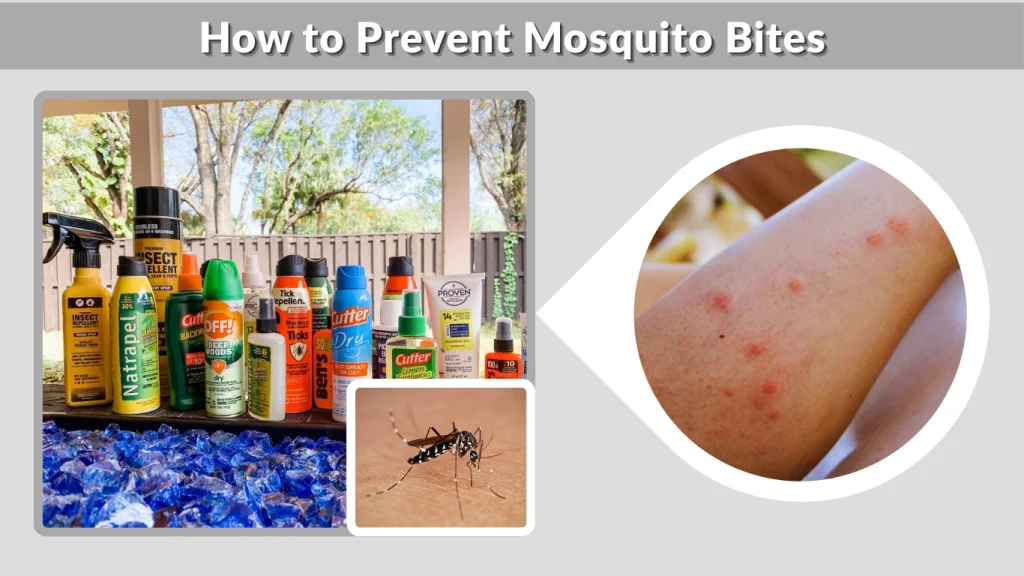
Preventing mosquito bites is the best way to avoid irritation and reduce the risk of mosquito-borne diseases. Simple precautions can greatly reduce exposure to mosquitoes.
Use Mosquito Repellents
Mosquito repellents are one of the most effective ways to protect against bites. Repellents containing ingredients such as DEET or picaridin are widely used and provide long-lasting protection.
For those who prefer natural alternatives, repellents made with lemon eucalyptus oil or citronella can also help keep mosquitoes away. Applying repellent to exposed skin before going outdoors can significantly reduce mosquito bites.
Wear Protective Clothing
Clothing can act as a barrier between mosquitoes and the skin. Wearing long-sleeved shirts, long pants, and socks helps reduce the amount of exposed skin that mosquitoes can bite.
Light-colored clothing is often recommended because mosquitoes tend to be more attracted to darker colors. Loose-fitting clothing can also make it harder for mosquitoes to reach the skin.
Reduce Mosquito Breeding Areas
Mosquitoes lay their eggs in standing water, so removing sources of stagnant water around the home can help control mosquito populations.
Common breeding sites include flower pots, buckets, clogged gutters, and containers that collect rainwater. Regularly emptying or cleaning these areas can reduce the number of mosquitoes nearby.
Using window screens and mosquito nets can also provide additional protection, especially while sleeping.
When to See a Doctor
Most mosquito bites heal on their own without medical treatment. However, there are situations where medical attention may be necessary.
You should consider seeing a doctor if the bite causes severe swelling, intense pain, or signs of infection such as redness, warmth, or pus. Medical attention may also be needed if symptoms such as fever, headache, body aches, or fatigue appear after a mosquito bite.
These symptoms could indicate a mosquito-borne illness and should be evaluated by a healthcare professional.
Conclusion
Mosquito bites are a common annoyance that most people experience at some point. Although they usually cause only mild itching and swelling, understanding why mosquito bites occur can help people manage the symptoms effectively. Simple treatments such as cold compresses, anti-itch creams, and natural remedies can relieve discomfort.
Taking preventive measures like using mosquito repellents, wearing protective clothing, and removing standing water can significantly reduce the chances of getting bitten. By following these steps, it is possible to stay comfortable and minimize the health risks associated with mosquito bites.
