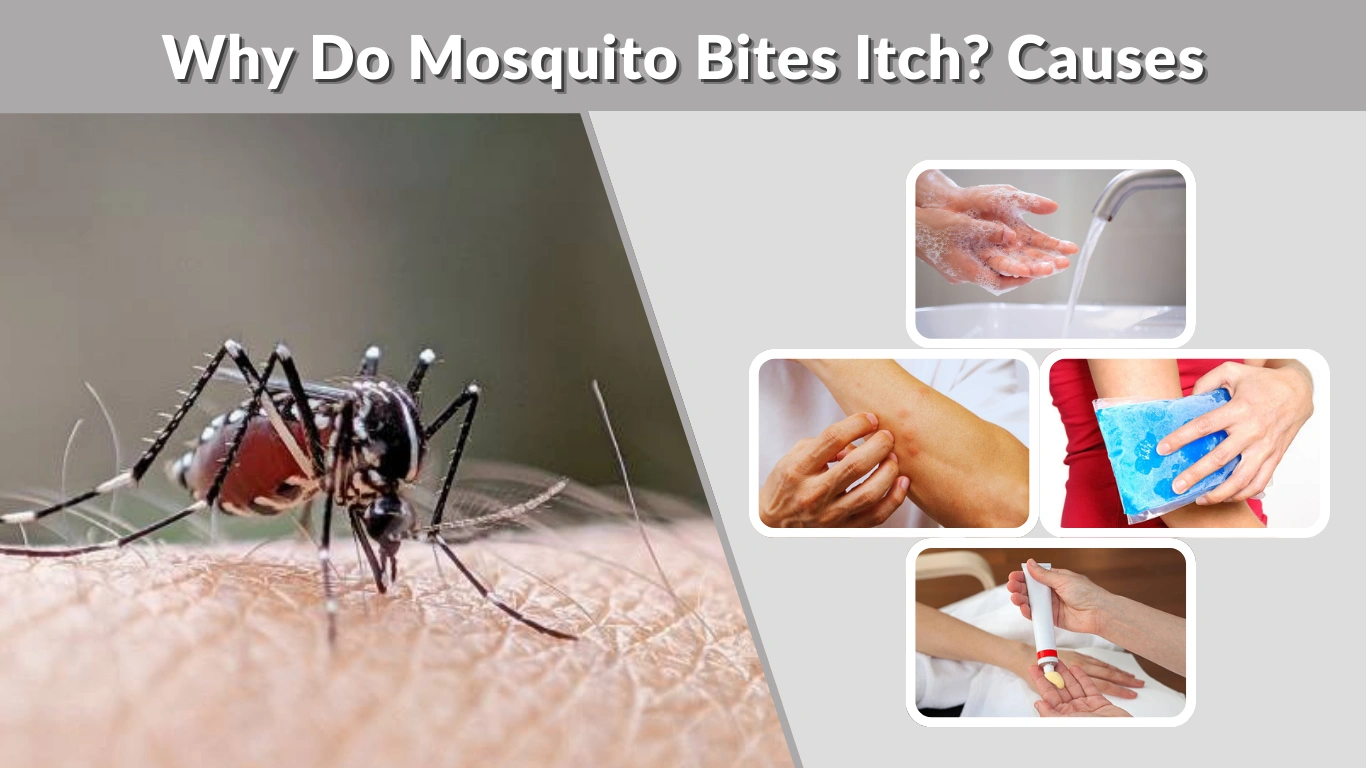
Mosquito bites are a common irritation that most people experience, especially in warm and humid climates. After being bitten, many people notice a small red bump that becomes itchy and swollen. This itching can be annoying and sometimes difficult to ignore. But have you ever wondered why mosquitoes bite so much? The answer lies in the body’s immune response to mosquito saliva. Understanding the science behind mosquito bite itching can help you manage the discomfort and prevent further irritation.
What Happens When a Mosquito Bites
When a mosquito bites, it is actually feeding on blood. However, the process is more complex than simply piercing the skin. Mosquitoes use specialized mouthparts and release saliva into the skin, which triggers the body’s immune response.
How Mosquitoes Bite Humans
Only female mosquitoes bite humans. They require blood to obtain the proteins needed to produce eggs. Male mosquitoes survive on nectar and do not bite people.
Female mosquitoes use a thin, needle-like mouthpart called a proboscis to pierce the skin. Once the skin is punctured, the mosquito searches for a small blood vessel and begins drawing blood. This process usually takes only a few seconds, and most people do not notice the bite immediately.
Mosquitoes are able to locate humans through several signals. They are attracted to carbon dioxide released through breathing, body heat, and certain chemicals present in human sweat. This is why mosquitoes often target people who are exercising or spending time outdoors.
Injection of Mosquito Saliva
While feeding, mosquitoes inject saliva into the skin. This saliva contains special proteins that prevent blood from clotting and allow the mosquito to drink blood more easily.
The saliva also acts as a lubricant, helping the mosquito feed quickly without interruption. However, these proteins are foreign to the human body. As soon as the saliva enters the skin, the immune system begins to recognize it as a potential threat.
This is the main reason why mosquito bites cause itching and swelling.
The Body’s Immediate Reaction
When mosquito saliva enters the skin, the immune system quickly responds. The body identifies the proteins in the saliva as foreign substances and begins to defend itself.
The immune system releases chemicals that cause inflammation around the bite. This inflammation leads to the formation of the small raised bump that appears shortly after the mosquito bite.
The redness and swelling around the bite are signs that the immune system is actively responding to the mosquito saliva. While this reaction is usually harmless, it can cause discomfort due to itching and irritation.
Why Mosquito Bites Itch
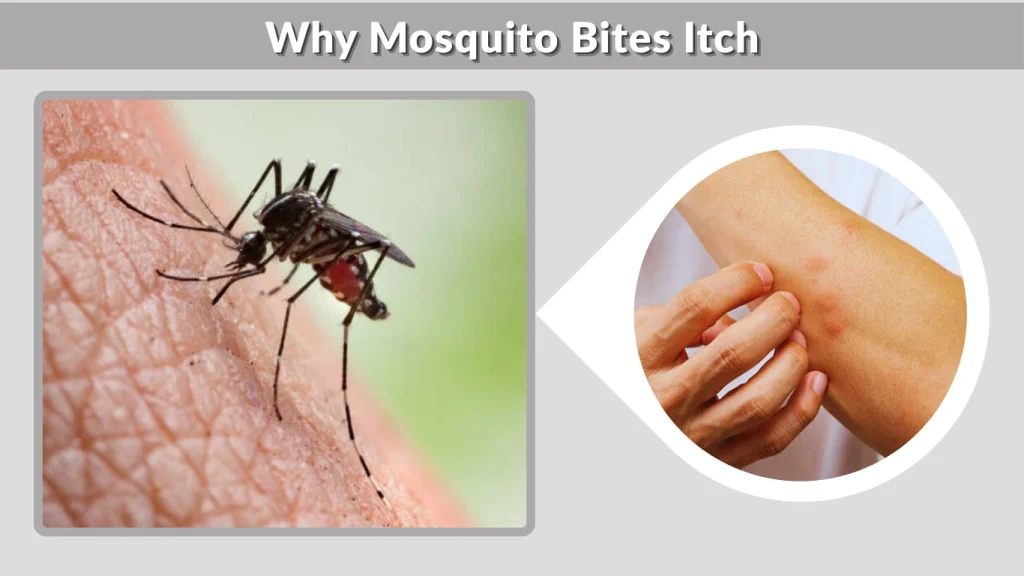
The itching sensation caused by mosquito bites is the result of the body’s natural defense mechanism. When the immune system detects mosquito saliva, it releases certain chemicals that trigger itching and swelling.
Histamine Release
One of the key chemicals involved in this process is histamine. Histamine is released by the immune system when the body encounters foreign substances such as mosquito saliva.
Once histamine is released, it causes the blood vessels around the bite area to expand. This increases blood flow to the affected area and allows immune cells to reach the site of the bite.
As a result, the skin becomes red, swollen, and itchy. Histamine also stimulates nerve endings in the skin, which creates the itching sensation that people feel after a mosquito bite.
Inflammation Around the Bite
The swelling around a mosquito bite is caused by inflammation. Inflammation occurs when the immune system sends fluids and immune cells to the bite area in order to fight off the foreign proteins from the mosquito saliva.
This process leads to the formation of the familiar raised bump on the skin. The bump may appear within minutes after the bite and can remain for several hours or even days.
Although inflammation helps protect the body, it also contributes to the discomfort associated with mosquito bites. The more sensitive a person’s immune system is, the stronger the inflammatory reaction may be.
Why Some Mosquito Bites Itch More Than Others
Not everyone reacts to mosquito bites in the same way. Some people experience only mild itching, while others develop large, swollen bumps that itch intensely. Several factors influence how strongly a person reacts to mosquito bites.
Immune System Sensitivity
The strength of a person’s immune response plays a major role in how itchy a mosquito bite becomes. When mosquito saliva enters the skin, the immune system reacts to the foreign proteins. Some people’s immune systems respond more aggressively, releasing more histamine and causing stronger itching and swelling.
People with allergies or sensitive skin may also experience stronger reactions to mosquito bites compared to others.
Previous Exposure to Mosquito Bites
The body can become more sensitive to mosquito saliva after repeated exposure. When a person is bitten frequently, the immune system learns to recognize the proteins in mosquito saliva more quickly.
As a result, the immune response may become stronger over time, leading to more noticeable swelling and itching. However, in some cases, people who are exposed to mosquito bites regularly may gradually develop a mild tolerance and react less strongly.
Differences in Skin Type
Skin type can also affect how mosquito bites appear and feel. Children often experience stronger reactions because their immune systems are still developing. Their bites may become larger and itch more compared to adults.
People with sensitive or thin skin may also notice more redness and irritation after being bitten.
How Long Does Mosquito Bite Itching Last?
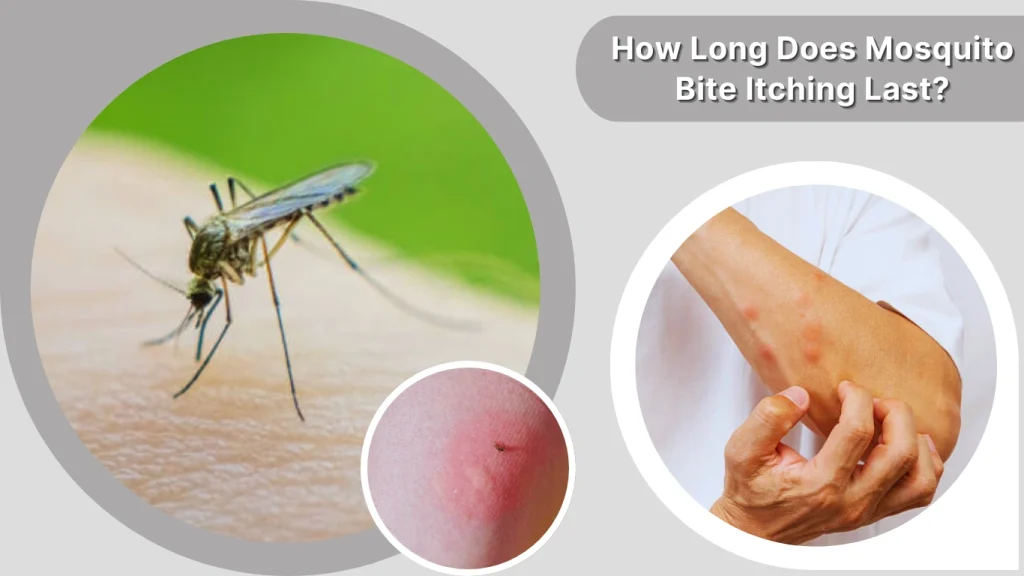
For most people, mosquito bite itching is temporary and goes away within a few days. The itching usually begins shortly after the bite occurs and may become more noticeable within the first few hours.
In general, mosquito bites itch for one to three days. The swelling and redness gradually decrease as the immune response fades and the body heals the skin.
However, the duration of itching can vary depending on several factors. Scratching the bite can irritate the skin and make the itching last longer. Repeated scratching can also slow the healing process.
In some cases, people with sensitive skin may experience itching for several days. If the bite becomes extremely swollen or painful, it may indicate an allergic reaction or infection that requires medical attention.
Why Scratching Mosquito Bites Makes It Worse
Scratching a mosquito bite may feel satisfying at first, but it can actually make the problem worse. When the skin is scratched, it becomes more irritated and inflamed.
Scratching stimulates the nerve endings in the skin, which can increase the itching sensation instead of relieving it. This can create a cycle where scratching causes more itching, leading to even more scratching.
Another problem with scratching is that it can damage the skin. When the skin breaks open, bacteria can enter the wound and cause an infection. Signs of infection may include increased redness, swelling, warmth, or pus around the bite.
In severe cases, repeated scratching can even lead to scarring. For this reason, it is important to resist the urge to scratch mosquito bites as much as possible.
How to Stop Mosquito Bite Itching
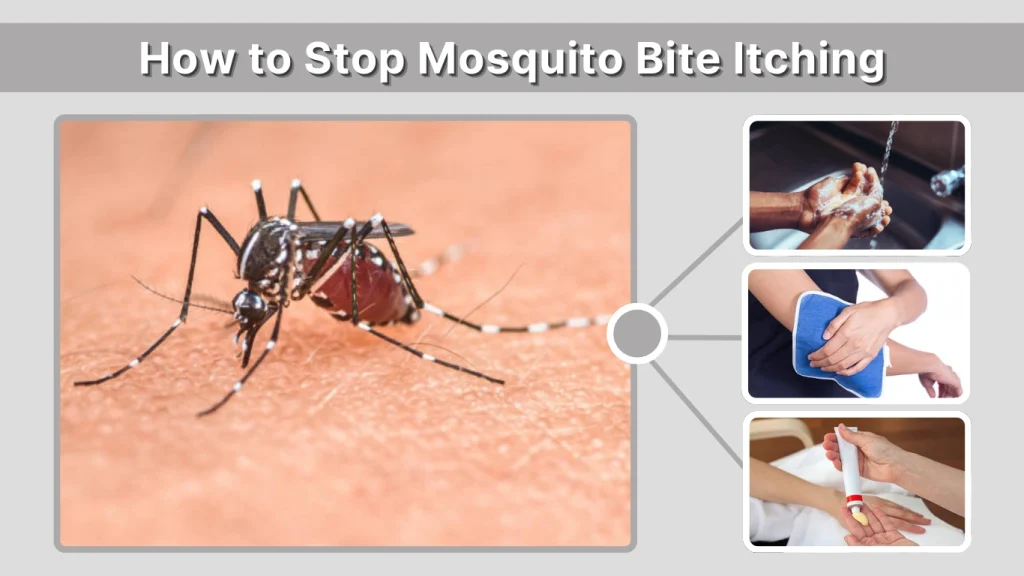
There are several ways to relieve the itching caused by mosquito bites. Simple treatments can reduce inflammation and help the skin heal more quickly.
Immediate Relief Methods
One of the easiest ways to relieve itching is to wash the bite with mild soap and water. This helps keep the area clean and reduces the risk of infection.
Applying a cold compress or ice pack can also help. Cold temperatures reduce swelling and numb the skin, which can temporarily relieve itching. Wrapping ice in a cloth and placing it on the bite for about 10–15 minutes can provide quick relief.
Over-the-Counter Treatments
Several medications available without a prescription can help reduce mosquito bite itching. Hydrocortisone cream is commonly used to reduce redness and inflammation around the bite.
Antihistamine creams or oral antihistamines can also help block the effects of histamine, which is responsible for the itching sensation. Calamine lotion is another popular treatment that soothes irritated skin.
Natural Home Remedies
Some natural remedies may also help reduce itching. Aloe vera gel is known for its cooling and anti-inflammatory properties, which can calm irritated skin.
Honey may also be helpful because it has natural antibacterial and soothing effects. Applying a small amount to the bite may reduce irritation.
Another common remedy is a paste made from baking soda and water. Applying this paste to the bite for a few minutes may help neutralize irritation and relieve itching.
How to Prevent Mosquito Bites
Preventing mosquito bites is the best way to avoid itching and discomfort. Using mosquito repellents is one of the most effective methods of protection. Repellents containing ingredients such as DEET or picaridin can help keep mosquitoes away.
Wearing long-sleeved shirts, long pants, and socks can also reduce exposed skin and make it harder for mosquitoes to bite. Light-colored clothing is often recommended because mosquitoes are more attracted to darker colors.
Removing standing water around the home is another important prevention method. Mosquitoes breed in stagnant water, so eliminating water collected in containers, flower pots, or gutters can help reduce mosquito populations.
Using window screens and mosquito nets can provide additional protection, especially during sleep.
Conclusion
Mosquitoes itch because the body’s immune system reacts to proteins in mosquito saliva. When the immune system detects these foreign substances, it releases histamine, which causes itching, redness, and swelling around the bite.
Although mosquito bites are usually harmless, the itching can be uncomfortable. Understanding why mosquito bites itch can help people manage the symptoms more effectively. Simple treatments, natural remedies, and preventive measures can reduce irritation and help protect against future mosquito bites.