
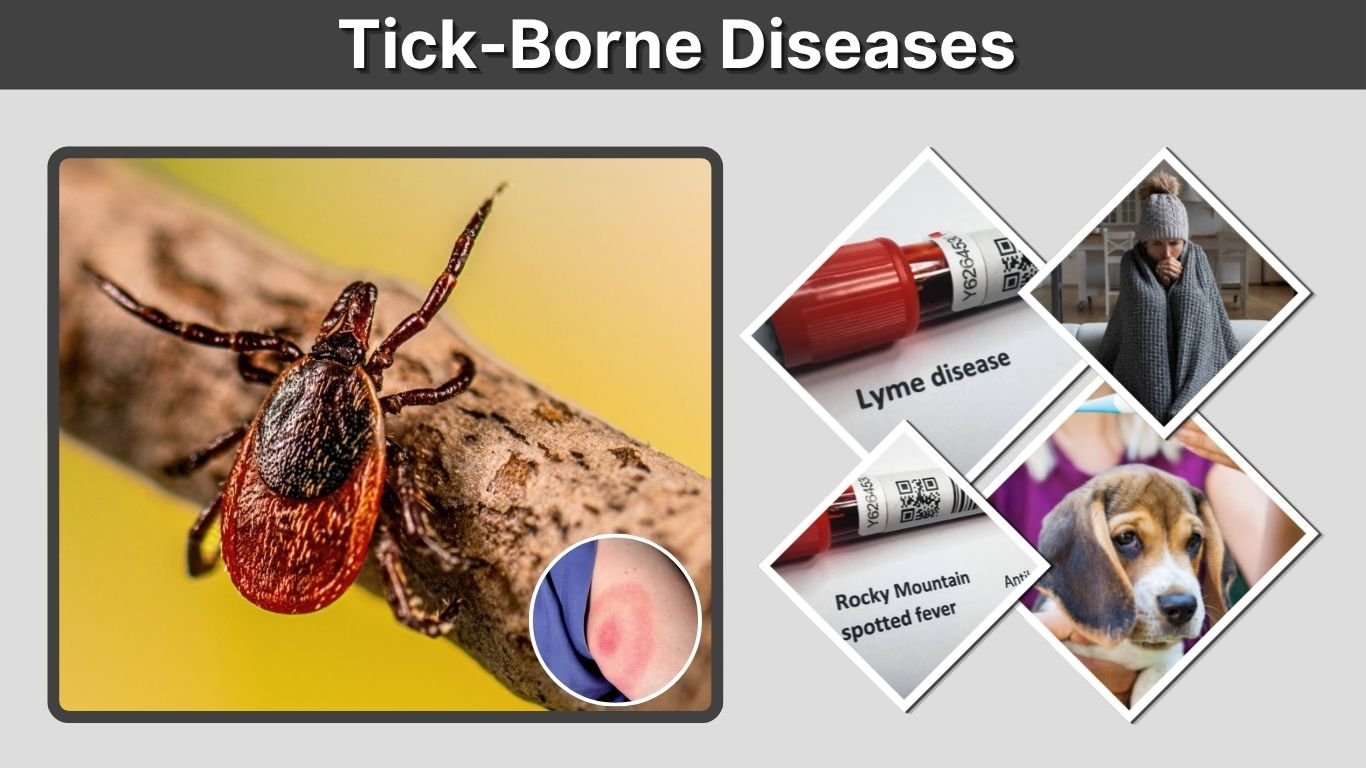
Ticks are small blood-feeding arachnids capable of transmitting bacteria, parasites, and viruses to people and animals. Tick-borne diseases range from relatively mild infections to illnesses that can become serious without prompt treatment. Lyme disease, anaplasmosis, ehrlichiosis, babesiosis, and Rocky Mountain spotted fever are among the best-known examples. Dogs are also susceptible to several tick-borne infections and may develop fever, lethargy, joint problems, or blood abnormalities. Because symptoms often overlap with other illnesses, recognizing possible tick exposure and seeking appropriate medical or veterinary care is important.
What Are Tick-Borne Diseases?
Tick-borne diseases are illnesses caused by pathogens transmitted when an infected tick feeds on a person or animal. Different tick species carry different pathogens, so disease risk varies considerably by geographic region.
Ticks can transmit bacteria, parasites, and viruses. A single species may also carry more than one pathogen.
Common Types of Tick-Borne Diseases
Some important tick-borne illnesses include:
- Lyme disease
- Anaplasmosis
- Ehrlichiosis
- Rocky Mountain spotted fever
- Babesiosis
- Tick-borne relapsing fever
- Tularemia
- Powassan virus disease
- Colorado tick fever
- Heartland virus disease
Not every tick carries disease, and finding a tick does not mean infection has occurred.
How Ticks Transmit Disease
Ticks become infected while feeding on animals that carry particular pathogens. An infected tick may later transmit a pathogen to another host during feeding.
Transmission time varies by disease, which is one reason prompt tick removal is important. For example, Lyme disease transmission usually requires a period of attachment rather than occurring immediately after the tick lands on the skin.
Most Common Tick-Borne Diseases
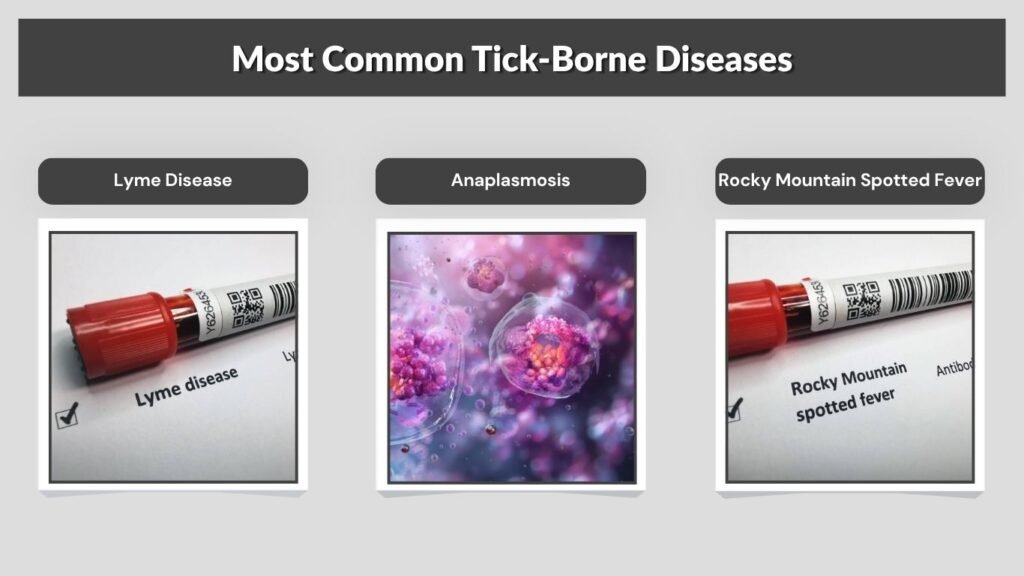
Several infections account for much of the concern surrounding tick exposure. The exact diseases present depend heavily on where a person or pet lives or travels.
Lyme Disease
Lyme disease is caused by Borrelia burgdorferi and is primarily transmitted by infected black-legged ticks in North America.
In humans, early disease may cause fever, fatigue, headache, muscle or joint discomfort, and a characteristic expanding rash in some patients.
Dogs may develop fever, reduced appetite, lethargy, swollen lymph nodes, and intermittent or shifting lameness. Many infected dogs, however, never develop obvious clinical disease.
Anaplasmosis
Anaplasmosis can affect both people and dogs. In dogs, Anaplasma phagocytophilum is transmitted primarily by black-legged ticks, while Anaplasma platys is associated with canine cyclic thrombocytopenia.
Affected dogs may develop fever, lethargy, lameness, enlarged lymph nodes, or bleeding abnormalities, although some infections produce few or no symptoms.
Ehrlichiosis
Ehrlichiosis is caused by several Ehrlichia species. The brown dog tick and lone star tick are important vectors for different forms of the disease.
Dogs may develop fever, poor appetite, enlarged lymph nodes, lethargy, low platelet counts, bruising, or bleeding. Some infections can become chronic if not appropriately managed.
Rocky Mountain Spotted Fever
Rocky Mountain spotted fever is a potentially severe bacterial illness caused by Rickettsia rickettsii.
In humans, early symptoms may include high fever, severe headache, muscle aches, nausea, and general illness. A rash can occur, but it may not appear early, and some patients never develop one.
Prompt medical treatment is particularly important because severe disease can progress rapidly.
Babesiosis
Babesiosis is caused by microscopic parasites that infect red blood cells. Certain black-legged ticks can transmit Babesia species associated with human disease.
Illness ranges from no symptoms to fever, chills, fatigue, and anemia. Older adults and people with weakened immune systems or certain underlying conditions can be at greater risk for severe disease.
Tick-Borne Diseases in Dogs
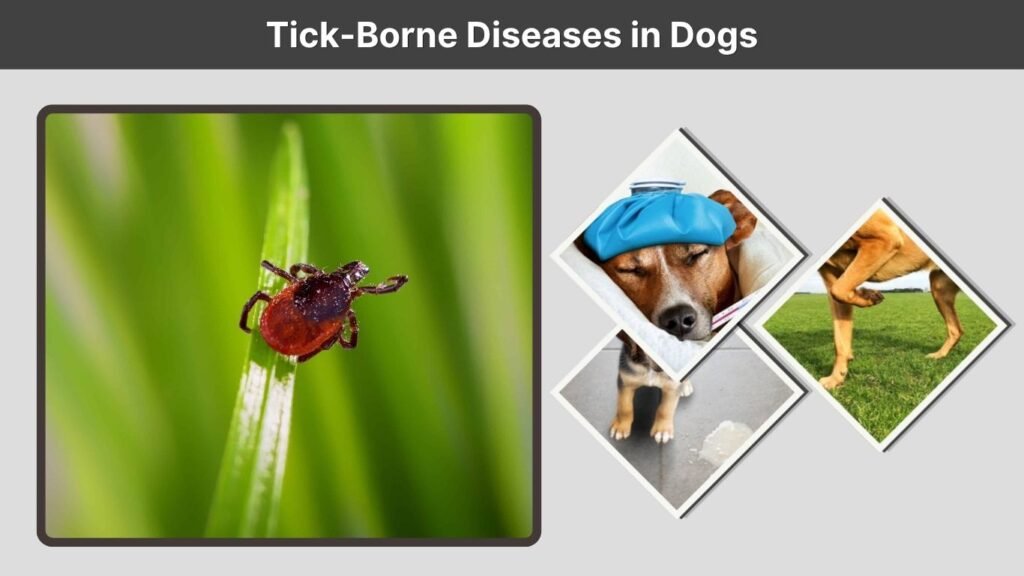
Dogs encounter ticks frequently because they explore grass, brush, forests, parks, and wildlife habitat.
Tick-borne infections can sometimes remain unnoticed because early symptoms are often vague.
Symptoms of Tick-Borne Diseases in Dogs
Possible signs include:
- Fever
- Loss of appetite
- Lethargy
- Weakness
- Limping or joint pain
- Swollen lymph nodes
- Pale gums
- Bruising
- Nosebleeds
- Abnormal bleeding
- Vomiting
- Neurological changes
Different diseases produce different combinations of symptoms, and infection may occasionally be asymptomatic.
Can Tick-Borne Diseases in Dogs Be Cured?
Many bacterial tick-borne infections in dogs can be successfully treated, especially when detected early.
The prognosis depends on the disease, how advanced it is, whether multiple infections are present, and the dog’s overall health.
Some dogs may require supportive care in addition to antimicrobial treatment.
Can Dogs Spread Tick-Borne Disease to Humans?
For infections such as Lyme disease, ehrlichiosis, and anaplasmosis, a dog generally does not directly transmit the disease to a person through ordinary contact.
Instead, humans and dogs may encounter infected ticks in the same environment.
A diagnosed infection in a dog can therefore indicate that infected ticks are present locally.
Tick-Borne Diseases in Humans
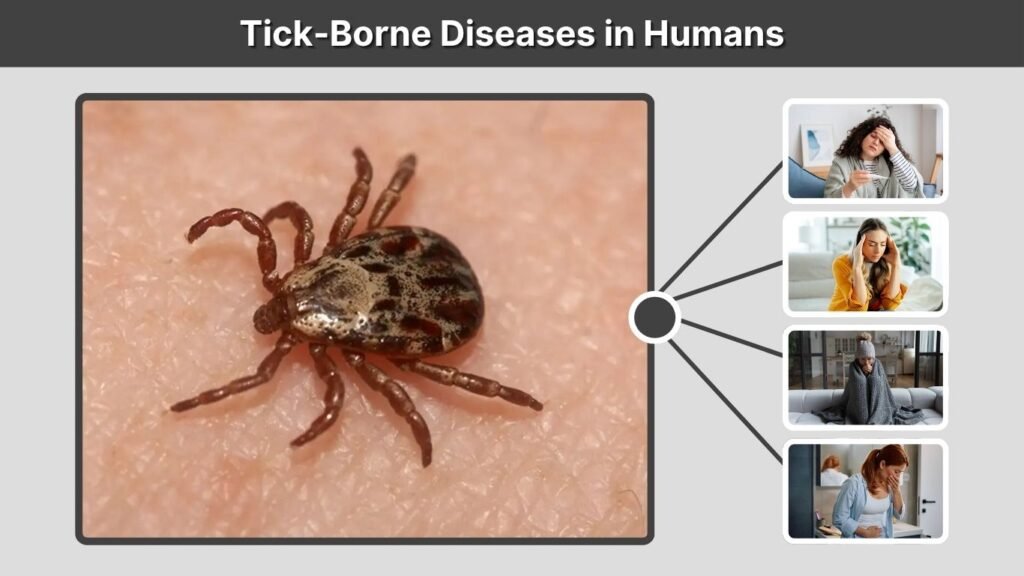
People may encounter ticks while gardening, hiking, camping, hunting, working outdoors, or spending time in grassy or wooded environments.
The bite itself is often painless, so someone may not remember finding a tick.
Signs and Symptoms in Humans
Depending on the infection, symptoms can include:
- Fever
- Headache
- Fatigue
- Muscle aches
- Joint pain
- Chills
- Nausea
- Swollen lymph nodes
- Rash
- Neurological symptoms in severe cases
Sudden fever, headache, malaise, and sometimes rash occur with several tick-borne illnesses, making diagnosis based on symptoms alone difficult.
Can Tick-Borne Diseases Be Deadly?
Some can be serious or potentially fatal if untreated.
Rocky Mountain spotted fever is particularly important because delayed treatment can result in severe complications. Other infections can also cause serious illness depending on the pathogen and the person’s health.
Seek medical attention for significant illness following known or suspected tick exposure.
How Tick-Borne Diseases Are Diagnosed
Diagnosis is not always straightforward because many symptoms resemble influenza and other infections.
Doctors and veterinarians consider exposure history, symptoms, physical examination, geographic location, and laboratory findings.
Tests for Tick-Borne Diseases
Testing may include:
- Blood cell counts
- Blood chemistry
- Antibody testing
- PCR testing
- Blood-smear examination for certain organisms
- Additional tests based on suspected disease
The timing of testing matters. Some antibody tests may be negative early in infection because the immune system has not yet produced detectable antibody levels.
For dogs, diagnosis may also involve combining clinical signs with serologic testing, PCR, and other laboratory abnormalities.
Treatment for Tick-Borne Diseases
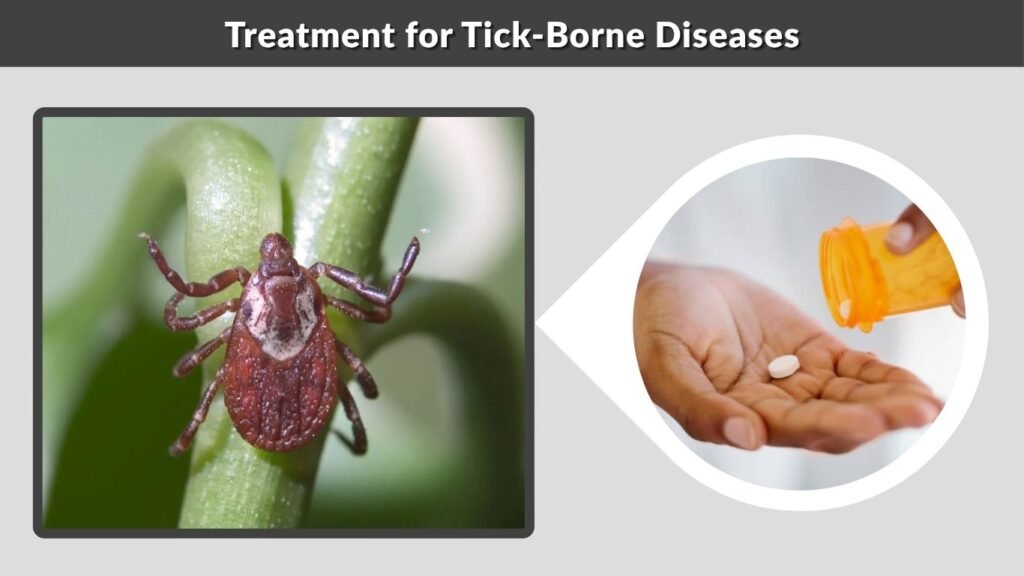
Treatment depends on which pathogen caused the infection. There is no single medicine that treats every tick-borne illness.
Antibiotics for Tick-Borne Diseases
Several important bacterial tick-borne diseases are treated with antibiotics.
Doxycycline is commonly used for rickettsial illnesses such as ehrlichiosis, anaplasmosis, and Rocky Mountain spotted fever. In suspected serious rickettsial illness, medical treatment may need to begin before laboratory confirmation is available.
Babesiosis requires different therapy because it is caused by a parasite rather than bacteria, while viral tick-borne diseases are not treated with antibiotics.
Never self-treat a suspected tick-borne illness with leftover antibiotics.
Treatment in Dogs
Veterinarians commonly use antimicrobial medications for bacterial canine tick-borne diseases.
Dogs with severe anemia, bleeding, dehydration, or other complications may also need supportive treatment.
The correct medicine and duration depend on the diagnosis, so veterinary evaluation is preferable to attempting home treatment.
Tick-Borne Diseases in Cats
Cats can acquire ticks, although recognized tick-borne disease is generally discussed more frequently in dogs.
Certain pathogens, including Anaplasma phagocytophilum, have been reported in cats. Tick prevention remains important for outdoor cats living in areas where ticks are common.
Never use a dog-only tick medication on a cat unless a veterinarian confirms that it is safe.
How to Prevent Tick-Borne Diseases
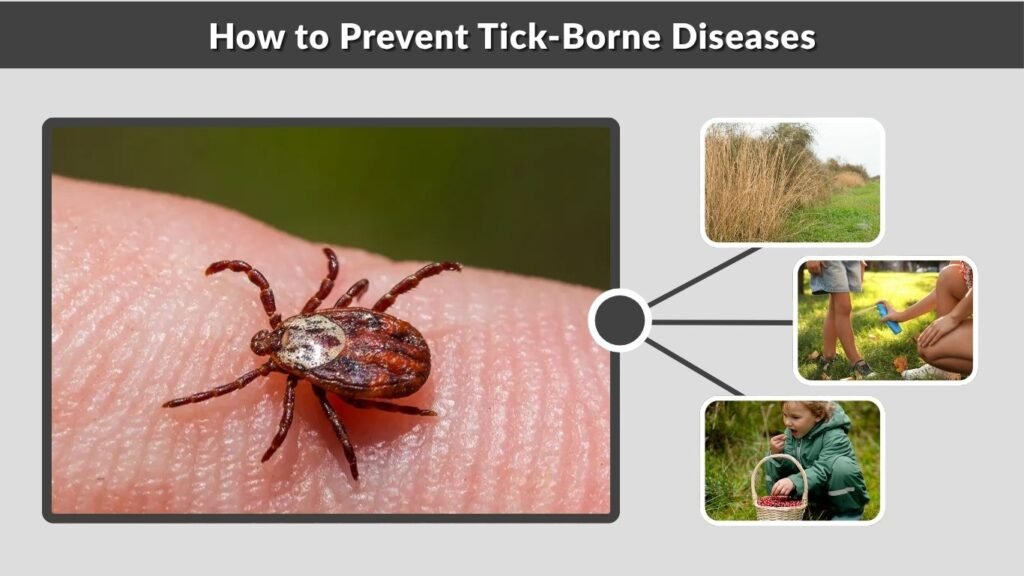
Preventing tick bites and removing attached ticks promptly are among the most important protective measures for humans and pets.
Tick Prevention Tips
- Avoid tall grass and dense brush when possible.
- Walk near the center of established trails.
- Use appropriate tick repellents.
- Wear protective clothing in tick habitat.
- Check your body after outdoor activity.
- Examine dogs carefully after walks.
- Remove attached ticks promptly.
- Keep lawns and vegetation maintained.
- Use veterinarian-recommended tick prevention for pets.
For dogs, consistent tick control and careful examinations after outdoor exposure can substantially reduce risk.
FAQs
1. What are the most common tick-borne diseases?
Common examples include Lyme disease, anaplasmosis, ehrlichiosis, babesiosis, and Rocky Mountain spotted fever. Which diseases are most common varies by location and tick species.
2. What are the first symptoms of a tick-borne disease?
Fever, headache, tiredness, muscle aches, joint discomfort, and general illness are common early symptoms. Some infections also cause a rash.
3. What are common tick-borne diseases in dogs?
Dogs can develop Lyme disease, ehrlichiosis, anaplasmosis, babesiosis, and Rocky Mountain spotted fever, among other infections.
4. Are tick-borne diseases curable?
Many bacterial tick-borne diseases can be effectively treated with appropriate antibiotics, particularly when recognized early. Treatment and prognosis vary by disease.
5. How soon after a tick bite do symptoms appear?
There is no single incubation period. Symptoms may develop within days or take several weeks depending on the pathogen. Anyone who becomes ill after recent tick exposure should tell their healthcare provider about the possible bite.
