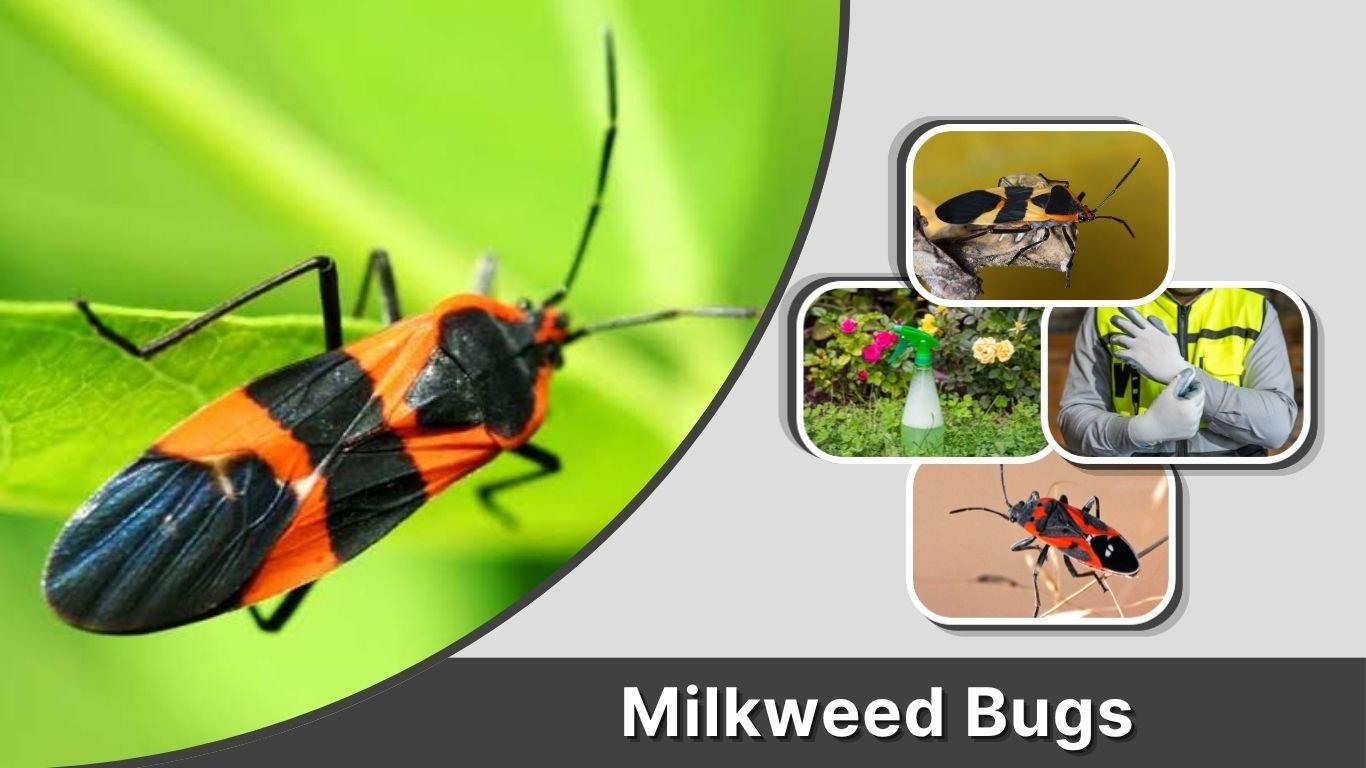
Milkweed bugs are neither completely good nor seriously bad. They are natural members of the milkweed ecosystem and usually cause little lasting damage to healthy plants. Most feed primarily on milkweed seeds, although they may also pierce developing pods, stems, flowers, and young leaves.
Control is rarely necessary in a wildlife or monarch garden. However, large colonies can reduce seed production, and small milkweed bugs may occasionally feed on monarch caterpillars or pupae. The best response depends on your reason for growing milkweed.
Are Milkweed Bugs Good or Bad?
Milkweed bugs are best described as mostly harmless native insects. They are not beneficial predators like lady beetles, but they are also not destructive garden pests under normal conditions.
A small or moderate population can usually be left alone. Milkweed bugs generally concentrate on developing seeds and cause little damage to the overall health of an established plant. Treatment is mainly justified when unusually large colonies cover young plants or when milkweed is being grown specifically for seed collection.
| Situation | Are milkweed bugs a problem? |
| A few bugs on mature milkweed | Usually no |
| Bugs feeding on seedpods | Minor unless seeds are needed |
| Large colony on a small plant | May require management |
| Native wildlife garden | Usually leave them alone |
| Commercial seed production | Can become an economic pest |
| Monarch eggs and caterpillars present | Avoid pesticide treatments |
What Are Milkweed Bugs?
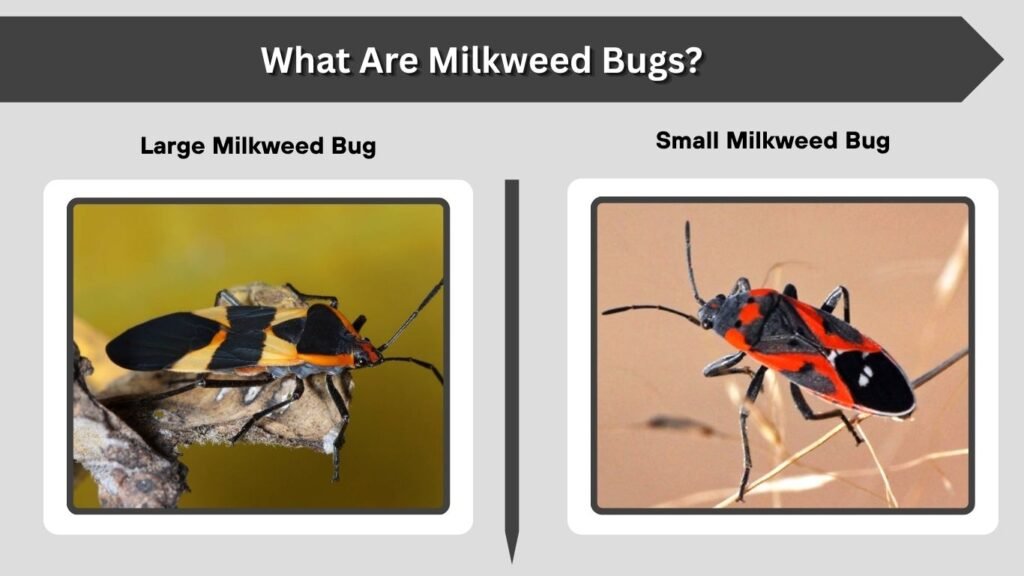
Milkweed bugs are true bugs with piercing, straw-like mouthparts. They use these mouthparts to penetrate milkweed tissue, release digestive fluids, and draw out liquefied plant material.
Their orange-and-black coloration is a warning to predators. Like monarch caterpillars, milkweed bugs can store defensive compounds obtained from milkweed in their bodies, making them distasteful or poisonous to many predators.
Two species are commonly seen in North American gardens:
Large Milkweed Bug
The large milkweed bug, Oncopeltus fasciatus, can grow to approximately ¾ inch long. It has an orange-red body with black triangles and a black band across its wings.
Large milkweed bugs are herbivores. They feed on milkweed seeds, leaves, stems, flowers, and developing pods but prefer seeds because they provide better nutrition for growth and reproduction.
Small Milkweed Bug
The small milkweed bug, Lygaeus kalmii, reaches approximately ½ inch long. It has a black body marked with a large red or orange X and often has white edging or spots on its wings.
Although it feeds primarily on seeds, the small milkweed bug has a broader diet. It may consume flower nectar, dead insects, or occasionally other living insects. Reports include feeding on monarch caterpillars and pupae.
Are Milkweed Bugs Bad for Milkweed Plants?
Milkweed bugs can damage individual seeds, but they rarely kill established milkweed plants. Their feeding is normally concentrated on developing seedpods during late summer and fall.
Because their mouthparts cannot reach every seed deep inside a pod, many interior seeds remain undamaged and capable of producing new plants. This is one reason moderate populations rarely prevent milkweed from reproducing completely.
Signs of Milkweed Bug Feeding
Milkweed bug activity may produce:
- Shriveled or discolored seeds
- Deformed developing seedpods
- Small feeding marks on stems or leaves
- Clusters of red-orange nymphs on pods
- Fewer viable seeds inside affected pods
Leaf and stem feeding is usually minor. A healthy, established plant can generally tolerate it without noticeable decline.
When They Can Become Harmful
Milkweed bugs become more concerning when hundreds of adults and nymphs gather on a limited number of plants. Heavy feeding can be more stressful for young, recently transplanted, drought-damaged, or container-grown milkweed.
They can also be important pests in commercial or conservation plantings where the purpose is to produce and collect large quantities of viable milkweed seed. The Xerces Society includes milkweed bugs among the pests that may need management in milkweed seed-production operations.
Are Milkweed Bugs Good for Milkweed?
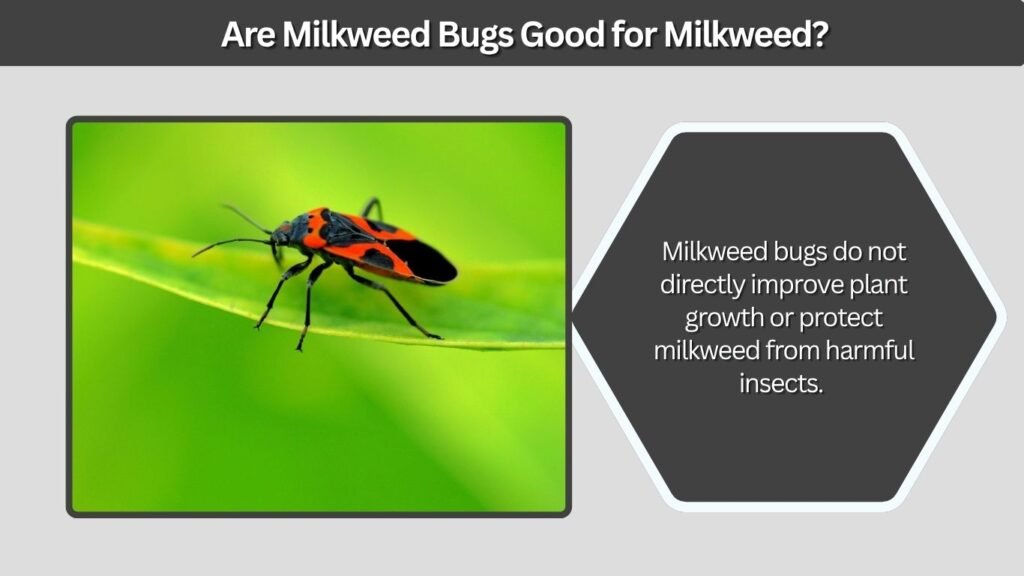
Milkweed bugs do not directly improve plant growth or protect milkweed from harmful insects. However, their presence is part of the natural food web surrounding native milkweed.
They consume some seeds, become food for specialized predators, and contribute nutrients to the environment after they die. Their abundance may also prevent every seed in a dense milkweed patch from developing, although they should not be viewed as a reliable method of controlling milkweed spread.
Their most important “benefit” is ecological diversity. A milkweed garden is not intended to support monarchs alone; it can host numerous specialized bugs, beetles, caterpillars, pollinators, spiders, and predators. Milkweed bugs are one part of that community.
Do Milkweed Bugs Harm Monarch Butterflies?
The answer depends on the species.
Large Milkweed Bugs and Monarchs
Large milkweed bugs are plant feeders and are not generally considered a direct threat to monarchs. They mainly consume milkweed tissues and seeds, so their presence should not prevent monarch butterflies from laying eggs or caterpillars from eating the leaves.
A very large colony could create competition for space or reduce the quality of a severely stressed plant, but this is not common in a healthy milkweed patch.
Small Milkweed Bugs and Monarchs
Small milkweed bugs are mostly plant feeders but can sometimes behave as scavengers or opportunistic predators. They have been reported feeding on monarch caterpillars and pupae as well as other insects.
This behavior does not mean every small milkweed bug will attack monarchs. Natural predation occurs throughout monarch habitat, and conservation guidance generally recommends accepting some insect loss as part of a functioning ecosystem rather than eliminating every possible predator.
Should You Remove Milkweed Bugs?
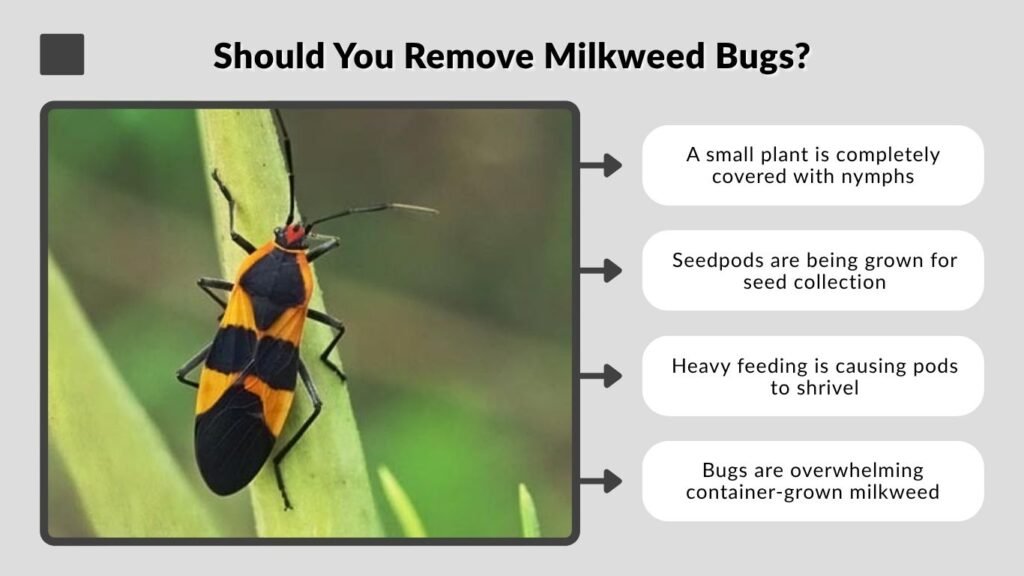
Leave milkweed bugs alone when the plants remain healthy and you only see a small or moderate number. Their presence normally does not justify chemical control.
Consider reducing their population when:
- A small plant is completely covered with nymphs
- Seedpods are being grown for seed collection
- Heavy feeding is causing pods to shrivel
- Bugs are overwhelming container-grown milkweed
- You are actively protecting individual monarch eggs or caterpillars
Even then, remove only enough bugs to reduce pressure rather than trying to eliminate every insect.
How to Control Milkweed Bugs Safely
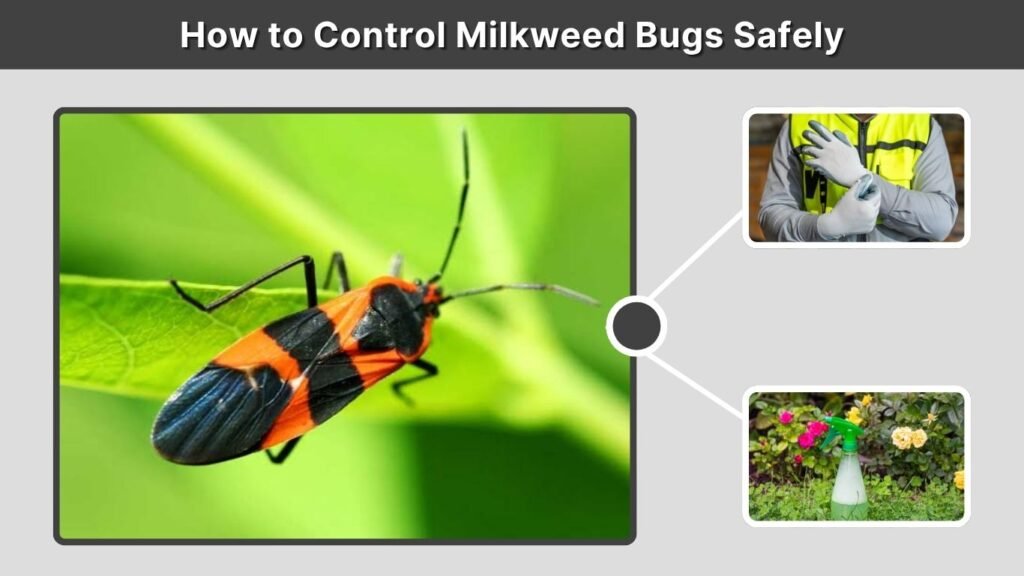
Physical control is the safest choice in a monarch garden because insecticides that kill milkweed bugs can also kill monarch caterpillars and other beneficial insects.
Handpick the Bugs
Wear gloves and brush adults and nymphs into a container of soapy water. Check seedpods, stems, leaf joints, and the undersides of leaves.
You can also remove a heavily infested seedpod if you do not need its seeds. Before cutting anything, inspect the plant carefully for monarch eggs and caterpillars.
Reduce Overwintering Sites
Remove unwanted dead stalks and excessive plant debris after the growing season. This can reduce shelter for overwintering small milkweed bugs. Large milkweed bugs migrate south from colder areas rather than surviving severe northern winters.
Do not remove all garden litter if you maintain a wildlife garden, since many beneficial insects use stems and leaves for winter shelter. Focus on debris directly associated with a severe recurring infestation.
Use Insecticidal Soap Carefully
Insecticidal soap may help control dense groups of young nymphs, but it must contact them directly. Use only a product labeled for the plant and pest.
Never spray when monarch eggs or caterpillars are present. Insecticidal soaps and oils can kill caterpillars when sprayed directly, even though they are considered less persistent than many conventional insecticides.
Broad-spectrum pesticides are generally unsuitable for a milkweed or butterfly garden because they can harm monarch caterpillars, pollinators, and natural predators.
Milkweed Bugs vs. Oleander Aphids
Milkweed bugs are often confused with oleander aphids because both can appear orange and gather in colonies.
| Feature | Milkweed bug | Oleander aphid |
| Size | Medium to large | Very small |
| Color | Orange-red and black | Bright yellow-orange with black legs |
| Main location | Seedpods, stems, flowers | New stems, buds, and leaf undersides |
| Feeding preference | Primarily seeds | Plant sap |
| Honeydew production | No noticeable honeydew | Produces sticky honeydew |
| Plant damage | Usually minor | Heavy colonies may stunt plants |
Oleander aphids may be more damaging to young milkweed because dense colonies feed on new growth and produce sticky honeydew that supports sooty mold. Milkweed bugs normally create fewer plant-health problems.
FAQs
Should I kill milkweed bugs?
Usually not. A small or moderate population causes little damage and is part of the natural milkweed ecosystem. Remove some bugs only when colonies are overwhelming young plants, destroying seedpods you want to collect, or interfering with closely managed monarch habitat.
Do milkweed bugs eat monarch eggs?
Large milkweed bugs are herbivores and are not considered a direct monarch threat. Small milkweed bugs are mostly plant feeders but may occasionally scavenge or prey on insects, including monarch caterpillars and pupae. Predation on monarchs is possible but not their primary feeding behavior.
Will milkweed bugs kill a milkweed plant?
They rarely kill healthy, established milkweed. Heavy colonies may stress seedlings, container plants, or already weakened milkweed. Most visible feeding occurs on developing seedpods rather than on the leaves needed by monarch caterpillars.
Do milkweed bugs bite people?
Milkweed bugs are not aggressive and do not normally bite people. Their piercing mouthparts are designed mainly for feeding on seeds and plant tissue. Handle them gently or wear gloves, since many true bugs may probe defensively if trapped against the skin.
Are milkweed bugs poisonous?
Milkweed bugs store cardiac glycosides obtained from milkweed, making them toxic or unpleasant to many predators. Their bright orange-and-black coloring advertises this chemical defense. They are not dangerous merely to observe and do not inject poison into people.