
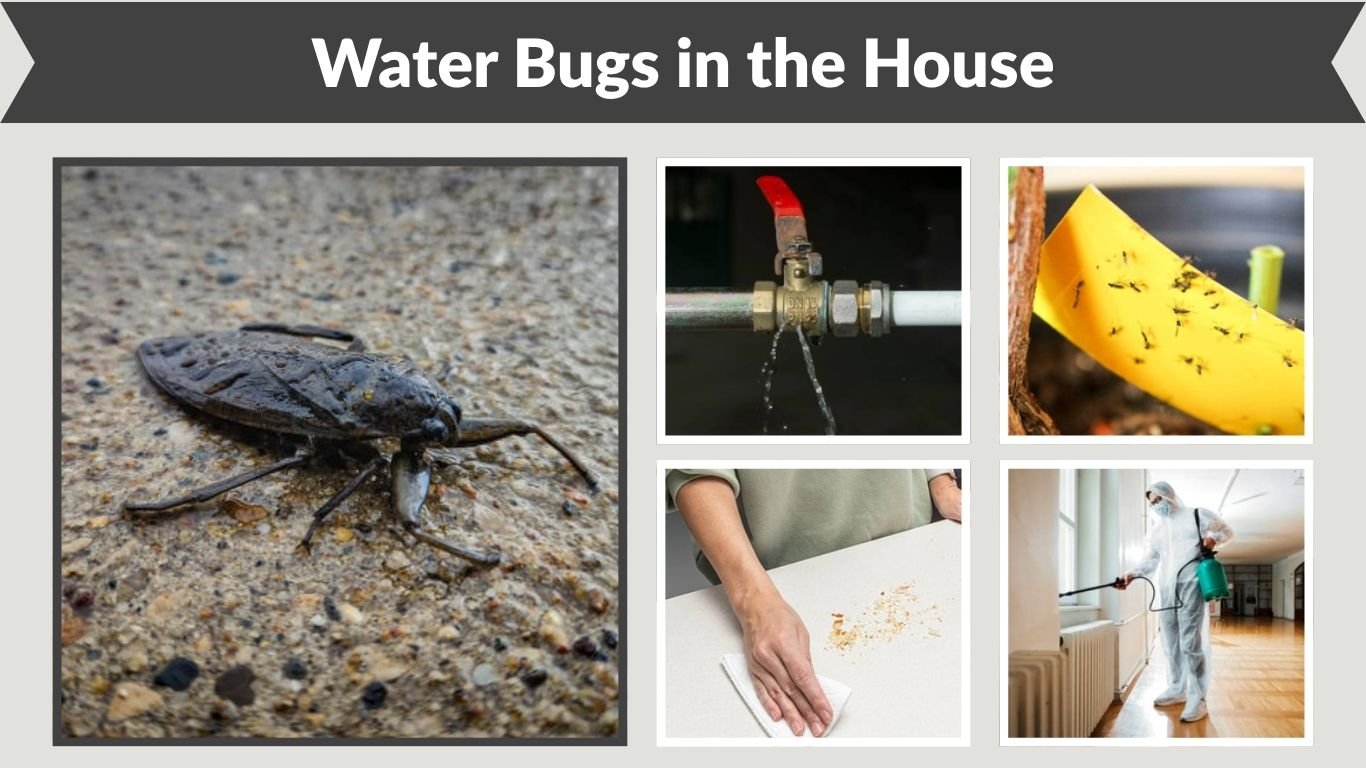
Finding a large black or brown “water bug” inside your house can be alarming. In many homes, the name water bug refers to an Oriental cockroach, a dark-colored roach that prefers cool, damp areas such as basements, drains, crawl spaces and spaces beneath appliances. However, a true giant water bug may occasionally fly indoors after being attracted to outdoor lights. Correct identification is important because cockroaches can reproduce inside buildings, while true aquatic water bugs usually enter accidentally.
What Are Water Bugs in the House?
“Water bug” is not always a precise insect name. Homeowners commonly use it for several insects that appear near water or damp areas.
The insect may be:
- An Oriental cockroach
- An American cockroach
- A smoky brown cockroach
- A giant water bug
- A small beetle or other moisture-loving insect
- A cockroach nymph
The Oriental cockroach is the insect most commonly called a water bug. Adults are dark brown to nearly black, have flattened bodies and measure around 1 to 1¼ inches long. They prefer dark, cool and damp locations at or near ground level.
Water Bug vs. Cockroach
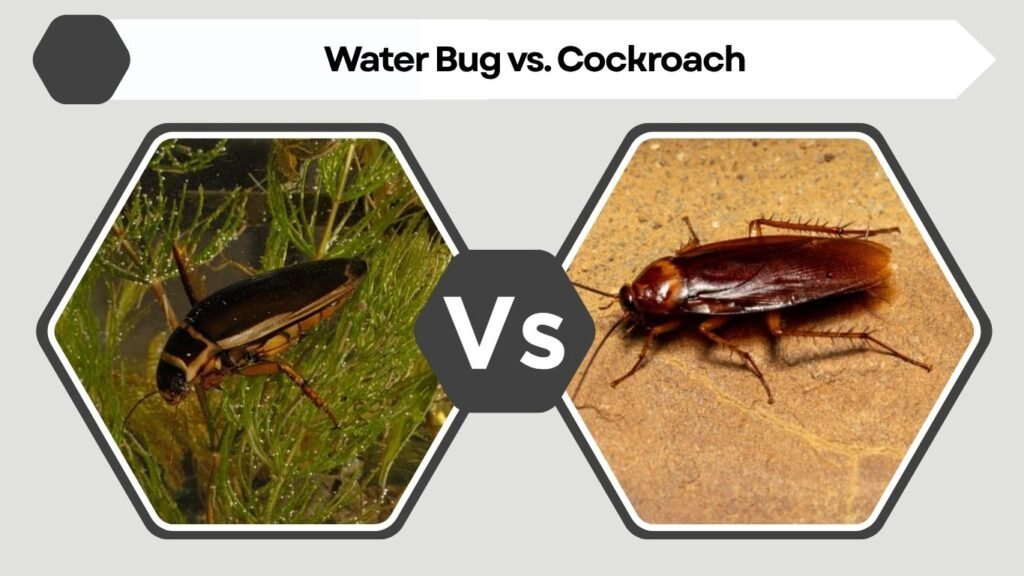
True water bugs and cockroaches are different insects, even though their names are often used interchangeably.
| Feature | Oriental cockroach | Giant water bug |
| Typical habitat | Basements, drains and crawl spaces | Ponds, lakes and wetlands |
| Body shape | Flattened and oval | Broad and somewhat boat-shaped |
| Color | Dark brown or black | Brown or olive-brown |
| Antennae | Very long and visible | Shorter and less noticeable |
| Front legs | Similar walking legs | Thick, claw-like grasping legs |
| Indoor behavior | May live and reproduce indoors | Usually enters accidentally |
| Main concern | Contamination and infestation | Painful defensive bite if handled |
Giant water bugs may reach 2–2½ inches long and have powerful front legs used to capture prey. They live in shallow ponds and lakes but may fly toward lights and appear in yards, parking areas or near homes. They should not be picked up with bare hands because they can deliver a painful defensive jab.
Why Are Water Bugs in My House?
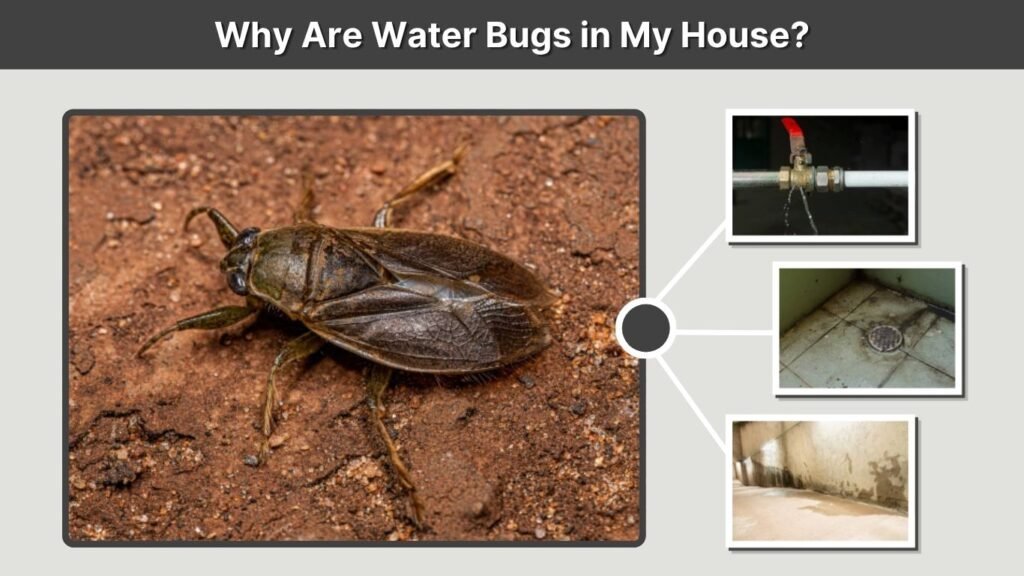
Cockroach-type water bugs enter homes because they can find moisture, food and protected hiding places. Their presence does not always mean a house is dirty, although accessible food, leaking pipes and clutter can support an infestation.
Moisture and Plumbing Problems
Water bugs are strongly associated with damp areas. They may gather near:
- Leaking pipes
- Floor drains
- Damp basements
- Washing machines
- Water heaters
- Sinks and refrigerators
- Crawl spaces
- Condensation around plumbing
Oriental cockroaches are frequently found near sewers, drains, leaking water pipes and damp spaces beneath appliances.
Openings Around the House
Water bugs can enter through:
- Gaps beneath exterior doors
- Foundation cracks
- Basement windows
- Plumbing and utility openings
- Floor drains
- Damaged screens
- Air ducts and vents
- Spaces around pipes
They may also be carried indoors inside cardboard boxes, groceries, laundry, furniture or stored belongings.
Weather Changes
Heavy rain can flood outdoor hiding places and push cockroaches toward buildings. Hot, dry weather may also drive them indoors in search of moisture. Lawn mowing, mulch disturbance and seasonal temperature changes can increase sudden indoor activity.
Food and Organic Material
Water bugs may feed on crumbs, rubbish, grease, pet food, decaying material and almost any available organic matter. Open rubbish containers and food residue beneath appliances can help them survive.
Signs of a Water Bug Infestation
Seeing one large bug does not always mean there is an infestation. An outdoor cockroach or true giant water bug may accidentally enter through a door or window.
Possible infestation signs include:
- Repeated nighttime sightings
- Several bugs of different sizes
- Small, wingless nymphs
- Dark droppings or smears
- Egg cases in hidden areas
- Shed skins
- A strong, unpleasant odor
- Bugs appearing beneath sinks or appliances
Baby water bugs are usually cockroach nymphs. Finding numerous small nymphs is more concerning than seeing one adult because it suggests that cockroaches may be breeding nearby.
How to Get Rid of Water Bugs in the House
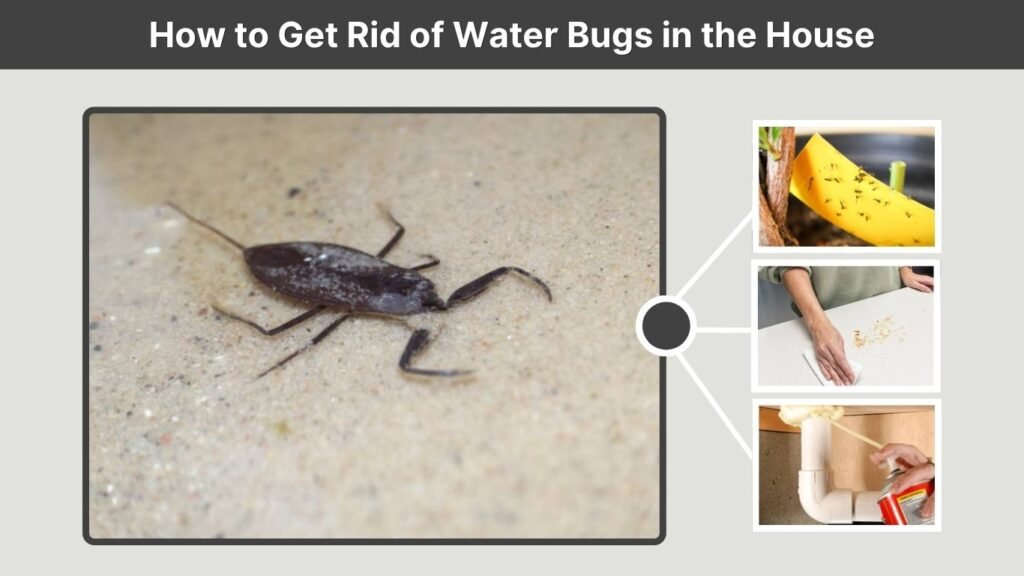
Effective removal requires identifying where the insects hide and correcting the conditions supporting them.
1. Inspect Damp and Dark Areas
Use a flashlight to inspect:
- Beneath sinks
- Behind refrigerators and stoves
- Around washing machines
- Near floor drains
- Basement corners
- Crawl spaces
- Plumbing openings
- Cupboards and wall cracks
Look for droppings, cast skins, egg cases and live insects.
2. Use Sticky Traps
Place cockroach sticky traps tightly against walls and near suspected hiding areas. Good locations include beneath appliances, inside cupboards, around sinks and beside exterior doors.
Check the traps daily for several days. The locations catching the most insects reveal where treatment and repairs should be concentrated. Sticky traps are primarily monitoring tools rather than complete control methods.
3. Remove Food and Water
Clean crumbs, grease and spilled drinks from counters and floors. Store food in tightly sealed containers and take rubbish out regularly.
Also:
- Repair leaking pipes and faucets
- Dry sinks before bedtime
- Do not leave pet food out overnight
- Clean beneath appliances
- Empty standing water
- Improve ventilation in damp rooms
- Remove wet cardboard and clutter
Reducing food and water makes the house less suitable for cockroaches and helps bait work more effectively.
4. Vacuum Visible Bugs and Egg Cases
Vacuuming can quickly remove cockroaches, nymphs, shed skins and egg cases. Use a vacuum with a HEPA filter when possible because cockroach debris can contribute to allergy and asthma symptoms.
Empty the vacuum contents into a sealed bag and place it in an outdoor rubbish container.
5. Use Cockroach Bait
Gel bait and enclosed bait stations are usually more effective than spraying individual insects. Place labeled cockroach bait close to hiding and feeding areas, such as beneath sinks, behind appliances and near wall edges.
Baits act slowly, so visible activity may not decline for seven days or longer. Keep food surfaces clean so cockroaches are more likely to consume the bait.
Follow the product label and keep all pesticides away from children, pets, food and cooking utensils.
6. Seal Entry Points
After reducing the infestation, seal gaps around pipes, doors, windows, wiring and foundations.
Install:
- Door sweeps
- Weather stripping
- Drain covers
- Fine screens over vents
- Caulk around cracks and plumbing openings
Remove leaf litter, stacked wood, dense ground cover and rubbish near the foundation because these provide outdoor hiding places.
Methods to Avoid
Foggers and Bug Bombs
Total-release foggers usually do not reach the cracks where cockroaches hide. They can increase pesticide exposure and may drive insects deeper into walls or other rooms. Extension guidance recommends avoiding aerosol foggers and bombs for cockroach control.
Spraying Floors and Countertops
Do not spray broad areas where food is prepared or children and pets may have contact. Surface sprays rarely eliminate hidden egg cases and colonies.
Pouring Bleach Into Drains
Bleach may kill an exposed insect, but it will not eliminate cockroaches living around plumbing, beneath floors or inside sewer systems. Mixing bleach with other cleaners can also produce dangerous fumes.
Are Water Bugs in the House Dangerous?
Cockroach-type water bugs can travel through drains, sewers, rubbish and decaying organic material. They may transfer microorganisms to food and kitchen surfaces. Their feces, saliva and shed skins can also worsen allergies and asthma, particularly when infestations are heavy.
True giant water bugs do not normally infest houses or spread throughout kitchens. However, they can deliver a painful bite when handled or stepped on.
When to Call Pest Control
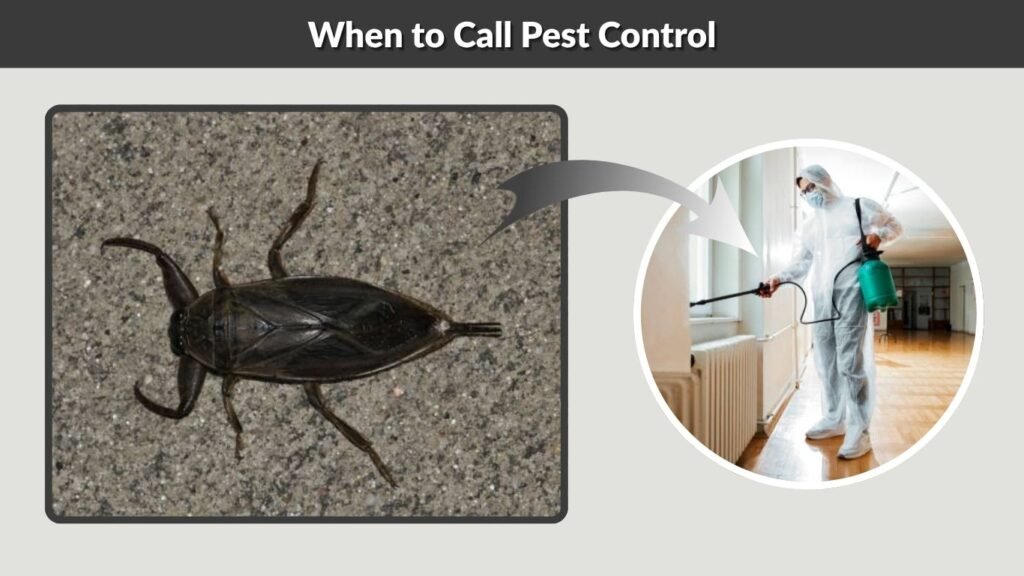
Professional treatment may be appropriate when:
- Water bugs appear every night
- Nymphs and egg cases are present
- Several rooms are affected
- The insects are entering from drains or crawl spaces
- Baiting has not reduced activity
- The infestation is in an apartment building
- Safe pesticide placement is difficult
Multi-unit buildings often require coordinated treatment because cockroaches can move between neighboring apartments through walls, pipes and shared utility spaces.
FAQs
Why are water bugs suddenly appearing in my house?
Heavy rain, drought, temperature changes, lawn work or disturbed mulch may push outdoor cockroaches indoors. A plumbing leak or new opening beneath a door can also make a home more attractive.
Do water bugs fly inside houses?
Some cockroach species can fly or glide, while Oriental cockroaches generally do not fly. True giant water bugs are capable fliers and may enter through open doors or windows after being attracted to lights.
How long can water bugs live in a house?
Cockroaches can survive and reproduce indoors when food, moisture and shelter remain available. Their complete life cycle can take several months to more than a year, depending on the species and conditions.
Does one water bug mean an infestation?
Not necessarily. One large insect may have wandered inside. Repeated sightings, small nymphs, egg cases, droppings or insects caught in several traps are stronger signs of an established problem.
What is the fastest way to remove water bugs?
Vacuum visible insects, repair moisture problems, clean food residue, place sticky monitoring traps and use labeled cockroach bait near hiding areas. Seal entry points after activity begins declining.
