
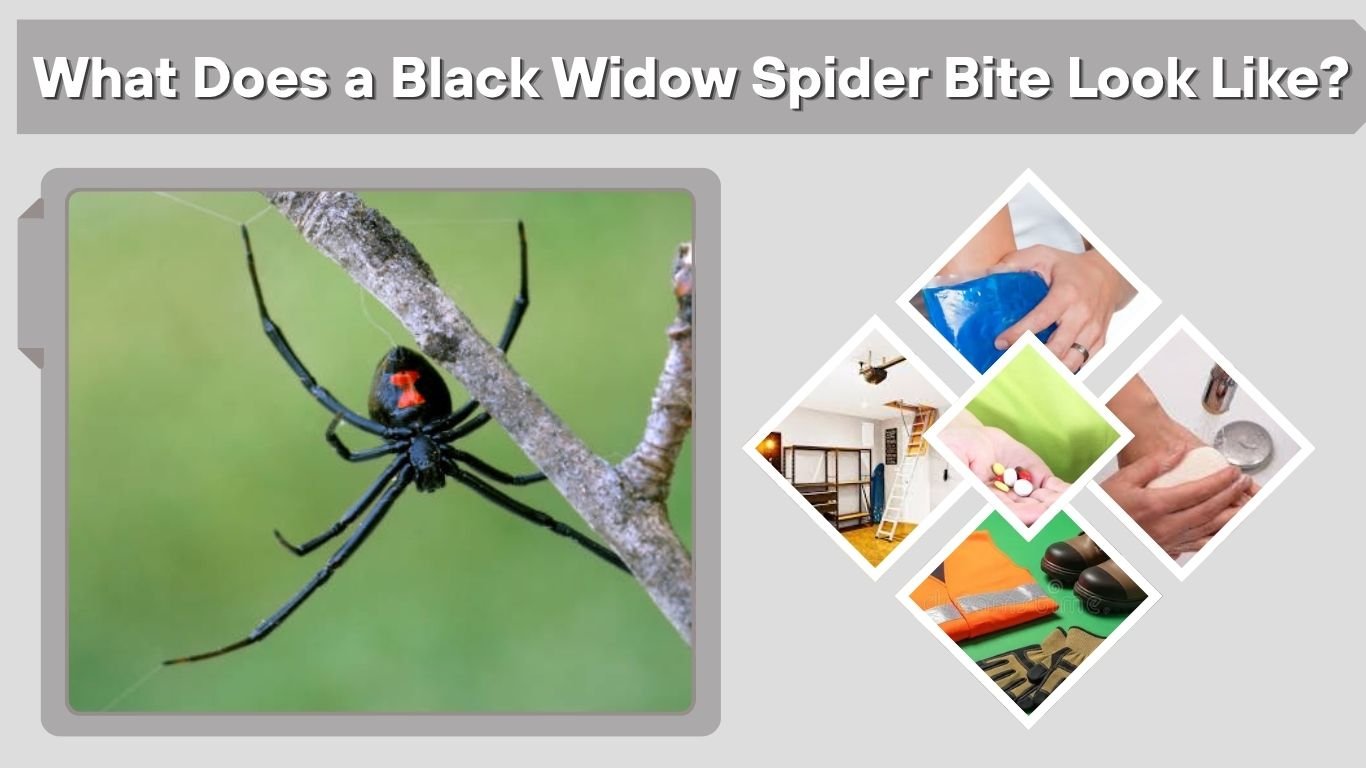
A black widow spider bite can be confusing because it may not look dramatic at first. Many people expect a large wound, but the bite often starts as a small red spot, mild swelling, or two tiny puncture marks. The more important clues are how the bite feels and whether symptoms spread beyond the skin, such as muscle cramps, sweating, nausea, or severe pain.
What Does a Black Widow Spider Bite Look Like?
A black widow spider bite may look like a small insect bite in the beginning. You might notice a red bump, slight swelling, tenderness, or a tiny pair of puncture marks where the spider’s fangs entered the skin. In some cases, the bite mark is hard to see.
Unlike some other spider bites, a black widow bite does not usually cause a large open sore or dead-looking skin. The skin reaction can be mild while the pain and body symptoms become more serious. That is why appearance alone is not always enough to identify it.
Common Visual Signs
A black widow spider bite may include:
- A small red bump or irritated spot
- Mild swelling around the bite
- Two tiny fang marks, though they may be difficult to see
- Redness that stays near the bite area
- Tenderness or warmth around the skin
- A pale center in some cases
Some people may not notice the bite right away. Others feel a sharp pinprick or burning feeling immediately. The bite area may look minor, but symptoms can become more intense over the next 30 minutes to several hours.
What It Usually Does Not Look Like
A black widow bite usually does not look like a large rotting wound. It is also less likely to cause a deep ulcer compared with a brown recluse bite. If the skin becomes dark, blistered, infected, or starts breaking down, another cause may be involved, and medical care is important.
What Do Black Widow Spider Bites Look Like at First?
At first, a black widow spider bite may look like a tiny red mark or small swollen bump. Some people describe it as looking similar to a mosquito bite, ant bite, or mild bee sting. The difference is that the pain may feel sharper, deeper, or more intense than the bite appears.
During the first hour, the bite area may become more painful. Redness and swelling may stay small, but the discomfort can spread. Some people develop muscle tightness near the bite, while others feel pain moving into the back, stomach, chest, or legs.
Fresh Black Widow Bite Timeline
| Time After Bite | What It May Look Like | What It May Feel Like |
|---|---|---|
| First few minutes | Tiny red spot, puncture marks, or almost no mark | Pinprick, burning, or sharp pain |
| 30–60 minutes | Mild redness or swelling | Pain may increase and spread |
| 1–3 hours | Skin may still look minor | Muscle cramps, sweating, nausea, or stiffness may begin |
| 24–48 hours | Redness may fade or remain tender | Symptoms may improve with care, but severe cases need treatment |
This timeline can vary. Children, older adults, pregnant people, and people with medical conditions may be at higher risk of stronger symptoms.
What Does a Black Widow Spider Bite Feel Like?
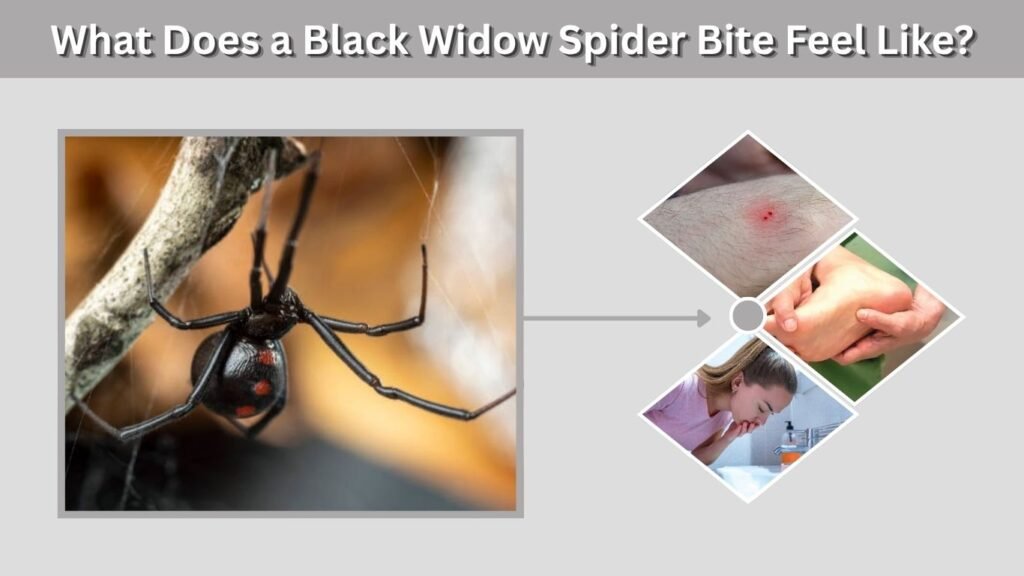
Many people search for what a black widow spider bite looks like, but the feeling is often the bigger clue. A bite may cause immediate sharp pain, like a pinprick. Sometimes the area becomes numb after the first pain.
As venom affects the nervous system, symptoms may spread beyond the bite. The person may feel muscle cramps, stiffness, or severe aches. These symptoms can be frightening because abdominal or chest tightness may feel similar to other serious conditions.
Possible Symptoms
A black widow spider bite may cause:
- Sharp or burning pain at the bite site
- Muscle cramps or spasms
- Stomach, back, shoulder, or chest pain
- Sweating, chills, or goosebumps
- Nausea or vomiting
- Headache or dizziness
- Restlessness or weakness
- High blood pressure in some cases
Not everyone gets all of these symptoms. Some bites are mild, while others become severe. If symptoms spread beyond the bite area, it is safer to contact a medical professional or poison control center.
What Does a Baby or Male Black Widow Bite Look Like?
A bite from a baby or male black widow may look similar to other small spider bites: a small red spot, mild swelling, or a tiny irritated area. However, adult female black widows are usually the main concern because they are larger and can deliver more medically significant venom.
You should not rely on the size or sex of the spider to decide whether a bite is safe. If the bite is followed by severe pain, muscle cramps, vomiting, sweating, or chest or abdominal pain, seek medical advice.
What Does a False Black Widow Spider Bite Look Like?
A false black widow spider bite can also cause redness, swelling, and pain, but it is generally considered less dangerous than a true black widow bite. The bite may look like a small inflamed bump and may feel similar to a bee sting. Some people can have stronger local reactions, such as swelling or tenderness.
Because different bites and skin infections can look alike, it can be difficult to tell the difference by appearance alone. If the symptoms are severe, spreading, or unusual, get medical care rather than trying to identify the spider yourself.
Black Widow Bite vs Other Skin Problems
Many skin problems are mistaken for spider bites. A red bump could come from mosquitoes, fleas, bed bugs, ants, bees, bacterial infections, allergic reactions, or an ingrown hair. Even doctors may not confirm a spider bite unless the spider was seen biting or captured safely.
A black widow bite is more likely when there is a sudden sharp bite sensation followed by muscle cramps, spreading pain, sweating, or nausea. A simple itchy bump without body symptoms is less likely to be a serious black widow bite.
Signs It May Be Something Else
The mark may not be from a black widow if:
- It mainly itches but does not hurt much
- There are many bites in a line or cluster
- The sore drains pus
- The skin becomes increasingly hot and infected
- There is a large open wound or spreading dead-looking tissue
- No spider was seen, and symptoms stay mild
These signs do not prove it is harmless. Skin infections can become serious, so worsening redness, fever, pus, or spreading warmth should be checked.
What to Do If You Think It Is a Black Widow Bite
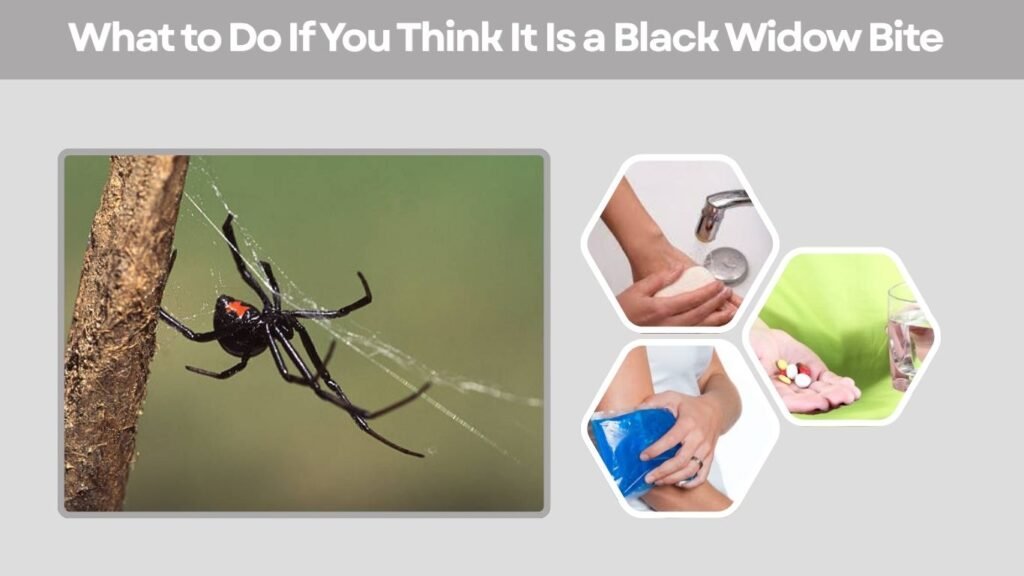
If you think a black widow spider bit you, stay calm and take action quickly. Do not cut the wound or try to suck out venom. Do not apply a tourniquet. These methods can cause harm and do not safely treat the bite.
First Aid Steps
You can take these steps while seeking advice:
- Wash the bite area with soap and water
- Apply a cold pack wrapped in cloth for short periods
- Keep the bitten area still and slightly elevated if possible
- Remove tight jewelry or clothing near swelling
- Take an over-the-counter pain reliever if safe for you
- Contact poison control or a healthcare provider for guidance
If possible, take a photo of the spider from a safe distance or capture it only if it can be done without another bite. Do not risk being bitten again.
When to Seek Emergency Medical Help
A black widow spider bite can be medically important even if the skin mark looks small. Emergency care is especially important for children, older adults, pregnant people, and anyone with heart, breathing, or immune system problems.
Get urgent help if you notice:
- Severe or worsening pain
- Muscle cramps or spasms
- Chest pain or trouble breathing
- Severe abdominal pain
- Vomiting, fainting, or dizziness
- Heavy sweating or weakness
- Symptoms spreading beyond the bite
- A bite in a child, older adult, or pregnant person
Medical treatment may include pain control, muscle relaxers, monitoring, and in some cases antivenom. A healthcare professional can decide what is needed based on symptoms and risk level.
How to Prevent Black Widow Spider Bites
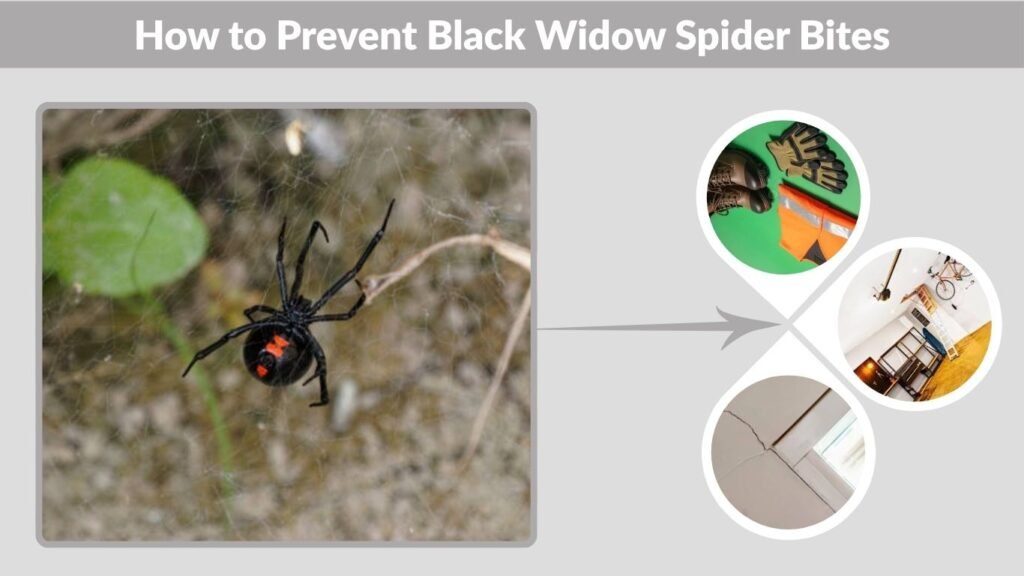
Black widows often hide in dark, quiet, cluttered areas. They may be found in woodpiles, sheds, garages, outdoor furniture, crawl spaces, storage boxes, and rarely used shoes or gloves. Bites usually happen when the spider is trapped against the skin.
Prevention Tips
To lower the risk:
- Wear gloves when moving firewood, boxes, or outdoor equipment
- Shake out shoes, boots, gloves, and clothing stored outside
- Keep garages, sheds, and storage areas less cluttered
- Move beds and furniture away from walls in spider-prone areas
- Seal cracks and gaps around doors, windows, and foundations
- Use caution in dark corners, crawl spaces, and woodpiles
If you see a black widow, avoid touching it. Use safe pest-control methods or call a professional if you have repeated sightings.
FAQs
What does a black widow spider bite look like?
A black widow spider bite often looks like a small red bump, mild swelling, or two tiny puncture marks. Sometimes the mark is barely visible. The bite may look minor, but symptoms such as severe pain, muscle cramps, sweating, nausea, or abdominal pain can make it serious.
What do black widow spider bites look like at first?
At first, a black widow bite may look like a small red spot or irritated bump. Some people notice tiny fang marks, while others see almost nothing. Pain may begin quickly and can become more intense within the first hour.
What does a black widow spider bite feel like?
It may feel like a sharp pinprick, burning sting, or sudden painful bite. Later, the area may become numb or sore. More serious symptoms can include muscle cramps, stomach pain, back pain, sweating, nausea, or weakness.
Can a black widow bite look like a mosquito bite?
Yes, it can look like a mosquito bite at first because the skin reaction may be small and red. The difference is that a black widow bite is more likely to cause sharp pain and body-wide symptoms, not just itching.
Should I go to the doctor for a black widow bite?
Yes, you should contact a healthcare provider or poison control if you suspect a black widow bite, especially if pain is severe or symptoms spread. Get urgent help for chest pain, trouble breathing, vomiting, muscle cramps, severe abdominal pain, or bites involving children, older adults, or pregnant people.
