
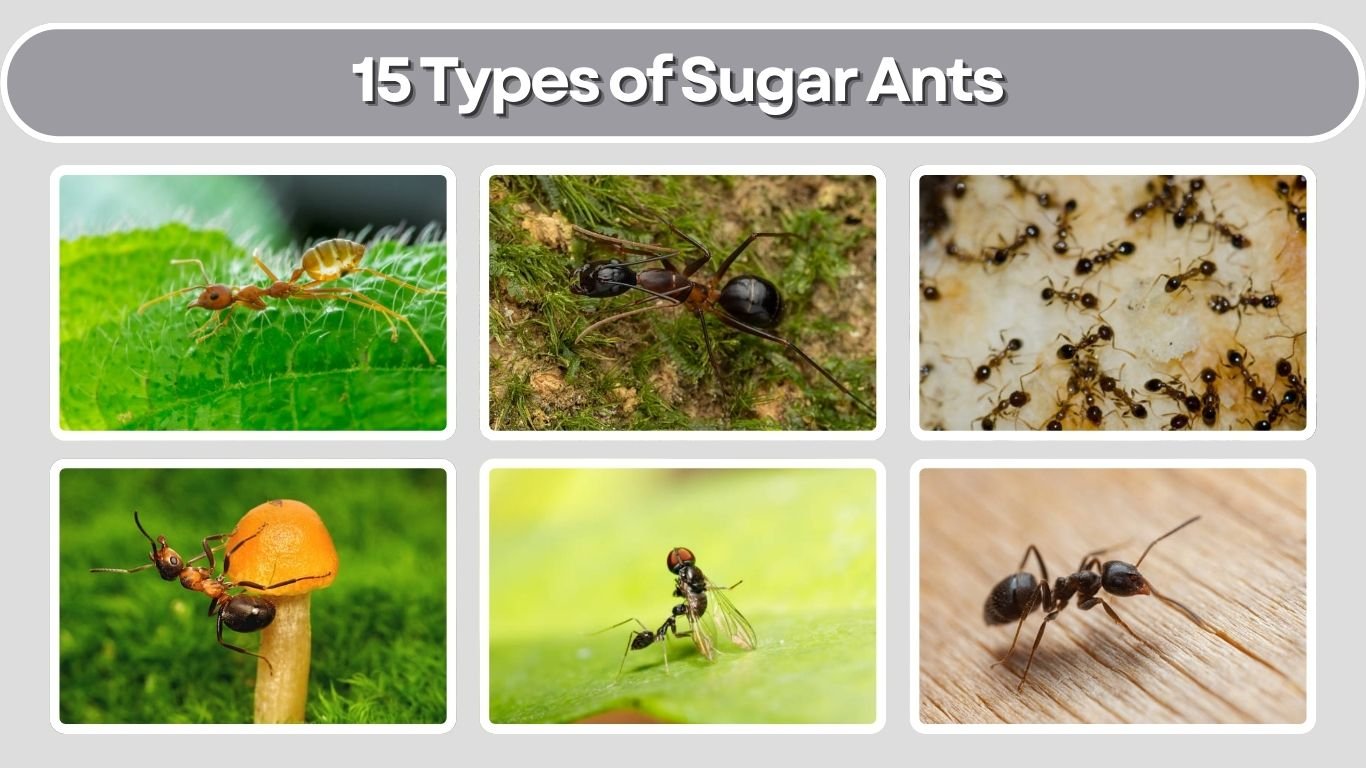
Sugar ants are common household pests that invade homes in search of sweet foods, moisture, and shelter. While many people use the term “sugar ant” broadly, it actually refers to several different ant species with unique behaviors, nesting habits, and physical features. Some species prefer outdoor environments, while others commonly infest kitchens, bathrooms, and wall spaces indoors. Identifying the correct type of sugar ant is important for proper prevention and control. This guide covers 15 common sugar ant species and explains their key characteristics, habitats, behaviors, and prevention methods to help you recognize them more easily.
1. Odorous House Ant
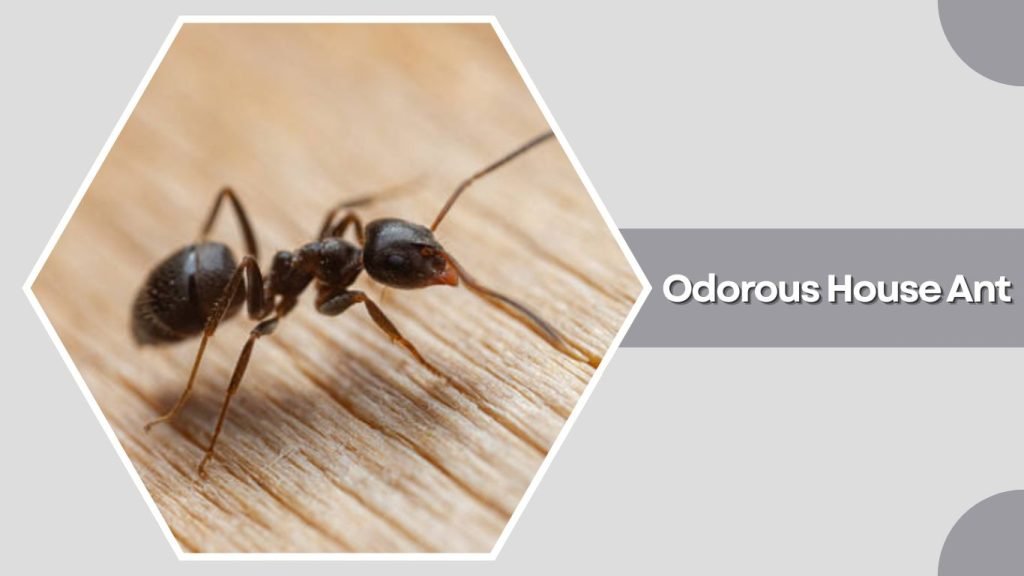
Odorous house ants are one of the most common sugar ant species found in homes and buildings. They are attracted to sweet foods, moisture, and indoor shelter. These ants are especially active in kitchens and food storage areas and are known for producing a strong odor when crushed.
Characteristics
- Small size, usually about 1/8 inch long
- Dark brown or black body color
- Gives off a rotten coconut-like smell when crushed
- Forms long trails while searching for food
- Strong attraction to sugary foods and liquids
Habitat
Odorous house ants commonly nest outdoors under rocks, mulch, logs, and debris. Inside homes, they often build nests near warm and moist areas such as wall voids, kitchens, sinks, and heating systems. Their colonies can contain thousands of workers, making infestations difficult to control.
Behavior
These ants are highly social and travel in noticeable trails to food sources. They frequently invade homes during rainy weather or when outdoor food becomes limited. Odorous house ants can quickly establish multiple nesting sites, which helps the colony survive even if one nest is disturbed.
Prevention
Keeping food sealed and cleaning sugary spills immediately can help prevent infestations. Reducing moisture around sinks and pipes also discourages nesting. Sealing cracks, windows, and entry points around the home limits access and helps control indoor ant activity.
2. Pavement Ant
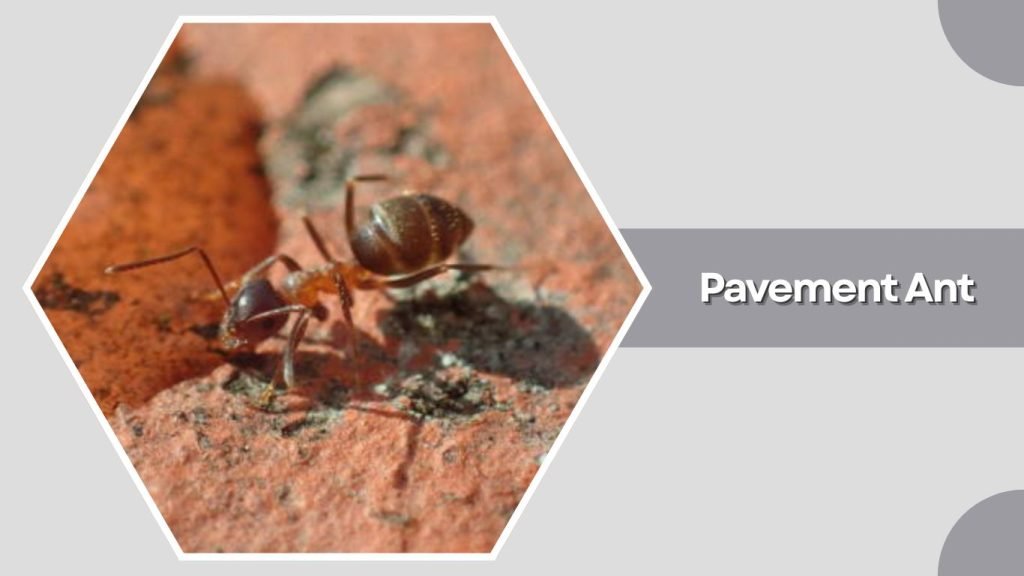
Pavement ants are small sugar ants commonly found around sidewalks, driveways, patios, and building foundations. They often enter homes in search of sweet foods and greasy leftovers. These ants are known for building nests in cracks of concrete surfaces and can become a persistent household nuisance.
Characteristics
- Small ants measuring about 1/8 inch long
- Dark brown to black body color
- Fine grooves or lines visible on the head and thorax
- Moves in organized trails while foraging
- Attracted to sweets, grease, and crumbs
Habitat
Pavement ants usually nest beneath sidewalks, concrete slabs, stones, and foundations. Indoors, they can settle inside walls, insulation, or under floors. Their nests often produce small piles of displaced soil near cracks in pavement or along edges of buildings.
Behavior
These ants are active foragers and frequently invade kitchens, pantries, and dining areas. Pavement ants are also known for territorial battles between colonies, which can often be seen on sidewalks or driveways. They rely heavily on scent trails to locate and transport food back to the nest.
Prevention
Removing food crumbs and sealing sweet items in airtight containers can reduce attraction. Repairing cracks in pavement and around foundations helps block nesting sites. Regular cleaning and eliminating standing water also make homes less inviting to pavement ants.
3. Pharaoh Ant
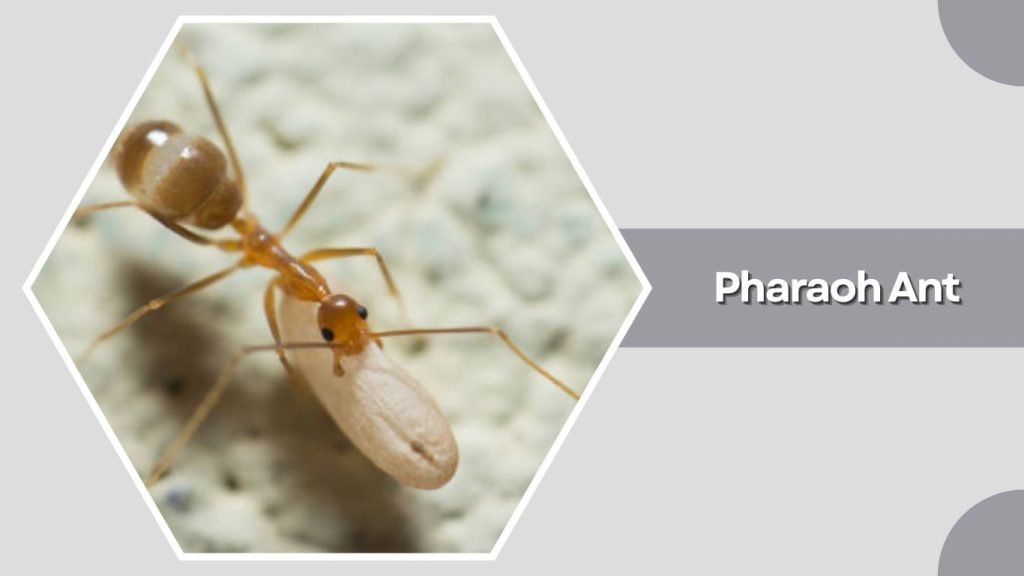
Pharaoh ants are tiny sugar ants that commonly infest homes, hospitals, hotels, and apartment buildings. They are difficult to control because their colonies spread quickly and often contain multiple queens. These ants prefer warm indoor environments and are strongly attracted to sweet and greasy foods.
Characteristics
- Very small size, around 1/16 inch long
- Light yellow to reddish body color
- Darker abdomen compared to the rest of the body
- Moves in long and active foraging trails
- Colonies contain many queens and workers
Habitat
Pharaoh ants usually nest in hidden indoor locations such as wall voids, behind appliances, inside furniture, and near heating systems. They prefer warm and humid spaces close to food and water sources. Their nests are often difficult to locate because the ants spread into multiple connected colonies.
Behavior
These ants forage both day and night and can quickly contaminate food areas. Pharaoh ants are known for “budding,” where part of the colony separates to form a new nest. This behavior makes infestations spread rapidly throughout buildings and apartments.
Prevention
Proper sanitation is important for preventing infestations. Food should be stored in sealed containers, and spills should be cleaned immediately. Cracks, gaps, and moisture problems should also be repaired to reduce nesting opportunities indoors.
4. Argentine Ant
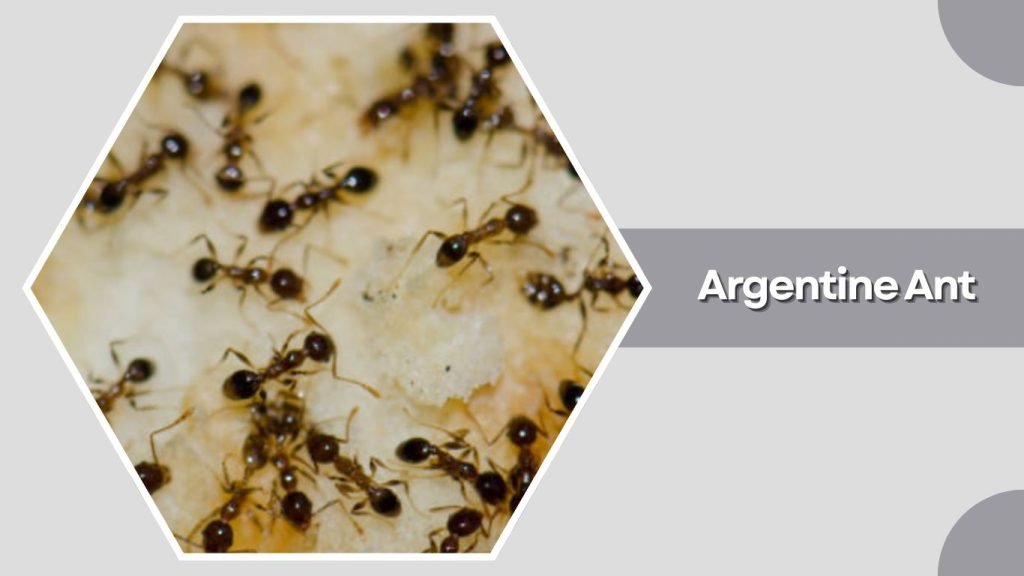
Argentine ants are invasive sugar ants known for forming extremely large colonies. They commonly invade homes in search of sweet foods and water, especially during warm weather. These ants can quickly dominate an area by forcing out native ant species.
Characteristics
- Small ants about 1/8 inch long
- Light to dark brown body color
- Forms massive colonies with multiple queens
- Travels in large and visible trails
- Strong attraction to sugary foods and moisture
Habitat
Argentine ants usually nest outdoors in soil, mulch, gardens, and under stones or logs. During dry or hot conditions, they often move indoors near kitchens, bathrooms, and water pipes. Their colonies can spread over large areas and connect with nearby nests.
Behavior
These ants are aggressive toward other ant species but cooperative within their own colonies. Argentine ants communicate through scent trails and can rapidly locate food sources. Their ability to reproduce quickly and form interconnected colonies makes them difficult to eliminate.
Prevention
Keeping kitchens clean and removing food crumbs can help reduce attraction. Fixing leaking pipes and eliminating standing water are also effective prevention methods. Sealing entry points around windows, doors, and foundations helps keep Argentine ants from entering homes.
5. Ghost Ant

Ghost ants are tiny sugar ants recognized by their pale legs and translucent abdomen. They are common household pests in warm climates and often invade kitchens and bathrooms searching for sweet foods and moisture. Their small size allows them to enter buildings through very tiny cracks and openings.
Characteristics
- Extremely small, about 1/16 inch long
- Dark head with pale or translucent legs and abdomen
- Fast-moving and difficult to spot
- Strong attraction to sugary foods and liquids
- Forms multiple nests with many workers
Habitat
Ghost ants usually nest outdoors under rocks, flowerpots, and decaying wood. Indoors, they prefer warm and humid areas such as kitchens, bathrooms, cabinets, and spaces behind appliances. Their colonies often divide into several smaller nests spread throughout a structure.
Behavior
These ants travel in loose trails while searching for food and water. Ghost ants can quickly relocate their nests if disturbed, which makes infestations harder to manage. They are most active in warm weather and frequently invade homes after rainfall or environmental changes.
Prevention
Keeping counters clean and storing sugary foods in sealed containers can reduce infestations. Moisture control is also important, especially around sinks and pipes. Sealing cracks and small entry points around the home helps prevent ghost ants from getting indoors.
6. Little Black Ant

Little black ants are small dark-colored sugar ants commonly found in homes, yards, and gardens. They often invade kitchens and pantries in search of sweets, crumbs, and greasy foods. Despite their tiny size, they can form large colonies that become difficult to control.
Characteristics
- Very small ants measuring about 1/16 inch long
- Shiny black body appearance
- Travels in organized foraging trails
- Attracted to sugary and oily foods
- Large colonies with many worker ants
Habitat
Little black ants usually nest outdoors in soil, wood piles, lawns, and beneath rocks. Indoors, they may establish nests inside walls, under carpets, or near kitchen appliances. Outdoor nests are often connected to indoor food sources through cracks and gaps.
Behavior
These ants are persistent foragers and can quickly discover food inside homes. They communicate using scent trails and may create multiple trails leading to different food sources. Colonies reproduce rapidly, especially during warm seasons when food is abundant.
Prevention
Cleaning food spills immediately and keeping storage areas dry can help reduce attraction. Entry points around windows, doors, and foundations should be sealed properly. Removing outdoor debris and trimming vegetation near the home can also limit nesting opportunities.
7. Acrobat Ant
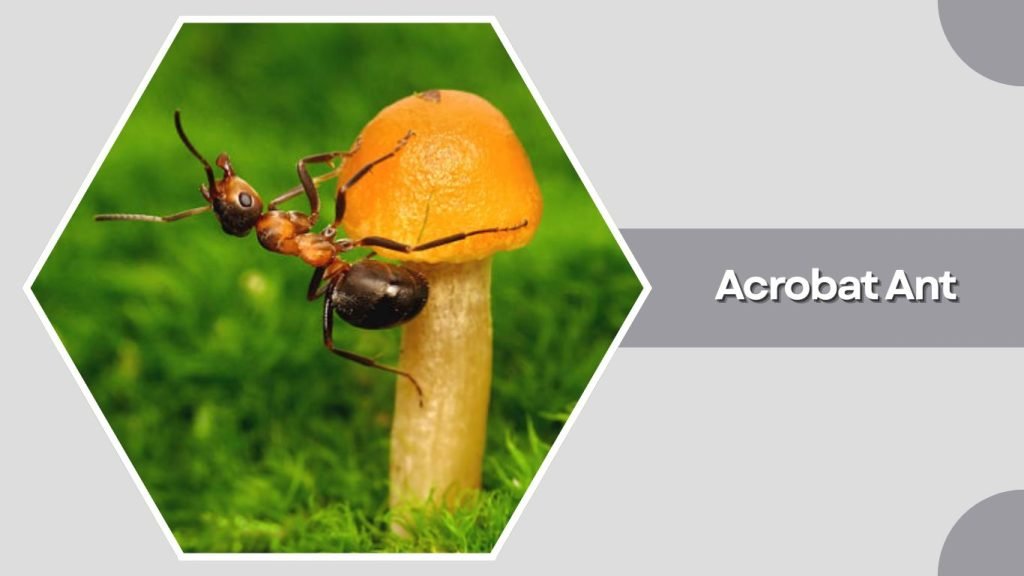
Acrobat ants are sugar ants named for their unusual defensive behavior of raising their abdomen above their head when threatened. They commonly invade homes in search of sweet foods and moisture. These ants often nest in damp or damaged wood, making them a concern in buildings with water problems.
Characteristics
- Small ants about 1/8 inch long
- Light brown to black body color
- Heart-shaped abdomen appearance
- Raises abdomen when disturbed or threatened
- Strong attraction to sweets and honeydew
Habitat
Acrobat ants usually nest outdoors in dead trees, stumps, and decaying wood. Indoors, they prefer damp wood around roofs, windows, insulation, and leaking pipes. Their nests are often found in areas affected by moisture damage or structural decay.
Behavior
These ants travel in visible trails while searching for food and water. Acrobat ants can become aggressive when their nest is disturbed and may bite to defend the colony. They are also known to create tunnels inside wood, although they do not eat it like termites.
Prevention
Repairing water leaks and removing damp wood can help prevent infestations. Food should be stored securely, and sugary spills should be cleaned quickly. Sealing cracks and openings around the home also reduces the chance of ants entering indoors.
8. Thief Ant
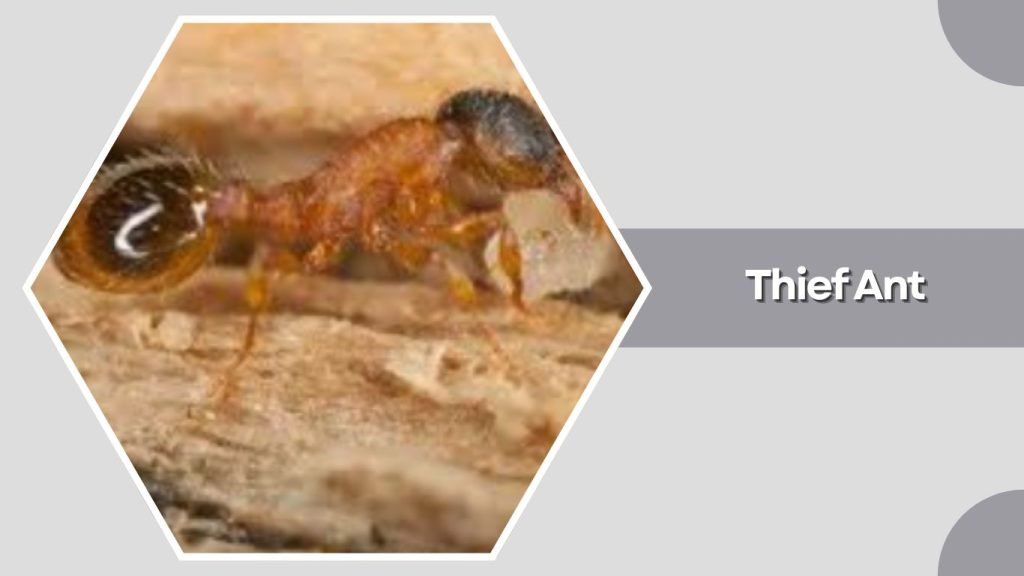
Thief ants are tiny sugar ants known for stealing food and larvae from nearby ant colonies. They are common indoor pests and often invade homes searching for greasy foods, sweets, and protein sources. Their extremely small size allows them to remain hidden in cracks and wall spaces.
Characteristics
- Very small ants measuring about 1/32 inch long
- Yellow to light brown body color
- Tiny eyes compared to other ant species
- Strong attraction to sweets, grease, and proteins
- Often mistaken for pharaoh ants due to size
Habitat
Thief ants usually nest near the colonies of other ants, often in soil, wall voids, or behind baseboards. Indoors, they are commonly found in kitchens, pantries, and hidden crevices near food sources. Their nests are difficult to detect because of their small size.
Behavior
These ants forage in hidden trails and frequently raid nearby ant nests for food and larvae. Thief ants are active indoors throughout the year, especially in warm buildings. Their colonies can spread rapidly when food and moisture are easily available.
Prevention
Keeping food sealed and cleaning crumbs immediately can reduce infestations. Cracks around walls, floors, and cabinets should be sealed properly. Reducing moisture and maintaining clean storage areas also helps discourage thief ants from nesting indoors.
9. White-Footed Ant
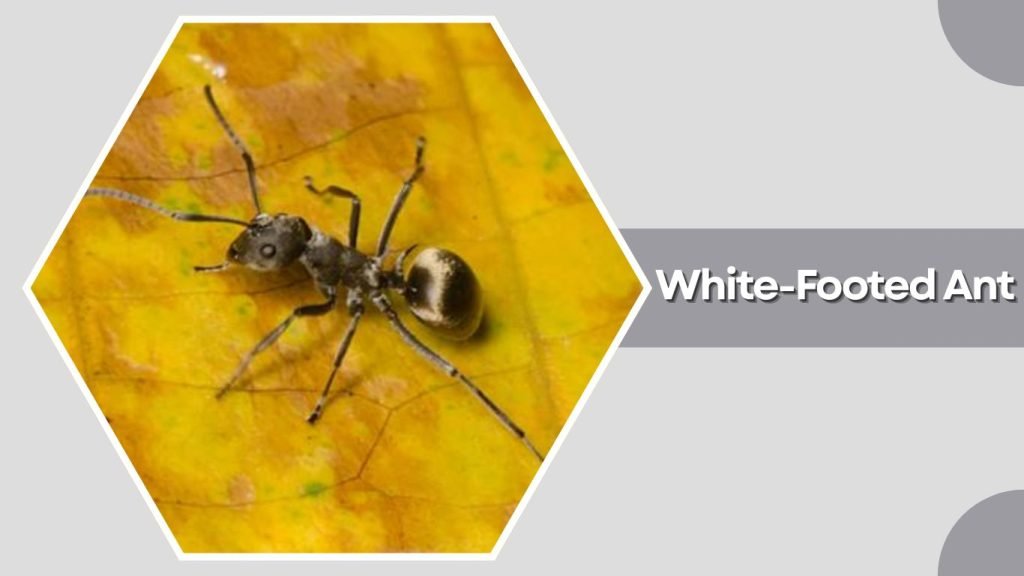
White-footed ants are tropical sugar ants commonly found in warm and humid regions. They frequently invade homes searching for sweet foods and moisture. These ants are difficult to control because their colonies can grow very large and contain many reproductive members.
Characteristics
- Small ants about 1/8 inch long
- Dark body with pale-colored feet
- Does not sting but can become a nuisance indoors
- Forms long foraging trails
- Strong attraction to sugary substances and honeydew
Habitat
White-footed ants usually nest outdoors in trees, shrubs, mulch, and leaf piles. Indoors, they may settle inside wall voids, attics, and hidden moist areas. Their colonies often spread across multiple nesting locations connected by worker trails.
Behavior
These ants are highly active foragers and travel long distances to locate food. White-footed ants feed heavily on honeydew produced by aphids and other plant pests. Because colonies contain many breeding ants, populations can expand rapidly and become difficult to eliminate completely.
Prevention
Trimming vegetation away from buildings can reduce outdoor nesting activity. Sugary foods should be sealed tightly, and spills should be cleaned quickly. Sealing entry points and reducing moisture around the home also helps prevent infestations.
10. Cornfield Ant

Cornfield ants are sugar ants commonly found in grassy areas, lawns, and agricultural fields. They are known for protecting aphids and feeding on the sweet honeydew those insects produce. These ants may enter homes occasionally while searching for food and water.
Characteristics
- Medium-sized ants around 1/8 inch long
- Brown, yellowish, or dark-colored body
- Builds noticeable soil mounds outdoors
- Feeds heavily on honeydew from aphids
- Attracted to sugary foods and liquids
Habitat
Cornfield ants usually nest in soil beneath rocks, lawns, sidewalks, and fields. Their underground nests often create small mounds near grass or pavement. Indoors, they may appear around kitchens, basements, and areas with accessible food or moisture.
Behavior
These ants are active during warm weather and forage in organized trails. Cornfield ants often farm aphids by protecting them from predators in exchange for honeydew. Although they are mainly outdoor ants, they may invade homes during dry conditions or when searching for additional food sources.
Prevention
Reducing aphid populations around plants can help limit outdoor ant activity. Food crumbs and sugary spills inside the home should be cleaned promptly. Sealing cracks around foundations and doors also helps prevent cornfield ants from entering buildings.
11. Rover Ant
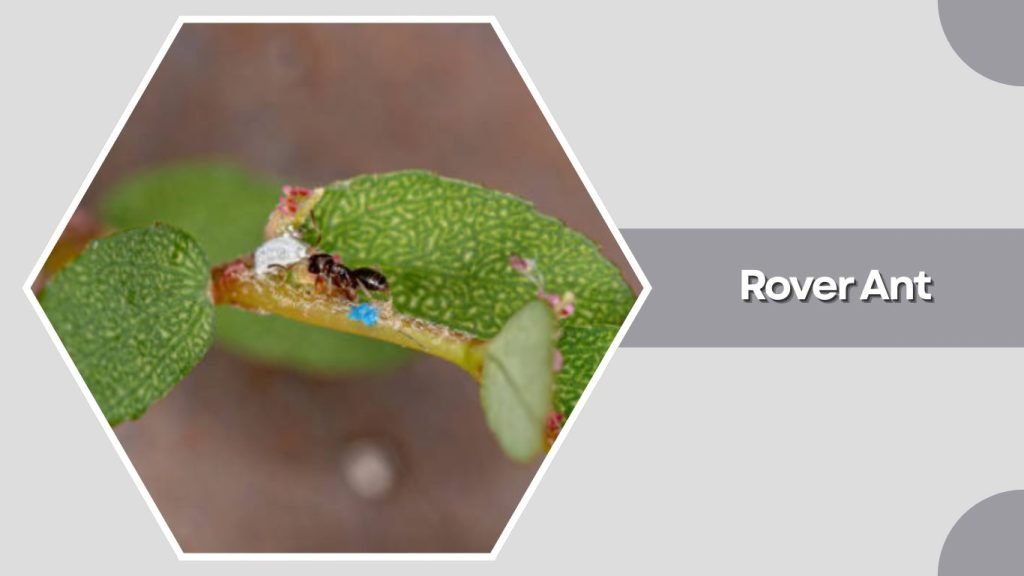
Rover ants are tiny sugar ants that commonly invade homes in warm climates. They are strongly attracted to sweets and moisture, often appearing in kitchens, bathrooms, and around leaking pipes. Their small size and fast movement make them difficult to notice until infestations become widespread.
Characteristics
- Very small ants measuring about 1/16 inch long
- Light brown to dark brown body color
- Fast-moving behavior while foraging
- Attracted to sugary foods and water sources
- Creates loose and irregular ant trails
Habitat
Rover ants usually nest outdoors in mulch, soil, leaf litter, and beneath stones. Indoors, they prefer moist areas near sinks, pipes, and appliances. Their nests are often hidden in wall voids, potted plants, or small structural gaps around buildings.
Behavior
These ants are active foragers and frequently enter homes during warm or rainy weather. Rover ants travel in scattered trails rather than tightly organized lines. Colonies can expand quickly when food and moisture are easily available, making infestations difficult to control.
Prevention
Keeping food sealed and cleaning sugary spills immediately helps reduce attraction. Moisture problems such as leaking faucets and pipes should be repaired quickly. Sealing small cracks and openings around windows, doors, and foundations also helps prevent rover ants from entering homes.
12. Bigheaded Ant
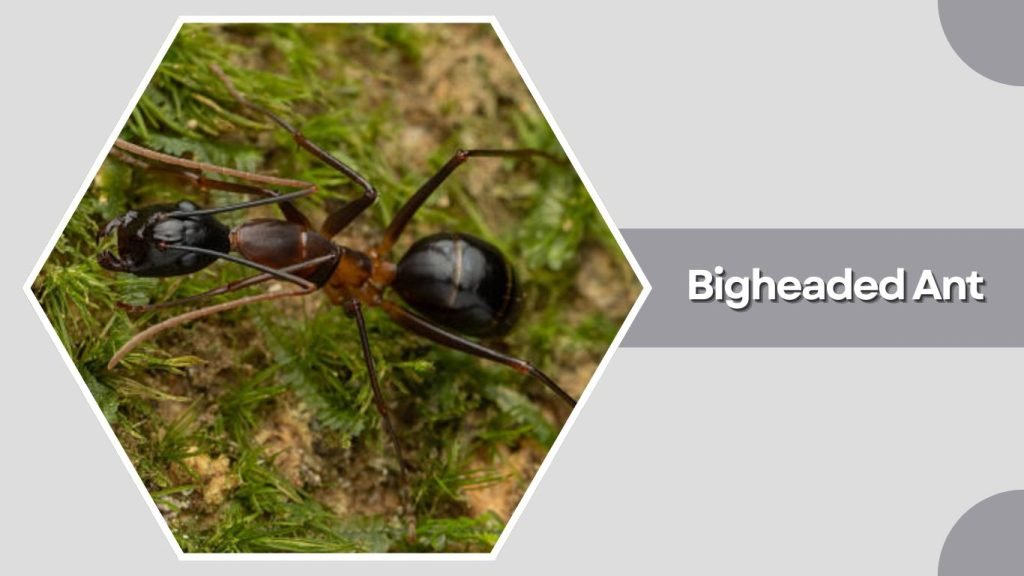
Bigheaded ants are invasive sugar ants named for the unusually large heads of their soldier ants. They are common in tropical and subtropical regions and often invade homes, gardens, and sidewalks. These ants form large colonies and can spread rapidly in residential areas.
Characteristics
- Small ants with two worker sizes
- Soldier ants have noticeably oversized heads
- Light brown to reddish-brown body color
- Forms large colonies with multiple queens
- Attracted to sweets, grease, and insects
Habitat
Bigheaded ants usually nest outdoors in soil beneath rocks, landscaping materials, sidewalks, and foundations. Indoors, they may settle inside wall voids and under flooring. Their nests often create loose soil piles near cracks or edges of pavement.
Behavior
These ants travel in active foraging trails while searching for food. Bigheaded ants are aggressive toward other ant species and often dominate nesting areas. Their colonies reproduce quickly and may spread into several interconnected nests throughout a property.
Prevention
Removing food debris and storing sweet foods properly can reduce infestations. Cracks around sidewalks, walls, and foundations should be sealed to limit nesting access. Regular yard maintenance and moisture control also help discourage bigheaded ants from establishing colonies near homes.
13. Crazy Ant
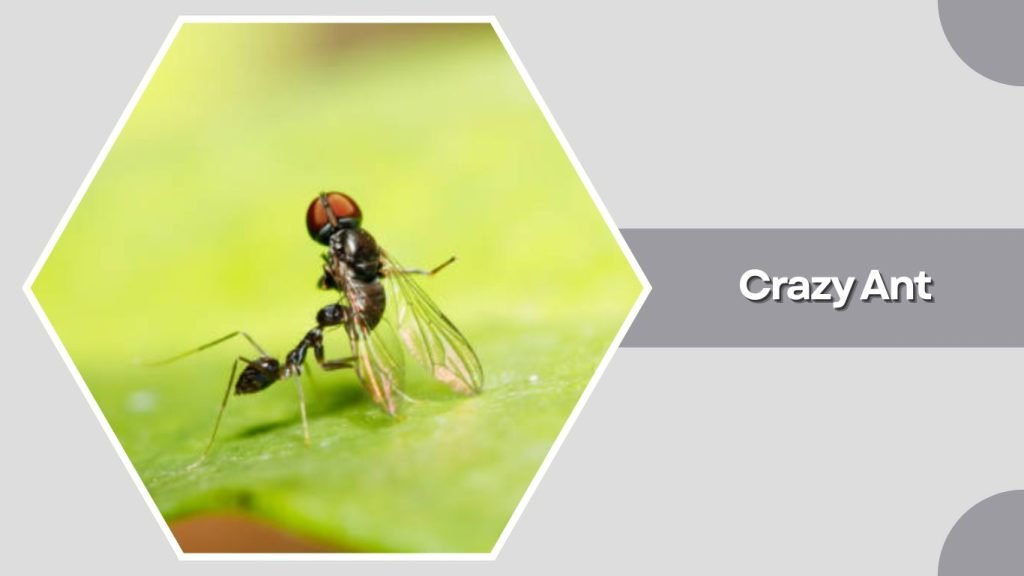
Crazy ants are fast-moving sugar ants known for their erratic and unpredictable movements. They commonly invade homes, especially during warm and humid weather, searching for sweets, grease, and water. Their large colonies and rapid spread make them difficult household pests to manage.
Characteristics
- Small ants about 1/8 inch long
- Dark brown to black body color
- Long legs and antennae compared to other ants
- Moves in rapid and irregular patterns
- Strong attraction to sweet foods and moisture
Habitat
Crazy ants usually nest outdoors in soil, mulch, leaf litter, and under rocks or debris. Indoors, they often settle inside walls, beneath floors, and around electrical equipment. Their colonies can spread across several nesting sites connected by active foraging trails.
Behavior
These ants do not travel in neat lines like many other species. Instead, they move randomly and quickly while searching for food. Crazy ants are also known for invading electronic devices because they are attracted to warmth and electrical currents.
Prevention
Keeping kitchens clean and storing food in sealed containers can help prevent infestations. Moisture problems and water leaks should be repaired promptly. Removing outdoor debris and sealing cracks around the home also reduces nesting opportunities for crazy ants.
14. Citronella Ant
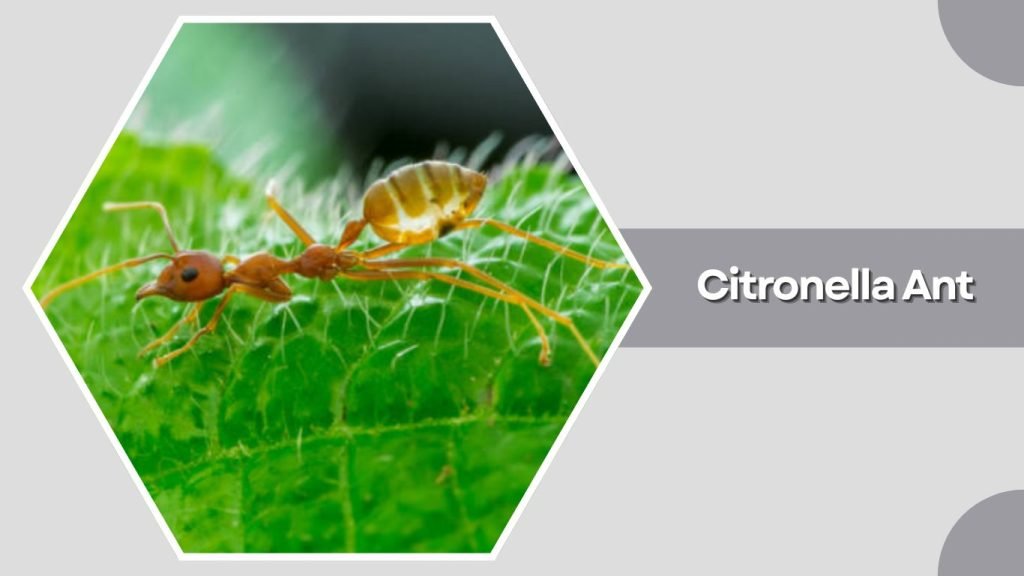
Citronella ants are sugar ants best known for the lemon-like smell they produce when crushed. They are mostly outdoor ants and are commonly found in soil near gardens, lawns, and foundations. Although they rarely cause damage, they may enter homes while searching for food or new nesting sites.
Characteristics
- Medium-sized ants around 1/8 inch long
- Yellow to amber-colored body
- Produces a strong citronella or lemon scent
- Winged swarmers often appear indoors
- Feeds mainly on honeydew from root-feeding insects
Habitat
Citronella ants typically nest underground in moist soil, beneath rocks, logs, and building foundations. Their colonies are commonly located near plants where root-feeding insects are present. Indoors, they are usually seen near basements or ground-level structures.
Behavior
These ants spend most of their lives underground tending root aphids for honeydew. Winged reproductives may suddenly emerge indoors during swarming seasons, causing concern for homeowners. Citronella ants are generally non-aggressive and rarely bite humans.
Prevention
Reducing excess soil moisture around foundations can discourage nesting. Cracks and openings near basements should be sealed properly. Maintaining healthy landscaping and limiting plant pests near the home can also help reduce citronella ant activity.
15. Field Ant
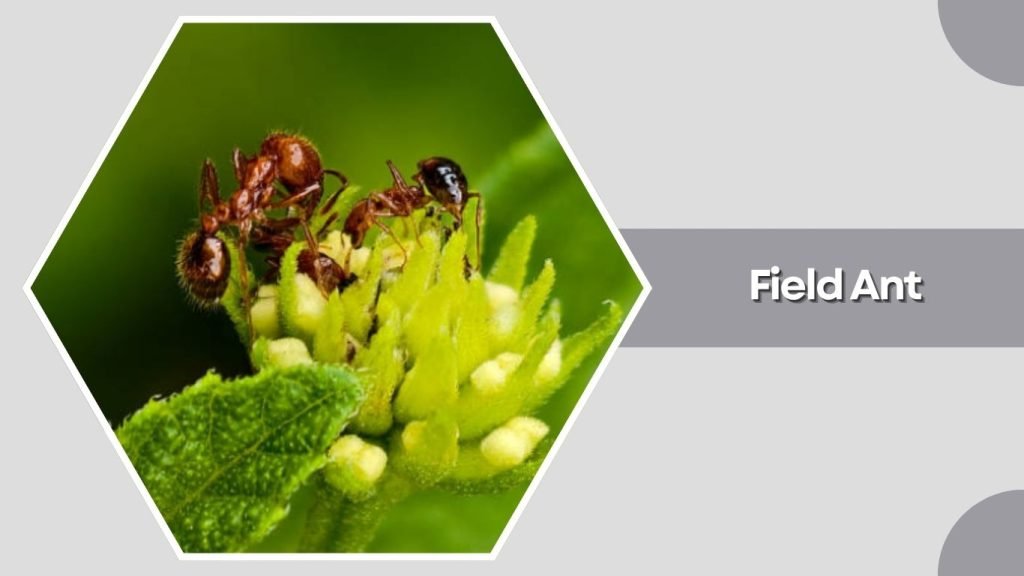
Field ants are common outdoor sugar ants often seen in lawns, gardens, parks, and open grassy areas. They build noticeable soil mounds and are active foragers searching for sweet substances and insects. Although they mainly live outdoors, they may occasionally enter homes in search of food.
Characteristics
- Medium to large ants ranging from 1/4 to 3/8 inch long
- Black, brown, red, or mixed body colors
- Builds visible mound nests in soil
- Fast-moving workers with strong jaws
- Attracted to honeydew, sweets, and insects
Habitat
Field ants usually nest outdoors in soil, lawns, wooded areas, and beneath rocks or logs. Their mound nests are commonly found in sunny open spaces. Unlike many household ants, field ants prefer outdoor environments and rarely establish permanent indoor colonies.
Behavior
These ants are active during warm weather and forage over long distances for food. Field ants often protect aphids and other plant pests to collect honeydew. Some species can bite or spray formic acid when threatened, making them defensive around their nests.
Prevention
Keeping vegetation trimmed and removing outdoor debris can reduce nesting sites near buildings. Food waste and sugary spills should be cleaned promptly to avoid attracting foraging ants. Sealing cracks around foundations and entry points also helps prevent field ants from entering homes.
FAQs
What are sugar ants attracted to?
Sugar ants are mainly attracted to sweet foods such as sugar, syrup, honey, fruits, and soft drinks. Some species also feed on grease, proteins, and crumbs. Moisture and water sources inside homes can also attract them, especially during hot or dry weather.
Are sugar ants harmful to humans?
Most sugar ants are not dangerous to humans. They usually do not sting, although some species may bite when disturbed. Their main problem is contaminating food and becoming a nuisance inside kitchens, pantries, and other indoor spaces.
How do sugar ants enter homes?
Sugar ants commonly enter through tiny cracks, gaps around windows and doors, plumbing openings, and foundation holes. They follow scent trails created by other ants to reach food and water sources inside homes.
What is the best way to prevent sugar ants?
Keeping food sealed, cleaning spills quickly, and removing crumbs can help prevent sugar ants. Fixing water leaks, reducing moisture, and sealing entry points around the home are also effective ways to stop infestations.
Do sugar ants live indoors or outdoors?
Most sugar ant species primarily live outdoors in soil, wood, mulch, or under rocks. However, many species move indoors when searching for food, water, or shelter, especially during extreme weather conditions.
Why are sugar ants difficult to eliminate?
Sugar ants can form large colonies with multiple queens, allowing them to spread rapidly. Some species also create several connected nests, making infestations harder to control without proper cleaning, sealing, and treatment methods.
