
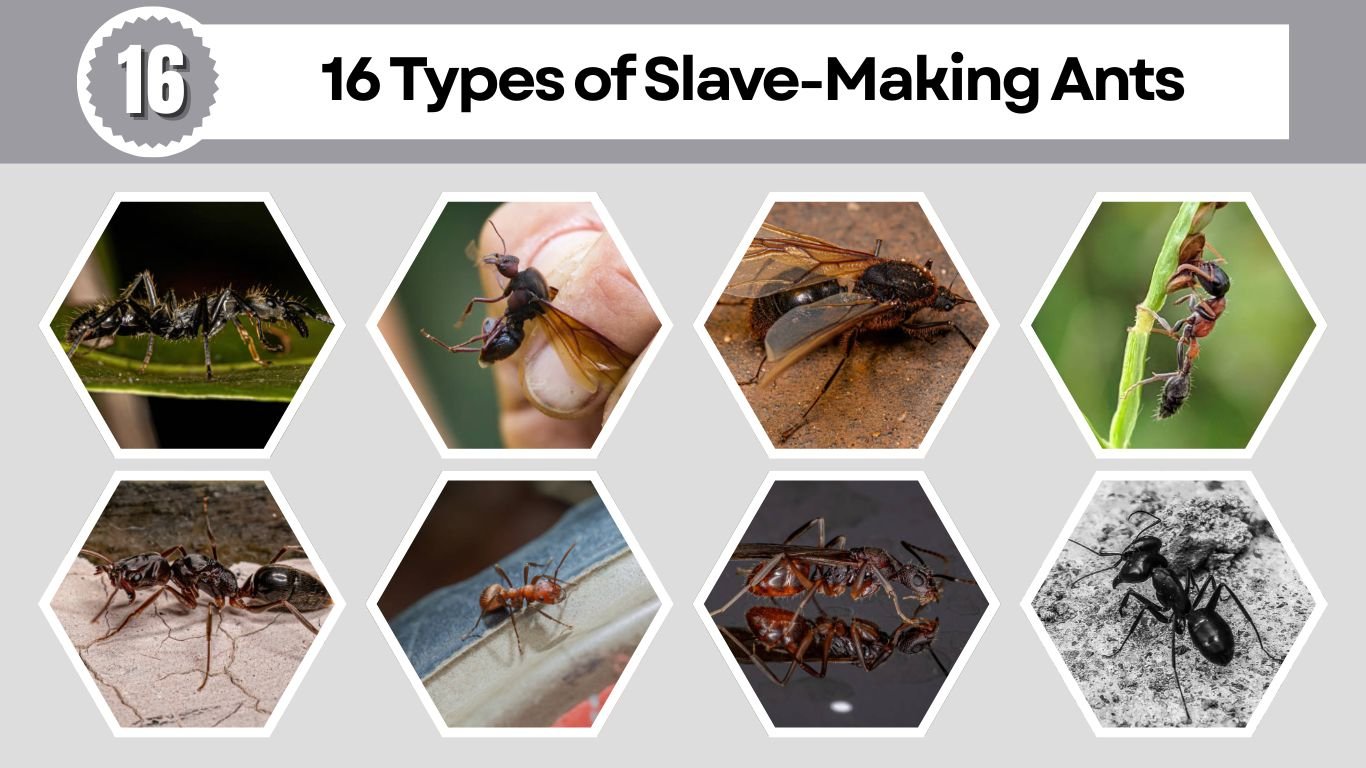
Slave-Making Ants are among the most fascinating and unusual ants in the insect world. These parasitic ants are known for raiding nearby colonies, stealing larvae and pupae, and forcing the captured ants to work inside their own nests. Found mainly in forests, grasslands, and woodland habitats, Slave-Making Ants display highly specialized social behaviors and aggressive colony strategies. Many species belong to parasitic groups such as Polyergus and related genera. From the well-known Amazon Ant to the powerful Giant Slave-Making Ant, each species has unique behaviors, habitats, and ecological importance within natural ant communities and ecosystems.
1. Amazon Ant
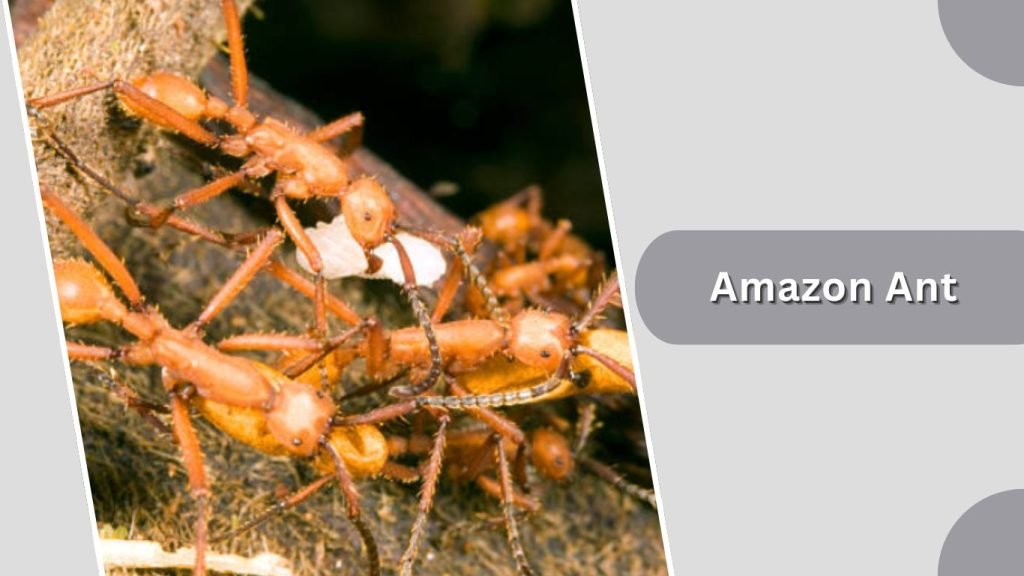
The Amazon Ant is one of the most well-known slave-making ant species found in forests and woodland habitats across Europe and North America. Belonging mainly to the Polyergus genus, this ant is famous for raiding nearby ant colonies and capturing pupae to serve as workers in its own nest. Amazon Ants are highly specialized predators with unique social and survival behaviors.
Identification
- Reddish-brown or dark body coloration
- Long legs and curved mandibles
- Medium-sized slender body
- Segmented antennae and strong jaws
- Smooth and slightly shiny body surface
- Fast-moving and aggressive behavior
Habitat
Amazon Ants commonly inhabit forests, woodlands, grasslands, and shaded countryside environments. Their nests are usually built underground near the colonies of other ant species they target during raids. These ants prefer habitats with stable soil conditions, nearby vegetation, and easy access to host ant colonies that can provide workers for their nest.
Behavior
Amazon Ants are highly specialized social parasites that raid nearby ant colonies to capture pupae and larvae. Once the captured ants mature, they work inside the Amazon Ant colony as laborers. Worker Amazon Ants are aggressive during raids and depend heavily on enslaved ants for nest maintenance and food gathering.
Diet
Amazon Ants feed on insects, honeydew, nectar, and organic material collected mainly by enslaved worker ants. Because Amazon Ant workers are highly specialized for raiding, they often rely on captured workers from other ant species to gather food and care for larvae within the colony.
Role in the Ecosystem
Amazon Ants play an important ecological role by influencing ant population dynamics and competition within forest ecosystems. Their raiding behavior affects the distribution of nearby ant colonies, while their nesting activities contribute to soil aeration and the recycling of organic material in woodland habitats.
2. European Slave-Making Ant
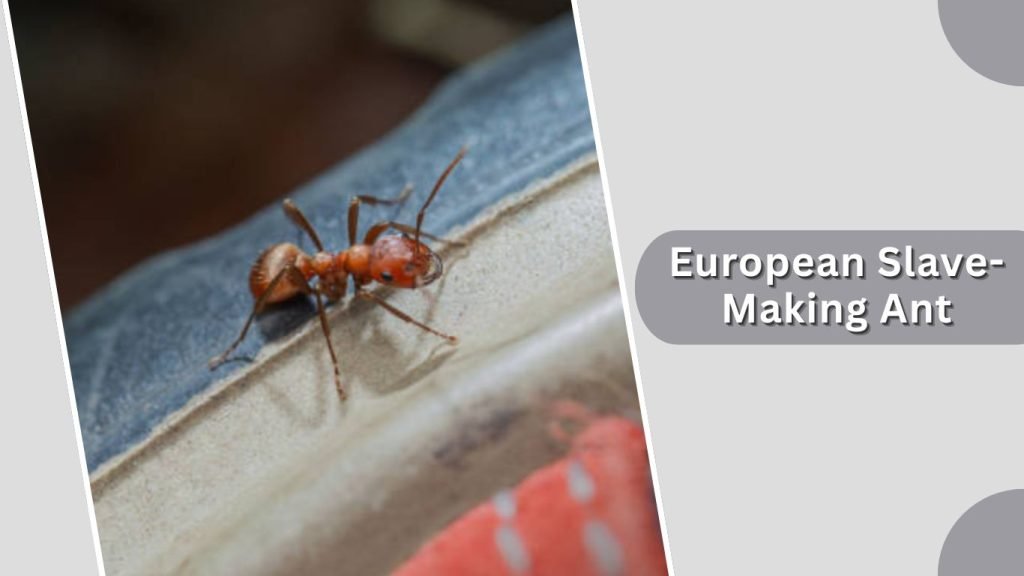
The European Slave-Making Ant is a fascinating parasitic ant species commonly found in forests and woodland habitats across Europe. Known for its raiding behavior, this ant captures pupae from nearby colonies and forces the emerging ants to work within its own nest. Belonging mainly to parasitic ant groups such as Polyergus and Formica, the European Slave-Making Ant displays highly specialized social behaviors.
Identification
- Reddish-brown or dark-colored body
- Medium-sized slender body structure
- Long legs and segmented antennae
- Strong curved mandibles for raiding
- Smooth and slightly glossy body surface
- Fast-moving and aggressive behavior
Habitat
European Slave-Making Ants commonly inhabit forests, woodland clearings, grasslands, and shaded countryside environments across Europe. Their nests are usually built underground near host ant colonies that can be targeted during raids. These ants prefer stable woodland habitats with loose soil, vegetation cover, and access to nearby ant populations.
Behavior
European Slave-Making Ants are highly specialized social parasites that raid neighboring ant colonies to steal larvae and pupae. Once the captured ants mature, they serve as workers within the parasite colony. The raiding ants are aggressive and rely heavily on enslaved workers for food gathering, nest maintenance, and caring for young ants.
Diet
European Slave-Making Ants feed on insects, honeydew, nectar, and organic matter collected mainly by enslaved worker ants. Because the parasite workers specialize in raiding behavior, they depend on captured workers from other species to perform most daily colony activities, including feeding larvae and maintaining nest structures.
Role in the Ecosystem
European Slave-Making Ants influence ant population dynamics and competition within forest ecosystems. Their raiding behavior affects nearby ant colonies, while their nesting and tunneling activities contribute to soil aeration and the recycling of organic material within woodland and countryside habitats.
3. Dark Slave-Making Ant
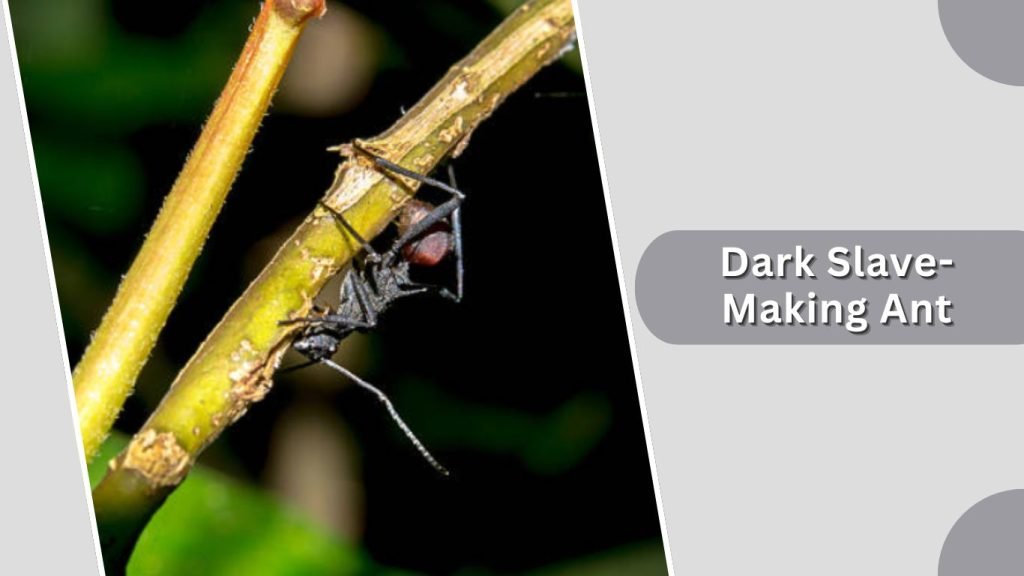
The Dark Slave-Making Ant is a parasitic ant species known for its aggressive colony-raiding behavior and dark body coloration. Commonly found in forests, grasslands, and woodland habitats, this ant captures pupae and larvae from nearby colonies to create a workforce inside its own nest. Dark Slave-Making Ants belong mainly to socially parasitic ant groups that depend heavily on enslaved worker ants for survival.
Identification
- Dark brown or black body coloration
- Medium-sized slender body
- Long legs and segmented antennae
- Strong curved mandibles for raiding
- Smooth and slightly glossy body surface
- Fast-moving and aggressive behavior
Habitat
Dark Slave-Making Ants commonly inhabit forests, woodland edges, grasslands, and shaded countryside environments. Their nests are usually built underground near colonies of host ants that can be targeted during raids. These ants prefer stable habitats with loose soil, nearby vegetation, and easy access to other ant populations for successful colony expansion.
Behavior
Dark Slave-Making Ants are highly specialized social parasites that raid neighboring ant colonies to steal larvae and pupae. After the captured ants mature, they become workers within the parasite colony. The raiding ants focus mainly on attacks and defense, while enslaved workers handle nest maintenance, food gathering, and caring for larvae.
Diet
Dark Slave-Making Ants feed on insects, honeydew, nectar, and organic material collected mainly by enslaved worker ants. Because parasite workers are specialized for raiding activities, they depend heavily on captured workers from host species to provide food, maintain the nest, and support colony survival throughout the year.
Role in the Ecosystem
Dark Slave-Making Ants influence ant population balance and competition within natural ecosystems. Their raiding behavior affects nearby ant colonies, while their nesting activities contribute to soil aeration and organic matter recycling. These ants also help scientists study social parasitism and complex behavioral adaptations in ant communities.
4. Red Slave-Making Ant
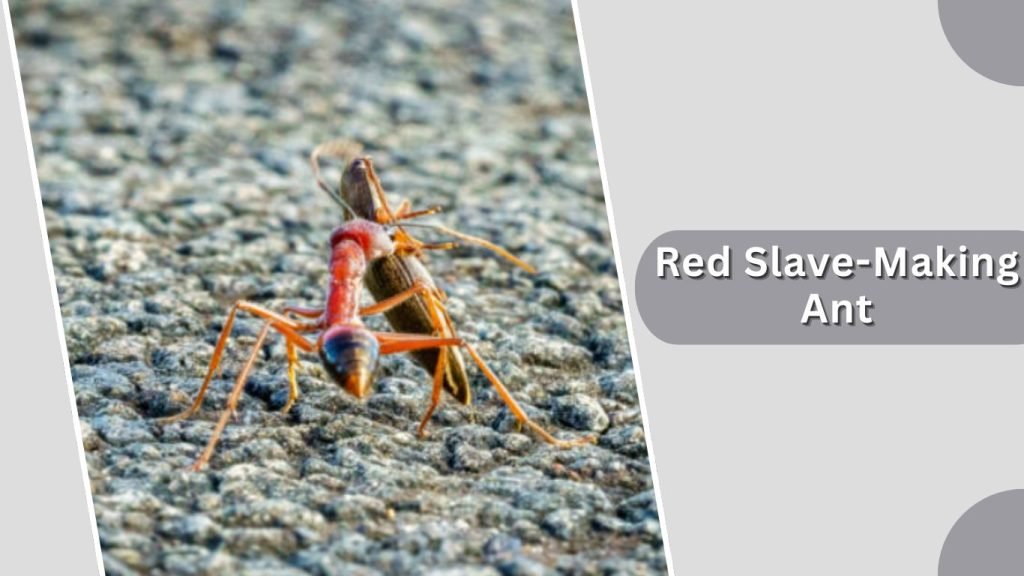
The Red Slave-Making Ant is a parasitic ant species recognized for its reddish body coloration and aggressive raiding behavior. Commonly found in forests, grasslands, and woodland habitats, this ant captures larvae and pupae from nearby colonies to create a workforce inside its own nest. Red Slave-Making Ants belong mainly to socially parasitic ant groups that rely heavily on enslaved worker ants for survival.
Identification
- Reddish-brown or red body coloration
- Medium-sized slender body structure
- Long legs and segmented antennae
- Strong curved mandibles for raiding
- Smooth and slightly glossy body surface
- Fast-moving and aggressive behavior
Habitat
Red Slave-Making Ants commonly inhabit forests, woodland clearings, grasslands, and shaded countryside habitats. Their nests are usually built underground near colonies of host ants that can be targeted during raids. These ants prefer warm environments with stable soil conditions, nearby vegetation, and access to suitable host ant populations for colony survival.
Behavior
Red Slave-Making Ants are highly specialized social parasites that raid nearby ant colonies to capture pupae and larvae. Once the stolen ants mature, they work inside the parasite colony as laborers. The raiding ants mainly focus on attacks and colony defense, while enslaved workers handle nest maintenance and food collection activities.
Diet
Red Slave-Making Ants feed on insects, honeydew, nectar, and organic matter gathered mainly by enslaved worker ants. Because parasite workers specialize in raiding behavior, they rely heavily on captured workers from other ant species to provide food, care for larvae, and maintain the colony throughout the active seasons.
Role in the Ecosystem
Red Slave-Making Ants influence ant population dynamics and competition within natural ecosystems. Their raiding behavior affects nearby colonies, while their nesting and tunneling activities contribute to soil aeration and organic matter recycling. These ants also help researchers study social parasitism and complex ant colony interactions in woodland habitats.
5. Black Slave-Making Ant
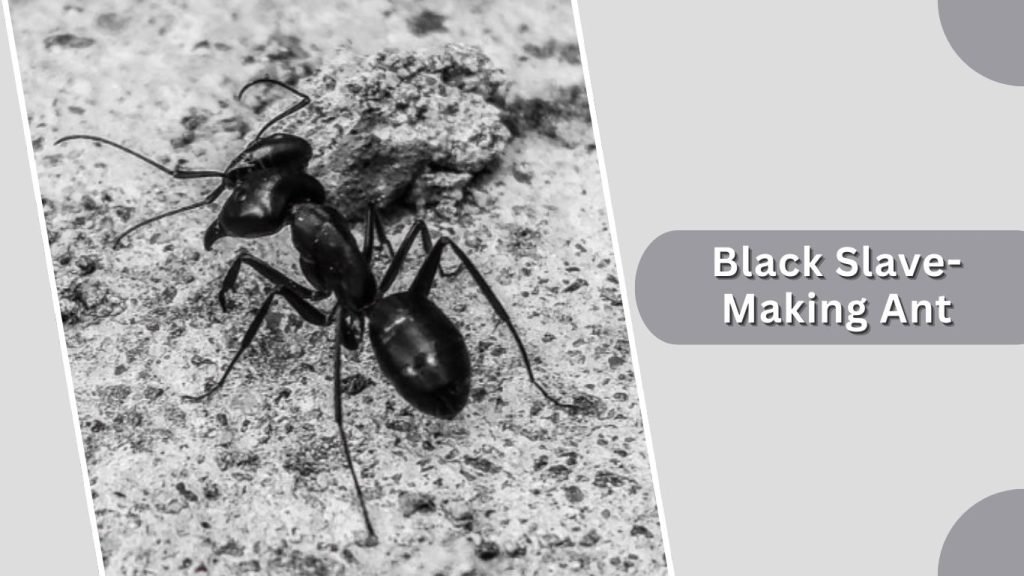
The Black Slave-Making Ant is a parasitic ant species known for its dark body coloration and aggressive colony-raiding behavior. Commonly found in forests, grasslands, and woodland habitats, this ant captures pupae and larvae from nearby colonies to create a workforce within its own nest. Black Slave-Making Ants belong mainly to socially parasitic ant groups that depend on enslaved worker ants for daily colony activities.
Identification
- Black or dark brown body coloration
- Medium-sized slender body
- Long legs and segmented antennae
- Strong curved mandibles for raiding
- Smooth and slightly glossy body surface
- Fast-moving and aggressive behavior
Habitat
Black Slave-Making Ants commonly inhabit forests, woodland clearings, grasslands, and shaded countryside environments. Their nests are usually built underground near host ant colonies that can be targeted during raids. These ants prefer habitats with stable soil conditions, nearby vegetation, and reliable access to surrounding ant populations needed for colony expansion and survival.
Behavior
Black Slave-Making Ants are highly specialized social parasites that raid nearby ant colonies to steal pupae and larvae. After the captured ants mature, they become workers within the parasite colony. The raiding ants focus mainly on attacks and colony defense, while enslaved workers perform food gathering, nest maintenance, and brood care activities.
Diet
Black Slave-Making Ants feed on insects, honeydew, nectar, and organic material collected mainly by enslaved worker ants. Because the parasite workers specialize in raiding behavior, they rely heavily on captured workers from other species to provide food, maintain nest structures, and support colony survival throughout the active seasons.
Role in the Ecosystem
Black Slave-Making Ants influence ant population balance and competition within natural ecosystems. Their raiding behavior affects nearby ant colonies, while their tunneling activities contribute to soil aeration and the recycling of organic material. These ants also help scientists study social parasitism and complex behavioral adaptations in ant communities.
6. Blood-Red Slave Ant
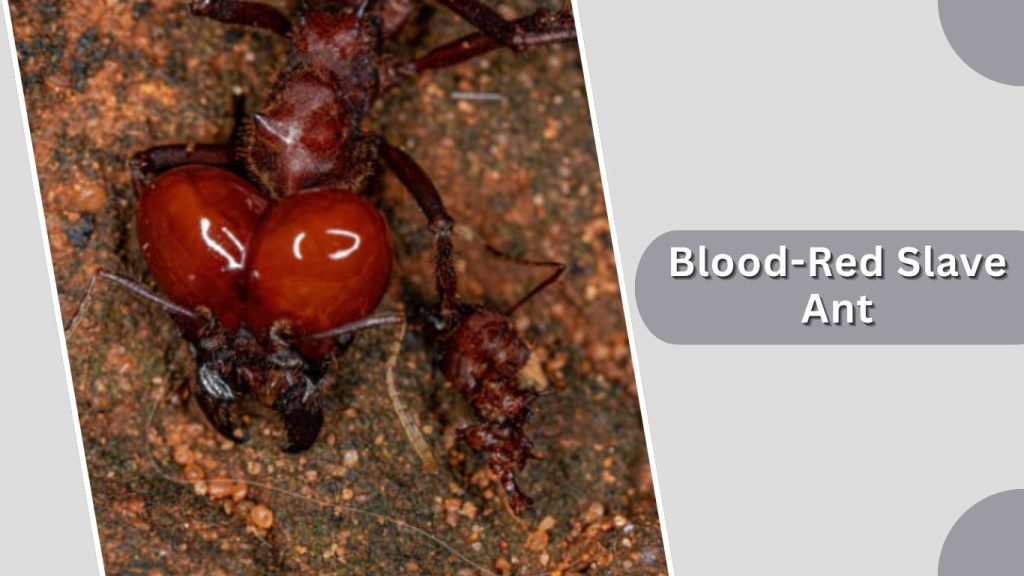
The Blood-Red Slave Ant is a striking parasitic ant species recognized for its deep reddish coloration and aggressive raiding behavior. Commonly found in forests, grasslands, and woodland habitats, this ant captures larvae and pupae from nearby colonies to create a labor force inside its nest. Blood-Red Slave Ants belong mainly to socially parasitic ant groups that depend heavily on enslaved workers for colony survival.
Identification
- Deep red or reddish-brown body coloration
- Medium-sized slender body structure
- Long legs and segmented antennae
- Strong curved mandibles for attacking colonies
- Smooth and slightly glossy body surface
- Fast-moving and highly aggressive behavior
Habitat
Blood-Red Slave Ants commonly inhabit forests, woodland clearings, grasslands, and shaded countryside environments. Their nests are usually built underground near colonies of host ants that can be raided for larvae and pupae. These ants prefer habitats with stable soil conditions, nearby vegetation, and reliable access to surrounding ant populations for successful colony development.
Behavior
Blood-Red Slave Ants are highly specialized social parasites that organize raids on nearby ant colonies to steal developing brood. Once the captured ants mature, they become workers inside the parasite colony. The raiding ants mainly focus on attacks and defense, while enslaved workers handle food gathering, nest maintenance, and brood care activities.
Diet
Blood-Red Slave Ants feed on insects, honeydew, nectar, and organic matter collected mostly by enslaved worker ants. Because parasite workers specialize in raiding behavior, they depend heavily on captured workers from host species to provide food, care for larvae, and maintain colony structures throughout the active seasons.
Role in the Ecosystem
Blood-Red Slave Ants influence ant population balance and competition within natural ecosystems. Their raiding behavior affects nearby ant colonies, while their tunneling activities contribute to soil aeration and organic matter recycling. These ants also provide scientists with valuable insight into social parasitism and complex behavioral relationships in ant communities.
7. Dusky Slave Ant
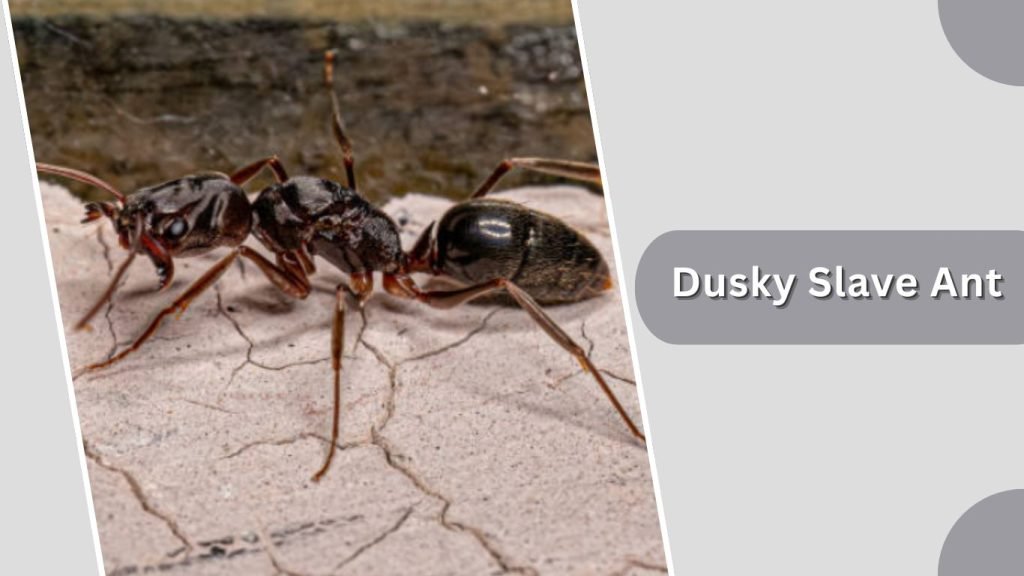
The Dusky Slave Ant is a parasitic ant species known for its dark, dusky body coloration and aggressive raiding behavior. Commonly found in forests, grasslands, and woodland habitats, this ant captures larvae and pupae from nearby colonies to create a workforce within its own nest. Dusky Slave Ants belong mainly to socially parasitic ant groups that rely heavily on enslaved workers for colony survival.
Identification
- Dusky brown or dark gray body coloration
- Medium-sized slender body
- Long legs and segmented antennae
- Strong curved mandibles for raiding
- Smooth and slightly glossy body surface
- Fast-moving and aggressive behavior
Habitat
Dusky Slave Ants commonly inhabit forests, woodland edges, grasslands, and shaded countryside environments. Their nests are usually built underground near colonies of host ants targeted during raids. These ants prefer stable habitats with loose soil, nearby vegetation, and reliable access to surrounding ant populations needed for colony growth and survival.
Behavior
Dusky Slave Ants are highly specialized social parasites that raid neighboring ant colonies to steal larvae and pupae. After the captured ants mature, they become workers within the parasite colony. The raiding ants focus mainly on attacks and defense, while enslaved workers handle nest maintenance, food gathering, and brood care activities.
Diet
Dusky Slave Ants feed on insects, honeydew, nectar, and organic matter collected mainly by enslaved worker ants. Because parasite workers specialize in raiding behavior, they depend heavily on captured workers from host species to provide food, maintain the nest, and support colony survival throughout the active seasons of the year.
Role in the Ecosystem
Dusky Slave Ants influence ant population balance and competition within natural ecosystems. Their raiding behavior affects nearby ant colonies, while their tunneling activities contribute to soil aeration and organic matter recycling. These ants also help researchers study social parasitism and complex colony interactions in woodland and grassland environments.
8. Woodland Slave-Making Ant
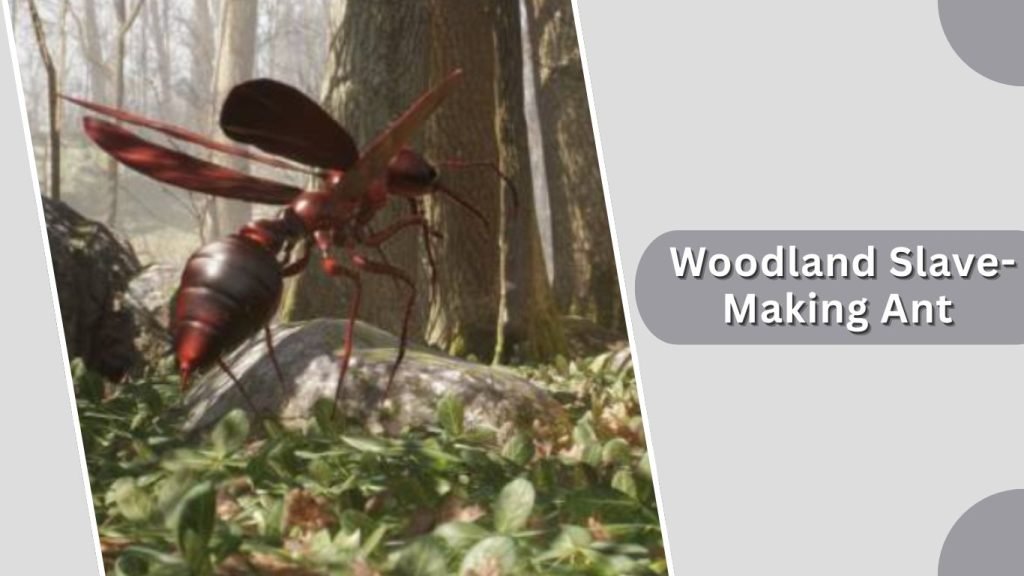
The Woodland Slave-Making Ant is a parasitic ant species commonly found in forests, woodland clearings, and shaded countryside habitats. Known for its organized raiding behavior, this ant captures larvae and pupae from nearby colonies to create a workforce inside its own nest. Woodland Slave-Making Ants belong mainly to socially parasitic ant groups that depend heavily on enslaved worker ants for colony survival.
Identification
- Brown, reddish, or dark body coloration
- Medium-sized slender body structure
- Long legs and segmented antennae
- Strong curved mandibles for raiding colonies
- Smooth and slightly glossy body surface
- Fast-moving and aggressive behavior
Habitat
Woodland Slave-Making Ants commonly inhabit forests, woodland edges, pine forests, and shaded countryside environments. Their nests are usually built underground near host ant colonies that can be targeted during raids. These ants prefer woodland habitats with stable soil conditions, nearby vegetation, and reliable access to surrounding ant populations for successful colony expansion and survival.
Behavior
Woodland Slave-Making Ants are highly specialized social parasites that raid neighboring ant colonies to steal larvae and pupae. Once the captured ants mature, they work as laborers within the parasite colony. The raiding ants mainly focus on attacks and defense, while enslaved workers handle food gathering, nest maintenance, and caring for larvae.
Diet
Woodland Slave-Making Ants feed on insects, honeydew, nectar, and organic matter collected mainly by enslaved worker ants. Because parasite workers specialize in raiding behavior, they rely heavily on captured workers from host species to provide food, maintain nest structures, and support colony survival throughout the active seasons of the year.
Role in the Ecosystem
Woodland Slave-Making Ants influence ant population balance and competition within woodland ecosystems. Their raiding behavior affects nearby ant colonies, while their nesting and tunneling activities contribute to soil aeration and organic matter recycling. These ants also help scientists study social parasitism and complex behavioral adaptations within forest ant communities.
9. Mountain Slave-Making Ant
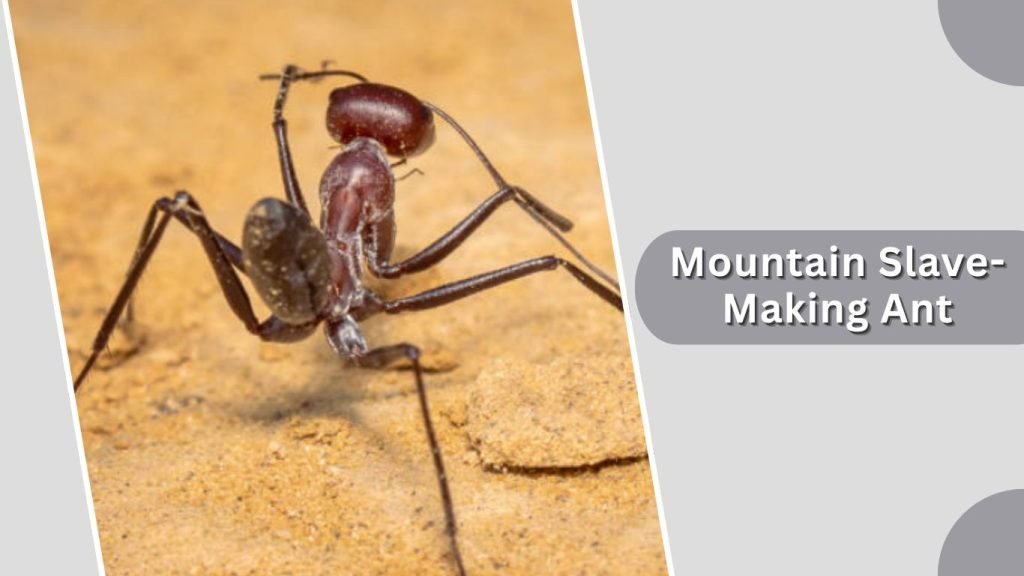
The Mountain Slave-Making Ant is a parasitic ant species commonly found in cool mountain forests, woodland clearings, and highland habitats. Known for its aggressive raiding behavior, this ant captures larvae and pupae from nearby colonies to create a workforce within its own nest. Mountain Slave-Making Ants belong mainly to socially parasitic ant groups that rely heavily on enslaved worker ants for colony survival.
Identification
- Dark brown, reddish, or black body coloration
- Medium-sized slender body structure
- Long legs and segmented antennae
- Strong curved mandibles for colony raids
- Smooth and slightly glossy body surface
- Fast-moving and highly aggressive behavior
Habitat
Mountain Slave-Making Ants commonly inhabit mountain forests, alpine woodlands, and cool highland environments. Their nests are usually built underground near colonies of host ants targeted during raids. These ants prefer cool habitats with stable soil conditions, nearby vegetation, and reliable access to surrounding ant populations that support colony growth and survival.
Behavior
Mountain Slave-Making Ants are highly specialized social parasites that organize raids on neighboring ant colonies to steal larvae and pupae. After the captured ants mature, they become workers inside the parasite colony. The raiding ants mainly focus on attacks and defense, while enslaved workers manage food gathering, nest maintenance, and brood care activities.
Diet
Mountain Slave-Making Ants feed on insects, honeydew, nectar, and organic material collected mostly by enslaved worker ants. Because parasite workers specialize in raiding behavior, they rely heavily on captured workers from host species to provide food, maintain nest structures, and support colony survival throughout the active seasons of the year.
Role in the Ecosystem
Mountain Slave-Making Ants influence ant population balance and competition within mountain ecosystems. Their raiding behavior affects nearby ant colonies, while their tunneling activities contribute to soil aeration and organic matter recycling. These ants also provide valuable insight into social parasitism and complex ant colony interactions within highland forest environments.
10. Northern Slave-Making Ant

The Northern Slave-Making Ant is a parasitic ant species commonly found in cooler forests, grasslands, and northern woodland habitats. Known for its aggressive colony-raiding behavior, this ant captures larvae and pupae from nearby colonies to build a workforce within its own nest. Northern Slave-Making Ants belong mainly to socially parasitic ant groups that depend heavily on enslaved worker ants for survival.
Identification
- Dark brown, reddish, or black body coloration
- Medium-sized slender body structure
- Long legs and segmented antennae
- Strong curved mandibles for raiding
- Smooth and slightly glossy body surface
- Fast-moving and aggressive behavior
Habitat
Northern Slave-Making Ants commonly inhabit northern forests, woodland clearings, grasslands, and shaded countryside environments. Their nests are usually built underground near colonies of host ants targeted during raids. These ants prefer cooler habitats with stable soil conditions, nearby vegetation, and reliable access to surrounding ant populations for colony growth and long-term survival.
Behavior
Northern Slave-Making Ants are highly specialized social parasites that raid neighboring ant colonies to steal larvae and pupae. Once the captured ants mature, they become workers inside the parasite colony. The raiding ants mainly focus on attacks and defense, while enslaved workers perform food gathering, nest maintenance, and brood care activities.
Diet
Northern Slave-Making Ants feed on insects, honeydew, nectar, and organic matter collected mostly by enslaved worker ants. Because parasite workers specialize in raiding behavior, they rely heavily on captured workers from host species to provide food, maintain nest structures, and support colony survival throughout the active seasons of the year.
Role in the Ecosystem
Northern Slave-Making Ants influence ant population balance and competition within natural ecosystems. Their raiding behavior affects nearby ant colonies, while their tunneling activities contribute to soil aeration and organic matter recycling. These ants also help researchers study social parasitism and complex behavioral adaptations within northern woodland ant communities.
11. Southern Slave-Making Ant
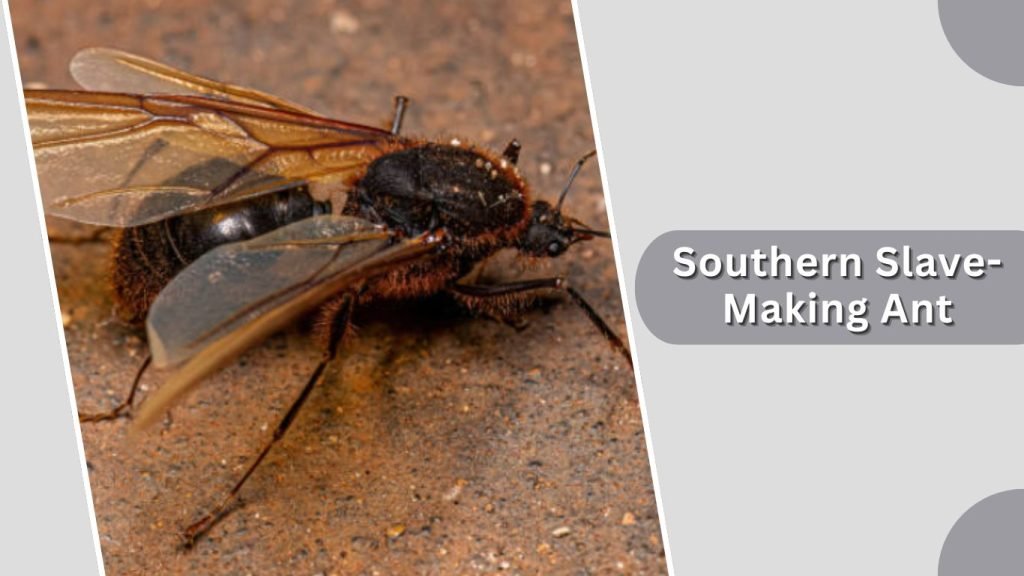
The Southern Slave-Making Ant is a parasitic ant species commonly found in warm forests, grasslands, and countryside habitats. Known for its organized raiding behavior, this ant captures larvae and pupae from nearby colonies to create a workforce inside its own nest. Southern Slave-Making Ants belong mainly to socially parasitic ant groups that rely heavily on enslaved worker ants for colony survival and maintenance.
Identification
- Reddish-brown or dark body coloration
- Medium-sized slender body structure
- Long legs and segmented antennae
- Strong curved mandibles for raiding colonies
- Smooth and slightly glossy body surface
- Fast-moving and aggressive behavior
Habitat
Southern Slave-Making Ants commonly inhabit forests, woodland clearings, grasslands, and warm countryside environments. Their nests are usually built underground near colonies of host ants that can be targeted during raids. These ants prefer warm habitats with stable soil conditions, nearby vegetation, and reliable access to surrounding ant populations for successful colony growth and survival.
Behavior
Southern Slave-Making Ants are highly specialized social parasites that organize raids on neighboring ant colonies to steal larvae and pupae. Once the captured ants mature, they become workers inside the parasite colony. The raiding ants focus mainly on attacks and defense, while enslaved workers perform food gathering, nest maintenance, and caring for larvae.
Diet
Southern Slave-Making Ants feed on insects, honeydew, nectar, and organic material collected mostly by enslaved worker ants. Because parasite workers specialize in raiding behavior, they rely heavily on captured workers from host species to provide food, maintain nest structures, and support colony survival throughout the active seasons of the year.
Role in the Ecosystem
Southern Slave-Making Ants influence ant population balance and competition within natural ecosystems. Their raiding behavior affects nearby ant colonies, while their tunneling activities contribute to soil aeration and organic matter recycling. These ants also help scientists study social parasitism and complex behavioral interactions within woodland and grassland ant communities.
12. Prairie Slave-Making Ant

The Prairie Slave-Making Ant is a parasitic ant species commonly found in grasslands, prairies, and open countryside habitats. Known for its aggressive raiding behavior, this ant captures larvae and pupae from nearby colonies to build a workforce inside its own nest. Prairie Slave-Making Ants belong mainly to socially parasitic ant groups that depend heavily on enslaved worker ants for colony survival and daily activities.
Identification
- Brown, reddish, or dark body coloration
- Medium-sized slender body structure
- Long legs and segmented antennae
- Strong curved mandibles for colony raids
- Smooth and slightly glossy body surface
- Fast-moving and aggressive behavior
Habitat
Prairie Slave-Making Ants commonly inhabit prairies, grasslands, woodland edges, and open countryside environments. Their nests are usually built underground near colonies of host ants targeted during raids. These ants prefer dry habitats with stable soil conditions, nearby vegetation, and reliable access to surrounding ant populations for successful colony development and long-term survival.
Behavior
Prairie Slave-Making Ants are highly specialized social parasites that raid neighboring ant colonies to steal larvae and pupae. After the captured ants mature, they become workers inside the parasite colony. The raiding ants mainly focus on attacks and defense, while enslaved workers manage food gathering, nest maintenance, and brood care activities.
Diet
Prairie Slave-Making Ants feed on insects, honeydew, nectar, and organic matter collected mostly by enslaved worker ants. Because parasite workers specialize in raiding behavior, they rely heavily on captured workers from host species to provide food, maintain the nest, and support colony survival throughout the active seasons of the year.
Role in the Ecosystem
Prairie Slave-Making Ants influence ant population balance and competition within grassland ecosystems. Their raiding behavior affects nearby ant colonies, while their tunneling activities contribute to soil aeration and organic matter recycling. These ants also help researchers study social parasitism and complex ant colony interactions within prairie and countryside environments.
13. Forest Slave-Making Ant
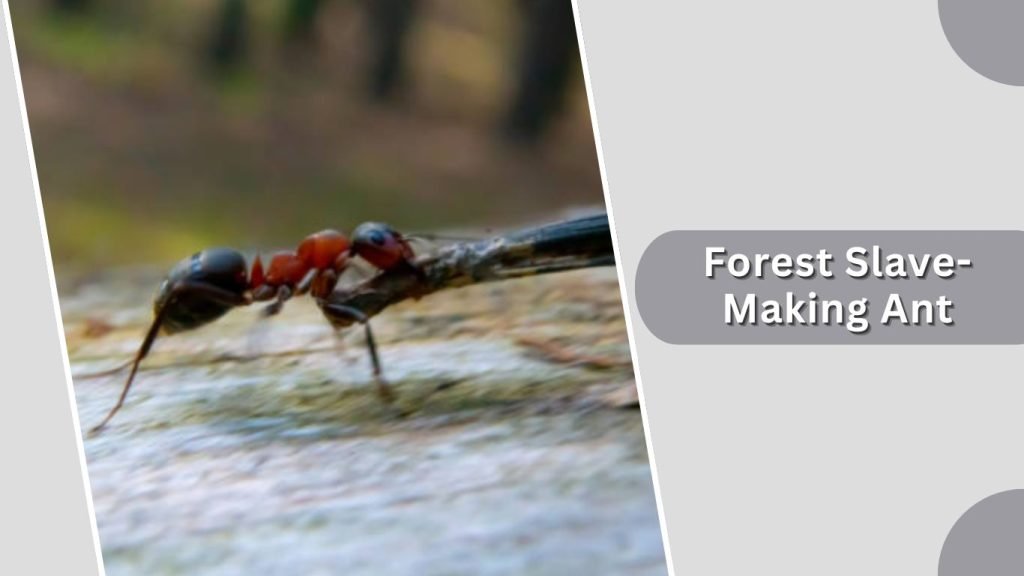
The Forest Slave-Making Ant is a parasitic ant species commonly found in forests, woodland habitats, and shaded countryside environments. Known for its organized raiding behavior, this ant captures larvae and pupae from nearby colonies to create a workforce within its own nest. Forest Slave-Making Ants belong mainly to socially parasitic ant groups that depend heavily on enslaved worker ants for colony survival.
Identification
- Dark brown, reddish, or black body coloration
- Medium-sized slender body structure
- Long legs and segmented antennae
- Strong curved mandibles for colony raids
- Smooth and slightly glossy body surface
- Fast-moving and aggressive behavior
Habitat
Forest Slave-Making Ants commonly inhabit forests, woodland clearings, pine forests, and shaded countryside habitats. Their nests are usually built underground near colonies of host ants targeted during raids. These ants prefer woodland environments with stable soil conditions, nearby vegetation, and reliable access to surrounding ant populations that support colony growth and long-term survival.
Behavior
Forest Slave-Making Ants are highly specialized social parasites that organize raids on neighboring ant colonies to steal larvae and pupae. Once the captured ants mature, they become workers inside the parasite colony. The raiding ants mainly focus on attacks and defense, while enslaved workers perform food gathering, nest maintenance, and caring for larvae activities.
Diet
Forest Slave-Making Ants feed on insects, honeydew, nectar, and organic material collected mostly by enslaved worker ants. Because parasite workers specialize in raiding behavior, they rely heavily on captured workers from host species to provide food, maintain nest structures, and support colony survival throughout the active seasons of the year.
Role in the Ecosystem
Forest Slave-Making Ants influence ant population balance and competition within forest ecosystems. Their raiding behavior affects nearby ant colonies, while their tunneling activities contribute to soil aeration and organic matter recycling. These ants also help scientists study social parasitism and complex behavioral interactions within woodland and forest ant communities.
14. Hairy Slave-Making Ant
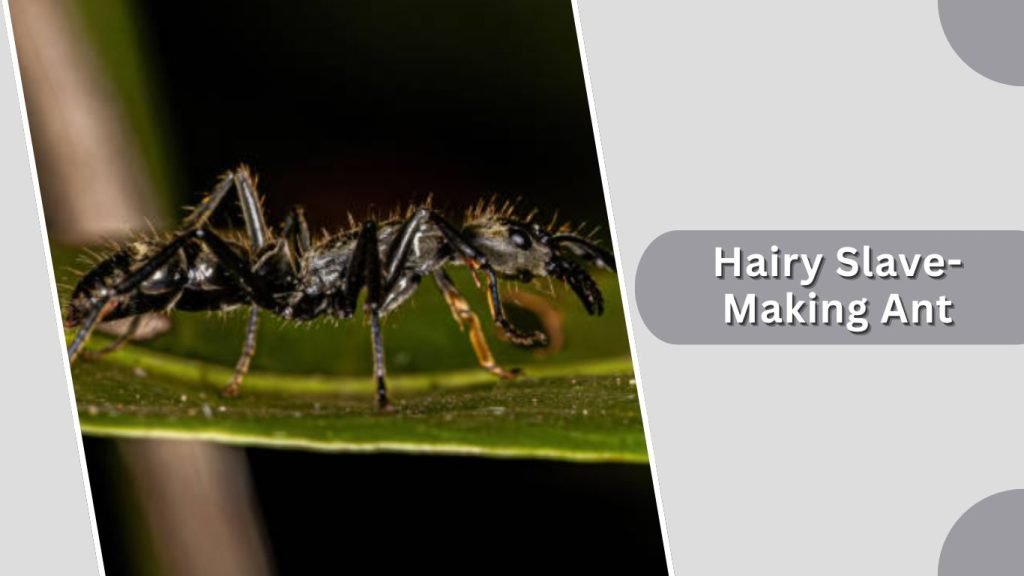
The Hairy Slave-Making Ant is a parasitic ant species recognized for the fine hair-like covering on parts of its body and its aggressive raiding behavior. Commonly found in forests, grasslands, and woodland habitats, this ant captures larvae and pupae from nearby colonies to create a workforce inside its own nest. Hairy Slave-Making Ants rely heavily on enslaved worker ants for colony survival.
Identification
- Fine hair-like covering on the body
- Brown, reddish, or dark body coloration
- Medium-sized slender body structure
- Long legs and segmented antennae
- Strong curved mandibles for raiding colonies
- Fast-moving and aggressive behavior
Habitat
Hairy Slave-Making Ants commonly inhabit forests, woodland edges, grasslands, and shaded countryside environments. Their nests are usually built underground near host ant colonies targeted during raids. These ants prefer habitats with stable soil conditions, nearby vegetation, and reliable access to surrounding ant populations that support colony growth and survival throughout the active seasons.
Behavior
Hairy Slave-Making Ants are highly specialized social parasites that organize raids on neighboring ant colonies to steal larvae and pupae. After the captured ants mature, they become workers inside the parasite colony. The raiding ants mainly focus on attacks and colony defense, while enslaved workers manage food gathering, nest maintenance, and brood care duties.
Diet
Hairy Slave-Making Ants feed on insects, honeydew, nectar, and organic material collected mainly by enslaved worker ants. Because parasite workers specialize in raiding behavior, they depend heavily on captured workers from host species to provide food, maintain the nest, and support colony survival during different seasons of the year.
Role in the Ecosystem
Hairy Slave-Making Ants influence ant population balance and competition within natural ecosystems. Their raiding behavior affects nearby ant colonies, while their tunneling activities contribute to soil aeration and organic matter recycling. These ants also help researchers study social parasitism and complex colony interactions in woodland and grassland environments.
15. Small Slave-Making Ant
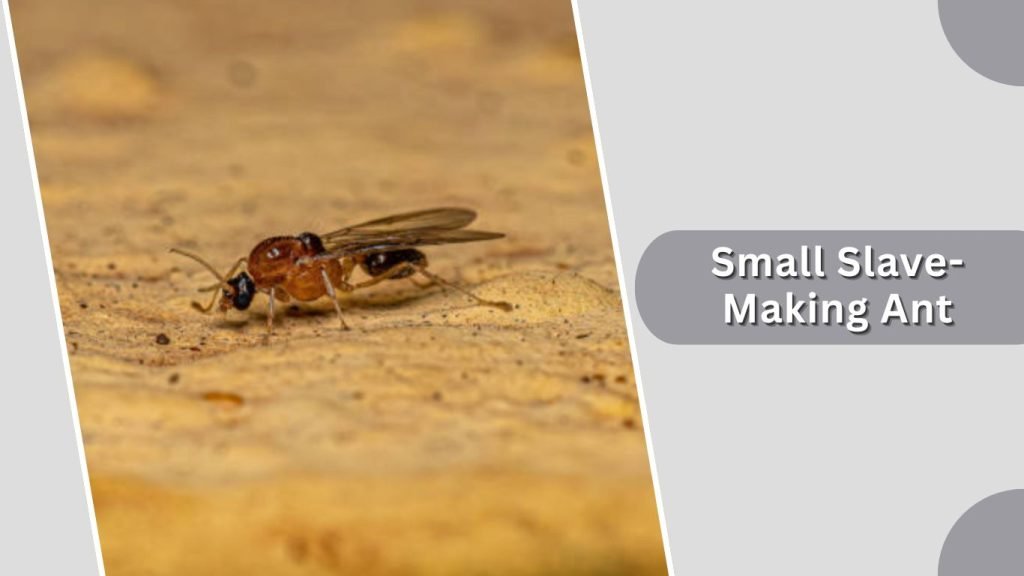
The Small Slave-Making Ant is a parasitic ant species known for its compact body size and highly organized raiding behavior. Commonly found in forests, grasslands, and woodland habitats, this ant captures larvae and pupae from nearby colonies to build a workforce within its own nest. Small Slave-Making Ants depend heavily on enslaved worker ants for colony survival and daily maintenance activities.
Identification
- Small and slender body structure
- Brown, reddish, or dark body coloration
- Long legs and segmented antennae
- Strong curved mandibles for raiding
- Smooth and slightly glossy body surface
- Fast-moving and aggressive behavior
Habitat
Small Slave-Making Ants commonly inhabit forests, woodland clearings, grasslands, and shaded countryside habitats. Their nests are usually built underground near colonies of host ants targeted during raids. These ants prefer stable environments with loose soil, nearby vegetation, and reliable access to surrounding ant populations needed for colony growth and long-term survival.
Behavior
Small Slave-Making Ants are highly specialized social parasites that raid neighboring ant colonies to steal larvae and pupae. Once the captured ants mature, they become workers within the parasite colony. The raiding ants mainly focus on attacks and defense, while enslaved workers perform food gathering, nest maintenance, and caring for larvae activities.
Diet
Small Slave-Making Ants feed on insects, honeydew, nectar, and organic matter collected mainly by enslaved worker ants. Because parasite workers specialize in raiding behavior, they rely heavily on captured workers from host species to provide food, maintain nest structures, and support colony survival throughout the active seasons of the year.
Role in the Ecosystem
Small Slave-Making Ants influence ant population balance and competition within natural ecosystems. Their raiding behavior affects nearby ant colonies, while their tunneling activities contribute to soil aeration and organic matter recycling. These ants also help scientists study social parasitism and complex behavioral adaptations within ant communities.
16. Giant Slave-Making Ant
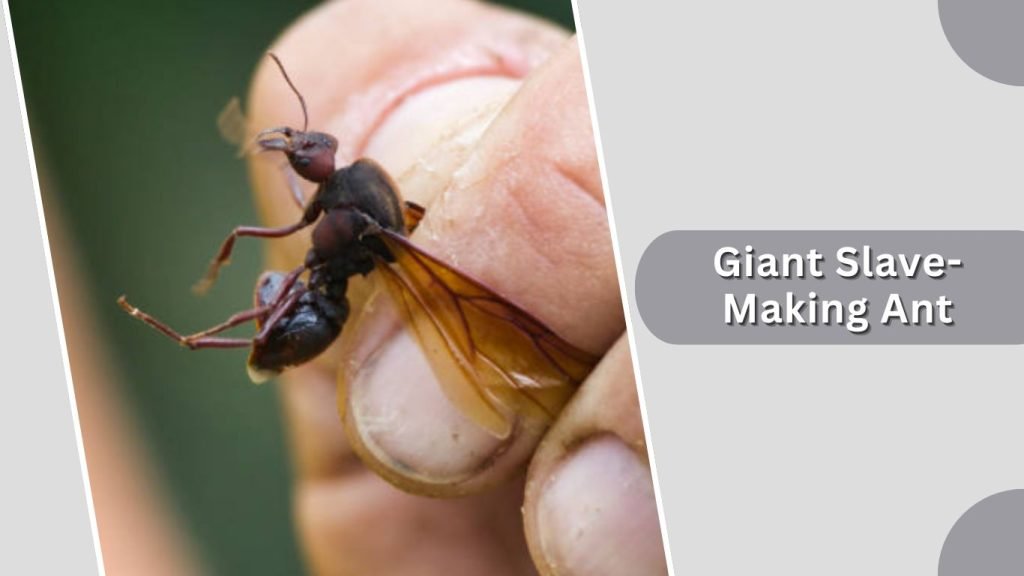
The Giant Slave-Making Ant is a large parasitic ant species recognized for its powerful body structure and aggressive colony-raiding behavior. Commonly found in forests, grasslands, and woodland habitats, this ant captures larvae and pupae from nearby colonies to create a workforce within its own nest. Giant Slave-Making Ants depend heavily on enslaved worker ants for food gathering, nest maintenance, and colony survival.
Identification
- Large and slender body structure
- Dark brown, reddish, or black body coloration
- Long legs and segmented antennae
- Strong curved mandibles for attacking colonies
- Smooth and slightly glossy body surface
- Fast-moving and highly aggressive behavior
Habitat
Giant Slave-Making Ants commonly inhabit forests, woodland clearings, grasslands, and shaded countryside habitats. Their nests are usually built underground near colonies of host ants targeted during raids. These ants prefer stable environments with loose soil, nearby vegetation, and reliable access to surrounding ant populations needed for colony growth and long-term survival.
Behavior
Giant Slave-Making Ants are highly specialized social parasites that organize raids on neighboring ant colonies to steal larvae and pupae. After the captured ants mature, they become workers within the parasite colony. The raiding ants mainly focus on attacks and colony defense, while enslaved workers handle food gathering, nest maintenance, and brood care activities.
Diet
Giant Slave-Making Ants feed on insects, honeydew, nectar, and organic material collected mostly by enslaved worker ants. Because parasite workers specialize in raiding behavior, they rely heavily on captured workers from host species to provide food, maintain the nest, and support colony survival throughout the active seasons of the year.
Role in the Ecosystem
Giant Slave-Making Ants influence ant population balance and competition within natural ecosystems. Their raiding behavior affects nearby ant colonies, while their tunneling activities contribute to soil aeration and organic matter recycling. These ants also help researchers study social parasitism and complex behavioral interactions within woodland and grassland ant communities.
FAQs
What are Slave-Making Ants?
Slave-Making Ants are parasitic ants that raid nearby ant colonies and capture larvae or pupae. After the captured ants mature, they work inside the parasite colony as laborers. These ants are known for their aggressive raiding behavior and highly specialized social structure.
How do Slave-Making Ants capture other ants?
Slave-Making Ants organize raids on nearby ant colonies to steal larvae and pupae. Worker ants use strong mandibles and aggressive tactics during attacks. The stolen brood later matures inside the parasite colony and performs tasks such as food gathering, nest maintenance, and caring for young ants.
Where are Slave-Making Ants found?
Slave-Making Ants are commonly found in forests, grasslands, woodlands, and countryside habitats across Europe, North America, and other temperate regions. Their nests are usually built underground near colonies of host ants that can be targeted during organized raids.
What do Slave-Making Ants eat?
Slave-Making Ants feed on insects, honeydew, nectar, and organic material. Most food is gathered by enslaved worker ants because the parasite ants mainly specialize in raiding and colony defense rather than daily labor activities within the nest.
Why are Slave-Making Ants important to ecosystems?
Slave-Making Ants influence ant population balance and competition within ecosystems. Their raiding behavior affects nearby colonies, while their tunneling activities help improve soil aeration and recycle organic matter. They also provide scientists with valuable insight into social parasitism and complex insect behavior.
