
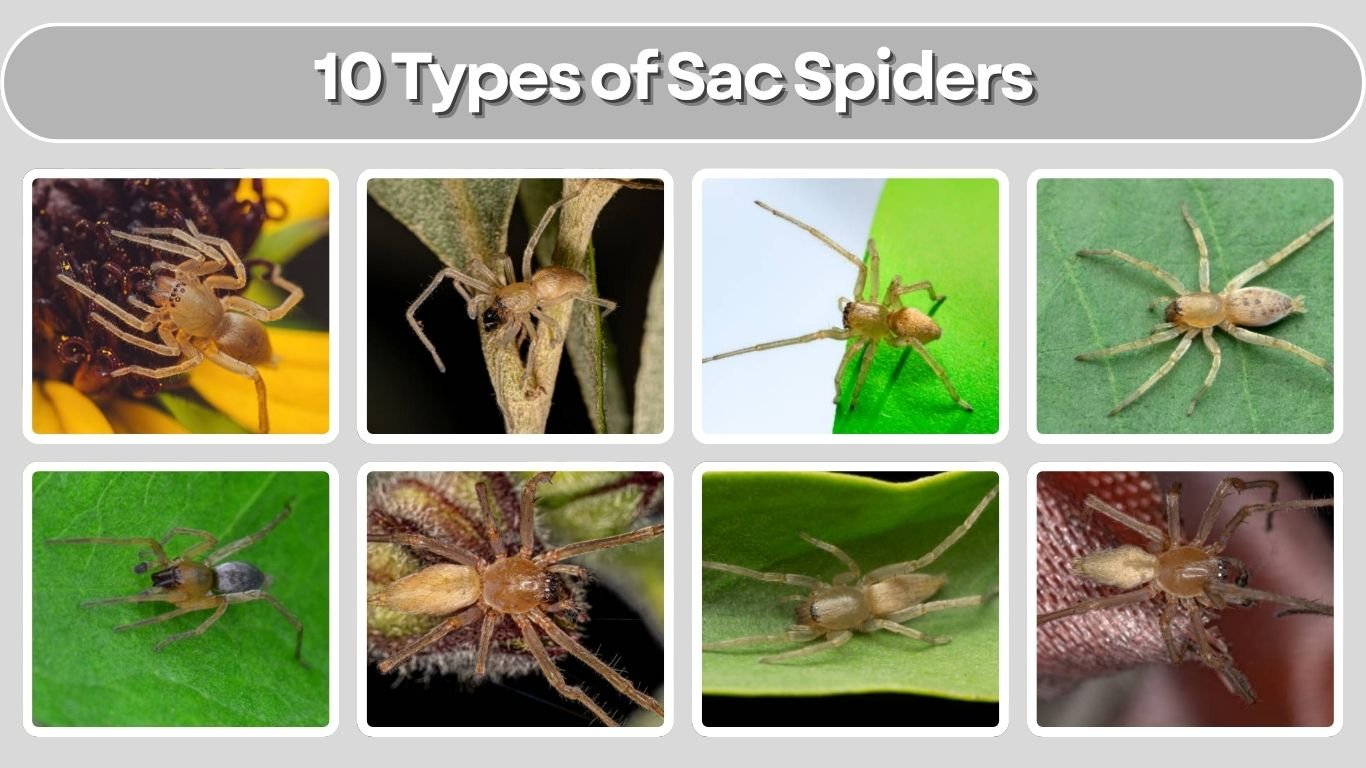
Sac spiders are small to medium-sized hunting spiders known for creating silk “sacs” or retreats where they rest during the day. Unlike web-building spiders, they actively hunt for prey at night. These spiders are commonly found in homes, gardens, and vegetation, and while some can bite, most are not considered dangerous to humans.
1. Cheiracanthium inclusum
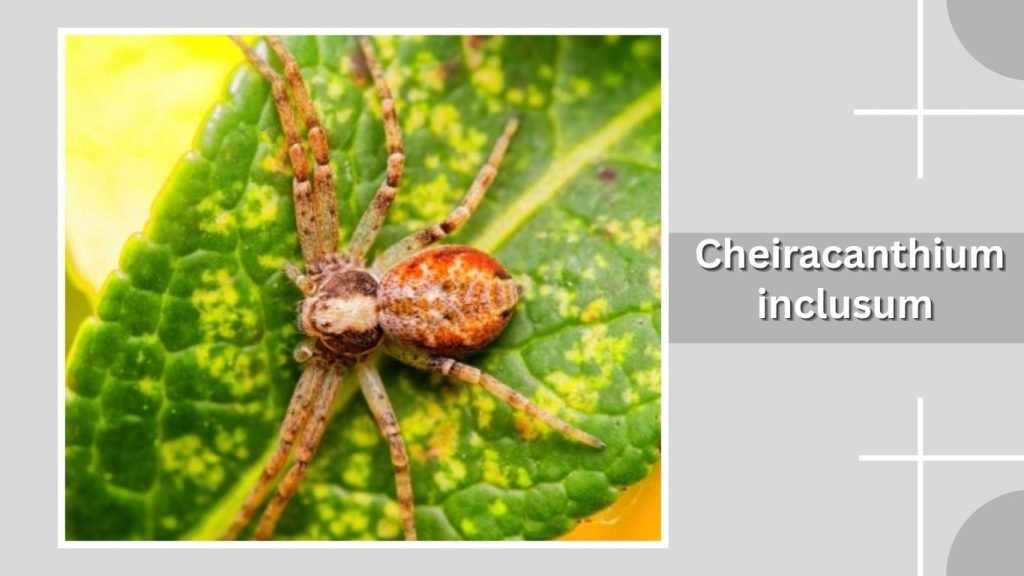
A common sac spider species often found in homes and gardens, known for its pale color and nocturnal hunting behavior.
Identification
- Pale yellow to light green body
- Slender legs with slightly darker tips
- Oval-shaped abdomen with subtle markings
- Body length typically around 5–10 mm
Habitat
Cheiracanthium inclusum is commonly found in gardens, agricultural fields, and inside homes. It creates small silk sacs in corners, leaves, or hidden areas where it rests during the day.
Diet
This spider actively hunts at night, feeding on small insects such as flies, moths, and other soft-bodied arthropods. It does not rely on webs to catch prey.
Bite & Risk
Bites can occur but are uncommon. The bite may cause mild pain, redness, or slight swelling, but it is not considered medically dangerous.
2. Cheiracanthium mildei
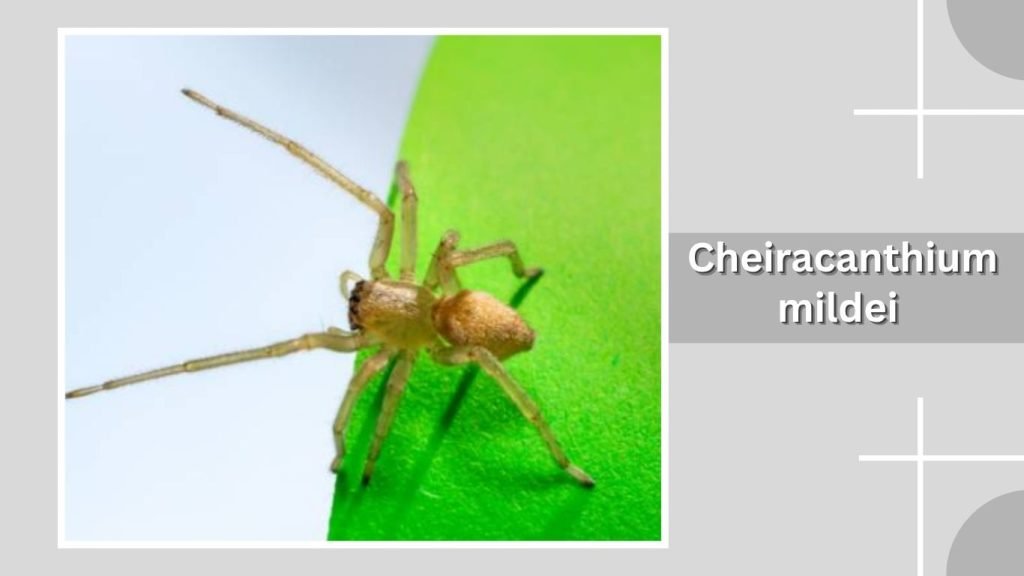
A well-known sac spider species often found indoors, especially in warmer regions, recognized for its pale coloration and wandering behavior.
Identification
- Pale yellow to light beige body
- Slender legs with slightly darker ends
- Smooth, oval abdomen
- Body size typically around 7–10 mm
Habitat
Cheiracanthium mildei is commonly found inside homes, especially on walls and ceilings, as well as in gardens and shrubs. It builds small silk sacs in corners or hidden spaces for resting.
Diet
This spider is a nocturnal hunter that feeds on small insects like flies, mosquitoes, and moths. It actively searches for prey rather than using webs to trap it.
Bite & Risk
Bites are rare but possible. They may cause mild pain, redness, and slight swelling, but symptoms are usually short-lived and not medically serious.
3. Clubiona trivialis
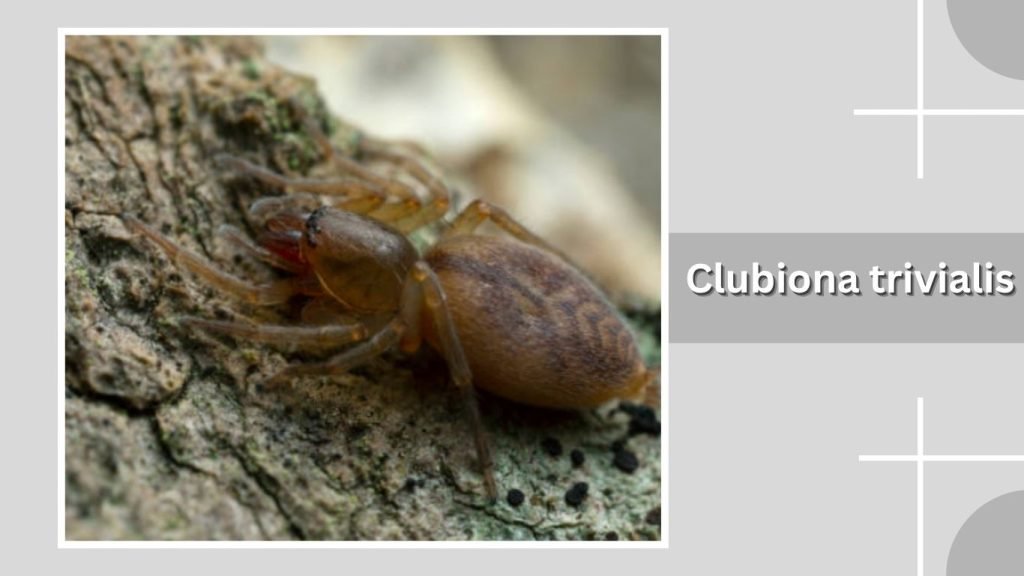
A small sac spider species commonly found in vegetation, known for its secretive behavior and silk sac retreats.
Identification
- Light brown to yellowish body
- Slender legs with fine hairs
- Oval abdomen with faint markings
- Body size typically around 4–7 mm
Habitat
Clubiona trivialis is usually found in shrubs, grass, and low vegetation. It creates silk sacs on leaves or stems where it hides during the day.
Diet
This spider feeds on small insects such as aphids and flies. It hunts actively at night instead of using a web to capture prey.
Bite & Risk
Bites are very rare and harmless. If a bite occurs, it may cause slight irritation but no serious effects.
4. Clubiona corticalis
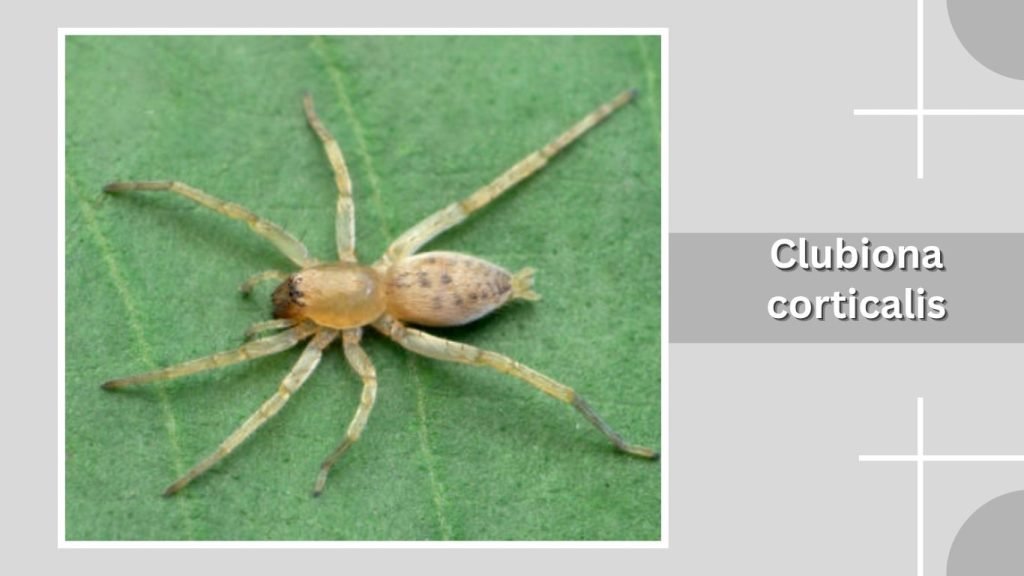
A sac spider species often associated with tree bark and wooded environments, known for its camouflaged appearance.
Identification
- Brown to gray body that blends with bark
- Slender legs adapted for climbing
- Oval abdomen with subtle patterns
- Body length typically around 5–9 mm
Habitat
Clubiona corticalis is commonly found on tree trunks, under bark, and in forested areas. It builds silk sacs in crevices or beneath loose bark.
Diet
It preys on small insects and other arthropods found on trees. The spider hunts at night, using stealth and speed to catch prey.
Bite & Risk
This species is non-aggressive, and bites are extremely uncommon. Any bite is mild and not medically significant.
5. Clubiona comta
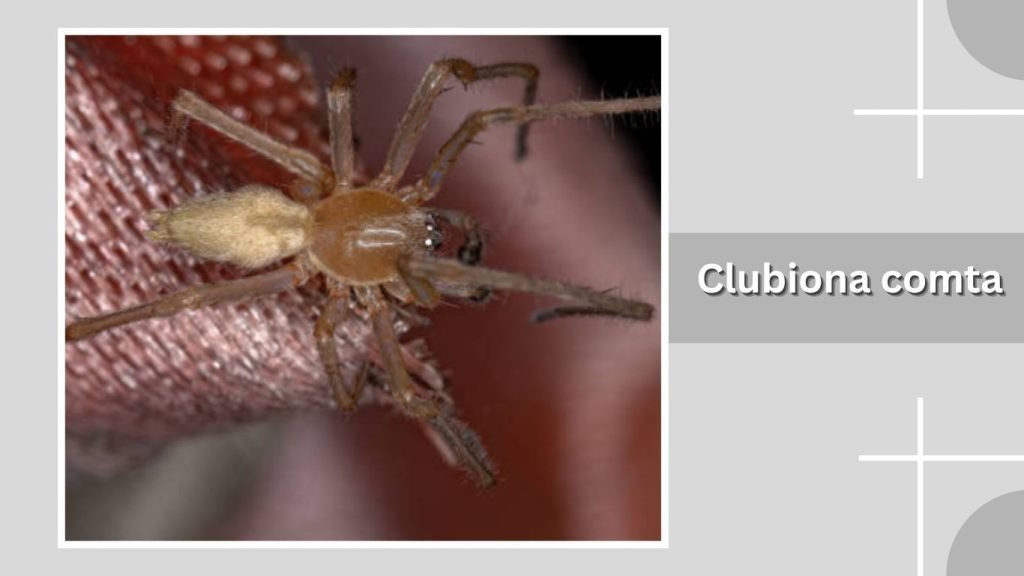
A small and discreet sac spider species often found in vegetation, known for its nocturnal hunting habits.
Identification
- Yellowish to light brown body
- Slender legs with fine hairs
- Smooth, oval-shaped abdomen
- Body size typically around 4–8 mm
Habitat
Clubiona comta is commonly found in shrubs, grasses, and low plants. It creates small silk sacs on leaves or stems where it rests during the day.
Diet
This spider feeds on small insects such as aphids, flies, and other tiny arthropods. It hunts actively at night rather than relying on webs.
Bite & Risk
Bites are rare and harmless. If a bite occurs, it may cause mild irritation but no serious symptoms.
6. Clubiona terrestris
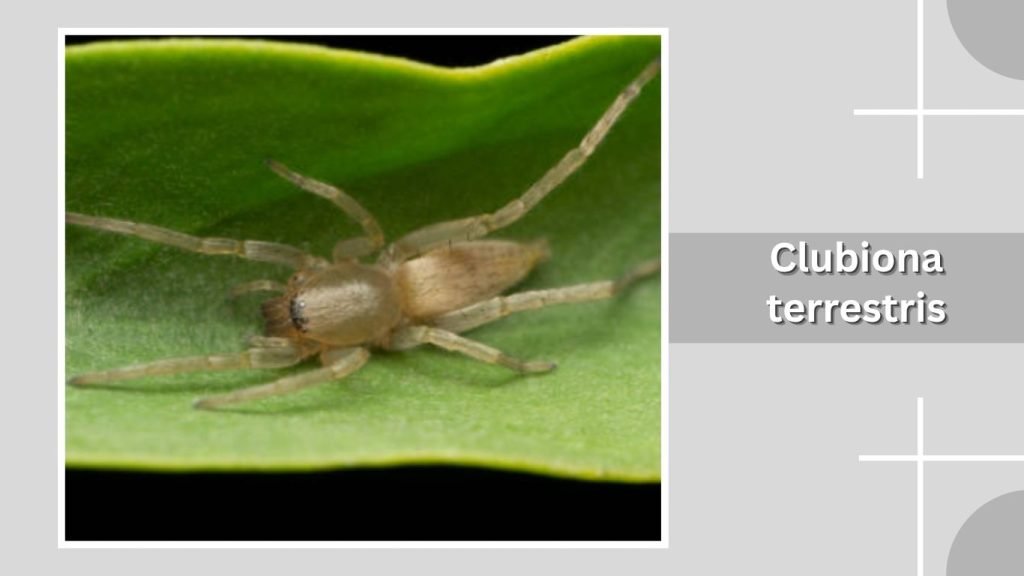
A ground-dwelling sac spider species typically found in leaf litter and low vegetation.
Identification
- Brown to yellow-brown body
- Moderately long legs with subtle spines
- Oval abdomen with faint markings
- Body length usually around 5–9 mm
Habitat
Clubiona terrestris prefers leaf litter, soil surfaces, and low vegetation in forests and grassy areas. It builds silk sacs under debris or within ground cover.
Diet
It primarily feeds on small ground-dwelling insects and arthropods. The spider hunts at night, using stealth and speed to capture prey.
Bite & Risk
This spider is non-aggressive, and bites are extremely uncommon. Any bite is mild, causing only slight and temporary discomfort.
7. Clubiona pallidula
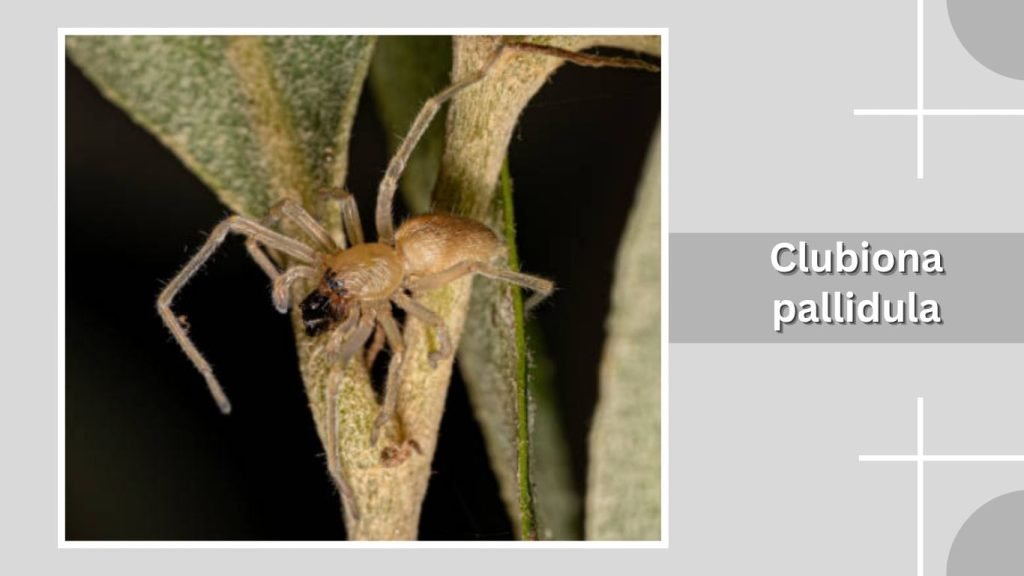
A small sac spider species commonly found in vegetation, recognized for its pale coloration and secretive lifestyle.
Identification
- Pale yellow to light brown body
- Slender legs with fine hairs
- Smooth, oval abdomen
- Body size typically around 4–7 mm
Habitat
Clubiona pallidula is usually found in shrubs, grasses, and garden plants. It builds small silk sacs on leaves or stems where it hides during the day.
Diet
This spider feeds on small insects such as aphids, flies, and other soft-bodied arthropods. It hunts actively at night instead of using webs.
Bite & Risk
Bites are very rare and harmless. If a bite occurs, it may cause minor irritation but no serious effects.
8. Clubiona lutescens
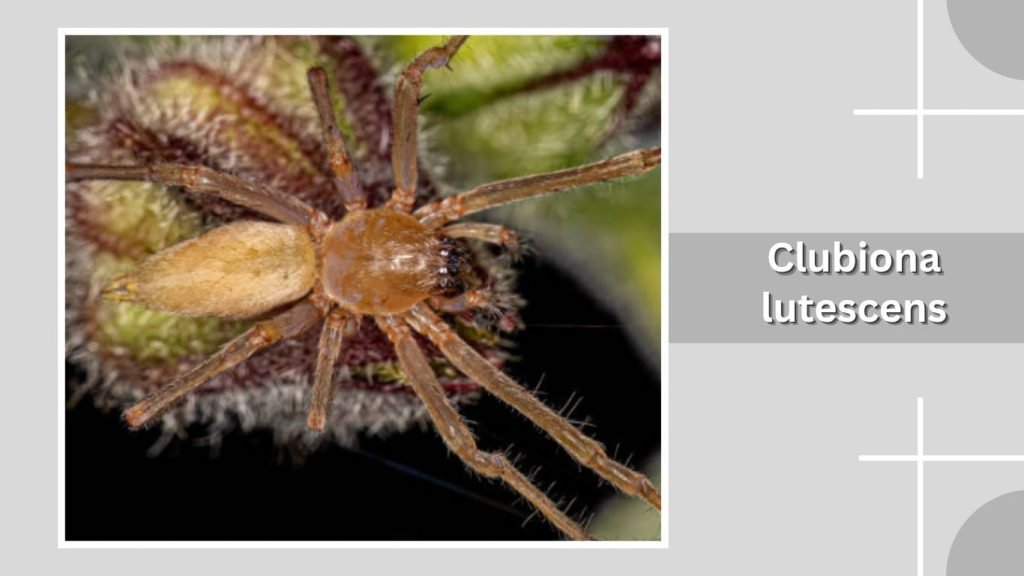
A sac spider species often found in wooded areas, known for its subtle coloration and nocturnal activity.
Identification
- Yellowish-brown body with faint markings
- Slender legs adapted for movement in vegetation
- Oval abdomen with smooth texture
- Body length typically around 5–9 mm
Habitat
Clubiona lutescens is commonly found in forests, shrubs, and garden vegetation. It creates silk sacs under leaves or within plant structures for shelter.
Diet
It preys on small insects such as flies, aphids, and other arthropods. The spider hunts at night, relying on speed and stealth.
Bite & Risk
This species is non-aggressive, and bites are extremely uncommon. Any bite is mild and not medically significant.
9. Clubiona reclusa
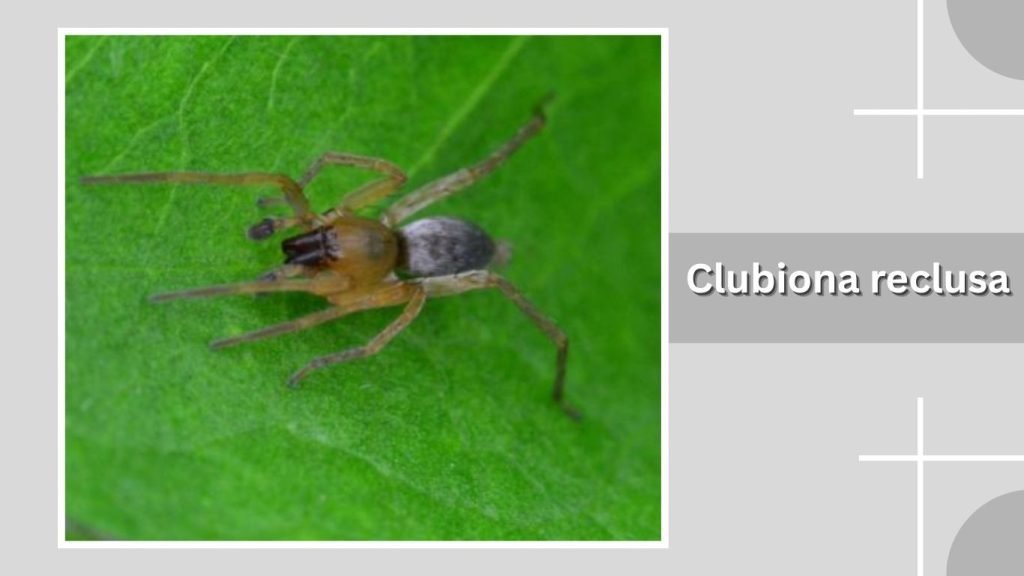
A sac spider species known for its quiet behavior and preference for hidden resting spots in vegetation.
Identification
- Light brown to yellowish body
- Slender legs with fine hairs
- Oval abdomen with subtle markings
- Body size typically around 5–8 mm
Habitat
Clubiona reclusa is commonly found in shrubs, grasses, and garden plants. It builds small silk sacs in leaves or sheltered areas where it stays during the day.
Diet
This spider feeds on small insects like aphids, flies, and other tiny arthropods. It hunts actively at night instead of using a web.
Bite & Risk
Bites are very rare and harmless. If a bite occurs, it may cause slight irritation but no serious symptoms.
10. Cheiracanthium punctorium
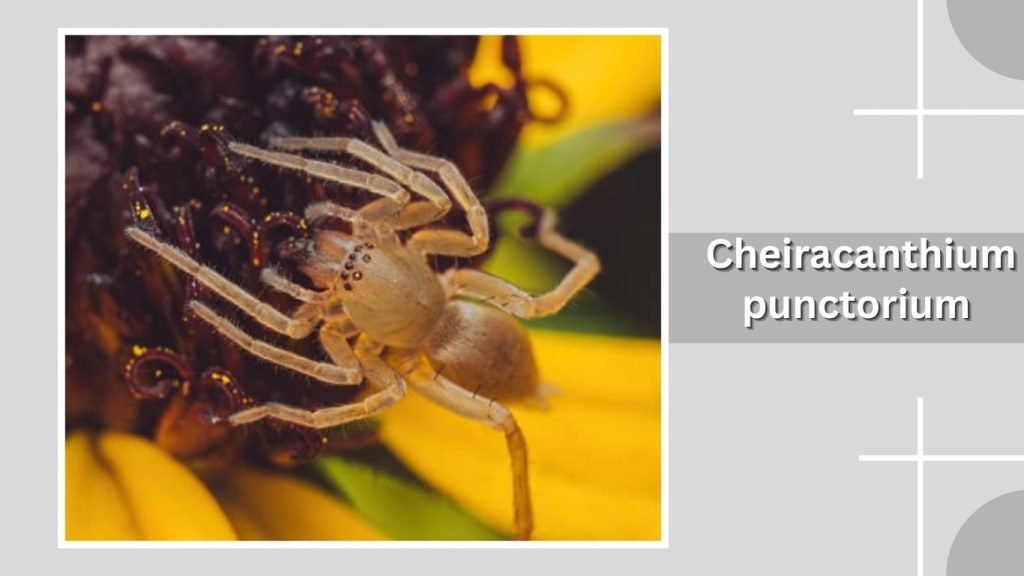
A larger sac spider species known for its pale color and slightly stronger bite compared to other sac spiders.
Identification
- Pale yellow to greenish body
- Long, slender legs with darker tips
- Smooth, oval abdomen
- Body length typically around 10–15 mm
Habitat
Cheiracanthium punctorium is usually found in tall grass, shrubs, and agricultural fields. It builds silk sacs in vegetation where it rests during the day.
Diet
This spider feeds on insects such as flies, beetles, and caterpillars. It actively hunts at night rather than relying on webs.
Bite & Risk
Bites can occur if the spider is disturbed. They may cause noticeable pain, redness, and swelling, but are generally not dangerous and symptoms usually resolve within a short time.
FAQs
What are sac spiders?
Sac spiders are active hunting spiders that create small silk sacs for resting instead of building webs to catch prey. They usually come out at night to hunt insects and are commonly found in homes, gardens, and vegetation.
Are sac spiders dangerous?
Most sac spiders are not dangerous to humans. While some species can bite, the effects are usually mild, causing slight pain, redness, or swelling that goes away within a short time.
Where do sac spiders live?
Sac spiders can be found both indoors and outdoors. They often hide in corners, ceilings, leaves, or under bark, where they build silk sacs for shelter during the day.
What do sac spiders eat?
They mainly feed on small insects such as flies, mosquitoes, moths, and aphids. Sac spiders actively hunt their prey at night instead of relying on webs.
How can I identify a sac spider?
Sac spiders typically have a pale yellow or light brown body, slender legs, and an oval abdomen. They are also known for creating small silk sacs where they rest.
