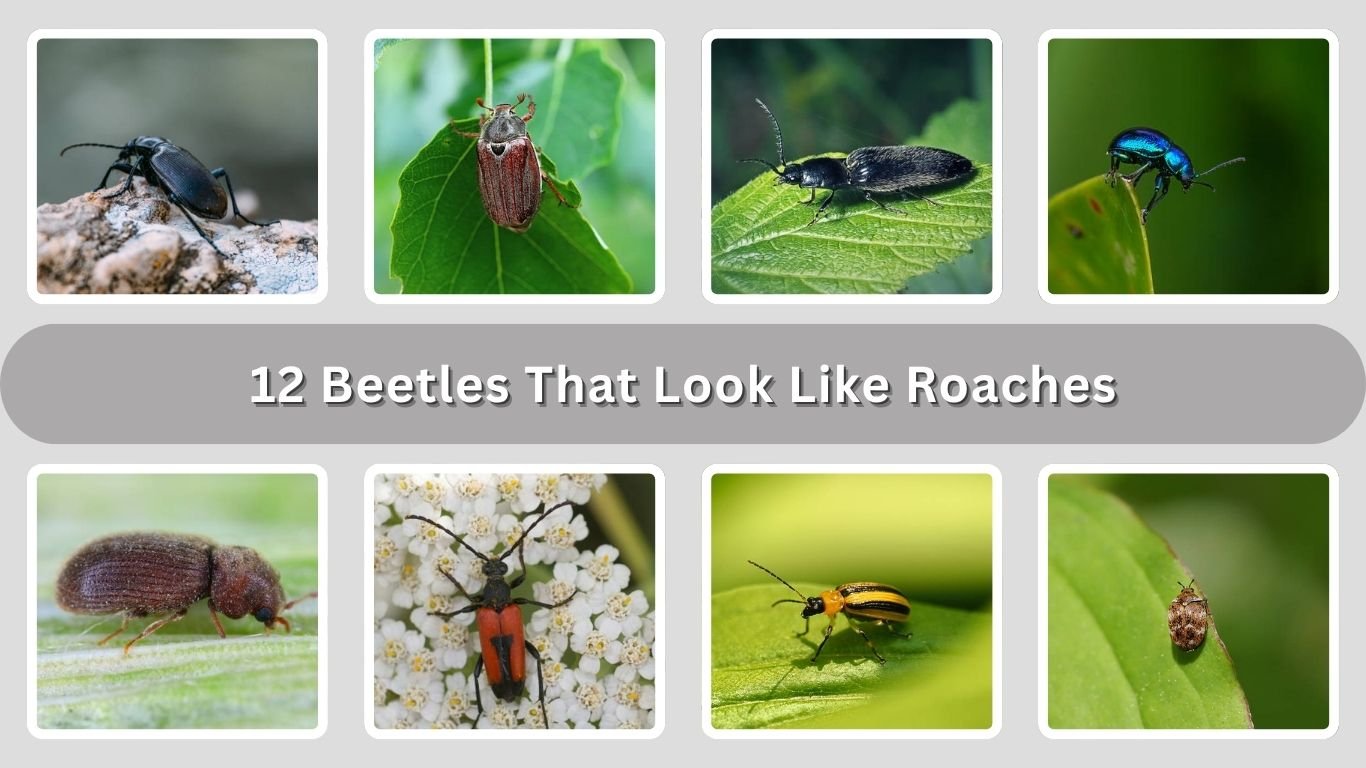
Many beetles can easily be mistaken for cockroaches due to their similar size, shape, and dark coloration. However, these insects differ greatly in behavior, habitat, and impact on humans. While cockroaches are known household pests, most lookalike beetles are harmless or even beneficial. Understanding these differences can help you correctly identify them and avoid unnecessary concern when you encounter one in your home or garden.
1. Ground Beetle
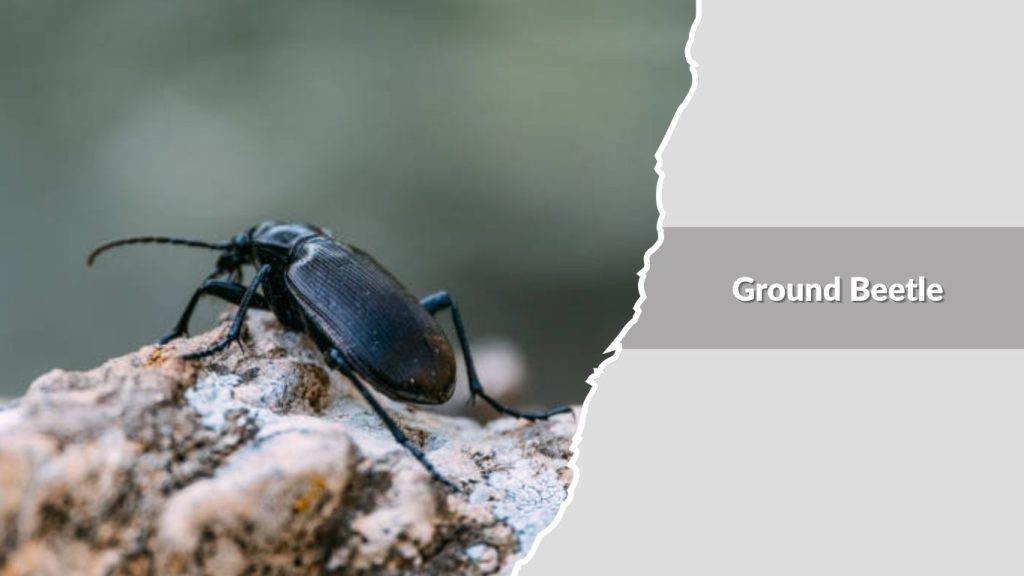
Ground beetles are often mistaken for cockroaches because of their dark coloration, fast movement, and flattened body shape. However, they are completely different insects and are actually beneficial in many environments. These beetles belong to the family Carabidae and are commonly found in gardens, forests, and agricultural areas. Unlike roaches, they do not infest homes or spread disease. Instead, they play an important role in controlling pest populations by feeding on harmful insects. Their quick movements and tendency to hide during the day can easily cause confusion, especially when they are spotted indoors by accident.
Identification
- Elongated, slightly flattened body that resembles a roach at first glance
- Typically black or dark brown, though some species have metallic green or blue sheen
- Long, slender legs designed for fast running
- Well-developed mandibles (strong jaws) visible from the front
- Hardened wing covers (elytra) with fine grooves or ridges
- Antennae are thread-like and moderately long
- Do not have the soft, flexible body structure seen in cockroaches
- Head is more visible and distinct compared to a roach
Habitat
Ground beetles are primarily outdoor insects and prefer environments that provide moisture and shelter. They are commonly found in gardens, under stones, logs, leaf litter, mulch, and soil. These beetles thrive in areas where they can easily hide during daylight hours and emerge at night to hunt. Agricultural fields and wooded areas are also common habitats. Occasionally, they may wander indoors, especially during heavy rains or when searching for prey, but they do not establish infestations inside homes. Their presence indoors is usually temporary and accidental.
Behaviors
Ground beetles are nocturnal and highly active hunters. They spend most of the daytime hiding in dark, damp places to avoid predators and dehydration. At night, they emerge to search for food, moving quickly across the ground. Unlike cockroaches, they are solitary and do not gather in groups. They rely on speed and strong jaws to capture prey. When disturbed, they may run rapidly or release a mild defensive chemical, though it is harmless to humans. Their behavior is focused on hunting rather than scavenging.
Diet
These beetles are predatory and feed on a wide range of small insects and invertebrates. Their diet includes caterpillars, larvae, worms, slugs, and other garden pests. Some species may also consume seeds or plant material, but most are carnivorous. Because of their feeding habits, ground beetles are considered beneficial insects, especially in agriculture and gardening. They help naturally control pest populations without the need for chemical pesticides, making them valuable allies in maintaining healthy ecosystems.
Lifecycle
Ground beetles undergo complete metamorphosis, which includes four stages: egg, larva, pupa, and adult. Females lay eggs in the soil, where they remain protected until they hatch. The larvae are elongated and active predators, similar in behavior to adults. After a period of growth, the larvae enter the pupal stage in the soil, where they transform into adults. The entire lifecycle can vary depending on species and environmental conditions, but many complete it within a year. Adults may live several months to over a year, continuing their role as effective predators.
2. Darkling Beetle
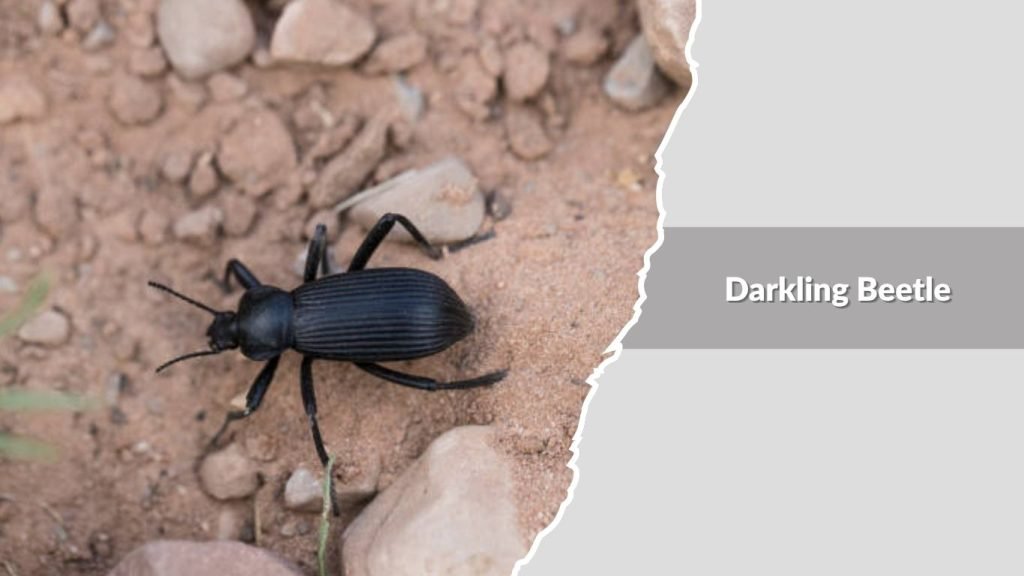
Darkling beetles are another group of insects that are often confused with cockroaches due to their dark color and similar body shape. Belonging to the family Tenebrionidae, these beetles are commonly found in dry environments and are known for their tough, hard bodies. While they may resemble roaches at a glance, they are harmless to humans and do not pose the same health risks. In fact, some species are even used in animal feed and scientific research. Their slow movement and preference for dry habitats help distinguish them from typical cockroaches.
Identification
- Oval to elongated body shape, somewhat similar to a roach
- Usually black, dark brown, or dull-colored
- Hard, smooth exoskeleton with a matte or slightly shiny finish
- Shorter legs compared to ground beetles, giving a slower appearance
- Antennae are bead-like or slightly clubbed
- Wing covers are fused in many species, so they cannot fly
- Head is visible but less prominent than in some other beetles
- Movement is slower and more deliberate than cockroaches
Habitat
Darkling beetles prefer dry environments and are commonly found in deserts, grasslands, barns, and stored grain areas. They often live under rocks, in soil, or within decaying organic material. Some species are associated with human environments, especially in places where grains or flour are stored. Unlike cockroaches, they are not typically found in kitchens or bathrooms seeking moisture. Instead, they thrive in warm, dry conditions where food sources like plant material or stored products are available.
Behaviors
These beetles are mostly nocturnal but can also be active during the day in shaded areas. They move slowly and are not as quick or skittish as cockroaches. When threatened, some species raise their abdomen or release a mild odor as a defense mechanism. Darkling beetles are generally not aggressive and prefer to avoid confrontation. They do not scatter quickly like roaches when exposed to light, which is a key behavioral difference.
Diet
Darkling beetles are primarily scavengers. They feed on decaying plant material, seeds, grains, and organic debris. Some species are known to infest stored food products like flour and cereals, but they are not harmful in the same way as cockroaches. Their diet can also include fungi and decomposing matter, making them important in nutrient recycling within ecosystems.
Lifecycle
Darkling beetles undergo complete metamorphosis with four stages: egg, larva, pupa, and adult. The larvae are commonly known as mealworms and are widely used as food for pets and livestock. Eggs are laid in soil or food sources, and larvae grow by feeding and molting several times. After pupation, they emerge as adult beetles. The lifecycle duration varies by species but can range from a few months to over a year depending on environmental conditions.
3. Click Beetle
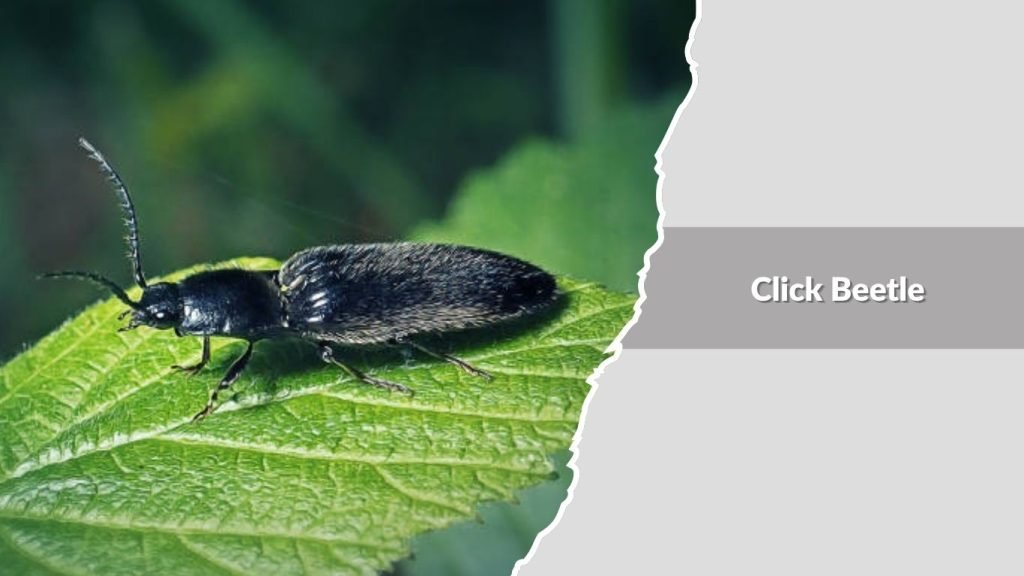
Click beetles are frequently mistaken for cockroaches because of their elongated, dark-colored bodies and similar size. However, they belong to the family Elateridae and are completely harmless to humans. Their name comes from a unique clicking mechanism that allows them to flip into the air when they are on their backs. This unusual behavior clearly sets them apart from cockroaches. While their appearance may cause confusion at first glance, a closer look reveals several distinct differences.
Identification
- Long, narrow, and slightly flattened body
- Usually brown, black, or dark gray in color
- Smooth, hard exoskeleton with a somewhat glossy appearance
- Head partially tucked under the pronotum (shield-like structure)
- Distinct “hinge” mechanism on the underside used for clicking
- Antennae are short to medium length, often serrated
- Legs are relatively short compared to body length
- Can produce an audible “click” sound when disturbed
Habitat
Click beetles are commonly found outdoors in grassy areas, gardens, forests, and agricultural fields. They prefer environments where they can find soil or plant material for shelter and reproduction. Larvae, known as wireworms, live in the soil and are often found in crop fields. Adults may occasionally enter homes, especially at night when attracted to lights, but they do not infest indoor spaces like cockroaches.
Behaviors
Click beetles are mostly nocturnal and are often attracted to artificial lights. Their most distinctive behavior is their ability to “click” and jump into the air when flipped onto their backs. This action helps them escape predators. Unlike cockroaches, they do not scatter rapidly when exposed to light and are generally less active indoors. They are not social insects and are usually found alone.
Diet
Adult click beetles typically feed on nectar, plant material, or may not feed much at all depending on the species. The larvae (wireworms), however, feed on plant roots and can sometimes be agricultural pests. Despite this, adult beetles themselves are not harmful to humans or household environments.
Lifecycle
Click beetles undergo complete metamorphosis: egg, larva, pupa, and adult. Eggs are laid in soil, where larvae develop over a long period, sometimes several years. The larval stage (wireworm) is the longest and most active phase. After pupation in the soil, adults emerge and live for a shorter period, focusing on reproduction.
4. June Beetle
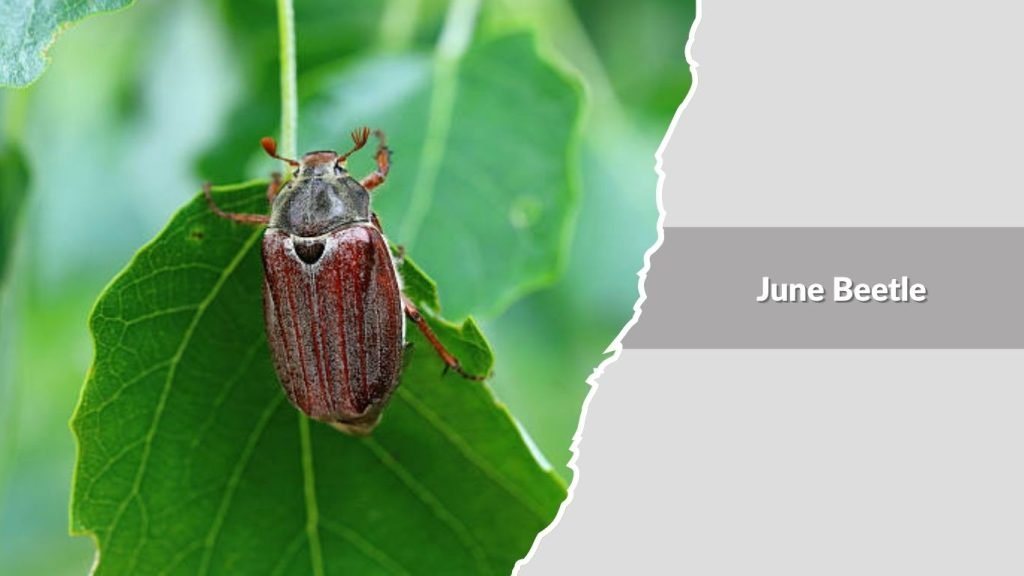
June beetles, also known as May beetles, are commonly mistaken for cockroaches because of their brown color, oval shape, and similar size. They belong to the scarab family (Scarabaeidae) and are especially noticeable during late spring and early summer. Unlike cockroaches, June beetles are harmless and are often attracted to lights at night. Their clumsy flying and tendency to bump into objects also make them stand out from roaches upon closer observation.
Identification
- Oval, robust body that may resemble a large roach
- Reddish-brown to dark brown coloration
- Hard, shiny exoskeleton
- Short, fan-like antennae (clubbed ends)
- Strong legs adapted for digging
- Wing covers protect functional wings used for flight
- Body appears thicker and more rounded than a cockroach
- Moves slower on the ground compared to roaches
Habitat
June beetles are commonly found in lawns, gardens, forests, and agricultural areas. They prefer environments with loose soil where they can lay eggs. The larvae (grubs) live underground and feed on grass roots. Adults are often seen flying around outdoor lights at night or resting on plants during the day. Occasionally, they may enter homes accidentally due to light attraction, but they do not infest indoor spaces.
Behaviors
These beetles are mostly active at night and are strongly attracted to light sources. Their flight is noisy and somewhat clumsy, often resulting in them colliding with walls, windows, or people. During the day, they tend to stay hidden in soil or vegetation. Unlike cockroaches, they do not run quickly or hide immediately when exposed to light, and they are not considered pests inside homes.
Diet
Adult June beetles feed on leaves, flowers, and sometimes fruits, which can cause minor damage to plants. The larvae, known as white grubs, feed on the roots of grasses and crops, which can be harmful to lawns and agricultural fields. Despite this, adult beetles themselves are not dangerous to humans.
Lifecycle
June beetles undergo complete metamorphosis: egg, larva, pupa, and adult. Eggs are laid in the soil, where larvae hatch and develop as grubs over several months to years, depending on the species. After feeding and growing underground, they pupate in the soil and emerge as adults. The adult stage is relatively short, primarily focused on reproduction.
5. Scarab Beetle
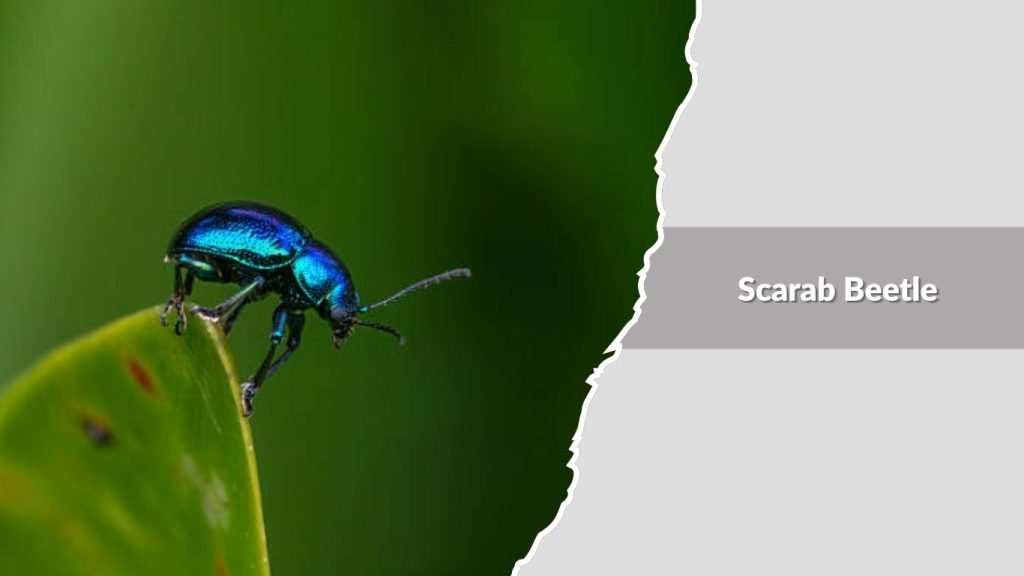
Scarab beetles are often confused with cockroaches due to their oval shape and dark coloration, but they are a diverse group of beetles in the family Scarabaeidae. Many species are actually beneficial and play important roles in ecosystems, such as decomposing organic matter. While some may look similar to roaches at a glance, their body structure, behavior, and ecological role are quite different.
Identification
- Oval, stout body that may resemble a roach from above
- Colors range from black and brown to metallic green or bronze
- Hard, shiny exoskeleton
- Distinct fan-shaped (lamellate) antennae
- Short, strong legs often adapted for digging
- Head is slightly tucked under the thorax
- Wing covers (elytra) are smooth or lightly grooved
- Body appears thicker and more compact than a cockroach
Habitat
Scarab beetles are found in a wide variety of habitats, including forests, grasslands, gardens, and agricultural areas. Many species live in soil, dung, or decaying organic matter. Some are attracted to light at night and may occasionally enter homes by accident. They generally prefer environments where food sources like plant material or decomposing matter are abundant.
Behaviors
Behavior varies widely among scarab beetles, but many are active at night and are attracted to lights. Some species, like dung beetles, are known for rolling balls of dung for food or reproduction. Others may burrow into soil or feed on plants. Unlike cockroaches, they are not fast runners indoors and do not hide quickly when exposed to light. They are generally slow-moving and non-aggressive.
Diet
Scarab beetles have diverse diets depending on the species. Some feed on dung, decaying organic matter, or fungi, while others consume leaves, flowers, or roots. This diversity makes them important in nutrient recycling and soil health. Although some species can be agricultural pests, many are beneficial to the environment.
Lifecycle
Scarab beetles undergo complete metamorphosis: egg, larva, pupa, and adult. Eggs are usually laid in soil, dung, or organic material. The larvae, often called grubs, feed on organic matter or roots. After growing, they pupate in the soil and eventually emerge as adults. The lifecycle length varies by species, ranging from a few months to several years.
6. Drugstore Beetle
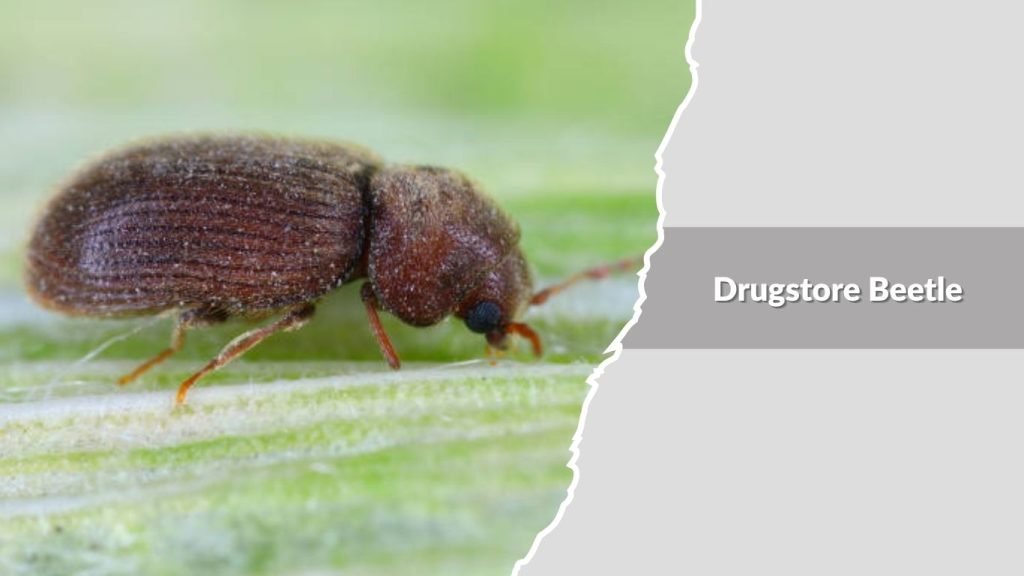
Drugstore beetles are small insects that can sometimes be mistaken for cockroaches due to their brown color and oval body shape. However, they are much smaller and belong to the family Ptinidae. These beetles are commonly associated with stored food products and dried goods. While their appearance may cause confusion at a quick glance, their size and behavior clearly distinguish them from roaches.
Identification
- Small, oval-shaped body (about 2–3 mm long)
- Light brown to reddish-brown color
- Humpbacked appearance when viewed from the side
- Head is hidden under a hood-like thorax
- Fine grooves (lines) on the wing covers
- Antennae are serrated (saw-like)
- Legs are short and not built for fast running
- Much smaller and more compact than a cockroach
Habitat
Drugstore beetles are commonly found in stored food products, pantries, warehouses, and kitchens. They infest dry goods such as flour, spices, cereals, and even non-food items like books or dried plants. Unlike cockroaches, they do not seek out moisture-rich environments like bathrooms. Instead, they thrive in dry, stored materials where they can easily find food and shelter.
Behaviors
These beetles are active flyers and are often attracted to light, especially at night. They can move between food sources quickly by flying rather than running. Drugstore beetles are not as fast or evasive as cockroaches and do not scatter when exposed to light. They are more likely to remain within infested materials rather than roaming openly.
Diet
Drugstore beetles have a very broad diet. They feed on a wide range of dried organic materials, including flour, grains, spices, herbs, pet food, and even pharmaceuticals (which is how they got their name). They can also chew through packaging to reach food sources, making them common pantry pests.
Lifecycle
Drugstore beetles undergo complete metamorphosis: egg, larva, pupa, and adult. Females lay eggs directly in food sources, ensuring larvae have immediate access to food after hatching. Larvae feed and grow within the material before pupating. The entire lifecycle can be completed in a few weeks to a few months, depending on temperature and humidity.
7. Cigarette Beetle
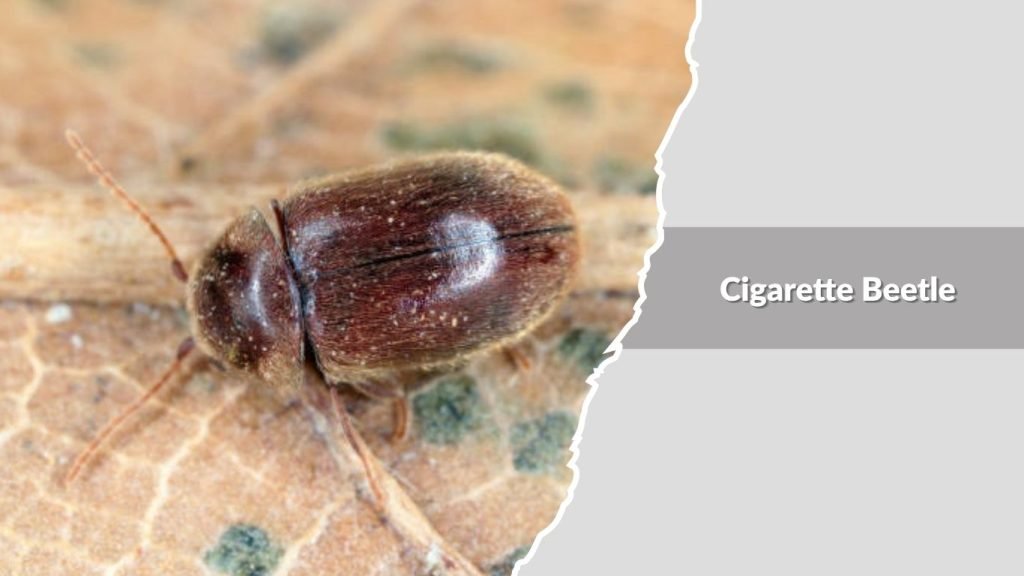
Cigarette beetles are small, brown insects that can sometimes be mistaken for tiny cockroaches due to their color and body shape. They belong to the family Ptinidae and are common pests in stored products. Despite the resemblance, they are much smaller and behave very differently from cockroaches. These beetles are known for infesting dried goods, especially tobacco, which is how they got their name.
Identification
- Small, oval-shaped body (about 2–3 mm long)
- Light brown to yellowish-brown color
- Smooth, humpbacked appearance
- Head is hidden under a hood-like thorax
- Wing covers are smooth (no visible grooves, unlike drugstore beetles)
- Antennae are serrated (saw-like)
- Legs are short and not suited for rapid running
- Overall more rounded and smaller than a cockroach
Habitat
Cigarette beetles are commonly found in stored products such as tobacco, dried herbs, spices, grains, and packaged foods. They thrive in warm, dry environments like pantries, warehouses, and storage areas. Unlike cockroaches, they are not typically found in damp places like bathrooms or drains. They tend to stay close to their food sources and rarely roam far unless searching for new materials to infest.
Behaviors
These beetles are active flyers and are often attracted to light sources, especially at night. They can spread quickly by flying from one infested item to another. Unlike cockroaches, they do not run quickly or hide immediately when exposed to light. They are generally slow-moving and remain within food materials. Their presence is usually noticed when they emerge from infested products.
Diet
Cigarette beetles feed on a wide range of dried organic materials. Their preferred food is tobacco, but they also consume spices, herbs, grains, flour, pet food, and even dried flowers. They can chew through packaging to access food, making them persistent pests in storage areas.
Lifecycle
Cigarette beetles undergo complete metamorphosis: egg, larva, pupa, and adult. Eggs are laid directly on or near food sources. Larvae feed extensively and grow within the material before pupating. The lifecycle is relatively short and can be completed in a few weeks under favorable conditions, allowing populations to grow rapidly.
8. Longhorn Beetle
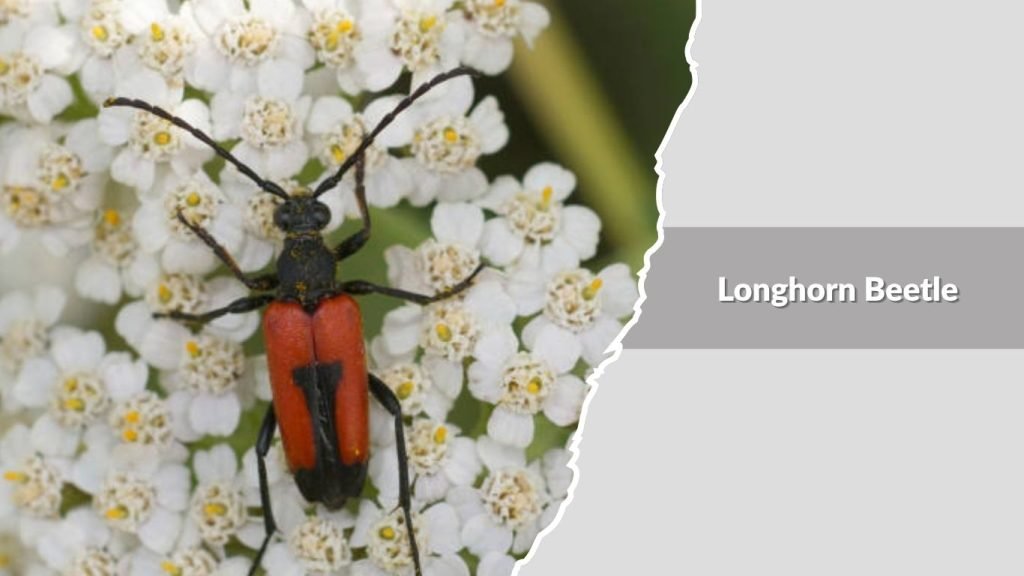
Longhorn beetles are sometimes mistaken for cockroaches due to their elongated bodies and dark coloration. However, they are easily distinguished by their extremely long antennae and association with wood. These beetles belong to the family Cerambycidae and are commonly found around trees, logs, and wooden structures. While their appearance may seem similar at a glance, they are not household pests like cockroaches and play important roles in breaking down dead wood.
Identification
- Elongated, cylindrical body shape
- Usually brown, black, or gray; some species have patterns or spots
- Very long antennae, often longer than the body
- Hard wing covers with a slightly rough or textured surface
- Head is clearly visible and distinct
- Legs are moderately long and adapted for climbing
- Body appears more rigid and structured than a cockroach
- Antennae are the most noticeable feature compared to roaches
Habitat
Longhorn beetles are commonly found in forests, woodlands, gardens, and areas with dead or decaying wood. Larvae live inside tree trunks, logs, or wooden materials, where they tunnel and develop. Adults are often seen on tree bark, flowers, or around wooden structures. Occasionally, they may emerge indoors from infested wood, but they do not infest homes in the same way cockroaches do.
Behaviors
These beetles are generally slow-moving and are active during warm months. Some species are attracted to lights at night, while others are active during the day. They are not fast runners like cockroaches and do not scatter when exposed to light. Their behavior mainly involves searching for mates and suitable places to lay eggs on wood.
Diet
Adult longhorn beetles often feed on nectar, pollen, or tree sap, while some may not feed much at all. The larvae are wood-borers and feed on the internal tissues of trees and wooden materials. This feeding behavior helps decompose dead wood, although some species can damage timber or wooden structures.
Lifecycle
Longhorn beetles undergo complete metamorphosis: egg, larva, pupa, and adult. Eggs are laid on or inside wood. The larval stage is the longest, during which they tunnel and feed within wood for months or even years. After pupation inside the wood, adults emerge by chewing exit holes. The adult stage is shorter and focused on reproduction.
9. Rove Beetle
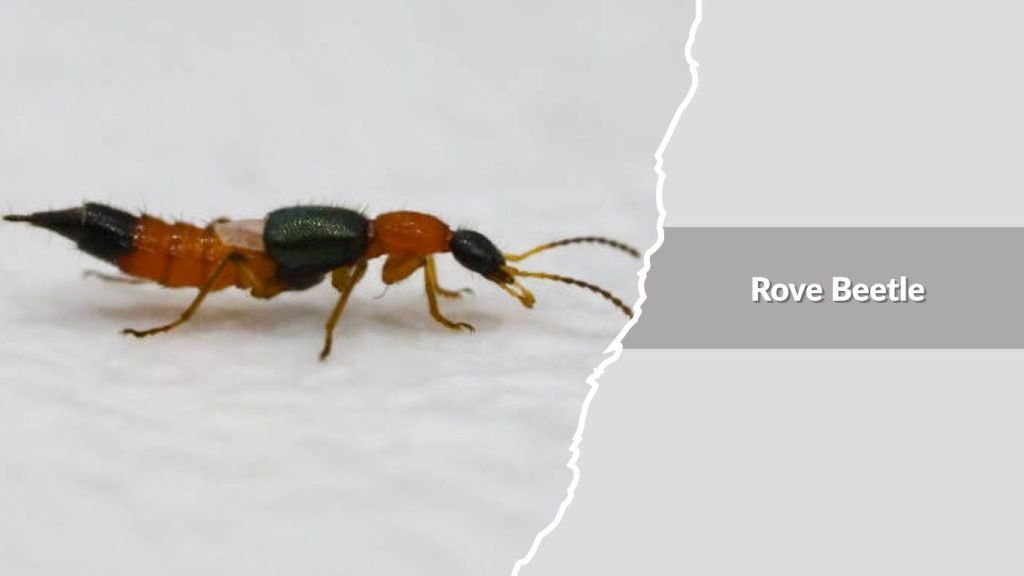
Rove beetles are often mistaken for cockroaches because of their elongated bodies and quick movements. However, they are very different insects belonging to the family Staphylinidae. One of their most distinctive features is their short wing covers, which leave much of their abdomen exposed. While their appearance may seem unusual or even alarming, most rove beetles are harmless and beneficial predators.
Identification
- Slender, elongated body similar in shape to a small roach
- Usually black or dark brown, sometimes with reddish tones
- Very short wing covers, exposing most of the abdomen
- Flexible abdomen that can curve upward like a scorpion
- Long legs adapted for running
- Head is clearly visible and prominent
- Antennae are straight and moderately long
- Smaller and thinner compared to most cockroaches
Habitat
Rove beetles are commonly found in moist environments such as soil, leaf litter, compost, under stones, and decaying organic matter. They thrive in places where they can find prey and shelter. Some species may occasionally enter homes, especially in damp areas, but they do not infest indoor spaces like cockroaches. They are more commonly seen outdoors in gardens and natural habitats.
Behaviors
These beetles are very active and fast-moving, often running quickly when disturbed. They may raise their abdomen in a defensive posture, which can make them look like they are about to sting, though they do not sting. Most species are nocturnal and prefer to stay hidden during the day. Unlike cockroaches, they do not scatter in groups and are usually solitary hunters.
Diet
Rove beetles are primarily predatory and feed on small insects, larvae, mites, and other invertebrates. Some species may also consume decaying organic material. Their role as predators makes them beneficial in controlling pest populations in gardens and natural ecosystems.
Lifecycle
Rove beetles undergo complete metamorphosis: egg, larva, pupa, and adult. Eggs are laid in soil or decaying material. The larvae are active predators, similar to adults in feeding behavior. After a period of growth, they pupate and eventually emerge as adults. The lifecycle duration varies depending on species and environmental conditions.
10. Leaf Beetle
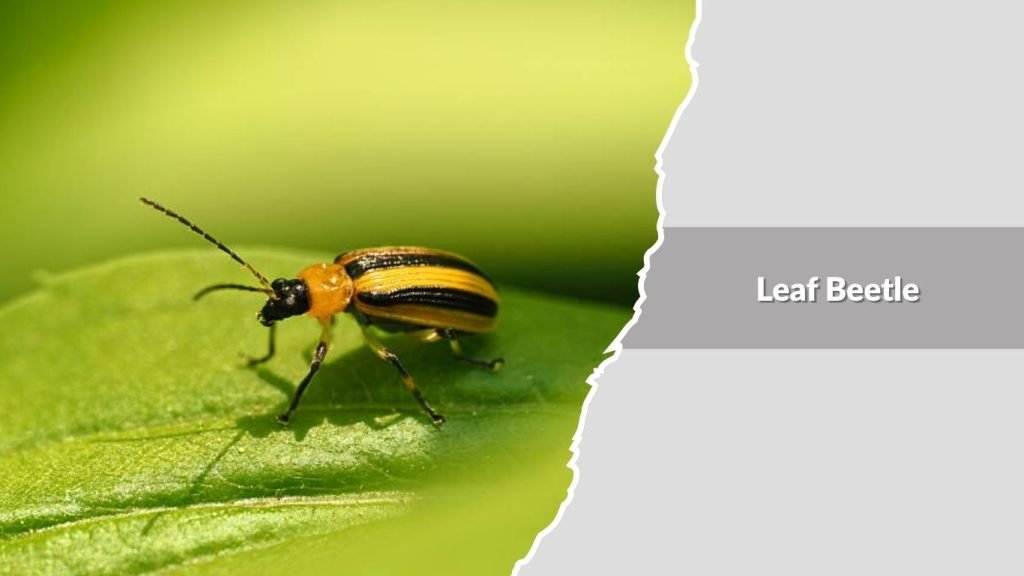
Leaf beetles are sometimes confused with cockroaches because of their oval shape and similar size in some species. They belong to the family Chrysomelidae and are widely known for feeding on plant leaves. Unlike cockroaches, they are usually brightly colored or patterned, although some species are dull brown and resemble roaches more closely. These beetles are commonly found on vegetation and are not associated with indoor infestations.
Identification
- Oval, compact body shape similar to a small roach
- Colors vary widely: green, yellow, red, or brown
- Smooth, often shiny wing covers
- Short to medium-length antennae
- Legs are relatively short and not built for rapid running
- Head is small and partially tucked under the thorax
- Body appears more rounded and less flattened than a cockroach
- Some species have stripes or spots on their backs
Habitat
Leaf beetles are primarily found on plants, including trees, shrubs, crops, and garden vegetation. They prefer environments where leaves are abundant, such as gardens, forests, and agricultural fields. They are rarely found indoors unless they accidentally enter. Their presence is usually tied directly to their host plants, where they live, feed, and reproduce.
Behaviors
These beetles are generally slow-moving and spend most of their time on leaves. Some species may jump or fly when disturbed, but they do not run quickly like cockroaches. Many are active during the day and can be seen feeding openly on plant surfaces. They do not hide immediately when exposed to light and are not nocturnal like most roaches.
Diet
Leaf beetles primarily feed on plant material, especially leaves. Both adults and larvae consume foliage, which can sometimes lead to visible damage on plants. Some species are considered agricultural pests due to their feeding habits, while others have minimal impact on vegetation.
Lifecycle
Leaf beetles undergo complete metamorphosis: egg, larva, pupa, and adult. Eggs are usually laid on the underside of leaves. Larvae hatch and begin feeding immediately on plant tissue. After growing and molting several times, they pupate either on the plant or in the soil. Adults emerge and continue feeding and reproducing.
11. Bess Beetle
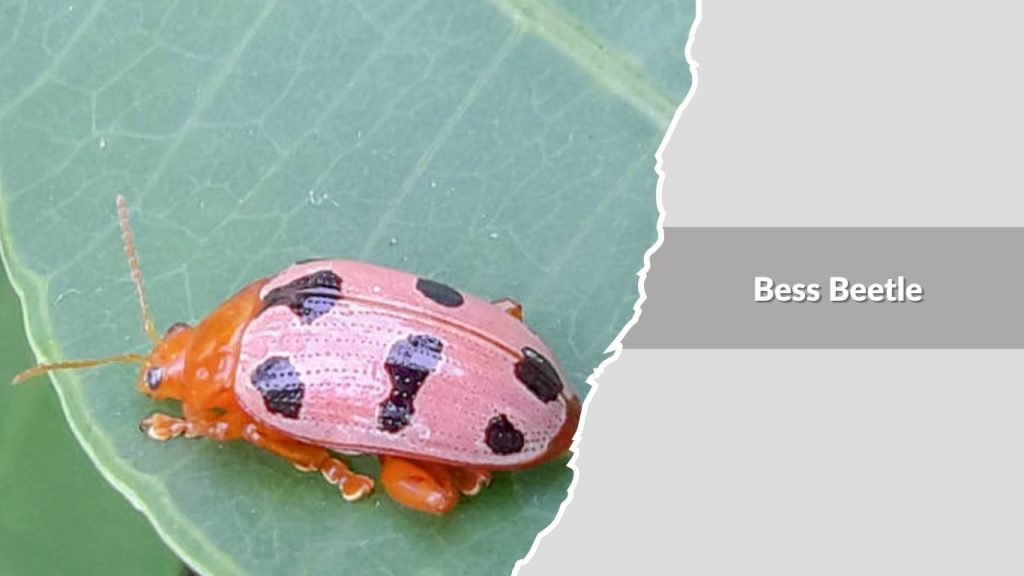
Bess beetles, also known as patent leather beetles, are sometimes mistaken for cockroaches because of their dark, shiny bodies and similar size. However, they are quite different in behavior and ecology. These beetles belong to the family Passalidae and are known for living in decaying wood. They are harmless to humans and even exhibit social behaviors, which is unusual among beetles.
Identification
- Large, elongated body with a slightly flattened shape
- Shiny black, smooth exoskeleton resembling polished leather
- Strong mandibles (jaws) visible at the front
- Short, clubbed antennae
- Distinct groove running down the back (elytra)
- Head is clearly visible and prominent
- Legs are sturdy but not built for fast running
- Body appears more rigid and glossy than a cockroach
Habitat
Bess beetles are commonly found in decaying logs, rotting wood, and forest environments. They prefer moist, decomposing wood where they can burrow and live in groups. Unlike cockroaches, they are not associated with human dwellings or food sources. They rarely enter homes and are almost exclusively found outdoors in wooded areas.
Behaviors
These beetles are known for their unusual social behavior, often living in small family groups inside decaying wood. They communicate by making squeaking sounds, which is rare among beetles. Bess beetles are slow-moving and not easily startled, unlike cockroaches. They spend most of their time inside wood, feeding and caring for their young.
Diet
Bess beetles primarily feed on decaying wood. They chew and break down wood fibers, helping in the decomposition process and nutrient recycling in forest ecosystems. Both adults and larvae consume the same material, often pre-processed by adults to make it easier for larvae to digest.
Lifecycle
Bess beetles undergo complete metamorphosis: egg, larva, pupa, and adult. Eggs are laid within decaying wood. Larvae are cared for by adults, which is uncommon among beetles. The larvae feed on chewed wood provided by the adults. After pupation within the wood, they emerge as adults and continue the cycle.
12. Carpet Beetle
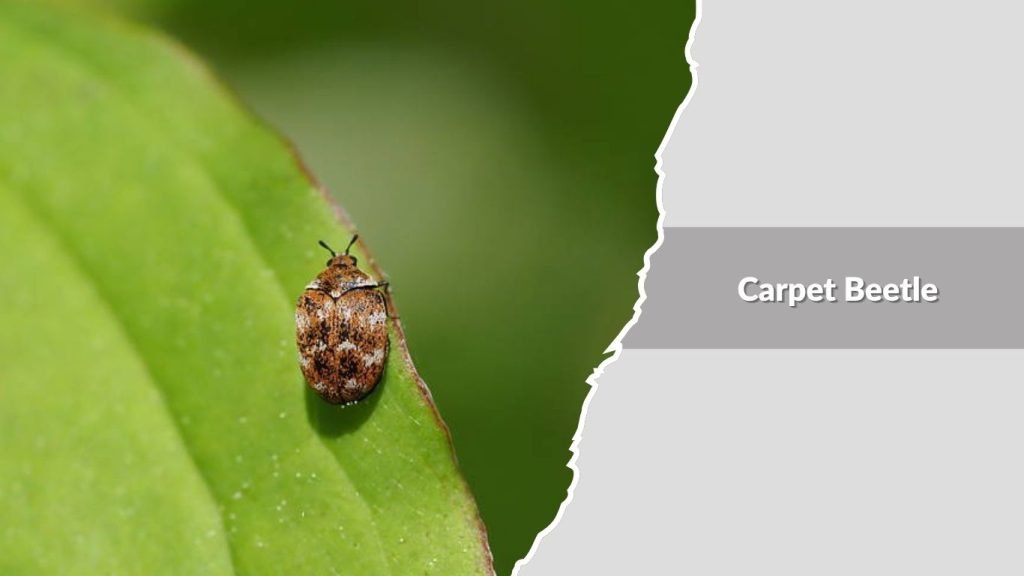
Carpet beetles are small insects that can sometimes be mistaken for tiny cockroaches due to their oval shape and presence indoors. However, they are very different in both appearance and behavior. Belonging to the family Dermestidae, these beetles are common household pests known for damaging fabrics and stored materials. Their small size and varied coloration help distinguish them from roaches upon closer inspection.
Identification
- Small, oval-shaped body (about 2–5 mm long)
- Color varies: black, brown, or patterned with white, yellow, or orange scales
- Rounded and compact body shape
- Short antennae with a slight club at the end
- Wing covers often have a mottled or speckled appearance
- Body is covered with tiny hairs or scales
- Much smaller and rounder than a cockroach
- Slow-moving compared to roaches
Habitat
Carpet beetles are commonly found indoors in homes, especially in areas with natural fibers. They inhabit carpets, clothing, upholstery, and stored fabrics. They may also be found near windows, as adults are attracted to light. Outdoors, they live in bird nests, flowers, and animal remains. Unlike cockroaches, they are not drawn to food scraps or moisture but to materials they can feed on.
Behaviors
Adult carpet beetles are often seen near windows or light sources, as they are attracted to light. They are slow-moving and do not scatter quickly like cockroaches. The larvae, however, tend to hide in dark, undisturbed areas where they feed. These beetles are not social and are usually found alone or in small numbers.
Diet
Larvae are the primary damaging stage and feed on natural fibers such as wool, silk, leather, and fur. They can also consume lint, pet hair, and dead insects. Adults feed on pollen and nectar and are often found on flowers. Their feeding habits make them common pests in homes with stored fabrics.
Lifecycle
Carpet beetles undergo complete metamorphosis: egg, larva, pupa, and adult. Eggs are laid on suitable food sources like fabrics. Larvae hatch and feed for an extended period, causing most of the damage. After pupation, adults emerge and live for a shorter time, focusing on reproduction. The lifecycle duration depends on environmental conditions but can take several months.
FAQs
Are beetles that look like roaches dangerous?
Most beetles that resemble cockroaches are harmless to humans. Unlike roaches, they typically do not spread diseases or infest homes aggressively. Many are actually beneficial insects that help control pests or break down organic matter in the environment.
How can I tell the difference between a beetle and a cockroach?
Beetles usually have hard wing covers (elytra), more visible heads, and different antenna shapes. Cockroaches have flatter, softer bodies and move faster. Beetles are often slower and may have distinct features like ridges, colors, or long antennae.
Do these beetles infest homes like cockroaches?
Most of these beetles do not infest homes in the same way cockroaches do. Some, like carpet or drugstore beetles, may live indoors, but they target specific materials rather than spreading throughout the house like roaches.
Why do some beetles enter houses?
Beetles may enter homes accidentally while searching for food, shelter, or light. Many species are attracted to artificial lights at night. Others may come inside during extreme weather but usually do not stay or reproduce indoors.
Are these beetles beneficial to the environment?
Yes, many of these beetles are beneficial. Some are predators that control pest insects, while others help decompose organic material like wood or plant matter. They play important roles in maintaining ecological balance and soil health.