
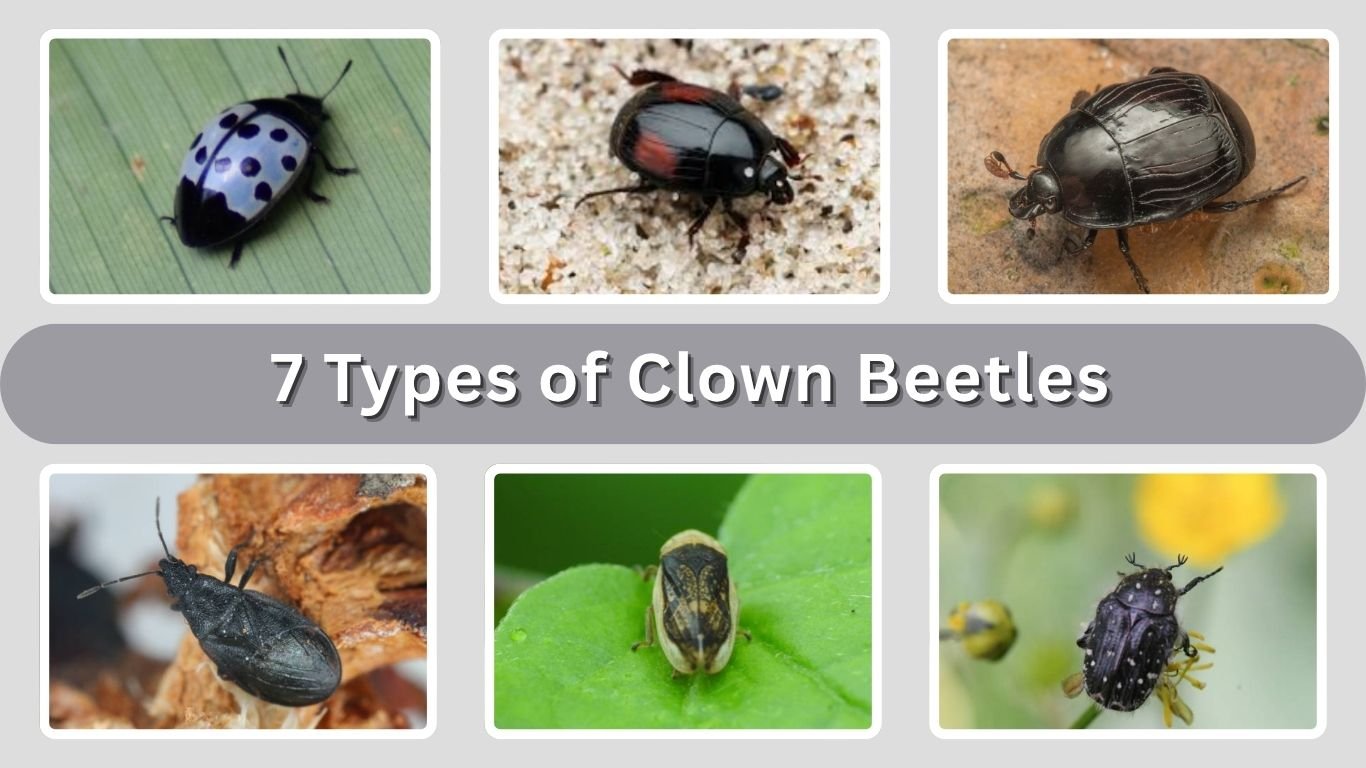
Clown beetles are small, shiny insects belonging to the family Histeridae, commonly found in decomposing organic matter, dung, carrion, and even under tree bark. Known for their compact bodies and quick movements, they play a vital role as both scavengers and predators. This guide introduces seven different types of clown beetles, helping with easy identification through their distinct features, habitats, and behaviors.
1. Hister unicolor
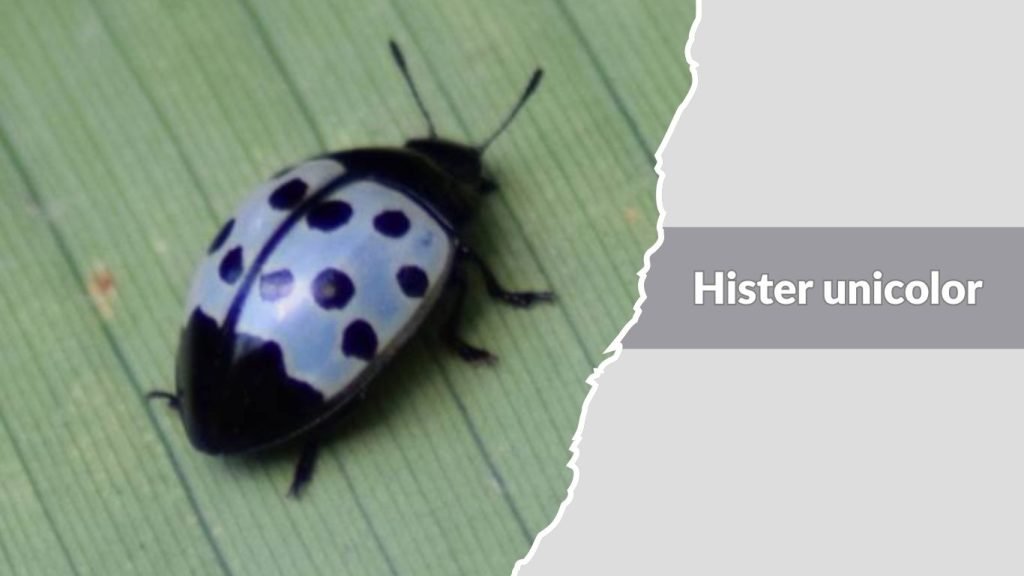
A small, shiny black clown beetle commonly found in decaying organic matter such as dung, carrion, and compost. It is known for its compact body and quick movements, playing an important role in decomposition and nutrient recycling.
Characteristics
- Small, oval-shaped and highly convex body
- Glossy black coloration with a smooth surface
- Short antennae with clubbed ends
- Strong legs adapted for digging and rapid movement
- Elytra (wing covers) shortened, exposing the last abdominal segments
Habitat and Distribution
Hister unicolor is widely distributed across Europe, Asia, and parts of North America. It is typically found in habitats rich in decaying organic material, including animal dung, carrion, compost piles, and leaf litter. These environments provide both food and shelter, making them ideal for survival.
Behavior and Diet
This beetle is both a scavenger and predator. It feeds on decaying organic matter as well as small insects and larvae found in dung or carrion. It is highly active and moves quickly when disturbed, often feigning death as a defense mechanism.
Life Cycle
Females lay eggs in nutrient-rich environments like dung or decomposing matter. The larvae develop by feeding on organic material and small invertebrates. After completing their growth stages, they pupate in the soil before emerging as adults to continue the cycle.
2. Hister quadrimaculatus
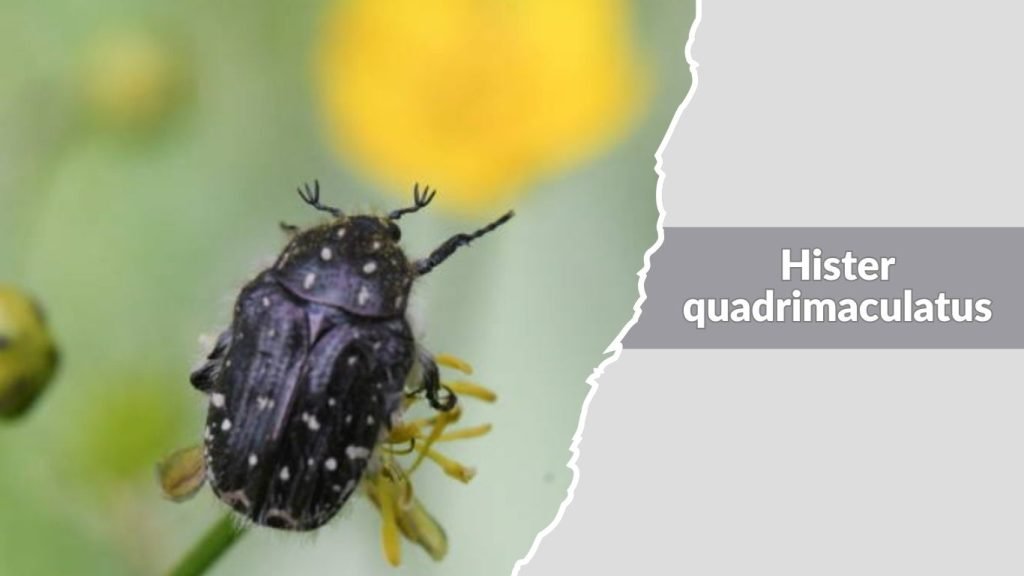
A distinctive clown beetle known for its shiny black body marked with small reddish or orange spots. It is commonly found in decomposing organic materials, where it plays a dual role as both a scavenger and predator, contributing to natural waste breakdown.
Characteristics
- Small, oval, and strongly convex body
- Glossy black coloration with four reddish or orange spots on the wing covers
- Hardened, shortened elytra exposing the last abdominal segments
- Clubbed antennae adapted for sensing food sources
- Strong legs built for digging and rapid movement
Habitat and Distribution
Hister quadrimaculatus is widely distributed across Europe, Asia, and parts of North America. It thrives in environments rich in decomposing organic material, such as animal dung, carrion, compost heaps, and decaying plant matter. These beetles are often found beneath the surface of such materials, where moisture and food availability are high. They are well adapted to concealed living, often hiding under debris or burrowing into soft substrates to avoid predators and environmental stress.
Behavior and Diet
This species is both scavenger and predator. While it consumes decaying organic matter, it also actively hunts small invertebrates, including fly larvae and other insects found in dung or carrion. This makes it beneficial in controlling pest populations. It is highly active and capable of quick, sudden movements. When threatened, it may retract its legs and antennae and remain motionless, mimicking death as a defensive strategy. It is mostly active in low-light conditions, especially during dusk and night.
Life Cycle
The life cycle begins when females lay eggs in nutrient-rich environments such as dung or decomposing organic matter. The larvae are predatory and feed on small insects and organic material, growing through several developmental stages. After completing larval development, they pupate in the surrounding soil or substrate. Once metamorphosis is complete, adult beetles emerge and return to similar habitats to feed, reproduce, and continue the cycle.
3. Saprinus semistriatus
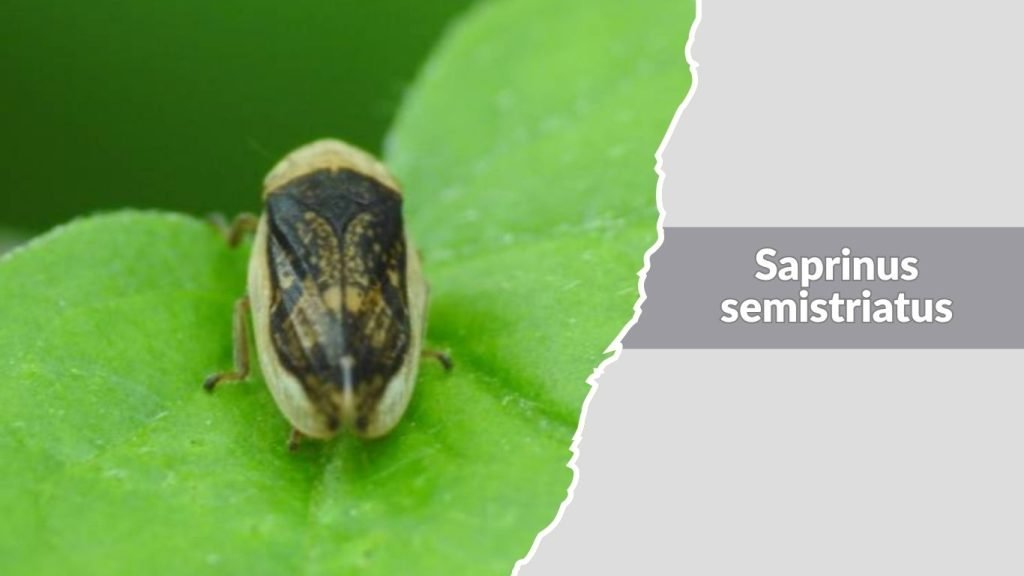
A small but active clown beetle recognized for its metallic sheen and fine striped patterns on the wing covers. It is commonly associated with carrion and dung, where it plays an important role in decomposition and controlling other insect populations.
Characteristics
- Small, compact, and oval-shaped body
- Dark coloration with a metallic green or bronze sheen
- Fine longitudinal striations visible on the elytra
- Clubbed antennae used for detecting food sources
- Strong legs adapted for digging and rapid movement
Habitat and Distribution
Saprinus semistriatus is widely distributed across Europe, Asia, Africa, and parts of North America. It is most commonly found in habitats rich in decaying organic matter, including carrion, dung, and compost. This beetle prefers warm environments and is often seen in open areas where decomposition is actively occurring. It tends to hide beneath organic material or within soil during unfavorable conditions, making it well adapted to both exposed and concealed habitats.
Behavior and Diet
This species is both a scavenger and an efficient predator. While it feeds on decomposing organic material, it is particularly known for preying on fly larvae and other small insects found in carrion or dung. This behavior makes it beneficial in limiting pest populations. It is highly active, especially in warm temperatures, and moves quickly when disturbed. Like many clown beetles, it may feign death by retracting its legs and remaining still to avoid predators.
Life Cycle
Females lay eggs directly in nutrient-rich environments such as carrion or dung. The larvae are predatory and feed on small invertebrates as well as organic matter. They pass through several growth stages before pupating in nearby soil or within the substrate. After metamorphosis, adult beetles emerge and return to similar habitats to feed and reproduce, continuing their ecological role.
4. Saprinus planiusculus
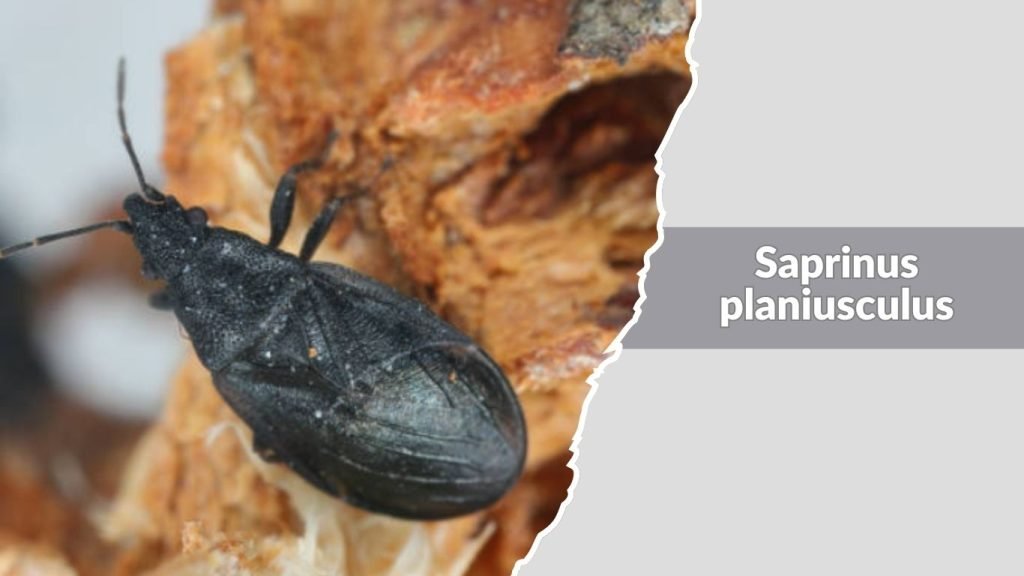
A small, fast-moving clown beetle known for its flattened body and subtle metallic sheen. It is frequently found in decomposing organic matter, where it contributes to nutrient recycling and helps control populations of other insects.
Characteristics
- Small, slightly flattened oval body
- Dark coloration with a faint metallic green or bronze shine
- Elytra with fine grooves or striations
- Clubbed antennae specialized for detecting odors
- Strong legs enabling quick movement and digging
Habitat and Distribution
Saprinus planiusculus is widely distributed across Europe, Asia, and parts of Africa. It thrives in habitats rich in decaying organic material, such as carrion, dung, compost, and decaying vegetation. This species is often found in open environments, including grasslands and agricultural areas, where organic matter accumulates. It tends to remain hidden beneath debris or burrow into soft substrates to avoid predators and extreme environmental conditions.
Behavior and Diet
This beetle is both a scavenger and a predator. It feeds on decomposing organic matter while also actively hunting small insects, especially fly larvae. This dual feeding habit makes it ecologically important in reducing pest populations. It is highly active and responds quickly to disturbances. Like other clown beetles, it may exhibit thanatosis, or feign death, by retracting its legs and remaining motionless when threatened. It is most active during warm conditions and may be seen moving rapidly across the surface of carrion or dung.
Life Cycle
Females lay eggs in nutrient-rich environments such as dung or decomposing material. The larvae are predatory and feed on small invertebrates as well as organic matter. After passing through several developmental stages, they pupate in nearby soil or within the substrate. Once metamorphosis is complete, adults emerge and return to similar habitats, continuing their role in decomposition and ecological balance.
5. Margarinotus brunneus

A medium-sized clown beetle known for its dark, glossy appearance and strong association with decaying organic materials. It is commonly found in dung and carrion, where it plays a key role in decomposition and controlling insect larvae populations.
Characteristics
- Medium-sized beetle with a compact, oval body
- Dark brown to nearly black coloration with a glossy finish
- Smooth elytra with subtle punctures or markings
- Clubbed antennae adapted for detecting odors
- Strong legs designed for digging and quick movement
Habitat and Distribution
Margarinotus brunneus is widely distributed across Europe, Asia, and parts of North America. It is typically found in environments rich in decomposing organic matter, such as animal dung, carrion, compost heaps, and decaying vegetation. This species prefers moist, nutrient-rich conditions and is often located beneath the surface of organic material or in the surrounding soil. It can also be found in agricultural areas where livestock waste is present.
Behavior and Diet
This beetle is both a scavenger and a predator. It feeds on decomposing organic material while also actively preying on fly larvae and other small insects found in dung or carrion. This makes it beneficial in reducing pest populations. It is highly active and capable of rapid movement when disturbed. As a defense mechanism, it may retract its legs and remain still, mimicking death to avoid predators. It is most active in warm conditions and often operates during low-light periods.
Life Cycle
Females lay eggs in nutrient-rich substrates such as dung or decomposing organic matter. The larvae are predatory and feed on small invertebrates, growing through several developmental stages. After completing larval development, they pupate in nearby soil or within the organic material. Once metamorphosis is complete, adult beetles emerge and return to similar habitats to feed, reproduce, and continue their ecological role.
6. Margarinotus purpurascens
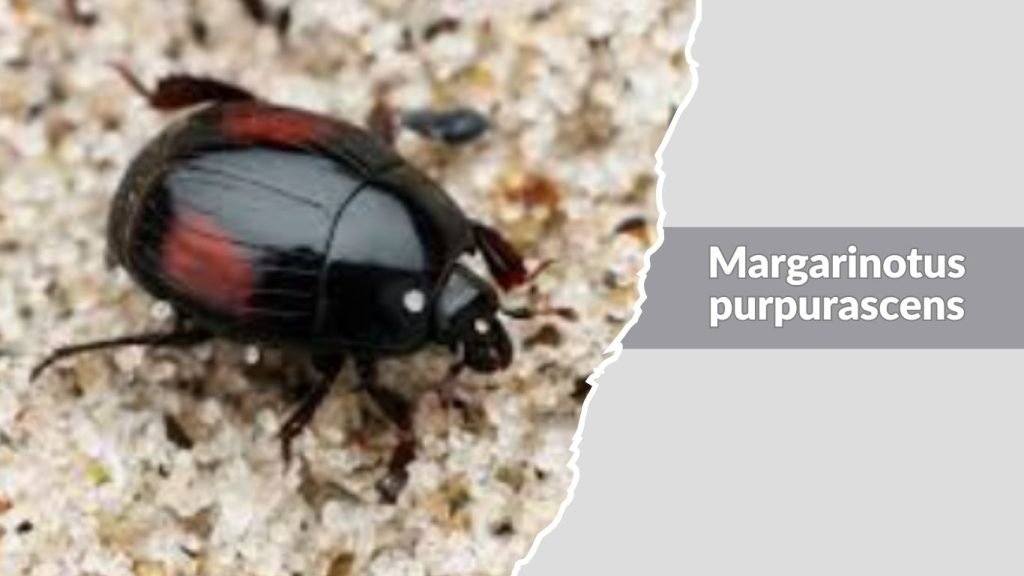
A striking clown beetle known for its dark body with a subtle purplish sheen. It is commonly associated with decomposing organic matter and plays an important ecological role in nutrient recycling and controlling insect populations.
Characteristics
- Medium-sized beetle with a compact, oval shape
- Dark coloration with a faint purplish or metallic sheen
- Smooth, shiny exoskeleton with fine surface punctures
- Clubbed antennae sensitive to odors from decaying matter
- Strong legs adapted for digging and quick movement
Habitat and Distribution
Margarinotus purpurascens is found across Europe, Asia, and parts of North America. It prefers habitats rich in decomposing organic material such as carrion, dung, compost, and decaying vegetation. This species is often located beneath organic matter or slightly buried in soil, where moisture and food are readily available. It is also commonly found in grasslands and agricultural environments.
Behavior and Diet
This beetle is both a scavenger and an active predator. It feeds on decomposing organic matter while also preying on fly larvae and other small insects found in its habitat. This dual role makes it beneficial for controlling pest populations. It is highly active and moves quickly when disturbed. Like other clown beetles, it may feign death by retracting its legs and remaining motionless as a defense mechanism.
Life Cycle
Females lay eggs in nutrient-rich environments such as dung or carrion. The larvae are predatory and feed on small invertebrates as well as organic material. They pass through several growth stages before pupating in nearby soil or within the substrate. After metamorphosis, adults emerge and return to similar habitats to continue feeding and reproduction.
7. Platysoma angustatum
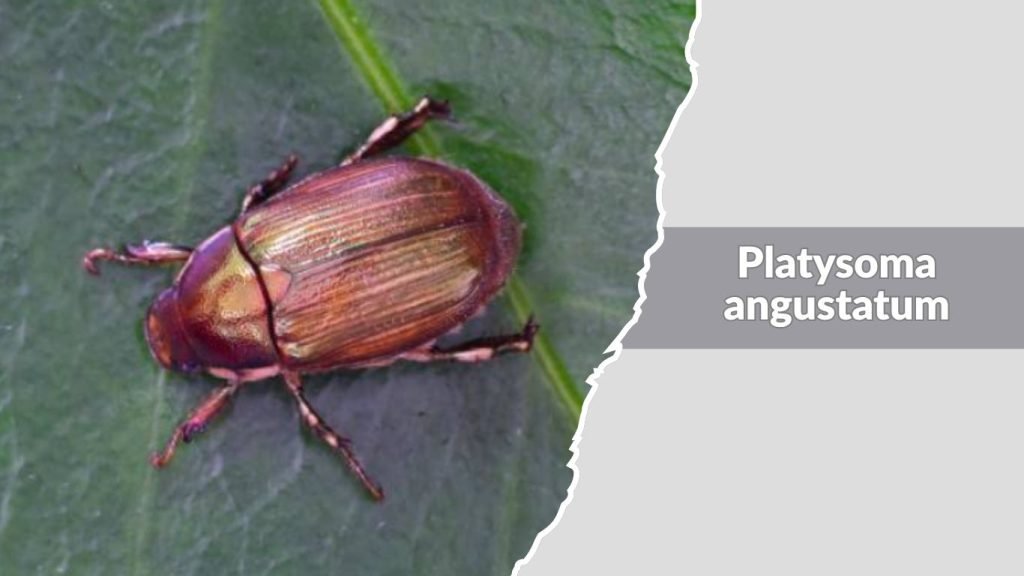
A small, elongated clown beetle recognized for its flattened body and ability to live under bark. Unlike many other clown beetles, it is more commonly associated with wooded environments rather than dung or carrion, where it helps control insect populations.
Characteristics
- Small, elongated, and flattened body shape
- Dark brown to black coloration with a slightly glossy surface
- Elytra covering most of the abdomen with fine grooves
- Clubbed antennae adapted for detecting prey and odors
- Strong, compact legs suited for moving in tight spaces under bark
Habitat and Distribution
Platysoma angustatum is widely distributed across Europe, Asia, and parts of North America. It is typically found in forested habitats, especially under loose tree bark, within decaying wood, or in rotting logs. This species prefers environments where wood-boring insects are present, as these areas provide both food and shelter. It is well adapted to living in narrow spaces, allowing it to hide effectively from predators.
Behavior and Diet
This beetle is primarily predatory rather than a scavenger. It feeds on small insects, larvae, and other invertebrates found under bark or within decaying wood. It plays an important role in controlling populations of wood-boring pests. The beetle is quick-moving and tends to remain hidden, emerging when hunting or disturbed. Like other clown beetles, it may exhibit thanatosis, remaining motionless when threatened.
Life Cycle
Females lay eggs in crevices under bark or within decaying wood. The larvae develop in these protected environments, feeding on small invertebrates. After passing through several developmental stages, they pupate within the wood or nearby substrate. Once metamorphosis is complete, adult beetles emerge and continue their life cycle in similar habitats, contributing to the natural regulation of insect populations.
FAQs
What are clown beetles?
Clown beetles are small insects from the family Histeridae, known for their shiny, compact bodies and quick defensive behavior. They are commonly found in decaying organic matter, dung, carrion, and under bark, where they play important ecological roles.
Are clown beetles beneficial?
Yes, clown beetles are highly beneficial. They help decompose organic material and also prey on pest insects like fly larvae. This dual role makes them valuable in maintaining ecological balance and reducing harmful insect populations naturally.
Where do clown beetles live?
Clown beetles are found in a variety of habitats, including dung, carrion, compost, soil, and under tree bark. Some species prefer open environments, while others are adapted to forested areas or hidden spaces like decaying wood.
What do clown beetles eat?
Most clown beetles are both scavengers and predators. They feed on decaying organic matter as well as small insects, especially larvae. This feeding behavior helps control pest populations and supports nutrient recycling in ecosystems.
How do clown beetles defend themselves?
Clown beetles often use a defense strategy called thanatosis, where they retract their legs and remain motionless to mimic death. Their hard, shiny exoskeleton also provides protection against predators and environmental stress.
