
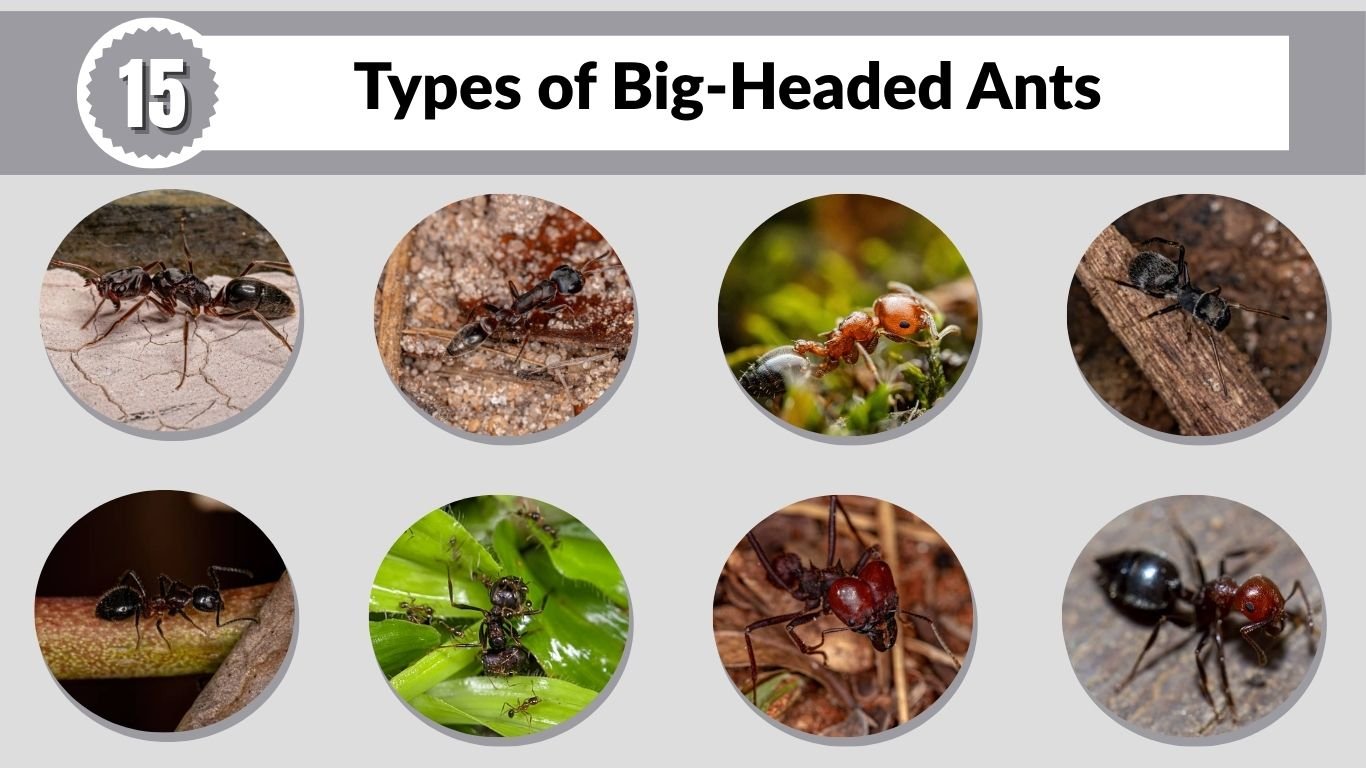
Big-Headed Ants are fascinating social insects known for their oversized soldier ants with unusually large heads and powerful mandibles. Most species belong to the Pheidole group and are commonly found in forests, grasslands, gardens, tropical habitats, and urban environments worldwide. These ants live in organized colonies with specialized workers and soldiers that help gather food, defend the nest, and maintain colony structure. From the invasive African Big-Headed Ant to the adaptable Woodland Big-Headed Ant, each species has unique behaviors, habitats, and ecological roles. Big-Headed Ants also help recycle organic material and regulate insect populations within ecosystems.
1. African Big-Headed Ant
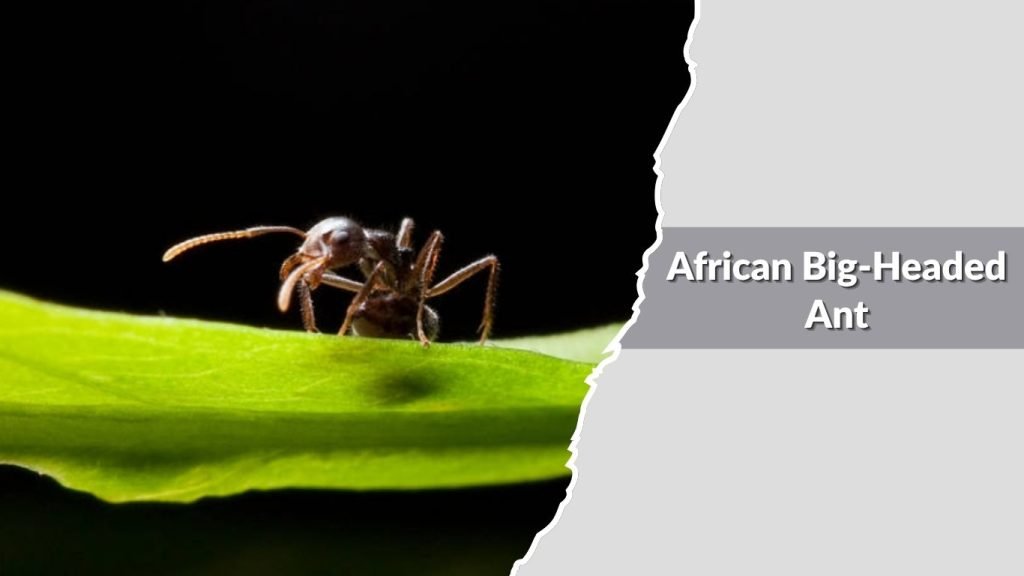
The African Big-Headed Ant is a highly adaptable ant species originally native to Africa and now found in many tropical and subtropical regions worldwide. Known scientifically as Pheidole megacephala, this ant is recognized for its oversized soldier ants with unusually large heads. African Big-Headed Ants are aggressive colony builders that thrive in urban areas, forests, gardens, and agricultural environments while competing with native ant species.
Identification
- Dark brown or reddish-brown body coloration
- Oversized heads on major worker ants
- Small minor workers with slender bodies
- Segmented antennae and strong mandibles
- Smooth and slightly glossy body surface
- Active and aggressive colony behavior
Habitat
African Big-Headed Ants commonly inhabit forests, gardens, parks, agricultural land, urban areas, and tropical environments. Their nests are usually built underground beneath stones, leaf litter, pavement, logs, or loose soil. These ants prefer warm and moist habitats with stable temperatures, nearby vegetation, and easy access to food and nesting locations.
Behavior
African Big-Headed Ants are highly social and aggressive insects living in large colonies with queens, soldiers, workers, and larvae. Worker ants actively forage for food, defend colony territories, and expand nest systems. Major workers with enlarged heads help protect the colony and assist with breaking apart larger food materials.
Diet
African Big-Headed Ants feed on insects, nectar, honeydew, seeds, and organic matter. Worker ants collect sugary liquids from aphids, scavenge dead organisms, and hunt small insects for protein. Their varied feeding habits support rapid colony growth and help colonies survive in both natural and urban environments throughout the year.
Role in the Ecosystem
African Big-Headed Ants help recycle organic material and regulate some insect populations through scavenging and predation. However, in regions where they become invasive, they may compete aggressively with native ant species, disrupt local biodiversity, and affect ecological balance within forests, gardens, and urban ecosystems.
2. Coastal Big-Headed Ant
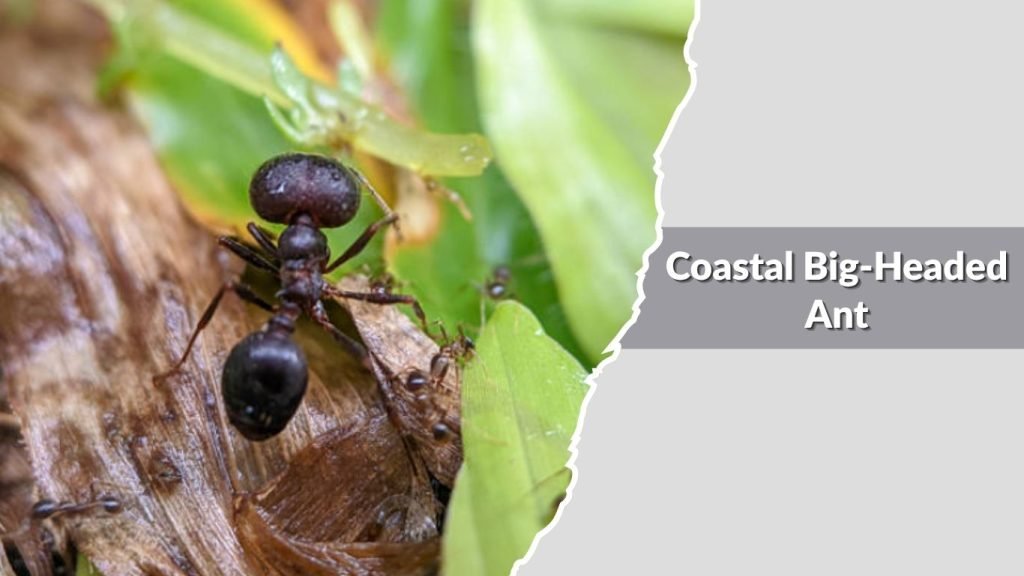
The Coastal Big-Headed Ant is a highly adaptable ant species commonly found in coastal habitats, tropical regions, and urban environments. Known for its oversized soldier ants with large heads, this ant belongs mainly to the Pheidole group. Coastal Big-Headed Ants thrive in warm and humid environments where they build large colonies and actively compete with other insects for food and territory.
Identification
- Brown, reddish, or dark body coloration
- Oversized heads on soldier ants
- Small minor workers with slender bodies
- Segmented antennae and strong mandibles
- Smooth and slightly glossy body surface
- Active and aggressive colony behavior
Habitat
Coastal Big-Headed Ants commonly inhabit coastal forests, beaches, gardens, parks, urban areas, and tropical environments. Their nests are usually built underground beneath stones, leaf litter, pavement, logs, or loose soil. These ants prefer warm and humid habitats with stable temperatures, nearby vegetation, and reliable access to food and nesting locations throughout the year.
Behavior
Coastal Big-Headed Ants are highly social insects living in large colonies with queens, workers, soldiers, and larvae. Worker ants actively forage for food, defend territories, and expand colony nests. Soldier ants with enlarged heads help protect the colony and assist in breaking apart larger food materials during feeding activities.
Diet
Coastal Big-Headed Ants feed on insects, nectar, honeydew, seeds, and organic material. Worker ants collect sugary liquids from aphids, scavenge dead organisms, and hunt small insects for protein. Their varied feeding habits support rapid colony growth and help colonies survive in coastal and urban environments throughout the active seasons.
Role in the Ecosystem
Coastal Big-Headed Ants help recycle organic material and regulate some insect populations through scavenging and predation. However, in regions where they spread aggressively, they may compete with native ant species, reduce biodiversity, and influence ecological balance within coastal forests, gardens, and urban ecosystems.
3. Brown Big-Headed Ant

The Brown Big-Headed Ant is a social ant species recognized for its brown body coloration and enlarged soldier ants with oversized heads. Commonly found in forests, gardens, urban areas, and tropical habitats, this ant belongs mainly to the Pheidole group. Brown Big-Headed Ants are highly adaptable colony builders that thrive in warm environments and actively compete for food and nesting territory.
Identification
- Brown or reddish-brown body coloration
- Oversized heads on major worker ants
- Small minor workers with slender bodies
- Segmented antennae and strong mandibles
- Smooth and slightly glossy body surface
- Active and aggressive colony behavior
Habitat
Brown Big-Headed Ants commonly inhabit forests, gardens, parks, agricultural land, urban environments, and tropical habitats. Their nests are usually built underground beneath stones, pavement, leaf litter, logs, or loose soil. These ants prefer warm and moist environments with stable temperatures, nearby vegetation, and reliable access to food and shelter year-round.
Behavior
Brown Big-Headed Ants are highly social insects living in large colonies with queens, soldiers, workers, and larvae. Worker ants actively forage for food, defend colony territories, and expand nest systems. Soldier ants with enlarged heads help protect the colony and assist in breaking apart larger food materials during feeding activities.
Diet
Brown Big-Headed Ants feed on insects, nectar, honeydew, seeds, and organic matter. Worker ants collect sugary liquids from aphids, scavenge dead organisms, and hunt small insects for protein. Their varied feeding habits support rapid colony growth and help colonies survive in both natural and urban environments throughout the year.
Role in the Ecosystem
Brown Big-Headed Ants help recycle organic material and regulate some insect populations through scavenging and predation. However, in areas where they become invasive, they may compete aggressively with native ant species, reduce biodiversity, and influence ecological balance within forests, gardens, and urban ecosystems.
4. Black Big-Headed Ant
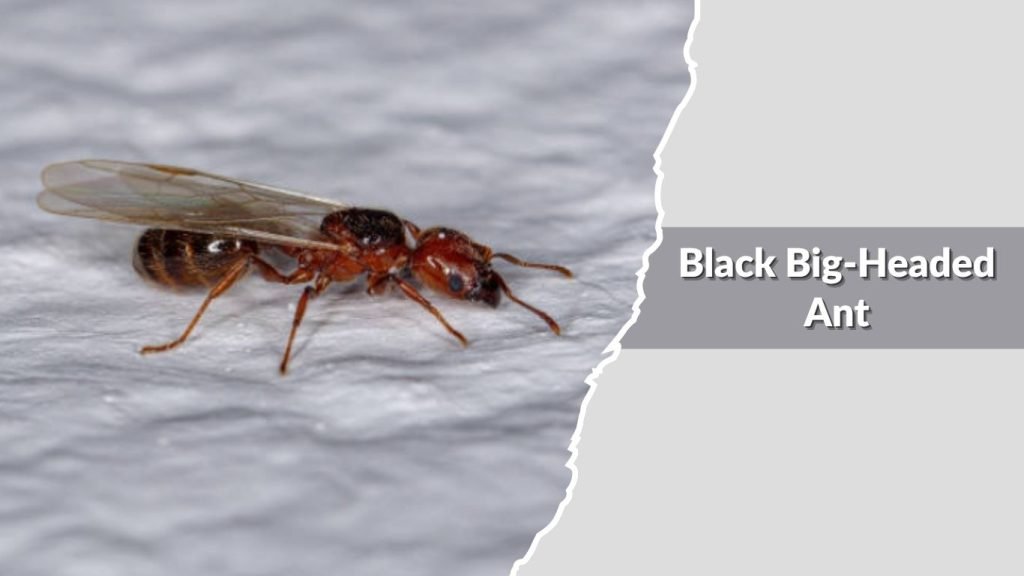
The Black Big-Headed Ant is a highly adaptable ant species recognized for its dark body coloration and oversized soldier ants with large heads. Commonly found in forests, gardens, urban areas, and tropical habitats, this ant belongs mainly to the Pheidole group. Black Big-Headed Ants form large colonies and actively compete with other insects for food, nesting space, and colony territory.
Identification
- Black or dark brown body coloration
- Oversized heads on soldier ants
- Small minor workers with slender bodies
- Segmented antennae and strong mandibles
- Smooth and slightly glossy body surface
- Active and aggressive colony behavior
Habitat
Black Big-Headed Ants commonly inhabit forests, gardens, parks, agricultural areas, urban environments, and tropical regions. Their nests are usually built underground beneath stones, pavement, leaf litter, logs, or loose soil. These ants prefer warm and moist habitats with stable temperatures, nearby vegetation, and reliable food sources throughout the year.
Behavior
Black Big-Headed Ants are highly social insects living in large colonies with queens, workers, soldiers, and larvae. Worker ants actively gather food, defend colony territories, and expand nest systems. Soldier ants with enlarged heads help protect the colony and assist in breaking apart larger food materials during feeding activities.
Diet
Black Big-Headed Ants feed on insects, nectar, honeydew, seeds, and organic material. Worker ants collect sugary liquids from aphids, scavenge dead organisms, and hunt small insects for protein. Their varied feeding habits support rapid colony growth and help colonies survive in both natural and urban environments throughout active seasons.
Role in the Ecosystem
Black Big-Headed Ants help recycle organic matter and regulate some insect populations through scavenging and predation. However, in regions where they spread aggressively, they may compete with native ant species, reduce biodiversity, and influence ecological balance within forests, gardens, and urban ecosystems.
5. Tropical Big-Headed Ant
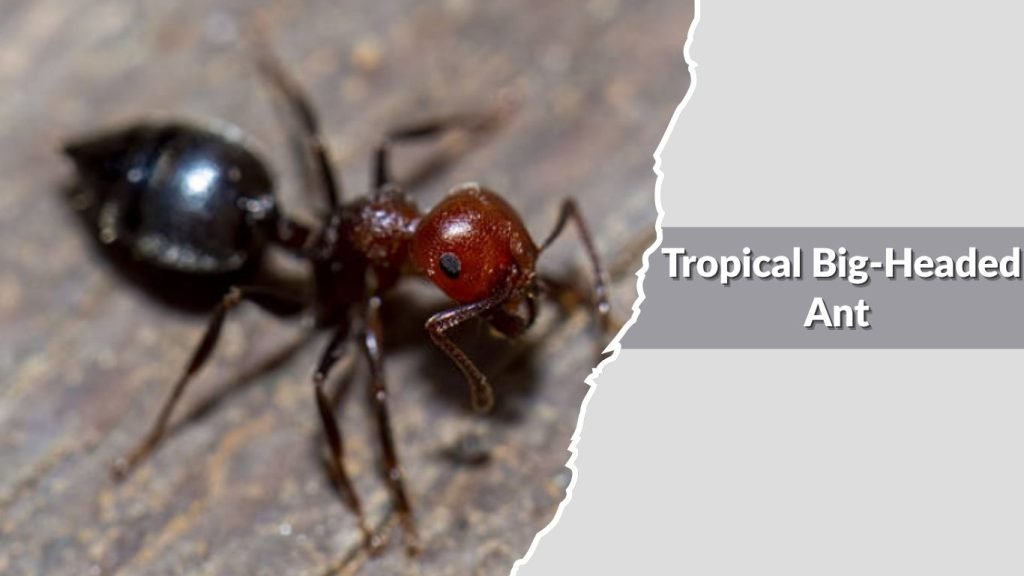
The Tropical Big-Headed Ant is a highly adaptable ant species commonly found in tropical forests, gardens, urban environments, and agricultural areas. Known for its oversized soldier ants with enlarged heads, this ant belongs mainly to the Pheidole group. Tropical Big-Headed Ants form large colonies and thrive in warm, humid climates where they actively compete with other insects for food and nesting territory.
Identification
- Brown, reddish, or dark body coloration
- Oversized heads on major worker ants
- Small minor workers with slender bodies
- Segmented antennae and strong mandibles
- Smooth and slightly glossy body surface
- Active and aggressive colony behavior
Habitat
Tropical Big-Headed Ants commonly inhabit tropical forests, gardens, parks, plantations, urban environments, and humid countryside habitats. Their nests are usually built underground beneath stones, logs, pavement, leaf litter, or loose soil. These ants prefer warm and moist habitats with dense vegetation, stable temperatures, and reliable food sources throughout the year.
Behavior
Tropical Big-Headed Ants are highly social insects living in large colonies with queens, soldiers, workers, and larvae. Worker ants actively gather food, defend colony territories, and expand nest systems. Soldier ants with enlarged heads help protect the colony and assist in breaking apart larger food materials during feeding activities and colony defense.
Diet
Tropical Big-Headed Ants feed on insects, nectar, honeydew, seeds, and organic matter. Worker ants collect sugary liquids from aphids, scavenge dead organisms, and hunt small insects for protein. Their varied feeding habits support rapid colony growth and help colonies survive in tropical environments throughout all seasons of the year.
Role in the Ecosystem
Tropical Big-Headed Ants help recycle organic material and regulate some insect populations through scavenging and predation. However, in areas where they become invasive, they may compete aggressively with native ant species, reduce biodiversity, and affect ecological balance within tropical forests, gardens, and urban ecosystems.
6. Southern Big-Headed Ant

The Southern Big-Headed Ant is a social ant species commonly found in warm forests, gardens, grasslands, and urban environments. Known for its oversized soldier ants with enlarged heads, this ant belongs mainly to the Pheidole group. Southern Big-Headed Ants are highly adaptable colony builders that thrive in warm climates where they actively compete for food, nesting areas, and territory.
Identification
- Brown, reddish, or dark body coloration
- Oversized heads on soldier ants
- Small minor workers with slender bodies
- Segmented antennae and strong mandibles
- Smooth and slightly glossy body surface
- Active and aggressive colony behavior
Habitat
Southern Big-Headed Ants commonly inhabit forests, gardens, parks, agricultural land, urban areas, and warm countryside environments. Their nests are usually built underground beneath stones, pavement, leaf litter, logs, or loose soil. These ants prefer warm and moist habitats with stable temperatures, nearby vegetation, and reliable food sources throughout the year.
Behavior
Southern Big-Headed Ants are highly social insects living in large colonies with queens, workers, soldiers, and larvae. Worker ants actively gather food, defend colony territories, and expand nest systems. Soldier ants with enlarged heads help protect the colony and assist in breaking apart larger food materials during feeding and defense activities.
Diet
Southern Big-Headed Ants feed on insects, nectar, honeydew, seeds, and organic matter. Worker ants collect sugary liquids from aphids, scavenge dead organisms, and hunt small insects for protein. Their varied feeding habits support rapid colony growth and help colonies survive in both natural and urban environments throughout active seasons.
Role in the Ecosystem
Southern Big-Headed Ants help recycle organic material and regulate some insect populations through scavenging and predation. However, in areas where they spread aggressively, they may compete with native ant species, reduce biodiversity, and influence ecological balance within forests, gardens, grasslands, and urban ecosystems.
7. Northern Big-Headed Ant
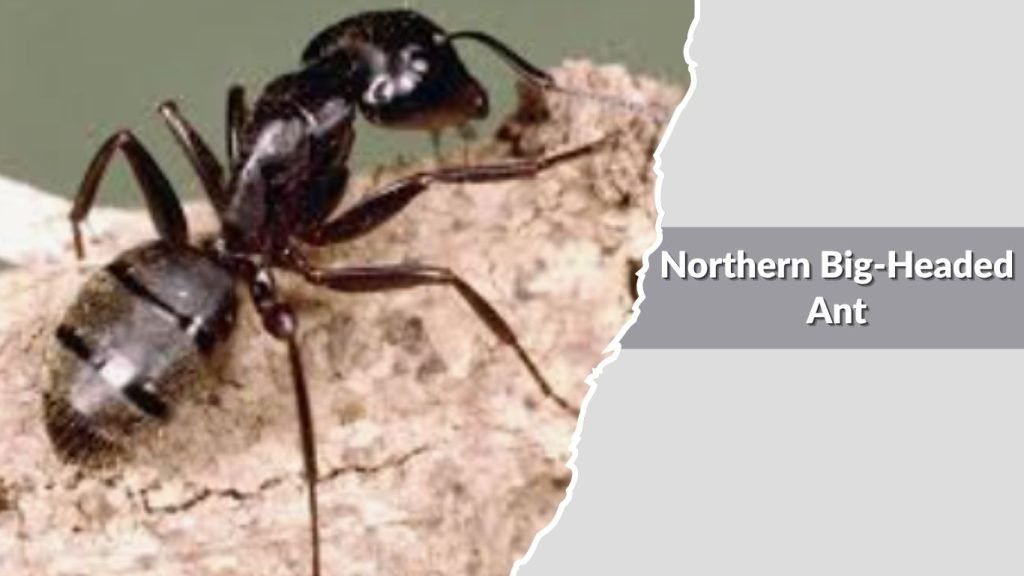
The Northern Big-Headed Ant is a highly adaptable ant species commonly found in forests, grasslands, gardens, and cooler countryside habitats. Known for its oversized soldier ants with enlarged heads, this ant belongs mainly to the Pheidole group. Northern Big-Headed Ants form organized colonies and actively compete for food, nesting space, and territory within natural and urban environments.
Identification
- Brown, black, or reddish body coloration
- Oversized heads on major worker ants
- Small minor workers with slender bodies
- Segmented antennae and strong mandibles
- Smooth and slightly glossy body surface
- Active and aggressive colony behavior
Habitat
Northern Big-Headed Ants commonly inhabit forests, woodland edges, gardens, parks, agricultural land, and cooler countryside environments. Their nests are usually built underground beneath stones, logs, pavement, leaf litter, or loose soil. These ants prefer stable habitats with moderate moisture, nearby vegetation, and reliable food sources that support colony growth year-round.
Behavior
Northern Big-Headed Ants are highly social insects living in large colonies with queens, workers, soldiers, and larvae. Worker ants actively gather food, defend colony territories, and expand nest systems. Soldier ants with enlarged heads help protect the colony and assist in breaking apart larger food materials during feeding and colony defense activities.
Diet
Northern Big-Headed Ants feed on insects, nectar, honeydew, seeds, and organic matter. Worker ants collect sugary liquids from aphids, scavenge dead organisms, and hunt small insects for protein. Their varied feeding habits support rapid colony growth and help colonies survive in both natural and urban habitats throughout the active seasons.
Role in the Ecosystem
Northern Big-Headed Ants help recycle organic material and regulate some insect populations through scavenging and predation. However, in areas where they become invasive, they may compete with native ant species, reduce biodiversity, and influence ecological balance within forests, gardens, and urban ecosystems.
8. Giant Big-Headed Ant
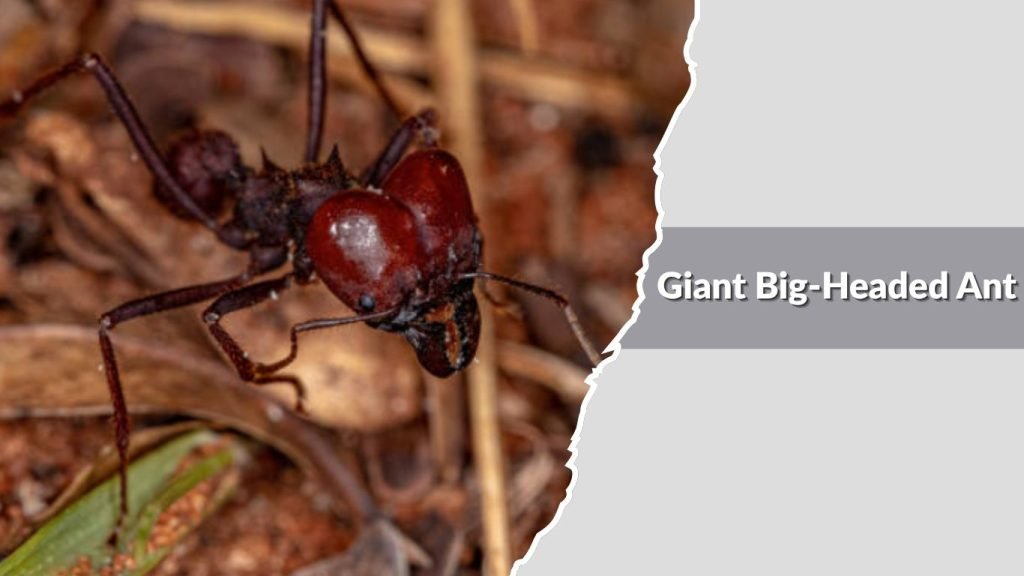
The Giant Big-Headed Ant is a large and powerful ant species recognized for its oversized soldier ants with extremely enlarged heads. Commonly found in forests, grasslands, gardens, and tropical environments, this ant belongs mainly to the Pheidole group. Giant Big-Headed Ants form large colonies and actively compete for food, territory, and nesting space in both natural and urban habitats.
Identification
- Large body size compared to other big-headed ants
- Oversized heads on soldier ants
- Brown, reddish, or dark body coloration
- Small minor workers with slender bodies
- Segmented antennae and strong mandibles
- Smooth and slightly glossy body surface
Habitat
Giant Big-Headed Ants commonly inhabit forests, woodland edges, gardens, agricultural land, parks, and tropical environments. Their nests are usually built underground beneath stones, logs, pavement, leaf litter, or loose soil. These ants prefer warm and moist habitats with stable temperatures, nearby vegetation, and reliable food sources that support rapid colony growth.
Behavior
Giant Big-Headed Ants are highly social insects living in organized colonies with queens, workers, soldiers, and larvae. Worker ants actively forage for food, defend colony territories, and expand nest systems. Soldier ants with enlarged heads help protect the colony and assist in breaking apart larger food materials during feeding and defense activities.
Diet
Giant Big-Headed Ants feed on insects, nectar, honeydew, seeds, and organic matter. Worker ants collect sugary liquids from aphids, scavenge dead organisms, and hunt small insects for protein. Their varied feeding habits support healthy colony growth and help colonies survive in both natural ecosystems and urban environments throughout the year.
Role in the Ecosystem
Giant Big-Headed Ants help recycle organic material and regulate some insect populations through scavenging and predation. However, in regions where they become invasive, they may compete aggressively with native ant species, reduce biodiversity, and influence ecological balance within forests, grasslands, and urban ecosystems.
9. Small Big-Headed Ant

The Small Big-Headed Ant is a compact ant species known for its enlarged soldier ants with noticeably large heads despite the colony’s smaller overall size. Commonly found in forests, gardens, grasslands, and urban environments, this ant belongs mainly to the Pheidole group. Small Big-Headed Ants are highly adaptable and thrive in warm habitats where they actively forage and expand colony territories.
Identification
- Small body size compared to larger big-headed ants
- Oversized heads on soldier ants
- Brown, reddish, or dark body coloration
- Slender minor worker ants
- Segmented antennae and strong mandibles
- Smooth and slightly glossy body surface
Habitat
Small Big-Headed Ants commonly inhabit forests, gardens, parks, grasslands, agricultural land, and urban environments. Their nests are usually built underground beneath stones, pavement, logs, leaf litter, or loose soil. These ants prefer warm and moist habitats with stable temperatures, nearby vegetation, and reliable food sources that support colony growth throughout the year.
Behavior
Small Big-Headed Ants are highly social insects living in organized colonies with queens, workers, soldiers, and larvae. Worker ants actively forage for food, defend nest territories, and expand colony systems. Soldier ants with enlarged heads help protect the colony and assist in breaking apart larger food materials during feeding activities.
Diet
Small Big-Headed Ants feed on insects, nectar, honeydew, seeds, and organic matter. Worker ants collect sugary liquids from aphids, scavenge dead organisms, and hunt small insects for protein. Their varied feeding habits support healthy colony growth and help colonies survive in both natural and urban habitats throughout active seasons.
Role in the Ecosystem
Small Big-Headed Ants help recycle organic material and regulate some insect populations through scavenging and predation. However, in regions where they spread aggressively, they may compete with native ant species, reduce biodiversity, and influence ecological balance within forests, grasslands, gardens, and urban ecosystems.
10. Woodland Big-Headed Ant
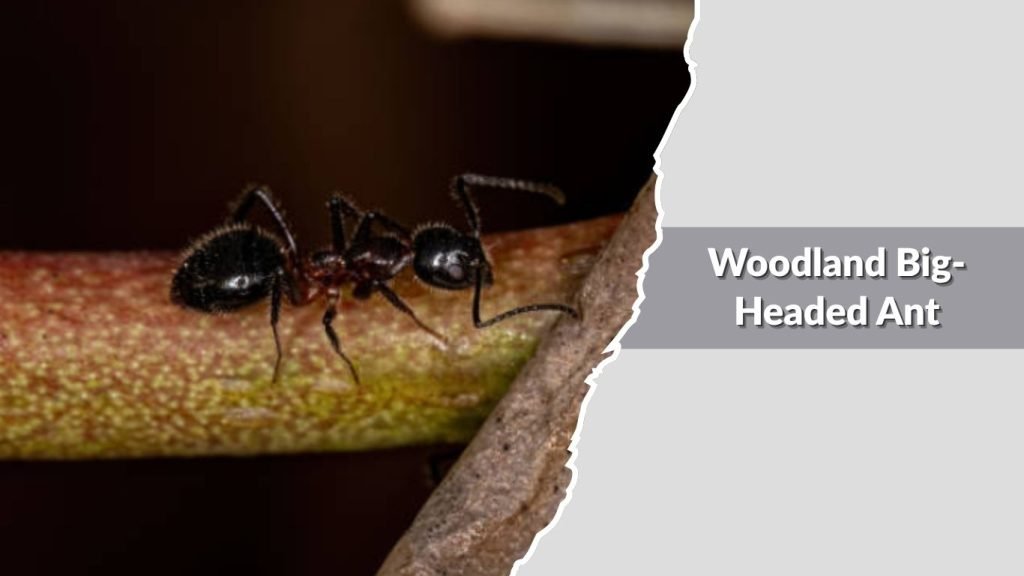
The Woodland Big-Headed Ant is a social ant species commonly found in forests, woodland edges, and shaded countryside habitats. Known for its oversized soldier ants with enlarged heads, this ant belongs mainly to the Pheidole group. Woodland Big-Headed Ants thrive in moist woodland environments where they actively forage for food and build organized underground colony systems.
Identification
- Brown, reddish, or dark body coloration
- Oversized heads on soldier ants
- Small minor workers with slender bodies
- Segmented antennae and strong mandibles
- Smooth and slightly glossy body surface
- Active and aggressive colony behavior
Habitat
Woodland Big-Headed Ants commonly inhabit forests, woodland clearings, parks, shaded gardens, and countryside environments. Their nests are usually built underground beneath logs, stones, leaf litter, rotting wood, or loose soil. These ants prefer moist woodland habitats with stable temperatures, nearby vegetation, and reliable food sources that support colony growth year-round.
Behavior
Woodland Big-Headed Ants are highly social insects living in large colonies with queens, workers, soldiers, and larvae. Worker ants actively gather food, defend colony territories, and expand nest systems. Soldier ants with enlarged heads help protect the colony and assist in breaking apart larger food materials during feeding and defense activities.
Diet
Woodland Big-Headed Ants feed on insects, nectar, honeydew, seeds, and organic matter. Worker ants collect sugary liquids from aphids, scavenge dead organisms, and hunt small insects for protein. Their varied feeding habits support rapid colony growth and help colonies survive in woodland and shaded environments throughout active seasons.
Role in the Ecosystem
Woodland Big-Headed Ants help recycle organic material and regulate some insect populations through scavenging and predation. Their tunneling activities improve soil aeration and nutrient movement. However, in areas where they become invasive, they may compete with native ant species and influence biodiversity within woodland ecosystems.
11. Forest Big-Headed Ant
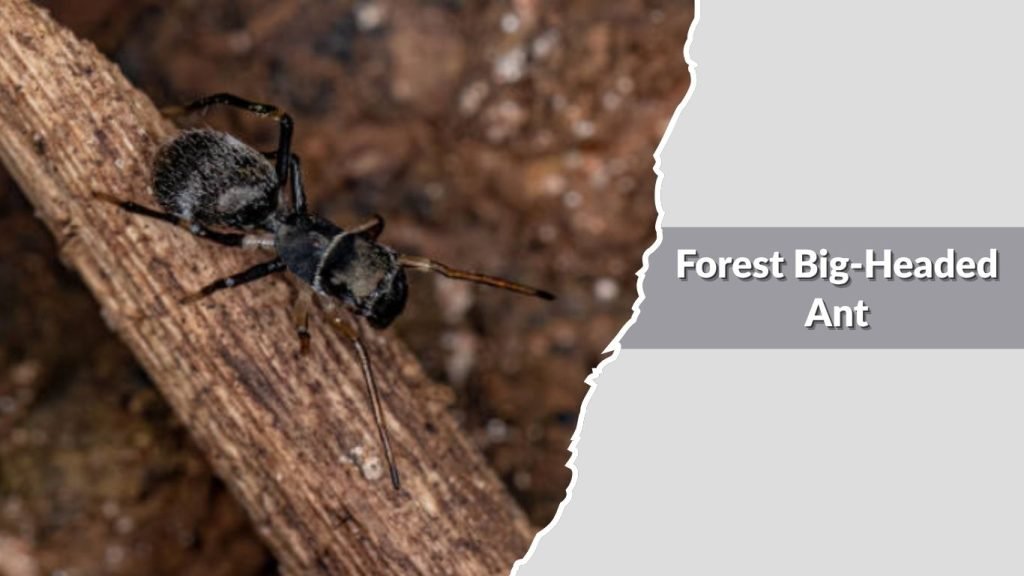
The Forest Big-Headed Ant is a highly social ant species commonly found in forests, woodland habitats, and shaded countryside environments. Known for its oversized soldier ants with enlarged heads, this ant belongs mainly to the Pheidole group. Forest Big-Headed Ants thrive in moist forest ecosystems where they actively forage for food, defend territories, and maintain organized underground colonies.
Identification
- Brown, reddish, or dark body coloration
- Oversized heads on soldier ants
- Small minor workers with slender bodies
- Segmented antennae and strong mandibles
- Smooth and slightly glossy body surface
- Active and aggressive colony behavior
Habitat
Forest Big-Headed Ants commonly inhabit forests, woodland clearings, shaded gardens, parks, and countryside habitats. Their nests are usually built underground beneath logs, stones, leaf litter, rotting wood, or loose soil. These ants prefer moist forest environments with stable temperatures, nearby vegetation, and reliable food sources that support healthy colony growth throughout the year.
Behavior
Forest Big-Headed Ants are highly social insects living in organized colonies with queens, workers, soldiers, and larvae. Worker ants actively forage for food, defend colony territories, and expand nest systems. Soldier ants with enlarged heads help protect the colony and assist in breaking apart larger food materials during feeding and defense activities.
Diet
Forest Big-Headed Ants feed on insects, nectar, honeydew, seeds, and organic matter. Worker ants collect sugary liquids from aphids, scavenge dead organisms, and hunt small insects for protein. Their varied feeding habits support rapid colony growth and help colonies survive in woodland and forest habitats throughout active seasons.
Role in the Ecosystem
Forest Big-Headed Ants help recycle organic material and regulate some insect populations through scavenging and predation. Their tunneling activities improve soil aeration and nutrient movement. However, in areas where they become invasive, they may compete with native ant species and influence biodiversity within forest ecosystems.
12. Red Big-Headed Ant
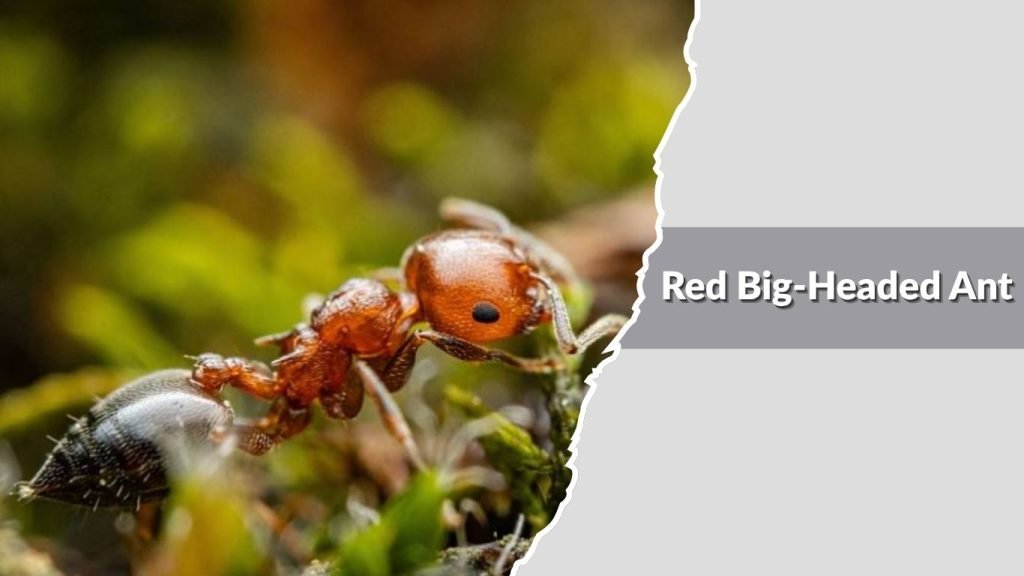
The Red Big-Headed Ant is a highly adaptable ant species recognized for its reddish body coloration and oversized soldier ants with enlarged heads. Commonly found in forests, gardens, grasslands, and tropical habitats, this ant belongs mainly to the Pheidole group. Red Big-Headed Ants form organized colonies and actively compete for food, territory, and nesting space within natural and urban environments.
Identification
- Reddish-brown or red body coloration
- Oversized heads on soldier ants
- Small minor workers with slender bodies
- Segmented antennae and strong mandibles
- Smooth and slightly glossy body surface
- Active and aggressive colony behavior
Habitat
Red Big-Headed Ants commonly inhabit forests, woodland edges, gardens, parks, agricultural land, and tropical environments. Their nests are usually built underground beneath stones, logs, pavement, leaf litter, or loose soil. These ants prefer warm and moist habitats with stable temperatures, nearby vegetation, and reliable food sources that support colony growth year-round.
Behavior
Red Big-Headed Ants are highly social insects living in organized colonies with queens, workers, soldiers, and larvae. Worker ants actively gather food, defend colony territories, and expand nest systems. Soldier ants with enlarged heads help protect the colony and assist in breaking apart larger food materials during feeding and defense activities.
Diet
Red Big-Headed Ants feed on insects, nectar, honeydew, seeds, and organic matter. Worker ants collect sugary liquids from aphids, scavenge dead organisms, and hunt small insects for protein. Their varied feeding habits support rapid colony growth and help colonies survive in both natural ecosystems and urban environments throughout the year.
Role in the Ecosystem
Red Big-Headed Ants help recycle organic material and regulate some insect populations through scavenging and predation. However, in areas where they spread aggressively, they may compete with native ant species, reduce biodiversity, and influence ecological balance within forests, gardens, grasslands, and urban ecosystems.
13. Dark Big-Headed Ant
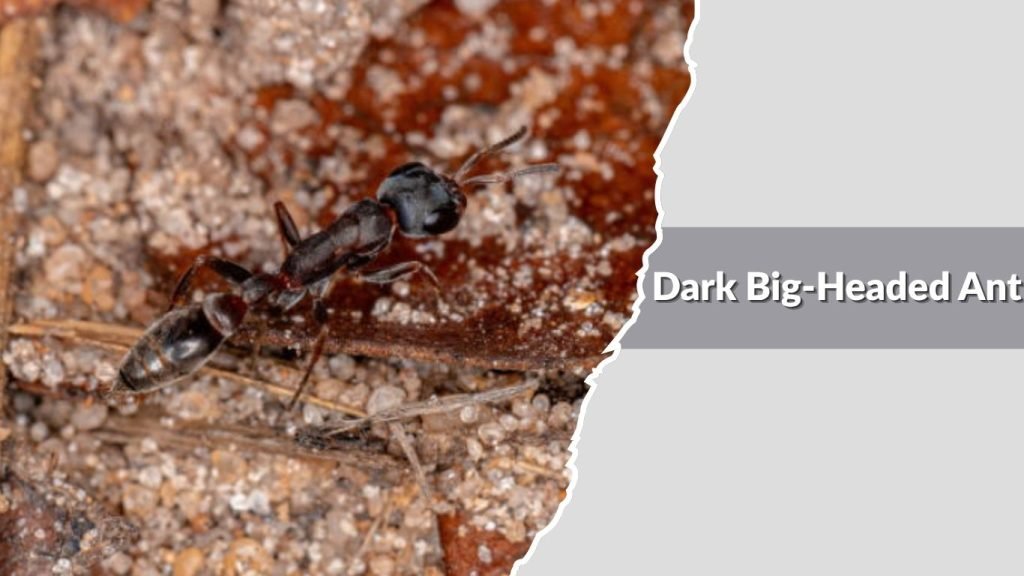
The Dark Big-Headed Ant is a social ant species recognized for its dark body coloration and oversized soldier ants with enlarged heads. Commonly found in forests, gardens, urban areas, and tropical habitats, this ant belongs mainly to the Pheidole group. Dark Big-Headed Ants are highly adaptable colony builders that thrive in warm environments while actively competing for food and nesting territories.
Identification
- Dark brown or black body coloration
- Oversized heads on soldier ants
- Small minor workers with slender bodies
- Segmented antennae and strong mandibles
- Smooth and slightly glossy body surface
- Active and aggressive colony behavior
Habitat
Dark Big-Headed Ants commonly inhabit forests, woodland edges, gardens, parks, agricultural land, and urban environments. Their nests are usually built underground beneath stones, pavement, logs, leaf litter, or loose soil. These ants prefer warm and moist habitats with stable temperatures, nearby vegetation, and reliable food sources that support colony growth year-round.
Behavior
Dark Big-Headed Ants are highly social insects living in organized colonies with queens, workers, soldiers, and larvae. Worker ants actively forage for food, defend colony territories, and expand nest systems. Soldier ants with enlarged heads help protect the colony and assist in breaking apart larger food materials during feeding and defense activities.
Diet
Dark Big-Headed Ants feed on insects, nectar, honeydew, seeds, and organic matter. Worker ants collect sugary liquids from aphids, scavenge dead organisms, and hunt small insects for protein. Their varied feeding habits support rapid colony growth and help colonies survive in both natural habitats and urban environments throughout active seasons.
Role in the Ecosystem
Dark Big-Headed Ants help recycle organic material and regulate some insect populations through scavenging and predation. However, in regions where they become invasive, they may compete aggressively with native ant species, reduce biodiversity, and influence ecological balance within forests, gardens, and urban ecosystems.
14. Eastern Big-Headed Ant

The Eastern Big-Headed Ant is a highly adaptable ant species commonly found in eastern forests, gardens, grasslands, and urban environments. Known for its oversized soldier ants with enlarged heads, this ant belongs mainly to the Pheidole group. Eastern Big-Headed Ants form organized colonies and actively compete for food, nesting space, and territory within both natural and human-developed habitats.
Identification
- Brown, reddish, or dark body coloration
- Oversized heads on soldier ants
- Small minor workers with slender bodies
- Segmented antennae and strong mandibles
- Smooth and slightly glossy body surface
- Active and aggressive colony behavior
Habitat
Eastern Big-Headed Ants commonly inhabit forests, woodland edges, gardens, parks, agricultural land, and urban areas in eastern regions. Their nests are usually built underground beneath stones, pavement, logs, leaf litter, or loose soil. These ants prefer warm and moist habitats with stable temperatures, nearby vegetation, and reliable food sources throughout the year.
Behavior
Eastern Big-Headed Ants are highly social insects living in organized colonies with queens, workers, soldiers, and larvae. Worker ants actively forage for food, defend colony territories, and expand nest systems. Soldier ants with enlarged heads help protect the colony and assist in breaking apart larger food materials during feeding and colony defense activities.
Diet
Eastern Big-Headed Ants feed on insects, nectar, honeydew, seeds, and organic matter. Worker ants collect sugary liquids from aphids, scavenge dead organisms, and hunt small insects for protein. Their varied feeding habits support rapid colony growth and help colonies survive in both natural habitats and urban environments throughout active seasons.
Role in the Ecosystem
Eastern Big-Headed Ants help recycle organic material and regulate some insect populations through scavenging and predation. However, in regions where they become invasive, they may compete aggressively with native ant species, reduce biodiversity, and influence ecological balance within forests, gardens, grasslands, and urban ecosystems.
15. Western Big-Headed Ant
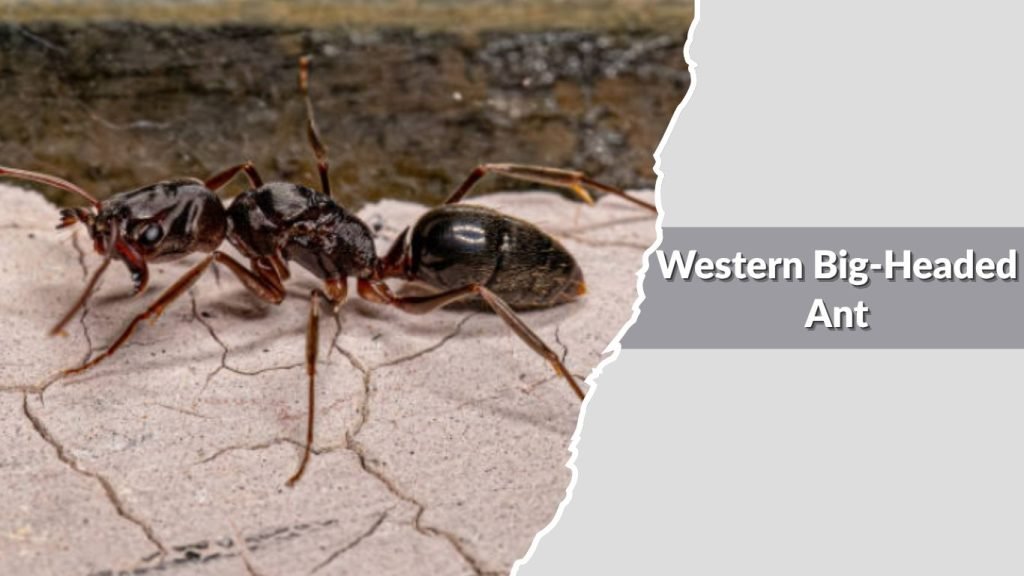
The Western Big-Headed Ant is a social ant species commonly found in western forests, grasslands, gardens, and urban environments. Known for its oversized soldier ants with enlarged heads, this ant belongs mainly to the Pheidole group. Western Big-Headed Ants are highly adaptable colony builders that thrive in warm habitats while actively competing for food, territory, and nesting space within natural and developed environments.
Identification
- Brown, reddish, or dark body coloration
- Oversized heads on soldier ants
- Small minor workers with slender bodies
- Segmented antennae and strong mandibles
- Smooth and slightly glossy body surface
- Active and aggressive colony behavior
Habitat
Western Big-Headed Ants commonly inhabit forests, woodland edges, gardens, parks, agricultural land, and urban environments in western regions. Their nests are usually built underground beneath stones, pavement, logs, leaf litter, or loose soil. These ants prefer warm and moist habitats with stable temperatures, nearby vegetation, and reliable food sources that support colony growth year-round.
Behavior
Western Big-Headed Ants are highly social insects living in organized colonies with queens, workers, soldiers, and larvae. Worker ants actively forage for food, defend colony territories, and expand nest systems. Soldier ants with enlarged heads help protect the colony and assist in breaking apart larger food materials during feeding and defense activities.
Diet
Western Big-Headed Ants feed on insects, nectar, honeydew, seeds, and organic matter. Worker ants collect sugary liquids from aphids, scavenge dead organisms, and hunt small insects for protein. Their varied feeding habits support rapid colony growth and help colonies survive in both natural ecosystems and urban environments throughout active seasons.
Role in the Ecosystem
Western Big-Headed Ants help recycle organic material and regulate some insect populations through scavenging and predation. However, in regions where they become invasive, they may compete aggressively with native ant species, reduce biodiversity, and influence ecological balance within forests, gardens, grasslands, and urban ecosystems.
FAQs
What are Big-Headed Ants?
Big-Headed Ants are social ants known for their oversized soldier ants with unusually large heads. Most species belong to the Pheidole group and are commonly found in forests, gardens, grasslands, and urban environments where they build organized underground colonies and actively search for food.
Why do Big-Headed Ant soldiers have large heads?
The enlarged heads of soldier ants contain powerful muscles that support strong mandibles. These soldiers help defend the colony, break apart large food materials, and protect worker ants from predators and competing insects that enter the colony territory.
Where do Big-Headed Ants build their nests?
Big-Headed Ants usually build nests underground beneath stones, logs, pavement, leaf litter, or loose soil. They prefer warm habitats with stable moisture, nearby vegetation, and reliable food sources that support colony growth and long-term survival throughout the year.
What do Big-Headed Ants eat?
Big-Headed Ants feed on insects, nectar, honeydew, seeds, and organic matter. Worker ants collect sugary liquids from aphids, scavenge dead organisms, and hunt small insects for protein. Their varied diet helps support rapid colony growth and healthy development of workers and larvae.
Are Big-Headed Ants Harmful to ecosystems?
In their native habitats, Big-Headed Ants help recycle organic material and regulate insect populations. However, some species become invasive outside their natural range and may compete aggressively with native ants, reduce biodiversity, and disrupt ecological balance in forests, gardens, and urban ecosystems.
