
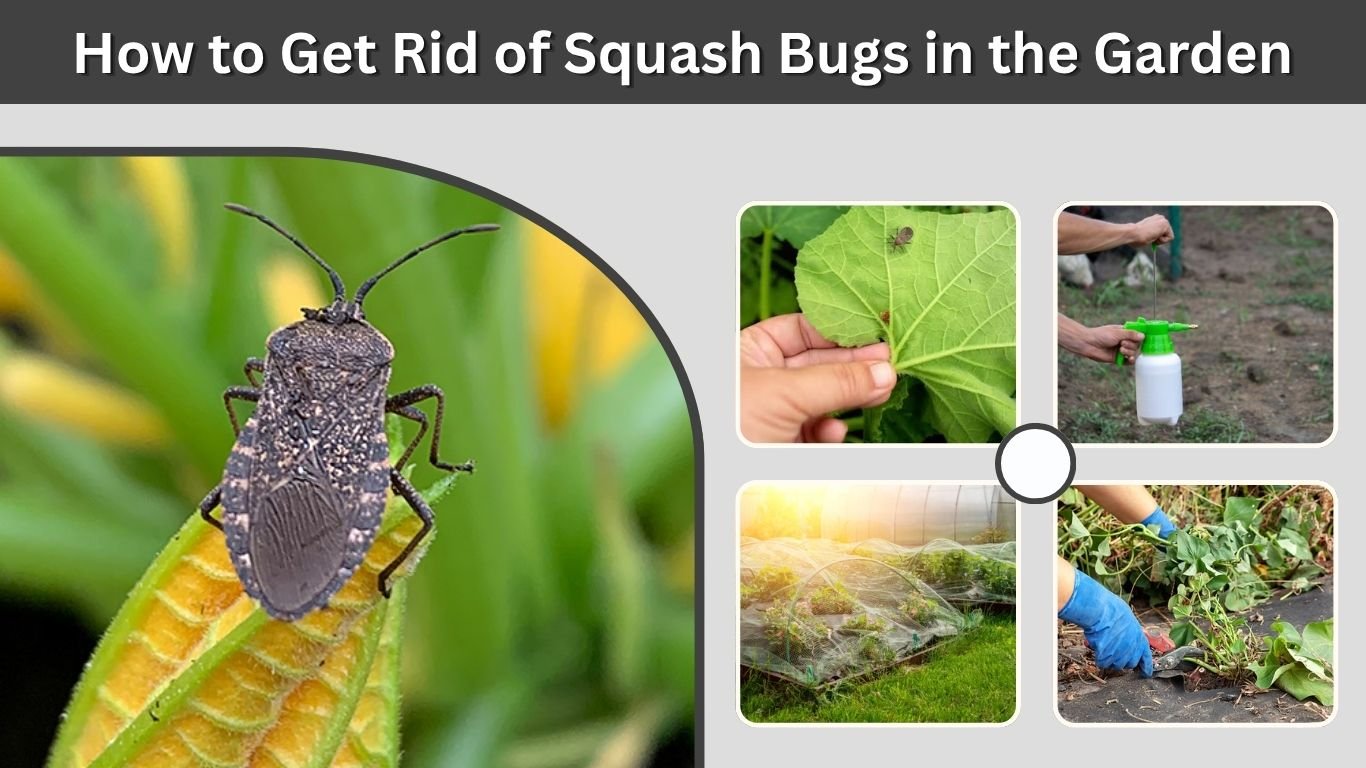
Squash bugs can quickly weaken zucchini, pumpkins, gourds, and other squash plants by sucking sap from their leaves and stems. The fastest way to control them is to inspect plants regularly, destroy their eggs, and drop adults and nymphs into soapy water.
Severe infestations are harder to manage because adult squash bugs hide near plant crowns and resist many sprays. Early treatment—while the insects are still eggs or young nymphs—is much more effective.
Quickest Way to Eliminate Squash Bugs
For an active infestation, follow these steps:
- Fill a container with water and a small amount of dish soap.
- Check the undersides of leaves, stems, plant crowns, and beneath fruit.
- Scrape bronze-colored egg clusters into the container.
- Pick off adult bugs and gray nymphs and drop them into the water.
- Remove badly damaged leaves when this will not weaken the plant.
- Repeat the inspection every two or three days.
- Place boards near the plants overnight and check underneath them each morning.
Gardeners with only a few plants can often control squash bugs without insecticides by repeatedly removing eggs, nymphs, and adults.
How to Identify Squash Bugs
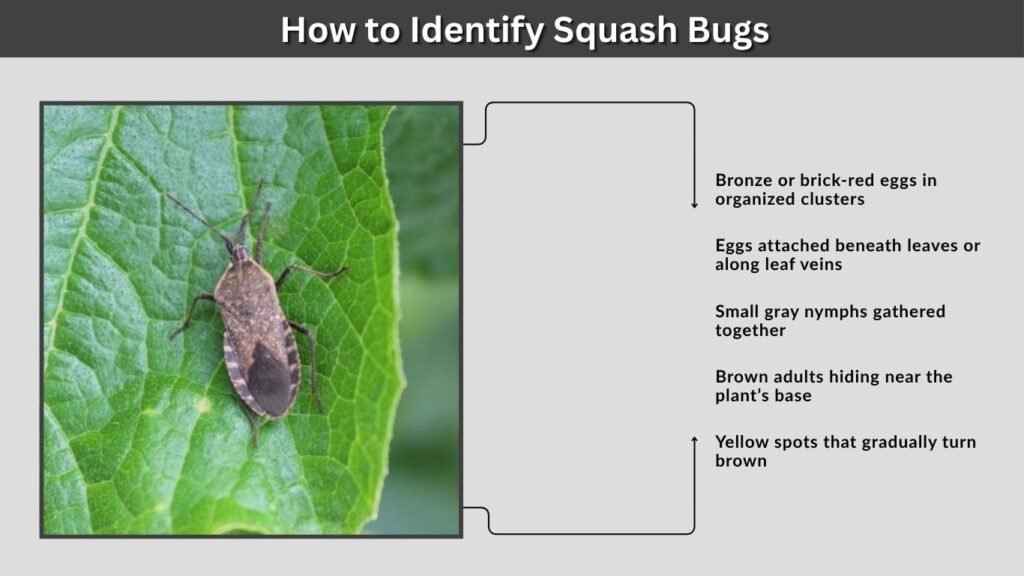
The common squash bug, Anasa tristis, is a flattened, grayish-brown true bug measuring approximately 5/8 inch long. Adults have wings and orange or brown markings along the edges and underside of the abdomen.
Young nymphs are initially pale greenish-gray with dark legs. They become darker and develop wing pads as they mature.
Look for These Signs
- Bronze or brick-red eggs in organized clusters
- Eggs attached beneath leaves or along leaf veins
- Small gray nymphs gathered together
- Brown adults hiding near the plant’s base
- Yellow spots that gradually turn brown
- Wilted leaves or collapsing vines
- Black, brittle areas around feeding sites
- Scarred, misshapen, or rotting fruit
Eggs are generally deposited in clusters of approximately 15–40 and may hatch within about one or two weeks. This gives gardeners a limited opportunity to remove them before feeding begins.
1. Remove Squash Bug Eggs
Egg removal is one of the most effective ways to stop an infestation before it becomes difficult to control.
Examine the undersides of leaves, especially where leaf veins meet. Squash bug eggs usually appear metallic bronze, reddish-brown, or copper-colored.
You can remove them with:
- A piece of sticky tape
- A dull knife or plastic card
- Your fingernail while wearing gloves
- Pruning shears for heavily infested leaves
Avoid tearing the leaf unnecessarily. Scrape the eggs into soapy water or crush them completely. Check plants several times a week because adult females can continue laying new batches.
2. Handpick Adults and Nymphs
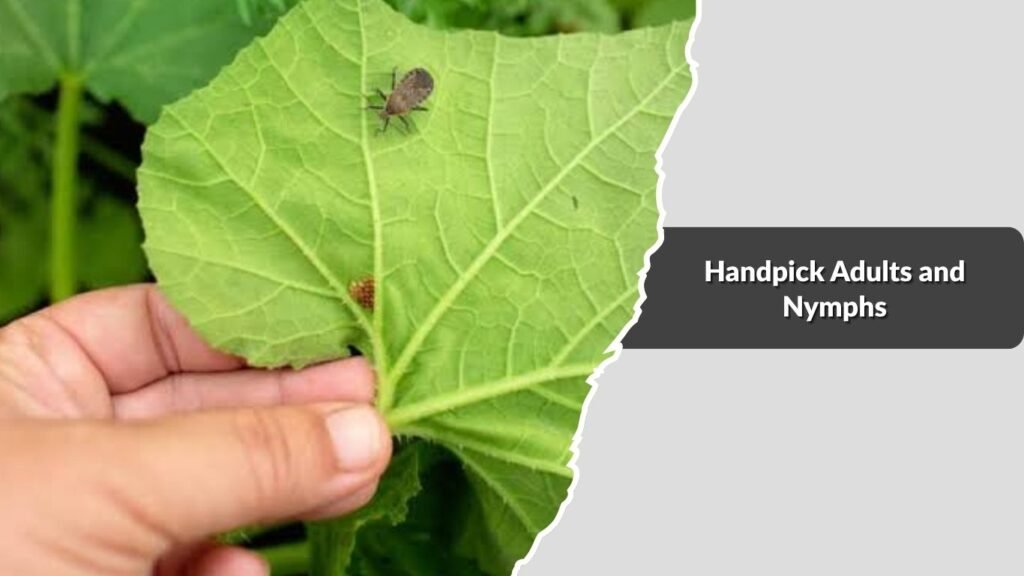
Adult bugs usually hide under leaves, vines, fruit, mulch, soil clods, and debris. Gently lift the vines and inspect the crown without damaging the stems.
Knock the insects into a bucket of soapy water. Plain water may not kill them quickly, but the soap reduces surface tension and prevents them from escaping.
Handpicking works best early in the morning, when the insects are less active. It may require persistence, but daily removal can dramatically reduce the number of egg-laying adults.
3. Use the Board-Trap Method
Place short wooden boards, pieces of cardboard, or folded newspaper on the soil beside affected plants in the evening.
Squash bugs seek dark, sheltered places overnight and may gather beneath these objects. Lift the traps early the next morning and destroy the bugs before they escape.
Check the traps every morning. Leaving them unchecked may provide the insects with additional shelter rather than controlling them. University of Minnesota Extension recommends boards or newspapers as practical overnight traps.
4. Spray Young Nymphs
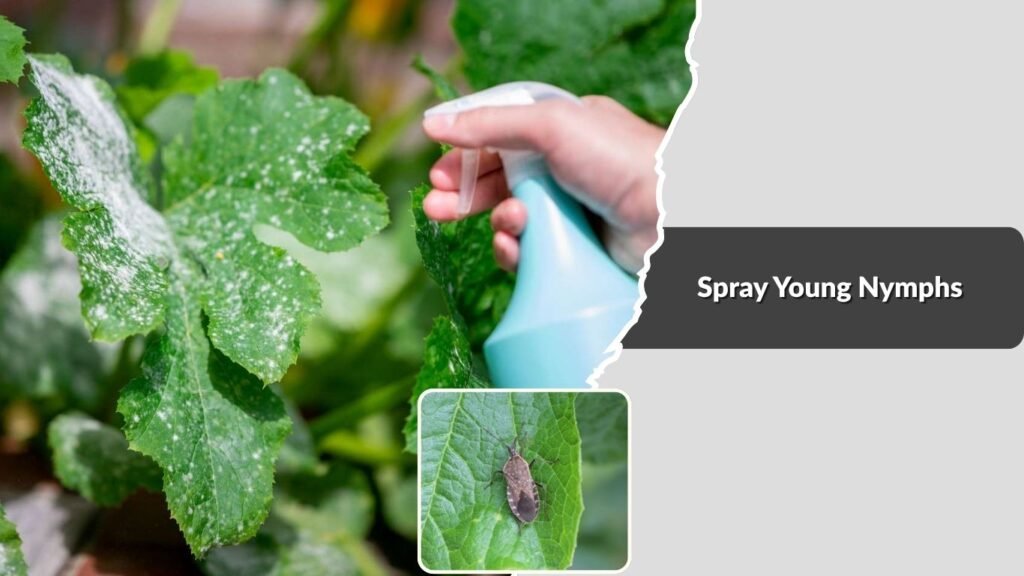
Insecticidal soap and certain horticultural or neem-oil products may suppress newly hatched nymphs when the spray contacts them directly. These treatments are much less dependable against large nymphs and mature adults.
Spray the following areas thoroughly:
- Undersides of leaves
- Leaf stems
- Plant crowns
- Vines
- Areas beneath fruit
- Locations where nymphs are clustered
Use only a commercial product whose label permits application to edible squash or cucurbit plants. Do not assume ordinary household soap is harmless to foliage; homemade mixtures can burn leaves.
Treatment is most effective shortly after eggs hatch because young nymphs are more susceptible than older insects.
5. Use Stronger Insecticides Only When Necessary
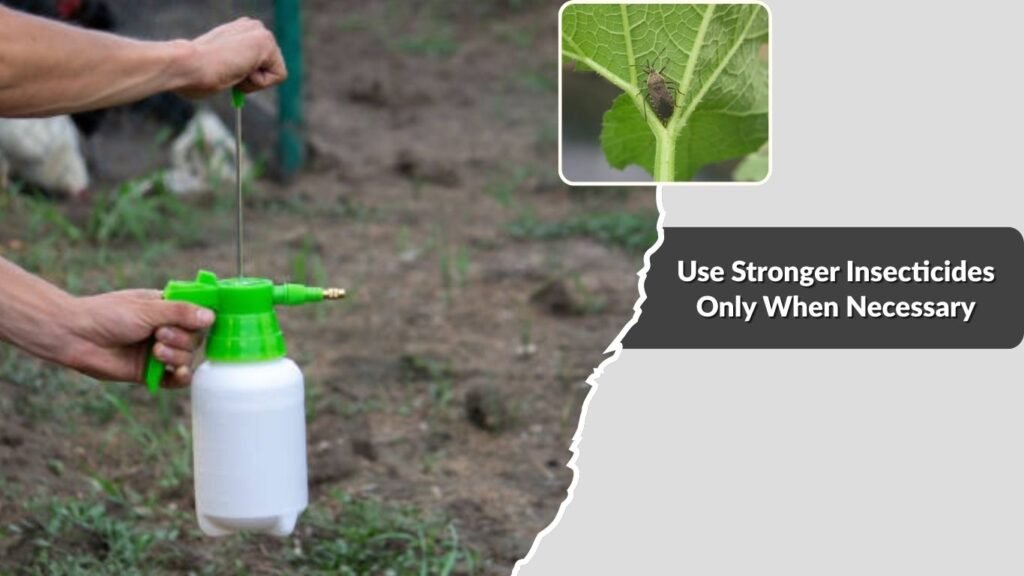
A heavy infestation may require an insecticide, particularly when young plants are wilting and physical removal is no longer practical.
Choose a product specifically labeled for:
- Squash bugs
- Edible cucurbit crops
- Home-garden use
Apply it when most eggs are beginning to hatch. Coverage must reach beneath the leaves and around the plant’s crown, where the nymphs hide. Always follow the mixing rate, protective-equipment instructions, reapplication interval, and preharvest waiting period printed on the label.
Squash flowers attract bees and other pollinators. Never spray open flowers or apply pollinator-harmful products while bees are visiting. Applications made late in the day, after flowers close and pollinators become less active, reduce exposure but do not eliminate all risk.
How to Prevent Squash Bugs
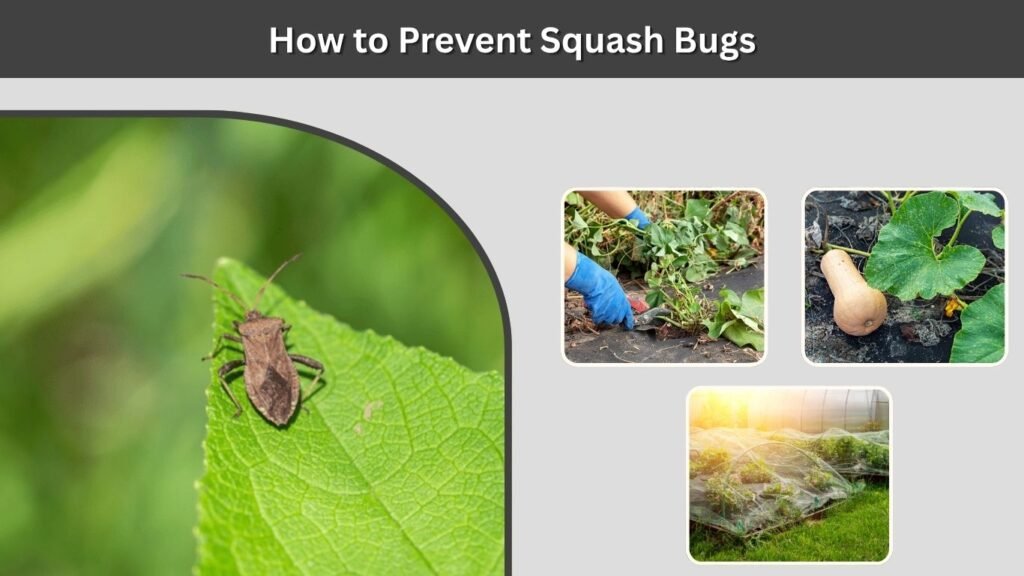
Getting rid of the current population is only part of the solution. Adult squash bugs survive winter beneath protected materials and return when cucurbit plants begin growing.
Remove Garden Debris
After harvesting, remove dead squash vines, leaves, rotten fruit, boards, and other debris. Do not leave infested plants in the garden throughout winter.
Sanitation eliminates many of the sheltered places adults use for overwintering.
Rotate Your Crops
Plant squash in a different part of the garden the following season. Crop rotation is most effective when the new location is separated from the previous cucurbit bed.
Rotation will not stop flying adults from reaching plants, but it can reduce immediate exposure to bugs overwintering beside last year’s crop.
Install Row Covers
Cover young plants with lightweight insect netting or floating row covers before adult bugs arrive. Secure all edges with soil, boards, or garden staples so insects cannot crawl underneath.
Remove the cover when female flowers appear so bees can pollinate them. Hand-pollination is another option when covers must remain temporarily in place.
Avoid Excessive Shelter
Thick straw and unmanaged plant debris give squash bugs additional hiding places. Keep the planting area reasonably open and inspect any mulch regularly.
Trellising suitable vining varieties can also make the leaves and stems easier to inspect while reducing the amount of dense foliage touching the ground.
Grow More Tolerant Varieties
Butternut squash and some sturdy winter squash varieties generally tolerate squash bug feeding better than highly susceptible plants. UC IPM also identifies Royal Acorn and Sweet Cheese among the more resistant choices.
Resistance does not mean immunity, so these plants should still be monitored.
Can Squash Plants Recover?
A mature plant may recover when the infestation is removed before extensive vine damage occurs. Water the plant consistently, but do not keep the soil waterlogged. Remove only leaves that are dead or severely damaged, because healthy leaves are needed for fruit production.
Young seedlings may not recover after severe wilting. Remove plants that have completely collapsed, along with any bugs and eggs attached to them.
FAQs
Will dish soap kill squash bugs?
Soapy water is useful for killing squash bugs after they are picked from plants and placed in a container. Spraying homemade dish-soap mixtures directly on squash leaves is riskier because detergents may burn foliage. A properly labeled insecticidal soap is safer for direct plant treatment.
Does neem oil get rid of squash bugs?
A labeled neem-oil product may help suppress young nymphs when it directly covers them. It is unlikely to eliminate a large population of mature adults by itself. Combine it with egg removal, handpicking, trapping, sanitation, and repeated inspections.
What kills squash bugs instantly?
Crushing them or dropping them into soapy water provides the quickest physical control. No garden spray reliably kills every hidden adult instantly. Most pesticide products perform better against newly hatched nymphs than against mature squash bugs.
Are squash bugs and squash vine borers the same?
No. Squash bugs are flat, brown insects that feed externally on leaves, vines, and fruit. Squash vine borers are moth larvae that tunnel inside stems, often producing sawdust-like material near the plant base. Their control methods are different.
When should I check for squash bugs?
Begin checking as soon as seedlings emerge or transplants enter the garden. Inspect the plants at least twice weekly and more frequently after finding adults or eggs. Early morning is a convenient time to handpick bugs because they are usually less active.
