
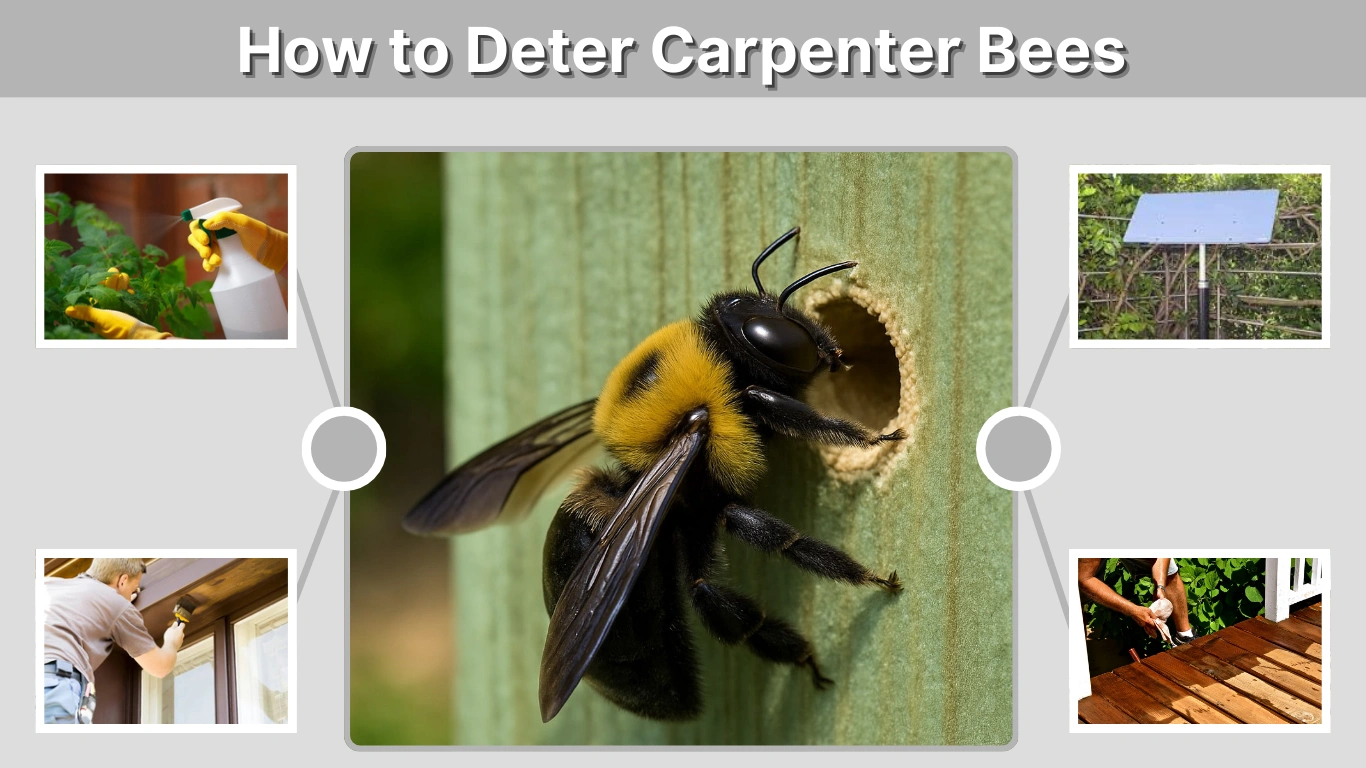
Carpenter bees are valuable pollinators, but their habit of drilling perfectly round holes into decks, railings, fences, and home trim can lead to worry and frustration. Many homeowners want to deter carpenter bees without killing them, opting instead for natural, humane, and long-lasting solutions. In this article, you’ll learn how to safely deter carpenter bees from decks, houses, plants, and feeders, as well as how to treat wood and use decoys to prevent nesting.
Understanding Carpenter Bee Behavior
Why Carpenter Bees Drill Into Wood
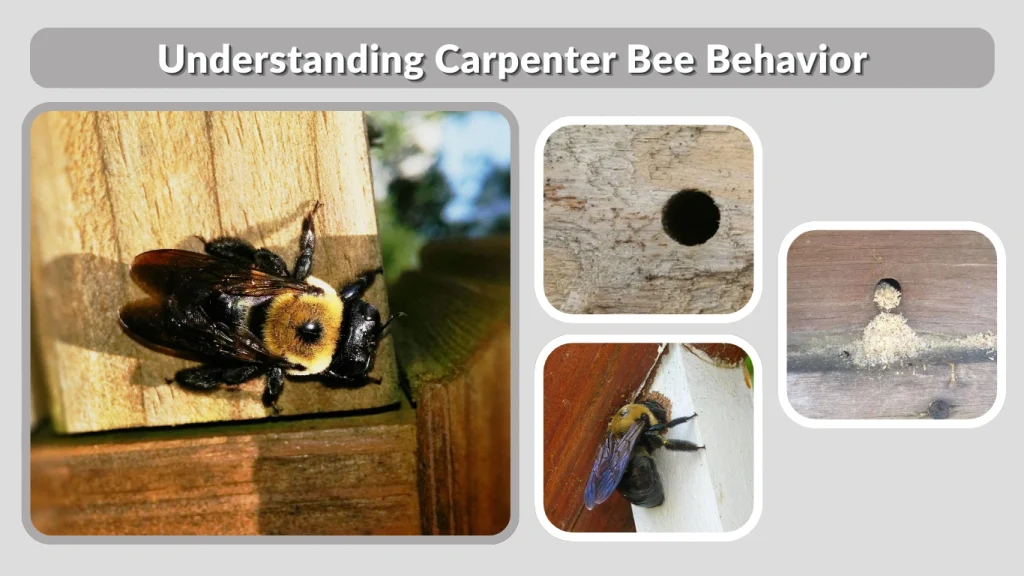
Carpenter bees select wood as a nesting site because females carve tunnels to create brood chambers for their young. They prefer untreated, unpainted, weathered, or soft wood, which is easier to excavate. Decks, porch railings, fascia boards, window trim, and fence posts often provide ideal nesting locations.
These bees are solitary, not social. A single female creates her tunnel, meaning that damage typically begins small. Over the years, however, repeated nesting in the same area can enlarge tunnels and cause structural weakening. Understanding their nesting motivations is the first step toward deterring them.
Identifying Carpenter Bee Activity
Before using deterrents, it helps to recognize the signs of carpenter bee activity:
- Round, perfect entrance holes about the size of a finger
- Sawdust-like shavings (frass) beneath holes
- Buzzing or tapping inside wood during nesting season
- Hovering male carpenter bees patrolling nearby
Male bees cannot sting, but their bold, circling behavior can intimidate people. Females, who do have stingers, are less aggressive and spend most of their time inside the wood.
How to Deter Carpenter Bees Without Killing Them
Non-Lethal Deterrent Principles
Deterring carpenter bees humanely relies on understanding what they dislike. Female carpenter bees avoid nesting sites that are disturbed, noisy, or strongly scented. They seek quiet, sheltered locations with suitable wood. By altering the environment with movement, scent, vibration, or barriers, you can discourage them without harm.
Non-lethal deterrence works because carpenter bees don’t prefer confrontation. When a site feels unsafe or overactive, they simply move on. Additionally, keeping carpenter bees alive is beneficial—these insects are excellent pollinators and support local ecosystems.
Effective Natural Repellents
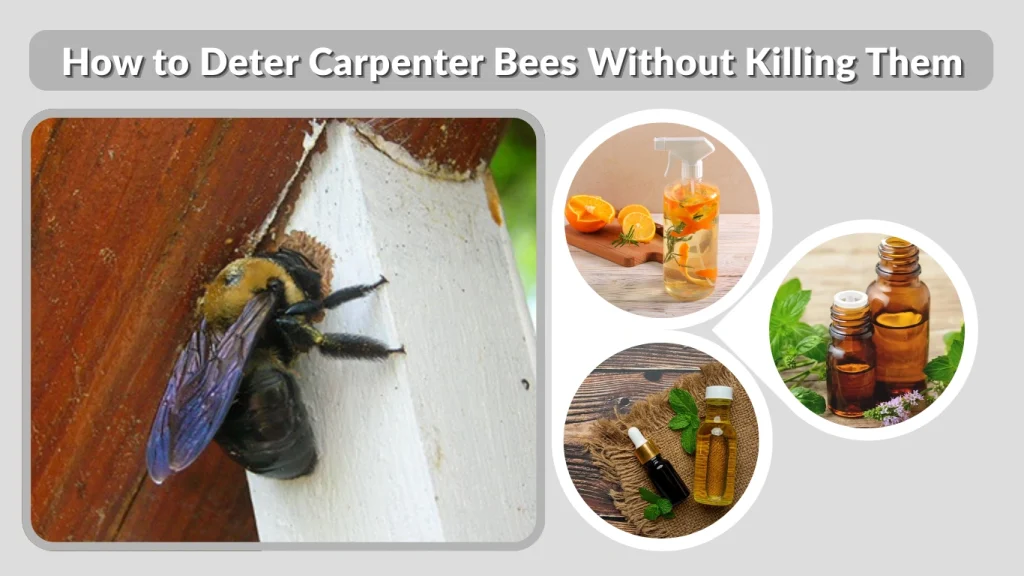
Many people prefer natural options that won’t harm pets, kids, or plants. Carpenter bees dislike strong botanical or citrus scents, making natural sprays highly effective. Popular choices include:
- Citrus oil spray (boiled lemon/orange peels + water)
- Peppermint oil diluted in water
- Eucalyptus or tea tree oil misted onto wood
- Almond oil applied directly to entry points
- Vinegar or garlic water spray
These repellents should be applied weekly during peak nesting season (spring to early summer). Most work by making the wood surface unappealing or masking natural wood smells.
How to Deter Carpenter Bees From Decks
Deck-Specific Preventive Measures
Decks are one of the most common targets for carpenter bees because they often use untreated softwood such as pine or cedar. To deter carpenter bees from your deck:
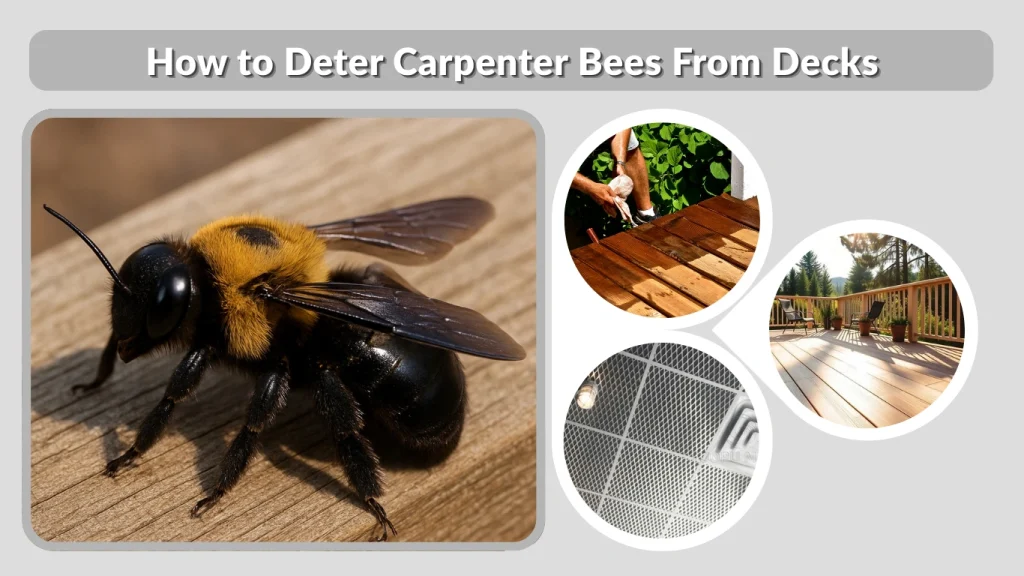
- Paint or seal all exposed wood surfaces to remove the natural scent that bees prefer
- Use hardwoods or composite decking where possible, as they are harder to excavate
- Cover vulnerable areas like railing undersides and joist edges
- Add flashing or wire mesh to corners and hidden spaces
- Place decoy nests in the area to signal that the space is already claimed
These preventive steps significantly reduce the likelihood of carpenter bee nesting, especially when paired with natural repellents.
Natural Deck Repellents
Natural repellents work especially well on decks because the area is outdoors and easy to treat regularly. Citrus and peppermint sprays can be applied under railings, along beam edges, and around potential nesting spots. Additionally:
- Wind chimes and hanging ornaments provide sound and movement that disrupt nesting attempts
- Reflective tape or shiny objects can scare bees away
- Portable speakers playing soft vibration or noise have also been reported to deter them
Because carpenter bees avoid chaotic or noisy environments, these methods help keep decks bee-free without harming beneficial pollinators.
How to Deter Carpenter Bees From the House
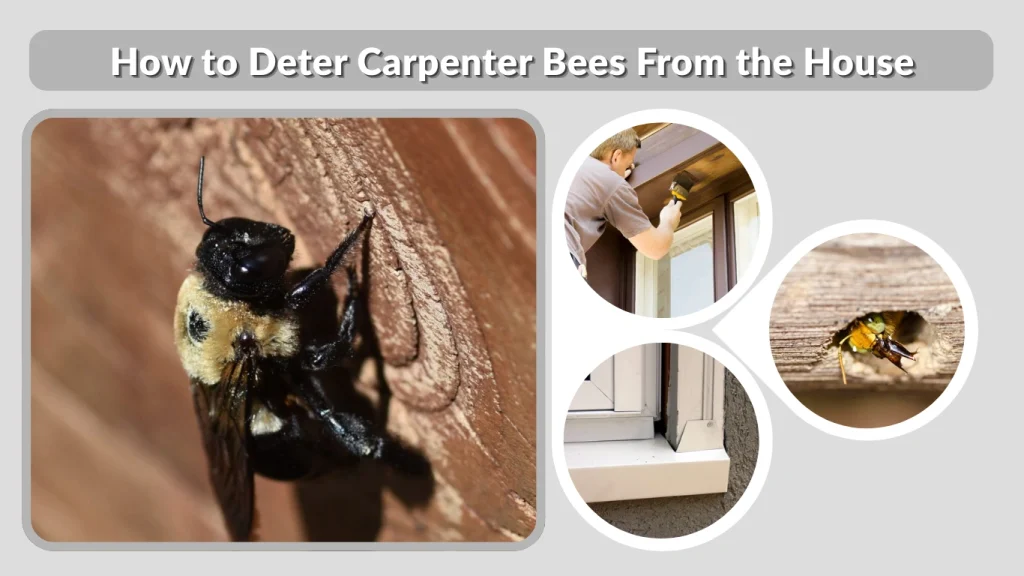
Protecting Fascia, Trim, and Siding
Houses with natural wood trim are prime targets for carpenter bees. Painted or sealed surfaces are far less attractive to them. To deter them from your home:
- Paint all exterior wood surfaces, including trim and fascia
- Repair or seal old tunnels after bees leave for the season
- Replace decayed sections of wood before nesting begins
- Install aluminum or vinyl trim covers for high-risk areas
- Keep eaves and soffits maintained to minimize exposed wood
Carpenter bees tend to return to familiar nesting sites, so sealing and protecting wood early in the season is key.
Exterior Home Strategies
Keeping carpenter bees away from your home requires a combination of structural protection and scent-based deterrents. Older homes with weathered trim are especially vulnerable, as degraded wood fibers make excavation easier. Apply natural repellents beneath eaves, behind shutters, and along exposed beams where bees tend to scout for nesting sites.
Spring is the most important time to begin deterrent efforts. Females search for nesting locations early in the season, so applying repellents and sealing wood before they arrive significantly reduces problems. For ongoing protection, reapply natural sprays every one to two weeks during the active season.
How to Treat Wood to Deter Carpenter Bees
Recommended Wood Treatments
Carpenter bees strongly prefer untreated, bare, or unsealed wood. Treating wood surfaces is one of the most effective ways to deter them long-term. The best wood treatments include:
- Oil-based exterior paint — removes the natural wood scent
- Polyurethane sealants — hardens wood surfaces and makes drilling difficult
- Marine varnish — ideal for decks or structures exposed to harsh weather
- Pressure-treated lumber — less appealing to carpenter bees
- Composite, PVC, or metal trim — alternatives bees cannot drill
Painting is typically the most reliable method. Carpenter bees rarely drill into painted surfaces because it masks the wood aroma they search for when choosing nesting sites.
Application Tips for Long-Term Protection
Proper application is essential to make treatments effective. Begin by sanding down rough wood and cleaning away dirt or mildew. Apply primer first, followed by two coats of exterior paint or sealant. Reapply coats yearly to maintain protection, particularly on decks and railings exposed to sunlight and rain.
Be sure to seal every crack, joint, and cut end, as bees often target small exposed areas. If you have existing carpenter bee holes, plug them only after the bees leave in late summer. Use wood filler or dowels coated with paint to prevent reuse the following year.
Natural Ways to Keep Carpenter Bees Away From Plants
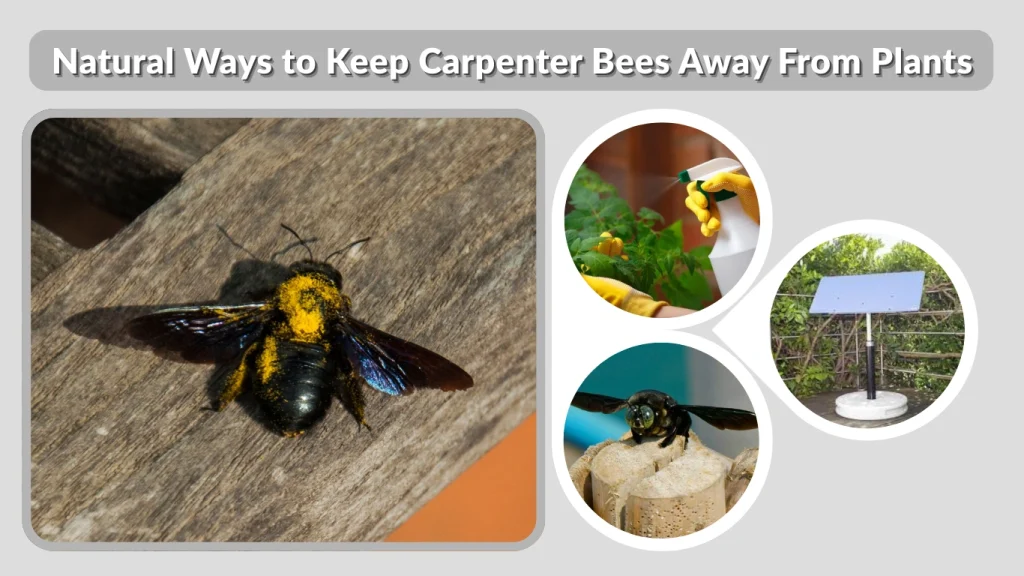
Detering Carpenter Bees From Holly Bushes
Carpenter bees sometimes hover around holly bushes, not because they are nesting in them, but because male bees patrol flowering shrubs while searching for mates. Their hovering can appear aggressive, but they cannot sting.
To deter them naturally:
- Spray the surrounding wood or fence posts with peppermint or citrus oil
- Add reflective objects near the bushes
- Trim back dead wood, which can attract bees
These methods redirect their patrol areas without harming the shrubs or the bees.
How to Keep Carpenter Bees Off Oriole Jelly Feeders
Carpenter bees are sometimes drawn to oriole feeders due to the sweetness of the jelly. To keep them away:
- Move feeders into sunnier, open areas — bees prefer shade
- Use bee guards or plastic domes to limit access
- Clean feeder edges frequently to remove sticky residue
- Spray feeder poles with citrus or peppermint oil (bird-safe options only)
These adjustments allow hummingbirds and orioles to feed while minimizing bee interference.
DIY Deterrents & Decoy Strategies
Using Fake Nests and Visual Deterrents
Carpenter bees are territorial. If they believe an area is already occupied, they avoid nesting there. Fake nests—such as wooden decoy bee houses, brown paper wasp nest decoys, or hornet nest replicas—can trick female bees into leaving the area alone.
Other visual deterrents include:
- Reflective tape
- Hanging CDs or mirrors
- Aluminum foil strips
- Wind spinners or mobile ornaments
How and Why These Work
Female carpenter bees avoid competition and predation. A fake nest signals that another bee colony already occupies the space. Reflective objects create flashes of light and movement that disrupt navigation and make surfaces appear unsafe.
Territorial decoys are especially effective early in spring before bees choose their nesting sites. When combined with scent-based repellents and proper wood treatment, they create an environment bees naturally avoid.
Carpenter Bees vs. Other Wood-Damaging Pests
Comparison Table
| Insect | Wood Damage | Risk Level | Best Deterrent |
| Carpenter bee | Minor tunneling | Low | Seal wood, natural sprays |
| Carpenter ant | Structural issues | Medium | Moisture control + baits |
| Termite | Severe structural damage | High | Professional extermination |
| Wood-boring beetle | Holes + powder | Medium | Replace/seal affected wood |
Carpenter bees are frequently mistaken for more destructive pests. Unlike termites or carpenter ants, carpenter bees do not eat wood. They only carve tunnels. Understanding the level of risk helps guide whether natural deterrence or professional intervention is required.
When to Call a Professional
Most carpenter bee issues can be managed naturally. However, consider professional help if:
- Multiple tunnels appear yearly in the same spot
- Damage occurs near load-bearing beams or rooflines
- Bees return despite repeated deterrent methods
- You need wildlife-safe exclusion assistance
Professionals can fill tunnels, seal vulnerable areas, and apply long-lasting treatments while ensuring no bees are harmed.
FAQs
How do I deter carpenter bees naturally?
Use peppermint or citrus oil sprays, reflective objects, noise deterrents, and treated wood surfaces. These natural methods discourage nesting without harming bees.
How do I keep carpenter bees off my deck?
Paint or seal the deck, apply natural repellents, use decoy nests, and add movement-based deterrents like wind chimes or reflective tape.
What wood treatments deter carpenter bees?
Oil-based paint, polyurethane, marine varnish, and pressure-treated lumber work best. Seal all exposed wood and recoat annually.
How can I deter carpenter bees without killing them?
Use strong scents, noise, motion, decoys, and wood treatments. Avoid sprays that harm pollinators and focus on changing the environment.
What scents or oils repel carpenter bees?
Citrus, peppermint, eucalyptus, almond oil, vinegar, and garlic-water sprays are effective natural repellents.
