
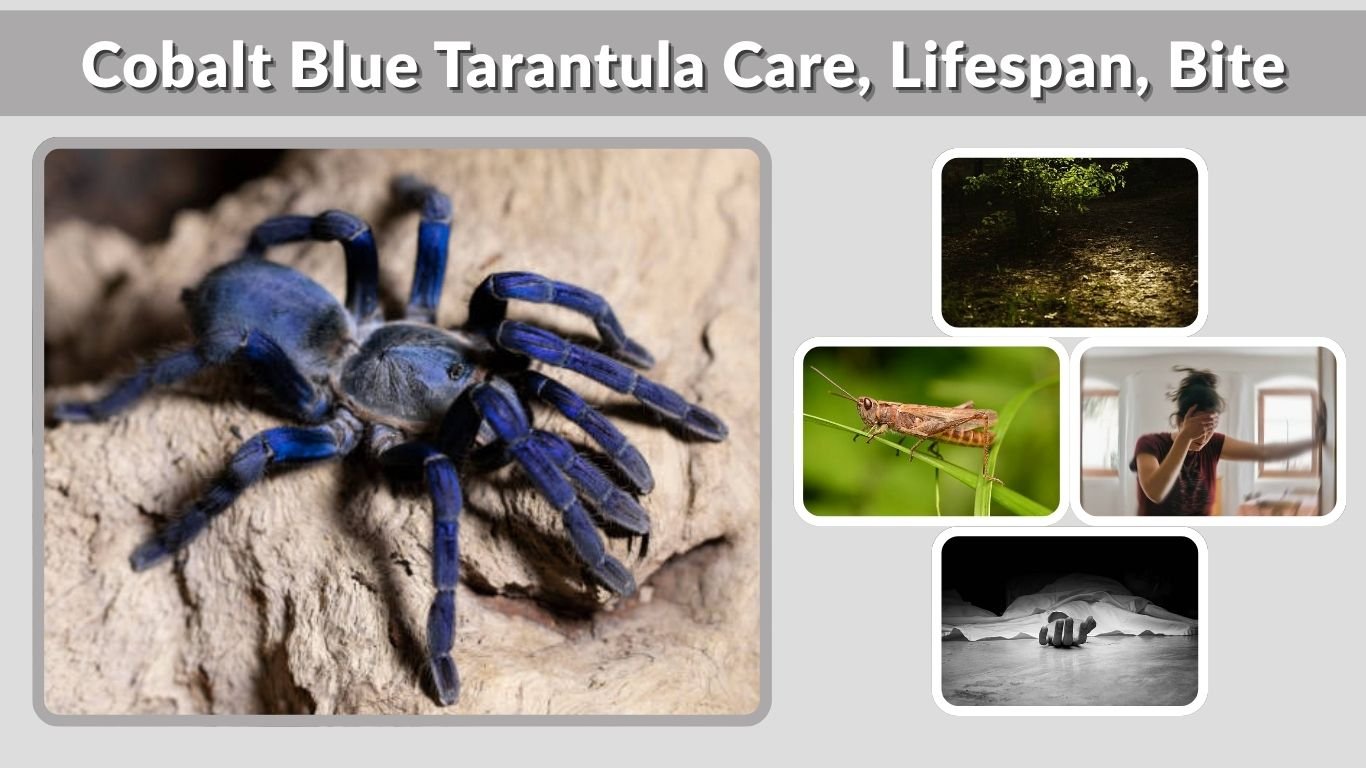
The cobalt blue tarantula (Cyriopagopus lividus) is one of the most stunning and sought-after tarantula species in the world. Known for its electric blue legs and striking appearance, this spider attracts both beginners and experienced keepers.
However, beauty comes with a warning—this species is also fast, defensive, and not beginner-friendly. Before deciding to own one, it’s important to understand its behavior, venom, and care requirements.
What Is a Cobalt Blue Tarantula?
The cobalt blue tarantula is an Old World species native to Southeast Asia, particularly countries like Thailand and Myanmar. Unlike New World tarantulas, it lacks urticating hairs and relies more on speed and venom for defense.
Key identification features:
- Scientific name: Cyriopagopus lividus
- Bright metallic blue legs
- Dark body with possible greenish tones
- Medium-sized but extremely fast
This tarantula is famous not only for its color but also for its secretive, burrowing lifestyle.
Cobalt Blue Tarantula Facts & Characteristics
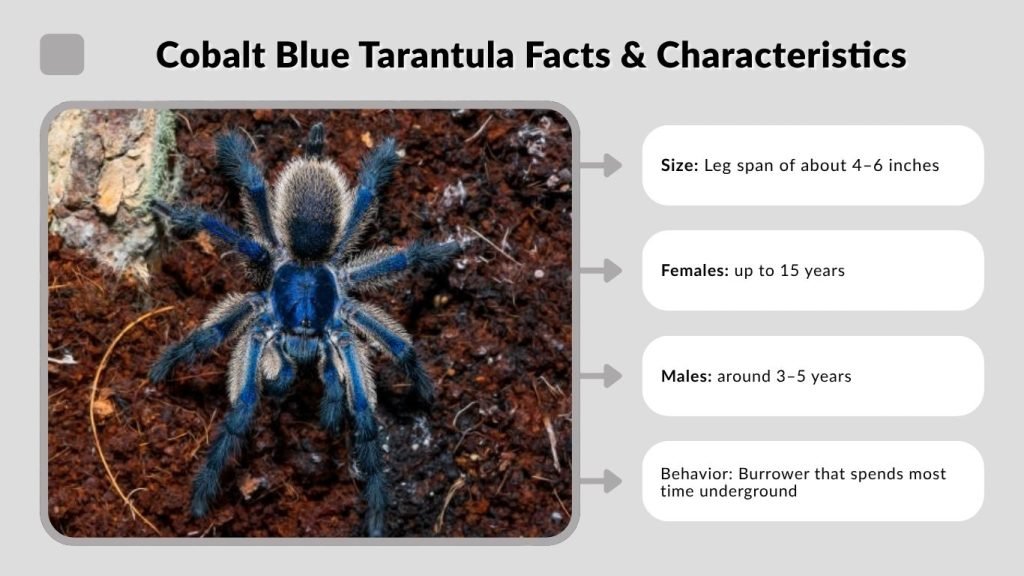
The cobalt blue tarantula stands out due to both its appearance and behavior. It is not just a display spider—it is also known for being one of the more challenging species to keep.
Important facts:
- Size: Leg span of about 4–6 inches
- Lifespan:
- Females: up to 15 years
- Males: around 3–5 years
- Behavior: Burrower that spends most time underground
- Speed: Extremely fast and reactive
Although often called “electric blue,” some individuals may show green femur tones, giving them a slightly emerald appearance under certain lighting.
Are Cobalt Blue Tarantulas Aggressive?
One of the most searched questions is whether this tarantula is aggressive—and the answer is: they are highly defensive.
Cobalt blue tarantulas are known for their quick reactions and low tolerance for disturbance.
Behavior traits:
- Will adopt a threat posture quickly
- Likely to retreat into burrows or strike if cornered
- Extremely fast, making them difficult to handle
They are not aggressive in the sense of hunting humans, but they will defend themselves readily, which increases the risk of bites.
Because of this, they are not recommended for beginners.
Cobalt Blue Tarantula Venom & Bite
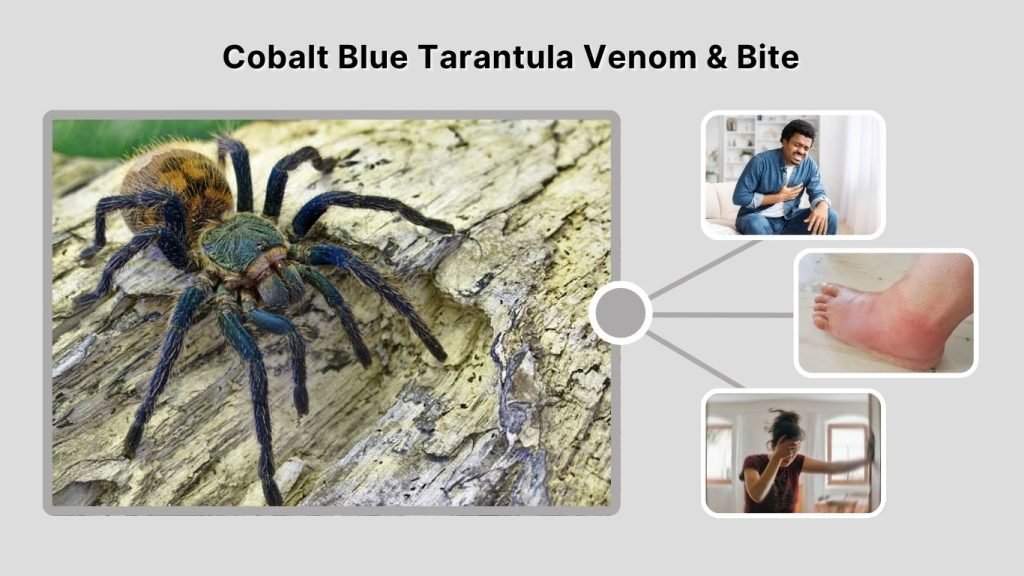
The cobalt blue tarantula is venomous, and its bite is considered more potent than many beginner-friendly species.
What happens if it bites?
- Immediate sharp pain
- Swelling and redness
- Possible muscle cramps
- In rare cases: nausea or dizziness
Compared to New World tarantulas, the venom is stronger and more medically significant, but still not typically dangerous for healthy adults.
Unlike some species, cobalt blue tarantulas rely heavily on their fangs rather than warning mechanisms, making caution essential.
Can a Cobalt Blue Tarantula Kill You?
This is a common fear-driven question, and the answer is reassuring: it is extremely unlikely.
There are no confirmed cases of death caused by a cobalt blue tarantula bite. However, that doesn’t mean the bite should be taken lightly.
Important considerations:
- The bite can be very painful
- Strong reactions may occur in sensitive individuals
- Allergic reactions, while rare, are possible
In most cases, symptoms are manageable and temporary, but medical attention should be sought if severe reactions occur.
Are Cobalt Blue Tarantulas Poisonous or Venomous?
Cobalt blue tarantulas are venomous, not poisonous—a distinction that often confuses people.
- Venomous: injects toxins through a bite
- Poisonous: harmful when touched or eaten
This means:
- You won’t get poisoned by touching them
- The risk only comes from a bite
Understanding this difference helps reduce unnecessary fear and gives a more accurate picture of the spider’s danger level.
Are Cobalt Blue Tarantulas Good Pets?
While their appearance makes them highly desirable, cobalt blue tarantulas are not ideal for beginners.
They are best suited for experienced keepers who understand defensive species.
Pros:
- Stunning electric blue coloration
- Fascinating burrowing behavior
- Long lifespan (especially females)
Cons:
- Highly defensive and fast
- Not suitable for handling
- Requires specific care conditions
They are often considered a “display pet”, meaning they are best observed rather than interacted with.
Cobalt Blue Tarantula Care Guide
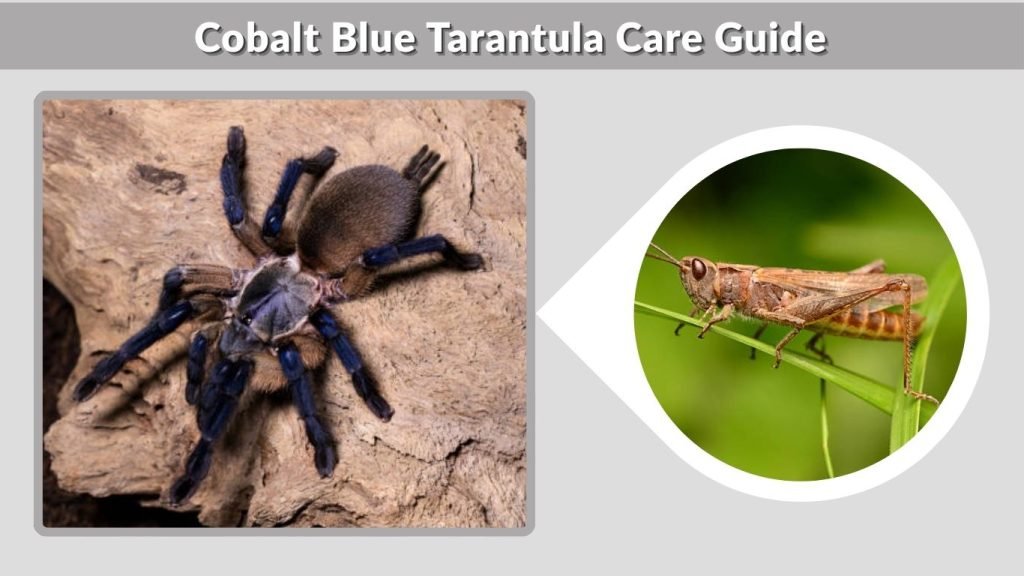
Proper care is essential to keep this species healthy and reduce stress-related aggression.
Habitat & Enclosure Setup
Cobalt blue tarantulas are obligate burrowers, meaning they need deep substrate to feel secure.
- Provide 5–8 inches of substrate for digging
- Maintain moderate to high humidity
- Keep temperature between 24–28°C (75–82°F)
- Use a secure enclosure (they are excellent escape artists)
A well-designed enclosure allows the tarantula to create its own burrow, which helps reduce stress and defensive behavior.
Diet & Feeding
Cobalt blue tarantulas are carnivorous and primarily eat insects.
- Common food: crickets, roaches, mealworms
- Feed adults once or twice a week
- Spiderlings require smaller prey and more frequent feeding
Always remove uneaten food to prevent stress or injury, especially during molting periods.
Cobalt Blue Tarantula Spiderling Care
Caring for a cobalt blue tarantula from a young age requires extra attention. Spiderlings (often called “slings”) are more delicate and need stable conditions to thrive.
Key care tips for spiderlings:
- Maintain slightly higher humidity than adults
- Use fine substrate for easy burrowing
- Provide tiny prey such as pinhead crickets
- Avoid disturbing them frequently
Spiderlings grow quickly when fed properly, but they are also more vulnerable during molting. Keeping their environment stable is crucial for survival.
Cobalt Blue Tarantula Price & Where to Buy
The cobalt blue tarantula is widely available in the exotic pet market, and its price depends on size, age, and gender.
Average price range:
- Spiderlings: $40–$80
- Juveniles: $80–$120
- Adult females: $120–$200+
Female tarantulas are more expensive because they live much longer than males.
Where to buy:
- Reputable online breeders
- Exotic pet stores
- Reptile expos and conventions
When buying, always ensure:
- The seller has good reviews
- The tarantula is healthy and active
- Proper shipping methods are used
Avoid extremely cheap offers, as they may indicate poor health or unethical breeding.
Cobalt Blue Tarantula Lifespan
Lifespan is an important factor when choosing any pet, and cobalt blue tarantulas show a significant difference between males and females.
Lifespan details:
- Females: up to 12–15 years
- Males: around 3–5 years
Females grow slower but live much longer, making them more desirable for long-term keepers. Proper care, diet, and environment can greatly influence their lifespan.
Habitat: Where Do Cobalt Blue Tarantulas Live?
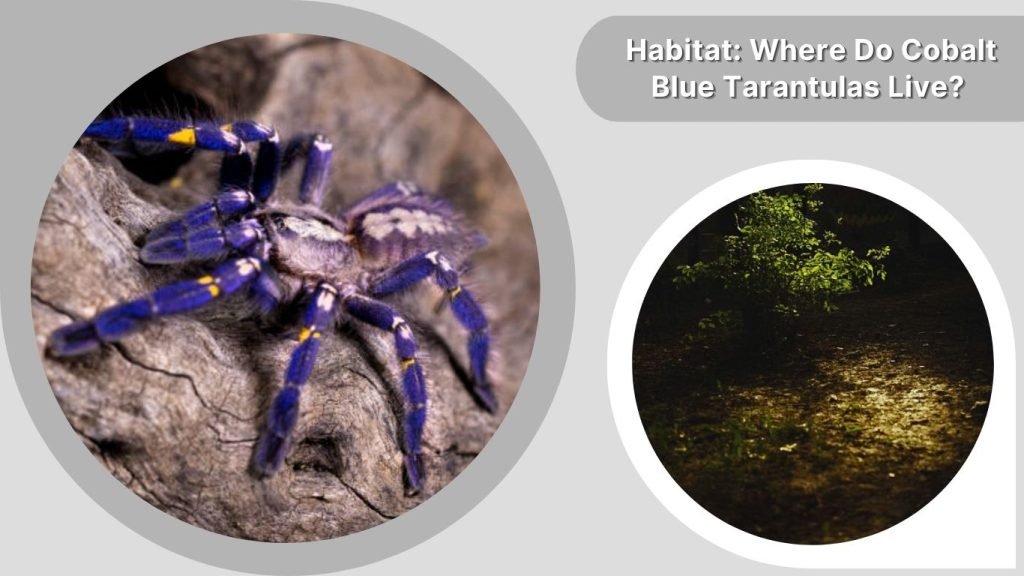
In the wild, cobalt blue tarantulas are found in tropical regions of Southeast Asia, including:
- Thailand
- Myanmar
- Laos and surrounding areas
They prefer humid forests and underground burrows, where they spend most of their time hidden from predators.
Natural habitat features:
- Warm and humid climate
- Loose soil for burrowing
- Low light environments
Replicating these conditions in captivity is essential for their health and behavior.
Male vs Female Cobalt Blue Tarantula
Understanding the difference between male and female tarantulas can help you make a better buying decision.
Key differences:
- Lifespan: Females live much longer
- Size: Females are usually larger and heavier
- Behavior: Males may wander more when mature
- Cost: Females are more expensive
For most keepers, especially those looking for a long-term pet, females are the preferred choice.
Molting & Life Cycle
Like all tarantulas, cobalt blue tarantulas grow by shedding their exoskeleton in a process called molting.
Signs of molting:
- Reduced appetite
- Sluggish behavior
- Darkening of the body
During molting:
- Do not disturb the tarantula
- Avoid feeding
- Maintain proper humidity
After molting, the tarantula is very fragile, and its fangs need time to harden before it can eat again. This stage is critical for healthy growth.
Common Mistakes to Avoid
Many new keepers make mistakes that can stress or harm their tarantula. Avoiding these issues can improve both safety and longevity.
Common mistakes:
- Handling too often: increases risk of bites
- Shallow substrate: prevents natural burrowing
- Incorrect humidity levels: can cause health issues
- Overfeeding: leads to obesity and molting problems
Providing the right environment and minimizing disturbance are key to keeping this species healthy.
FAQs
Are cobalt blue tarantulas aggressive?
Yes, cobalt blue tarantulas are considered highly defensive. They are fast, easily stressed, and more likely to bite compared to many other tarantula species, which makes them unsuitable for beginners.
Are cobalt blue tarantulas good pets?
They can be good pets for experienced keepers who understand their behavior and care needs. However, their defensive nature and speed make them difficult for beginners to handle safely.
How much is a cobalt blue tarantula?
The price usually ranges from $40 to $200 depending on age, size, and gender. Spiderlings are cheaper, while adult females are more expensive due to their longer lifespan.
What do cobalt blue tarantulas eat?
They mainly eat insects such as crickets, roaches, and mealworms. Younger tarantulas require smaller prey, while adults can handle larger insects based on their size.
Where can I buy a cobalt blue tarantula?
You can purchase them from online breeders, exotic pet stores, and reptile expos. Always choose reputable sellers to ensure you get a healthy and well-cared-for tarantula.
Conclusion
The cobalt blue tarantula is a truly remarkable species, admired for its vibrant color and unique behavior. However, it is not a beginner-friendly pet due to its defensive nature, speed, and potent venom.
While it is unlikely to cause serious harm to humans, it still requires respect, proper handling (or no handling), and correct care conditions. For experienced keepers, it can be a fascinating and rewarding display pet.
By understanding its needs, behavior, and risks, you can decide whether this stunning spider is the right choice for you.
