
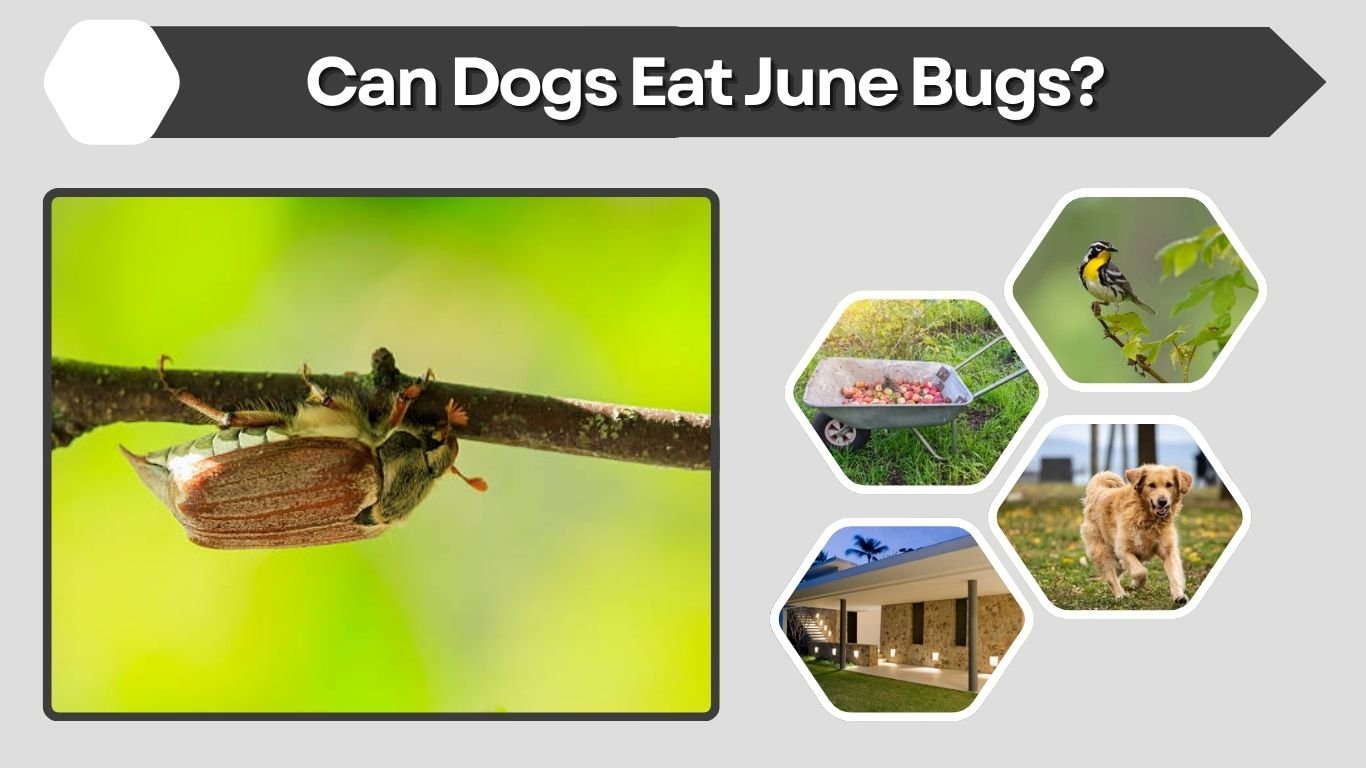
Dogs often chase, crunch, and swallow June bugs during warm evenings, especially when the beetles gather around porch lights or lawns. The good news is that June bugs are generally not toxic to dogs and do not sting or bite like bees or wasps. However, eating too many can upset a dog’s stomach, and pesticide exposure is another concern. Here’s what dog owners should know if their dog ate a June bug.
Can Dogs Eat June Bugs?
Yes, dogs can eat June bugs, but that does not mean they should. A dog that eats one or two June bugs will usually be fine. June bugs are beetles, and they are not known to be poisonous to dogs. They also do not sting or bite in a harmful way.
The main issue is not usually toxicity. The bigger concern is stomach irritation. June bugs have a hard outer shell, and that crunchy shell can be difficult for some dogs to digest, especially if they eat several beetles at once.
Are June Bugs Toxic to Dogs?
June bugs themselves are not considered toxic to dogs. If your dog ate a single June bug, it is usually not an emergency.
However, there are three possible risks:
- Eating too many June bugs may cause vomiting or diarrhea.
- A large beetle could irritate the throat or stomach.
- A June bug exposed to lawn chemicals or pesticides could be unsafe.
So, the beetle is usually not the poison problem. The bigger worry is how many your dog ate and whether the insect contacted chemicals.
Are June Bugs Bad for Dogs?
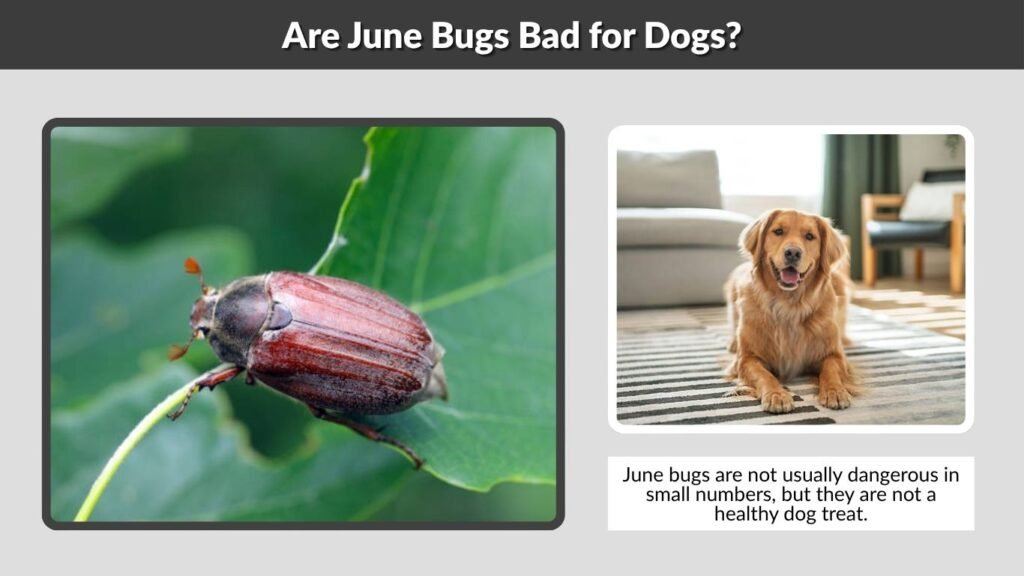
June bugs are not usually dangerous in small numbers, but they are not a healthy dog treat. They are wild insects, not clean feeder insects raised for pets.
| Situation | Risk Level | What It Means |
|---|---|---|
| Dog ate one June bug | Low | Usually no problem |
| Dog ate several June bugs | Mild to moderate | May cause stomach upset |
| Dog ate many June bugs | Moderate | Watch for vomiting or diarrhea |
| Dog ate pesticide-exposed bugs | Higher | Contact a vet if symptoms appear |
| Puppy ate June bugs | More concern | Puppies have sensitive stomachs |
A healthy adult dog may tolerate one June bug better than a small puppy, senior dog, or dog with a sensitive stomach.
What Happens If a Dog Eats a June Bug?
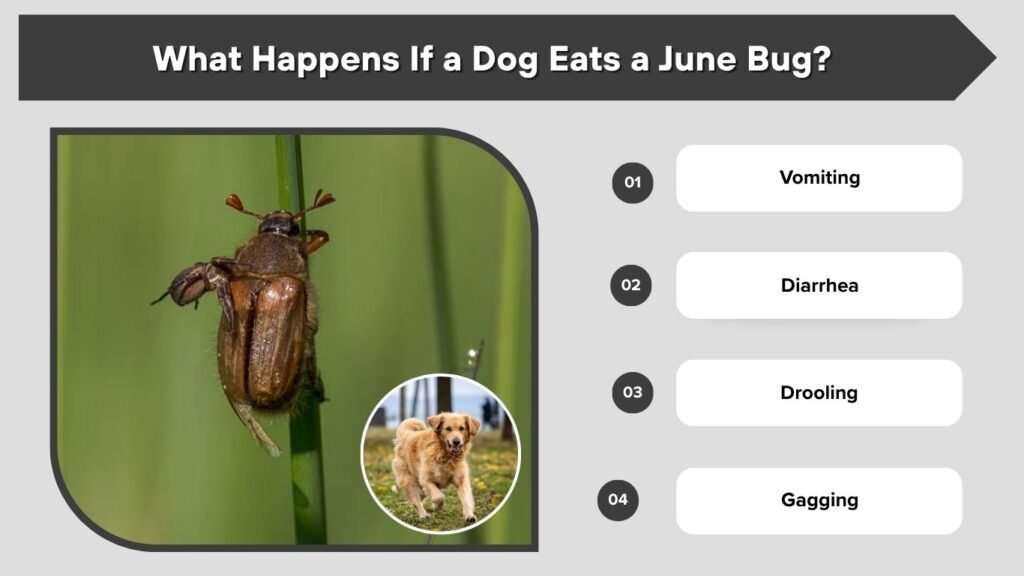
Most dogs show no serious symptoms after eating one June bug. Some may lick their lips, cough once, or act surprised by the crunchy texture. Others may go back outside and look for more.
If the dog eats several June bugs, symptoms may include:
- Vomiting
- Diarrhea
- Drooling
- Gagging
- Gas
- Loss of appetite
- Mild stomach discomfort
- Restlessness
Veterinary sources commonly warn that eating bugs can irritate the digestive system, and some insects may carry parasites or expose pets to other risks.
Can Dogs Get Sick from Eating June Bugs?
Yes, dogs can get sick from eating June bugs, especially if they eat a lot of them. The hard shell can irritate the stomach, and too many beetles may be difficult to digest.
This does not always mean poisoning. In many cases, sickness after eating June bugs is simple gastrointestinal upset.
Signs Your Dog May Be Sick
Watch your dog for the next 12–24 hours if it ate June bugs. Call your vet if you notice:
- Repeated vomiting
- Severe diarrhea
- Blood in vomit or stool
- Trouble breathing
- Swollen mouth or throat
- Extreme drooling
- Weakness or collapse
- Refusing food for a full day
- Signs of pain
- Unusual behavior
General poisoning warning signs in dogs can include drooling, vomiting, diarrhea, lethargy, seizures, collapse, breathing trouble, swelling, and behavior changes. If poisoning is suspected, owners should contact a veterinarian rather than trying home treatment without guidance.
My Dog Ate a June Bug: What Should I Do?
If your dog ate one June bug and seems normal, you usually only need to monitor them. Make sure they have fresh water and keep an eye out for stomach upset.
Step-by-Step Response
Follow these steps:
- Stay calm.
- Check how many June bugs your dog ate.
- Look for vomiting, diarrhea, gagging, or drooling.
- Keep your dog away from more beetles.
- Offer water.
- Avoid giving human medicine.
- Call your vet if symptoms are severe or repeated.
If your dog ate June bugs from an area recently treated with insecticide, herbicide, or lawn chemicals, contact your veterinarian for advice.
Why Do Dogs Eat June Bugs?
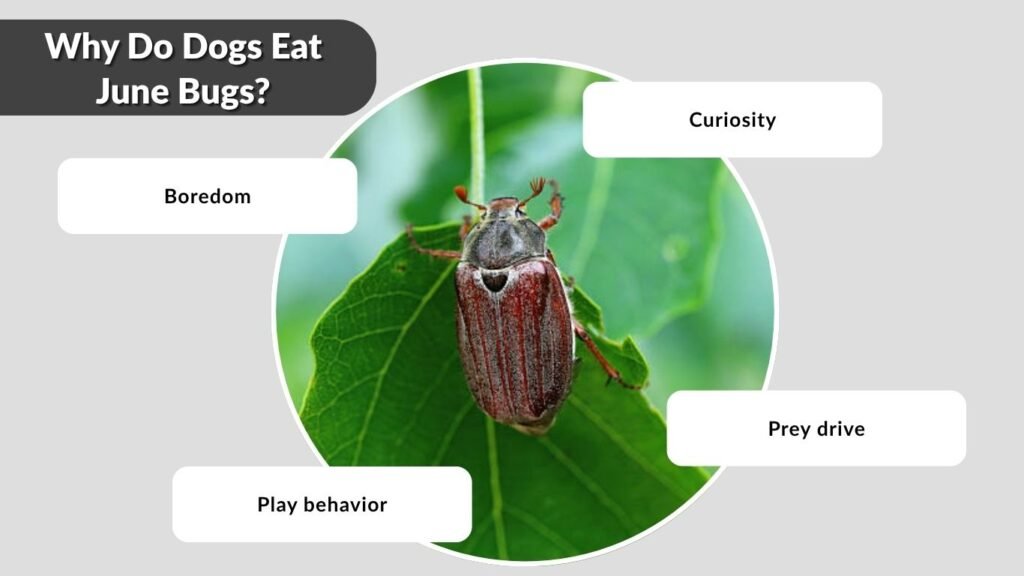
Dogs eat June bugs because the beetles move, buzz, fly low, and trigger a dog’s chase instinct. To a dog, a June bug may seem like a moving toy and crunchy snack at the same time.
Common reasons dogs eat June bugs include:
- Curiosity
- Prey drive
- Boredom
- Play behavior
- Crunchy texture
- Outdoor light attracting beetles
- Repeated habit
Some dogs chase June bugs only once. Others keep eating them every summer because they enjoy the chase.
Are June Bugs Poisonous to Puppies?
June bugs are not known to be poisonous to puppies, but puppies are more sensitive than adult dogs. A puppy has a smaller body, smaller throat, and more delicate digestive system.
If a puppy eats one June bug and acts normal, it may be fine. But if a puppy eats several beetles or begins vomiting, call a vet sooner rather than later.
Extra Puppy Concerns
Puppies may be at higher risk because:
- They chew and swallow things quickly.
- Their stomachs are more sensitive.
- They can become dehydrated faster.
- They may not know when to stop eating bugs.
- A larger beetle may be harder to swallow.
For puppies, repeated vomiting or diarrhea should never be ignored.
Do June Bugs Bite Dogs?
June bugs do not bite dogs in a dangerous way. They do not sting, inject venom, or attack pets. A June bug’s legs may feel scratchy if it crawls on a dog’s face, but it is not like a bee, wasp, spider, or fire ant.
If your dog has swelling around the mouth after chasing bugs, consider the possibility that it caught a different insect, such as a bee or wasp.
Are June Bugs Safe for Dogs to Eat?
June bugs are usually safe in the sense that they are not toxic, but they are not recommended as dog food. A dog eating one by accident is different from allowing a dog to eat them regularly.
| Question | Answer |
|---|---|
| Are June bugs toxic to dogs? | Usually no |
| Can one June bug hurt my dog? | Usually unlikely |
| Can many June bugs make dogs sick? | Yes, possible |
| Can June bugs bite dogs? | Not in a harmful way |
| Should dogs eat June bugs often? | No |
The safest answer is: one June bug is usually not a big problem, but dogs should not be encouraged to eat them.
Can Pesticides on June Bugs Hurt Dogs?
Yes, pesticide exposure is one of the biggest concerns. June bugs may crawl or fly through lawns, gardens, flower beds, or treated areas. If your dog eats insects that contacted pesticides, there may be a poisoning risk.
Be more cautious if:
- Your lawn was recently treated.
- Your neighbor uses insecticides.
- June bugs came from sprayed plants.
- Your dog ate many insects from the same area.
- Your dog is vomiting, drooling, shaking, or weak.
If you suspect chemical exposure, call your vet or a pet poison helpline for guidance.
How to Stop Dogs from Eating June Bugs
The best way to stop a dog from eating June bugs is to reduce the number of beetles around your home and supervise your dog during peak activity times.
Practical Prevention Tips
Try these methods:
- Turn off porch lights when not needed.
- Use yellow outdoor bug bulbs.
- Keep your dog leashed at night.
- Teach the “leave it” command.
- Clean up dead beetles from patios.
- Avoid letting dogs roam near treated lawns.
- Keep grass mowed and yard debris cleaned.
- Check doorways and windows where beetles gather.
- Bring your dog inside when June bugs are most active.
June bugs are often attracted to lights at night, so reducing outdoor lighting can make a big difference.
How to Keep June Bugs Away from Your Yard
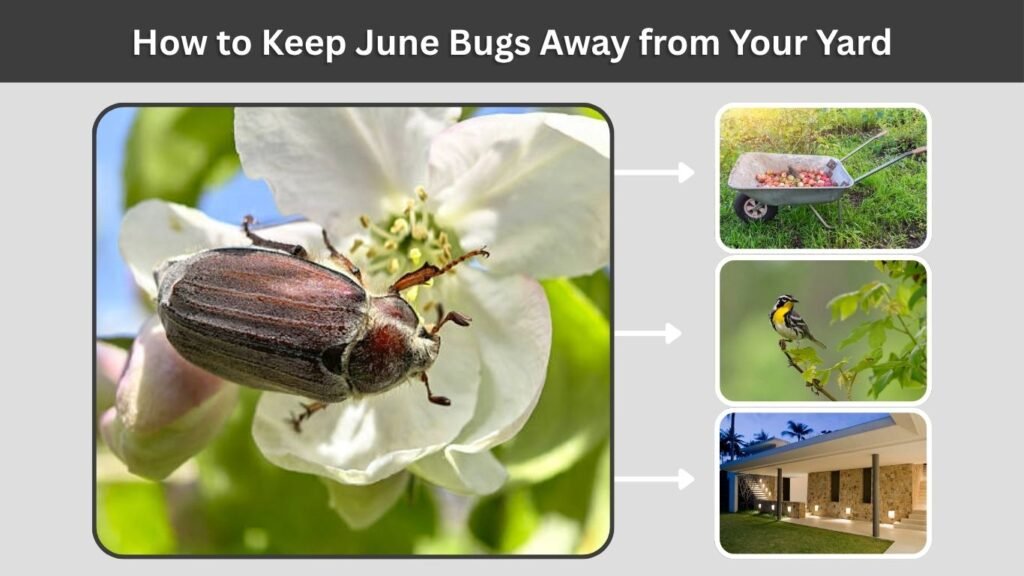
If your dog keeps finding June bugs, the yard may have adult beetles or grubs. June bug larvae live in soil and feed on roots. Reducing grubs may reduce future beetles.
Natural yard methods include:
- Beneficial nematodes for grubs
- Milky spore where suitable
- Removing fallen fruit
- Keeping grass healthy
- Reducing unnecessary outdoor lighting
- Encouraging birds and natural predators
Avoid using insecticides in areas where your dog plays unless the product is clearly pet-safe and used exactly according to the label.
When Should You Call a Vet?
Call your vet if your dog ate June bugs and has repeated symptoms or seems very uncomfortable. You should also call if your dog is very young, very small, elderly, pregnant, or already sick.
Vet-Visit Warning Signs
Contact a vet if you notice:
- Vomiting more than once
- Diarrhea that continues
- Bloody stool
- Trouble swallowing
- Swollen mouth or face
- Heavy drooling
- Tremors
- Weakness
- Collapse
- Suspected pesticide exposure
Do not induce vomiting unless a veterinarian tells you to do so.
FAQs
Can dogs eat June bugs?
Yes, dogs can eat June bugs, and one June bug is usually not harmful. June bugs are not considered toxic to dogs. However, eating many can cause vomiting, diarrhea, gas, or stomach discomfort, so dogs should not be encouraged to eat them.
Are June bugs poisonous to dogs?
No, June bugs are not generally poisonous to dogs. The bigger concerns are stomach irritation from the hard shell, overeating, choking risk in small dogs, and possible pesticide exposure if the beetle came from a treated lawn or garden.
What should I do if my dog ate a June bug?
If your dog ate one June bug and seems normal, monitor them and offer fresh water. Watch for vomiting, diarrhea, drooling, gagging, weakness, or appetite loss. Call your vet if symptoms continue or if pesticide exposure is possible.
Why does my dog eat June bugs?
Dogs eat June bugs because the beetles move, buzz, and fly low to the ground. This can trigger a dog’s chase instinct. Some dogs also enjoy the crunchy texture, making June bugs feel like an exciting outdoor snack.
Can June bugs make dogs sick?
Yes, June bugs can make dogs sick if eaten in large numbers. The hard shell may irritate the stomach and cause vomiting or diarrhea. Dogs may also become sick if the insects were exposed to pesticides or lawn chemicals.
