
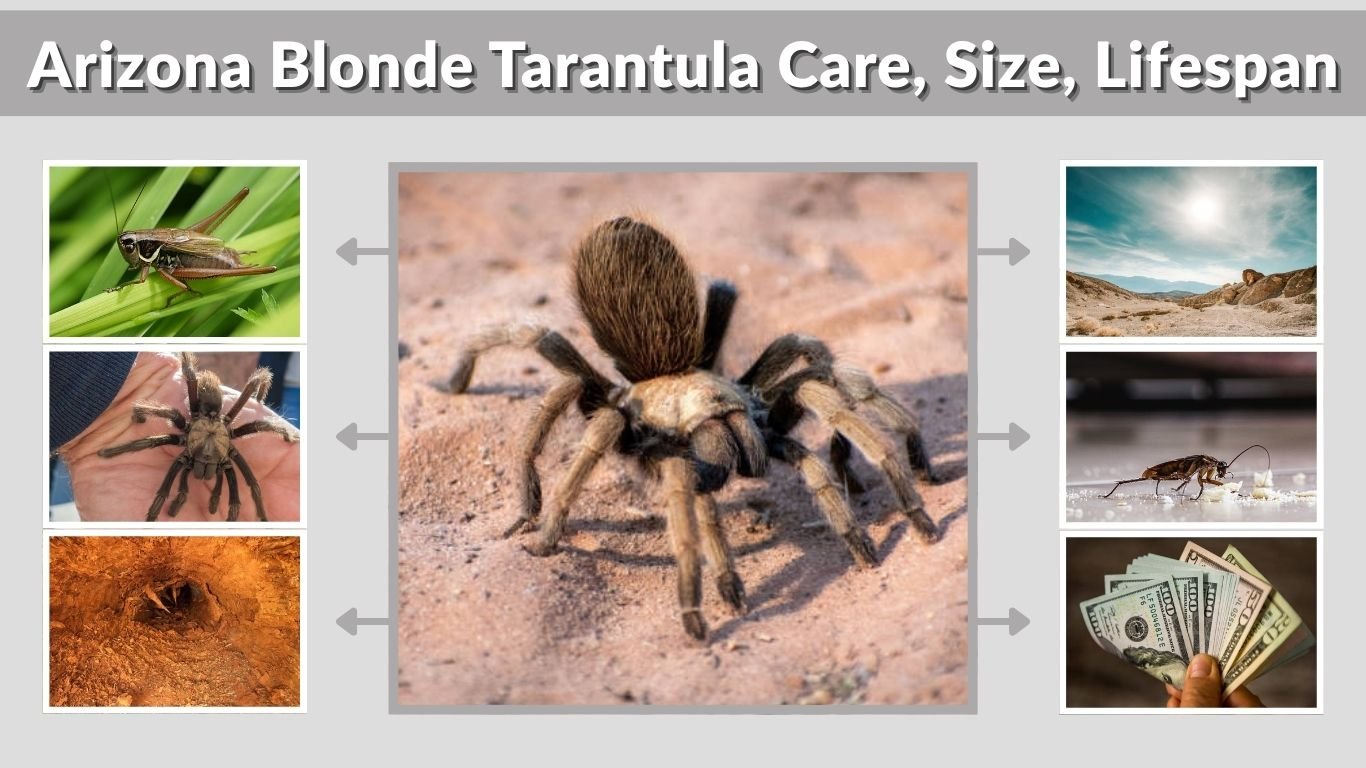
The Arizona Blonde Tarantula (Aphonopelma chalcodes) is widely regarded as one of the best beginner tarantulas in the world. Native to the deserts of the southwestern United States, this species is known for its calm temperament, slow movements, and long lifespan. Unlike more defensive tarantulas, it is easy to manage and requires simple care, making it a popular choice for first-time keepers. Its attractive golden coloration also adds to its appeal as a display pet.
What Is the Arizona Blonde Tarantula?
The Arizona Blonde Tarantula is a New World species that originates from arid desert regions. It is commonly referred to by several names, including Arizona Blond, Desert Blonde, and Blonde Tarantula. Despite slight variations in spelling, they all refer to the same species. This tarantula is known for its resilience, adaptability, and calm nature, which makes it stand out among other pet tarantulas.
- Scientific name: Aphonopelma chalcodes
- Common names: Arizona Blonde, Arizona Blond, Desert Blonde
- Native range: Arizona and northern Mexico
- Type: New World tarantula
Arizona Blonde Tarantula Traits and Behavior
This species is known for its predictable and calm behavior, which is ideal for beginners. Unlike aggressive tarantulas, it prefers to avoid conflict and will often retreat rather than attack. When threatened, it may flick urticating hairs as a defense mechanism. Its slow movement and relaxed nature make it easier to care for and observe.
- Slow-moving and non-aggressive
- Rarely shows threat posture
- Uses hair flicking as primary defense
- Prefers hiding in burrows
Arizona Blonde Tarantula Size, Growth Rate, and Lifespan

The Arizona Blonde Tarantula is a medium-sized species with a slow growth cycle. It takes several years to reach full maturity, especially females. However, this slow growth is balanced by an impressively long lifespan, making it a rewarding pet for those willing to commit long-term.
- Adult size: 4–6 inches leg span
- Growth rate: Very slow compared to other species
- Female lifespan: 20–30 years
- Male lifespan: 5–10 years
Natural Habitat: Where Do Arizona Blonde Tarantulas Live?
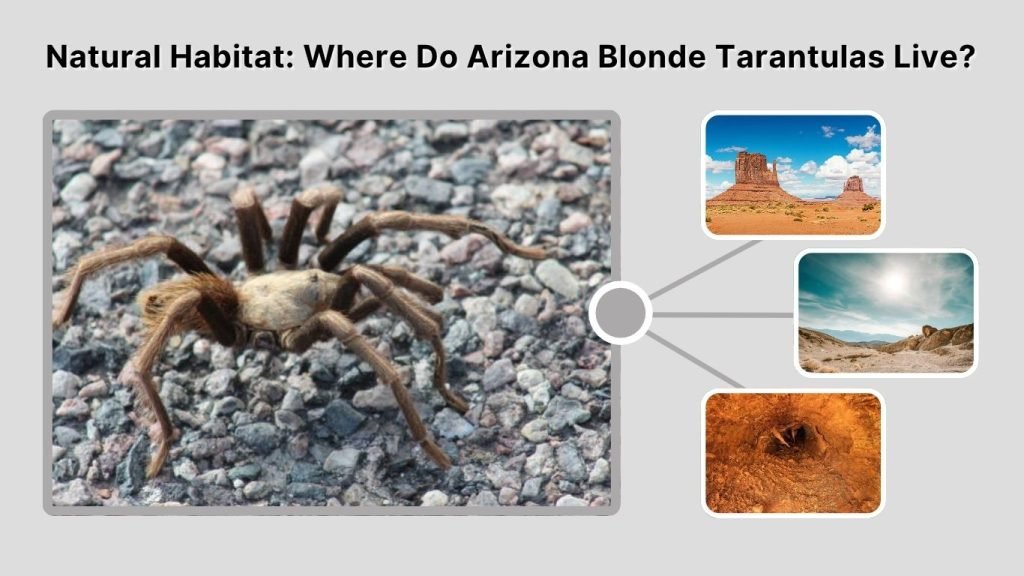
In the wild, Arizona Blonde Tarantulas thrive in dry desert environments where temperatures can be extreme. They survive by digging deep burrows that protect them from heat and predators. These spiders are mostly nocturnal, emerging at night to hunt and explore. Their natural habitat plays a key role in how they should be cared for in captivity.
- Found in Arizona deserts and northern Mexico
- Lives in dry, arid climates
- Creates deep underground burrows
- Active mainly during nighttime
Are Arizona Blonde Tarantulas Terrestrial or Burrowing?
Arizona Blonde Tarantulas are primarily terrestrial, meaning they live on the ground rather than in trees. However, they are also strong burrowers and spend most of their lives underground. In captivity, providing deep substrate is essential to allow them to express this natural behavior and feel secure.
- Terrestrial species (ground-dwelling)
- Strong natural burrowers
- Prefer deep substrate for digging
- Rarely climb like arboreal species
Arizona Blonde Tarantula Temperament
The calm temperament of the Arizona Blonde Tarantula is one of its most appealing features. It is widely considered one of the most docile tarantula species, making it ideal for beginners. Instead of showing aggression, it usually prefers to retreat or use mild defensive behaviors when disturbed.
- Extremely calm and docile
- Rarely aggressive toward humans
- Suitable for beginner keepers
- More likely to hide than attack
Are Arizona Blonde Tarantulas Good Pets?
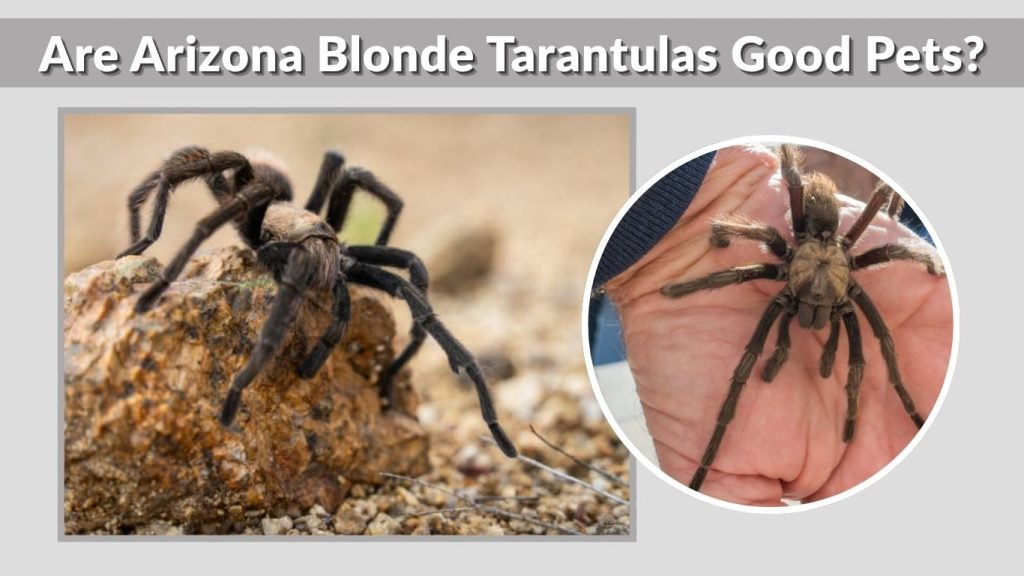
Arizona Blonde Tarantulas are often recommended as one of the best starter tarantulas due to their easy care and relaxed nature. They require minimal maintenance and are less likely to bite compared to other species. Their long lifespan, especially in females, makes them a long-term companion for dedicated keepers.
- Beginner-friendly species
- Low maintenance requirements
- Long lifespan (especially females)
- Ideal as a display pet
Arizona Blonde Tarantula Bite and Venom
Although Arizona Blonde Tarantulas are venomous like all tarantulas, their venom is mild and not considered dangerous to humans. Bites are extremely rare and usually occur only when the spider feels threatened. Most keepers will never experience a bite if proper handling and care practices are followed.
- Venom is mild and not medically significant
- Bites are rare and avoidable
- Effects similar to a mild bee sting
- More likely to flick hairs than bite
Arizona Blonde Tarantula Care Guide
Caring for an Arizona Blonde Tarantula is relatively simple compared to other species. It does not require complex setups or strict environmental conditions. However, maintaining a stable and appropriate environment is still important for its health and longevity.
- Easy care requirements
- Minimal handling needed
- Stable enclosure conditions
- Suitable for beginners and hobbyists
Arizona Blonde Tarantula Enclosure Setup
Creating the right enclosure is essential for keeping your Arizona Blonde Tarantula healthy and stress-free. Since this species is terrestrial and enjoys burrowing, the setup should focus on floor space rather than height. A simple, well-ventilated enclosure with proper substrate will allow the tarantula to behave naturally and feel secure in its environment.
- Tank size: 10–15 gallons for adults
- Secure lid with good ventilation
- Low height to prevent falls
- Quiet, low-traffic placement
Substrate, Temperature, and Humidity
The enclosure environment should mimic the tarantula’s natural desert habitat. This species prefers dry conditions and does not require high humidity. Providing the right substrate depth is especially important to support burrowing behavior and overall comfort.
- Substrate: coco fiber, soil, or sand mix
- Depth: 3–5 inches for burrowing
- Temperature: 22–28°C
- Humidity: low (keep enclosure mostly dry)
Arizona Blonde Tarantula Feeding and Diet
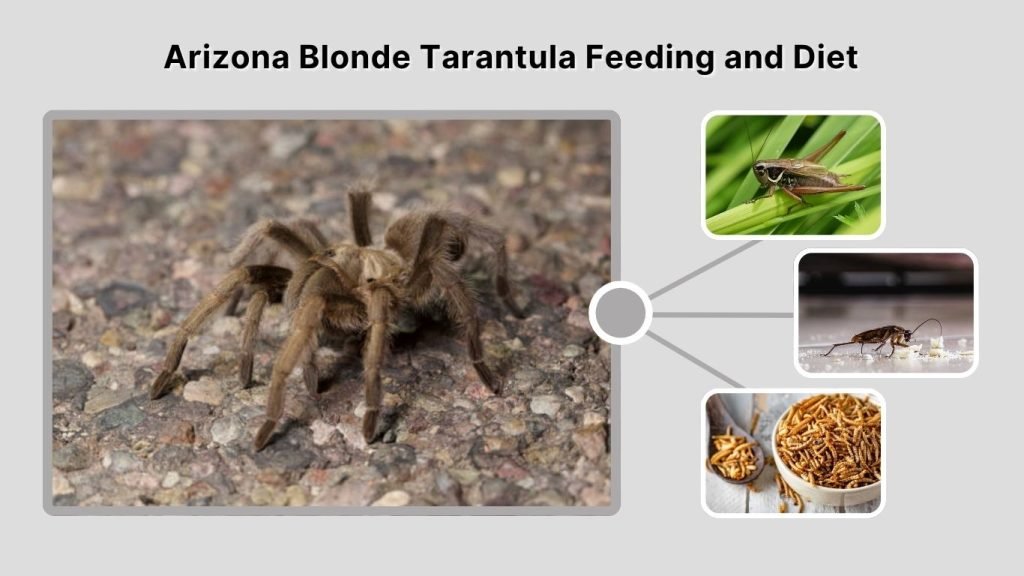
Arizona Blonde Tarantulas are opportunistic feeders and do not require frequent feeding. Their slow metabolism means they can go longer between meals compared to other tarantulas. A consistent feeding schedule helps maintain their health without overfeeding.
- Diet: crickets, roaches, mealworms
- Slings: feed 2–3 times per week
- Adults: feed every 1–2 weeks
- Always remove uneaten prey
Arizona Blonde Tarantula Sling (Baby) Care
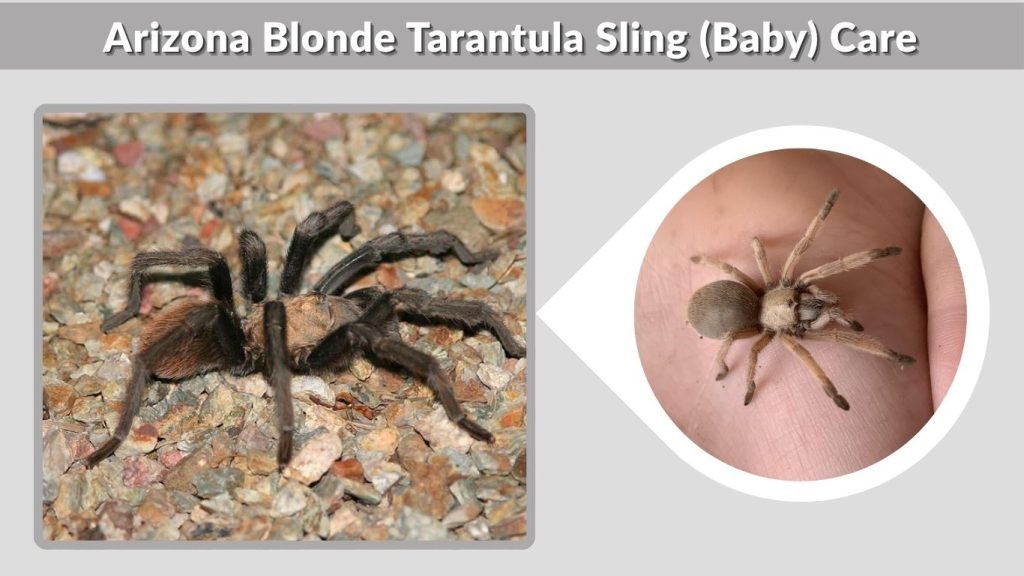
Young tarantulas require slightly different care than adults, especially when it comes to humidity and feeding frequency. Slings are more delicate and need stable conditions to grow properly. A smaller enclosure also helps ensure they can easily find food.
- Use small enclosure or vial setup
- Slightly higher humidity than adults
- Feed small prey regularly
- Monitor growth and molting closely
Female vs Male Arizona Blonde Tarantula
There are clear differences between male and female Arizona Blonde Tarantulas, especially in lifespan and behavior. Understanding these differences can help you choose the right tarantula for your needs and expectations.
- Females live much longer (20–30 years)
- Males live shorter (5–10 years)
- Males mature faster and wander more
- Females grow larger and bulkier
Arizona Blonde Tarantula Handling
This species is one of the few tarantulas that can be handled occasionally, but caution is still important. Even calm tarantulas can become stressed or defensive if handled improperly. Always prioritize the safety of both the spider and yourself.
- Handle gently and infrequently
- Avoid sudden movements
- Keep handling sessions short
- Never handle during molting
Arizona Blonde Tarantula Molting and Health
Molting is a natural and essential process for growth. During this time, the tarantula becomes vulnerable and should not be disturbed. Recognizing molting signs can help prevent unnecessary stress or harm.
- Stops eating before molting
- Lies on its back during molt
- Needs quiet and undisturbed space
- Healthy molts indicate proper care
Arizona Blonde Tarantula Growth Rate
Arizona Blonde Tarantulas are known for their slow growth, especially compared to other species. This means patience is required, but it also contributes to their long lifespan. Proper feeding and stable conditions can support steady development.
- Very slow-growing species
- Takes years to reach maturity
- Males mature faster than females
- Growth depends on feeding and temperature
Arizona Blonde Tarantula Price and Availability
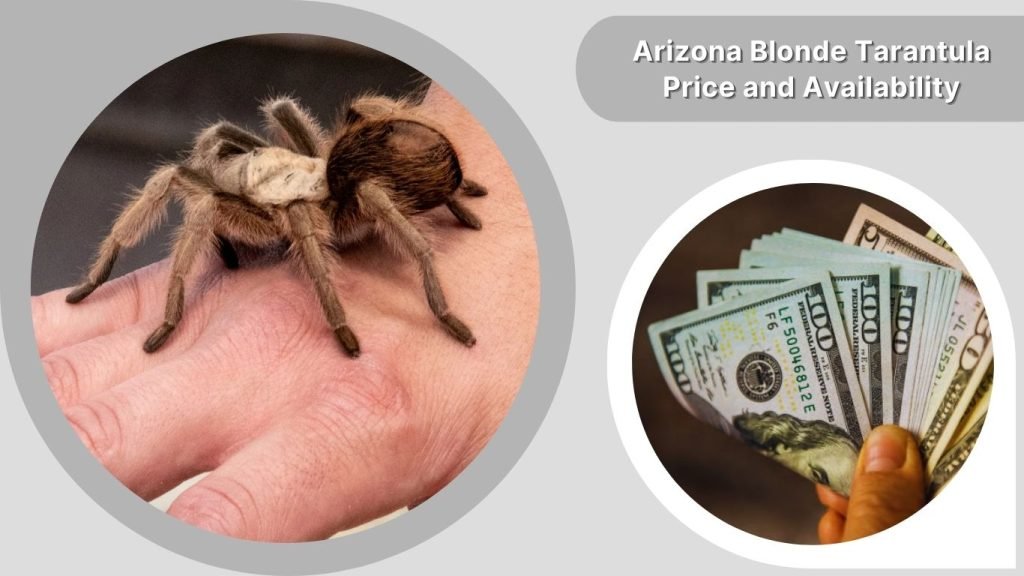
The Arizona Blonde Tarantula is widely available in the pet trade and is generally affordable compared to rarer species. Prices vary depending on age, size, and sex, with females being more expensive due to their longer lifespan.
- Slings: $20–$50
- Juveniles: $50–$100
- Adult females: $100–$250+
- Available from breeders and pet stores
Where to Buy Arizona Blonde Tarantula
Finding a healthy tarantula from a reliable source is important for long-term success. Captive-bred specimens are always preferred over wild-caught ones, as they adapt better to captivity and support ethical practices.
- Reputable breeders
- Online exotic pet stores
- Local reptile expos
- Avoid wild-caught specimens
Arizona Blonde Tarantula vs Palomino Tarantula
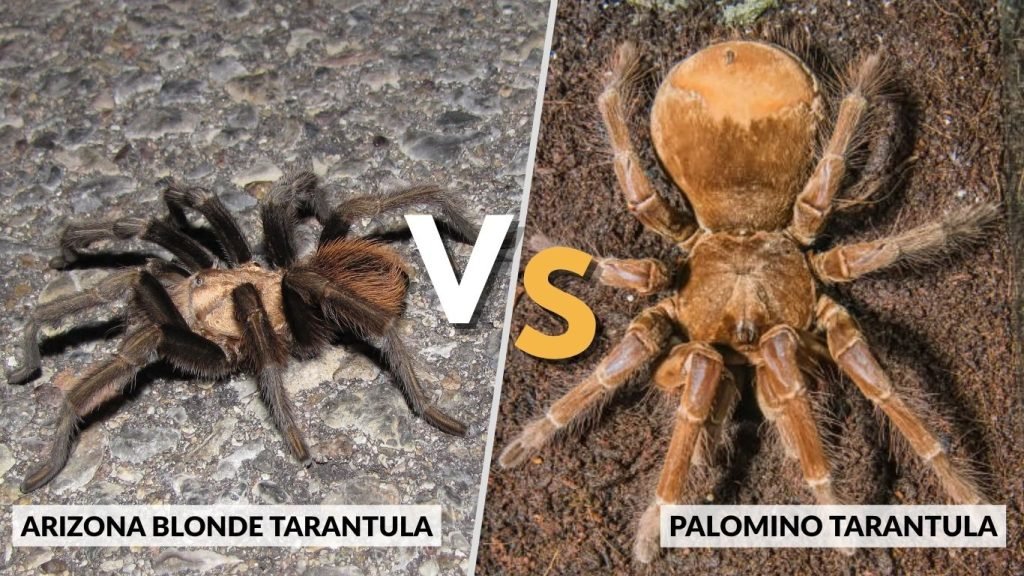
There is often confusion between the Arizona Blonde Tarantula and the so-called Palomino tarantula. In most cases, they refer to the same species, with slight variations in coloration depending on locality.
- Often the same species (Aphonopelma chalcodes)
- “Palomino” may describe color variation
- No major difference in care or behavior
- Both share similar traits and habitat
Interesting Facts About Arizona Blonde Tarantulas
These tarantulas are not only easy to care for but also fascinating in their natural behavior. Their unique traits and desert adaptations make them one of the most interesting species to observe in captivity.
- Known for calm and gentle nature
- Can live for decades in captivity
- Produces a faint woody scent when stressed
- Often emerges after rainfall in the wild
Arizona Blonde Tarantula Facts
The Arizona Blonde Tarantula is full of interesting traits that make it unique among tarantulas. It is especially popular due to its gentle behavior and ability to live for decades. In the wild, it survives harsh desert conditions by staying hidden in burrows. Its slow growth and long lifespan make it a long-term commitment for pet owners, especially when keeping females.
- Known for calm and docile temperament
- Golden-blonde carapace with darker legs
- One of the longest-living tarantulas
- Commonly seen after desert rains
Conclusion
The Arizona Blonde Tarantula is one of the best choices for anyone interested in keeping a tarantula as a pet. Its calm temperament, simple care requirements, and long lifespan make it especially appealing for beginners. While it may not be the most colorful or active species, its relaxed nature and ease of care make it a reliable and rewarding pet for both new and experienced keepers.
