
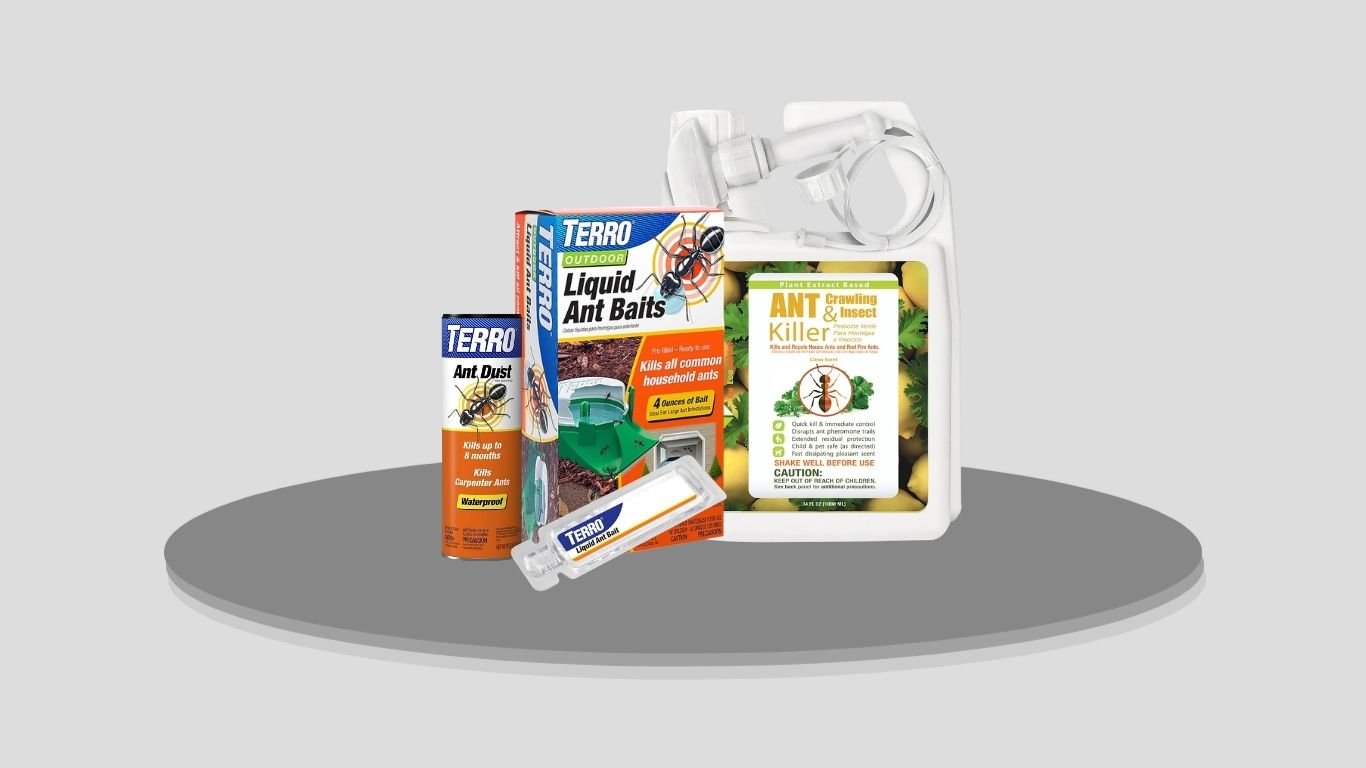
Fire ants can spread quickly around lawns, gardens, patios, and even indoor spaces, making effective control important before colonies become harder to manage. The best fire ant killers come in several forms, including liquid baits, gel baits, powders, granules, sprays, and glue traps. Each option works differently depending on where the ants are active and how severe the infestation is. In this guide, we review eight of the best fire ant killers to help you compare practical choices for indoor and outdoor ant control.
1. TERRO T300 Liquid Ant Bait Stations
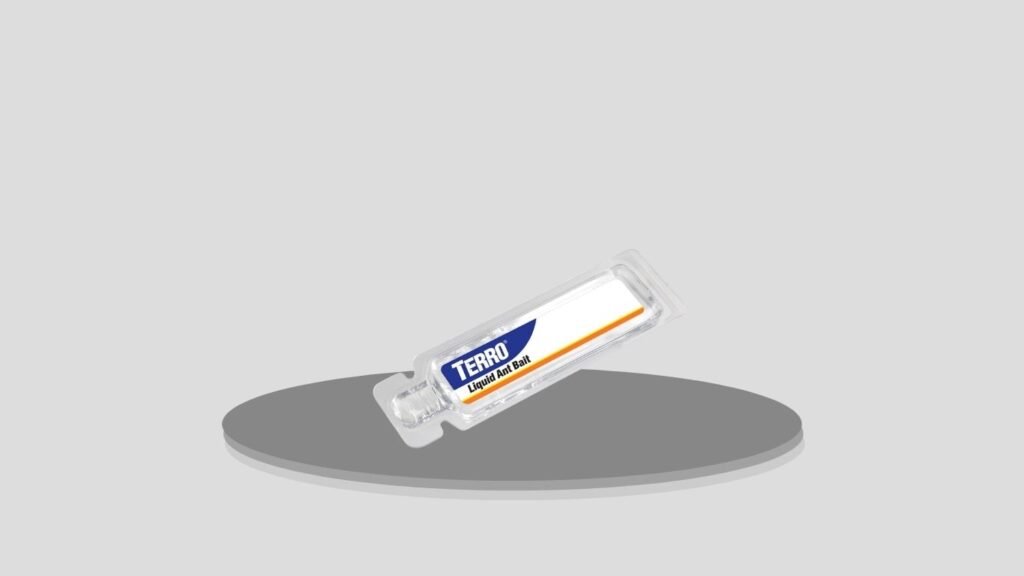
TERRO T300 Liquid Ant Bait Stations provide a convenient way to deal with ants that are actively foraging indoors. Instead of killing only the ants you can see, the liquid bait is designed to be carried back toward the colony by worker ants. The prefilled bait stations require almost no preparation, making them particularly useful around kitchens, bathrooms, baseboards, and other areas where ant trails frequently appear.
Key Features
- Prefilled liquid ant bait stations
- Ready to use with minimal setup
- Designed for worker ants to carry bait back to the colony
- Useful around common indoor ant trails
- Enclosed design helps contain the liquid bait
- Multiple stations can be placed around problem areas
- Compact size for discreet positioning
Why It’s Best For
TERRO T300 is best for homeowners dealing with persistent indoor ant activity and wanting a colony-oriented baiting approach rather than repeatedly spraying individual ants.
The liquid bait encourages foraging ants to feed and return to their nesting area. This makes bait stations useful in locations where ants continuously emerge from cracks, wall gaps, cabinets, or other concealed spaces.
Because the bait is contained inside a station, placement is also cleaner than applying loose powders or liquids around indoor living spaces. Several stations can be placed along active trails to increase the chance that ants find the bait quickly.
Performance & Durability
Baits are intentionally not designed to eliminate every visible ant immediately. Allowing workers time to feed and transport bait back toward the colony is part of the process.
Users may initially notice more ants gathering around the stations, which can indicate that the bait has been discovered. Disturbing trails or spraying repellents directly beside bait stations can interfere with feeding behavior.
The stations should be monitored and replaced when depleted, contaminated, or no longer attractive. For outdoor fire-ant mounds, however, a product specifically labeled for fire ants may provide a more appropriate treatment.
Pros & Cons, Overall Verdict
Pros
- Easy prefilled design
- Colony-focused baiting strategy
- No mixing or spraying
- Convenient indoor placement
- Good for recurring ant trails
Cons
- Not primarily a fire-ant mound treatment
- Results are slower than contact sprays
- Requires patience while ants carry bait
Overall Verdict: TERRO T300 is an excellent indoor ant-bait option for controlling persistent foraging ants. For established outdoor fire-ant colonies, pair your control plan with a dedicated fire-ant product.
2. TERRO Outdoor Ready-to-Use Liquid Ant Killer
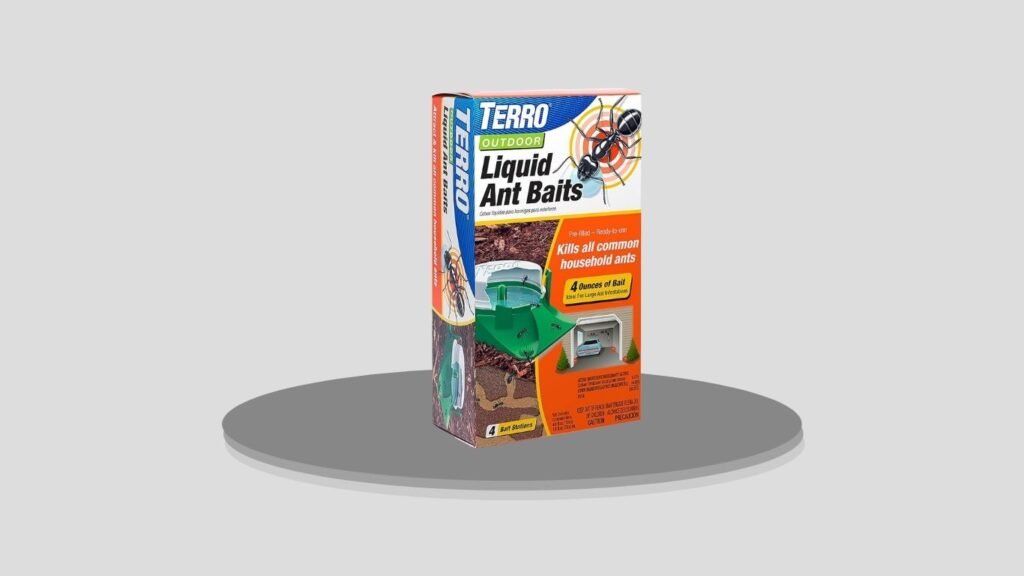
TERRO Outdoor Ready-to-Use Liquid Ant Killer is designed for ant activity around exterior areas where indoor bait stations may not be practical. The outdoor bait system gives foraging ants access to liquid bait while helping protect it from everyday environmental exposure. It can be placed near patios, foundations, walkways, and other areas where ants repeatedly travel toward buildings or outdoor living spaces.
Key Features
- Ready-to-use outdoor ant bait
- Liquid bait formulation
- Designed for exterior placement
- Helps target ants through worker feeding
- Convenient around foundations and patios
- No concentrate measuring required
- Enclosed baiting system
Why It’s Best For
This TERRO product is particularly useful for homeowners who see ant trails outside before insects make their way indoors. Strategic placement along active routes can help intercept ants around foundations, entry areas, and landscaped edges.
The liquid bait format offers an alternative to spraying visible ants. Worker ants can feed on the bait and continue traveling back toward nesting areas, potentially extending the treatment beyond the insects immediately visible near the station.
It is also convenient for people who prefer a low-maintenance approach. Once positioned correctly, the station can remain available to foraging ants without frequent manual spraying.
Performance & Durability
Outdoor bait performance depends on correct placement and ant feeding behavior. Stations work best where ants are already traveling rather than in random sections of a yard with little activity.
Users should periodically inspect the bait to ensure it remains available and accessible. Heavy rain, debris, extreme heat, or prolonged outdoor exposure can eventually affect any outdoor pest-control product.
Because fire ants build substantial underground colonies, users should verify whether the specific label includes their target fire-ant species before relying on this product as the sole mound treatment.
Pros & Cons, Overall Verdict
Pros
- Convenient outdoor baiting
- Ready to use
- Helps address ants before they enter the home
- No spraying needed
- Useful around patios and foundations
Cons
- Slower than direct-contact treatments
- Not the strongest choice for large fire-ant mounds
- Placement strongly affects results
Overall Verdict: TERRO Outdoor Liquid Ant Killer is a practical perimeter-control option for homeowners wanting an easy baiting method around the exterior of the home.
3. Syngenta Advion Ant Gel Bait
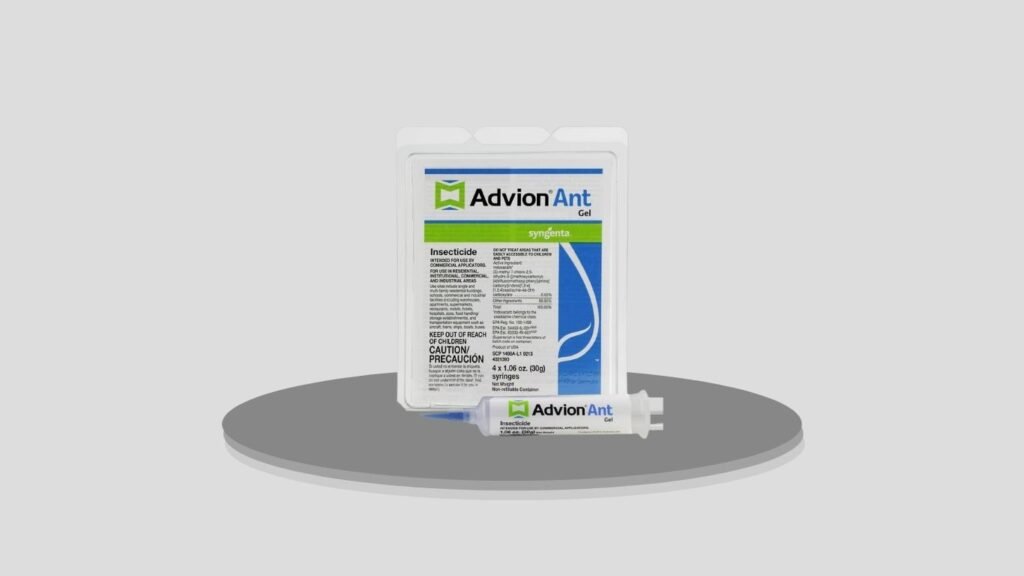
Syngenta Advion Ant Gel Bait is a professional-style gel bait designed for precise placement in areas where ants are actively feeding and traveling. The syringe format allows small amounts of bait to be applied into cracks, crevices, corners, and other tight spaces that conventional bait stations may not reach. Its targeted application makes it particularly useful for persistent indoor ant infestations and difficult-to-access nesting areas.
Key Features
- Gel bait formulation
- Syringe applicator for precise placement
- Useful in cracks and crevices
- Designed for various pest ant species
- Suitable for targeted indoor applications
- Small bait placements reduce unnecessary coverage
- Professional-style application format
Why It’s Best For
Advion is best for situations where ant activity is concentrated in small spaces, behind appliances, along cabinet edges, or near structural gaps.
Unlike a large bait station, the gel can be placed directly where ants are traveling. This flexibility is useful when trails appear in areas where a plastic station would be difficult to position.
Gel baits also support a colony-oriented strategy because workers feed on the product rather than simply being killed immediately by a contact spray. For homeowners dealing with recurring ant activity, that approach can provide a more targeted solution.
Performance & Durability
Performance depends heavily on applying small, fresh bait placements near active trails. Excessive amounts are generally unnecessary, while placing bait directly beside strong repellent sprays may reduce ant feeding.
Gel can eventually dry, become dusty, or lose attractiveness, so bait placements should be inspected periodically and refreshed according to label directions.
This product is primarily valuable for structural ant control. Large outdoor fire-ant colonies may require a dedicated broadcast bait, mound treatment, or other product specifically labeled for that use.
Pros & Cons, Overall Verdict
Pros
- Precise syringe application
- Fits tight spaces
- Colony-oriented baiting
- Useful for persistent indoor ants
- Requires only small placements
Cons
- Application takes more care than stations
- Gel may dry over time
- Not primarily intended for treating large fire-ant mounds
Overall Verdict: Syngenta Advion Ant Gel is one of the strongest choices here for targeted indoor ant control, especially when ants are hiding in cracks or difficult structural spaces.
4. EcoVenger Ant & Crawling Insect Killer
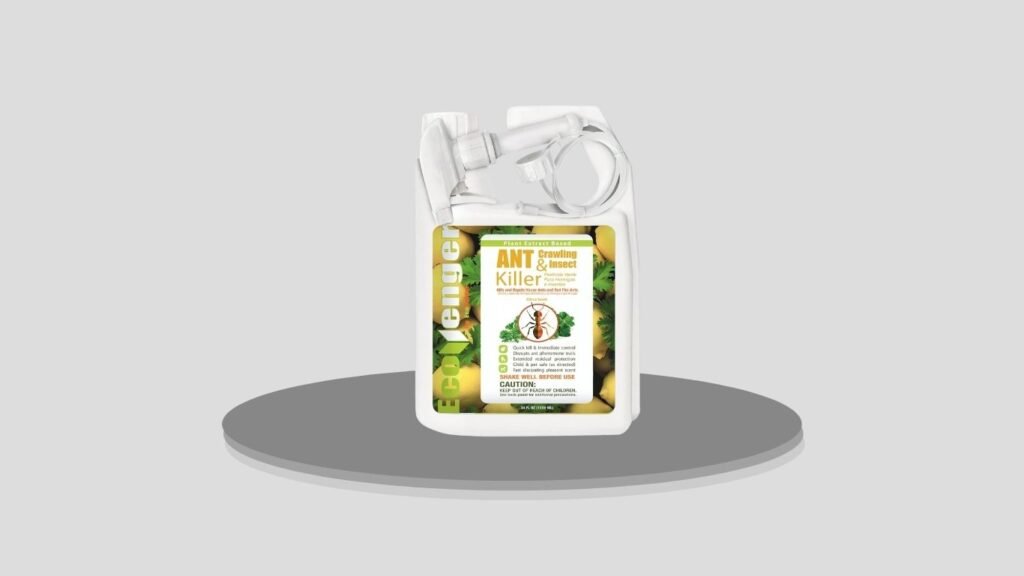
EcoVenger Ant & Crawling Insect Killer is a ready-to-use botanical spray designed to kill and repel ants along with several other crawling pests. It is particularly appealing to homeowners who prefer plant-derived active ingredients instead of relying exclusively on conventional synthetic insecticides. The trigger bottle makes it easy to treat visible ants, trails, cracks, entry points, and other labeled areas indoors or outdoors.
Key Features
- Ready-to-use spray
- Plant-derived active ingredients
- Targets ants and other crawling insects
- Suitable for indoor and outdoor use as labeled
- Direct-contact killing action
- Repellent properties
- Convenient trigger application
Why It’s Best For
EcoVenger is especially useful for households that want one versatile spray for both ant activity and several other crawling pests.
The ready-to-use bottle allows immediate treatment without mixing a concentrate or preparing a separate sprayer. This makes it practical for quick spot treatments around windows, doors, patios, garages, kitchens, and similar problem areas.
It can also appeal to users looking for a botanical formulation. Rather than functioning as a slow bait, EcoVenger works more like a direct treatment and repellent, making it suitable when visible ant activity needs immediate attention.
Performance & Durability
Direct spraying provides the fastest results when insects can be treated directly. Residual repellency may also help discourage ants from returning to treated areas, although weather, cleaning, and surface exposure can reduce persistence over time.
Outdoor applications may require more frequent attention than protected indoor treatments because rainfall, irrigation, and sunlight can gradually remove residues.
For established fire-ant colonies, surface spray treatment alone may not always reach the queen or deep nesting areas. A dedicated mound or colony treatment can therefore be useful alongside spot spraying.
Pros & Cons, Overall Verdict
Pros
- Plant-based formulation
- Ready to use
- Fast direct application
- Indoor and outdoor flexibility
- Controls multiple crawling pests
Cons
- May require repeat treatment outdoors
- Botanical scent may be noticeable
- Large fire-ant colonies may need additional control
Overall Verdict: EcoVenger is a versatile choice for users who want plant-based ant control and quick spot treatment around both indoor and outdoor spaces.
5. TERRO Ant Killer Powder for Indoor & Outdoor Use
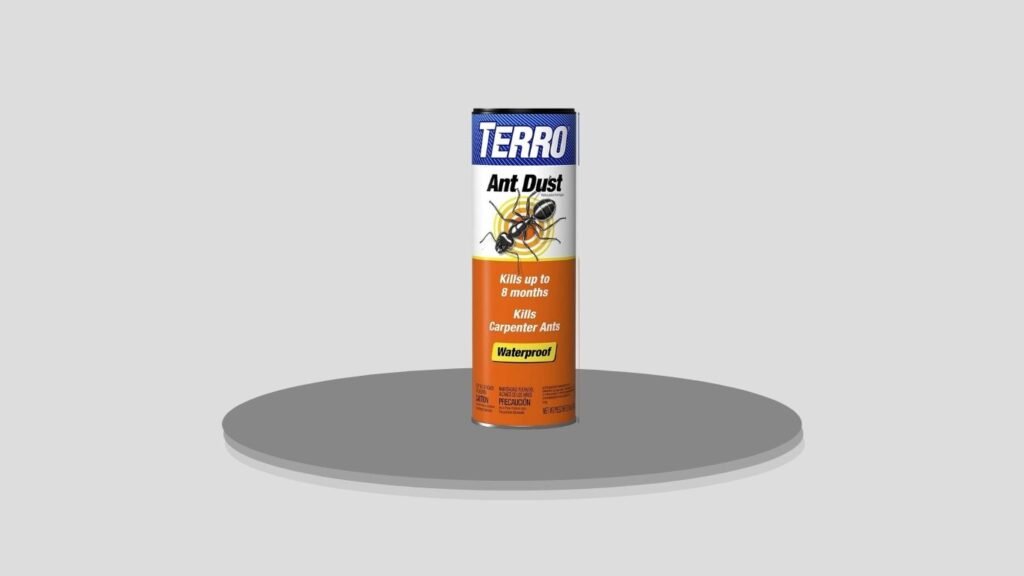
TERRO Ant Killer Powder offers a dry treatment format for homeowners who prefer applying insecticide directly into cracks, crevices, perimeter areas, and other places where liquid sprays may be less convenient. The powder can be useful for treating recurring ant routes while also providing flexibility for indoor and outdoor applications. Its dry consistency is particularly practical in sheltered spaces where long-lasting residue is desirable.
Key Features
- Dry powder ant-control formula
- Suitable for indoor and outdoor applications as labeled
- Useful around cracks and crevices
- Easy targeted application
- No mixing required
- Helpful for perimeter treatments
- Can reach spaces where sprays are inconvenient
Why It’s Best For
TERRO Powder is best for users who want a treatment that stays in place in dry, protected areas. Powder can be applied around structural gaps, wall voids, foundations, and other locations where ants frequently travel.
It can also be useful when liquid sprays are undesirable. For example, narrow cracks or sheltered perimeter areas may be easier to treat with a small amount of powder than with a wet solution.
The simple application format makes it a practical addition to an ant-control plan where several treatment methods are being combined.
Performance & Durability
One advantage of dry insecticidal powders is that they can remain effective longer in areas protected from moisture. However, rain, irrigation, cleaning, and wind can quickly reduce performance in exposed outdoor locations.
Correct application matters. A heavy pile of powder is not necessarily more effective than a thin, label-directed layer and may encourage ants to avoid the treated area.
For fire ants, users should verify that the current product label specifically covers the intended species and application method before using it on mounds or lawns.
Pros & Cons, Overall Verdict
Pros
- Dry application
- Useful in cracks and crevices
- Indoor/outdoor versatility
- No mixing required
- Good for protected perimeter areas
Cons
- Moisture can reduce effectiveness
- Less convenient over large lawns
- Requires careful application around occupied spaces
Overall Verdict: TERRO Ant Killer Powder is a useful targeted treatment for dry cracks, perimeter areas, and other locations where a conventional liquid spray is difficult to apply effectively.
6. BASF Advance 375A Granular Ant Bait
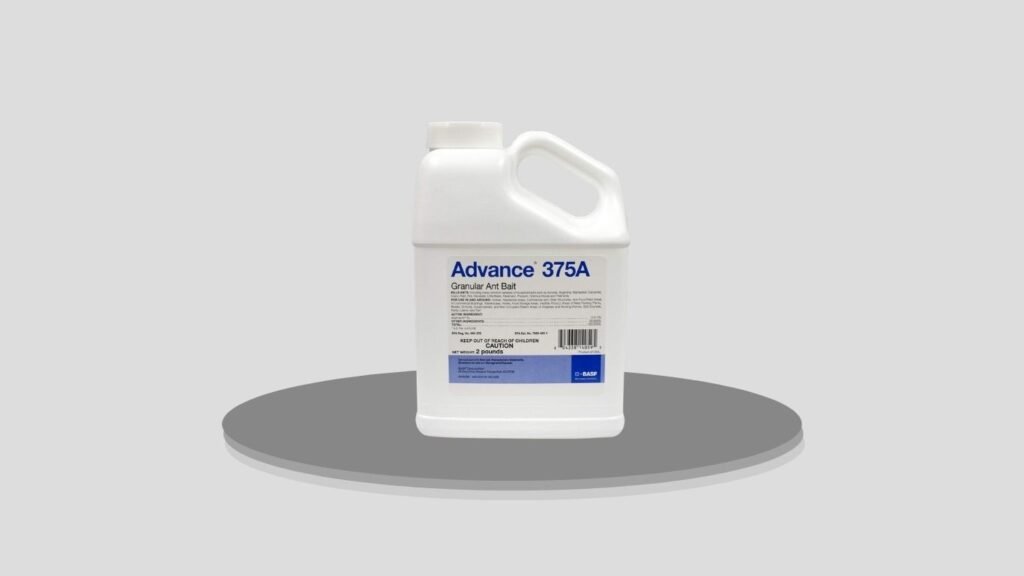
BASF Advance 375A Granular Ant Bait is designed for users who need a bait that can be distributed across larger outdoor areas or placed around active ant zones. Its granular format allows worker ants to collect bait particles and transport them toward the colony. This makes it particularly useful for broad ant-management programs where treating only individual visible insects would not provide enough coverage.
Key Features
- Granular ant bait
- Designed for worker ants to carry toward colonies
- Suitable for targeted or broader applications as labeled
- Easy to distribute in outdoor areas
- Useful for multiple ant species
- Colony-oriented control strategy
- Convenient for larger properties
Why It’s Best For
Advance 375A is best for homeowners or pest-control users who want a granular baiting approach rather than a contact spray.
Granules can be distributed around active ant areas, allowing foragers to discover and carry food particles back to their nesting sites. This strategy can be particularly useful when colonies are not easy to locate or ants are spread across a wider area.
It also works well as part of an integrated ant-management plan. Instead of spraying every worker immediately, baiting allows the ants’ natural food-gathering behavior to help distribute the treatment.
Performance & Durability
Granular bait performs best when it is fresh, dry, and attractive to actively foraging ants. Heavy rainfall or irrigation can reduce bait quality, so application timing is important.
Because ant feeding preferences can change, results may vary depending on species, season, and available competing food. Avoid placing strongly repellent insecticides directly over bait, as that can discourage workers from feeding.
For fire-ant control, always follow the current label regarding eligible species, application rates, and mound or broadcast treatments.
Pros & Cons, Overall Verdict
Pros
- Colony-focused approach
- Good for larger treatment areas
- Easy granular application
- Useful when nests are difficult to locate
- Can complement other ant-control methods
Cons
- Slower than contact insecticides
- Rain can damage exposed bait
- Requires active feeding by ants
Overall Verdict: BASF Advance 375A is a strong option for users who prefer granular bait and want to target colonies through normal worker-foraging behavior rather than relying entirely on surface sprays.
7. Catchmaster Crawling Insect Glue Traps
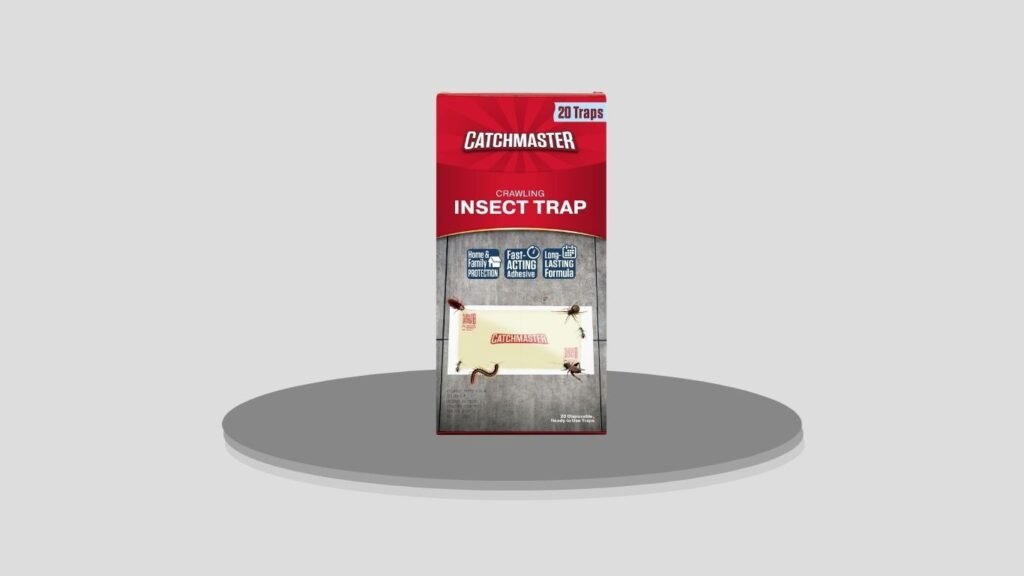
Catchmaster Crawling Insect Glue Traps provide a completely different type of ant control by physically capturing insects rather than using insecticides or bait. The adhesive boards can be positioned along walls, near entry points, beneath appliances, or in other areas where crawling pests move. They are particularly useful for monitoring indoor activity and determining where ants or other insects are entering a building.
Key Features
- Adhesive trapping system
- No liquid insecticide or spray
- Captures ants and other crawling insects
- Useful for pest monitoring
- Easy placement along walls and entry areas
- Disposable design
- Helpful for locating active pest routes
Why It’s Best For
Catchmaster traps are best for monitoring and capturing individual crawling pests indoors. If you are unsure where ants are entering, strategically placed glue boards can reveal which routes are experiencing the most activity.
The traps also work without spraying chemicals across surfaces, making them convenient in locations where users prefer a passive capture method.
Because they can catch several types of crawling insects, they provide additional value for households dealing with spiders, crickets, roaches, or other pests at the same time.
Performance & Durability
Performance depends almost entirely on placement. Glue traps should be positioned directly along walls, corners, or other routes insects naturally follow.
Dust, moisture, and debris can gradually reduce adhesive strength, so heavily contaminated traps should be replaced. Keeping them in dry, protected indoor locations generally improves usable life.
However, glue boards only capture individual insects that walk across them. They do not reach underground nests, kill queens, or spread treatment throughout a colony.
Pros & Cons, Overall Verdict
Pros
- Pesticide-free capture method
- Good for monitoring
- Easy setup
- Captures multiple crawling pests
- Helpful for identifying entry points
Cons
- Does not eliminate a colony
- Not suitable for outdoor fire-ant mounds
- Adhesive loses effectiveness when dirty or wet
Overall Verdict: Catchmaster Glue Traps are best used as a monitoring and supplementary control tool. They can help identify indoor ant activity, but they should not be considered a primary treatment for established fire-ant colonies.
8. Spectracide Bug Stop Home Barrier Outdoor Insect Killer
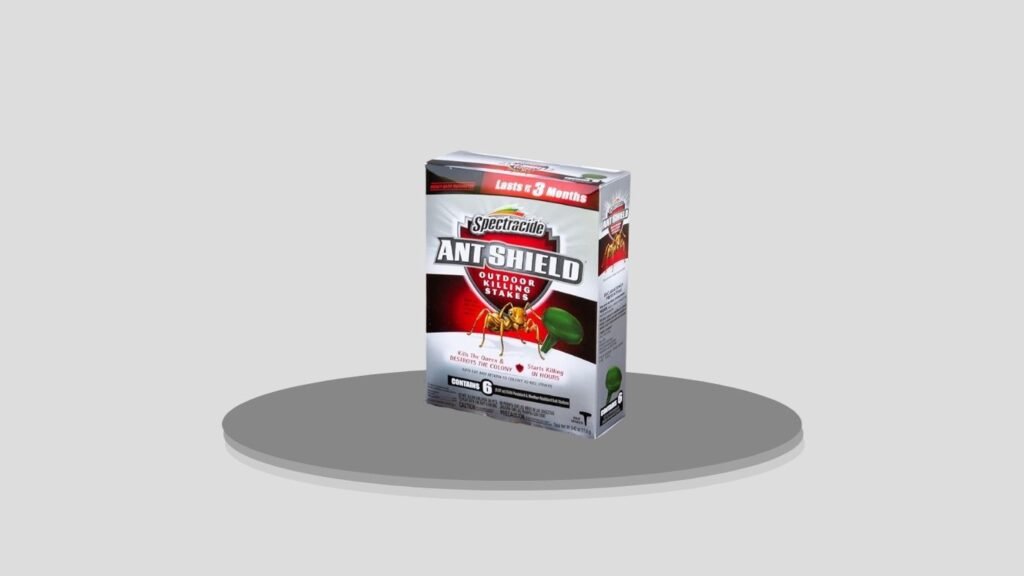
Spectracide Bug Stop Home Barrier is designed to treat outdoor perimeter areas and control a wide range of insects around the home. It provides a convenient option for targeting ants and other pests before they move indoors, particularly around foundations, doors, windows, patios, and other exterior surfaces. Its ready-to-use format makes routine perimeter pest control simpler than mixing concentrated insecticides.
Key Features
- Ready-to-use outdoor insect killer
- Suitable for exterior perimeter treatment
- Targets ants and multiple other insects
- Useful around foundations and entry points
- Direct-contact insect control
- Convenient spray application
- Designed for residential pest management
Why It’s Best For
Spectracide is particularly useful for homeowners who want to create a treated perimeter around their house rather than focusing solely on insects that have already entered.
Ants commonly travel along foundation edges, patios, doorways, and structural cracks. Treating these areas can help reduce activity before pests establish regular indoor routes.
The multi-insect formula also means one product can address several outdoor crawling pests, making it a practical choice for properties with more than one insect problem.
Performance & Durability
A perimeter spray performs best when applied evenly to labeled exterior surfaces and common entry areas. Coverage should be thorough enough to treat pest pathways while remaining within label directions.
Outdoor residues are exposed to sunlight, rain, irrigation, dust, and other environmental factors, so long-term effectiveness can vary. Regular inspection helps determine whether pest activity is returning.
For fire ants specifically, a perimeter treatment should not automatically be considered a substitute for mound control. If active colonies are present in the lawn, a dedicated fire-ant treatment may still be necessary.
Pros & Cons, Overall Verdict
Pros
- Convenient perimeter treatment
- Ready-to-use formula
- Targets numerous insects
- Helpful around exterior entry points
- No concentrate mixing required
Cons
- Not primarily a colony bait
- Outdoor weather can reduce residual performance
- Large fire-ant mounds may require separate treatment
Overall Verdict: Spectracide Bug Stop Home Barrier is a practical choice for broad exterior ant and insect control around the home, particularly when the goal is reducing pest activity near foundations and entry points.
FAQs
1. What is the best type of fire ant killer?
The best type depends on where the ants are active. Granular baits are useful for targeting colonies across larger outdoor areas, while mound treatments work well for visible nests. Liquid and gel baits are often better for ants entering homes, and perimeter sprays can help reduce activity around foundations and entry points.
2. How long does a fire ant killer take to work?
Results vary by product. Contact sprays and powders may kill visible ants quickly, while bait products usually work more slowly because worker ants need time to carry the bait back toward the colony. Depending on the formula and infestation size, colony reduction may take several days or longer.
3. Is bait better than spray for fire ants?
Bait and spray serve different purposes. Baits can be more effective for colony-level control because worker ants carry the treatment back to the nest. Sprays are useful for fast control of visible ants and perimeter treatment. For larger infestations, combining properly labeled methods may provide more complete control.
4. Can I use fire ant killer around pets and children?
Only use a product in areas and ways specifically allowed by its label. Keep children and pets away during application and for any required reentry period. Baits, powders, granules, and sprays should be stored securely and never placed where pets or children can easily access them.
5. How often should fire ant killers be reapplied?
Reapplication depends on the product type, weather, and level of ant activity. Rain and irrigation can reduce the effectiveness of some outdoor treatments, while bait may need replacement after it is consumed or becomes wet. Always follow the manufacturer’s label instead of applying more frequently than recommended.
