
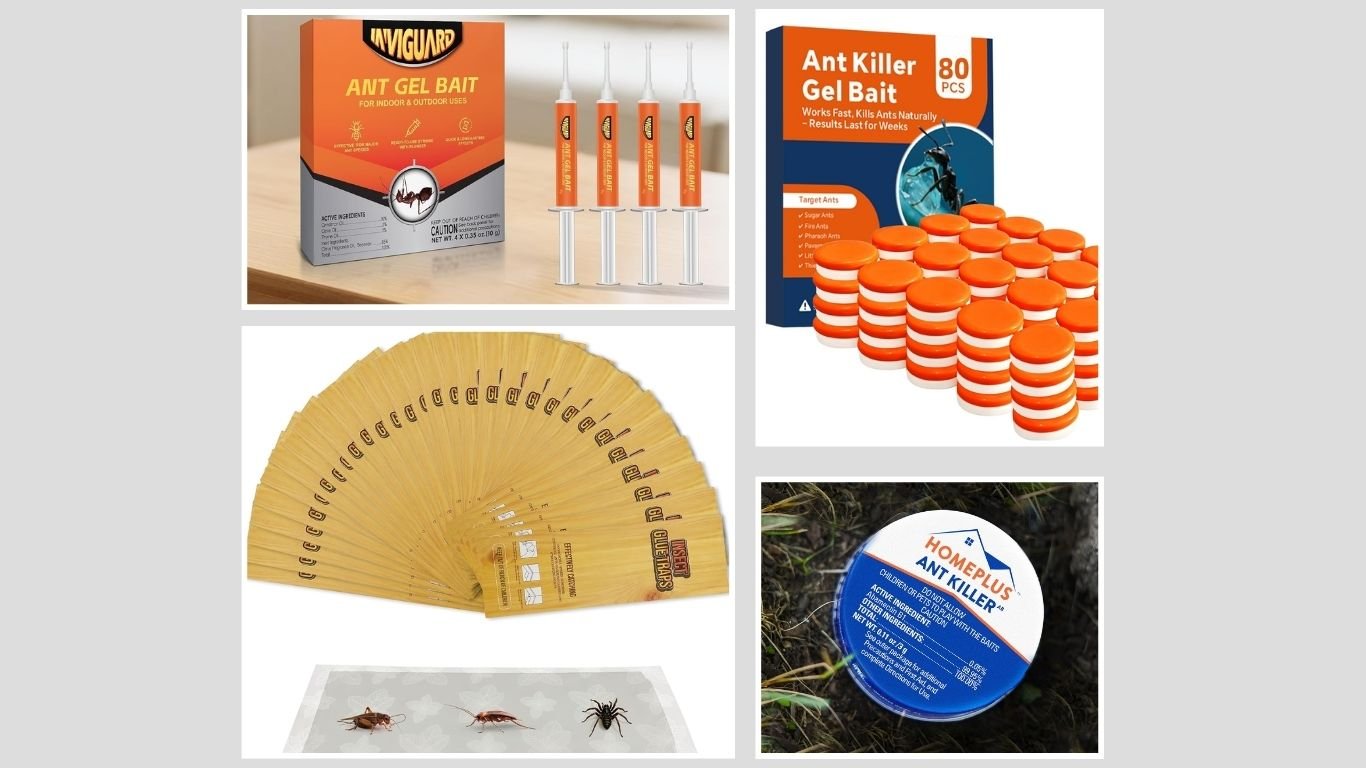
Ant infestations can quickly spread through kitchens, patios, garages, and other areas of the home, making reliable control important. The best ant traps are designed to attract ants, capture them, or deliver bait back toward the colony for broader control. Some options work indoors, while others are built for outdoor placement and tougher conditions. In this guide, we review 9 of the best ant traps based on design, ease of use, placement flexibility, and suitability for common household and carpenter ant problems.
1. Ortho Home Defense Ant Killer
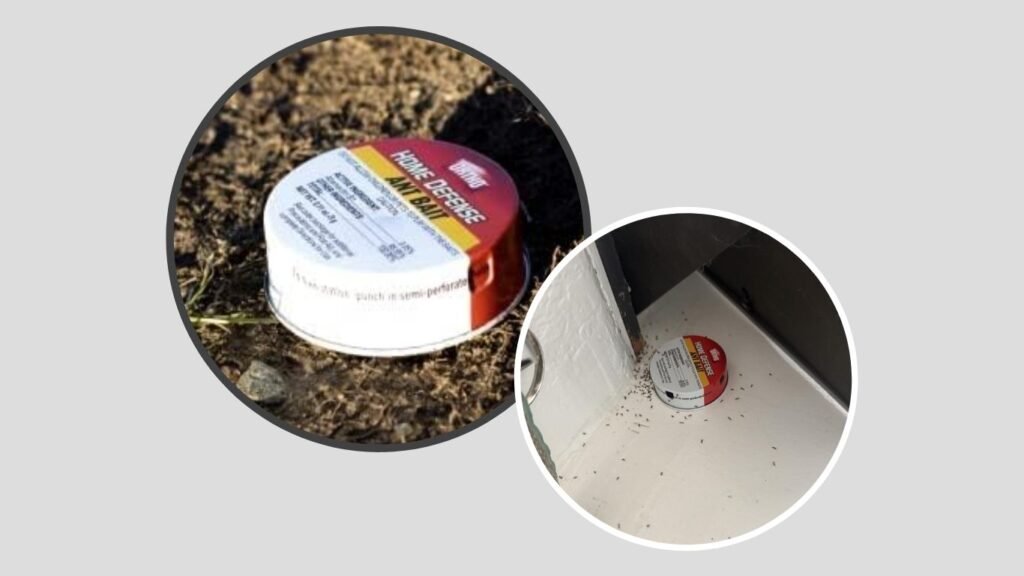
Ortho Home Defense Ant Killer is designed for homeowners who want a practical solution for ant activity around indoor and outdoor areas. Its ready-to-use style makes it suitable for common problem zones such as entry points, patios, garages, kitchens, and areas near doors or windows. It can fit well into a broader ant-control routine when activity is persistent.
Key Features
- Suitable for common household ant problems
- Designed for indoor and outdoor use
- Easy placement around active ant areas
- Useful near entry points and foundations
- Convenient for routine pest-control plans
- Suitable for targeted ant management
Why It Is Best for Home Perimeter Protection
One of the biggest advantages of this Ortho option is its usefulness around the places ants commonly enter a home. Positioning ant control near doors, windows, foundation gaps, patios, and other access points can help address activity before ants move deeper indoors.
It can be particularly useful during warmer months when ant trails become more noticeable around exterior walls and kitchen entrances.
Performance and Everyday Convenience
The product is designed to fit easily into a regular household pest-management routine. Users can focus treatment around visible trails or areas where ants repeatedly appear rather than covering unnecessary spaces.
This targeted approach can make ant control easier to manage while helping homeowners identify where the infestation is most active.
Best For Indoor and Outdoor Ant Problems
Ortho Home Defense Ant Killer is a practical option for households dealing with ants in several locations. Its versatility makes it especially useful for kitchens, garages, patios, and exterior entry areas.
For stronger long-term results, it works best alongside good sanitation, sealed food containers, repaired cracks, and removal of moisture sources that may attract ants.
2. Catchmaster Defiant Premium Ant Traps
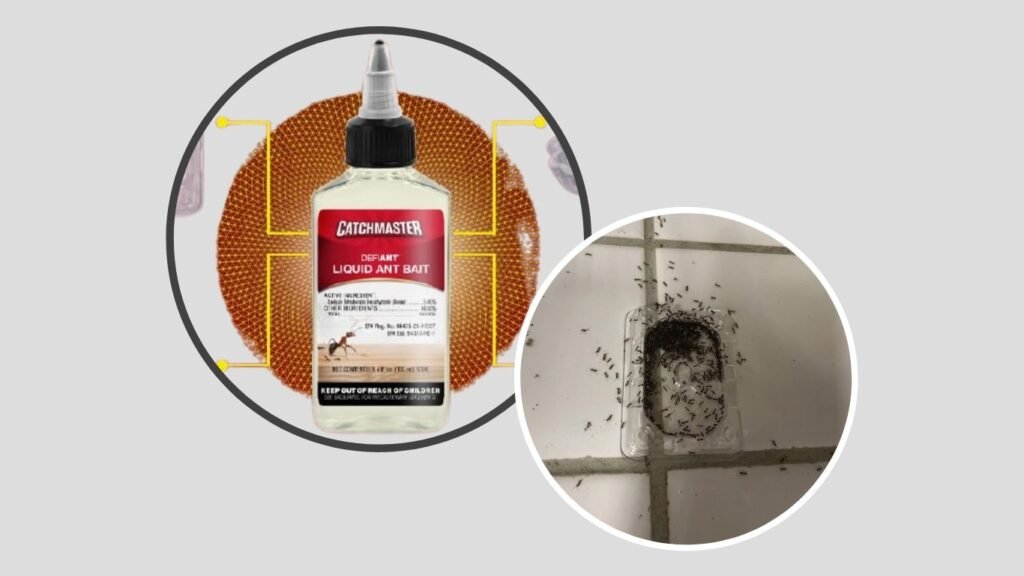
Catchmaster Defiant Premium Ant Traps offer a simple trapping approach for people who prefer physical monitoring around areas where ants and other crawling pests may appear. Their compact format makes them convenient for indoor spaces, while their construction can also be useful in sheltered outdoor locations. They are especially practical for monitoring pest activity without complicated equipment.
Key Features
- Compact trapping design
- Suitable for crawling insect monitoring
- Easy to place in targeted areas
- No electrical power required
- Useful in indoor and sheltered outdoor spaces
- Convenient for routine pest inspections
Why It Is Best for Monitoring Active Areas
These traps are particularly useful when homeowners want to determine where ants are traveling. Placing traps near walls, behind appliances, under sinks, or close to entry points can help reveal active pest routes.
This monitoring ability is useful because ants often follow consistent trails between food sources and nesting areas.
Practical Performance and Placement
The compact design allows the traps to fit into locations where larger pest-control products may be inconvenient. They can remain in place without taking up much room or interfering with normal household activities.
Regular inspection also helps users see whether ant activity is increasing or declining over time.
Best For Simple, Low-Maintenance Pest Control
Catchmaster Defiant traps are a suitable choice for people looking for an uncomplicated way to monitor crawling pests. They are especially useful around kitchens, garages, basements, and utility spaces.
For better control, traps should be placed directly along active ant routes and combined with cleaning crumbs, sealing gaps, and reducing moisture around the home.
3. Slow-Acting Ant Bait Stations for Carpenter Ants
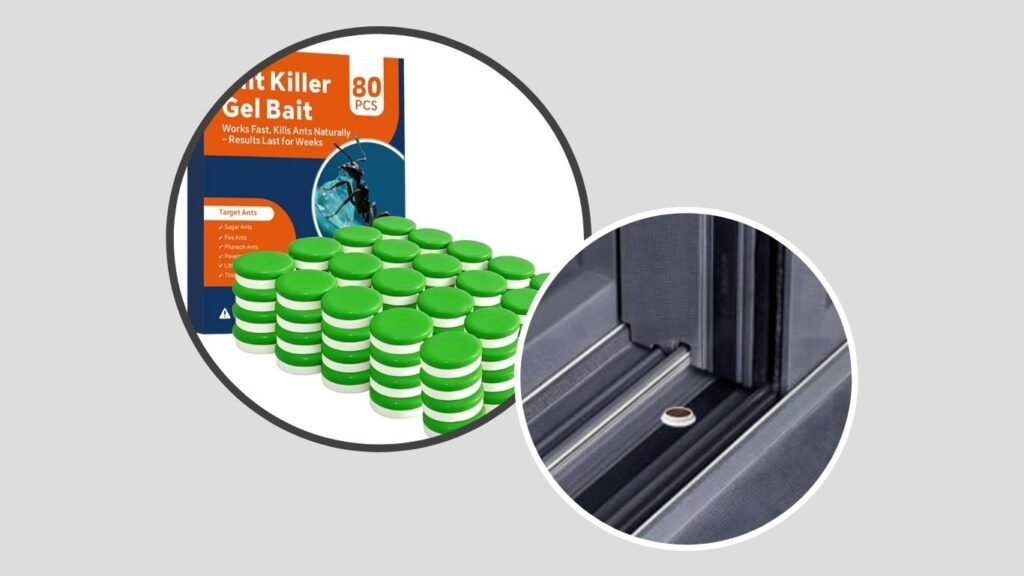
These Slow-Acting Ant Bait Stations are designed to target ants through a bait-based approach rather than relying only on immediate contact control. Slow-acting bait can be useful because worker ants may have time to return toward the colony after feeding. This makes bait stations particularly suitable for persistent ant activity and situations where the nest itself is difficult to locate.
Key Features
- Slow-acting bait approach
- Designed for carpenter and household ants
- Enclosed bait-station format
- Suitable for targeted placement
- Useful for persistent infestations
- Convenient for indoor ant-control areas
Why It Is Best for Colony-Focused Control
Unlike traps that only capture individual ants, bait stations are intended to take advantage of normal ant foraging behavior. Worker ants are attracted to the bait and may carry food back toward the colony.
This approach can make bait stations more useful for infestations that continue even after visible ants have been removed.
Performance Around Carpenter Ant Activity
Carpenter ants can be especially frustrating because their nesting areas may be hidden inside walls, wood cavities, or other structural spaces. Bait stations provide a way to target foraging ants without immediately needing to locate every nesting site.
Placement near established trails can improve the chance that ants encounter the bait during normal movement.
Best For Persistent Ant Infestations
These stations are a practical option for households seeing ants repeatedly in the same areas. They can be positioned along trails, near cracks, and around places where ants enter indoor spaces.
For carpenter ant problems, homeowners should also inspect for moisture-damaged wood, leaks, and structural conditions that may support nesting.
4. Slow-Acting Carpenter Ant Bait Stations
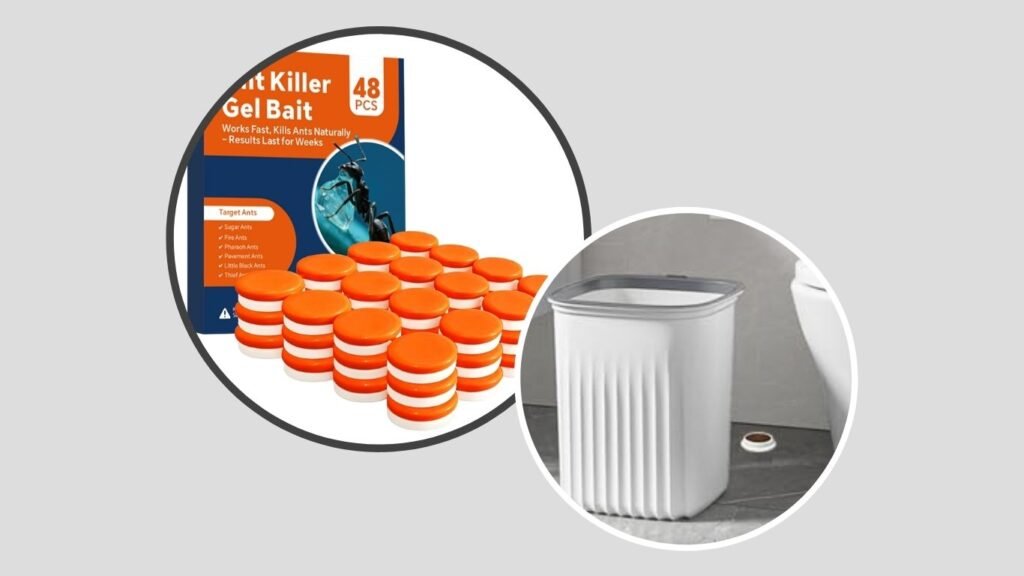
The second Slow-Acting Carpenter Ant Bait Station option provides another colony-focused method for controlling stubborn ant activity. Its enclosed design makes it suitable for targeted placement around common foraging routes, while the slow-action approach is intended to give worker ants time to interact with the bait before returning toward the nesting area.
Key Features
- Slow-acting bait formula
- Designed for carpenter ants
- Enclosed station design
- Easy placement near ant trails
- Useful for repeated ant activity
- Suitable for targeted household control
Why It Is Best for Hidden Nest Problems
Ant colonies are often hidden in areas that are difficult to access directly. A bait station provides an indirect control method by attracting active workers instead of requiring users to locate the entire colony.
This can be particularly valuable when carpenter ants are appearing from wall gaps, baseboards, window frames, or areas near damaged wood.
Consistent Performance with Strategic Placement
Bait stations perform best when positioned close to active trails without disturbing the ants. If ants regularly move along one wall or enter through the same opening, placing the station nearby can make it easier for foragers to discover the bait.
Avoiding unnecessary disturbance around the station may also help maintain regular ant traffic.
Best For Ongoing Carpenter Ant Management
This option is well suited to homes where carpenter ants keep returning despite surface cleaning or removal of visible insects. It provides a more focused strategy aimed at the colony rather than only individual ants.
Homeowners should also inspect wood for moisture problems, leaks, and decay, since carpenter ants often prefer damp or weakened wood for nesting.
5. Home Plus Indoor & Outdoor Ant Bait Stations
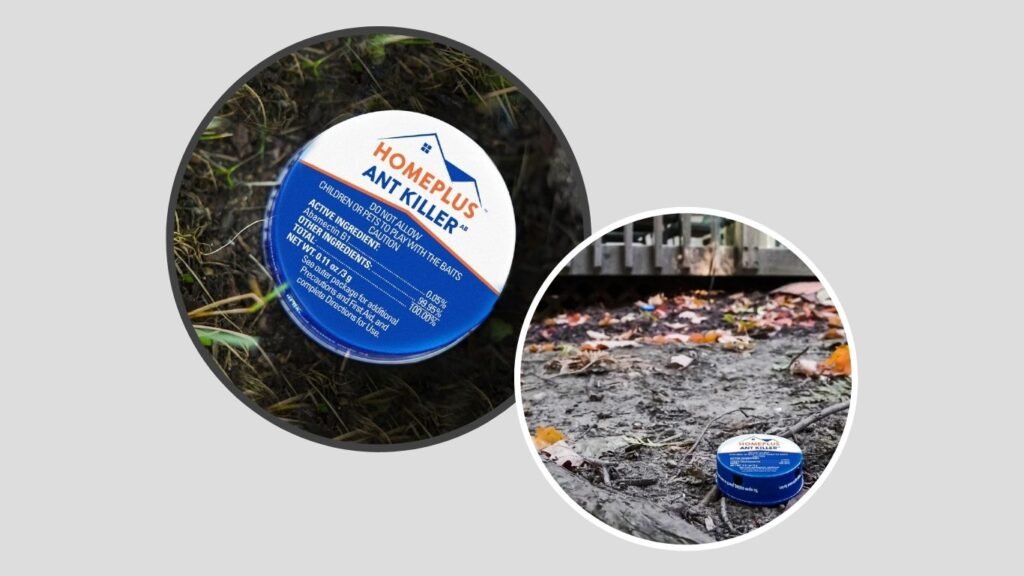
Home Plus Indoor & Outdoor Ant Bait Stations are designed for flexible placement around different parts of the home. Their station-style format allows users to target ants in kitchens, garages, patios, porches, and exterior entry areas. This versatility makes them useful for households experiencing ant activity both inside living spaces and around the perimeter of the property.
Key Features
- Indoor and outdoor placement
- Enclosed bait-station design
- Suitable for common household ants
- Easy positioning near ant trails
- Useful around doors and exterior areas
- Convenient for ongoing ant monitoring
Why It Is Best for Flexible Placement
One of the strongest features of this Home Plus option is its ability to be used in multiple locations. Ant infestations often involve both an outdoor colony and indoor foraging activity, so placing stations in strategic areas can help address the problem from several directions.
Users can target kitchens, garages, patios, utility rooms, or other places where ants are commonly seen.
Performance for Everyday Household Use
The enclosed design helps keep the bait concentrated within the station while allowing ants to access it. This makes the product easy to position without complicated preparation.
Strategic placement along active trails can improve effectiveness, especially near walls, door frames, cracks, and other areas ants regularly follow.
Best For Whole-Home Ant Control
Home Plus Ant Bait Stations are a strong choice for people who want one style of product that can be used across both indoor and outdoor spaces. Their flexible placement makes them particularly useful when ant trails move between exterior areas and the kitchen or garage.
For better long-term control, users should also seal entry gaps, remove food residue, store sweets in closed containers, and correct moisture problems that may attract ants.
6. Long-Lasting Carpenter & Household Ant Traps
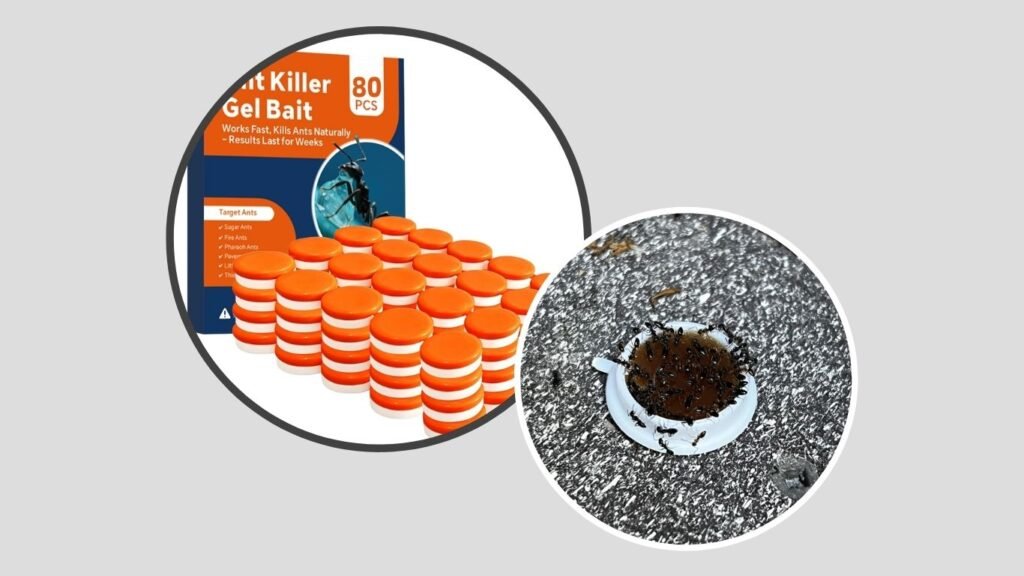
These Long-Lasting Carpenter & Household Ant Traps are designed for people who need extended protection against recurring ant activity. Their bait-based approach makes them useful for common household ants as well as tougher carpenter ant problems. They can be positioned near active trails, entry points, cabinets, garages, and other locations where ants regularly travel while fitting easily into an ongoing pest-control routine.
Key Features
- Designed for carpenter and household ants
- Long-lasting ant-control approach
- Suitable for targeted placement
- Convenient for indoor problem areas
- Useful for persistent ant infestations
- Easy to integrate into regular pest management
Why It Is Best for Long-Term Ant Control
Ant colonies may remain active even when visible ants temporarily disappear. A longer-lasting trapping or baiting approach is useful because it continues targeting foraging ants over time rather than providing only short-term control.
This makes the product particularly useful for households where ants repeatedly return to kitchens, bathrooms, garages, or utility areas after previous treatments.
Performance Against Carpenter and Household Ants
Carpenter ants often require more persistent management because their nests can be hidden inside wall cavities, damp wood, or structural spaces. Strategically positioning traps near trails allows active workers to encounter the control product while moving between their nest and food sources.
For ordinary household ants, placement around baseboards, cabinets, doors, and other frequently traveled areas can provide similarly targeted coverage.
Best For Recurring Household Infestations
This option is especially suitable for homes where ants remain a seasonal or repeated problem. The long-lasting design reduces the need to constantly replace short-term treatments while providing continued monitoring and control.
For stronger results, homeowners should also remove crumbs, repair leaks, store food securely, and seal obvious entry gaps. Carpenter ant activity should also prompt an inspection for damp or damaged wood around the property.
7. Pre-Baited Pesticide-Free Ant & Insect Traps
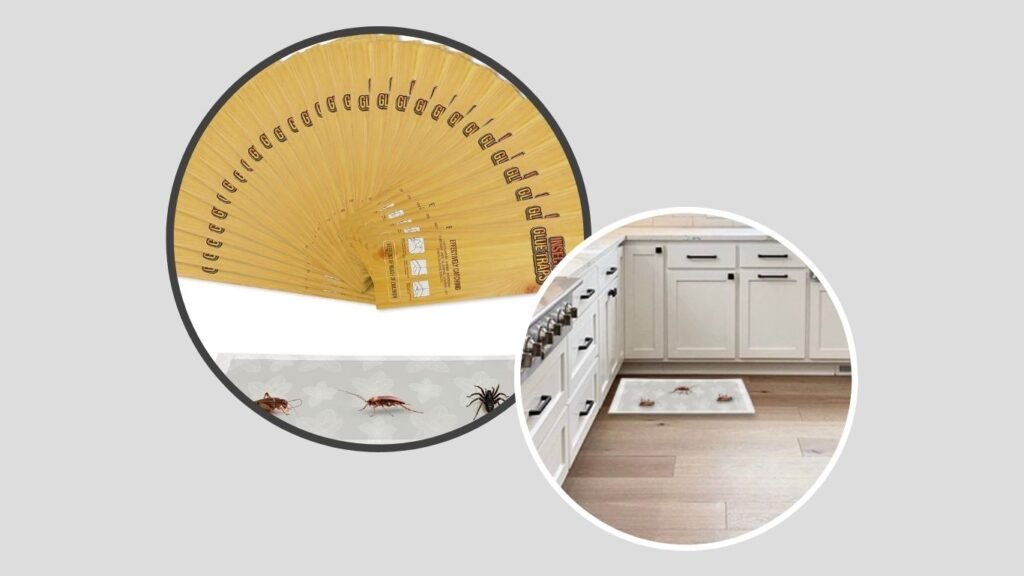
These Pre-Baited Ant & Insect Traps offer a physical trapping solution for homeowners who prefer avoiding traditional pesticide sprays around indoor areas. Because they arrive pre-baited, they require minimal preparation and can be positioned wherever crawling pests are commonly seen. Their design is suitable for monitoring ants and other unwanted crawling insects in kitchens, garages, basements, storage rooms, and similar locations.
Key Features
- Convenient pre-baited design
- Physical trapping approach
- Pesticide-free configuration
- Suitable for ants and crawling pests
- Easy to position around the home
- No batteries or electricity needed
Why It Is Best for Chemical-Free Monitoring
Some homeowners prefer controlling visible pests without applying sprays to floors, cabinets, or other frequently used areas. A physical trap provides an alternative by capturing insects that travel across the trapping surface.
This approach can be especially convenient around indoor locations where users want a simple monitoring method without introducing additional powered equipment or aerosol treatments.
Practical Performance and Easy Placement
Because the traps are pre-baited, setup is straightforward. They can be placed near walls, under sinks, behind appliances, inside garages, or around other areas where ants have been observed.
Their value also comes from monitoring. Seeing which traps capture the most insects can help identify active pest routes and guide additional cleaning or sealing work.
Best For Homes with Multiple Crawling Pests
These traps are particularly useful when ants are not the only insects appearing indoors. Their broader trapping format can make them suitable for general crawling-pest monitoring in utility spaces, basements, garages, or storage areas.
For a colony-based ant infestation, however, physical traps may work best alongside other control measures. Reducing food sources, sealing cracks, managing moisture, and identifying nesting areas can provide more complete long-term protection.
8. 4-Tube Indoor & Outdoor Ant Control Bait
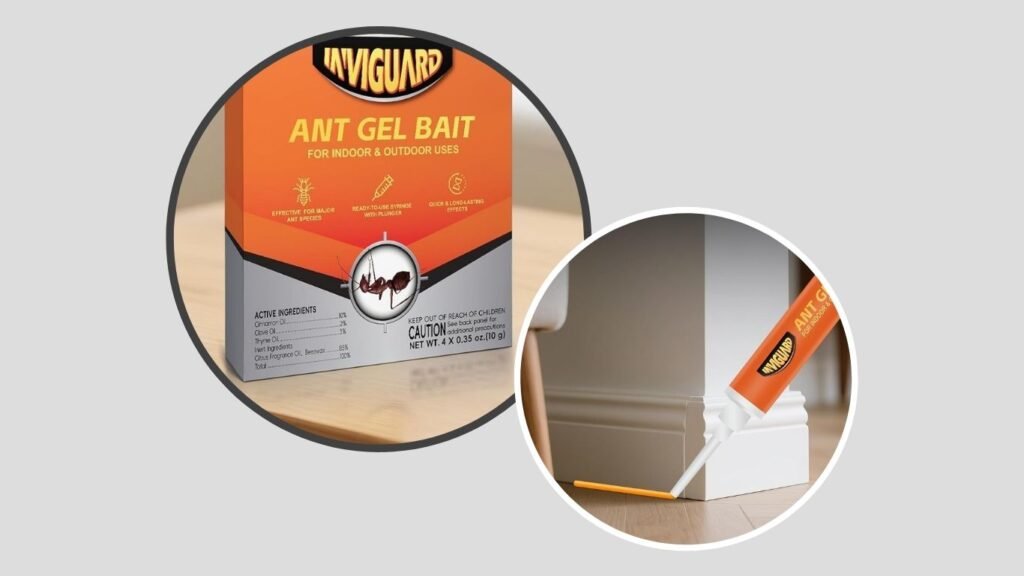
The 4-Tube Indoor & Outdoor Ant Control Bait provides a flexible baiting option for homeowners who want to treat multiple ant problem areas. The tube format makes targeted application convenient around trails, cracks, exterior entry points, and other locations where ants are actively foraging. Having several tubes available also provides enough product for repeated applications or coverage across different parts of the property.
Key Features
- Includes four tubes of ant-control bait
- Suitable for indoor and outdoor areas
- Targeted application format
- Useful along active ant trails
- Suitable for multiple problem locations
- Convenient for repeated ant management
Why It Is Best for Targeted Application
Unlike fixed traps that must be positioned in one location, tube bait provides greater flexibility over where the treatment is placed. Users can concentrate bait close to active trails or areas where ants are entering the building.
This can be helpful when ants are moving through narrow cracks, around foundations, or along locations where a conventional bait station may not fit conveniently.
Performance for Active Ant Trails
Baits are generally most useful when placed where worker ants are already foraging. Instead of disturbing an established trail, a small targeted bait placement can allow workers to discover the food source naturally.
The multiple-tube format also makes it easier to address several trails around a home. Indoor and outdoor placement flexibility can be particularly valuable when ants originate outside but travel indoors searching for food or moisture.
Best For Flexible Indoor and Outdoor Control
This option works well for homeowners who want more control over exactly where ant bait is applied. It is especially practical around patios, garages, foundations, kitchen entry points, and other areas with visible ant movement.
For maximum effectiveness, alternative food sources should be cleaned away so ants are more likely to investigate the bait. Users should also follow the product’s application directions and keep bait placements away from areas accessible to children or pets when required by the label.
9. Mysora Reusable Ant Bait Stations
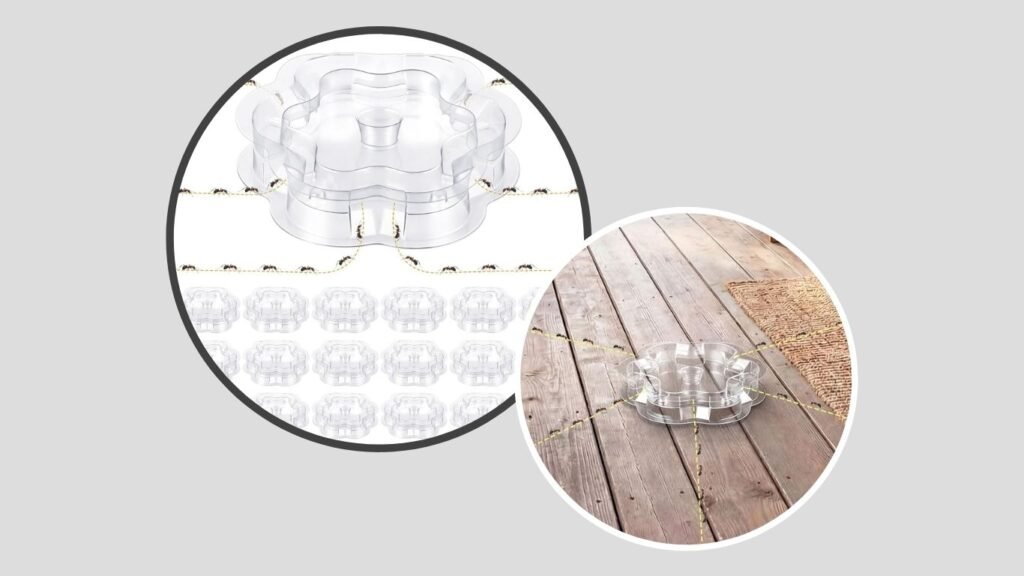
Mysora Reusable Ant Bait Stations provide a flexible station-based system for people who prefer a reusable approach to managing recurring ant problems. Their design allows bait to be positioned in a contained location along ant trails, helping users concentrate treatment where activity is highest. They can be particularly convenient around kitchens, patios, garages, entrances, and other locations that experience seasonal ant activity.
Key Features
- Reusable bait-station design
- Suitable for targeted ant control
- Helps contain bait in one location
- Easy placement along ant trails
- Useful around indoor and outdoor problem areas
- Convenient for recurring infestations
Why It Is Best for Reusable Ant Management
Reusable stations can be particularly attractive for homes that experience ant problems several times throughout the year. Instead of relying solely on disposable traps, the station itself can remain part of a longer-term pest-management setup.
This makes it easy to establish familiar baiting locations around places where ants regularly enter or forage.
Placement and Everyday Performance
Successful baiting depends heavily on placement. Mysora stations can be positioned close to established trails, wall edges, doorways, patios, or other frequently traveled areas. Keeping the bait contained also helps maintain a more organized treatment area.
Homeowners can monitor activity around each station and adjust placement when ants begin using a different route. This flexibility is useful because ant trails often change as food and moisture sources change.
Best For Repeated Seasonal Ant Problems
Mysora Reusable Ant Bait Stations are particularly suitable for homeowners who deal with recurring spring or summer ant activity. Their reusable format makes them convenient for maintaining strategic control points around common entry areas.
For the strongest overall results, combine bait stations with preventive measures such as storing food in sealed containers, wiping up sweet spills, keeping counters clean, correcting plumbing leaks, trimming vegetation away from exterior walls, and sealing accessible cracks.
FAQs
1. Do ant traps really get rid of an entire colony?
Some bait-style ant traps can contribute to colony control because worker ants feed on the bait and may carry it back toward their nest. However, effectiveness depends on the ant species, bait attractiveness, colony size, and correct placement. Physical sticky traps primarily capture individual ants and are more useful for monitoring or reducing visible activity.
2. Where is the best place to put ant traps?
Place ant traps directly beside active trails, along walls, under sinks, behind appliances, near doors, and close to cracks where ants enter. Outdoor traps can be positioned around patios, foundations, garages, or other active areas when the product is labeled for exterior use. Avoid repeatedly moving a bait station once ants begin feeding from it.
3. How long does it take for ant bait traps to work?
Bait traps usually do not produce instant colony control. Worker ants need time to discover the bait and interact with it, so visible activity may continue for several days. Slow-acting bait can actually be useful because ants have time to return toward the colony before the active ingredient takes effect.
4. Are ant traps better than ant spray?
They serve different purposes. Sprays can quickly kill ants that are directly contacted, while bait traps are designed to take advantage of ant feeding behavior and may provide broader colony-focused control. For persistent infestations, baiting can be particularly useful because killing only visible workers may not address the hidden nest.
5. Why are ants ignoring my ant traps?
Ants may ignore bait when they have access to more attractive food nearby or when the bait does not match their current nutritional preference. Clean up crumbs, grease, sugary spills, and accessible pet food around the treatment area. Position traps directly beside active trails, and avoid spraying insecticide around bait stations because this may interfere with ants approaching the bait.
