
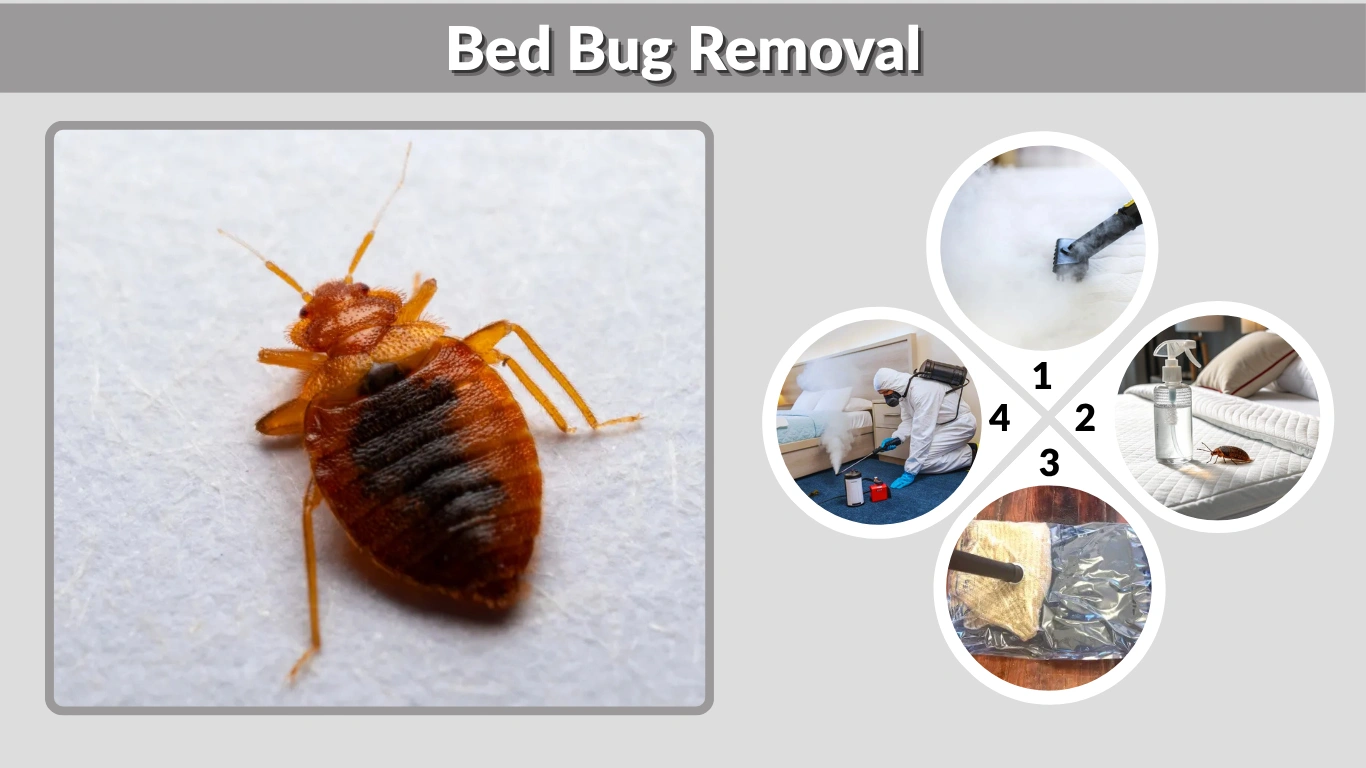
Bed bugs are one of the most persistent and stressful pests homeowners can encounter. Their ability to hide in tiny crevices, reproduce quickly, and spread through clothing, luggage, and furniture makes them difficult to eliminate without a strategic approach. Whether you’re facing a fresh infestation or dealing with recurring problems, understanding how bed bugs behave, where they hide, and which removal methods actually work is essential. This guide walks you through identification, DIY methods, professional options, costs, and prevention strategies for long-term protection.
Understanding Bed Bugs Before Removal
What Bed Bugs Look Like
Bed bugs are small, flat, oval-shaped insects about the size of an apple seed. Adults have a reddish-brown color, while nymphs are lighter and nearly translucent until they feed. Their bodies swell and turn darker after feeding on blood. Bed bug eggs are tiny, white, and sticky, often found in clusters within mattress seams or furniture crevices.
Where Bed Bugs Hide
Bed bugs hide in tight spaces during the day and come out at night to feed. Their favorite hiding spots include mattress seams, bed frames, headboards, couches, carpeting edges, and behind baseboards. They may also hide in electrical outlets, luggage, clothing piles, and wooden furniture joints. Their ability to hide almost anywhere makes them hard to detect early.
Why Bed Bugs Spread Quickly
Bed bugs spread rapidly because they reproduce fast and can move through homes unnoticed. They hitchhike on clothing, luggage, backpacks, used furniture, and even pets’ bedding. Their flat bodies allow them to slip into tiny cracks. In apartment buildings, they can migrate between units through walls, pipes, or shared hallways. This rapid mobility makes immediate action crucial.
Signs You Need Bed Bug Removal
Physical Bite Symptoms
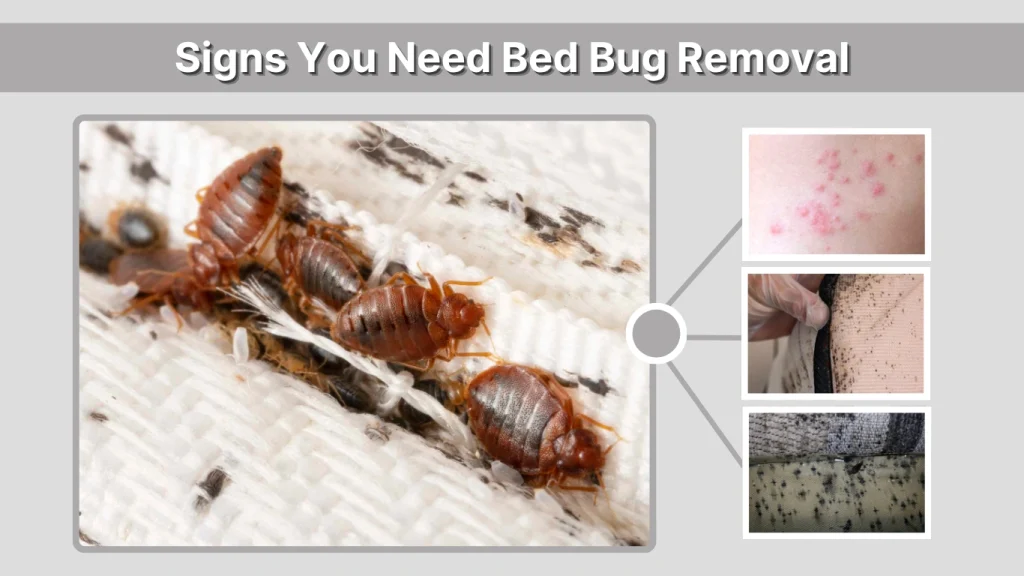
Many people first notice a potential bed bug issue after waking up with red, itchy bites. Bed bug bites often appear in clusters or lines on arms, legs, or exposed skin. Some individuals develop swelling or irritation, while others show no visible reaction at all. Although not dangerous, these bites can cause persistent discomfort and sleep disruption.
Evidence on Beds and Furniture
Aside from bites, physical signs of bed bugs include dark fecal spots, shed skins, and tiny blood stains on sheets or mattresses. As bed bugs grow, they shed exoskeletons that collect in hiding areas such as mattress seams or couch cushions. Egg clusters may be found along wood joints or under fabric labels. These signs typically indicate an active breeding population.
Detecting Bed Bugs in Different Rooms
While bedrooms are the most common infestation sites, bed bugs can spread throughout the home. Living room sofas, recliners, and carpets may host them if they are near sleeping areas. Bed bugs in vehicles often result from transporting infested belongings. Office chairs, waiting rooms, and shared spaces can also unknowingly house bed bugs. Early detection in multiple rooms helps prevent widespread infestation.
DIY Bed Bug Removal Methods
Step-by-Step Removal Process
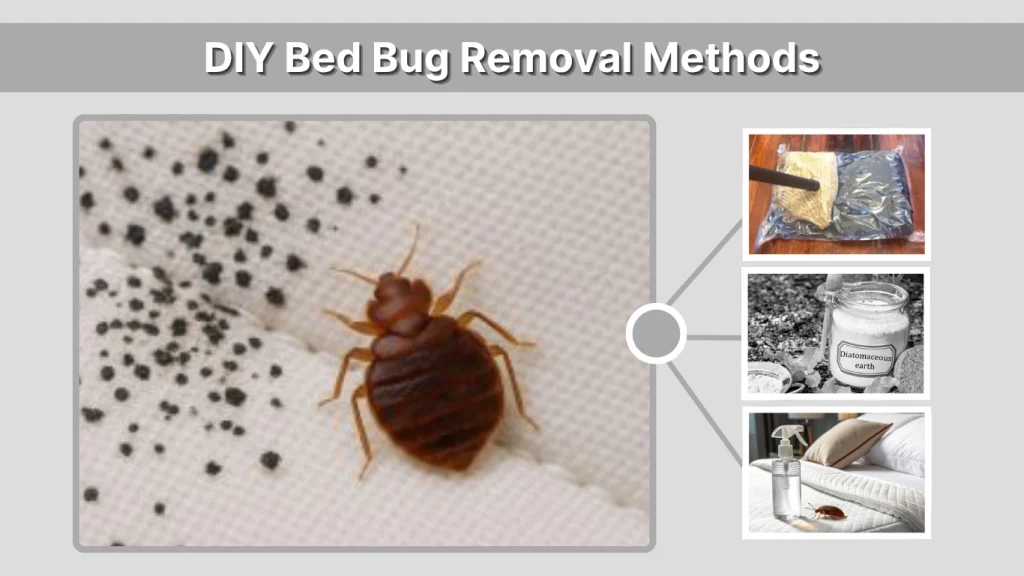
Successful DIY removal begins with isolating affected areas. Strip bedding, bag clothing and linens, and wash everything on high heat. Vacuum mattresses, carpets, and baseboards thoroughly using a high-suction vacuum with a sealed bag. Use steam on seams, furniture joints, and cracks where bed bugs hide. After cleaning, apply mattress encasements and reduce clutter to eliminate hiding spots.
Natural Bed Bug Removal Options
Natural methods can help reduce bed bug populations, especially in early infestations. Diatomaceous earth (DE) is one of the most effective non-chemical treatments; it dehydrates bed bugs over several days. Essential oils like tea tree, lavender, or peppermint can repel bed bugs when used as sprays. High-temperature steam is another powerful natural option, killing bugs and eggs instantly on contact.
Home Remedies That Help (and Those That Don’t)
Some home remedies provide limited benefits, while others are ineffective. Rubbing alcohol may kill bed bugs on contact but evaporates quickly and doesn’t provide lasting control. Baking soda and vinegar are common myths but have no proven effectiveness. The most reliable home methods remain heat, steam, and diatomaceous earth. Understanding what works prevents wasted time and worsening infestations.
Removing Bed Bugs from Common Areas
Mattress, Box Spring & Bed Frame
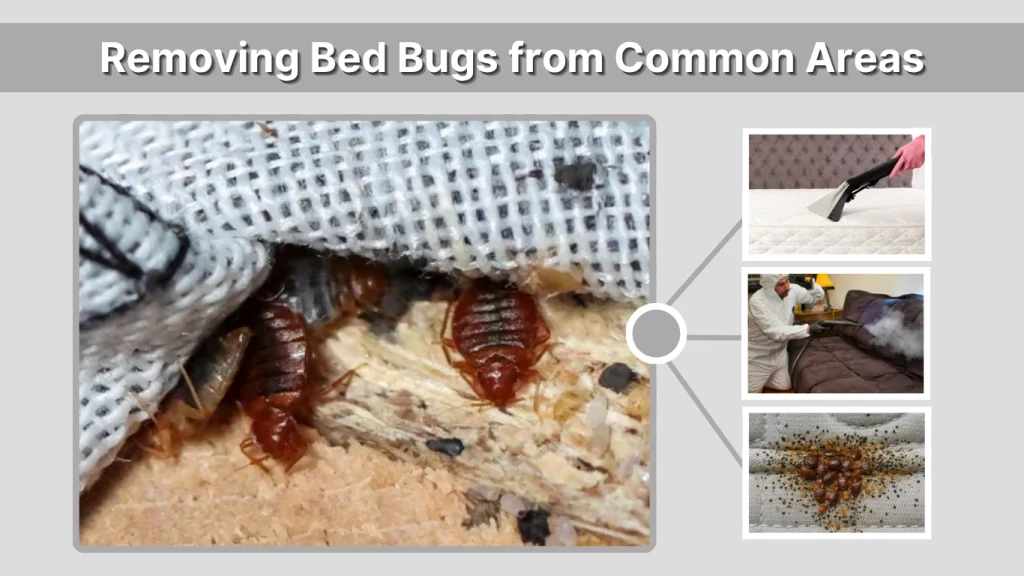
Beds are the most heavily infested areas because bed bugs prefer being close to their food source. Thoroughly vacuum the seams, tufts, and edges of the mattress, then apply steam along all stitching lines. Use a high-quality mattress encasement to trap any remaining bugs inside, preventing them from feeding or escaping. Inspect the box spring carefully—bed bugs often hide in its wooden framework. Remove the bed frame and check screw holes, joints, and slats for eggs or live bugs.
Couches, Sofas & Upholstery
Bed bugs frequently hide in upholstered furniture, especially if people nap or sit there regularly. Remove cushions, inspect stitching, and vacuum all gaps. Steam treatment is extremely effective for sofas because heat penetrates deep into fabric layers. Interceptor traps placed under furniture legs can catch bugs that attempt to climb up or down. If the infestation is severe, professional treatment may be required.
Carpets, Rugs & Floors
Bed bugs rarely live deep in carpets, but they hide along edges, under furniture, and in rug folds. Use a vacuum with strong suction and a HEPA filter, followed by steam treatment. Carpet powders designed for bed bugs may help, but heat and vacuuming are more reliable. Always empty the vacuum outdoors to prevent re-infestation.
Clothing, Bedding & Laundry
Fabrics must be washed and dried at temperatures above 120°F (49°C). Heat is lethal to bed bugs at all life stages. Place infested clothes in sealed bags, empty them directly into the washer, and dispose of the bags. Dry cleaning can kill bed bugs, but not all cleaners accept infested items—always call ahead. After laundering, store clean items in sealed bins until your home is fully treated.
Cars, Luggage & Travel Items
Cars can become infested if you transport bed bugs from hotels, offices, or public transportation. Vacuum seats and floor mats thoroughly, and use steam to treat seams and crevices. Leaving the car in full sun can increase interior temperature, but usually not enough for complete elimination. Luggage should be heated, vacuumed, or frozen to stop bed bugs from spreading after travel.
Professional Bed Bug Removal
When to Call a Professional
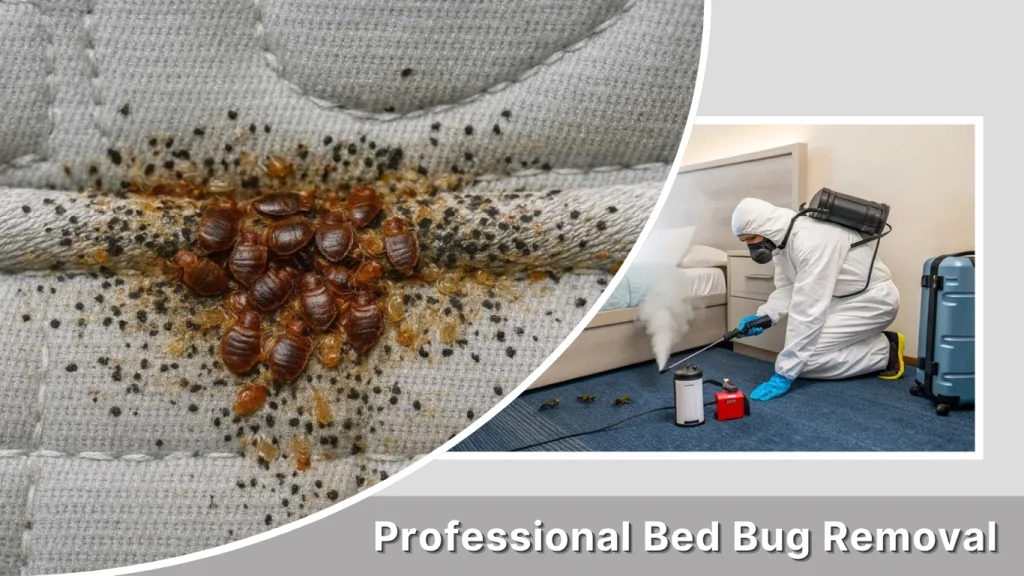
DIY methods work best for small, early infestations. If bed bugs appear in multiple rooms, spread quickly, or persist after repeated treatments, professional help is necessary. Professionals use tools and techniques unavailable to homeowners, ensuring complete elimination and reducing the risk of bugs returning.
Types of Professional Treatments
Heat treatment: Professionals raise indoor temperatures to 130–150°F, killing bed bugs and eggs within hours.
Chemical treatment: Residual insecticides and targeted sprays help eliminate bugs over multiple visits.
Fumigation: Used for extreme cases, whole-structure fumigation eliminates all pests but is more costly.
Integrated Pest Management (IPM): Combines monitoring, sealing cracks, and strategic treatments for long-term success.
What Professional Services Include
A professional service typically begins with a detailed inspection using flashlights, detection tools, or bed bug dogs. Technicians then design a custom treatment plan based on infestation severity. After treatment, follow-up visits ensure that no survivors remain. Many companies provide prevention guidance and optional maintenance services.
Bed Bug Removal Costs
Average Prices
Bed bug removal costs vary widely depending on the method:
- Single room: $300–$800
- Whole home chemical treatment: $1,000–$2,500
- Whole home heat treatment: $1,800–$4,000
- Fumigation: $4,000–$7,500+
Heat treatments generally cost more but offer faster results in a single visit.
What Affects Bed Bug Removal Cost
Several factors influence the total price:
- Severity of infestation
- Number of affected rooms
- Heat vs chemical treatment
- Home size and layout
- Local labor pricing
- Need for follow-up visits
Large homes or long-term infestations require more labor and materials, increasing overall cost.
Free or Low-Income Bed Bug Removal Options
Some cities and states offer free or discounted bed bug services to low-income residents, seniors, or individuals in government-assisted housing. Community health programs, nonprofits, and local housing authorities may provide financial support. Renters should check whether landlords are legally responsible for treatment, as laws vary by region.
Best Bed Bug Tools, Sprays & Traps
DIY Tools That Work
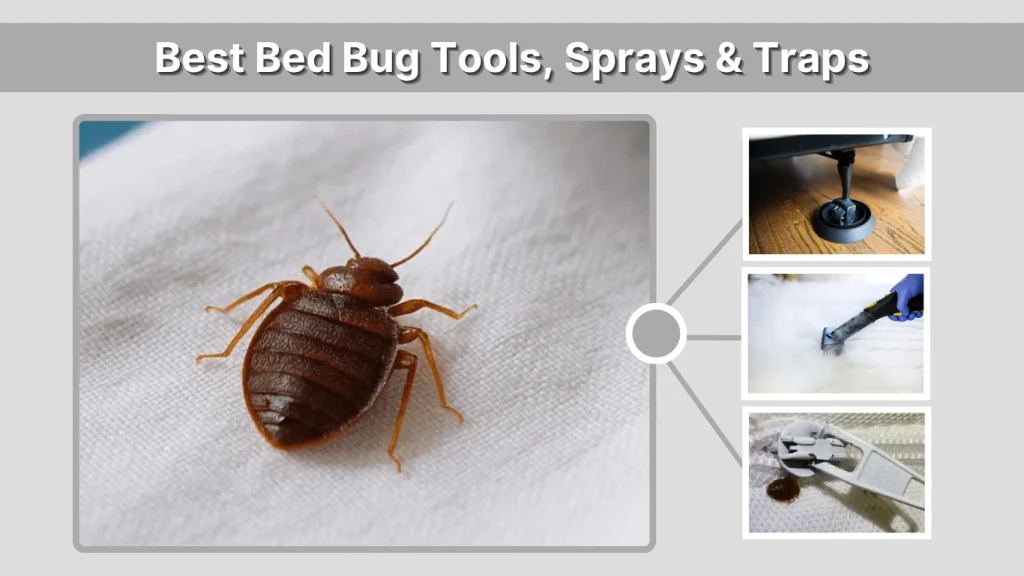
- Bed bug interceptors: Catch climbing bugs and monitor activity
- Steamers: Kill bugs instantly with high heat
- Mattress encasements: Trap existing bugs and prevent hiding
These tools help you control small infestations and prevent new ones from spreading.
Commercial Products
Professional-grade sprays, residual insecticides, and bed bug dusts provide long-lasting protection. Use them carefully and according to instructions. Monitoring devices help detect early signs of bed bugs after treatment, reducing the risk of reinfestation.
Preventing Bed Bugs After Removal
Daily Habits to Reduce Risk
Keeping your home clean and clutter-free reduces hiding spots for bed bugs. Regular vacuuming, frequent laundry cycles, and routine mattress checks create a less inviting environment. Avoid leaving clothes on the floor, especially in bedrooms or living rooms.
Travel Prevention Tips
Check hotel mattresses, headboards, and furniture when traveling. Keep luggage elevated on racks instead of on floors or beds. After returning home, immediately wash and dry travel clothing on high heat. Store luggage in sealed bags or garages whenever possible.
How to Prevent Reinfestation Long-Term
Sealing cracks, installing mattress encasements, and using interceptor traps provide ongoing protection. Regularly inspect furniture and sleeping areas for early signs of bugs. Consistent monitoring is the key to preventing repeat infestations and maintaining a bed bug-free home.
FAQs
What is the most effective way to remove bed bugs permanently?
The most effective way to remove bed bugs permanently is by combining heat treatment, thorough cleaning, and targeted insecticides. Professional heat treatments kill all life stages quickly, while follow-up vacuuming, encasements, and traps prevent survivors from hiding or reproducing. Long-term prevention, like sealing cracks and reducing clutter, helps ensure they don’t return.
Can I remove bed bugs myself without hiring a professional?
Yes, small infestations can be removed using DIY methods like vacuuming, steaming, diatomaceous earth, laundry heat cycles, and mattress encasements. However, bed bugs spread easily and hide well, so moderate to severe infestations typically require professional treatment. DIY works best when caught early and combined with consistent monitoring afterward.
How long does it take to eliminate bed bugs completely?
Depending on the method used, bed bug removal may take anywhere from a single day to several weeks. Heat treatments work in one session, while chemical treatments often require 2–3 visits over several weeks. DIY methods take longer because eggs may survive initial treatment, requiring repeated cleaning and vacuuming cycles.
Does washing and drying clothes remove all bed bugs?
Yes, proper laundry cycles kill all bed bug life stages. Washing clothes on hot and drying them on high heat for at least 30 minutes is effective. Items that can’t be washed may be placed in a hot dryer, steam treated, or sealed in bags until any bed bugs inside die naturally.
When should I call a professional bed bug exterminator?
You should call a professional when bed bugs are found in multiple rooms, bites continue after DIY treatments, or you see large numbers of nymphs and eggs. Professionals use specialized tools, high heat systems, and targeted chemical treatments that eliminate bed bugs faster and more reliably than DIY methods.
