
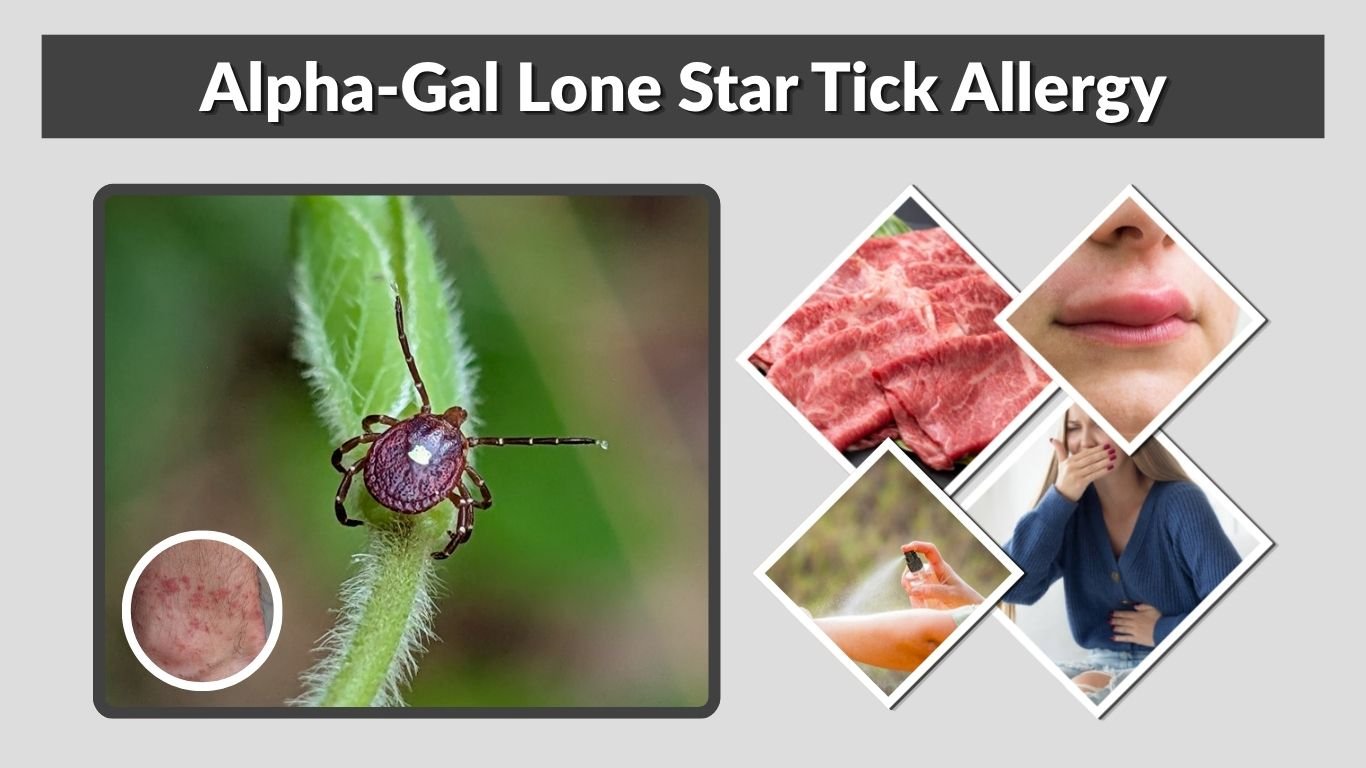
Alpha-gal syndrome (AGS) is an unusual allergy that can develop after certain tick bites, particularly bites from the lone star tick in the United States. Instead of causing an immediate reaction, AGS can trigger delayed allergic symptoms after a person eats beef, pork, lamb, venison, or other mammal-derived products. Symptoms range from stomach discomfort and hives to potentially life-threatening anaphylaxis. Understanding how lone star ticks are connected with alpha-gal, the likelihood after a bite, symptoms, diagnosis, treatment, and prevention can help reduce the risks.
What Is Alpha-Gal Syndrome From a Lone Star Tick?
Alpha-gal syndrome is an allergy to galactose-alpha-1,3-galactose, commonly shortened to alpha-gal. This molecule occurs naturally in most mammals but not in humans. In the United States, bites from lone star ticks (Amblyomma americanum) are most commonly associated with development of AGS, although other tick species have also been linked to cases.
How Does a Lone Star Tick Cause Alpha-Gal?
A tick bite can expose the immune system to alpha-gal and stimulate production of IgE antibodies against the molecule. Once sensitized, a person may react when alpha-gal enters the body again through mammalian foods or other products.
This is different from an infectious tick-borne disease. Alpha-gal syndrome is an allergic condition, not an infection caused by bacteria or viruses.
Researchers continue to investigate exactly why some tick bites trigger sensitization while others do not. Repeated tick exposure may increase the likelihood of sensitization in susceptible people.
Alpha-Gal Symptoms After a Lone Star Tick Bite
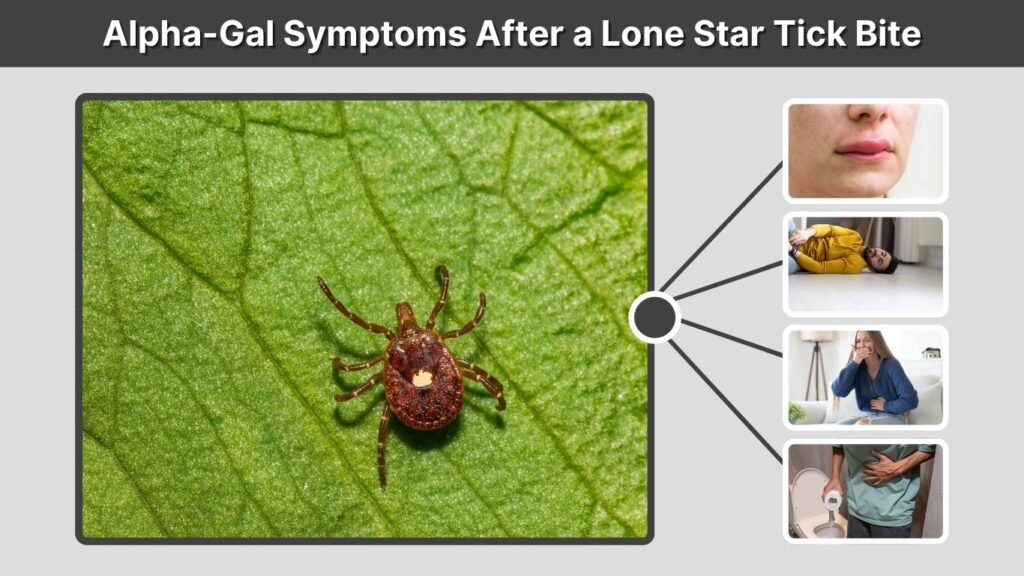
Alpha-gal reactions are unusual because they are often delayed. Unlike many food allergies that develop within minutes, symptoms commonly occur approximately 2–6 hours after exposure to alpha-gal. The severity can also vary from one reaction to another, even in the same person.
Common Alpha-Gal Allergy Symptoms
Symptoms may include:
- Hives or an itchy rash
- Swelling of the lips, tongue, throat, or eyelids
- Severe stomach pain
- Nausea or vomiting
- Diarrhea
- Heartburn or indigestion
- Coughing
- Shortness of breath
- Dizziness or fainting
- Low blood pressure
- Anaphylaxis
Some people experience mainly gastrointestinal symptoms, while others develop skin or breathing problems.
Difficulty breathing, throat swelling, fainting, or other symptoms of anaphylaxis require emergency medical attention. People prescribed epinephrine should follow their emergency treatment plan and still obtain emergency care after using it.
Chances of Getting Alpha-Gal From a Lone Star Tick
A lone star tick bite does not mean you will automatically develop alpha-gal syndrome. Many people are bitten without developing the allergy. Researchers are still studying why certain individuals become sensitized while others remain unaffected, so there is no reliable percentage that can predict an individual’s chance of developing AGS after one particular bite.
Does Every Lone Star Tick Bite Cause Alpha-Gal?
No. Not every lone star tick bite results in alpha-gal syndrome.
Likewise, it is misleading to think of every lone star tick as simply “carrying alpha-gal disease.” AGS involves an immune response triggered by tick exposure rather than transmission of an infectious disease organism.
Risk appears to be associated with tick exposure, and repeated bites may increase sensitization. However, factors determining whether a particular person develops clinical allergy are still being investigated.
How Long After a Tick Bite Can Alpha-Gal Develop?
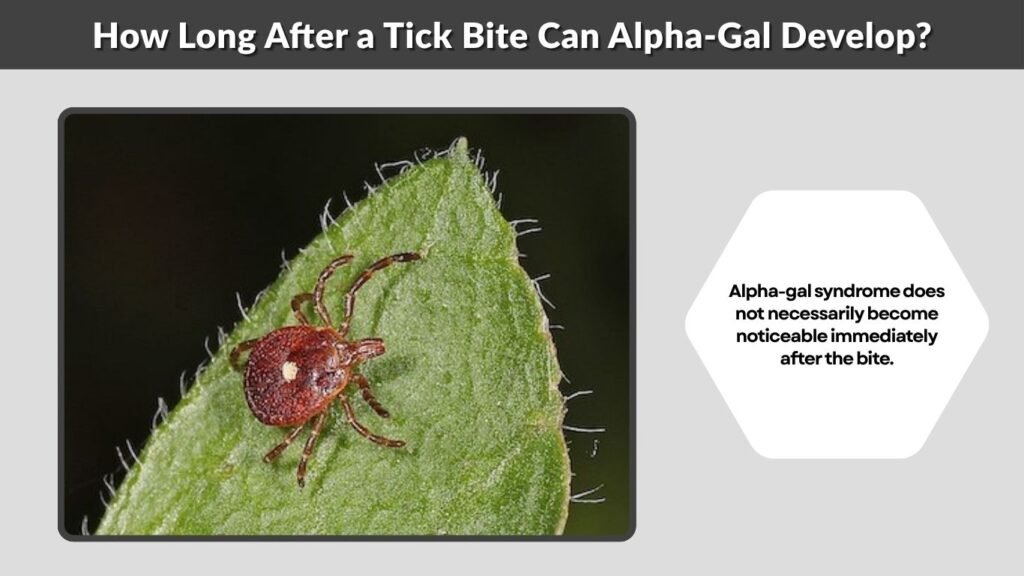
Alpha-gal syndrome does not necessarily become noticeable immediately after the bite. CDC educational materials indicate that AGS symptoms may begin weeks to months after a tick bite. This delay means some people may not initially connect a new food allergy with an earlier tick exposure.
Alpha-Gal Symptom Timeline
After sensitization has developed, an allergic reaction generally occurs several hours after eating or encountering an alpha-gal-containing product.
For example, someone may eat beef at dinner and develop hives, stomach pain, swelling, or other symptoms during the night. This delayed pattern is one feature that distinguishes AGS from many conventional food allergies.
There is also no universally established attachment time after which a lone star tick is guaranteed to cause AGS. Therefore, any attached tick should be removed promptly.
Foods and Products That May Contain Alpha-Gal
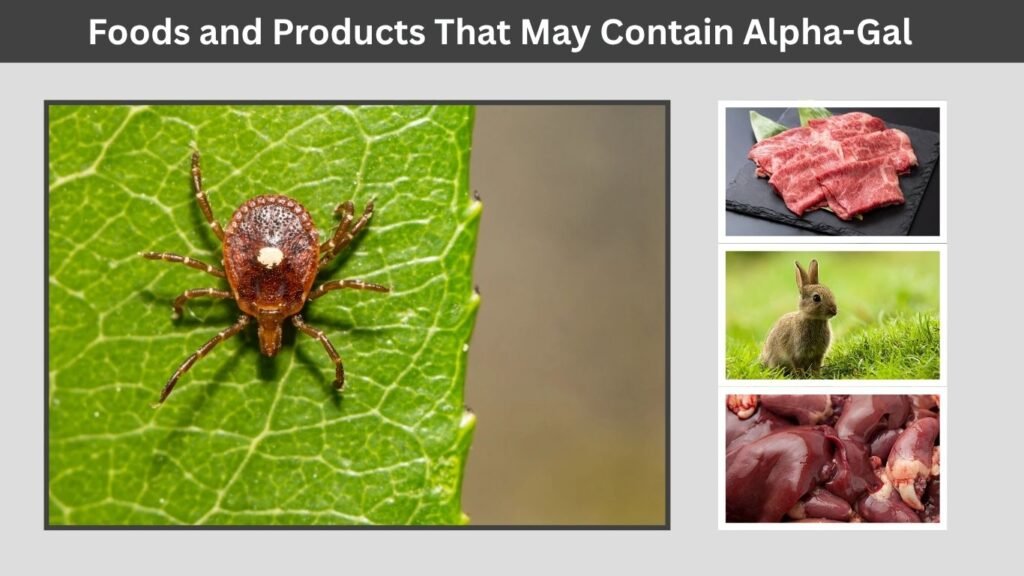
Alpha-gal is present in mammals and products made from mammals. However, sensitivity varies considerably. Some people with AGS tolerate certain dairy products, gelatin, or other ingredients, while others react to them. Dietary restrictions should therefore be individualized with guidance from an allergist or healthcare professional.
Common Alpha-Gal Sources
Depending on individual sensitivity, potential sources include:
- Beef
- Pork
- Lamb
- Venison
- Rabbit
- Organ meats
- Mammalian meat broths and gravies
- Gelatin
- Mammalian fat
- Some dairy products
- Certain medications or medical products containing mammal-derived ingredients
Poultry, such as chicken and turkey, and fish do not naturally contain alpha-gal in the same way mammalian meats do.
People with AGS should not automatically stop every potentially affected medication. CDC recommends discussing medications, vaccines, and other medical products with a healthcare professional because only certain products may present a concern.
How Is Alpha-Gal Syndrome Diagnosed?
There is no reason to assume that every person bitten by a lone star tick needs an alpha-gal diagnosis. Evaluation is particularly relevant when characteristic delayed reactions develop following mammalian foods or products. Diagnosis considers the pattern of symptoms, tick exposure, physical examination, and laboratory findings.
Tests Used for Alpha-Gal
A healthcare professional may use:
- A detailed history of symptoms
- History of possible tick exposure
- Physical examination
- Blood testing for alpha-gal-specific IgE antibodies
- Allergy testing when appropriate
A positive antibody result alone needs to be interpreted alongside symptoms and medical history. Diagnosis should therefore be made by a qualified healthcare professional rather than through symptoms or laboratory values alone.
Alpha-Gal Treatment and Management
There is currently no vaccine that prevents alpha-gal syndrome. Management centers on preventing allergic reactions by avoiding individual triggers and reducing the risk of additional tick bites. Some people may eventually regain tolerance to certain alpha-gal-containing foods, particularly when further tick bites are avoided, but this varies between individuals.
Managing Alpha-Gal Allergy
Treatment and management can include avoiding known trigger foods, carefully reading ingredient labels, and developing an allergy action plan with a healthcare provider.
People at risk for severe reactions may be prescribed epinephrine. Anyone who experiences anaphylaxis should receive emergency medical care.
There is also no established medication that a person can simply take immediately after a lone star tick bite to guarantee prevention of future alpha-gal syndrome. Preventing additional tick bites remains particularly important.
How to Prevent Alpha-Gal From Lone Star Ticks
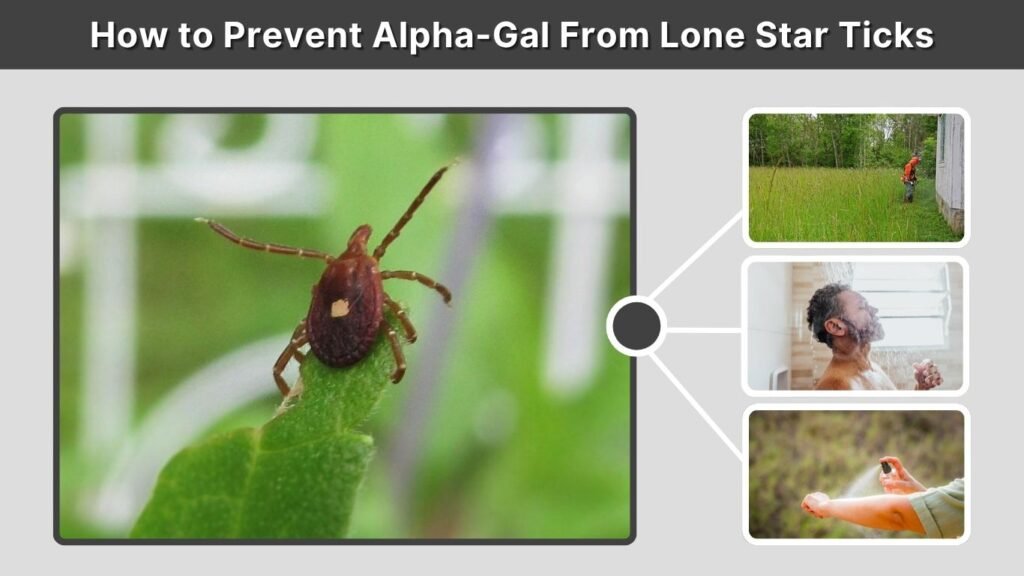
Because tick exposure is the principal preventable risk factor, avoiding bites is the best available strategy for reducing the chance of developing AGS. Prevention is also important after diagnosis because additional tick bites may reactivate or worsen allergic sensitivity in some people.
Tick Bite Prevention Tips
- Avoid dense brush and tall grass when possible.
- Walk near the center of maintained trails.
- Use an EPA-registered insect repellent.
- Consider clothing or gear treated with 0.5% permethrin.
- Wear protective clothing in tick habitat.
- Check your entire body after outdoor activities.
- Shower after returning indoors.
- Check pets and outdoor gear for ticks.
- Remove attached ticks promptly.
Preventing repeated bites is especially important for people already diagnosed with AGS.
FAQs
Alpha-gal syndrome differs from both conventional food allergies and infectious tick-borne diseases. Questions often center on whether every lone star tick causes the condition, how quickly it appears, and whether it eventually disappears. Because individual sensitivity varies significantly, personal medical decisions should be made with an allergist or another healthcare professional familiar with AGS.
1. Does Every Lone Star Tick Carry Alpha-Gal?
Not every lone star tick bite causes alpha-gal syndrome. The immune mechanisms involved are still being studied, and researchers cannot reliably predict whether one particular bite will cause AGS.
2. What Are the Odds of Getting Alpha-Gal From a Lone Star Tick?
There is currently no reliable percentage that can tell an individual their chance of developing AGS from a single lone star tick bite. Tick exposure is an established risk factor, but most bites do not necessarily result in clinical alpha-gal syndrome.
3. How Soon After a Lone Star Tick Bite Can Alpha-Gal Start?
The condition may first become apparent weeks to months following a tick bite. Once a person has AGS, reactions often occur about 2–6 hours after exposure to alpha-gal-containing foods or products.
4. Can Alpha-Gal Syndrome Go Away?
For some people, sensitivity may decrease over time, particularly when additional tick bites are avoided. Some may eventually tolerate certain alpha-gal-containing products again, but this varies and should be assessed with a healthcare professional.
5. Can You Prevent Alpha-Gal After a Lone Star Tick Bite?
There is no vaccine or proven post-bite treatment that guarantees prevention of AGS. The most important preventive measure is avoiding tick bites, promptly removing attached ticks, and preventing additional exposures.
