
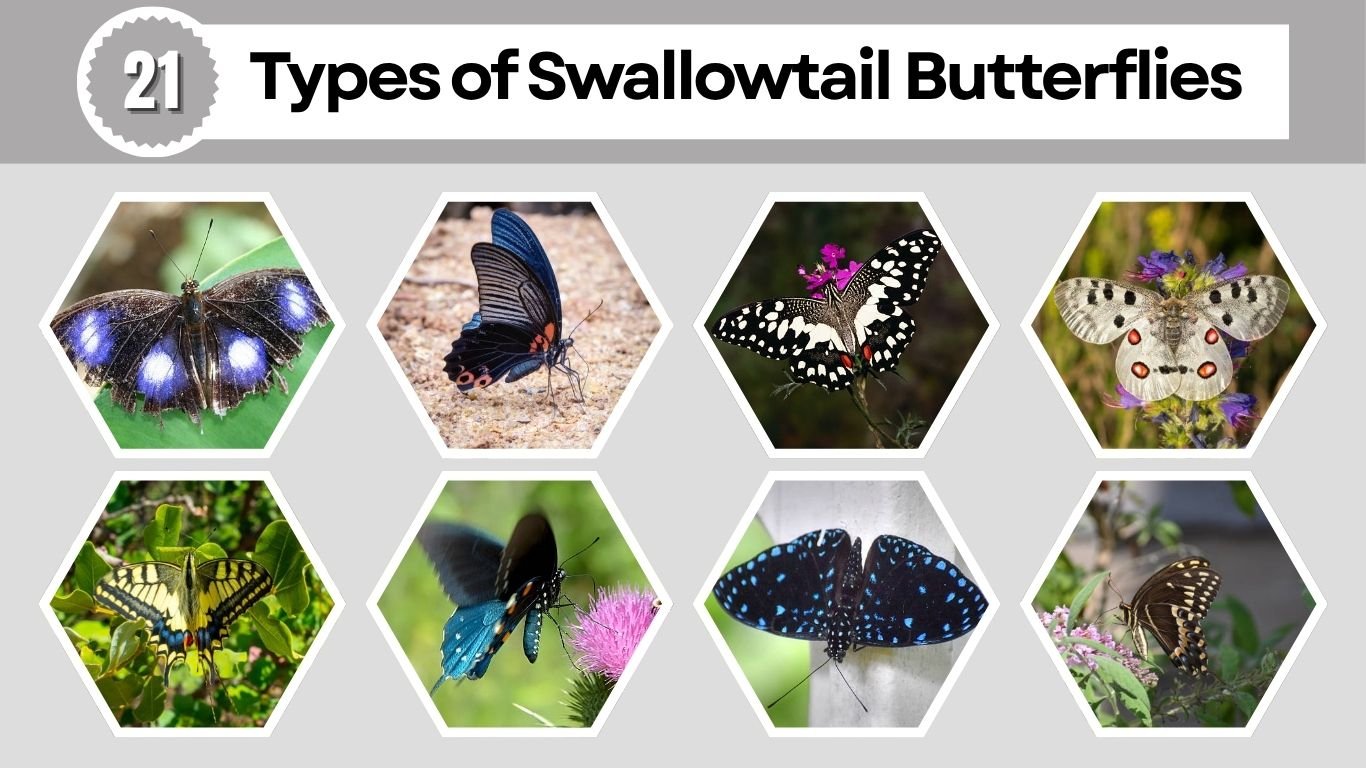
Swallowtail butterflies are some of the most beautiful and recognizable butterflies in the world. They are known for their bright colors, graceful flight, and tail-like extensions on their hindwings. From gardens and forests to tropical rainforests and mountain meadows, these butterflies live in many different habitats. This article explores 21 fascinating types of swallowtail butterflies and their unique features.
1. Eastern Tiger Swallowtail
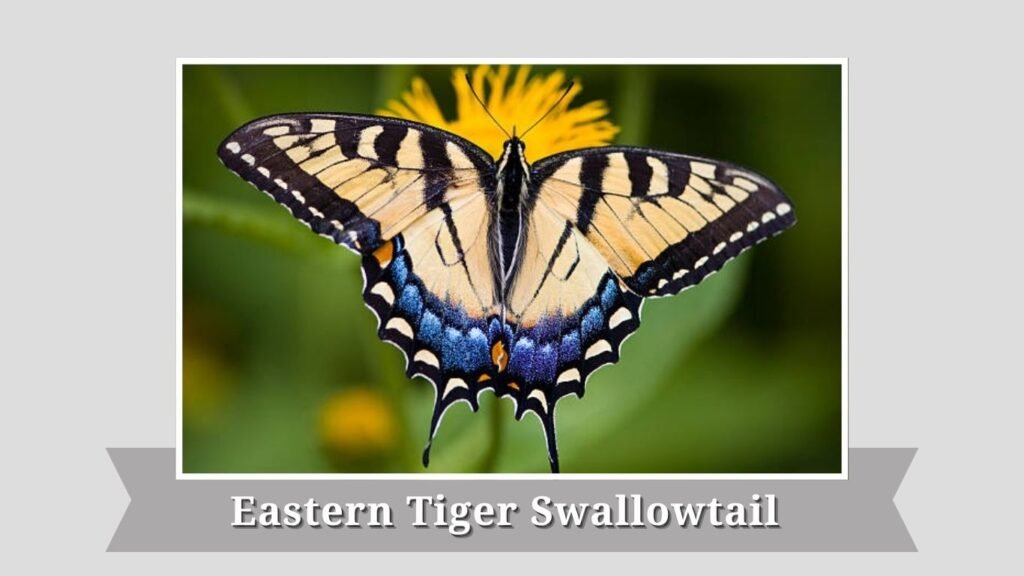
The Eastern Tiger Swallowtail is one of the most recognizable swallowtail butterflies in North America. It is admired for its large wings, bright yellow color, and bold black tiger-like stripes. This butterfly is commonly seen in gardens, forests, parks, and open fields during warm months.
Characteristics
- Large butterfly with a wingspan of about 3 to 5.5 inches
- Bright yellow wings with black tiger-like stripes
- Males are usually yellow, while females may be yellow or dark-colored
- Long tail-like extensions on the hindwings
- Often seen flying high around trees and flowers
Habitat
Eastern Tiger Swallowtails live in many different environments, including deciduous forests, woodland edges, riversides, gardens, and suburban areas. They prefer places where host trees and nectar-rich flowers are available. These butterflies are especially common in the eastern United States and can often be seen in sunny, open spaces near trees.
Diet
Adult Eastern Tiger Swallowtails feed on nectar from flowers such as milkweed, lilac, thistle, and butterfly bush. Their caterpillars feed on leaves from host plants like tulip trees, wild cherry, ash, and magnolia. This plant-based diet supports their growth from caterpillar to adult butterfly.
Life Cycle
The life cycle begins when the female lays eggs on host plant leaves. After hatching, the caterpillar feeds and grows through several stages. It then forms a chrysalis, where transformation takes place. Finally, the adult butterfly emerges and begins searching for nectar and mates.
2. Western Tiger Swallowtail
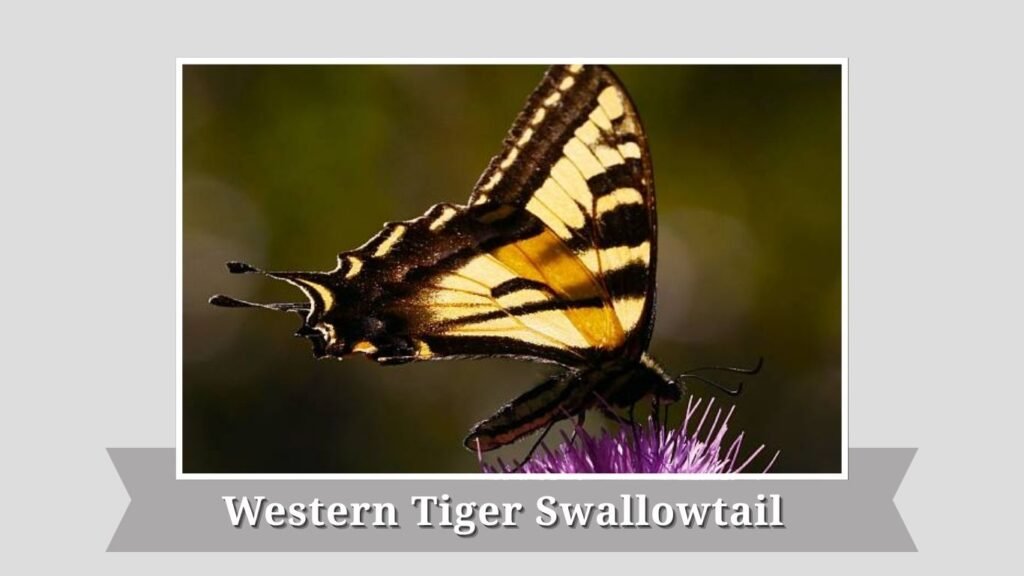
The Western Tiger Swallowtail is a bright and graceful butterfly found mainly in western North America. It looks similar to the Eastern Tiger Swallowtail but is usually seen near rivers, canyons, woodlands, and gardens. Its yellow wings and bold black stripes make it easy to recognize.
Characteristics
- Large butterfly with yellow wings and black tiger-like stripes
- Has long tail-like extensions on the hindwings
- Wingspan usually ranges from about 3 to 4 inches
- Black borders with blue and orange markings near the lower wings
- Strong flyer often seen gliding near trees and streams
Habitat
Western Tiger Swallowtails prefer open woodlands, riverbanks, parks, gardens, and canyon areas. They are commonly seen in sunny places where trees and flowering plants are nearby. This butterfly is especially common across the western United States and parts of Canada.
Diet
Adult butterflies drink nectar from flowers such as thistle, lilac, milkweed, and butterfly bush. Their caterpillars feed on leaves from host trees like cottonwood, willow, alder, and sycamore. These plants provide the nutrients needed for the caterpillar to grow.
Life Cycle
The female lays eggs on the leaves of host plants. After the eggs hatch, the caterpillars begin feeding and growing. Later, they form a chrysalis, where they slowly change into adult butterflies. Once fully developed, the adult emerges and starts searching for food and mates.
3. Canadian Tiger Swallowtail
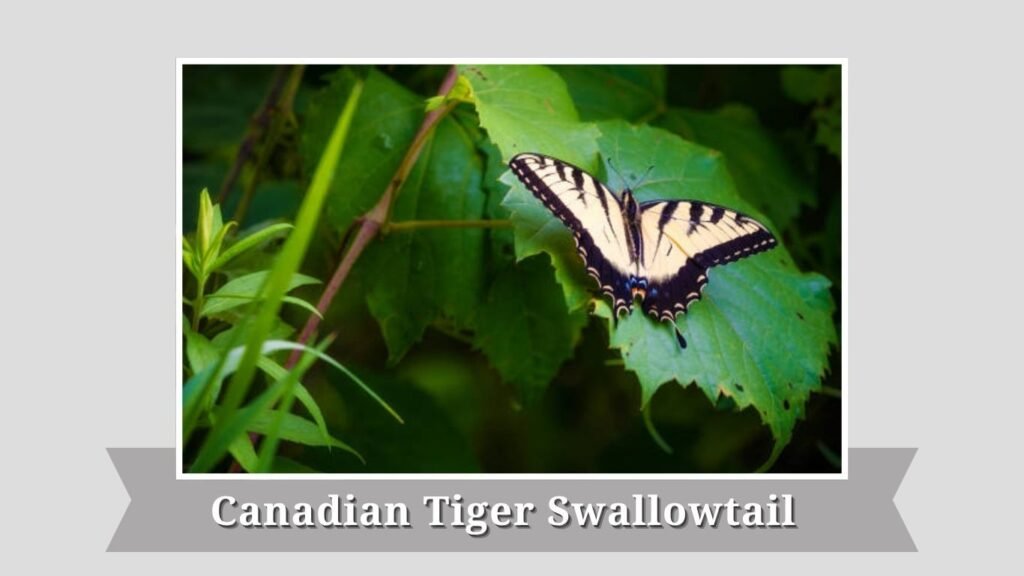
The Canadian Tiger Swallowtail is a beautiful butterfly found mostly in cooler northern regions of North America. It is known for its yellow wings with black stripes and its calm, floating flight. This butterfly is often seen in forests, meadows, and along woodland trails.
Characteristics
- Yellow wings with bold black tiger-like markings
- Smaller than many other tiger swallowtails
- Wingspan usually ranges from about 2.5 to 4 inches
- Hindwings have tail-like extensions
- Blue and orange spots appear near the lower wing edges
Habitat
Canadian Tiger Swallowtails live in boreal forests, woodland edges, meadows, roadsides, and open clearings. They prefer cooler climates and are common in Canada, Alaska, and the northern United States. They are often found where birch, aspen, and other host trees grow.
Diet
Adults feed on nectar from flowers such as lilac, clover, dandelion, and wildflowers. Their caterpillars eat leaves from trees like birch, aspen, willow, and poplar. These host plants are important for their early development and survival.
Life Cycle
The life cycle starts when females lay eggs on suitable host trees. The caterpillars hatch and feed on leaves until they are ready to pupate. They then form a chrysalis and remain protected during transformation. After development is complete, the adult butterfly emerges.
4. Two-tailed Swallowtail
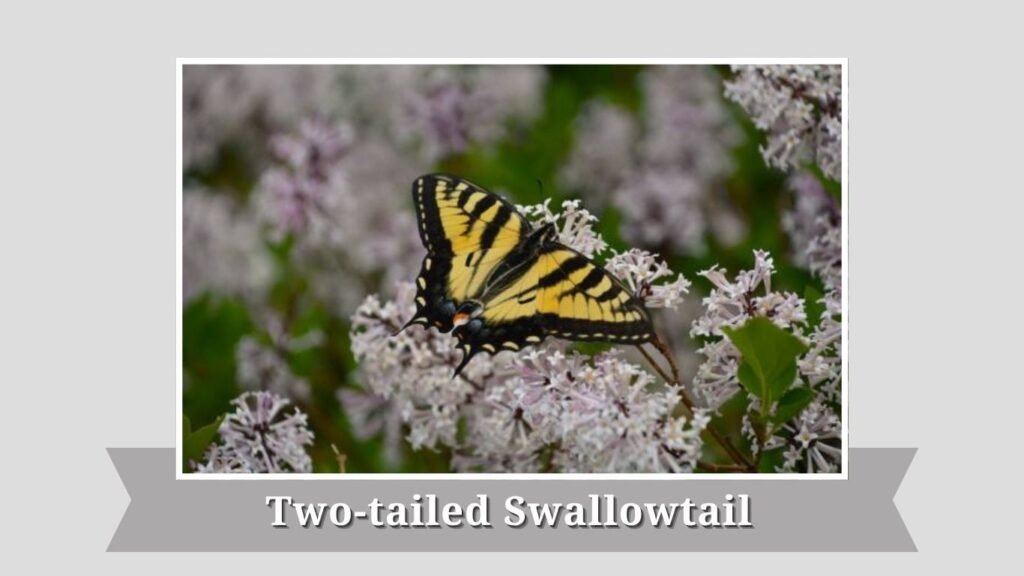
The Two-tailed Swallowtail is a large and impressive butterfly known for having two tail-like extensions on each hindwing. It is commonly found in western North America and is admired for its bright yellow color, black stripes, and graceful flight.
Characteristics
- Very large butterfly with a wingspan of about 3.5 to 5 inches
- Bright yellow wings with black tiger-like stripes
- Two tails on each hindwing
- Blue and orange markings near the lower wings
- Often flies high but also visits flowers for nectar
Habitat
Two-tailed Swallowtails are found in canyons, woodlands, desert edges, streamsides, gardens, and open areas. They prefer warm, sunny habitats with both nectar flowers and host trees. This butterfly is common in parts of the western and southwestern United States.
Diet
Adult Two-tailed Swallowtails feed on flower nectar from plants such as milkweed, thistle, lilac, and butterfly bush. Their caterpillars feed on leaves from ash, cherry, chokecherry, and hoptree. These host plants support caterpillar growth before pupation.
Life Cycle
Females lay eggs on host plant leaves. Once the caterpillars hatch, they begin eating and growing through several stages. After reaching full size, they form a chrysalis. Inside the chrysalis, the caterpillar transforms into an adult butterfly and later emerges.
5. Giant Swallowtail
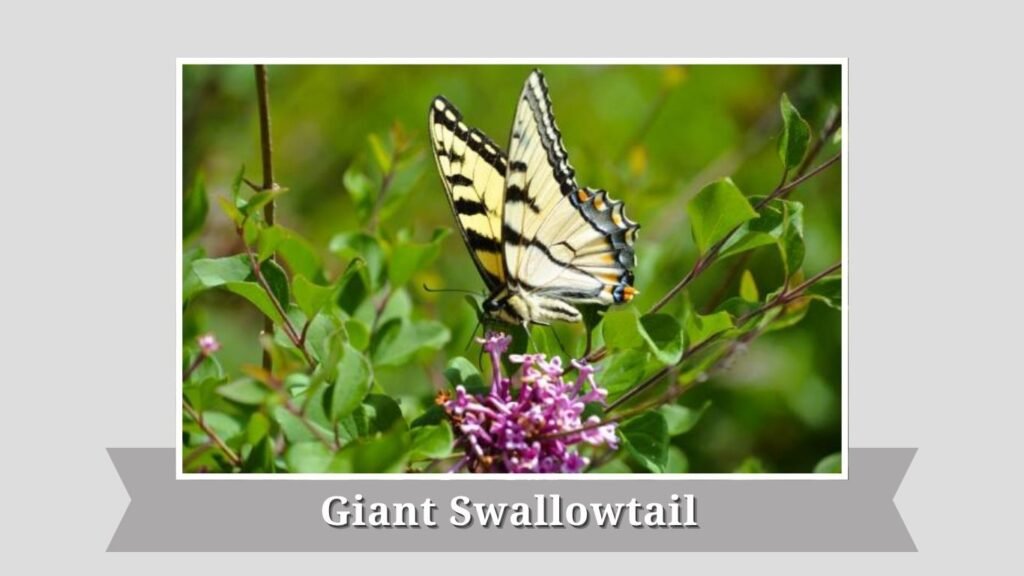
The Giant Swallowtail is one of the largest butterflies in North America. It is famous for its dark wings marked with yellow bands and its powerful, gliding flight. Despite its size, it moves gracefully and is often seen visiting gardens, orchards, and citrus plants.
Characteristics
- One of the largest swallowtail butterflies
- Dark brown or black wings with bold yellow bands
- Wingspan can reach about 4 to 6 inches
- Hindwings have noticeable tails
- Caterpillars often resemble bird droppings for protection
Habitat
Giant Swallowtails live in forests, gardens, citrus groves, fields, and suburban landscapes. They are common in warm regions and are often found where citrus trees and other host plants grow. They can be seen flying in open sunny areas.
Diet
Adults drink nectar from flowers such as azalea, lantana, milkweed, and bougainvillea. Caterpillars feed on plants in the citrus family, including orange, lemon, lime, and prickly ash. Because of this, they are sometimes found in orchards and home gardens.
Life Cycle
The female lays eggs on citrus or related host plants. The caterpillar hatches and feeds on leaves while using its bird-dropping appearance as camouflage. Later, it forms a chrysalis. After transformation, the adult Giant Swallowtail emerges and begins its life as a butterfly.
6. Black Swallowtail
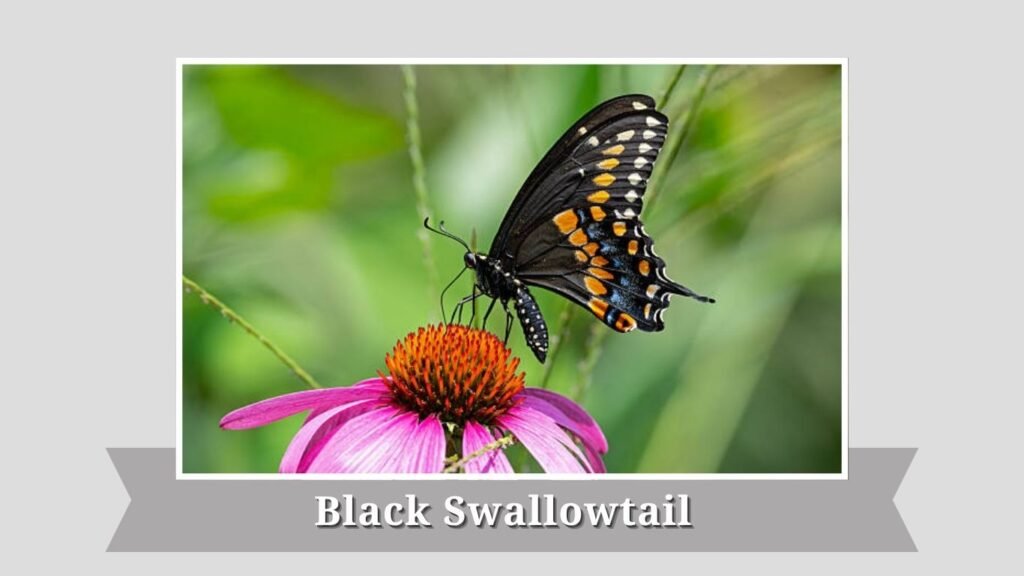
The Black Swallowtail is a common and attractive butterfly known for its dark wings with yellow, blue, and orange markings. It is often seen in gardens, fields, and open areas. This butterfly is especially familiar to people who grow herbs like parsley and dill.
Characteristics
- Black wings with rows of yellow spots
- Females usually show more blue on the hindwings
- Hindwings have short tail-like extensions
- Wingspan is usually about 2.5 to 4 inches
- Caterpillars are green with black and yellow bands
Habitat
Black Swallowtails live in gardens, meadows, fields, roadsides, and open woodland edges. They adapt well to human spaces and are often found near herb gardens. Their wide range includes much of North America, especially areas with suitable host plants.
Diet
Adult butterflies feed on nectar from flowers such as clover, milkweed, thistle, and zinnia. Caterpillars feed on plants in the carrot family, including parsley, dill, fennel, Queen Anne’s lace, and carrot tops. These plants are essential for their development.
Life Cycle
Females lay small eggs on host plants. The caterpillars hatch and feed on leaves until they are fully grown. They then attach themselves to a stem and form a chrysalis. After the transformation is complete, the adult butterfly emerges and begins feeding and mating.
7. Spicebush Swallowtail
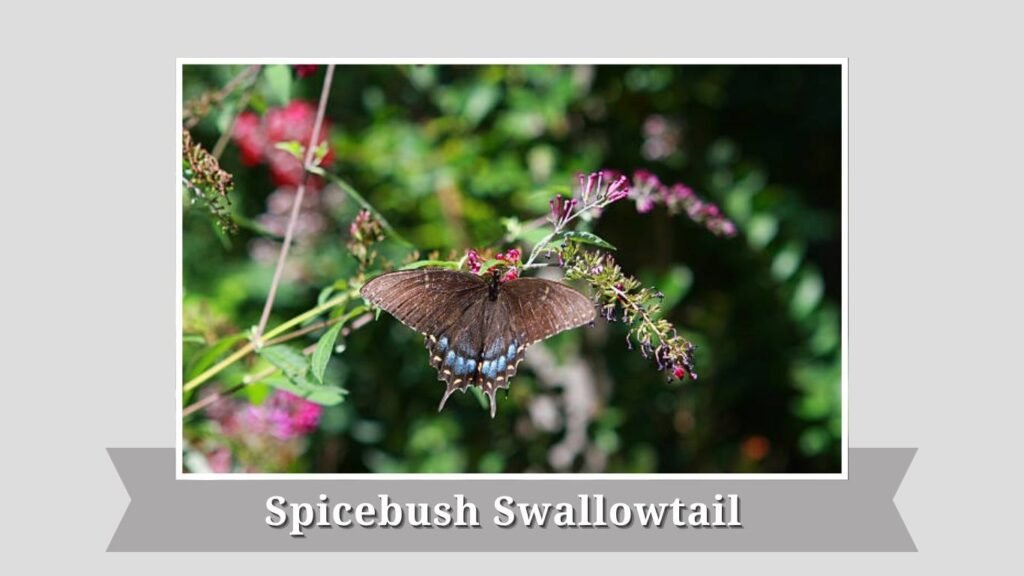
The Spicebush Swallowtail is a dark, elegant butterfly known for its soft blue-green markings and graceful flight. It is commonly found in forests, gardens, and woodland edges. This butterfly is especially connected to spicebush and sassafras plants, which support its caterpillars.
Characteristics
- Dark black wings with pale spots along the edges
- Blue or greenish-blue markings on the hindwings
- Hindwings have short tail-like extensions
- Wingspan is usually about 3 to 4 inches
- Caterpillars have large eye-like markings for protection
Habitat
Spicebush Swallowtails are often found in moist forests, shaded woodlands, gardens, and areas near streams. They prefer places where spicebush, sassafras, and other host plants grow. Adults may also visit sunny gardens and open areas to feed on nectar.
Diet
Adult Spicebush Swallowtails drink nectar from flowers such as milkweed, honeysuckle, thistle, and jewelweed. Their caterpillars mainly feed on spicebush and sassafras leaves. These plants are important because they provide food and shelter during the caterpillar stage.
Life Cycle
Females lay eggs on the leaves of host plants. After hatching, the caterpillars fold leaves around themselves for protection while feeding. Later, they form a chrysalis and begin their transformation. When development is complete, the adult butterfly emerges and starts searching for nectar and mates.
8. Pipevine Swallowtail
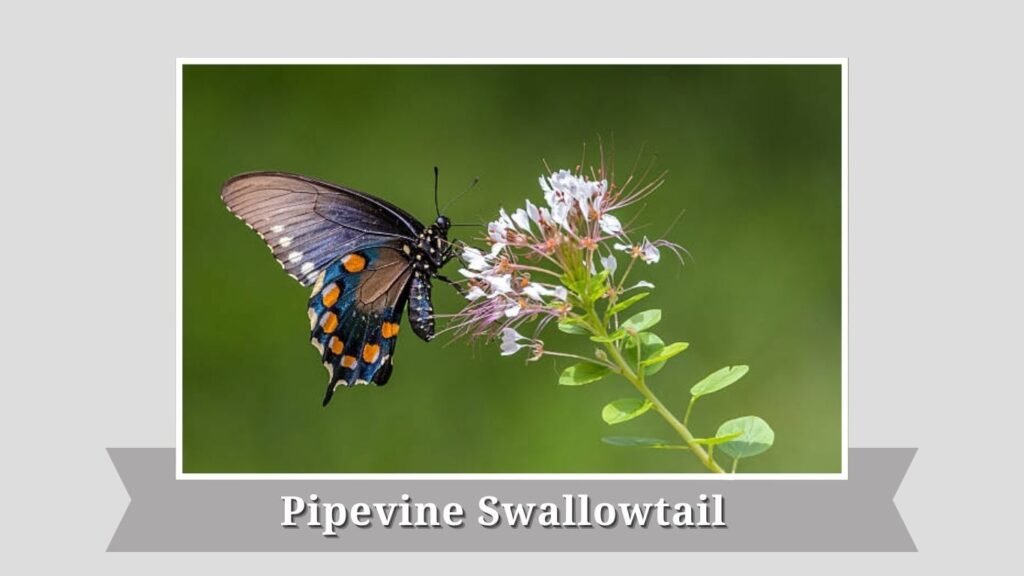
The Pipevine Swallowtail is a striking butterfly with dark wings and shiny blue or blue-green hindwings. It is well known for its connection to pipevine plants. Because its caterpillars feed on toxic plants, adult butterflies can become unpleasant to predators.
Characteristics
- Dark upper wings with shiny blue or greenish-blue hindwings
- Rows of pale or orange spots on the lower wings
- Wingspan usually ranges from about 2.5 to 4 inches
- Hindwings have tail-like extensions
- Toxic to many predators because of its host plants
Habitat
Pipevine Swallowtails live in forests, fields, gardens, woodland edges, and areas where pipevine plants grow. They are often found in warm, sunny habitats with plenty of flowering plants. Their range includes parts of North America, especially where suitable host plants are available.
Diet
Adult butterflies feed on nectar from flowers such as lantana, thistle, milkweed, and verbena. Their caterpillars feed on pipevine plants, also called birthworts. These plants contain chemicals that help protect the butterfly from birds and other predators.
Life Cycle
The female lays clusters of eggs on pipevine leaves. The caterpillars hatch and feed together when young, then spread out as they grow. After reaching full size, they form a chrysalis. Inside it, they transform into adult butterflies with dark wings and bright markings.
9. Zebra Swallowtail
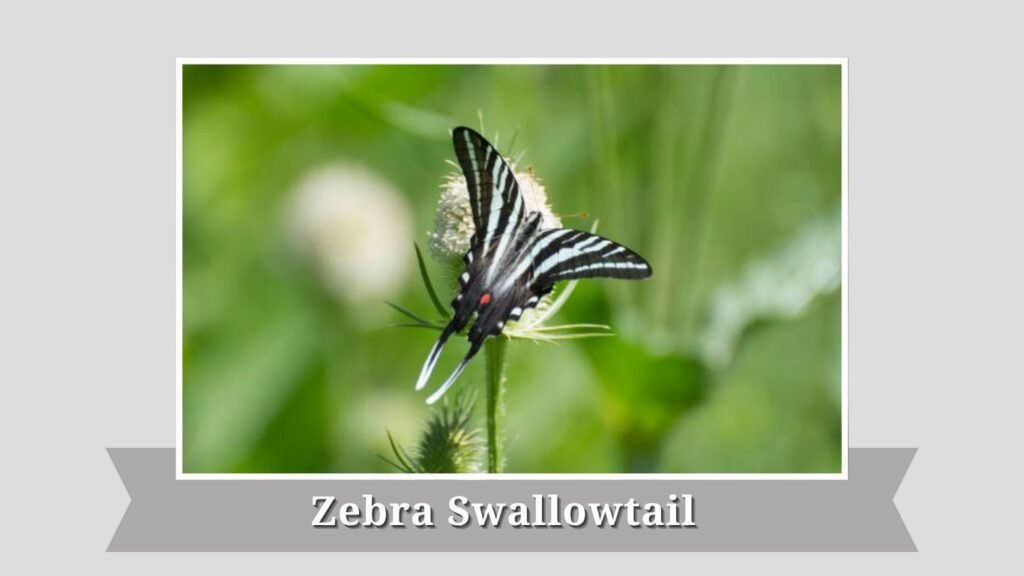
The Zebra Swallowtail is a beautiful butterfly named for its bold black-and-white striped wings. It has long tails and a graceful flight. This butterfly is closely linked to pawpaw trees, which are the main host plants for its caterpillars.
Characteristics
- White wings with bold black zebra-like stripes
- Long tail-like extensions on the hindwings
- Red and blue markings near the lower wings
- Wingspan usually ranges from about 2.5 to 4 inches
- Closely associated with pawpaw trees
Habitat
Zebra Swallowtails are commonly found in woodlands, river valleys, forest edges, and areas where pawpaw trees grow. They prefer moist, shaded places but adults may fly into open fields and gardens for nectar. They are most common in the eastern United States.
Diet
Adult Zebra Swallowtails drink nectar from flowers such as milkweed, verbena, blackberry, and redbud. Their caterpillars feed almost entirely on pawpaw leaves. Because of this strong plant connection, the butterfly is usually found near pawpaw patches.
Life Cycle
Females lay eggs on pawpaw leaves. After the eggs hatch, the caterpillars begin feeding on the leaves and grow through several stages. When mature, they form a chrysalis in a protected place. Later, the adult butterfly emerges with its striped wings and long tails.
10. Palamedes Swallowtail
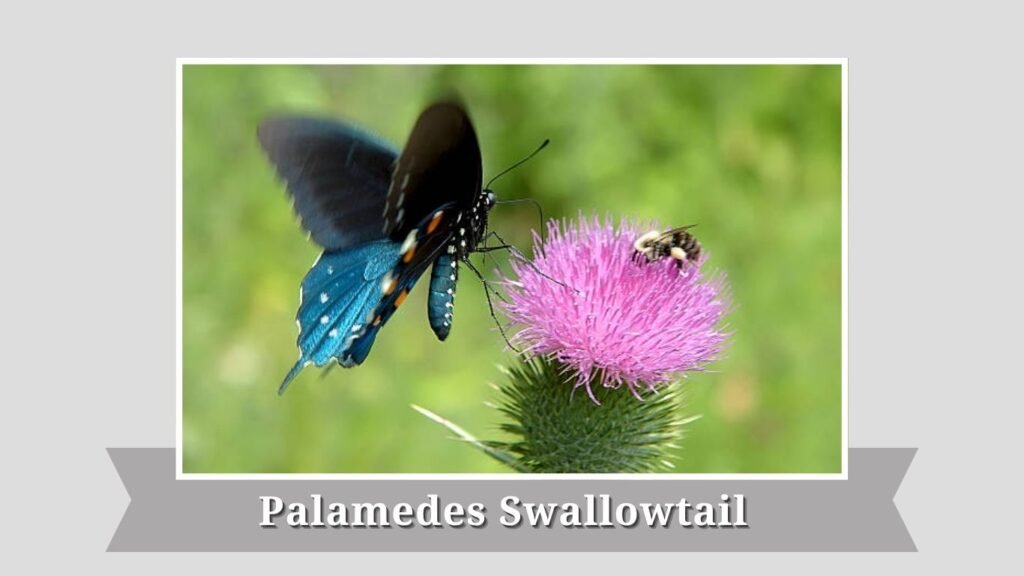
The Palamedes Swallowtail is a large dark butterfly with yellow bands and spots across its wings. It is often found in wet forests and coastal areas. This butterfly is strongly connected to red bay and other plants in the laurel family.
Characteristics
- Dark brown or black wings with yellow bands
- Yellow spots along the wing edges
- Hindwings have tail-like extensions
- Wingspan is usually about 4 to 5 inches
- Often seen flying in warm, swampy habitats
Habitat
Palamedes Swallowtails live in wet forests, swamps, coastal woodlands, and river areas. They are common in the southeastern United States, especially where red bay and swamp bay trees grow. Adults often visit flowers in sunny openings near wooded wetlands.
Diet
Adult butterflies feed on nectar from flowers such as thistle, milkweed, azalea, and pickerelweed. Their caterpillars feed on leaves of red bay, swamp bay, and related laurel plants. These host plants are necessary for the young caterpillars to survive and develop.
Life Cycle
Females lay eggs on the leaves of host trees. The caterpillars hatch and feed on the leaves while growing through several stages. After they mature, they form a chrysalis. The adult butterfly later emerges and continues the cycle by feeding, flying, and mating.
11. Anise Swallowtail
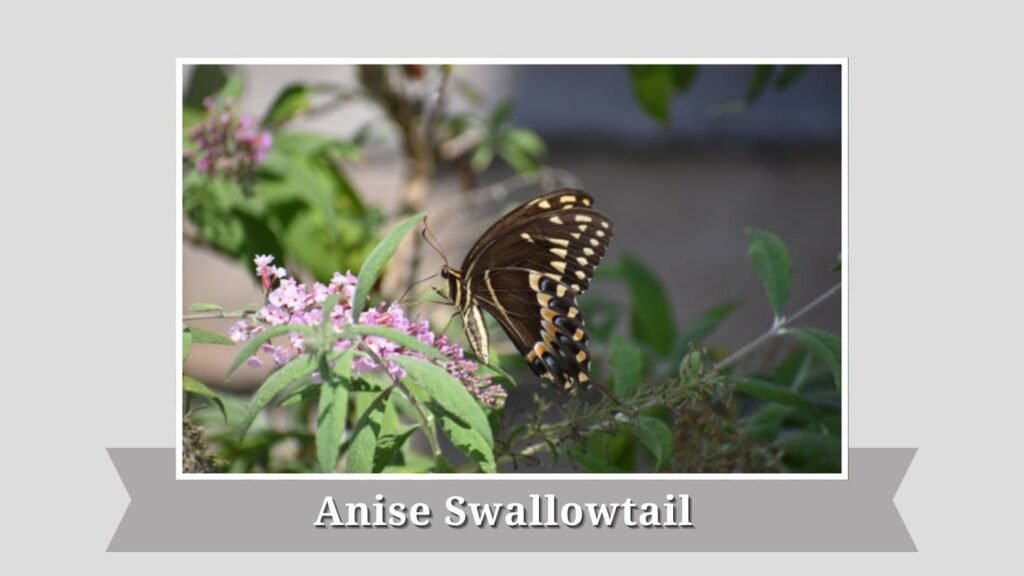
The Anise Swallowtail is a colorful butterfly found mostly in western North America. It has yellow and black markings and is often seen in gardens, hillsides, and open areas. This butterfly is named for its connection to anise and related plants.
Characteristics
- Yellow wings with black borders and markings
- Blue and orange spots near the hindwings
- Hindwings have short tail-like extensions
- Wingspan usually ranges from about 2.5 to 3.5 inches
- Caterpillars often feed on plants in the carrot family
Habitat
Anise Swallowtails live in open fields, hillsides, gardens, roadsides, and coastal areas. They prefer sunny places where host plants and nectar flowers are available. This butterfly is common in parts of the western United States and can adapt well to gardens.
Diet
Adults drink nectar from flowers such as thistle, clover, milkweed, and lantana. Caterpillars feed on plants like anise, fennel, parsley, dill, and other members of the carrot family. These plants provide the nutrition needed during the caterpillar stage.
Life Cycle
Females lay eggs on suitable host plants. The caterpillars hatch and feed on leaves until they become fully grown. Then they attach to a stem or branch and form a chrysalis. After transformation, the adult butterfly emerges and begins feeding on nectar.
12. Indra Swallowtail
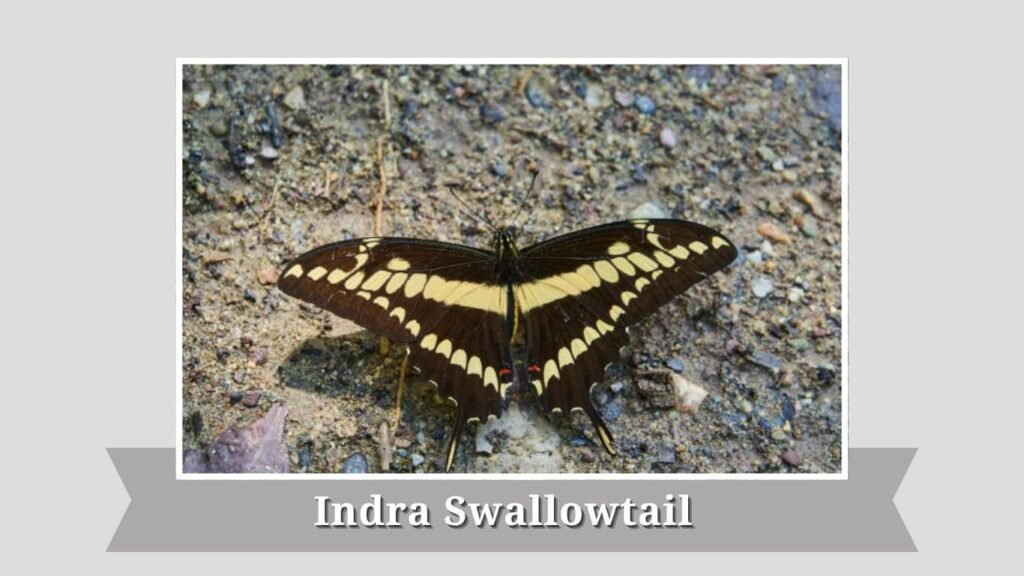
The Indra Swallowtail is a unique and attractive butterfly mostly found in dry, rocky regions of western North America. It is known for its dark wings with yellow markings and its strong connection to desert and mountain habitats. This butterfly is less commonly seen than many other swallowtails.
Characteristics
- Dark wings with yellow spots and bands
- Hindwings have short tail-like extensions
- Wingspan is usually about 2.5 to 3 inches
- Often found in rocky or dry landscapes
- Caterpillars feed on plants in the carrot family
Habitat
Indra Swallowtails live in deserts, canyons, rocky slopes, foothills, and mountain areas. They prefer dry habitats where their host plants grow naturally. Because of their specific habitat needs, they are usually found in limited areas rather than wide open garden spaces.
Diet
Adult Indra Swallowtails feed on nectar from wildflowers found in dry regions. Their caterpillars usually feed on plants in the carrot family, including wild parsley and related desert plants. These host plants are important for their growth and survival.
Life Cycle
Females lay eggs on suitable host plants. After hatching, the caterpillars feed on leaves and grow through several stages. When fully developed, they form a chrysalis in a protected place. Later, the adult butterfly emerges and begins searching for nectar and mates.
13. Old World Swallowtail
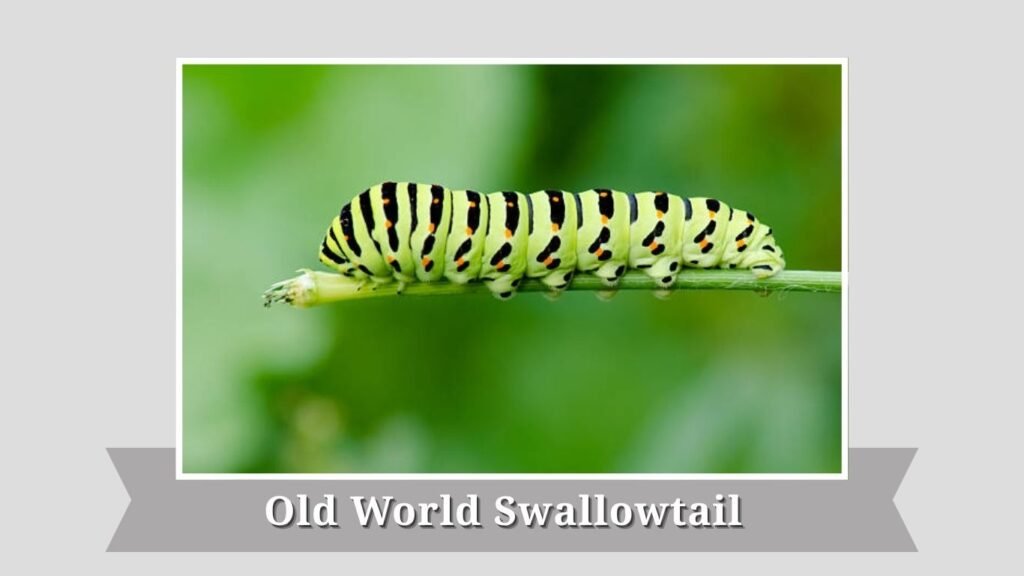
The Old World Swallowtail is a beautiful butterfly found across Europe, Asia, and parts of North America. It is admired for its yellow wings, black markings, and elegant tails. This species is often seen in meadows, gardens, hillsides, and open countryside.
Characteristics
- Yellow wings with black bands and markings
- Blue and orange spots near the hindwings
- Hindwings have noticeable tail-like extensions
- Wingspan is usually about 2.5 to 4 inches
- Caterpillars often feed on plants in the carrot family
Habitat
Old World Swallowtails live in meadows, grasslands, gardens, open fields, and mountain slopes. They prefer sunny places with plenty of nectar flowers and host plants. This butterfly is widespread and can adapt to different climates and landscapes.
Diet
Adults drink nectar from many wildflowers, including thistle, clover, and lavender. Their caterpillars feed on plants such as fennel, dill, parsley, and wild carrot. These plants give the caterpillars the nutrition they need before entering the chrysalis stage.
Life Cycle
The female lays eggs on host plant leaves. The caterpillars hatch and begin feeding while growing through different stages. After they are fully grown, they form a chrysalis. Inside the chrysalis, they transform into adult butterflies and later emerge.
14. Corsican Swallowtail
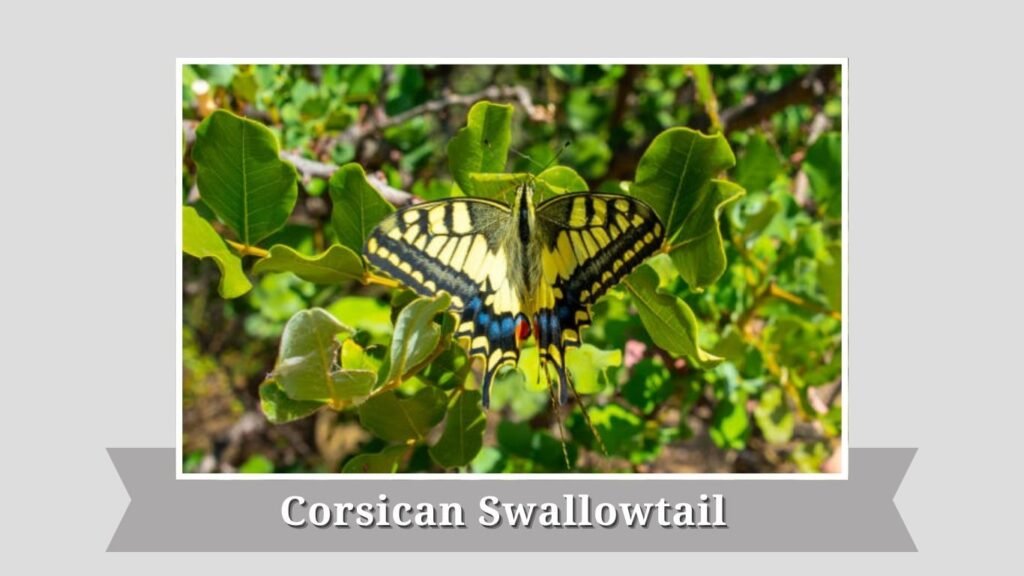
The Corsican Swallowtail is a lovely butterfly found mainly on the islands of Corsica and Sardinia. It is closely related to the Old World Swallowtail but has its own distinct appearance. This butterfly is valued for its beauty and its limited natural range.
Characteristics
- Yellow wings with black markings
- Blue and orange spots near the lower wings
- Hindwings have tail-like extensions
- Medium to large swallowtail butterfly
- Found mainly in Corsica and Sardinia
Habitat
Corsican Swallowtails live in open woodlands, hillsides, meadows, scrublands, and rocky areas. They prefer sunny habitats where flowers and host plants are available. Because they are island butterflies, their range is more limited than many other swallowtail species.
Diet
Adult Corsican Swallowtails feed on nectar from wildflowers growing in open, sunny places. Their caterpillars feed on plants in the carrot family and related host plants. These plants support the caterpillars as they grow and prepare for transformation.
Life Cycle
Females lay eggs on the leaves of host plants. The caterpillars hatch and feed until they reach full size. Then they form a chrysalis, where the body changes into an adult butterfly. Once development is complete, the butterfly emerges and begins flying.
15. Scarce Swallowtail
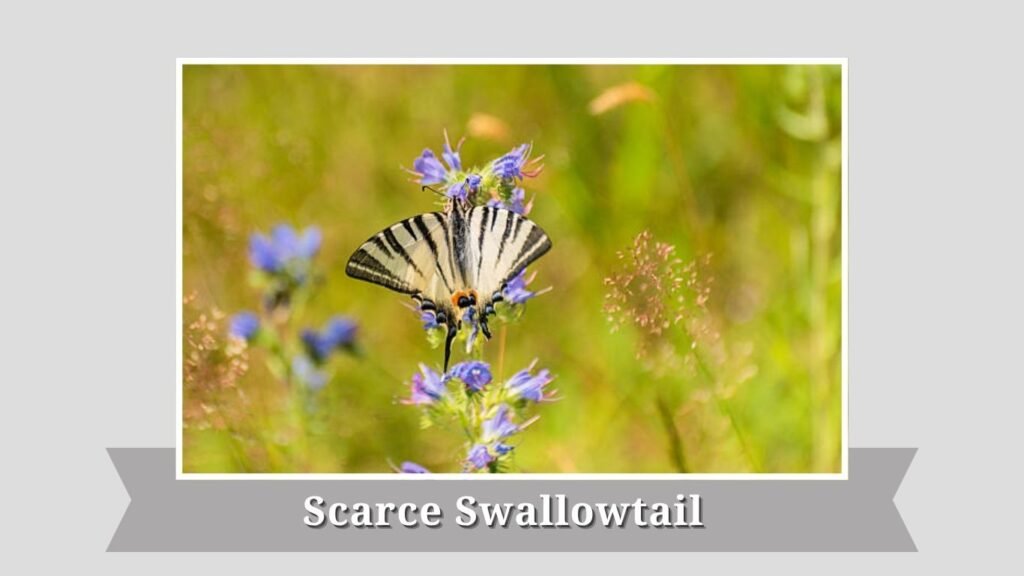
The Scarce Swallowtail is a pale, elegant butterfly with long tails and bold black markings. Despite its name, it can be common in some parts of Europe and Asia. Its graceful flight and striking shape make it one of the most beautiful swallowtails.
Characteristics
- Pale yellow or creamy wings with black stripes
- Long tail-like extensions on the hindwings
- Blue and orange markings near the lower wings
- Wingspan is usually about 2.5 to 3.5 inches
- Often glides smoothly in sunny open areas
Habitat
Scarce Swallowtails are found in orchards, open woodlands, gardens, meadows, and hillsides. They prefer warm, sunny habitats with flowering plants and host trees nearby. They are often seen around fruit trees, hedgerows, and countryside landscapes.
Diet
Adult Scarce Swallowtails feed on nectar from flowers such as thistle, lavender, and wildflowers. Their caterpillars commonly feed on plants like blackthorn, hawthorn, and fruit trees. These host plants provide food during the caterpillar stage.
Life Cycle
The female lays eggs on host plant leaves. Caterpillars hatch and feed on the leaves while growing slowly. After reaching maturity, they form a chrysalis attached to a stem or branch. Later, the adult butterfly emerges with its pale wings and long tails.
16. Apollo Swallowtail
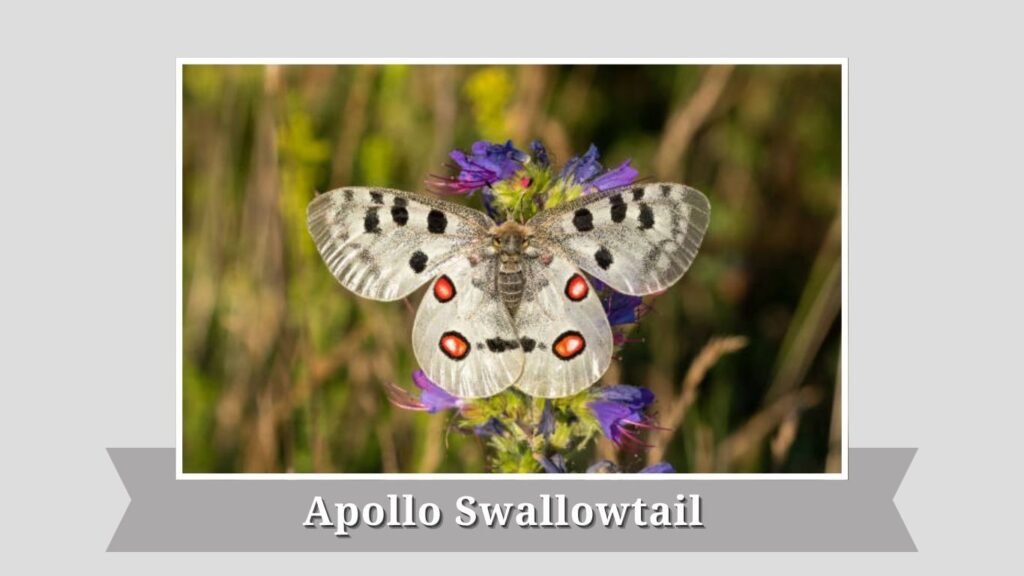
The Apollo Swallowtail, often called the Apollo butterfly, is a beautiful mountain butterfly known for its pale wings and red eye-like spots. It is found in parts of Europe and Asia, especially in alpine meadows and rocky mountain areas.
Characteristics
- Pale white wings with dark markings
- Red eye-like spots on the hindwings
- Rounded wings without long tails
- Wingspan is usually about 2.5 to 3.5 inches
- Commonly found in mountain regions
Habitat
Apollo Swallowtails live in alpine meadows, rocky slopes, mountain valleys, and sunny grasslands. They prefer cool, open habitats where their host plants grow. This butterfly is often associated with high-altitude environments and clean, natural landscapes.
Diet
Adult Apollo butterflies feed on nectar from alpine flowers such as thistles and other mountain wildflowers. Their caterpillars feed mainly on stonecrop and related plants. These host plants are essential for their early growth and development.
Life Cycle
Females lay eggs near or on host plants. The caterpillars hatch and feed on stonecrop leaves during their growth stage. After becoming fully grown, they form a chrysalis close to the ground. The adult butterfly later emerges and flies in sunny mountain habitats.
17. Common Mormon Swallowtail
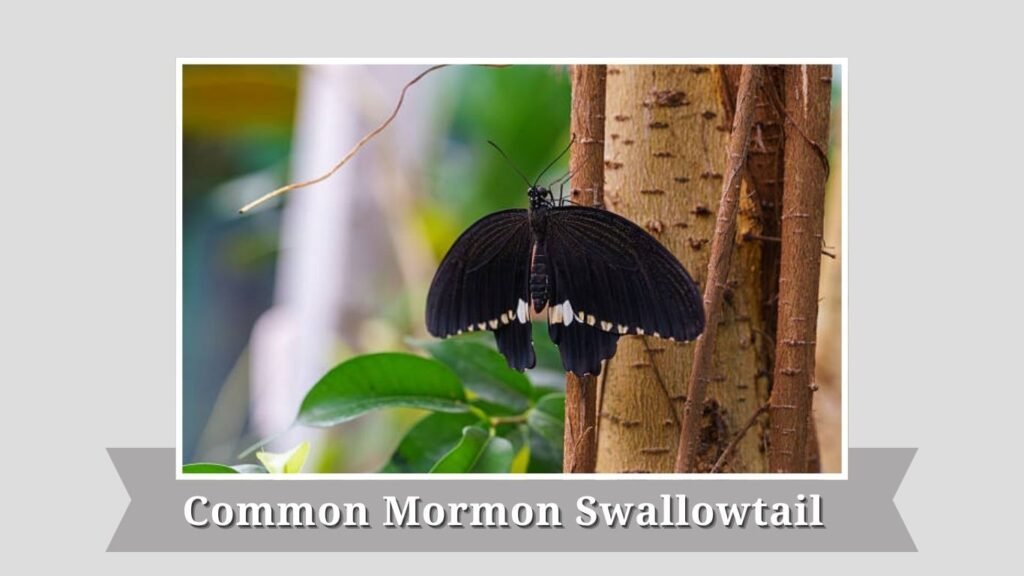
The Common Mormon Swallowtail is a beautiful butterfly found widely across South and Southeast Asia. It is known for its dark wings, elegant flight, and interesting mimicry. Females can appear in different forms, often copying the look of other poisonous butterflies for protection.
Characteristics
- Medium-sized swallowtail with dark-colored wings
- Males usually have black wings with pale spots
- Females may have different color forms
- Hindwings have small tail-like extensions
- Known for mimicry that helps avoid predators
Habitat
Common Mormon Swallowtails live in gardens, forests, open fields, parks, and village areas. They are highly adaptable and are often seen near citrus plants. Because they can survive well around people, they are common in both natural and urban landscapes.
Diet
Adult butterflies feed on nectar from flowers such as lantana, ixora, jasmine, and other garden blooms. Their caterpillars mostly feed on citrus plants, including lime, lemon, and orange. These host plants help the larvae grow before they enter the chrysalis stage.
Life Cycle
Females lay eggs on citrus leaves and other host plants. The caterpillars hatch and begin feeding while using camouflage for protection. After growing through several stages, they form a chrysalis. The adult butterfly later emerges and starts feeding, flying, and mating.
18. Blue Mormon Swallowtail
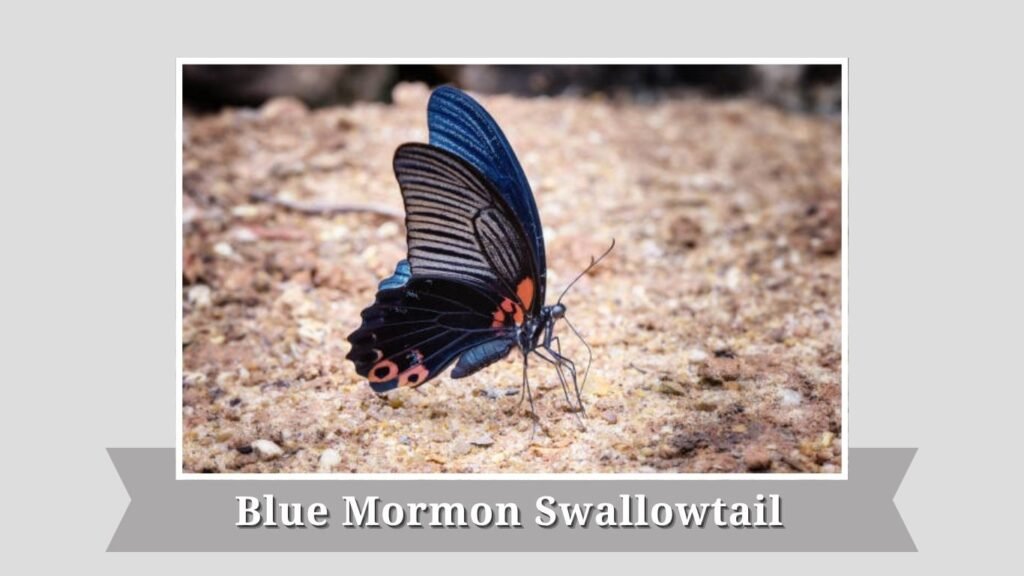
The Blue Mormon Swallowtail is a large and striking butterfly known for its deep black wings with bright blue markings. It is commonly found in India and nearby regions. Its bold color and strong flight make it one of the most impressive swallowtails.
Characteristics
- Large butterfly with black wings and blue patches
- Hindwings have tail-like extensions
- Wingspan can reach around 4 to 6 inches
- Strong and fast flyer
- Commonly seen around flowering trees and gardens
Habitat
Blue Mormon Swallowtails live in forests, gardens, orchards, wooded areas, and hilly regions. They prefer warm places with plenty of nectar flowers and citrus host plants. In many areas, they are often seen flying near forest edges and flowering shrubs.
Diet
Adult Blue Mormons drink nectar from flowers such as ixora, lantana, jasmine, and pagoda flowers. Their caterpillars feed on plants from the citrus family, including lime, lemon, orange, and related species. These plants are important for their growth and development.
Life Cycle
The female lays eggs on host plant leaves. After hatching, the caterpillar feeds on the leaves and grows through several stages. It later forms a chrysalis in a safe place. After transformation is complete, the adult butterfly emerges with its dark wings and blue markings.
19. Lime Swallowtail
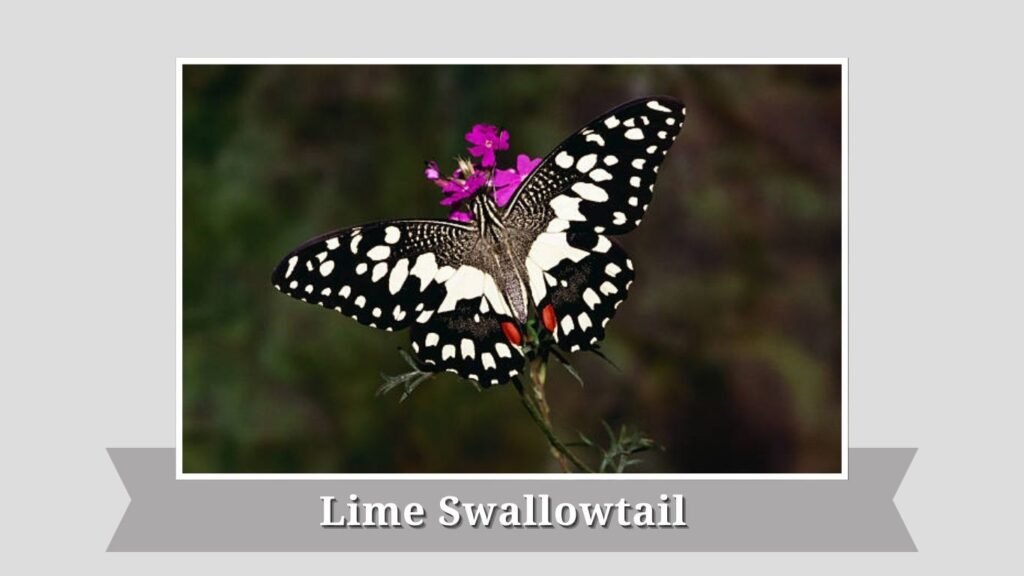
The Lime Swallowtail is a common and colorful butterfly found in Asia and Australia. It is also called the Citrus Swallowtail because its caterpillars feed on citrus plants. This butterfly is often seen in gardens, farms, orchards, and open sunny areas.
Characteristics
- Yellowish-white wings with black markings
- Red and blue spots near the hindwings
- Hindwings have small tail-like extensions
- Wingspan is usually about 3 to 4 inches
- Caterpillars often feed on citrus leaves
Habitat
Lime Swallowtails live in gardens, farms, orchards, forests, parks, and roadside areas. They are common in warm regions where citrus plants grow. Their ability to live close to humans makes them one of the most familiar swallowtail butterflies in many Asian countries.
Diet
Adults feed on nectar from flowers such as lantana, zinnia, jasmine, and hibiscus. Caterpillars eat leaves of lime, lemon, orange, curry leaf, and other citrus-family plants. Because of this, they are often noticed in home gardens and fruit orchards.
Life Cycle
Females lay eggs on young citrus leaves. The caterpillars hatch and feed while growing through different stages. When mature, they attach to a stem and form a chrysalis. After the transformation, the adult butterfly emerges and begins searching for nectar and mates.
20. Ulysses Swallowtail
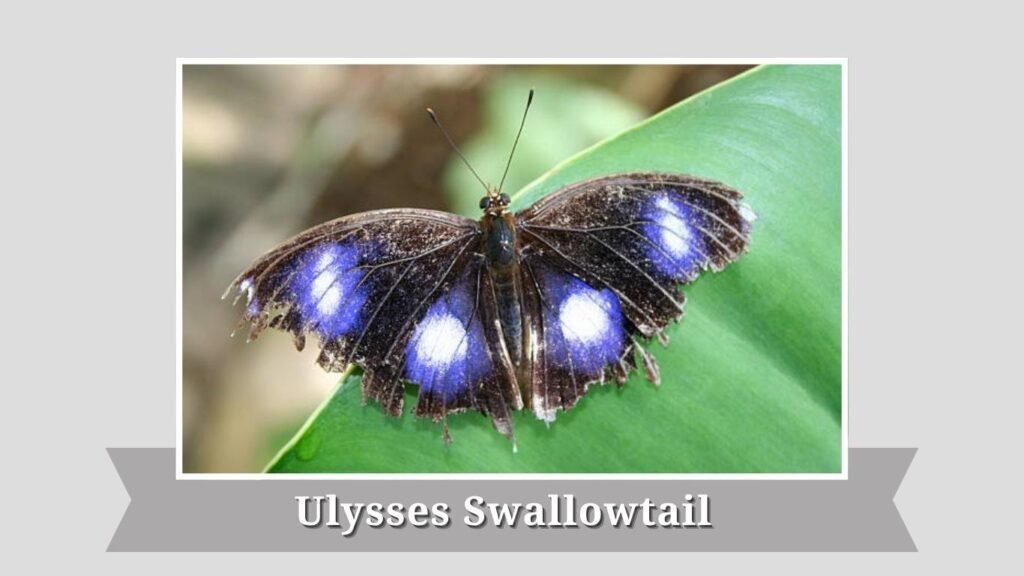
The Ulysses Swallowtail is a brilliant blue butterfly known for its glowing wing color and fast flight. It is found in Australia, Papua New Guinea, and nearby islands. Its bright blue wings make it one of the most eye-catching swallowtails in tropical forests.
Characteristics
- Bright electric-blue wings with black edges
- Large butterfly with a strong, quick flight
- Hindwings have small tail-like extensions
- Wingspan is usually about 4 to 5.5 inches
- Males are especially bright and noticeable
Habitat
Ulysses Swallowtails live in tropical rainforests, gardens, parks, and coastal woodlands. They prefer warm, humid places with flowering plants and host trees nearby. They are often seen flying quickly through forest openings or visiting bright flowers for nectar.
Diet
Adult Ulysses Swallowtails feed on nectar from flowering plants, especially brightly colored blooms. Their caterpillars feed on plants in the citrus family and related rainforest trees. These host plants provide the nutrition needed for the caterpillar to grow and pupate.
Life Cycle
The female lays eggs on suitable host plant leaves. After hatching, the caterpillar feeds and grows until it is ready to pupate. It then forms a chrysalis, where the transformation happens. The adult butterfly emerges with vivid blue wings and begins its active life.
21. Rajah Brooke’s Birdwing Swallowtail
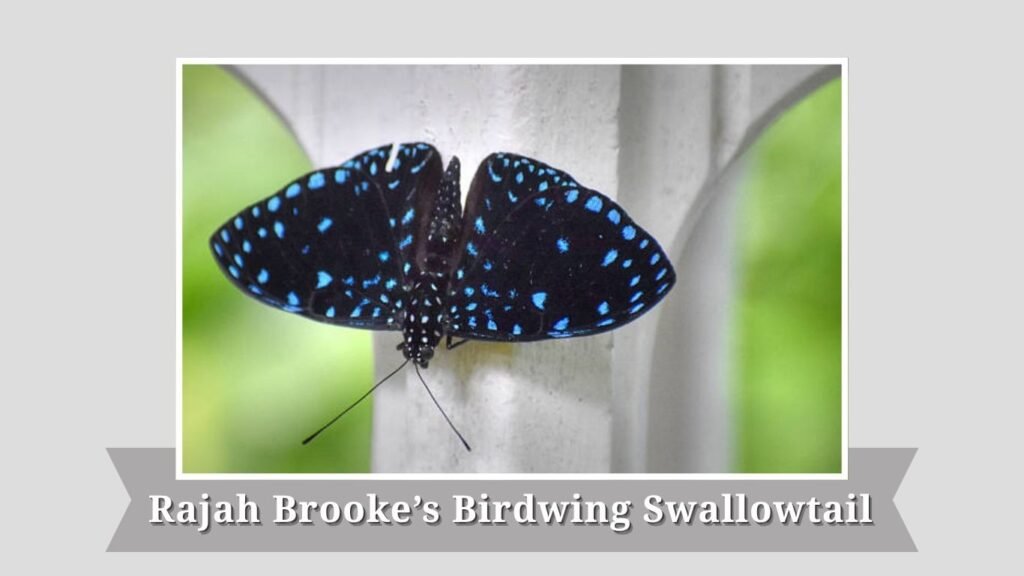
Rajah Brooke’s Birdwing Swallowtail is a stunning butterfly known for its black wings with bright green markings. It is found in Southeast Asia and is often admired for its beauty and size. This butterfly is commonly seen near forests, rivers, and mineral-rich wet ground.
Characteristics
- Black wings with bright green triangular markings
- Large butterfly with a graceful flight
- Males are more colorful than females
- Wingspan can reach about 5 to 7 inches
- Often gathers near wet ground for minerals
Habitat
Rajah Brooke’s Birdwing Swallowtails live in tropical rainforests, riverbanks, forest edges, and hilly areas. They prefer warm, humid habitats with plenty of host plants and nectar sources. Males are often seen in groups on damp soil, where they collect minerals.
Diet
Adults drink nectar from forest flowers and flowering shrubs. They also gather minerals from wet soil, especially males. Their caterpillars feed on pipevine plants, which contain chemicals that can help protect them from predators as they develop.
Life Cycle
Females lay eggs on suitable pipevine host plants. The caterpillars hatch and feed on the leaves while storing protective chemicals from the plant. After reaching full size, they form a chrysalis. Later, the adult butterfly emerges with its beautiful black and green wings.
