
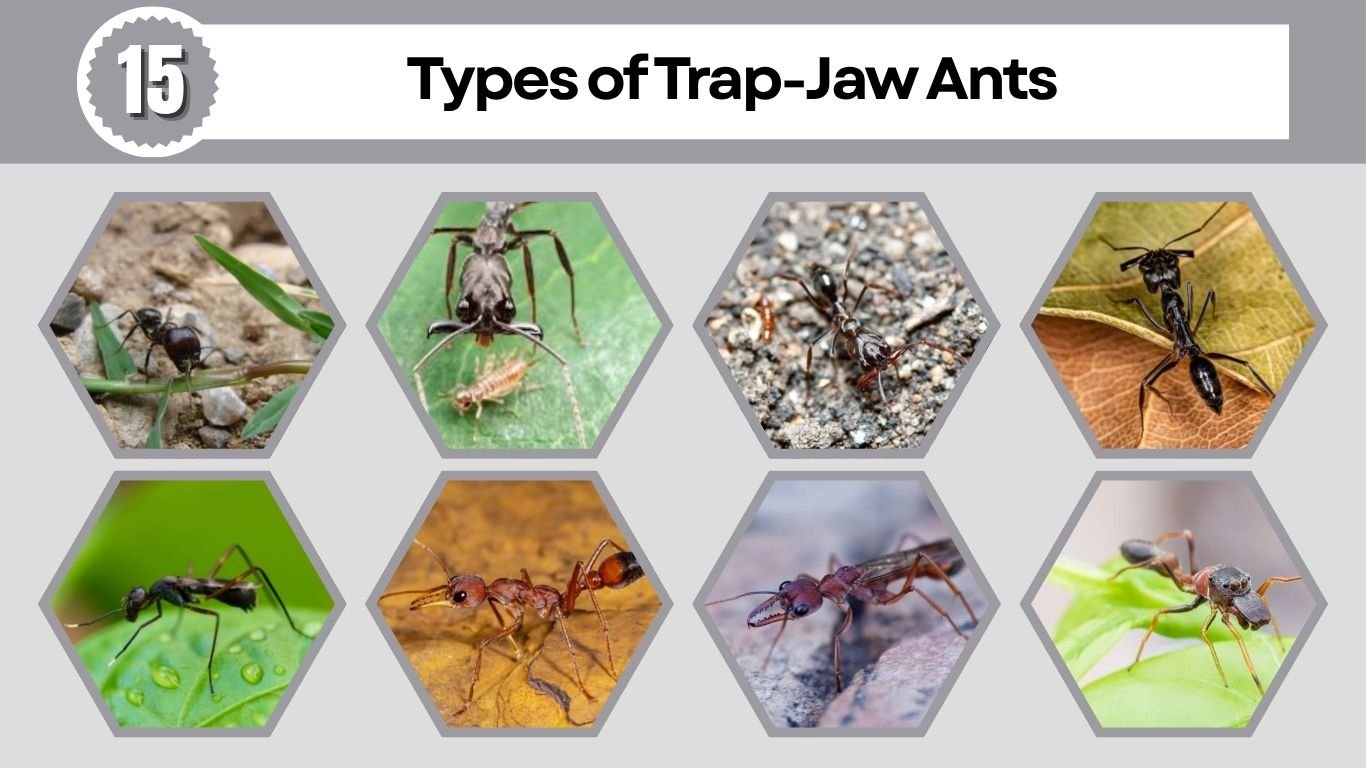
Trap-jaw ants are among the most fascinating insects in the world due to their lightning-fast mandibles and aggressive hunting behavior. These ants belong mainly to the genera Odontomachus and Anochetus, both known for their powerful spring-loaded jaws that snap shut at incredible speed. Trap-jaw ants live in tropical and subtropical regions, where they hunt insects, defend colonies, and survive in forests, leaf litter, and underground nests. From the Florida Trap-Jaw Ant to Mayr’s Trap-Jaw Ant, each species has unique characteristics, habitats, and adaptations that make them remarkable predators in the insect world.
1. Florida Trap-Jaw Ant
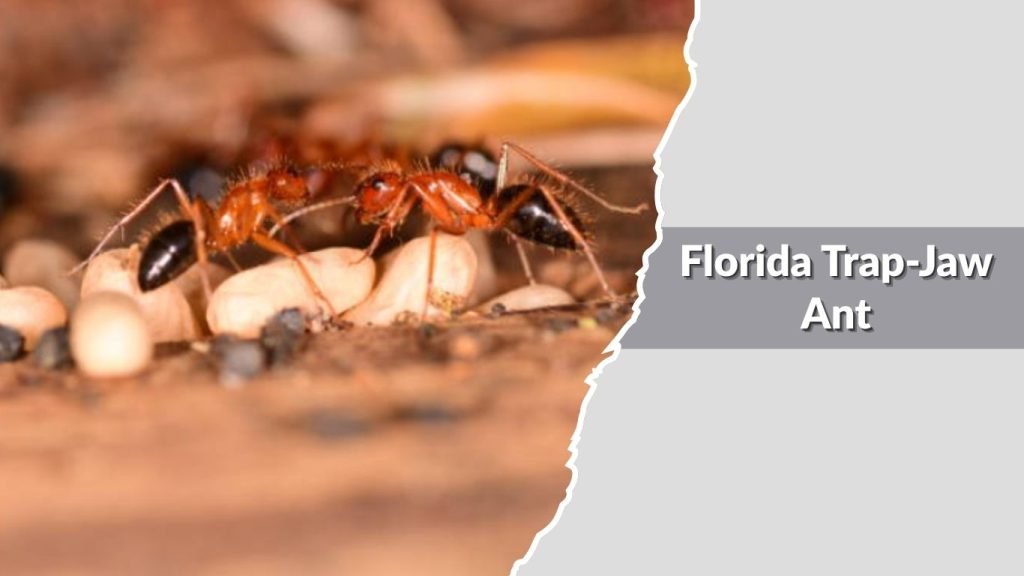
The Florida Trap-Jaw Ant is one of the most recognizable trap-jaw ant species found in the southeastern United States. It is known for its lightning-fast mandibles, which snap shut to catch prey and defend against threats. This species commonly lives in sandy soils, forests, and leaf litter.
Identification
The Florida Trap-Jaw Ant has a reddish-brown to dark brown body with a long, slender shape. Its large straight mandibles remain open at nearly 180 degrees when hunting. Workers usually grow between 8 and 12 millimeters long and have large prominent eyes.
Characteristics
- Extremely fast snapping jaws
- Reddish-brown body coloration
- Long and slender body shape
- Large eyes with excellent vision
- Lives in sandy or wooded habitats
Habitat and Behavior
This species prefers warm environments with loose soil for nesting. Colonies are often found under logs, stones, or leaf litter. The ants are active hunters and mainly feed on insects and other small arthropods. Their jaws can also launch them backward to escape predators quickly.
Interesting Facts
The snapping speed of the Florida Trap-Jaw Ant is among the fastest movements in the animal kingdom. Scientists study this ant to better understand biomechanics and rapid-motion systems in nature.
2. Brown Trap-Jaw Ant
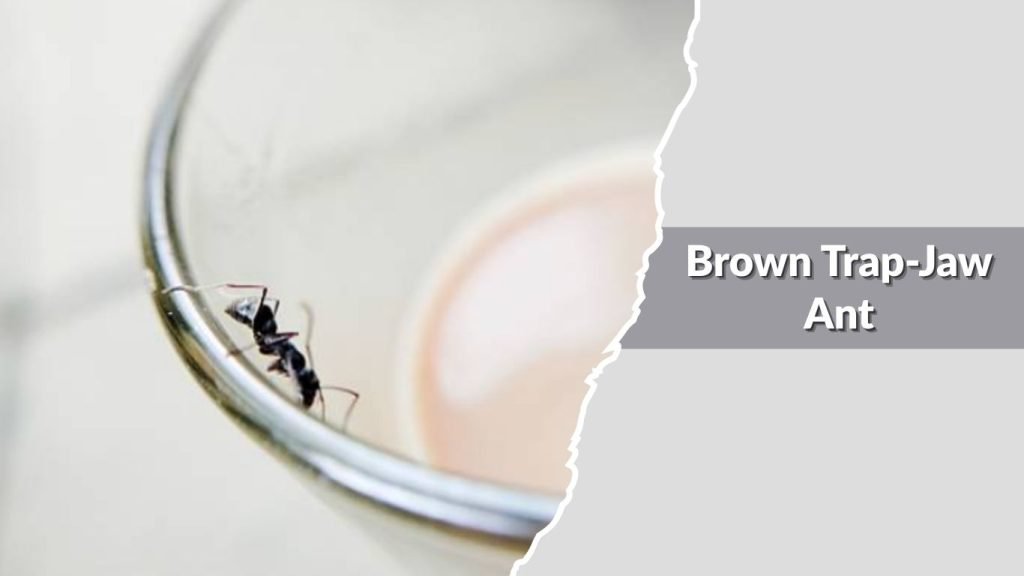
The Brown Trap-Jaw Ant is a powerful predatory ant species recognized for its fast-moving jaws and aggressive hunting style. It is commonly found in warm forested regions where it nests in soil, rotting wood, and leaf litter. This species plays an important role in controlling small insect populations.
Identification
The Brown Trap-Jaw Ant has a dark brown body with a smooth and shiny appearance. Its long mandibles are lined with sharp teeth designed for gripping prey. Workers are medium-sized and have long legs that help them move quickly across the ground.
Characteristics
- Dark brown body coloration
- Long toothed mandibles
- Fast and aggressive hunter
- Smooth and shiny exoskeleton
- Strong jumping escape behavior
Habitat and Behavior
This ant species prefers moist forests and tropical environments. Colonies are usually hidden beneath logs, stones, or underground chambers. Brown Trap-Jaw Ants hunt alone and rely on their powerful jaws to capture insects instantly. When threatened, they can snap their jaws against the ground to propel themselves backward.
Interesting Facts
The Brown Trap-Jaw Ant uses one of the fastest predatory strikes in the insect world. Its jaw snap is not only used for hunting but also as a defensive tool to scare predators and escape danger quickly.
3. Giant Trap-Jaw Ant
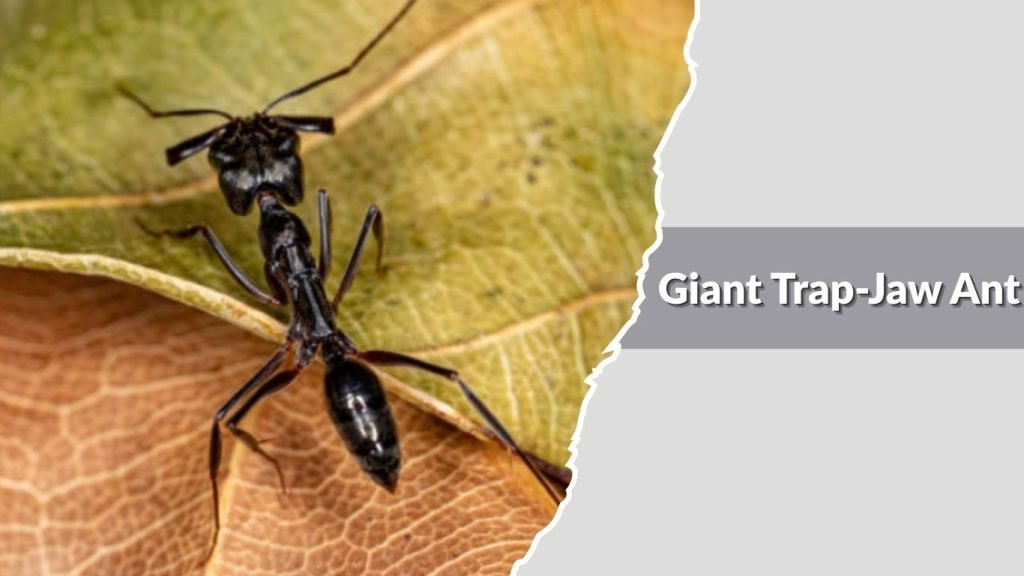
The Giant Trap-Jaw Ant is one of the largest and most impressive trap-jaw ant species in the world. Known for its oversized mandibles and powerful bite, this ant is commonly found in tropical forests across Central and South America. Its fast jaw action allows it to hunt efficiently and defend itself against predators. Because of its large size and aggressive nature, the Giant Trap-Jaw Ant is often easier to observe than smaller trap-jaw species.
Identification
The Giant Trap-Jaw Ant has a large reddish-brown to dark brown body with a strong and muscular appearance. Workers can grow up to 14 millimeters long, making them noticeably larger than many other ant species. Its most distinctive feature is its long straight mandibles, which remain open while hunting. The ant also has large compound eyes and long legs adapted for quick movement.
Characteristics
- Large body size compared to other ants
- Powerful fast-snapping mandibles
- Reddish-brown or dark brown coloration
- Excellent vision with large eyes
- Strong defensive and hunting behavior
Habitat and Behavior
This species mainly lives in tropical rainforests, nesting in soil, under logs, or among leaf litter. Giant Trap-Jaw Ants are solitary hunters that feed on insects, spiders, and other small arthropods. Workers are highly alert and react quickly to movement near the nest. When threatened, they can snap their jaws against the ground to propel themselves away from danger in a sudden jump.
Interesting Facts
The jaw strike of the Giant Trap-Jaw Ant is incredibly fast and generates significant force for such a small insect. Scientists study this species to understand rapid-motion mechanics and natural biological engineering systems.
4. Clear Trap-Jaw Ant
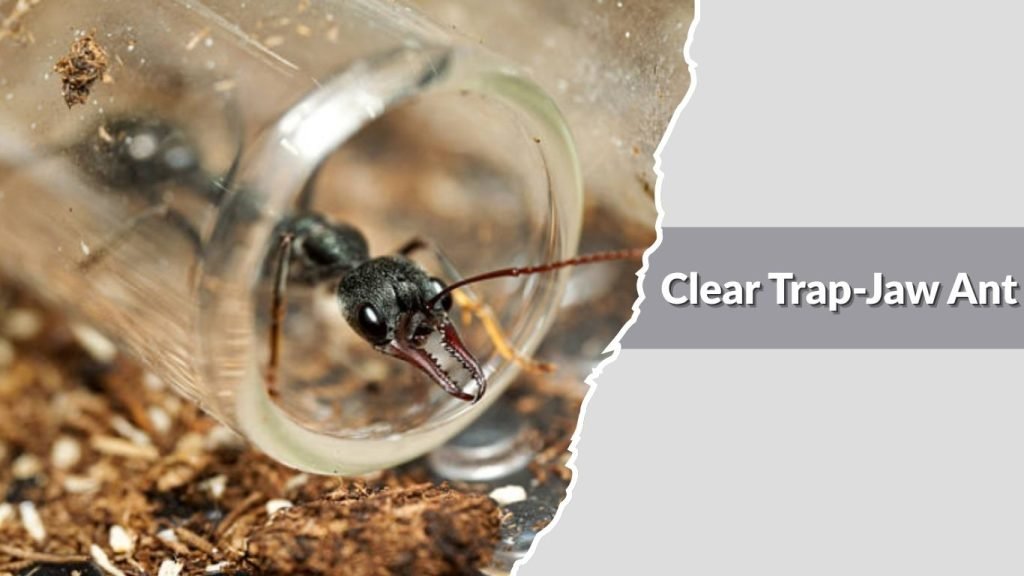
The Clear Trap-Jaw Ant is a lesser-known trap-jaw ant species recognized for its slender body and sharp hunting abilities. It is mainly found in tropical and subtropical habitats where it searches for prey among soil, leaf litter, and forest debris. Like other trap-jaw ants, this species relies on its lightning-fast mandibles to capture prey and defend itself from threats.
Identification
The Clear Trap-Jaw Ant usually has a light brown to reddish-brown body with a smooth appearance. Its body is slim and elongated, allowing it to move easily through narrow spaces in forest litter. The ant possesses long straight mandibles equipped with sharp inner teeth for gripping prey. Workers are medium-sized and have long antennae and large eyes.
Characteristics
- Slender elongated body structure
- Fast-closing toothed mandibles
- Light brown or reddish coloration
- Excellent ground-hunting ability
- Quick reaction to nearby movement
Habitat and Behavior
This species prefers humid forests and warm tropical environments. Colonies are often built beneath stones, fallen wood, or underground tunnels. Clear Trap-Jaw Ants are active predators that hunt insects and tiny invertebrates. They rely heavily on stealth and speed when approaching prey. If disturbed, they may use their jaws to launch themselves backward as an escape response.
Interesting Facts
The Clear Trap-Jaw Ant demonstrates one of the fastest predatory reactions among ants. Its jaw movement happens so rapidly that it is difficult to observe without slow-motion recording equipment. Researchers continue studying this species to learn more about insect muscle power and rapid-motion adaptation.
5. Madagascar Trap-Jaw Ant
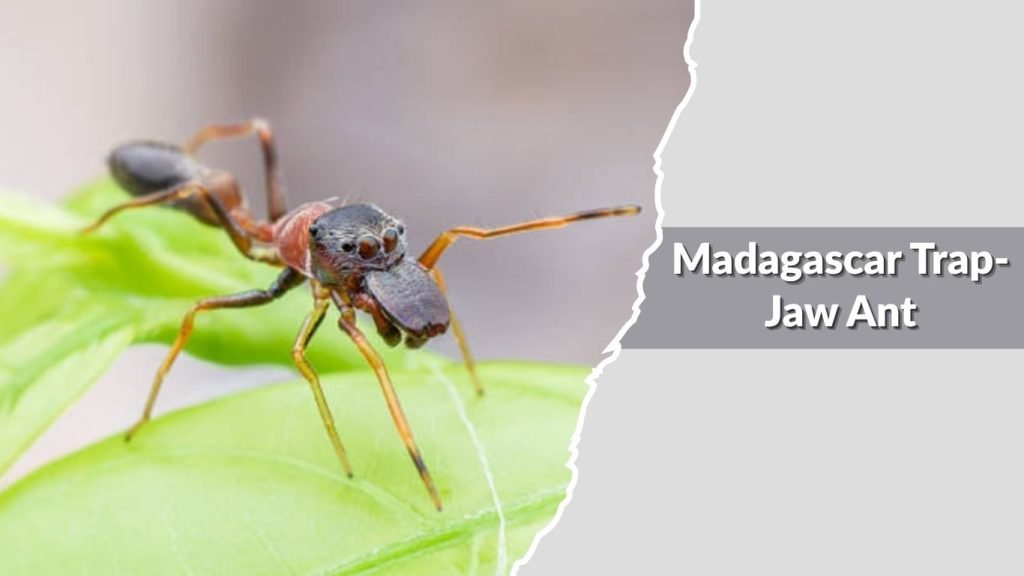
The Madagascar Trap-Jaw Ant is a unique species native to the island of Madagascar. It is well known for its powerful snapping jaws and its ability to survive in dense tropical forests. This ant species is an active predator that hunts small insects and other tiny invertebrates on the forest floor. Its quick reflexes and strong mandibles make it one of the most effective hunters among trap-jaw ants.
Identification
The Madagascar Trap-Jaw Ant usually has a reddish-brown to dark brown body with a glossy surface. Workers are medium to large in size and possess long straight mandibles lined with sharp teeth. The ant has large eyes that provide excellent vision for detecting prey and danger. Its body is slender but muscular, helping it move quickly through leaf litter and forest debris.
Characteristics
- Native to Madagascar forests
- Long powerful snapping mandibles
- Glossy reddish-brown coloration
- Excellent eyesight for hunting
- Fast defensive escape movements
Habitat and Behavior
This species mainly inhabits humid tropical forests with thick vegetation and loose soil. Colonies are commonly found under rotting logs, stones, or underground chambers hidden beneath leaf litter. Madagascar Trap-Jaw Ants are solitary hunters that depend on stealth and speed while searching for prey. When threatened, they may snap their jaws against the ground to propel themselves backward and escape predators rapidly.
Interesting Facts
The Madagascar Trap-Jaw Ant is part of the island’s highly diverse insect ecosystem. Scientists are interested in this species because its rapid jaw movement demonstrates remarkable natural mechanical efficiency and evolutionary adaptation.
6. Red Trap-Jaw Ant
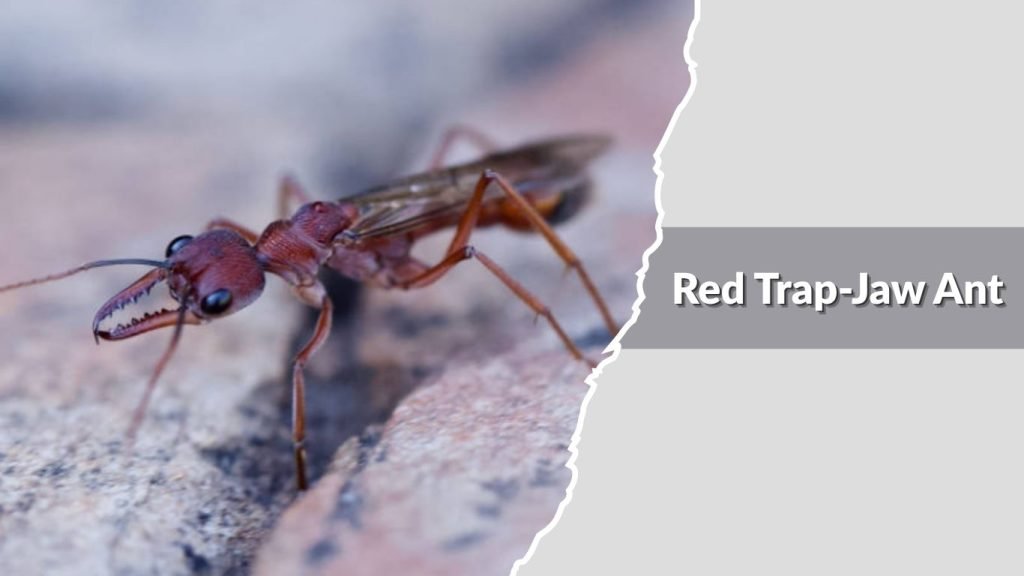
The Red Trap-Jaw Ant is a striking trap-jaw ant species recognized for its reddish body color and aggressive hunting behavior. This species is commonly found in tropical and subtropical environments where it hunts insects and protects its colony with powerful snapping jaws. Its fast reactions and defensive abilities make it one of the most fascinating predatory ants.
Identification
The Red Trap-Jaw Ant has a bright reddish-brown to deep red body with a smooth and shiny exoskeleton. Workers are medium-sized and have elongated bodies with long legs for rapid movement. Its most noticeable feature is its pair of long straight mandibles that remain open while searching for prey. The ant also has large eyes that help it detect movement efficiently.
Characteristics
- Distinct reddish body coloration
- Extremely fast snapping jaws
- Long slender legs and body
- Aggressive predatory behavior
- Excellent vision and quick reflexes
Habitat and Behavior
This species prefers warm climates with moist soil and abundant leaf litter. Colonies are usually established underground, beneath logs, or under stones in forested areas. Red Trap-Jaw Ants are active hunters that capture insects using sudden jaw strikes. They are highly defensive and react instantly to threats near their nest. Their jaw snap can also launch them backward as a rapid escape mechanism.
Interesting Facts
The Red Trap-Jaw Ant can close its jaws in fractions of a millisecond, creating one of the fastest movements found in insects. Researchers study this species to better understand high-speed biological motion and natural force generation.
7. Tree-Dwelling Trap-Jaw Ant
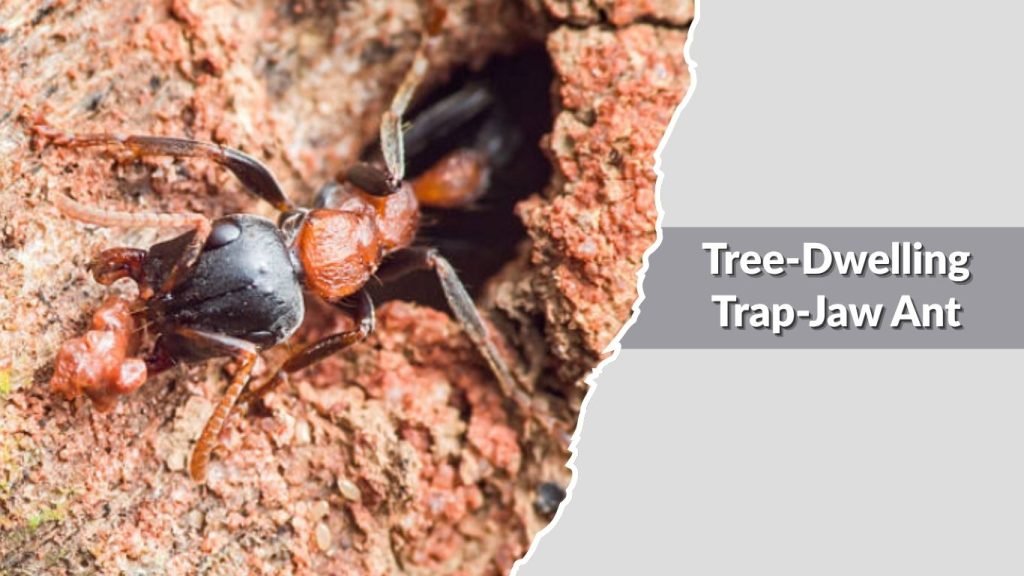
The Tree-Dwelling Trap-Jaw Ant is an arboreal species known for living and hunting above ground in trees and dense vegetation. Unlike many trap-jaw ants that nest in soil, this species spends much of its life in branches, hollow twigs, and decaying wood. Its fast mandibles and climbing ability make it an effective predator in forest canopies.
Identification
The Tree-Dwelling Trap-Jaw Ant has a slender reddish-brown to dark brown body with long legs designed for climbing. Workers are medium-sized and possess elongated mandibles equipped with sharp teeth for capturing prey. Its body is lightweight and flexible, allowing the ant to move quickly through branches and leaves. Large eyes help it detect movement in low-light forest environments.
Characteristics
- Arboreal tree-living behavior
- Long climbing legs and slender body
- Fast snapping trap-like mandibles
- Reddish-brown body coloration
- Excellent balance and agility
Habitat and Behavior
This species mainly inhabits tropical forests with dense tree cover. Colonies are commonly found in hollow branches, dead wood, or spaces beneath bark. Tree-Dwelling Trap-Jaw Ants hunt insects and tiny arthropods among leaves and branches. Workers are highly alert and react rapidly to nearby movement. Their powerful jaws not only capture prey but also help them escape predators by launching themselves away from danger.
Interesting Facts
The Tree-Dwelling Trap-Jaw Ant is specially adapted for life above ground. Scientists study this species to understand how arboreal ants navigate complex forest environments while maintaining speed, balance, and hunting efficiency.
8. Broad-Headed Trap-Jaw Ant
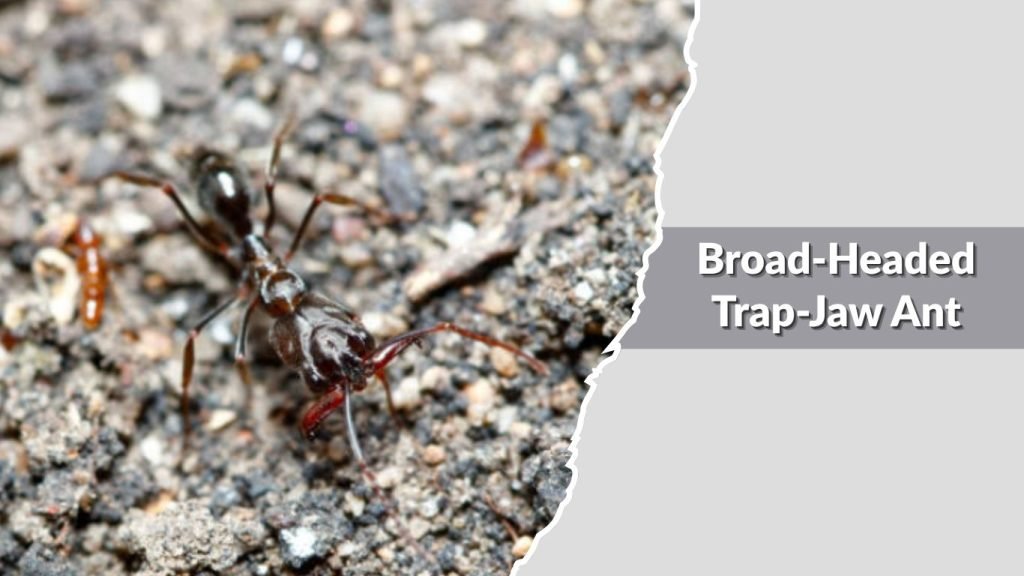
The Broad-Headed Trap-Jaw Ant is a distinctive species recognized for its unusually wide head and strong jaw muscles. This ant uses its enlarged head structure to support powerful snapping mandibles capable of delivering rapid and forceful strikes. It is commonly found in tropical and subtropical habitats with loose soil and thick leaf litter.
Identification
The Broad-Headed Trap-Jaw Ant has a dark brown to reddish-brown body with a noticeably wide and flattened head. Workers are medium to large in size and possess long straight mandibles lined with sharp teeth. Its broad head contains strong muscles that power its rapid jaw movement. The species also has large eyes and long antennae for sensing movement and locating prey.
Characteristics
- Wide and flattened head structure
- Strong jaw muscles for powerful strikes
- Long toothed trap-like mandibles
- Dark brown or reddish coloration
- Fast-moving predatory behavior
Habitat and Behavior
This species prefers warm forested environments with moist soil and heavy ground cover. Colonies are usually hidden beneath stones, logs, or underground tunnels. Broad-Headed Trap-Jaw Ants are solitary hunters that rely on stealth and speed while searching for prey. If threatened, they can use their snapping jaws to jump backward and quickly avoid danger.
Interesting Facts
The enlarged head of the Broad-Headed Trap-Jaw Ant gives it greater jaw strength than many related species. Researchers are interested in this ant because its body structure demonstrates how physical adaptations improve hunting performance and defense mechanisms in insects.
9. Mountain Trap-Jaw Ant
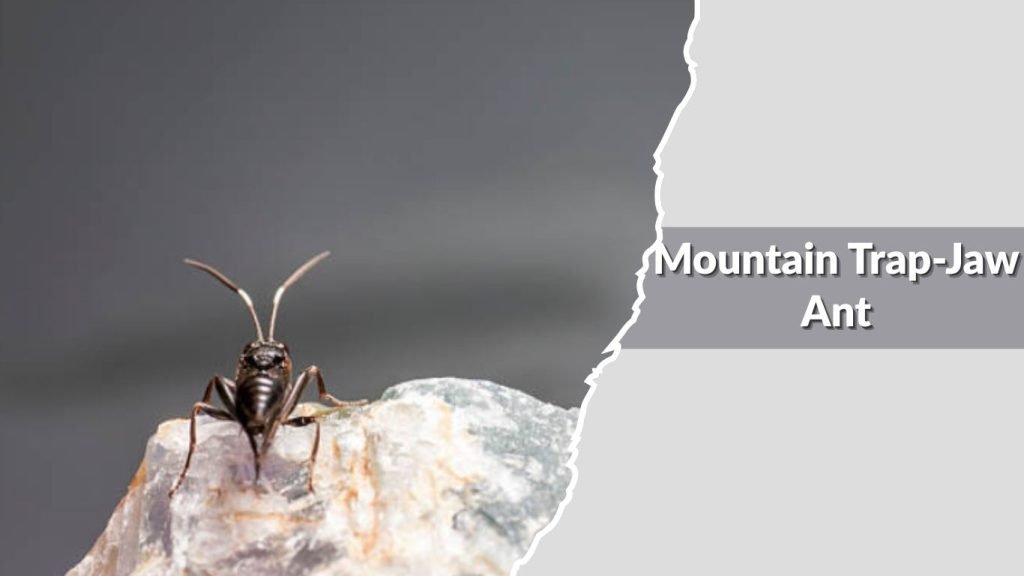
The Mountain Trap-Jaw Ant is a hardy trap-jaw ant species commonly found in elevated forest regions and mountainous environments. It is adapted to cooler temperatures and rugged terrain, where it hunts small insects and other arthropods. Like other trap-jaw ants, this species relies on its powerful snapping mandibles for capturing prey and defending itself from predators.
Identification
The Mountain Trap-Jaw Ant has a dark reddish-brown to blackish body with a sturdy appearance. Workers are medium-sized and possess long straight mandibles with sharp inner teeth. Its legs are relatively long, helping it move efficiently across rocky ground and forest debris. The species also has large eyes that assist with detecting prey in dim mountain habitats.
Characteristics
- Adapted to mountainous environments
- Strong fast-snapping mandibles
- Dark reddish-brown body coloration
- Long legs for rough terrain movement
- Aggressive and alert hunting behavior
Habitat and Behavior
This species prefers cool forests, mountain slopes, and humid woodland areas with loose soil and leaf litter. Colonies are commonly hidden beneath rocks, logs, or underground chambers. Mountain Trap-Jaw Ants are solitary hunters that actively patrol for insects and small prey. When disturbed, they react instantly and may use their jaws to propel themselves backward to escape threats quickly.
Interesting Facts
The Mountain Trap-Jaw Ant is well adapted to higher elevations where environmental conditions are cooler and wetter than tropical lowlands. Scientists study this species to understand how ants adapt their hunting and nesting behavior to mountain ecosystems.
10. Reddish Trap-Jaw Ant
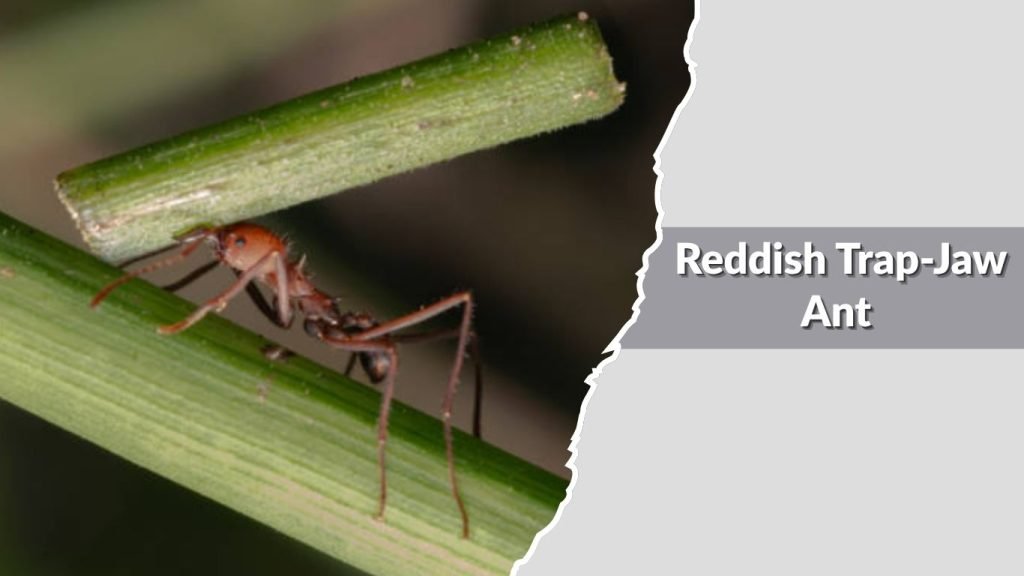
The Reddish Trap-Jaw Ant is a fast-moving predatory ant species recognized for its reddish body color and extremely rapid jaw action. This species is commonly found in tropical forests and warm woodland habitats where it hunts insects among soil, leaf litter, and fallen wood. Its quick reflexes and strong mandibles make it a highly effective predator.
Identification
The Reddish Trap-Jaw Ant has a reddish-orange to dark red body with a shiny exoskeleton. Workers are medium-sized with long slender legs and elongated mandibles lined with sharp teeth. Its large eyes provide excellent vision for spotting movement and detecting prey. The body is streamlined, helping the ant move rapidly while hunting.
Characteristics
- Bright reddish body coloration
- Extremely fast snapping jaws
- Long slender hunting legs
- Sharp toothed mandibles
- Excellent visual awareness
Habitat and Behavior
This species thrives in humid forests and tropical environments with abundant organic debris. Colonies are often located under logs, stones, or underground nests hidden beneath leaf litter. Reddish Trap-Jaw Ants are aggressive solitary hunters that rely on speed and precision when attacking prey. Their jaw snap can also help them escape danger by launching them backward in sudden jumps.
Interesting Facts
The Reddish Trap-Jaw Ant possesses one of the fastest jaw movements in the insect world. Researchers study this species to better understand high-speed biomechanics and how insects generate powerful movements using compact muscle systems.
11. Tropical Trap-Jaw Ant
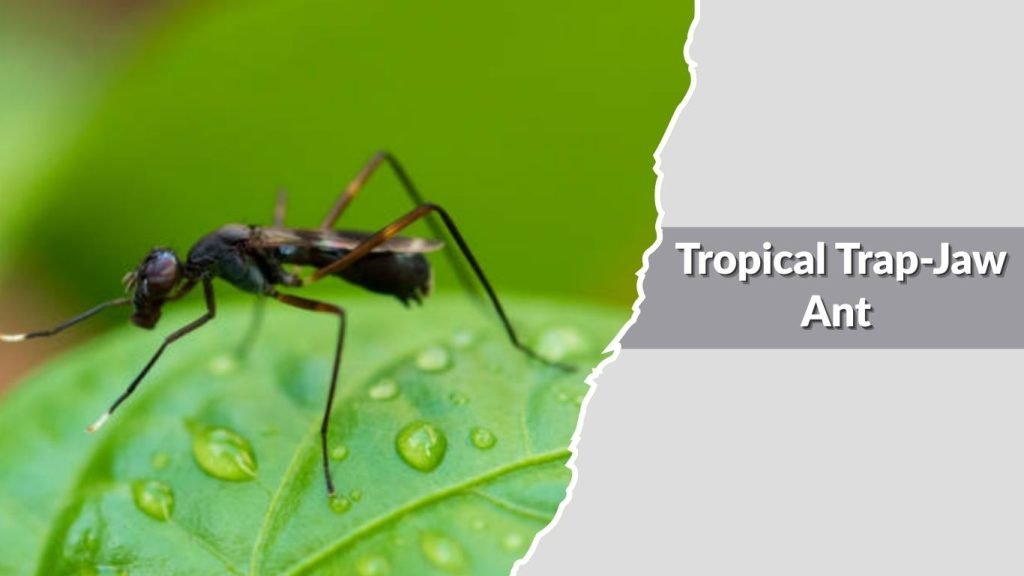
The Tropical Trap-Jaw Ant is a highly active predatory ant species commonly found in warm tropical regions around the world. It is famous for its lightning-fast mandibles that allow it to capture prey with incredible speed and precision. This species thrives in humid forests where it hunts insects and other tiny arthropods among leaf litter and loose soil.
Identification
The Tropical Trap-Jaw Ant has a reddish-brown to dark brown body with a smooth and glossy appearance. Workers are medium-sized with long legs and elongated bodies designed for fast movement. Its most distinctive feature is its pair of long straight mandibles lined with sharp teeth. The ant also has large eyes that help it detect motion efficiently in dense forest environments.
Characteristics
- Common in tropical forest habitats
- Extremely fast snapping mandibles
- Slender body with long legs
- Reddish-brown shiny coloration
- Strong predatory hunting instincts
Habitat and Behavior
This species prefers humid forests, jungle floors, and warm woodland environments. Colonies are often hidden beneath stones, logs, or underground tunnels covered by leaf litter. Tropical Trap-Jaw Ants are solitary hunters that patrol actively for insects and small prey. When threatened, they can snap their jaws against the ground to launch themselves backward and escape danger rapidly.
Interesting Facts
The Tropical Trap-Jaw Ant is capable of producing one of the fastest jaw strikes in nature. Scientists continue studying this species to learn more about insect biomechanics, rapid muscle action, and natural high-speed movement systems.
12. African Trap-Jaw Ant
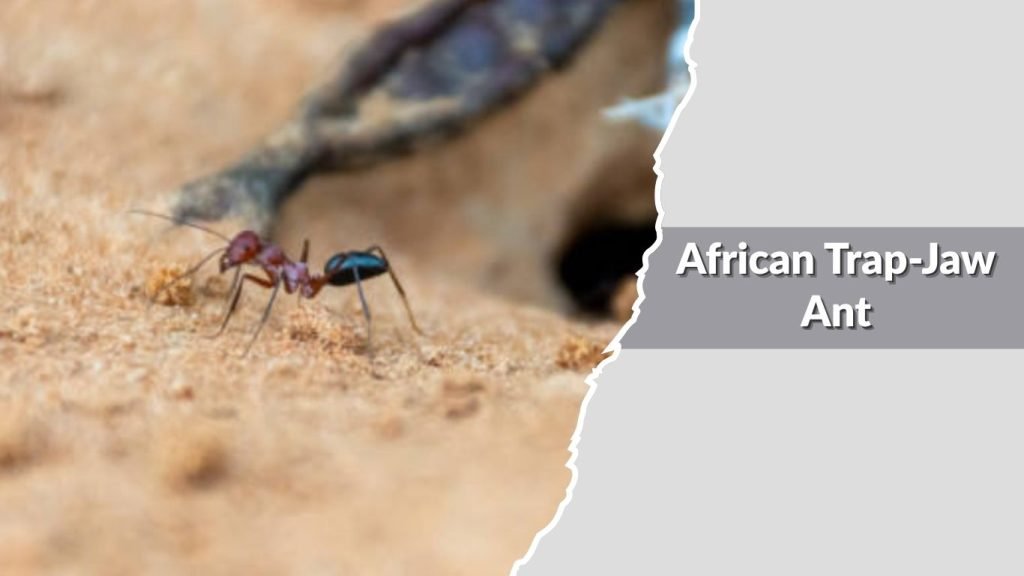
The African Trap-Jaw Ant is a powerful ant species native to parts of Africa, especially tropical and subtropical regions. It is known for its aggressive hunting style and its ability to capture prey using spring-loaded mandibles. This species plays an important ecological role by helping control insect populations in forest ecosystems.
Identification
The African Trap-Jaw Ant usually has a dark brown to blackish-red body with a strong and muscular appearance. Workers are medium to large in size and possess long straight mandibles equipped with sharp teeth for gripping prey. The species also has large compound eyes and long antennae that help it navigate through dense vegetation and forest debris.
Characteristics
- Native to African tropical regions
- Strong fast-closing mandibles
- Dark brown or blackish-red body
- Excellent eyesight and awareness
- Aggressive defensive behavior
Habitat and Behavior
This species inhabits tropical forests, woodland areas, and moist environments with loose soil and heavy leaf litter. Colonies are often built beneath logs, stones, or underground chambers. African Trap-Jaw Ants are active solitary hunters that rely on speed and surprise to capture prey. If threatened, they may use their snapping jaws to propel themselves backward as a rapid escape response.
Interesting Facts
The African Trap-Jaw Ant demonstrates remarkable jaw power relative to its body size. Researchers study this species because its rapid jaw mechanics provide insight into biological engineering and the evolution of specialized predatory insects.
13. Emarginate Trap-Jaw Ant
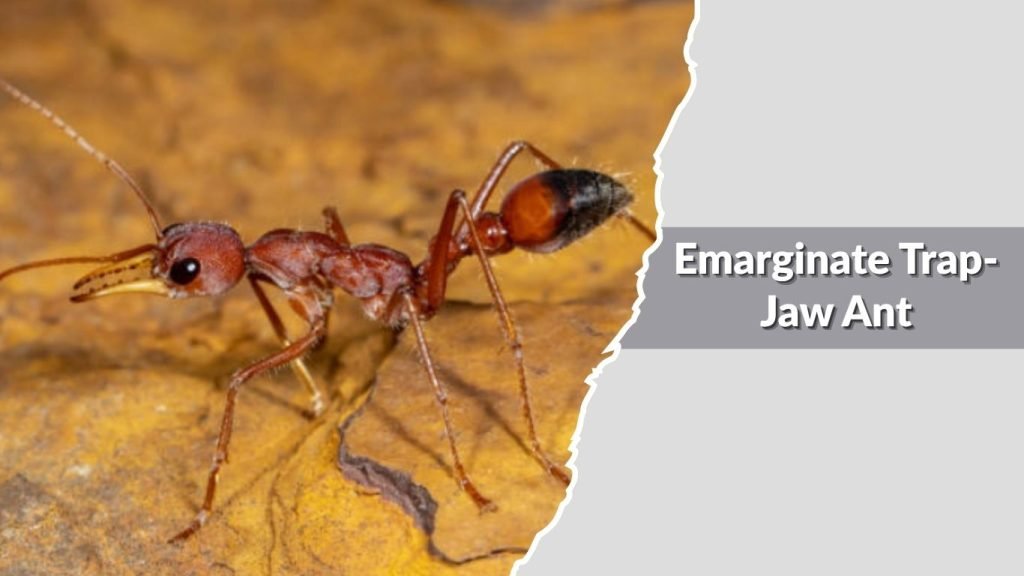
The Emarginate Trap-Jaw Ant is a fascinating species known for its narrow body shape and extremely fast mandibles. It is commonly found in tropical forests where it hunts tiny insects and other arthropods on the forest floor. Like other trap-jaw ants, this species uses its powerful jaws for both hunting and defense. Its quick reactions and alert behavior make it an efficient predator in dense natural habitats.
Identification
The Emarginate Trap-Jaw Ant has a slender dark brown to reddish-brown body with a smooth exoskeleton. Workers are generally small to medium-sized and possess long straight mandibles lined with sharp teeth. The species has large eyes and long antennae that help it sense movement and locate prey quickly. Its lightweight body allows fast movement through leaf litter and narrow spaces.
Characteristics
- Slender and lightweight body structure
- Extremely fast snapping mandibles
- Dark brown or reddish coloration
- Sharp toothed jaws for hunting
- Quick defensive escape response
Habitat and Behavior
This species prefers humid tropical forests with loose soil and thick leaf litter. Colonies are usually hidden under stones, fallen branches, or underground chambers. Emarginate Trap-Jaw Ants are solitary hunters that actively search for insects and small prey. When disturbed, they can snap their jaws against the ground to jump backward and escape danger almost instantly.
Interesting Facts
The Emarginate Trap-Jaw Ant demonstrates impressive jaw speed despite its relatively small body size. Scientists study this species to better understand insect reflex systems and rapid predatory movements in ants.
14. Graeffe’s Trap-Jaw Ant
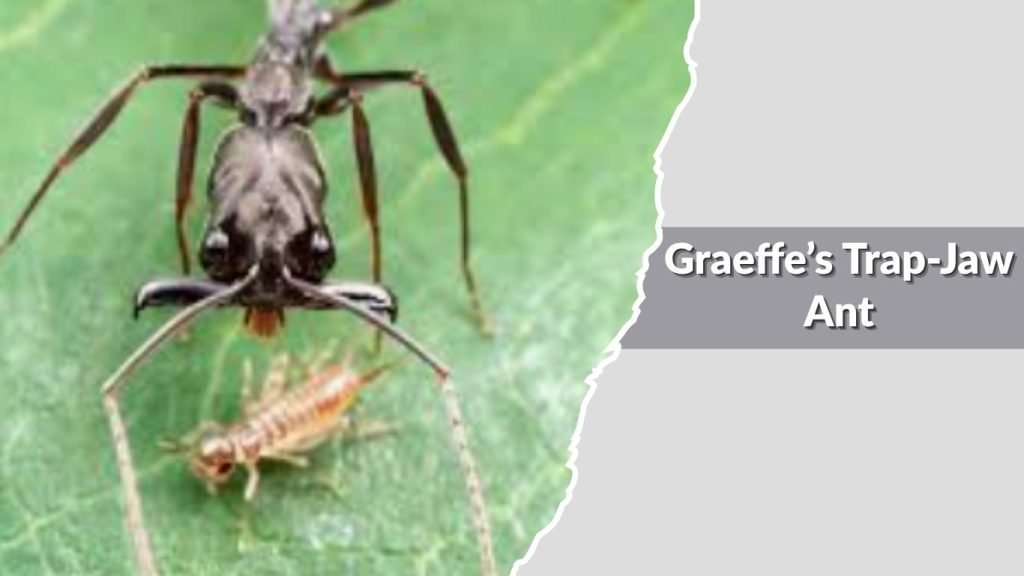
Graeffe’s Trap-Jaw Ant is a tropical trap-jaw ant species recognized for its speed, agility, and strong predatory instincts. It is commonly found in warm forested environments where it hunts insects among leaves, soil, and decaying wood. Its rapid jaw movement allows it to capture prey with remarkable precision.
Identification
Graeffe’s Trap-Jaw Ant has a reddish-brown to dark brown body with a glossy appearance. Workers are medium-sized with elongated bodies and long legs suited for quick movement. Its long straight mandibles contain sharp inner teeth that help secure prey instantly. Large eyes provide excellent vision, especially in dim forest habitats.
Characteristics
- Long fast-snapping mandibles
- Reddish-brown glossy body
- Agile movement and quick reflexes
- Strong predatory hunting behavior
- Large eyes for improved vision
Habitat and Behavior
This species thrives in tropical forests with moist soil and dense vegetation. Colonies are often built beneath logs, stones, or underground nests hidden by leaf litter. Graeffe’s Trap-Jaw Ants are active hunters that patrol the forest floor searching for insects and tiny arthropods. They react quickly to threats and may use their jaws to propel themselves backward when escaping predators.
Interesting Facts
Graeffe’s Trap-Jaw Ant is admired for its rapid jaw mechanics and excellent hunting efficiency. Researchers continue studying this species to learn more about how trap-jaw ants generate powerful movements using compact muscle systems.
15. Mayr’s Trap-Jaw Ant
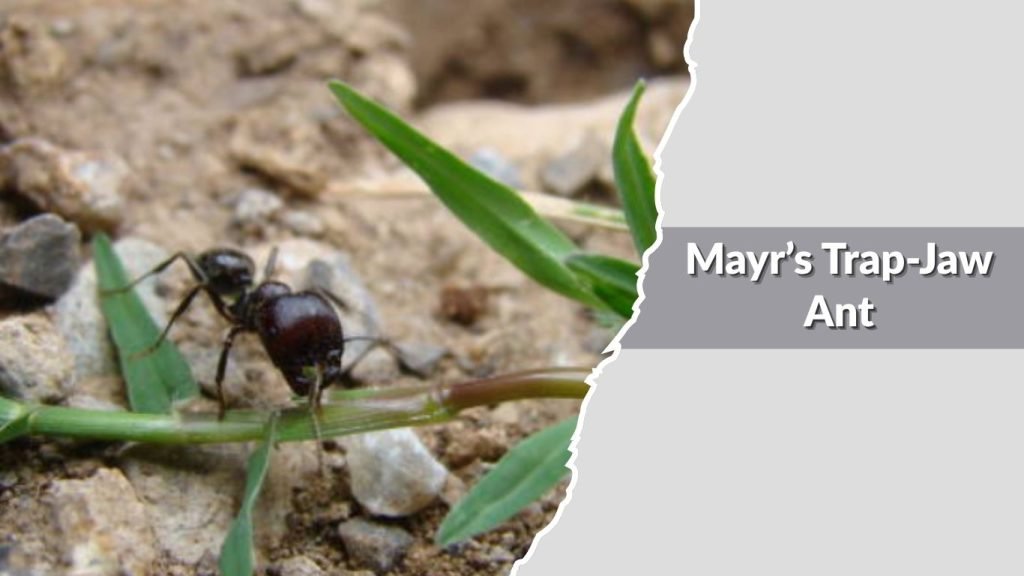
Mayr’s Trap-Jaw Ant is a remarkable trap-jaw ant species known for its rapid mandible movement and highly active hunting behavior. This species is commonly found in tropical and subtropical forests where it hunts insects and small arthropods on the forest floor. Like other trap-jaw ants, it uses powerful spring-loaded jaws to capture prey and defend itself from predators.
Identification
Mayr’s Trap-Jaw Ant has a reddish-brown to dark brown body with a slender and elongated shape. Workers are medium-sized and possess long straight mandibles lined with sharp teeth. The species also has large compound eyes that provide excellent vision for detecting prey and nearby movement. Its long legs allow fast movement across soil, leaves, and forest debris.
Characteristics
- Long spring-loaded snapping mandibles
- Slender reddish-brown body structure
- Large eyes with sharp vision
- Fast-moving predatory behavior
- Quick defensive jumping response
Habitat and Behavior
This species mainly inhabits humid forests, woodland regions, and tropical environments with loose soil and thick leaf litter. Colonies are usually hidden beneath stones, fallen wood, or underground chambers. Mayr’s Trap-Jaw Ants are solitary hunters that actively search for insects and tiny invertebrates. When threatened, they can snap their jaws against the ground to launch themselves backward and escape danger rapidly.
Interesting Facts
Mayr’s Trap-Jaw Ant is named after the Austrian entomologist Gustav Mayr, who made major contributions to ant classification and research. Scientists study this species because its high-speed jaw mechanics provide insight into insect evolution, biomechanics, and natural rapid-motion systems.
FAQs
What are trap-jaw ants known for?
Trap-jaw ants are famous for their extremely fast mandibles that snap shut at incredible speed. They use these jaws to catch prey, defend themselves, and even launch their bodies backward to escape danger quickly.
Where do trap-jaw ants live?
Most trap-jaw ants live in tropical and subtropical regions around the world. They commonly inhabit forests, leaf litter, rotting wood, underground nests, and humid environments with loose soil.
Are trap-jaw ants dangerous to humans?
Trap-jaw ants are generally not dangerous to humans. However, they may bite if disturbed or threatened. Their bite can be painful because of their strong mandibles, but they are not considered medically harmful.
How fast are trap-jaw ant jaws?
Trap-jaw ant mandibles are among the fastest-moving body parts in the animal kingdom. Some species can snap their jaws shut in fractions of a millisecond, producing powerful force for hunting and defense.
What do trap-jaw ants eat?
Trap-jaw ants mainly feed on insects, spiders, and other small arthropods. They are active predators that rely on speed, stealth, and powerful jaws to capture prey efficiently.
Why do trap-jaw ants jump backward?
Trap-jaw ants can snap their jaws against the ground to propel themselves backward. This unique movement helps them escape predators quickly and avoid danger in natural environments.
