
Harvester ants are fascinating insects known for collecting and storing seeds in large underground colonies. These ants are commonly found in deserts, grasslands, prairies, and dry open environments across North America and other warm regions. Many harvester ant species are recognized for their strong jaws, organized foraging behavior, and painful defensive stings. They also play an important ecological role by spreading seeds and improving soil through constant digging activity. This guide covers 23 common types of harvester ants, helping you identify different species through their physical characteristics, habitats, behaviors, and unique nesting habits.
1. Red Harvester Ant
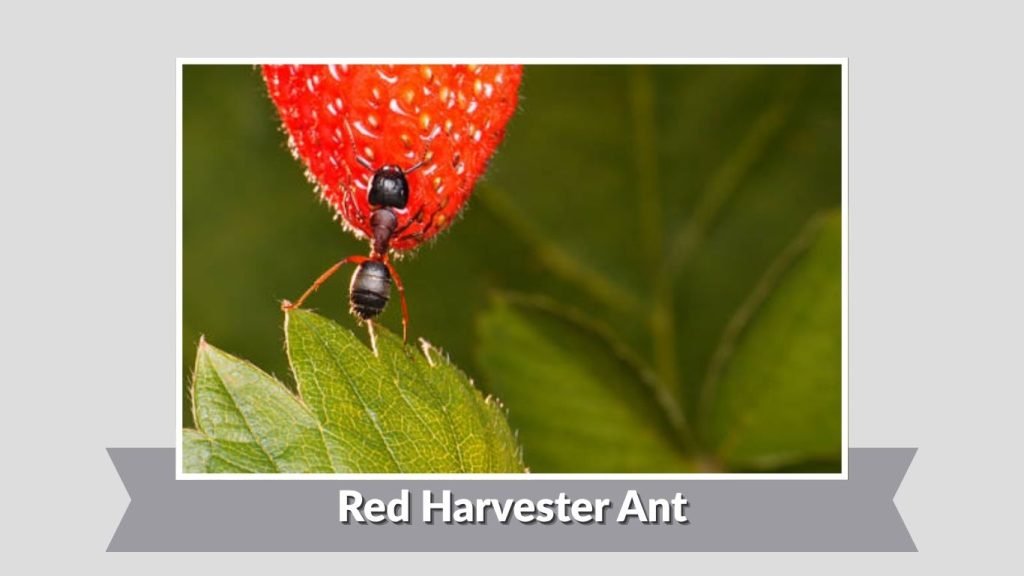
Red harvester ants are one of the most recognizable harvester ant species found in dry and desert regions. They are known for collecting seeds and storing them inside underground nests. These ants play an important role in the ecosystem by helping disperse seeds and improve soil conditions.
Characteristics
- Medium to large ant species
- Reddish-brown body color
- Strong jaws designed for carrying seeds
- Painful sting used for defense
- Long legs and active foraging behavior
Habitat
Red harvester ants commonly live in deserts, grasslands, and open dry areas. They build large underground nests with visible soil mounds around the entrance. Their colonies are often found in sunny locations with loose soil that is easy to dig and maintain.
Behavior
These ants are highly organized seed collectors and travel long distances while foraging. Red harvester ants clear vegetation around their nest entrances to create open feeding zones. They are generally aggressive when threatened and use their sting to protect the colony from predators and disturbances.
Prevention
Avoid disturbing nests located in yards or open landscapes. Wearing protective footwear outdoors can help prevent stings in areas where colonies are active. Removing excess seeds and food sources near buildings may also reduce harvester ant activity around homes.
2. Western Harvester Ant
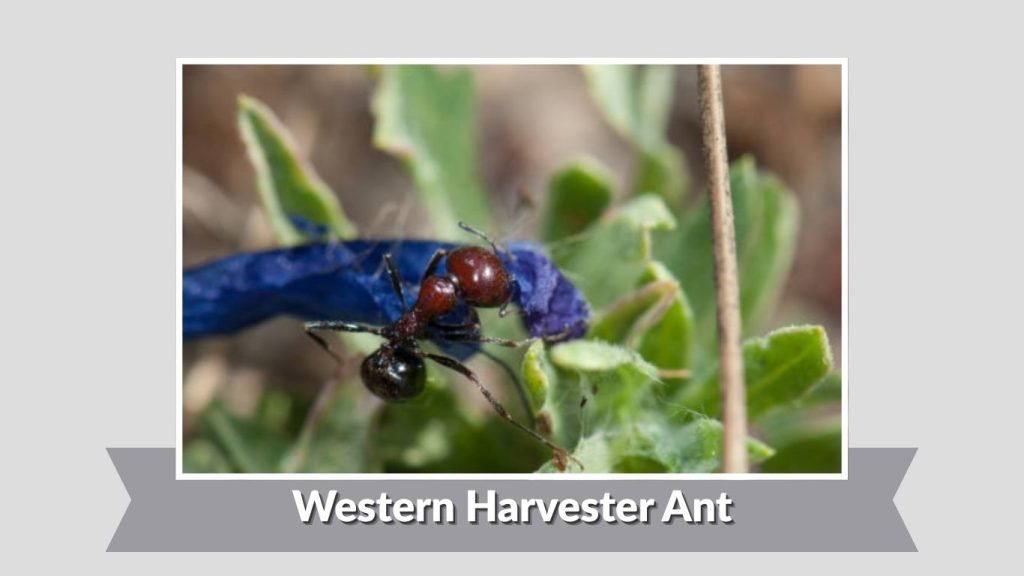
Western harvester ants are common seed-collecting ants found throughout dry grasslands, deserts, and open plains in western regions. They are known for their hardworking behavior and large underground colonies. These ants help maintain ecological balance by gathering and spreading seeds while also improving soil through their digging activity.
Characteristics
- Medium-sized ant species
- Red, reddish-brown, or dark brown body color
- Large head with powerful jaws
- Painful sting used for colony defense
- Active daytime foraging behavior
Habitat
Western harvester ants usually nest in dry and sandy soils with plenty of sunlight. Their nests are often marked by large circular clearings with visible soil mounds around the entrance. They commonly inhabit deserts, roadsides, fields, and grasslands where seeds are abundant and vegetation is sparse.
Behavior
These ants are highly efficient foragers and can travel long distances while collecting seeds and plant material. Western harvester ants often clear plants around their nest entrances to create open protective zones. Colonies are well organized, with workers performing specific tasks such as digging, guarding, and food gathering. Although they are not naturally aggressive, they will sting when threatened or disturbed near the nest.
Prevention
Avoid walking barefoot near active colonies because their sting can be painful. Keeping outdoor areas clean and reducing loose seeds around homes may help discourage nesting nearby. Disturbing nests should be avoided, especially in dry regions where western harvester ants are commonly active.
3. Pogonomyrmex Barbatus
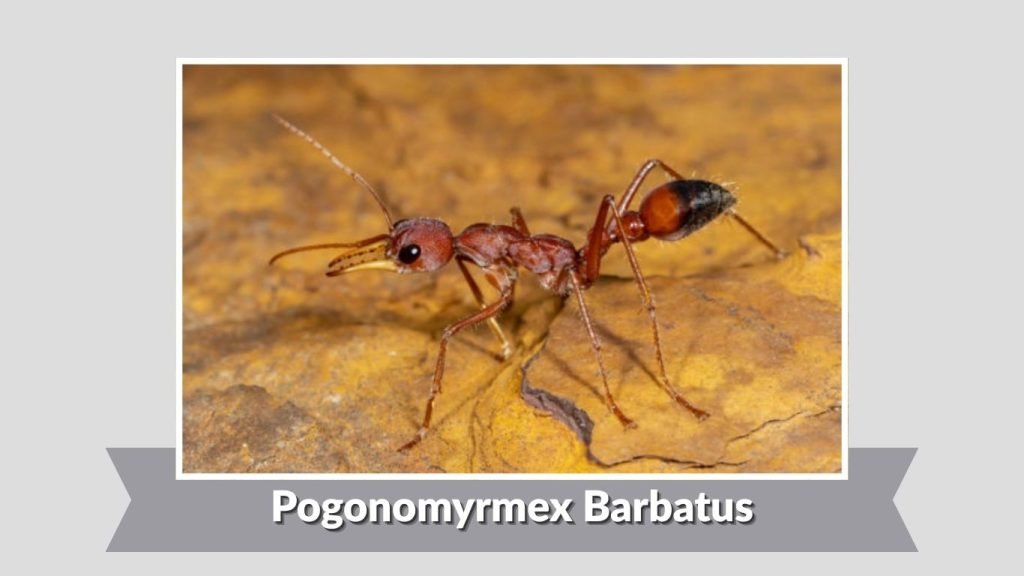
Pogonomyrmex barbatus, commonly called the red harvester ant, is a well-known harvester ant species native to arid and semi-arid regions. These ants are famous for their complex social structure, seed-gathering behavior, and large underground colonies. They are considered important contributors to desert ecosystems because of their role in seed distribution and soil aeration.
Characteristics
- Medium to large ant species
- Reddish or dark reddish-brown body
- Covered with fine body hairs
- Powerful mandibles for carrying seeds
- Delivers a strong and painful sting
Habitat
Pogonomyrmex barbatus prefers dry deserts, scrublands, and open grasslands with sandy or loose soil. Their nests are usually large underground tunnel systems with a central entrance surrounded by cleared ground. Colonies are commonly located in sunny areas where vegetation is limited.
Behavior
These ants are active daytime foragers that collect seeds, dead insects, and plant material. Workers communicate using chemical trails and cooperate efficiently while transporting food back to the colony. Pogonomyrmex barbatus colonies may survive for many years and contain thousands of worker ants. They aggressively defend their nests against predators and intruders.
Prevention
Avoid disturbing nest areas when hiking or working outdoors in desert environments. Wearing closed shoes and protective clothing can reduce the risk of stings. Removing excess seed sources near structures may also help limit foraging activity around homes and gardens.
4. Maricopa Harvester Ant

Maricopa harvester ants are considered one of the most venomous ant species in the world. They are native to desert environments and are widely known for their painful sting and aggressive nest defense. Despite their dangerous reputation, these ants are important for seed dispersal and maintaining healthy desert ecosystems.
Characteristics
- Medium-sized ant species
- Reddish-orange body color
- Long legs and large mandibles
- Extremely painful venomous sting
- Active daytime foraging behavior
Habitat
Maricopa harvester ants commonly inhabit deserts, dry grasslands, and sandy regions with loose soil. Their nests are built underground and usually marked by flat circular clearings around the entrance. These ants prefer hot and open environments with little vegetation and abundant seed sources.
Behavior
These ants spend much of the day collecting seeds and plant material to store inside their underground colonies. Maricopa harvester ants are highly territorial and react aggressively when their nests are disturbed. Workers use chemical trails to communicate and coordinate foraging activities. Their sting is used primarily for defense against predators and threats near the colony.
Prevention
Avoid stepping near visible nest entrances in desert areas. Wearing boots and protective clothing outdoors can help prevent painful stings. Keeping outdoor spaces free from scattered seeds and food debris may also reduce harvester ant activity near homes.
5. Rough Harvester Ant
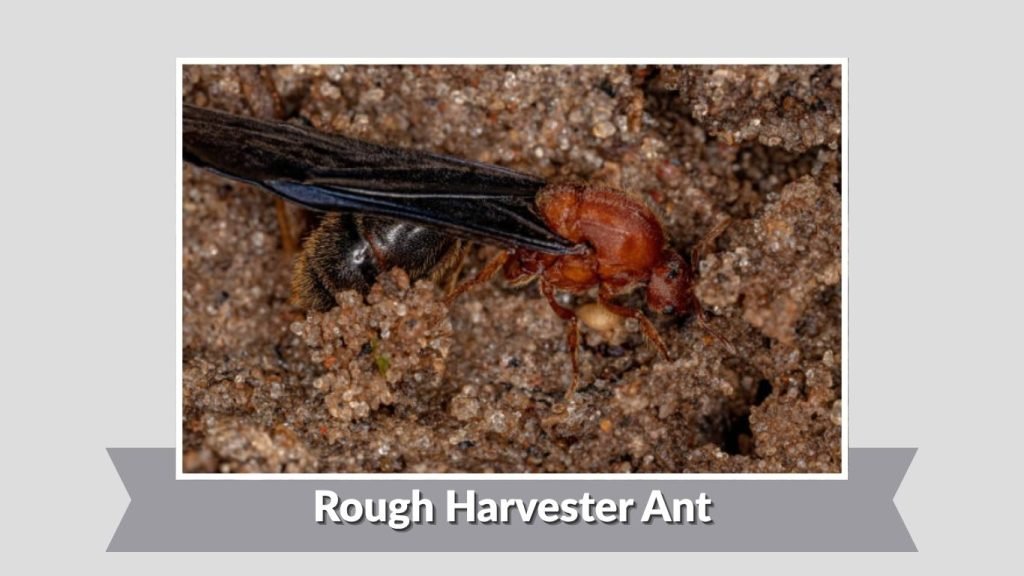
Rough harvester ants are large seed-gathering ants commonly found in dry grasslands and desert regions. They are recognized for their rough-textured body appearance and hardworking colony behavior. These ants contribute to the environment by dispersing seeds and improving soil through their extensive underground nesting systems.
Characteristics
- Large ant species with rough body texture
- Reddish-brown to dark brown coloration
- Strong jaws for carrying seeds
- Painful defensive sting
- Long and active foraging trails
Habitat
Rough harvester ants prefer dry open habitats such as grasslands, deserts, roadsides, and scrub areas. Their underground nests are often identified by large bare patches of soil surrounding the entrance. Colonies thrive in sunny locations where seeds and dry vegetation are widely available.
Behavior
These ants are active daytime foragers and can travel significant distances in search of seeds and food materials. Rough harvester ants clear vegetation around their nests to maintain visibility and protection from predators. Workers cooperate closely within the colony, with some gathering food while others defend and maintain the nest structure.
Prevention
Avoid disturbing colonies when working or walking in dry outdoor areas. Protective footwear can help reduce the chance of stings near active nests. Regular yard maintenance and limiting food sources around buildings may help discourage rough harvester ants from nesting close to homes.
6. California Harvester Ant
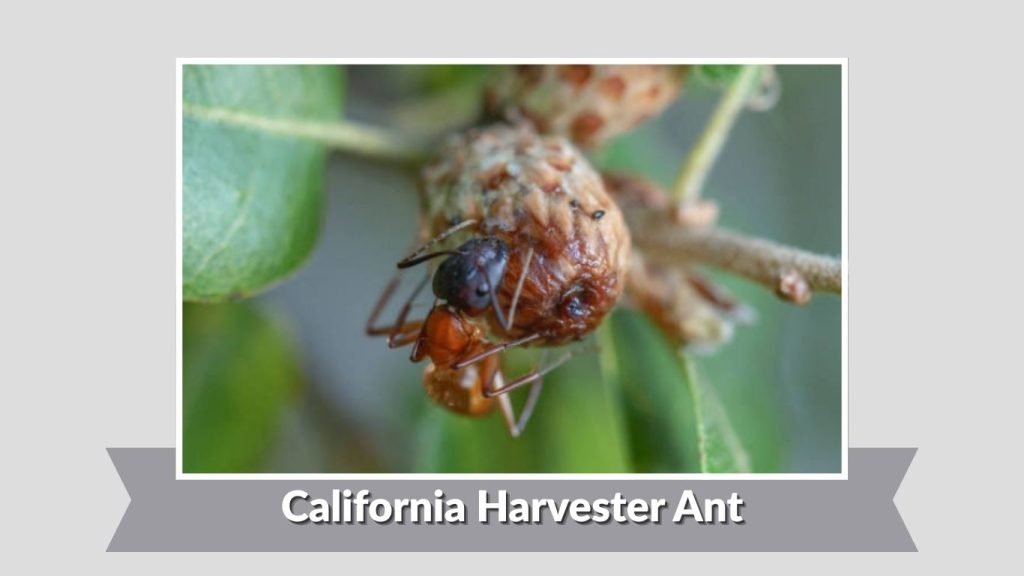
California harvester ants are common seed-collecting ants native to dry and semi-arid regions of the western United States. They are known for their organized colonies, strong work habits, and ability to survive in hot environments. These ants help maintain ecological balance by spreading seeds and naturally aerating the soil.
Characteristics
- Medium to large ant species
- Reddish-brown or dark brown body color
- Large mandibles for carrying seeds
- Strong and painful defensive sting
- Active foragers during warm daylight hours
Habitat
California harvester ants usually nest in dry grasslands, deserts, open woodlands, and sandy soils. Their underground colonies often feature noticeable soil mounds with cleared areas surrounding the nest entrance. They prefer sunny environments with loose soil that supports easy tunneling and seed collection.
Behavior
These ants spend much of their time gathering seeds, grasses, and small plant materials. California harvester ants follow organized trails while transporting food back to the nest. Workers aggressively defend the colony if disturbed and use chemical communication to coordinate activities. Colonies can become very large and remain active throughout warm seasons.
Prevention
Avoid disturbing visible nests in outdoor areas to reduce the risk of stings. Keeping yards free of scattered birdseed and food debris may help discourage foraging activity. Wearing closed footwear while walking through dry grassy regions can also provide protection from accidental contact with colonies.
7. Florida Harvester Ant
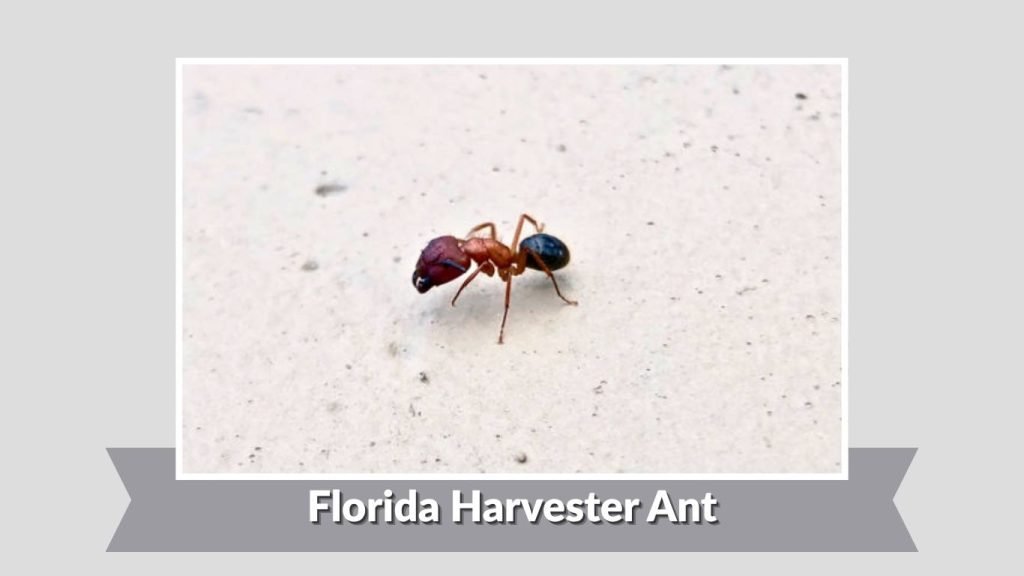
Florida harvester ants are a distinctive harvester ant species commonly found in sandy habitats throughout the southeastern United States. They are important seed collectors and are recognized for their large nest structures and active daytime behavior. These ants play a valuable ecological role by improving soil quality and helping disperse plant seeds.
Characteristics
- Medium-sized reddish ant species
- Long legs and strong jaws
- Builds large sandy nest mounds
- Delivers a painful sting when threatened
- Collects seeds and plant material for food
Habitat
Florida harvester ants prefer sandy soils in open forests, grasslands, coastal dunes, and scrub habitats. Their nests are usually large and easy to recognize because of the wide cleared area surrounding the entrance. Colonies thrive in warm climates with abundant sunlight and dry ground conditions.
Behavior
These ants are highly active during the day and travel long distances while gathering seeds and food materials. Florida harvester ants maintain organized colony systems with workers assigned to foraging, nest maintenance, and defense. Although generally not aggressive, they will sting if their nest is disturbed or threatened.
Prevention
Avoid walking near nest mounds in sandy outdoor environments. Wearing protective shoes while hiking or gardening can help prevent stings. Keeping outdoor areas clean and minimizing loose seed sources may also reduce harvester ant activity near homes and pathways.
8. Black Harvester Ant
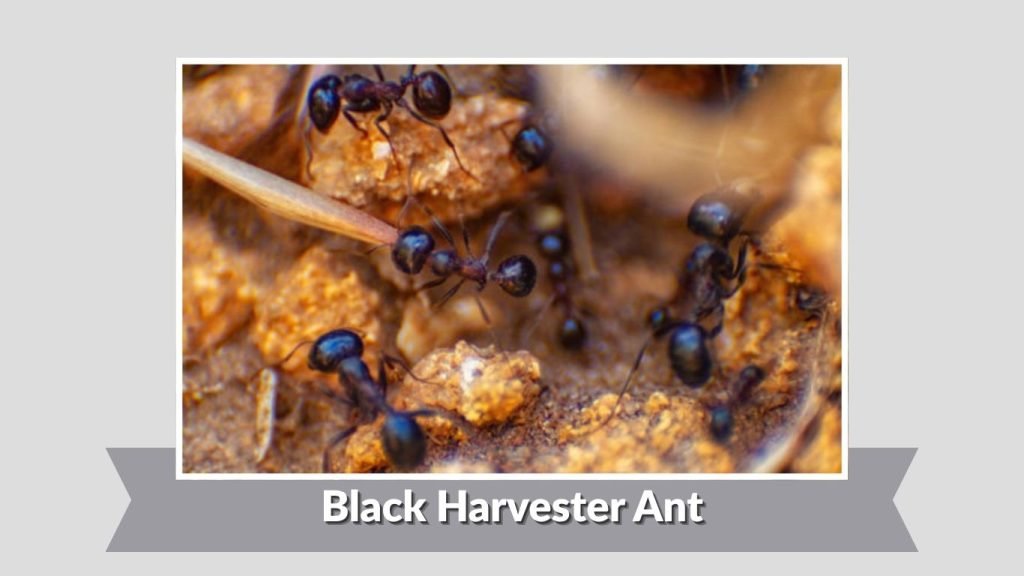
Black harvester ants are strong seed-collecting ants commonly found in dry grasslands, deserts, and open fields. They are known for their dark body color, hardworking colonies, and ability to survive in harsh outdoor environments. These ants play an important role in spreading seeds and naturally improving soil conditions through their digging activities.
Characteristics
- Medium to large black-colored ants
- Strong jaws designed for seed collection
- Long legs for efficient movement
- Painful sting used for protection
- Active daytime foragers
Habitat
Black harvester ants usually build underground nests in sandy or loose soil found in deserts, fields, and dry open landscapes. Their nests are often surrounded by bare circular patches where nearby vegetation has been cleared. They prefer sunny areas with easy access to seeds and plant material.
Behavior
These ants spend much of their day gathering seeds and transporting them back to the colony for storage. Black harvester ants work in organized trails and communicate using chemical signals. Colonies are highly protective of their nests and may respond aggressively when disturbed by predators or humans.
Prevention
Avoid stepping near active nest sites in dry outdoor regions. Wearing protective footwear while gardening or hiking can help prevent painful stings. Removing excess birdseed and food debris near buildings may also reduce ant activity around homes and outdoor spaces.
9. Desert Harvester Ant

Desert harvester ants are highly adaptable ants that thrive in hot and arid desert environments. They are famous for collecting seeds, building complex underground nests, and surviving extreme temperatures. These ants are essential to desert ecosystems because they help distribute seeds and recycle organic material.
Characteristics
- Medium-sized reddish or brown ants
- Strong mandibles for carrying seeds
- Fast-moving workers with long legs
- Defensive sting that can be painful
- Creates large visible nest clearings
Habitat
Desert harvester ants commonly live in deserts, scrublands, and dry plains with loose sandy soil. Their underground nests are often marked by wide cleared circles free of vegetation. These ants prefer areas with high sunlight exposure and plentiful seed-producing plants.
Behavior
These ants are active during warm daylight hours and forage over long distances in search of seeds and plant material. Desert harvester ants maintain highly organized colonies where workers share tasks such as digging, guarding, and food gathering. They aggressively defend their nests against threats and intruders.
Prevention
Avoid disturbing nests while walking through desert or dry grassy areas. Wearing closed shoes outdoors can reduce the chance of stings. Keeping outdoor spaces clean and reducing loose seed sources may also discourage desert harvester ants from nesting close to homes or pathways.
10. Texas Harvester Ant
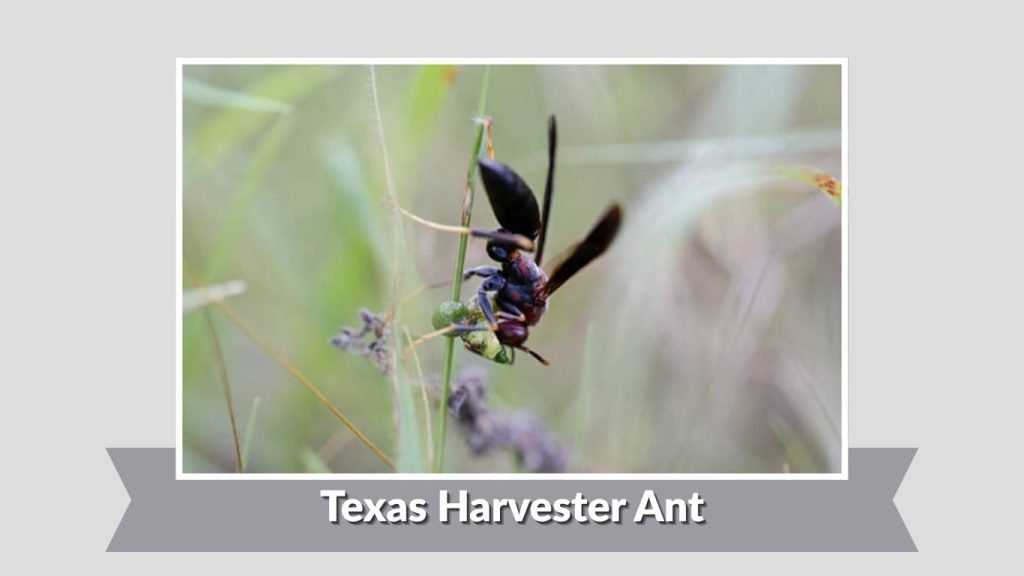
Texas harvester ants are large seed-collecting ants commonly found in dry prairies, grasslands, and desert regions of the southern United States. They are recognized for their reddish coloration, strong colony structure, and painful sting. These ants are important to the environment because they help disperse seeds and improve soil through their extensive underground tunnels.
Characteristics
- Large reddish-brown ant species
- Strong jaws for carrying seeds
- Long legs adapted for dry environments
- Delivers a painful defensive sting
- Active foraging behavior during daytime
Habitat
Texas harvester ants usually build nests in open sunny areas with loose or sandy soil. Their underground colonies are often marked by wide bare circles surrounding the nest entrance. These ants commonly inhabit grasslands, ranches, roadsides, and desert regions where seeds are plentiful.
Behavior
These ants spend most of the day gathering seeds, grasses, and plant materials for storage inside the colony. Texas harvester ants maintain highly organized worker systems that handle foraging, nest repair, and defense. Colonies can contain thousands of ants and become aggressive if the nest area is disturbed.
Prevention
Avoid disturbing nest mounds while walking or gardening outdoors. Wearing closed footwear in dry grassy areas can help prevent stings. Reducing scattered seeds and food debris near buildings may also discourage Texas harvester ants from foraging close to homes.
11. Arizona Harvester Ant
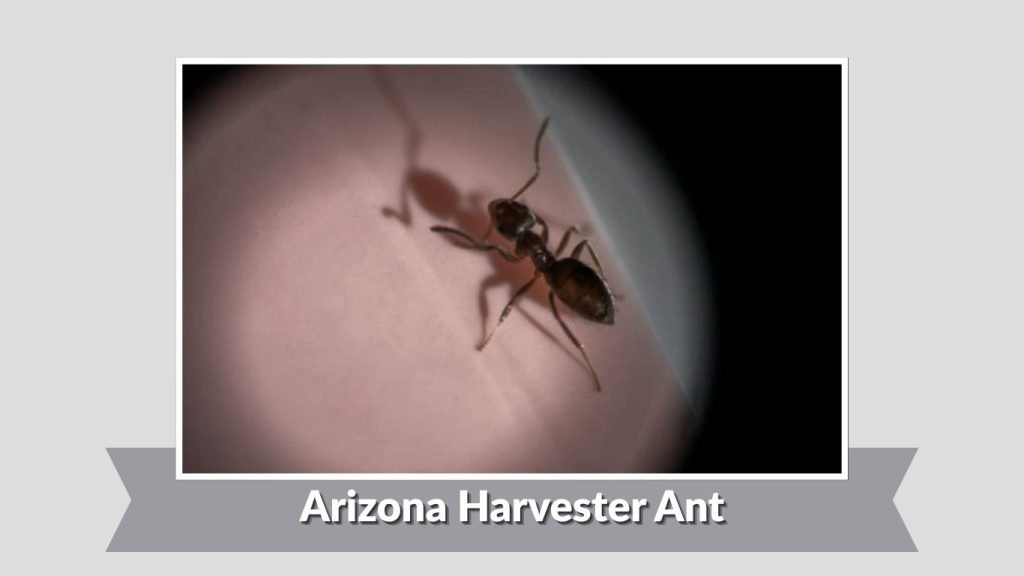
Arizona harvester ants are desert-dwelling ants well adapted to hot and dry climates. They are known for their efficient seed-collecting habits and large underground nests. These ants contribute to desert ecosystems by spreading plant seeds and naturally aerating the soil through constant digging activity.
Characteristics
- Medium to large reddish ant species
- Powerful mandibles for carrying food
- Long legs and active movement
- Painful sting used for defense
- Creates noticeable nest clearings
Habitat
Arizona harvester ants commonly live in deserts, scrublands, and dry open plains with sandy or rocky soil. Their nests are built underground and often surrounded by cleared circular areas free of vegetation. They prefer sunny habitats with abundant seeds and dry environmental conditions.
Behavior
These ants are active daytime foragers that travel long distances in search of seeds and plant material. Arizona harvester ants communicate through scent trails and work cooperatively within the colony. They are protective of their nests and will sting when threatened or disturbed near colony entrances.
Prevention
Avoid stepping near visible nest openings in desert environments. Wearing protective shoes while hiking or gardening can reduce the risk of stings. Keeping outdoor areas free from loose seeds and food scraps may also help reduce harvester ant activity around homes.
12. Great Basin Harvester Ant
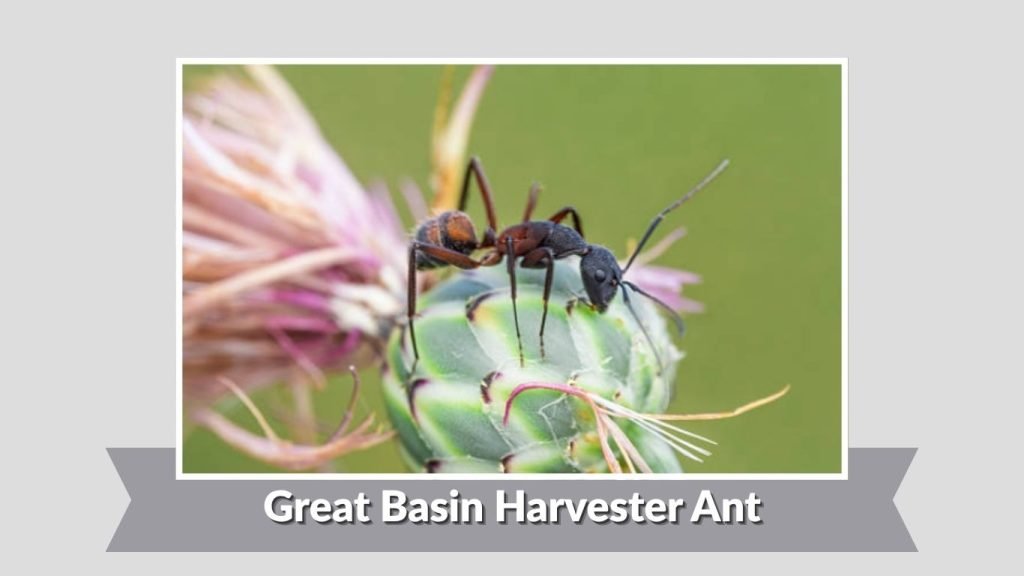
Great Basin harvester ants are hardy seed-collecting ants commonly found in dry regions of the western United States. They are well adapted to harsh climates and are known for building large underground nests. These ants contribute to the environment by dispersing seeds and improving soil through constant digging and tunneling activity.
Characteristics
- Medium-sized reddish or brown ants
- Strong jaws for collecting and carrying seeds
- Long legs suited for dry environments
- Painful sting used for colony defense
- Active daytime foraging behavior
Habitat
Great Basin harvester ants usually inhabit deserts, shrublands, and dry grasslands with sandy or loose soil. Their nests are often marked by circular bare areas surrounding the entrance. These ants prefer open sunny habitats where seeds and dry vegetation are abundant.
Behavior
These ants spend much of their time gathering seeds and transporting them back to underground storage chambers. Great Basin harvester ants follow organized foraging trails and communicate using chemical signals. Colonies work together efficiently to defend the nest, maintain tunnels, and gather food resources during warm seasons.
Prevention
Avoid disturbing nest sites while hiking or working outdoors. Wearing protective footwear can help prevent painful stings near active colonies. Removing scattered seeds and outdoor food sources around homes may also reduce ant activity in nearby areas.
13. Allegheny Mound Ant
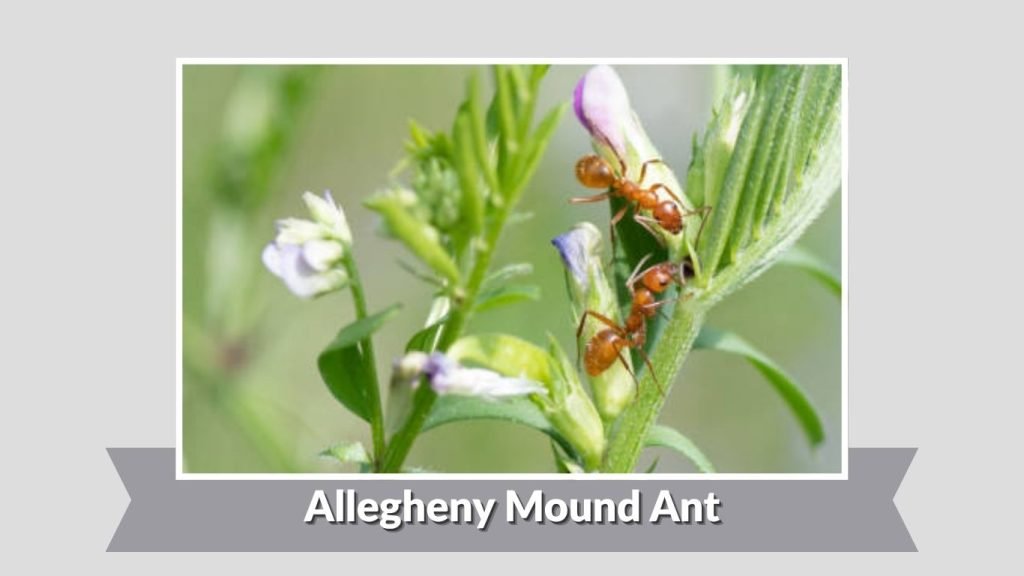
Allegheny mound ants are large mound-building ants commonly found in grassy and wooded regions. They are recognized for constructing impressive soil mounds and actively protecting their colonies. Although they are not true desert harvester ants, they are often grouped with harvesting ants because of their seed-gathering and outdoor foraging habits.
Characteristics
- Medium to large reddish-black ants
- Builds large dome-shaped soil mounds
- Strong jaws and defensive behavior
- Sprays formic acid when threatened
- Active outdoor foragers
Habitat
Allegheny mound ants commonly inhabit forests, grasslands, meadows, and open rural areas. Their nests are large soil mounds usually located in sunny clearings. Colonies often expand through extensive underground tunnels connected to surrounding feeding areas.
Behavior
These ants are aggressive defenders of their nests and may attack intruders that approach too closely. Allegheny mound ants gather seeds, insects, and plant materials while traveling in organized trails. They can also damage nearby vegetation because their formic acid may affect plants and small trees surrounding the colony.
Prevention
Avoid disturbing mound nests in outdoor environments. Keeping vegetation trimmed and monitoring large soil mounds near properties can help limit colony expansion. Protective footwear and gloves are recommended when working near active nests to reduce the risk of bites and chemical sprays.
14. Veromessor Pergandei
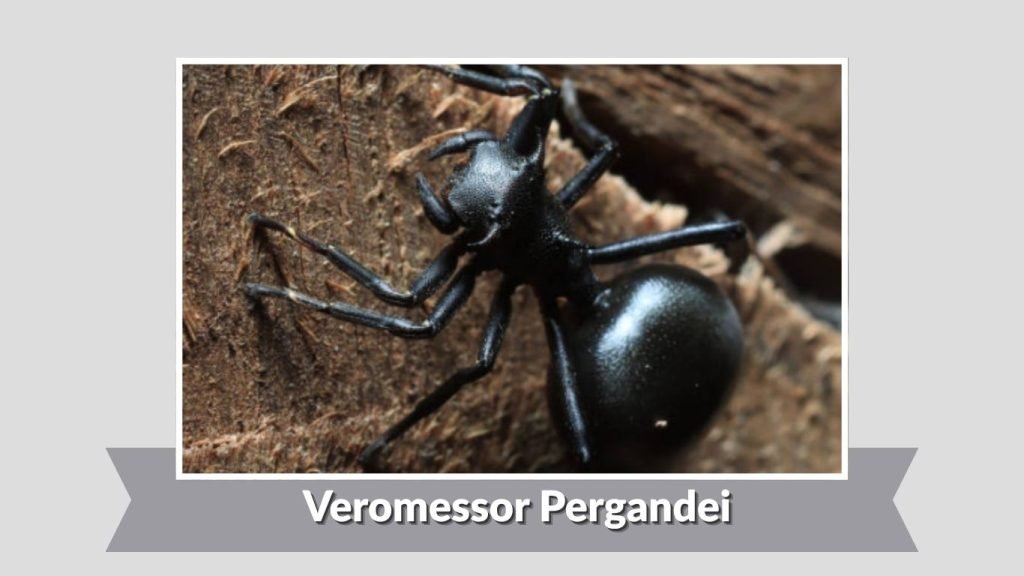
Veromessor pergandei is a desert harvester ant species commonly found in arid regions of the southwestern United States and northern Mexico. These ants are well known for their seed-gathering behavior and highly organized underground colonies. They are important to desert ecosystems because they help distribute seeds and improve soil structure through constant digging activity.
Characteristics
- Medium-sized dark brown or black ants
- Strong mandibles for collecting seeds
- Long legs adapted for desert movement
- Active daytime and evening foragers
- Builds underground colonies with multiple chambers
Habitat
Veromessor pergandei usually lives in deserts, scrublands, and dry sandy environments with sparse vegetation. Their nests are often hidden beneath soil with small entrance openings surrounded by scattered seed husks. These ants prefer warm climates with loose soil suitable for tunneling.
Behavior
These ants are efficient seed collectors and often forage in long organized trails. Veromessor pergandei stores large amounts of seeds inside underground chambers for future use. Colonies work cooperatively to maintain tunnels, gather food, and defend the nest from predators and competing ants.
Prevention
Avoid disturbing nest entrances in desert or sandy outdoor areas. Wearing closed shoes while hiking or gardening can help reduce the risk of bites or stings. Keeping outdoor spaces free from excess seed sources may also discourage foraging activity near homes.
15. Veromessor Andrei
Veromessor andrei is a harvester ant species commonly found in dry grasslands and desert environments. These ants are recognized for their strong seed-collecting behavior and ability to survive in harsh climates. Their underground nesting activity helps aerate the soil and contributes to healthy ecosystem balance.
Characteristics
- Medium-sized reddish-brown ants
- Strong jaws designed for seed gathering
- Active foraging behavior during warm weather
- Builds underground tunnel systems
- Protective and territorial colony behavior
Habitat
Veromessor andrei commonly inhabits deserts, open scrublands, and dry fields with sandy or loose soil. Their nests are usually located in sunny areas where seeds and dry vegetation are widely available. Colony entrances may be surrounded by seed shells and cleared patches of ground.
Behavior
These ants travel in organized trails while collecting seeds and plant material for storage. Veromessor andrei colonies can contain many workers that cooperate in food gathering, nest repair, and colony defense. Workers aggressively protect the nest if disturbed by predators or nearby threats.
Prevention
Avoid stepping near nest entrances when walking through dry outdoor habitats. Protective footwear and gloves can help prevent stings or bites during outdoor work. Removing loose seeds and maintaining clean outdoor areas may also reduce ant activity around homes and pathways.
16. Mexican Harvester Ant
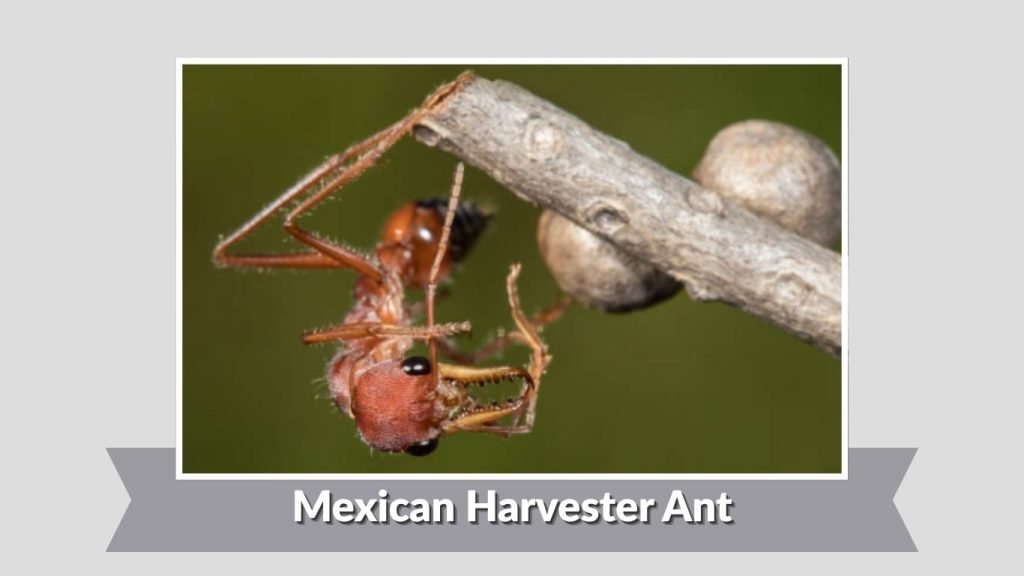
Mexican harvester ants are large seed-collecting ants commonly found in dry and semi-arid regions of Mexico and the southern United States. They are known for their organized colonies, strong defensive behavior, and ability to survive in harsh climates. These ants play an important ecological role by dispersing seeds and improving soil through their underground nesting systems.
Characteristics
- Large reddish-brown ant species
- Strong mandibles for carrying seeds
- Long legs adapted for hot environments
- Painful sting used for colony defense
- Active daytime foragers
Habitat
Mexican harvester ants usually nest in deserts, grasslands, and dry open fields with loose sandy soil. Their underground colonies are often marked by circular clearings around the nest entrance. These ants prefer sunny environments where seeds and dry vegetation are widely available.
Behavior
These ants spend much of their time gathering seeds and storing them in underground chambers. Mexican harvester ants follow organized foraging trails and communicate using scent signals. Colonies are highly protective of their nests and may become aggressive when disturbed by predators or humans.
Prevention
Avoid disturbing visible nest sites while gardening or hiking in dry areas. Wearing protective footwear outdoors can help reduce the risk of painful stings. Keeping outdoor spaces free from scattered seeds and food debris may also discourage foraging activity near homes.
17. Pyramid Ant
Pyramid ants are small outdoor ants named after the pyramid-shaped mound built around their nest entrance. They are commonly found in dry regions and are considered beneficial because they help control certain pest insects. Unlike many harvester ants, pyramid ants are less aggressive and rarely become serious household pests.
Characteristics
- Small reddish or dark brown ants
- Builds pyramid-shaped soil mounds
- Fast-moving outdoor foragers
- Mild defensive behavior compared to other ants
- Feeds on insects, honeydew, and seeds
Habitat
Pyramid ants usually live in dry grasslands, lawns, deserts, and sandy soils. Their nests are easy to identify because of the distinct cone-shaped mound around the entrance. Colonies are often located in sunny open areas with little vegetation.
Behavior
These ants actively forage during warm weather and travel in small organized trails. Pyramid ants feed on dead insects, plant materials, and sugary substances. They are also known to prey on certain pest species, making them somewhat beneficial in natural environments and gardens.
Prevention
Keeping lawns maintained and reducing loose food sources can help limit pyramid ant activity near homes. Cracks and openings around foundations should be sealed to prevent indoor entry. Disturbing outdoor nests should generally be avoided unless colonies become a nuisance.
18. Southern Harvester Ant

Southern harvester ants are seed-gathering ants commonly found in warm and dry regions of the southern United States. They are recognized for their large underground colonies and hardworking foraging behavior. These ants are important to local ecosystems because they help spread seeds and improve soil through continuous digging activity.
Characteristics
- Medium to large reddish-brown ants
- Strong jaws for collecting seeds
- Long legs suited for dry climates
- Painful sting used for defense
- Active daytime foragers
Habitat
Southern harvester ants usually inhabit grasslands, deserts, sandy plains, and dry open fields. Their nests are commonly built underground with visible bare areas surrounding the entrance. These ants prefer sunny locations with loose soil and plenty of seed-producing vegetation.
Behavior
These ants spend most of their day gathering seeds and transporting them back to storage chambers inside the nest. Southern harvester ants follow organized trails and work cooperatively within the colony. Workers aggressively defend their nests when disturbed and may sting intruders near the colony entrance.
Prevention
Avoid walking near visible nest openings in dry outdoor areas. Wearing closed shoes while gardening or hiking can help reduce the risk of stings. Keeping outdoor spaces free from scattered seeds and food debris may also discourage foraging activity around homes.
19. Nevada Harvester Ant
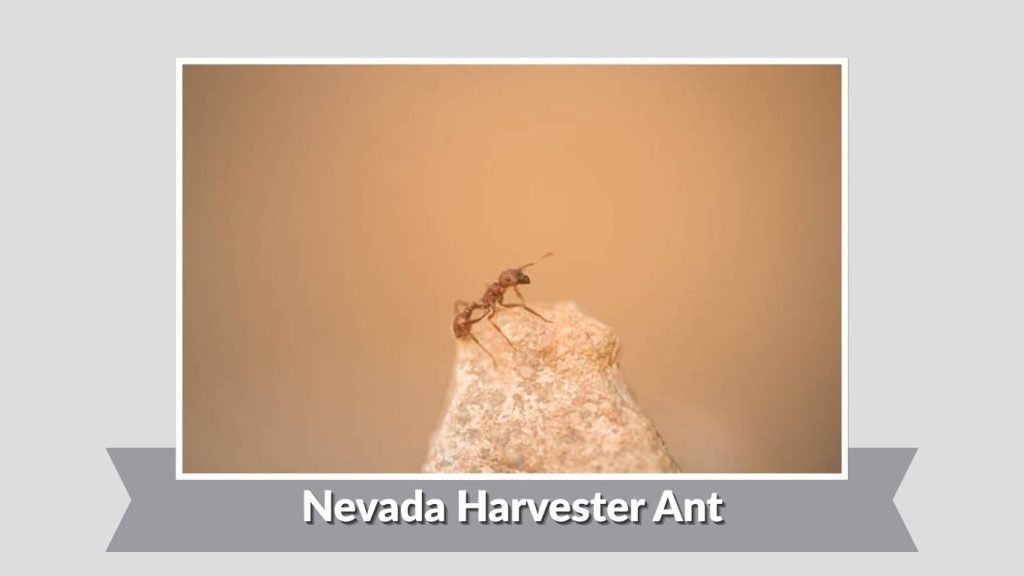
Nevada harvester ants are desert-adapted ants commonly found in dry regions with sandy or rocky soil. They are efficient seed collectors and are known for building extensive underground tunnel systems. These ants contribute to desert ecosystems by helping disperse seeds and naturally aerating the soil.
Characteristics
- Medium-sized reddish or dark brown ants
- Powerful mandibles for seed carrying
- Active and fast-moving foragers
- Painful sting for colony defense
- Builds large underground nests
Habitat
Nevada harvester ants typically live in deserts, scrublands, and dry plains with loose soil. Their nests are often marked by cleared circular areas around the entrance. Colonies prefer sunny environments where seeds and dry vegetation are easily available.
Behavior
These ants forage during warm daylight hours and may travel long distances to gather seeds and plant material. Nevada harvester ants communicate using chemical trails and maintain organized colony systems. Workers cooperate in nest building, food storage, and colony protection against predators or disturbances.
Prevention
Avoid disturbing active nests while working or walking in desert areas. Protective footwear can help prevent painful stings near colonies. Removing excess seed sources and maintaining clean outdoor areas may also reduce harvester ant activity close to homes and pathways.
20. Prairie Harvester Ant
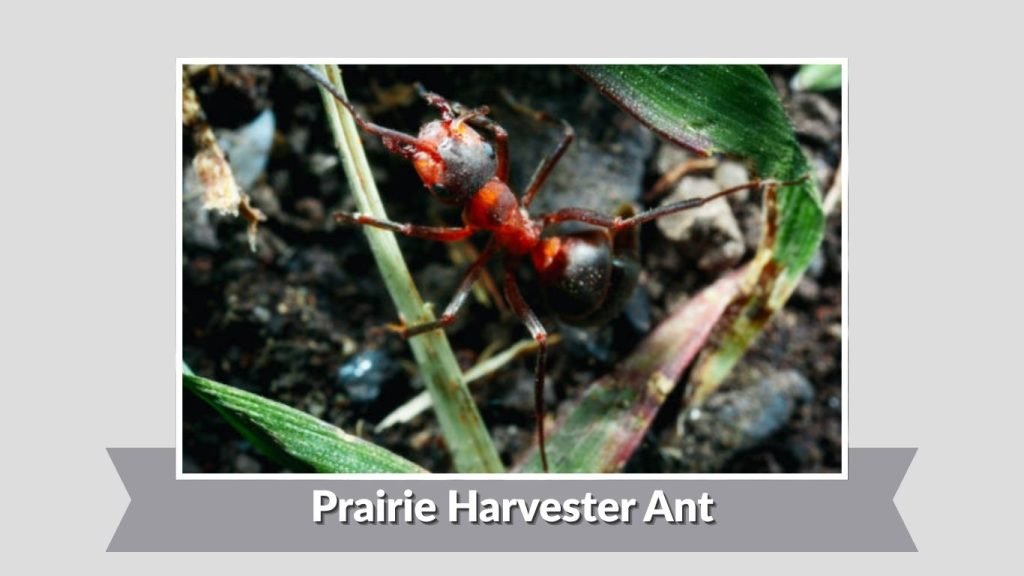
Prairie harvester ants are seed-collecting ants commonly found in grasslands and prairie regions with dry soil and open sunlight. They are known for their organized colonies and ability to gather and store large amounts of seeds. These ants are beneficial to the environment because they help distribute seeds and improve soil quality through their digging activities.
Characteristics
- Medium-sized reddish-brown ants
- Strong jaws designed for seed carrying
- Long legs for fast movement
- Defensive sting that can be painful
- Active daytime foraging behavior
Habitat
Prairie harvester ants usually build underground nests in open grasslands, fields, and prairie habitats with loose or sandy soil. Their nest entrances are often surrounded by bare patches of ground cleared of vegetation. These ants prefer sunny areas where seeds are easy to collect.
Behavior
These ants spend much of their day gathering seeds and transporting them back to underground storage chambers. Prairie harvester ants follow organized trails and cooperate closely within the colony. Workers defend the nest aggressively when disturbed and may sting nearby threats or predators.
Prevention
Avoid disturbing nests while walking or working in grassy outdoor areas. Wearing protective shoes can help prevent painful stings. Keeping outdoor spaces clean and reducing scattered seeds near buildings may also discourage prairie harvester ants from nesting close to homes.
21. Golden Harvester Ant
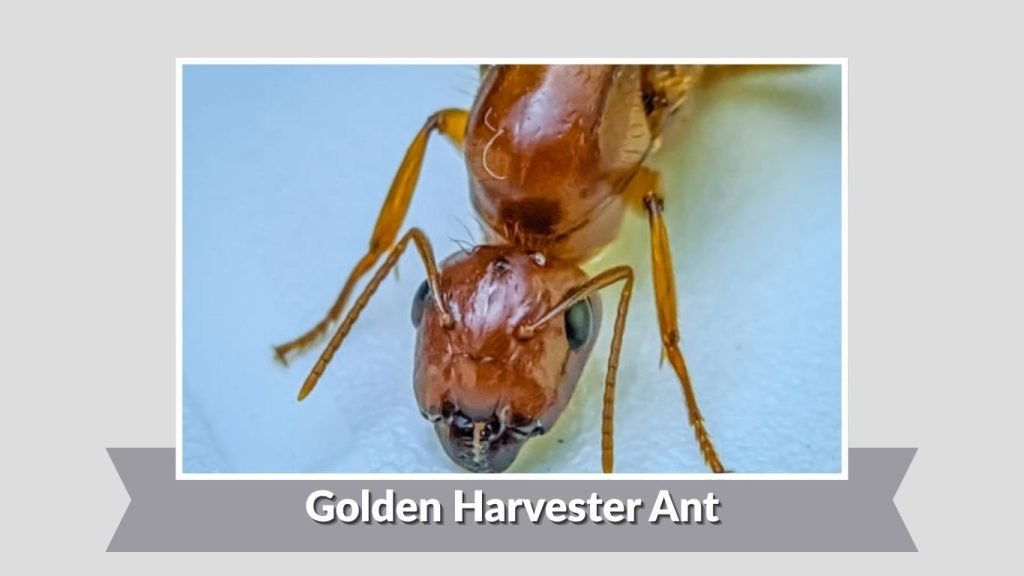
Golden harvester ants are distinctive ants recognized for their golden or yellowish body coloration and strong seed-gathering habits. They are commonly found in dry and sandy environments where they build large underground colonies. These ants play an important role in maintaining healthy ecosystems by spreading seeds and aerating soil.
Characteristics
- Medium-sized golden-yellow ant species
- Strong mandibles for carrying seeds
- Active daytime foragers
- Painful sting used for defense
- Builds noticeable underground colonies
Habitat
Golden harvester ants commonly inhabit deserts, dry fields, and sandy grasslands with plenty of sunlight. Their nests are usually located in open areas with loose soil that allows easy tunneling. Nest entrances may be surrounded by cleared ground and discarded seed husks.
Behavior
These ants actively forage for seeds, grasses, and small plant materials throughout the day. Golden harvester ants maintain organized colony systems where workers handle food gathering, tunnel maintenance, and defense. Colonies can grow quite large and become protective when the nest is threatened.
Prevention
Avoid stepping near active nest sites in dry outdoor areas. Wearing protective footwear while hiking or gardening can reduce the chance of stings. Removing excess seeds and outdoor food sources near homes may also help reduce harvester ant activity.
22. Seed Harvester Ant

Seed harvester ants are well known for collecting, storing, and feeding on seeds gathered from surrounding vegetation. They are commonly found in dry grasslands, deserts, and open fields where seeds are abundant. These ants play an important ecological role by spreading plant seeds and improving soil through their underground nesting systems.
Characteristics
- Medium to large ant species
- Brown, reddish, or black body coloration
- Strong mandibles for carrying seeds
- Active foraging during warm daylight hours
- Defensive sting used for protection
Habitat
Seed harvester ants usually build underground nests in dry, sandy, or loose soil with good sunlight exposure. Their nests often feature cleared circular areas around the entrance where vegetation has been removed. Colonies are commonly found in grasslands, prairies, and desert environments.
Behavior
These ants spend most of their day gathering seeds and transporting them back to underground storage chambers. Seed harvester ants work cooperatively in organized trails and communicate through chemical signals. Colonies are highly protective of their nests and may respond aggressively when disturbed.
Prevention
Avoid disturbing visible nest entrances while gardening or walking outdoors. Wearing protective shoes can help reduce the risk of painful stings. Keeping outdoor areas free from excess seeds and food debris may also discourage colonies from forming near homes.
23. Red Black Harvester Ant
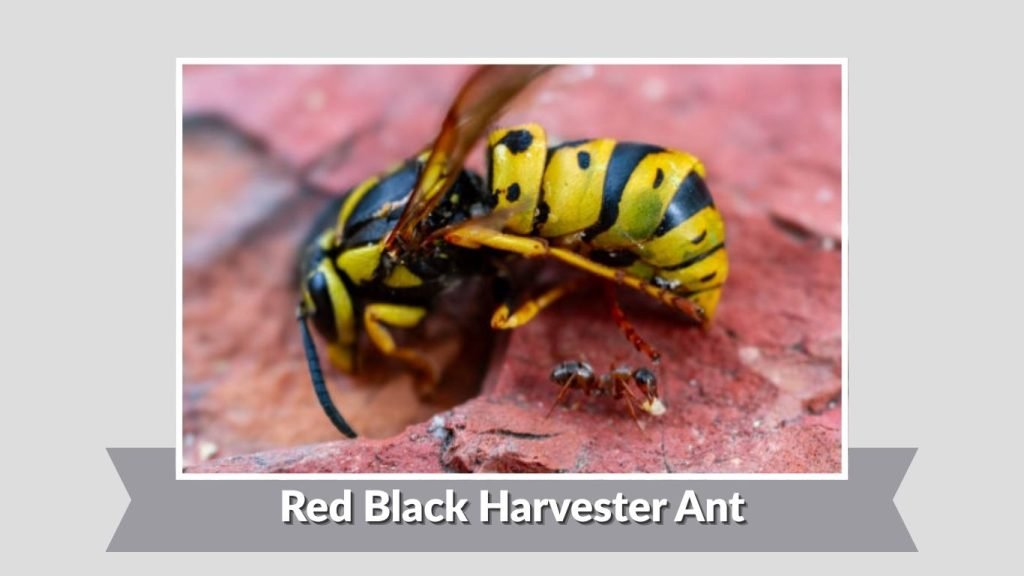
Red black harvester ants are striking ants recognized for their mixed red and black body coloration. They are common in dry and semi-arid regions where they gather seeds and maintain large underground colonies. These ants contribute to ecosystem health by dispersing seeds and naturally aerating the soil.
Characteristics
- Medium-sized ants with red and black coloring
- Strong jaws adapted for seed collection
- Long legs for movement across dry terrain
- Painful sting for colony defense
- Organized and active foraging behavior
Habitat
Red black harvester ants usually inhabit deserts, scrublands, grasslands, and dry open areas with sandy soil. Their underground nests are often surrounded by bare cleared spaces and discarded seed shells. These ants prefer sunny habitats with abundant vegetation that produces seeds.
Behavior
These ants travel in organized trails while gathering seeds and plant materials for storage. Red black harvester ants maintain structured colonies with workers assigned to foraging, nest maintenance, and defense. Colonies can become aggressive if disturbed near the nest entrance.
Prevention
Avoid walking too close to active colonies in dry outdoor environments. Wearing closed footwear while hiking or gardening can help prevent stings. Reducing scattered seeds and maintaining clean outdoor spaces may also help limit ant activity near homes and pathways.
FAQs
What are harvester ants?
Harvester ants are ants that collect and store seeds as their primary food source. They are commonly found in dry environments such as deserts, grasslands, and prairies. These ants build underground colonies and play an important role in seed dispersal and soil improvement.
Are harvester ants dangerous?
Harvester ants can be dangerous if disturbed because many species deliver painful stings. Some species, such as the Maricopa harvester ant, have particularly strong venom. However, they usually sting only when protecting their nests or colony members.
Where do harvester ants live?
Harvester ants typically live in dry and sunny habitats with loose soil. Common nesting areas include deserts, grasslands, open fields, sandy plains, and roadside areas. Their nests are usually underground and may have visible soil mounds or cleared spaces around the entrance.
What do harvester ants eat?
Most harvester ants mainly eat seeds, grasses, and plant material. Some species also consume dead insects or sugary substances when available. They gather food during the day and store it inside underground chambers for future use.
How can you identify a harvester ant?
Harvester ants are often identified by their medium to large size, strong jaws, and active seed-carrying behavior. Many species have reddish, brown, or black coloration and create noticeable nest clearings around underground entrances.
How do you prevent harvester ants around homes?
Keeping outdoor areas clean and removing scattered seeds can help reduce harvester ant activity. Sealing cracks around foundations and avoiding disturbance of nearby nests are also helpful prevention methods. Wearing protective footwear outdoors can reduce the risk of painful stings.
