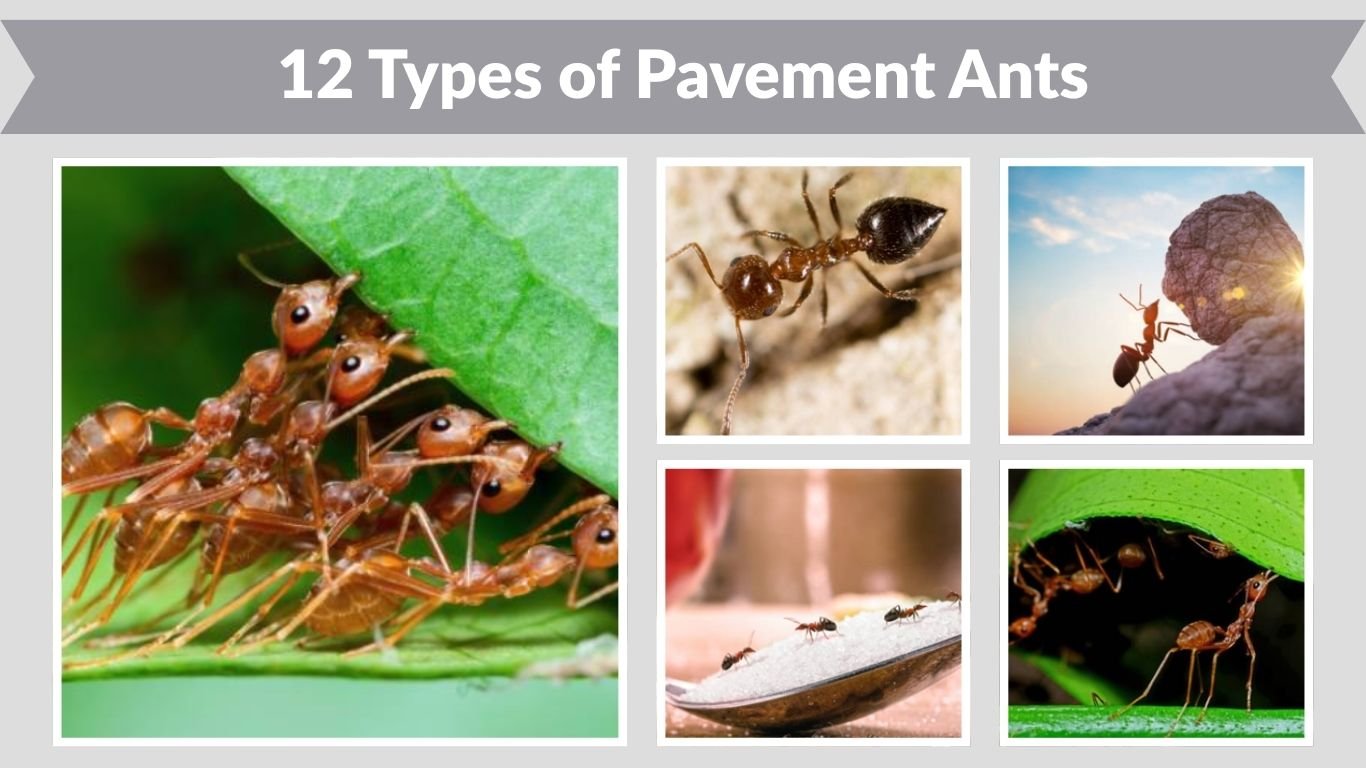
Pavement ants are small ants commonly found around sidewalks, patios, driveways, and building foundations. They are among the most common urban ant species and often invade homes while searching for sweet foods, grease, crumbs, and moisture. Most pavement ants build nests beneath concrete slabs, stones, and pavement cracks, making them especially common in cities and residential neighborhoods. Although they are small, their colonies can grow rapidly and become difficult to control. Identifying different types of pavement ants can help homeowners understand their behavior, nesting habits, and prevention methods. This guide covers 12 common pavement ant types along with their characteristics, habitats, and identification details.
1. Tetramorium Immigrans
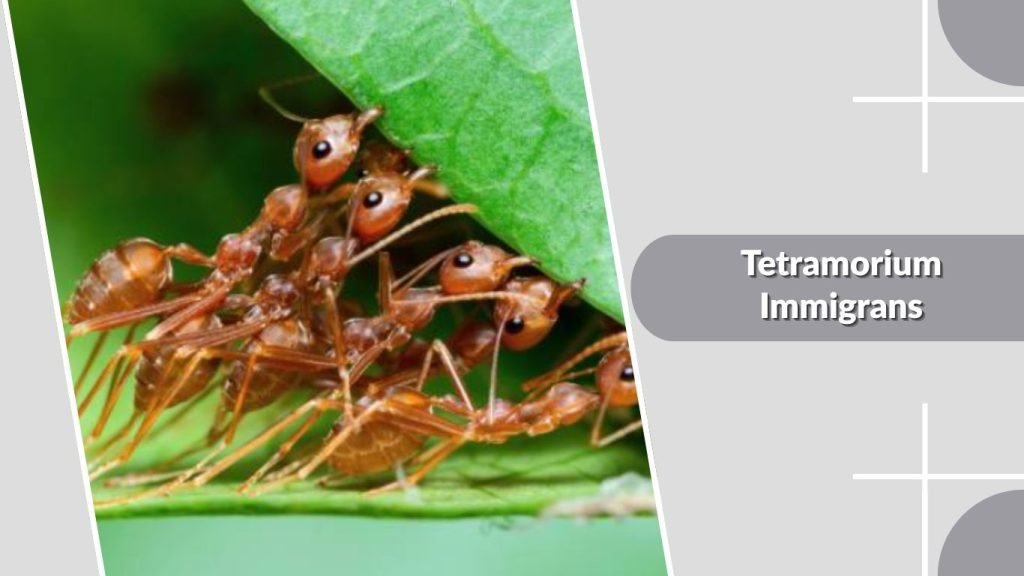
Tetramorium immigrans, commonly known as the pavement ant, is one of the most widespread pavement ant species found in urban environments. These ants are commonly seen near sidewalks, driveways, patios, and building foundations. They frequently invade homes while searching for sweet foods, grease, and water sources.
Characteristics
- Small ants measuring about 1/8 inch long
- Dark brown to black body color
- Fine grooves visible on the head and thorax
- Antennae with a distinct three-segmented club
- Travels in organized foraging trails
Habitat
Tetramorium immigrans usually nests beneath sidewalks, concrete slabs, stones, and pavement cracks. Their colonies are commonly found near homes, gardens, parking lots, and outdoor structures. Indoors, they may nest inside wall voids, insulation, and beneath flooring near food and moisture sources.
Behavior
These ants are highly active foragers and commonly enter kitchens and pantries searching for sweets, grease, crumbs, and pet food. Tetramorium immigrans is also known for territorial battles between neighboring colonies, which are often visible on sidewalks or pavement surfaces during warm weather.
Prevention
Keeping food stored in sealed containers and cleaning spills quickly can help reduce infestations. Cracks in sidewalks, foundations, and walls should be sealed properly to limit nesting areas. Eliminating standing water and maintaining clean indoor surfaces also discourages pavement ant activity.
2. Tetramorium Caespitum

Tetramorium caespitum, often called the European pavement ant, is a common pavement-dwelling ant species frequently found in cities, sidewalks, patios, and residential areas. These ants are well adapted to urban environments and often enter homes searching for food and moisture. They are known for creating nests beneath concrete surfaces and between pavement cracks.
Characteristics
- Small ants measuring about 1/8 inch long
- Dark brown to black body color
- Parallel grooves visible on the head and thorax
- Antennae with a three-segmented club
- Strong attraction to sugary and greasy foods
Habitat
Tetramorium caespitum commonly nests beneath sidewalks, driveways, foundations, stones, and concrete slabs. Their colonies are especially common in urban and suburban environments where pavement and compact soil provide ideal nesting conditions. Indoors, they may establish colonies inside wall spaces, under floors, and near heating systems or kitchens.
Behavior
These ants are aggressive foragers and often travel in well-organized trails while searching for food. Tetramorium caespitum feeds on sweets, crumbs, grease, insects, and pet food. Colonies are highly territorial, and large ant battles between neighboring nests are frequently observed outdoors during warmer months. They can rapidly increase in population when food and moisture are readily available.
Prevention
Proper sanitation is one of the most effective ways to prevent infestations. Food should be stored in airtight containers, and spills or crumbs should be cleaned immediately. Cracks around foundations, sidewalks, and walls should also be sealed to reduce nesting opportunities. Removing excess moisture and repairing leaking pipes can further discourage Tetramorium caespitum from invading homes.
3. European Pavement Ant
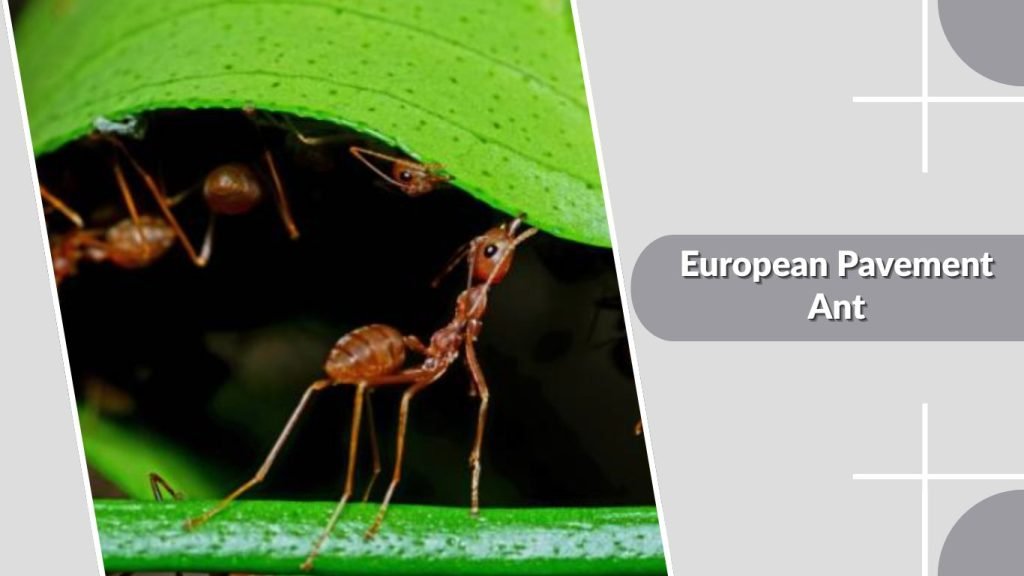
The European pavement ant is a well-known urban ant species commonly found around sidewalks, patios, parking lots, and building foundations. It is considered one of the most common pavement ants in many regions and often becomes a household nuisance when searching for food indoors. These ants thrive in heavily populated environments where concrete and pavement provide suitable nesting locations.
Characteristics
- Small ants around 1/8 inch long
- Dark brown or black body appearance
- Distinct ridges on the head and thorax
- Organized foraging trails near food sources
- Strong preference for sweets, grease, and crumbs
Habitat
European pavement ants usually build nests under concrete slabs, sidewalks, rocks, bricks, and pavement cracks. Their colonies often create small piles of displaced soil near nest entrances. Indoors, they may settle inside wall voids, insulation, basements, and beneath flooring close to food and water sources.
Behavior
These ants are active scavengers and forage both indoors and outdoors. European pavement ants communicate through scent trails and can quickly locate food supplies inside kitchens and pantries. They are also famous for territorial conflicts, where large groups from neighboring colonies fight near sidewalks and paved surfaces.
Prevention
Regular cleaning and proper food storage can greatly reduce indoor infestations. Cracks around foundations, pavement edges, and utility openings should be sealed to block entry points. Reducing moisture around sinks, pipes, and basements also helps discourage nesting and ant activity near homes.
4. Common Pavement Ant
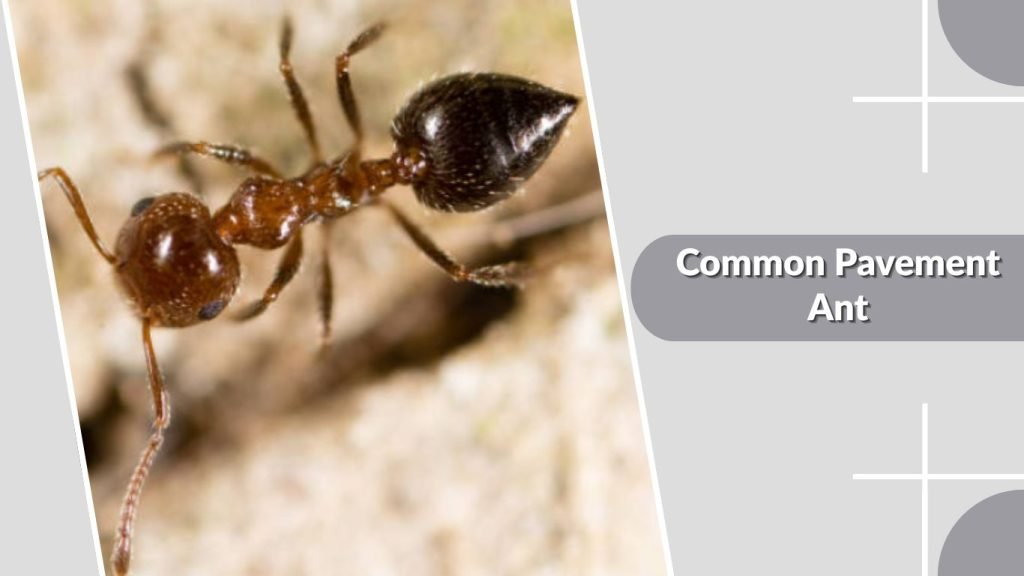
The common pavement ant is a small urban ant species frequently found around sidewalks, patios, driveways, and building foundations. These ants often invade homes while searching for sweet foods, grease, and moisture. Because they adapt easily to city environments, they are considered one of the most common household ant pests.
Characteristics
- Small ants measuring about 1/8 inch long
- Dark brown to black body color
- Fine grooves visible on the head and thorax
- Organized foraging trails near food sources
- Strong attraction to sugary and greasy foods
Habitat
Common pavement ants usually build nests beneath concrete slabs, sidewalks, bricks, stones, and pavement cracks. Small piles of soil are often visible near their nesting sites. Indoors, they may settle inside walls, under floors, near heating systems, and around kitchen areas with easy access to food and water.
Behavior
These ants are highly active scavengers and travel in organized trails while foraging. They feed on sweets, grease, crumbs, insects, and pet food. Common pavement ants are also known for aggressive territorial battles between neighboring colonies, especially during warm weather.
Prevention
Food should be stored in sealed containers, and crumbs or spills should be cleaned quickly. Cracks in foundations, sidewalks, and walls should be sealed to reduce nesting and entry points. Eliminating standing water and reducing indoor moisture can also help prevent infestations.
5. Black Pavement Ant
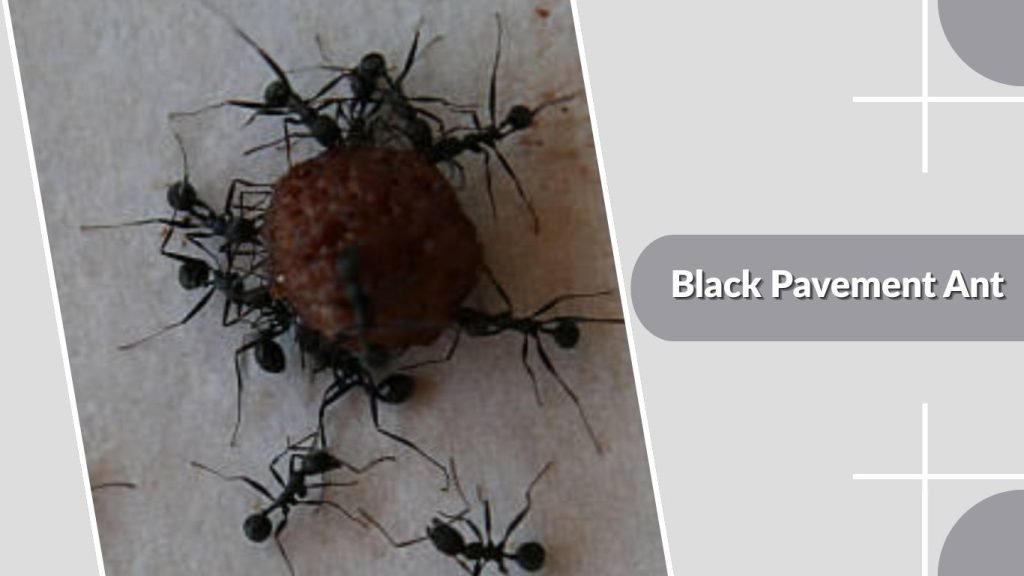
Black pavement ants are common urban ants recognized by their dark body color and ability to nest beneath paved surfaces. They frequently invade homes, restaurants, and commercial buildings while searching for food. Their colonies can grow rapidly in areas with easy access to moisture and shelter.
Characteristics
- Small ants around 1/8 inch long
- Shiny black body appearance
- Parallel grooves on the head and thorax
- Antennae with segmented clubs
- Strong attraction to sweets, grease, and proteins
Habitat
Black pavement ants commonly nest beneath sidewalks, driveways, patios, rocks, and building foundations. They thrive in compact soil and urban environments where pavement provides warmth and protection. Indoors, they may establish colonies inside walls, basements, and beneath flooring.
Behavior
These ants move in organized trails while searching for food indoors and outdoors. Black pavement ants feed on sugary foods, crumbs, insects, grease, and pet food. Large colony battles are common and are often seen on sidewalks or near nest entrances during warmer seasons.
Prevention
Maintaining proper sanitation is important for preventing infestations. Food should remain sealed, and kitchen surfaces should be cleaned regularly. Cracks around windows, doors, and foundations should be sealed to limit entry points. Reducing moisture and repairing leaks can also discourage black pavement ants from nesting indoors.
6. Brown Pavement Ant

Brown pavement ants are small urban ants commonly found around sidewalks, patios, driveways, and foundations. They often enter homes searching for sweet foods, grease, and moisture. These ants are highly adaptable and thrive in both outdoor and indoor environments, especially in populated residential areas.
Characteristics
- Small ants measuring about 1/8 inch long
- Light brown to dark brown body color
- Fine ridges visible on the head and thorax
- Organized movement in visible foraging trails
- Strong attraction to sugary foods and crumbs
Habitat
Brown pavement ants commonly build nests beneath sidewalks, stones, pavement cracks, and concrete slabs. Their colonies often create small piles of loose soil near nest entrances. Indoors, they may establish nests inside walls, beneath floors, around heating systems, and near kitchens or pantries.
Behavior
These ants are active scavengers and forage both day and night. Brown pavement ants feed on sweets, grease, dead insects, crumbs, and pet food. Colonies are highly territorial, and worker ants may engage in visible outdoor battles with nearby colonies during warmer months.
Prevention
Keeping food sealed and cleaning kitchen surfaces regularly can help prevent infestations. Cracks around foundations, sidewalks, and utility openings should be sealed properly. Moisture problems and leaking pipes should also be repaired to reduce nesting opportunities indoors.
7. Red Pavement Ant
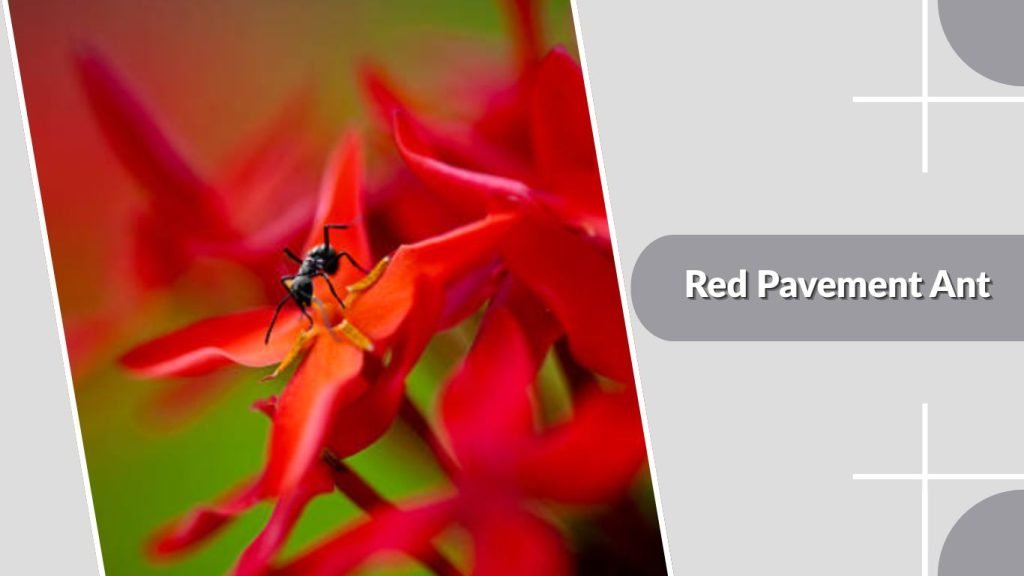
Red pavement ants are pavement-dwelling ants recognized by their reddish-brown body color and aggressive colony behavior. They commonly nest beneath sidewalks, patios, stones, and foundations. These ants may invade homes in search of food, especially sugary substances and greasy leftovers.
Characteristics
- Small ants about 1/8 inch long
- Reddish-brown body appearance
- Grooved head and thorax structure
- Travels in organized ant trails
- Attracted to sweets, grease, and proteins
Habitat
Red pavement ants usually build underground nests beneath concrete surfaces, pavement cracks, rocks, and building foundations. Small piles of soil are often visible near nest openings. Indoors, they may settle inside walls, insulation, and beneath flooring near food and water sources.
Behavior
These ants are aggressive foragers and can quickly locate food inside kitchens and storage areas. Red pavement ants communicate through scent trails and may engage in territorial fights with neighboring colonies. Their populations increase rapidly when food and moisture are abundant.
Prevention
Proper sanitation is important for reducing infestations. Sugary foods should be sealed tightly, and crumbs should be cleaned immediately. Sealing cracks around foundations, doors, and pavement edges can help block entry points. Reducing excess moisture around the home also discourages colony growth.
8. Asian Pavement Ant
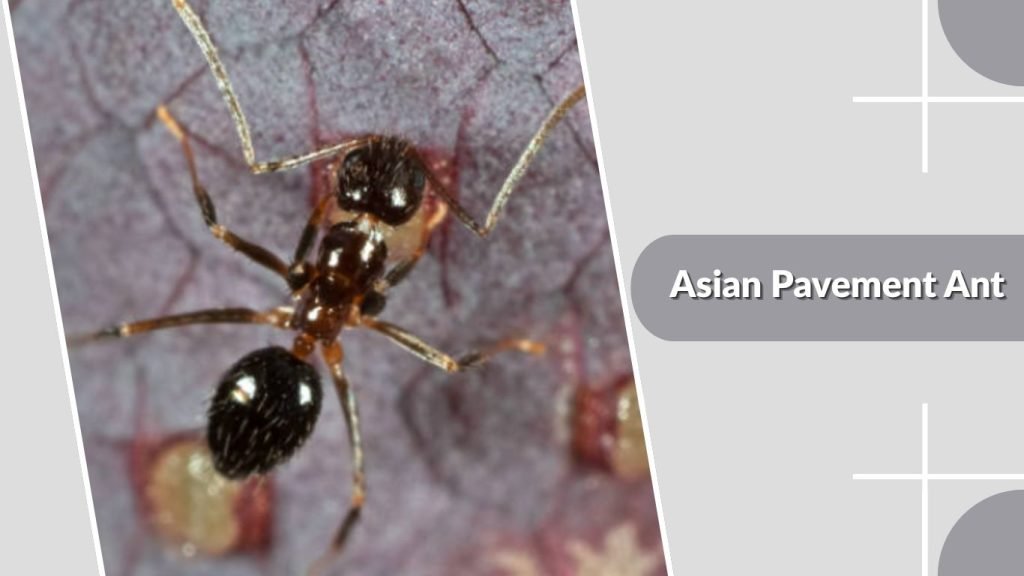
Asian pavement ants are small urban ants commonly found in sidewalks, gardens, patios, and building foundations throughout warm regions. They are highly adaptable and often invade homes while searching for sweet foods, grease, and water sources. Their ability to thrive in crowded urban environments makes them persistent household pests.
Characteristics
- Small ants measuring about 1/8 inch long
- Brown to dark brown body color
- Grooved head and thorax surface
- Organized movement in visible trails
- Strong attraction to sugary and oily foods
Habitat
Asian pavement ants usually nest beneath concrete slabs, sidewalks, stones, and pavement cracks. Their colonies are often found around homes, parking lots, gardens, and walkways. Indoors, they may establish nests inside wall voids, beneath flooring, and near kitchens or plumbing systems.
Behavior
These ants are active scavengers and forage both indoors and outdoors. Asian pavement ants feed on sweets, crumbs, grease, insects, and pet food. Like many pavement ant species, they can become aggressive toward neighboring colonies, leading to visible ant battles near sidewalks and nest entrances.
Prevention
Keeping food sealed and cleaning spills quickly can help reduce infestations. Cracks around foundations, sidewalks, and doors should be sealed to limit nesting and entry points. Reducing indoor moisture and repairing leaks can also discourage Asian pavement ants from settling inside buildings.
9. Urban Pavement Ant
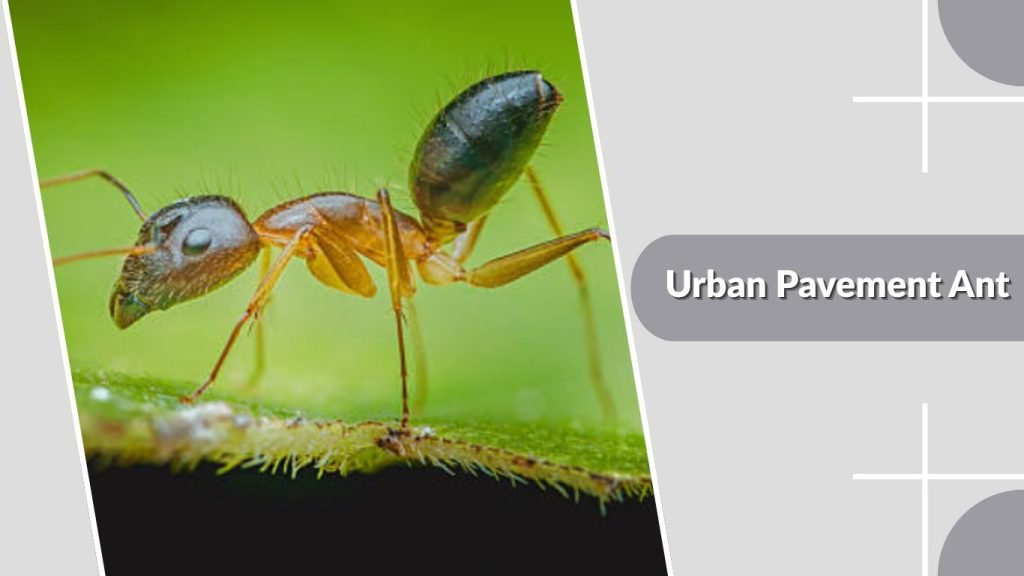
Urban pavement ants are highly adaptable ants commonly found in cities, sidewalks, apartment complexes, and commercial areas. They frequently invade homes and businesses while searching for food and moisture. Their ability to nest beneath pavement and concrete surfaces allows them to thrive in heavily populated environments.
Characteristics
- Small ants around 1/8 inch long
- Dark brown or black body color
- Fine grooves visible on the thorax and head
- Travels in organized foraging trails
- Attracted to sweets, grease, and crumbs
Habitat
Urban pavement ants typically build nests beneath sidewalks, driveways, parking lots, bricks, and building foundations. Their colonies often create small piles of soil near cracks in pavement. Indoors, they may occupy wall spaces, basements, kitchens, and hidden structural gaps near food sources.
Behavior
These ants are persistent foragers and communicate through scent trails to locate food. Urban pavement ants feed on sugary substances, grease, insects, pet food, and household crumbs. Colonies can grow rapidly in warm conditions and may compete aggressively with nearby ant colonies.
Prevention
Proper sanitation and food storage are important for prevention. Spills and crumbs should be cleaned immediately, and food should remain in sealed containers. Sealing cracks around windows, foundations, and pavement edges can help reduce indoor invasions and nesting opportunities.
10. Sidewalk Pavement Ant
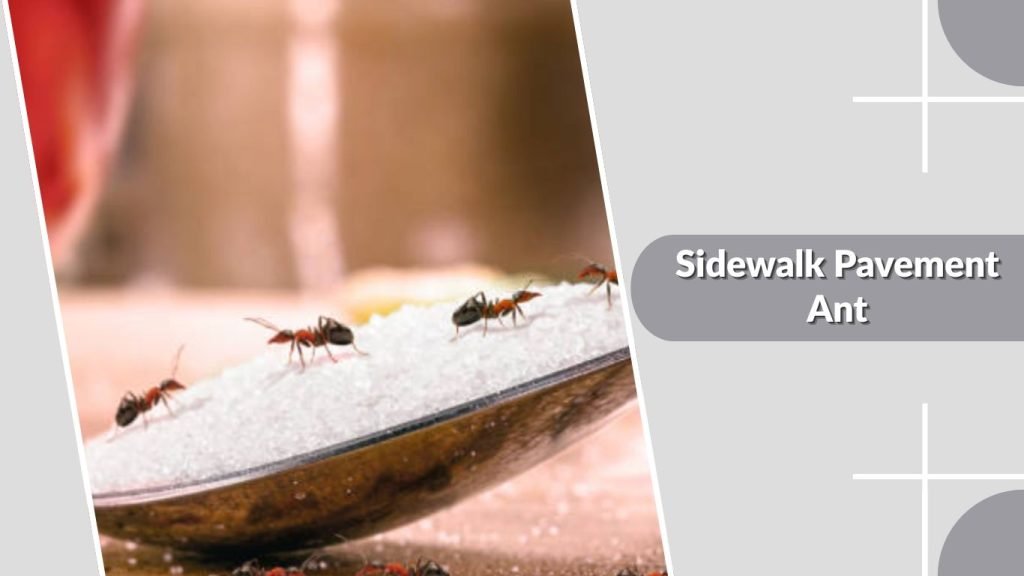
Sidewalk pavement ants are common city ants that frequently build nests beneath sidewalks, concrete slabs, patios, and walkways. These ants often invade homes and commercial buildings while searching for food and moisture. Their colonies are highly adaptable and thrive in urban environments with plenty of pavement and shelter.
Characteristics
- Small ants measuring about 1/8 inch long
- Dark brown to black body color
- Grooved texture on the head and thorax
- Organized movement in visible ant trails
- Strong attraction to sweets, grease, and crumbs
Habitat
Sidewalk pavement ants commonly nest beneath sidewalks, bricks, stones, driveways, and building foundations. Their nests often create small piles of displaced soil near pavement cracks. Indoors, they may settle inside walls, beneath floors, and near kitchens or heating systems where food and warmth are available.
Behavior
These ants are active scavengers that forage both indoors and outdoors. Sidewalk pavement ants feed on sugary foods, grease, insects, crumbs, and pet food. Colonies are territorial and frequently engage in large outdoor battles with neighboring ant colonies during warmer months.
Prevention
Keeping kitchens clean and storing food in airtight containers can help prevent infestations. Cracks around sidewalks, foundations, and walls should be sealed to reduce nesting opportunities. Moisture problems and leaking pipes should also be repaired promptly to discourage indoor activity.
11. Stone Pavement Ant
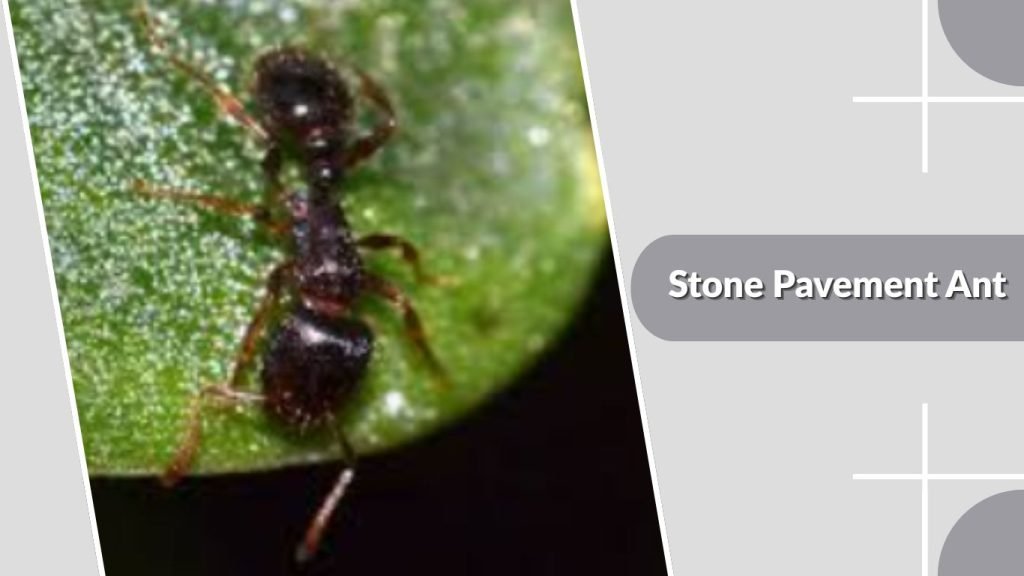
Stone pavement ants are small pavement-dwelling ants commonly found beneath rocks, stones, patios, and paved surfaces. They often invade homes in search of sweet foods and water, especially during warm weather. These ants are well adapted to outdoor urban environments and can form large colonies.
Characteristics
- Small ants around 1/8 inch long
- Brown to black body appearance
- Fine grooves on the thorax and head
- Organized foraging trails near food sources
- Strong attraction to sugary and greasy foods
Habitat
Stone pavement ants usually nest beneath stones, concrete slabs, sidewalks, and foundation cracks. Their colonies are often located in gardens, pathways, patios, and around buildings. Indoors, they may establish nests inside wall voids, basements, and under flooring close to moisture sources.
Behavior
These ants forage actively both day and night and rely on scent trails to locate food. Stone pavement ants feed on sweets, crumbs, grease, dead insects, and pet food. Colonies can spread rapidly in areas where food and moisture are easily accessible.
Prevention
Food spills and crumbs should be cleaned immediately to reduce attraction. Sealing cracks around foundations, patios, and stone pathways can help prevent entry and nesting. Eliminating excess moisture and repairing leaks also discourages stone pavement ants from invading homes.
12. Garden Pavement Ant
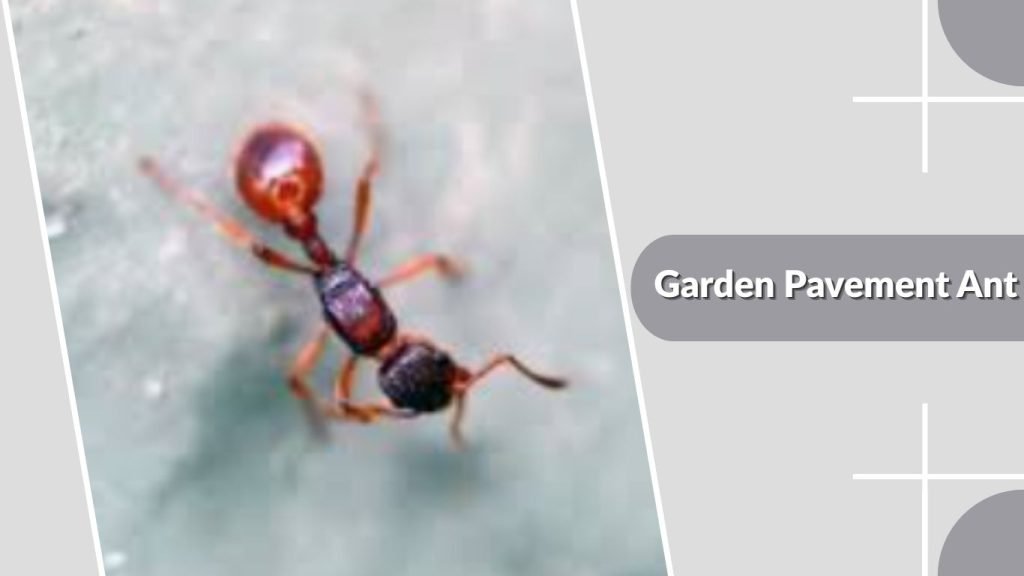
Garden pavement ants are small ants commonly found in gardens, patios, sidewalks, and landscaped areas. They often build nests beneath stones, pavement cracks, and concrete surfaces. These ants may enter homes while searching for sugary foods, grease, and water sources, especially during warm weather.
Characteristics
- Small ants measuring about 1/8 inch long
- Brown to dark brown body color
- Grooved head and thorax appearance
- Organized trails while searching for food
- Strong attraction to sweets, crumbs, and grease
Habitat
Garden pavement ants usually nest outdoors beneath stones, garden paths, concrete slabs, mulch, and pavement edges. Their colonies thrive in moist soil and landscaped environments. Indoors, they may establish nests inside wall voids, beneath floors, and near kitchens or damp hidden areas.
Behavior
These ants are active scavengers that forage both indoors and outdoors. Garden pavement ants feed on sugary foods, grease, crumbs, insects, and plant-based materials. Colonies can become aggressive toward nearby ants and may engage in territorial fights around nesting areas during warmer months.
Prevention
Keeping food stored in sealed containers and cleaning spills quickly can help prevent infestations. Garden debris, excess mulch, and standing water near foundations should be reduced. Sealing cracks around pavement, foundations, doors, and windows also helps limit nesting and indoor entry points for garden pavement ants.
FAQs
What are pavement ants?
Pavement ants are small ants that commonly build nests beneath sidewalks, driveways, patios, and building foundations. They are common in urban and suburban areas and often enter homes searching for food, water, and shelter.
What do pavement ants eat?
Pavement ants feed on sugary foods, grease, crumbs, pet food, dead insects, and other household food sources. They are opportunistic scavengers and can quickly locate accessible food inside kitchens and storage areas.
Are pavement ants harmful?
Pavement ants are not usually dangerous to humans, but they can become a major nuisance indoors. They may contaminate food and create large infestations if colonies are left untreated. Some species may bite lightly when disturbed.
Why do pavement ants appear indoors?
Pavement ants often enter homes while searching for food and moisture. Rainy weather, extreme temperatures, and easy indoor food access can encourage them to move inside through cracks and small openings.
How can pavement ant infestations be prevented?
Keeping food sealed, cleaning spills quickly, and removing crumbs can help prevent infestations. Sealing cracks around foundations, sidewalks, doors, and windows also reduces entry points. Fixing leaks and reducing moisture indoors can further discourage nesting.
Where do pavement ants build nests?
Pavement ants usually nest beneath concrete slabs, pavement cracks, stones, sidewalks, patios, and foundations. Indoors, they may establish colonies inside walls, beneath flooring, and near warm or moist areas.