

Crazy ants are a group of fast-moving ant species known for their erratic and unpredictable behavior. Unlike other ants that travel in straight lines, crazy ants move in scattered patterns while searching for food and shelter. Many species are invasive and can quickly form massive colonies around homes, gardens, businesses, and electrical equipment. These ants are attracted to sweets, grease, moisture, and warm environments, making them common household pests in many regions. Identifying different types of crazy ants is important for proper prevention and control. This guide covers 15 common crazy ant species along with their characteristics, habitats, behaviors, and identification details.
1. Tawny Crazy Ant
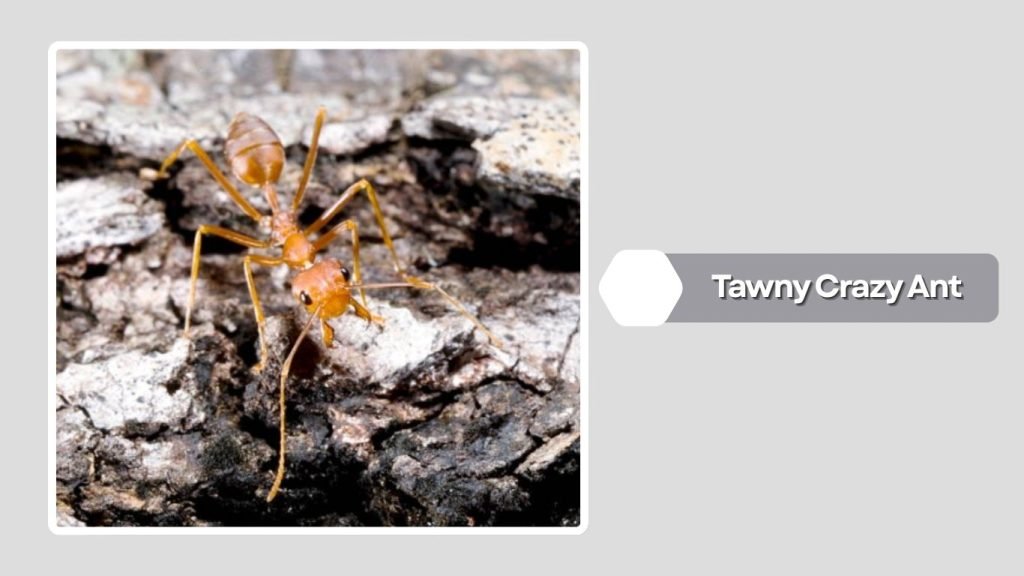
Tawny crazy ants are invasive ants known for their rapid and erratic movement patterns. They commonly invade homes, electrical equipment, and outdoor spaces in large numbers. These ants are highly adaptable and can spread quickly, especially in warm and humid climates.
Characteristics
- Small ants measuring about 1/8 inch long
- Reddish-brown or tawny body color
- Long legs and antennae
- Moves in fast and irregular patterns
- Forms extremely large colonies
Habitat
Tawny crazy ants usually nest outdoors under rocks, mulch, logs, leaf litter, and landscaping materials. Indoors, they may hide inside wall voids, electrical boxes, and beneath flooring. Their colonies can spread across wide areas with multiple connected nests.
Behavior
These ants are active foragers and often travel in scattered trails instead of organized lines. Tawny crazy ants are attracted to sweets, insects, grease, and moisture. They are also known for invading electronic devices and electrical systems because of the warmth they produce.
Prevention
Keeping food sealed and cleaning spills quickly can help reduce infestations. Moisture problems should be repaired, especially around pipes and appliances. Removing outdoor debris and sealing cracks around the home also helps prevent tawny crazy ants from entering buildings.
2. Caribbean Crazy Ant
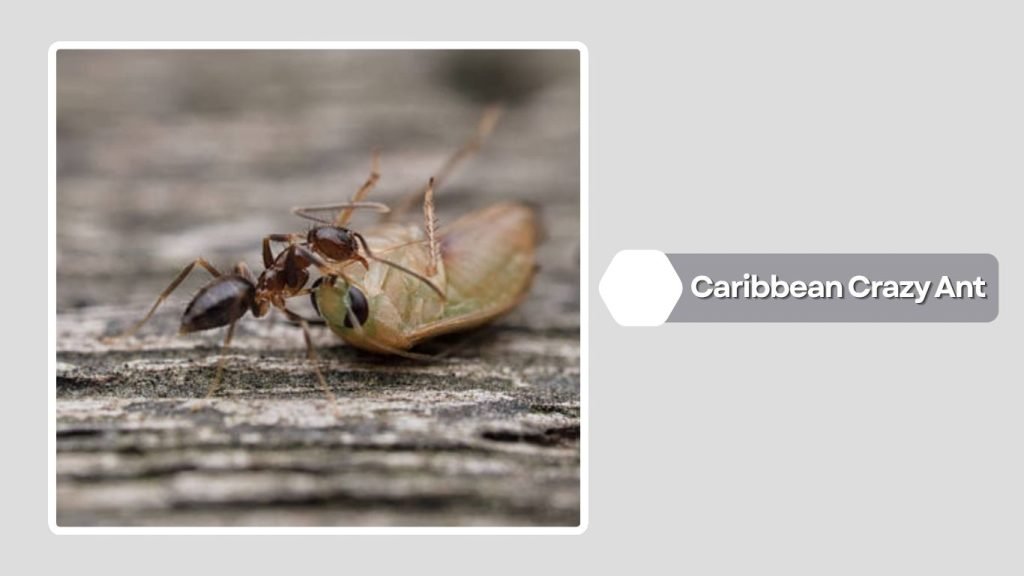
Caribbean crazy ants are fast-moving invasive ants commonly found in tropical and coastal regions. They often invade homes, gardens, and commercial buildings while searching for food and moisture. Their unpredictable movement and large colony sizes make them difficult to control once established.
Characteristics
- Small ants about 1/8 inch long
- Dark brown to reddish-brown body color
- Long legs and antennae
- Rapid and erratic movement pattern
- Strong attraction to sweets and greasy foods
Habitat
Caribbean crazy ants usually nest outdoors in soil, mulch, leaf litter, and under rocks or logs. Indoors, they may establish nests inside wall spaces, kitchens, bathrooms, and moist hidden areas. Their colonies often contain several queens and multiple nesting sites.
Behavior
These ants forage both day and night in loose, scattered trails. Caribbean crazy ants are highly adaptable and can quickly spread into nearby structures. They are also known to protect plant pests such as aphids to feed on the honeydew they produce.
Prevention
Keeping food stored in sealed containers and cleaning sugary spills immediately can help prevent infestations. Eliminating standing water and fixing leaks also discourages nesting. Sealing cracks around windows, doors, and foundations reduces indoor access for these ants.
3. Black Crazy Ant
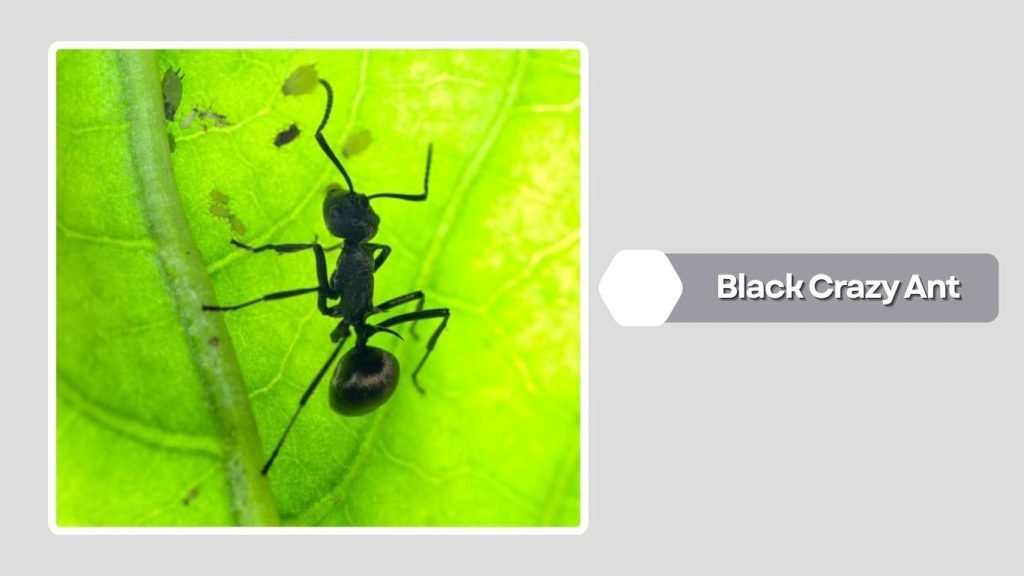
Black crazy ants are common nuisance ants recognized for their dark color and chaotic running behavior. They frequently invade homes, restaurants, and outdoor living spaces in search of sweets, proteins, and moisture. Their fast reproduction allows colonies to spread rapidly.
Characteristics
- Small ants measuring about 1/8 inch long
- Shiny black or dark brown body color
- Long antennae and slender legs
- Erratic and fast-moving behavior
- Forms large colonies with many workers
Habitat
Black crazy ants usually nest outdoors beneath stones, mulch, wood piles, and garden debris. Indoors, they may hide inside walls, under floors, and around electrical appliances. Warm and humid environments are especially attractive to their colonies.
Behavior
Unlike many ants that move in straight lines, black crazy ants run in irregular patterns while foraging. They are highly active and can invade homes in large numbers during rainy or hot weather. Colonies often expand through multiple connected nests.
Prevention
Proper sanitation and moisture control are important for prevention. Food crumbs and sugary liquids should be cleaned quickly, and leaks should be repaired promptly. Sealing gaps around doors, windows, and foundations can also help keep black crazy ants out of homes.
4. Longhorn Crazy Ant
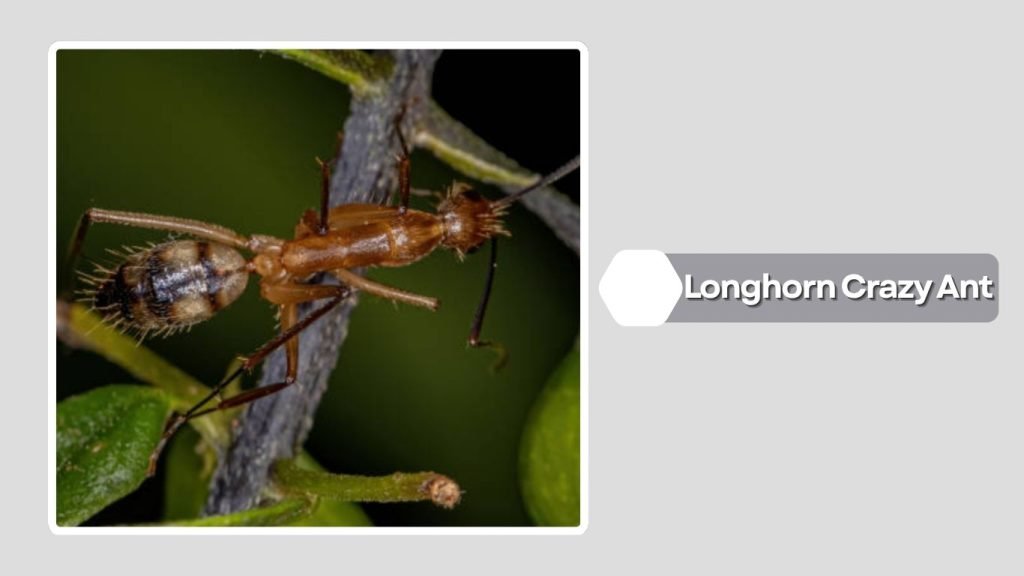
Longhorn crazy ants are widely distributed invasive ants known for their extremely long antennae and legs. They often invade homes, offices, and greenhouses while searching for food and water. Their rapid movement and ability to form large colonies make them persistent indoor pests.
Characteristics
- Small ants around 1/8 inch long
- Dark brown to black body color
- Very long legs and antennae
- Fast and unpredictable running behavior
- Attracted to sweets, grease, and insects
Habitat
Longhorn crazy ants commonly nest outdoors in soil, mulch, rotting wood, and beneath debris. Indoors, they may establish nests inside walls, behind appliances, and near moisture sources. Warm and humid environments support faster colony growth.
Behavior
These ants move in scattered and irregular patterns rather than organized trails. Longhorn crazy ants are highly adaptable and can quickly spread into nearby buildings. They often forage both indoors and outdoors and may invade electrical equipment for warmth.
Prevention
Keeping kitchens clean and sealing food properly can help reduce infestations. Repairing moisture problems and removing outdoor debris also discourages nesting. Cracks around windows, doors, and foundations should be sealed to limit indoor access.
5. Rasberry Crazy Ant
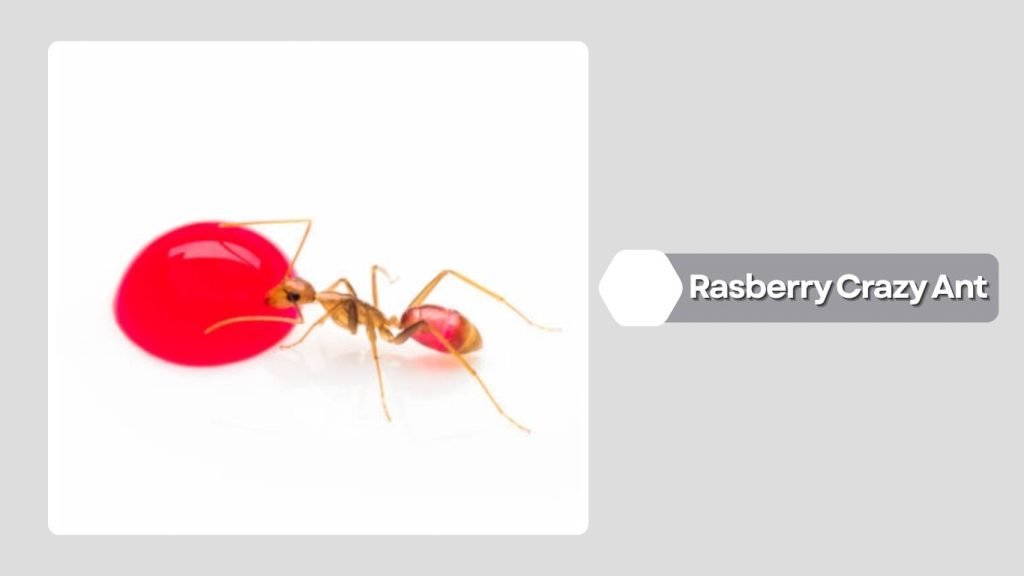
Rasberry crazy ants are invasive ants named after exterminator Tom Rasberry, who first identified their rapid spread in the United States. They are known for forming massive colonies and invading homes, electrical equipment, and outdoor structures in huge numbers.
Characteristics
- Small ants measuring about 1/8 inch long
- Reddish-brown body with fine hairs
- Long legs and antennae
- Erratic and nonstop movement
- Forms very large interconnected colonies
Habitat
Rasberry crazy ants usually nest outdoors under rocks, mulch, logs, compost, and landscaping materials. Indoors, they may occupy wall voids, electrical boxes, and damp hidden spaces. Their colonies often spread across wide outdoor areas with many connected nests.
Behavior
These ants forage aggressively and move in chaotic patterns while searching for food. Rasberry crazy ants are attracted to sweets, proteins, grease, and moisture. They are also well known for damaging electronics and electrical systems due to their attraction to warmth and current.
Prevention
Food spills and crumbs should be cleaned immediately to avoid attracting ants. Moisture control and leak repair are also important prevention steps. Sealing structural gaps and reducing outdoor clutter can help limit nesting and indoor invasions.
6. Yellow Crazy Ant
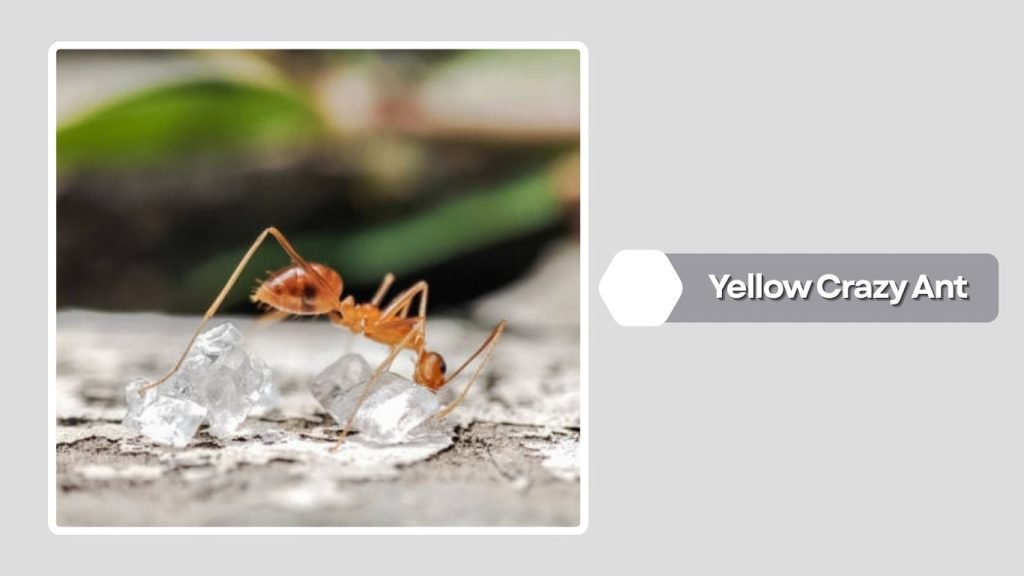
Yellow crazy ants are highly invasive ants known for their destructive impact on ecosystems and their aggressive colony expansion. They are commonly found in tropical and subtropical regions and often invade homes, gardens, farms, and forests. These ants move rapidly in erratic patterns, which is why they are classified as “crazy ants.” Their large populations can quickly overwhelm native insects and other wildlife.
Characteristics
- Small ants measuring about 1/8 inch long
- Yellow to yellowish-brown body color
- Long legs and antennae compared to other ants
- Fast and irregular movement patterns
- Forms massive colonies with multiple queens
Habitat
Yellow crazy ants usually build nests outdoors in soil, under rocks, leaf litter, rotting wood, and tree bases. They thrive in humid and warm environments where moisture and food are easily available. Indoors, they may nest inside walls, kitchens, bathrooms, and hidden cracks near water sources.
Behavior
These ants are highly aggressive and forage continuously for food. Yellow crazy ants feed on sweets, insects, dead animals, and honeydew produced by aphids. They are known for protecting sap-feeding insects to maintain a constant honeydew supply. Their huge colonies can spread rapidly and dominate entire outdoor areas within a short period.
Prevention
Removing food crumbs, storing sugary items properly, and reducing moisture can help prevent infestations. Outdoor debris such as mulch and wood piles should be kept away from buildings. Sealing cracks around windows, doors, and foundations also helps reduce indoor access for yellow crazy ants.
7. Brown Crazy Ant
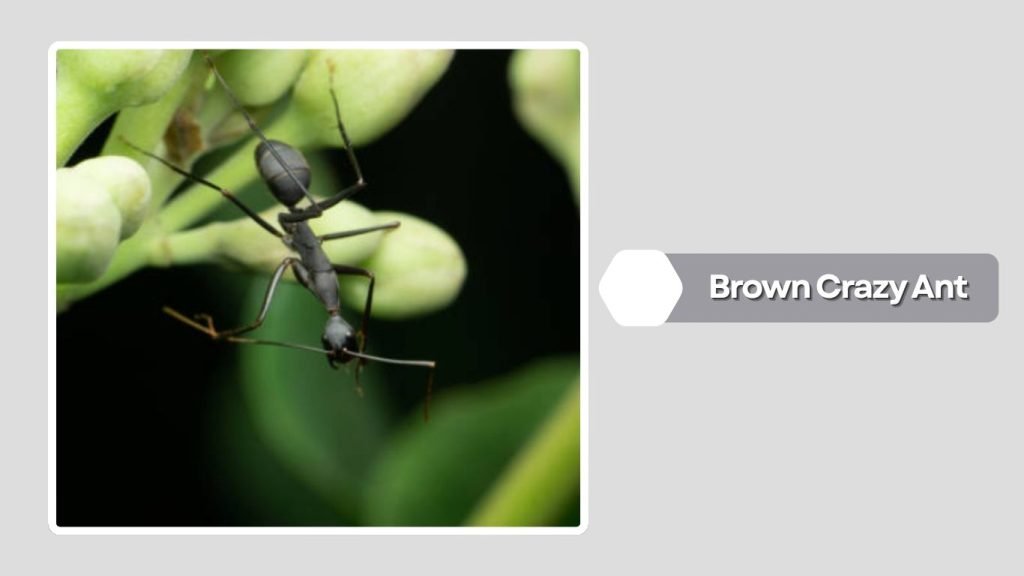
Brown crazy ants are nuisance ants recognized for their slender brown bodies and chaotic movement behavior. They commonly invade homes, offices, gardens, and commercial buildings while searching for sweet foods and moisture. These ants are highly adaptable and can survive in both outdoor and indoor environments.
Characteristics
- Small ants about 1/8 inch long
- Light brown to dark brown body color
- Long antennae and thin legs
- Rapid and unpredictable running movement
- Strong attraction to sweets and grease
Habitat
Brown crazy ants usually nest outdoors in mulch, soil, under stones, tree bark, and leaf litter. Indoors, they often establish nests behind walls, inside cabinets, beneath flooring, and near water pipes. Their colonies may spread across several connected nesting sites around a property.
Behavior
These ants do not travel in organized lines like many other ant species. Instead, they move quickly in random directions while searching for food. Brown crazy ants are active both day and night and can invade buildings in large numbers during warm or rainy conditions. They may also enter electrical equipment because of heat and shelter.
Prevention
Proper sanitation is essential for preventing infestations. Food containers should remain tightly sealed, and sugary spills should be cleaned immediately. Moisture problems such as leaking pipes and standing water should also be corrected. Sealing structural openings and reducing outdoor clutter can help keep brown crazy ants away from homes and buildings.
8. Hairy Crazy Ant
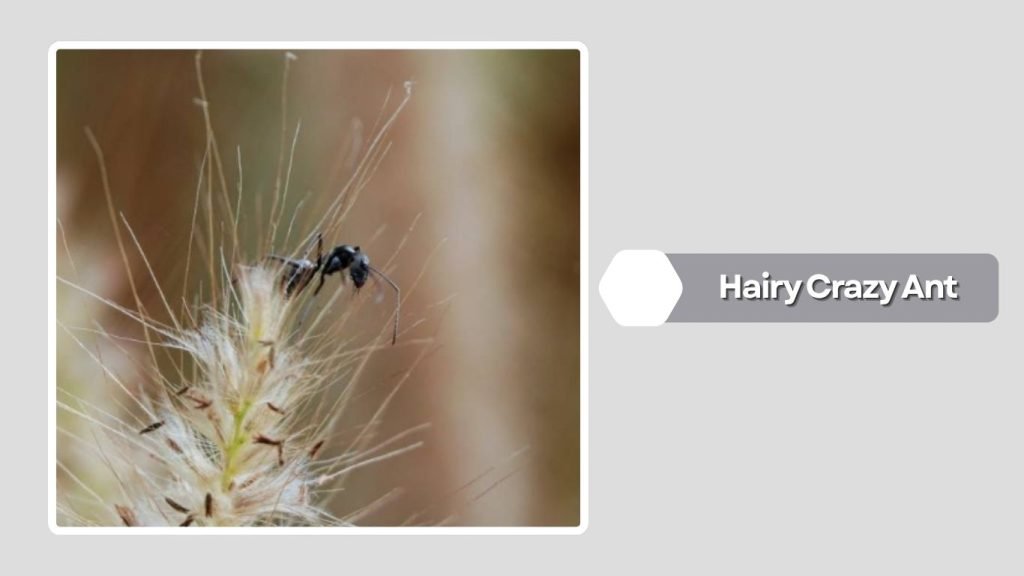
Hairy crazy ants are small invasive ants named for the fine hairs covering their bodies. They are fast-moving ants commonly found in warm and humid environments. These ants often invade homes, gardens, and outdoor structures while searching for sugary foods, insects, and moisture sources.
Characteristics
- Small ants measuring about 1/8 inch long
- Brown to dark brown body color
- Fine body hairs visible under close inspection
- Long legs and antennae
- Rapid and erratic movement behavior
Habitat
Hairy crazy ants usually nest outdoors beneath rocks, mulch, leaf litter, and decaying wood. Indoors, they may establish colonies inside wall voids, under flooring, and near plumbing systems. They prefer humid environments with easy access to food and water.
Behavior
These ants forage continuously and move in unpredictable patterns instead of organized trails. Hairy crazy ants are attracted to sweet foods, grease, dead insects, and moisture. Colonies can spread quickly because they often contain multiple queens and several connected nesting sites.
Prevention
Keeping food sealed and cleaning kitchen surfaces regularly can reduce infestations. Moisture problems around sinks, pipes, and appliances should be repaired promptly. Outdoor debris and vegetation close to buildings should also be removed to discourage nesting activity.
9. Paratrechina Bourbonica
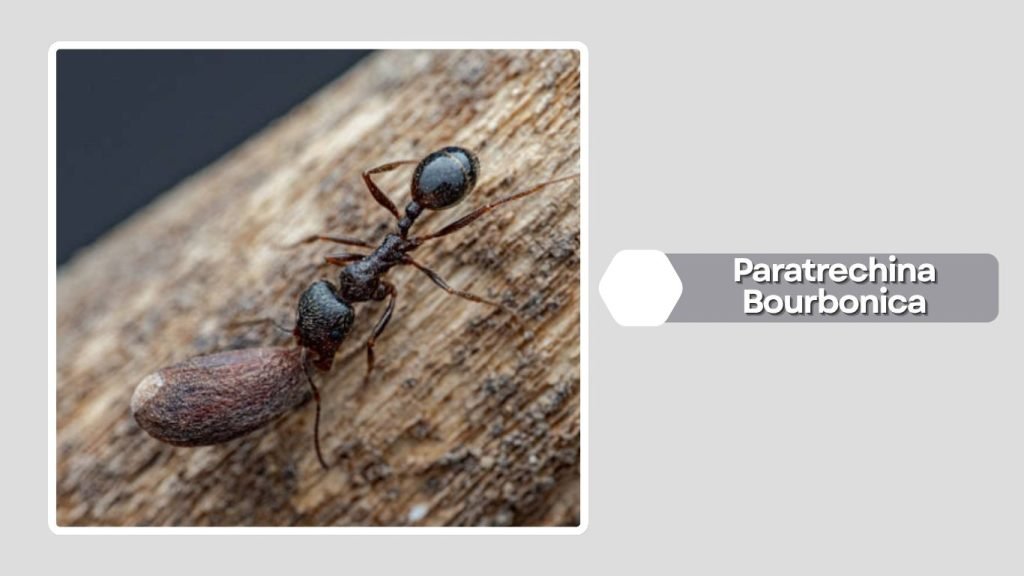
Paratrechina bourbonica is a lesser-known crazy ant species commonly found in tropical and subtropical regions. Like other crazy ants, it is recognized for its quick and irregular movement patterns. These ants may invade homes and gardens while searching for food, water, and shelter.
Characteristics
- Small ants about 1/8 inch long
- Dark brown or black body color
- Long slender legs and antennae
- Fast and scattered running movement
- Forms active foraging trails near food sources
Habitat
Paratrechina bourbonica commonly nests outdoors in soil, leaf litter, under logs, and in moist organic material. Indoors, colonies may develop inside wall cracks, behind cabinets, and near damp areas. Warm climates and humid conditions support their rapid colony growth.
Behavior
These ants are active scavengers that feed on sweets, insects, grease, and plant-based liquids. Their erratic movement helps distinguish them from many other ant species. Colonies may expand rapidly when food and moisture are abundant, especially during warm seasons.
Prevention
Proper sanitation and moisture control are important for preventing infestations. Sugary foods should be stored securely, and standing water should be removed quickly. Sealing gaps around foundations, windows, and utility openings can help prevent these ants from entering buildings.
10. Paratrechina Longicornis
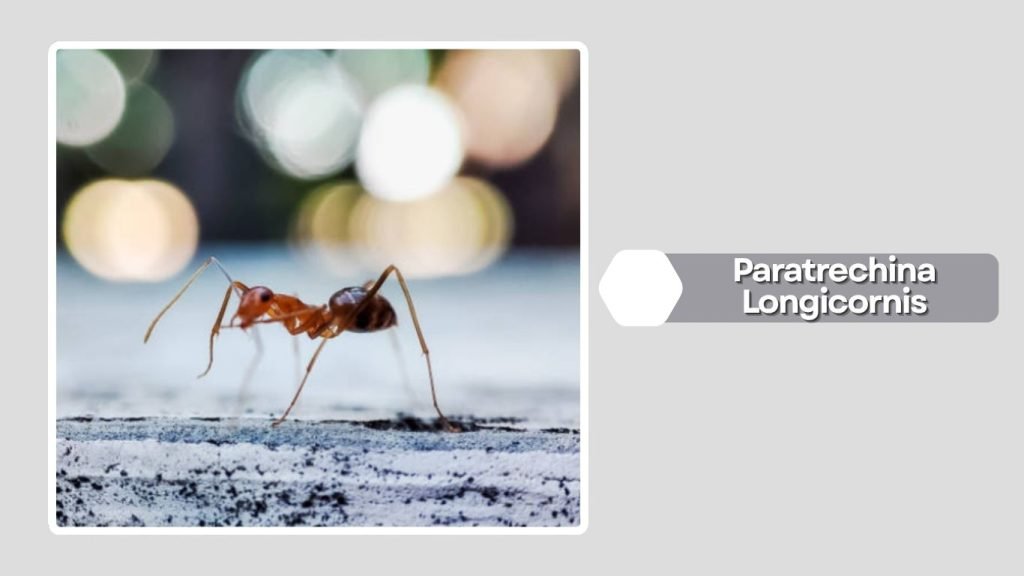
Paratrechina longicornis, commonly known as the longhorn crazy ant, is one of the most widespread crazy ant species in the world. It is recognized for its extremely long antennae and fast, erratic movement. These ants commonly invade homes, restaurants, warehouses, and commercial buildings while searching for food and moisture.
Characteristics
- Small ants measuring about 1/8 inch long
- Dark brown to black body color
- Extremely long legs and antennae
- Rapid and irregular running behavior
- Strong attraction to sweets, grease, and proteins
Habitat
Paratrechina longicornis usually nests outdoors in soil, mulch, rotting wood, under rocks, and beneath debris. Indoors, they often establish nests inside wall voids, ceilings, electrical devices, and moist hidden areas. Warm and humid climates support rapid colony expansion.
Behavior
These ants are highly active foragers and rarely move in organized trails. Instead, they run in scattered and chaotic patterns while searching for food. Paratrechina longicornis is also known for invading electrical equipment and appliances because of heat and shelter availability. Colonies may contain multiple queens, allowing populations to spread quickly.
Prevention
Proper sanitation and moisture control are important for preventing infestations. Sugary foods and crumbs should be cleaned immediately, and leaks should be repaired quickly. Outdoor debris should be reduced, and cracks around doors, windows, and foundations should be sealed to block indoor access.
11. Nylanderia Fulva
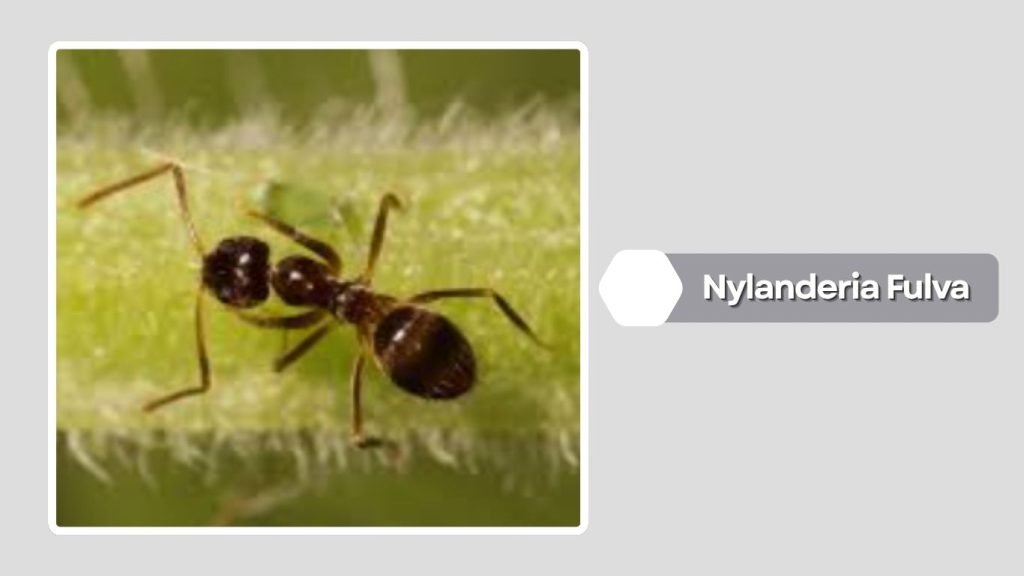
Nylanderia fulva, commonly called the tawny crazy ant, is an invasive ant species known for forming massive colonies. These ants spread aggressively and often invade homes, electrical systems, and outdoor structures. Their large populations can quickly become a serious nuisance in residential and commercial areas.
Characteristics
- Small reddish-brown ants around 1/8 inch long
- Covered with fine body hairs
- Long legs and antennae
- Fast and unpredictable movement patterns
- Forms enormous colonies with multiple queens
Habitat
Nylanderia fulva commonly nests outdoors in mulch, leaf litter, compost piles, under rocks, and around landscaping materials. Indoors, they may occupy wall spaces, electrical boxes, and damp hidden locations. Their colonies often spread through several interconnected nests over wide outdoor areas.
Behavior
These ants forage continuously and feed on sweets, insects, grease, and pet food. Nylanderia fulva is highly adaptable and can survive in a wide range of environments. Large infestations may damage electronics and electrical systems because the ants gather around warm equipment.
Prevention
Keeping food sealed and cleaning spills promptly can reduce attraction. Moisture control and leak repair are also important prevention measures. Trimming vegetation, removing outdoor clutter, and sealing structural gaps help reduce nesting opportunities and indoor invasions.
12. Nylanderia Vividula
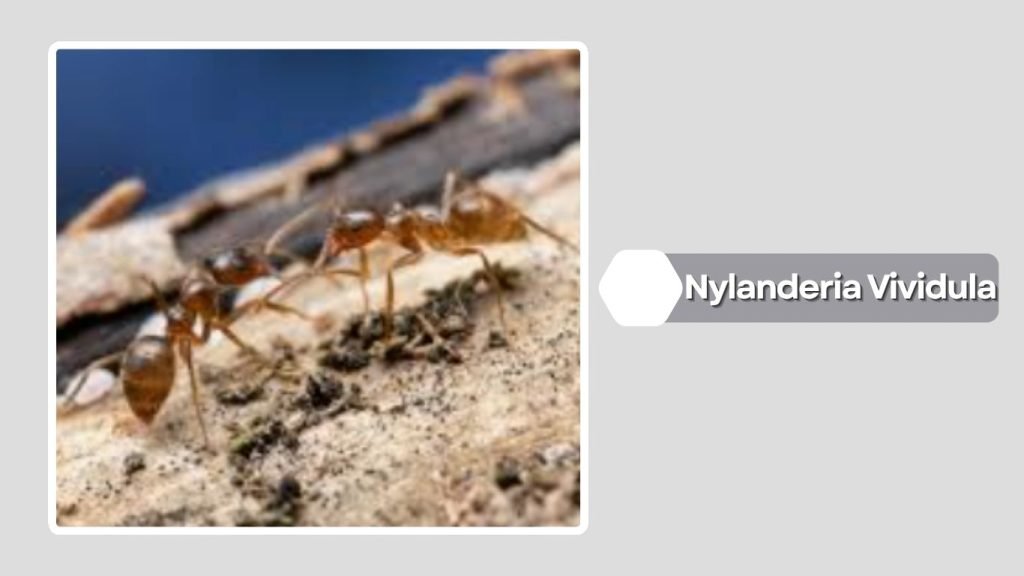
Nylanderia vividula is a species of crazy ant commonly found in grassy fields, gardens, forests, and residential landscapes. These ants are known for their quick movements and ability to forage over large areas in search of food. Although they mainly live outdoors, they may occasionally enter homes while searching for sweets and moisture.
Characteristics
- Small ants about 1/8 inch long
- Brown to dark brown body color
- Slender body with long legs and antennae
- Fast and erratic running behavior
- Active foragers attracted to sugary substances
Habitat
Nylanderia vividula usually nests outdoors in soil, leaf litter, mulch, rotting wood, and beneath stones. Their nests are commonly found in lawns, wooded areas, and garden spaces. Indoors, they may appear near kitchens, bathrooms, or damp hidden areas when food and water are available.
Behavior
These ants move rapidly and unpredictably while foraging, unlike ants that follow neat trails. Nylanderia vividula feeds on sweets, dead insects, grease, and plant liquids. Colonies may spread into several small nesting areas connected by active worker ants searching for food.
Prevention
Keeping food sealed and cleaning sugary spills quickly can reduce indoor attraction. Outdoor nesting areas should be minimized by removing wood piles, leaf litter, and excess mulch near buildings. Sealing cracks and reducing indoor moisture also helps prevent infestations.
13. Crazy Raspberry Ant
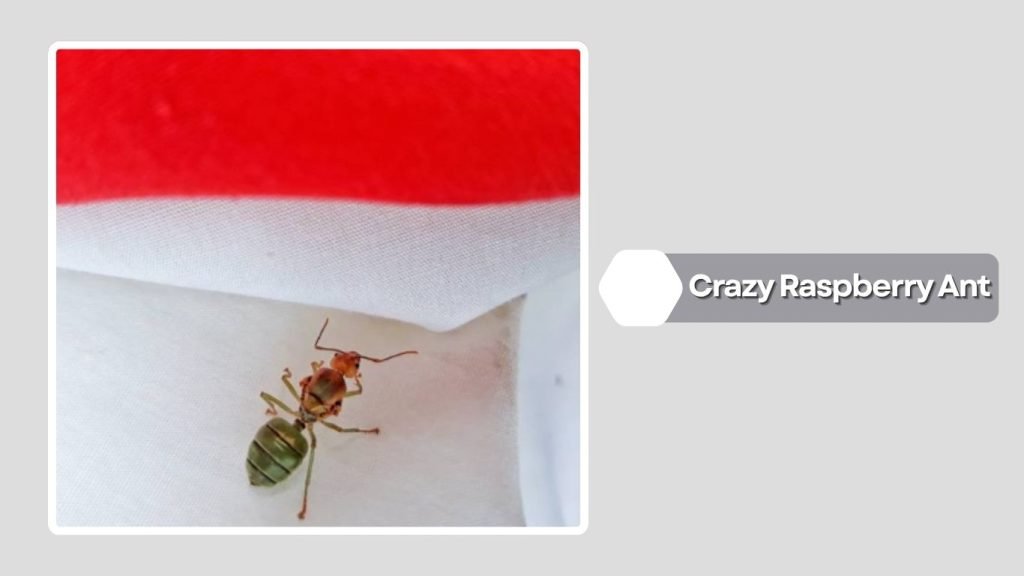
Crazy raspberry ants are invasive ants famous for their rapid spread and chaotic movement patterns. They became widely known after causing large infestations in homes, businesses, and electrical systems. These ants can form enormous colonies and are especially problematic in warm and humid climates.
Characteristics
- Small reddish-brown ants around 1/8 inch long
- Long legs and antennae
- Body covered with fine hairs
- Rapid and irregular movement behavior
- Forms extremely large interconnected colonies
Habitat
Crazy raspberry ants commonly nest outdoors in mulch, compost, leaf litter, beneath rocks, and around landscaping materials. Indoors, they may establish colonies inside walls, electrical equipment, storage spaces, and damp hidden areas. Warm environments with moisture support faster colony growth.
Behavior
These ants are highly active and move in random directions while searching for food. Crazy raspberry ants feed on sweets, grease, insects, pet food, and moisture sources. They are also known for invading electrical devices, where large numbers can damage equipment and wiring systems.
Prevention
Food should be stored in airtight containers, and spills should be cleaned immediately. Repairing leaks and reducing moisture around buildings can discourage infestations. Removing outdoor debris and sealing structural gaps also helps limit nesting opportunities and indoor access.
14. White-Footed Crazy Ant
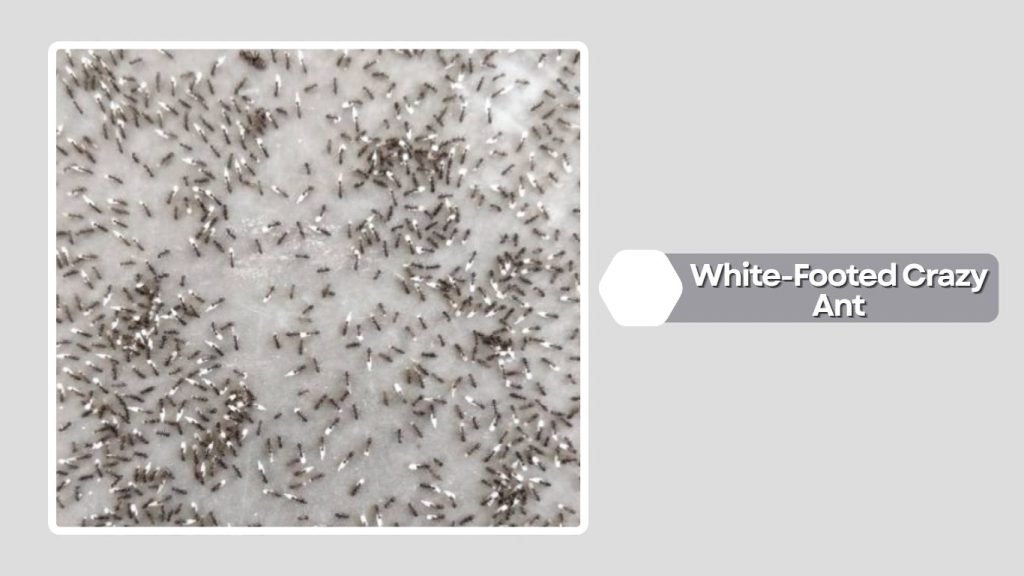
White-footed crazy ants are tropical ants known for their pale-colored feet and fast-moving behavior. They commonly invade homes, gardens, and commercial buildings in search of sweet foods and moisture. These ants can form very large colonies, making infestations difficult to control once they become established.
Characteristics
- Small ants measuring about 1/8 inch long
- Dark brown or black body color
- Pale or yellowish feet appearance
- Long legs and antennae
- Rapid and irregular movement patterns
Habitat
White-footed crazy ants usually nest outdoors in trees, shrubs, mulch, leaf litter, and beneath stones. Indoors, they may settle inside wall voids, attics, kitchens, and damp hidden spaces. Their colonies often spread across multiple nesting sites connected by worker trails.
Behavior
These ants are highly active foragers and travel long distances to locate food. White-footed crazy ants feed heavily on sugary substances and honeydew produced by aphids and scale insects. Colonies often contain many reproductive ants, allowing populations to expand rapidly in warm climates.
Prevention
Keeping sugary foods sealed and cleaning spills immediately can reduce infestations. Outdoor vegetation should be trimmed away from buildings to limit nesting access. Sealing cracks around windows, doors, and foundations also helps prevent white-footed crazy ants from entering homes.
15. Ghost Crazy Ant
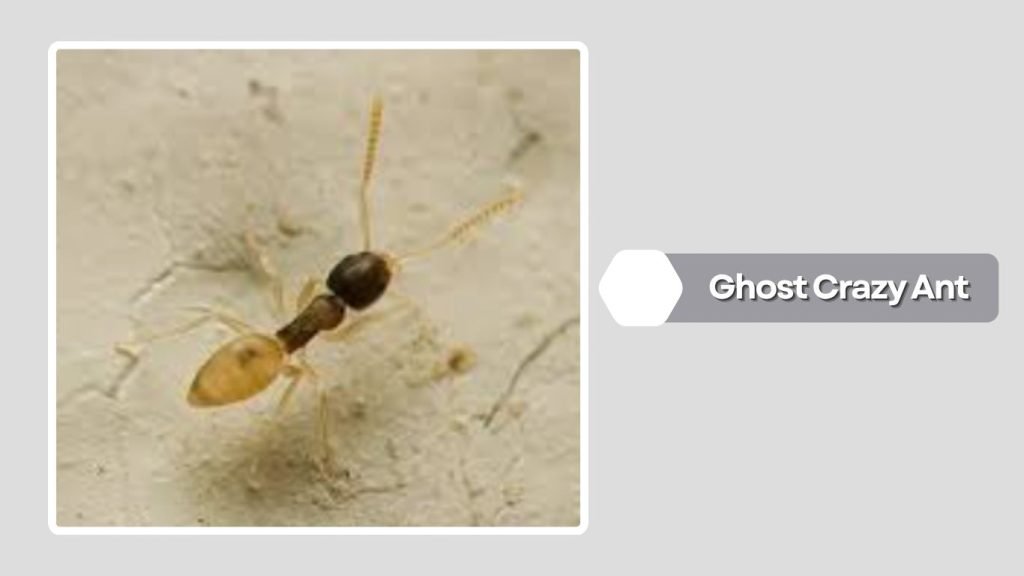
Ghost crazy ants are tiny fast-moving ants recognized by their pale translucent bodies and erratic movement patterns. They commonly invade homes, restaurants, and greenhouses in warm climates while searching for sweets, water, and shelter. Their tiny size allows them to enter through very small openings.
Characteristics
- Very small ants about 1/16 inch long
- Dark head with pale translucent abdomen and legs
- Long antennae compared to body size
- Fast and unpredictable movement behavior
- Strong attraction to sugary foods and liquids
Habitat
Ghost crazy ants usually nest outdoors under rocks, mulch, flowerpots, and decaying wood. Indoors, they commonly settle inside kitchens, bathrooms, wall spaces, and behind appliances where moisture is available. Their colonies may spread into several connected nesting sites.
Behavior
These ants move quickly in scattered trails while foraging for food. Ghost crazy ants are highly adaptable and can relocate nests rapidly if disturbed. They are especially active in warm and humid conditions and often invade buildings after rainfall.
Prevention
Proper food storage and regular cleaning can help reduce attraction indoors. Moisture problems around sinks and pipes should be repaired quickly. Sealing cracks, gaps, and utility openings around the home also helps prevent ghost crazy ants from entering buildings.
FAQs
What makes crazy ants different from other ants?
Crazy ants are known for their fast and erratic movement patterns. Unlike many ant species that travel in straight lines, crazy ants move unpredictably while searching for food. They also tend to form very large colonies that spread rapidly in warm environments.
Are crazy ants harmful to humans?
Most crazy ant species are not dangerous to humans because they rarely sting. However, large infestations can become a serious nuisance inside homes and businesses. Some species may bite mildly, and others can damage electrical equipment by nesting inside devices.
Why are crazy ants attracted to electronics?
Crazy ants are often attracted to the warmth and electrical currents produced by electronic devices. Large numbers of ants gathering inside electrical systems can sometimes cause short circuits, equipment failure, and wiring damage.
What do crazy ants eat?
Crazy ants feed on sugary foods, grease, dead insects, pet food, fruits, and honeydew produced by aphids and similar pests. Their diet is highly adaptable, allowing them to survive in many different environments.
Where do crazy ants build nests?
Crazy ants commonly nest outdoors in soil, mulch, leaf litter, rotting wood, compost, and under rocks. Indoors, they may hide inside walls, behind appliances, near pipes, and inside electrical equipment.
How can crazy ant infestations be prevented?
Keeping food sealed, cleaning spills quickly, and reducing indoor moisture can help prevent infestations. Sealing cracks around doors, windows, and foundations also limits entry points. Removing outdoor debris and trimming vegetation near buildings can further reduce nesting opportunities.
