
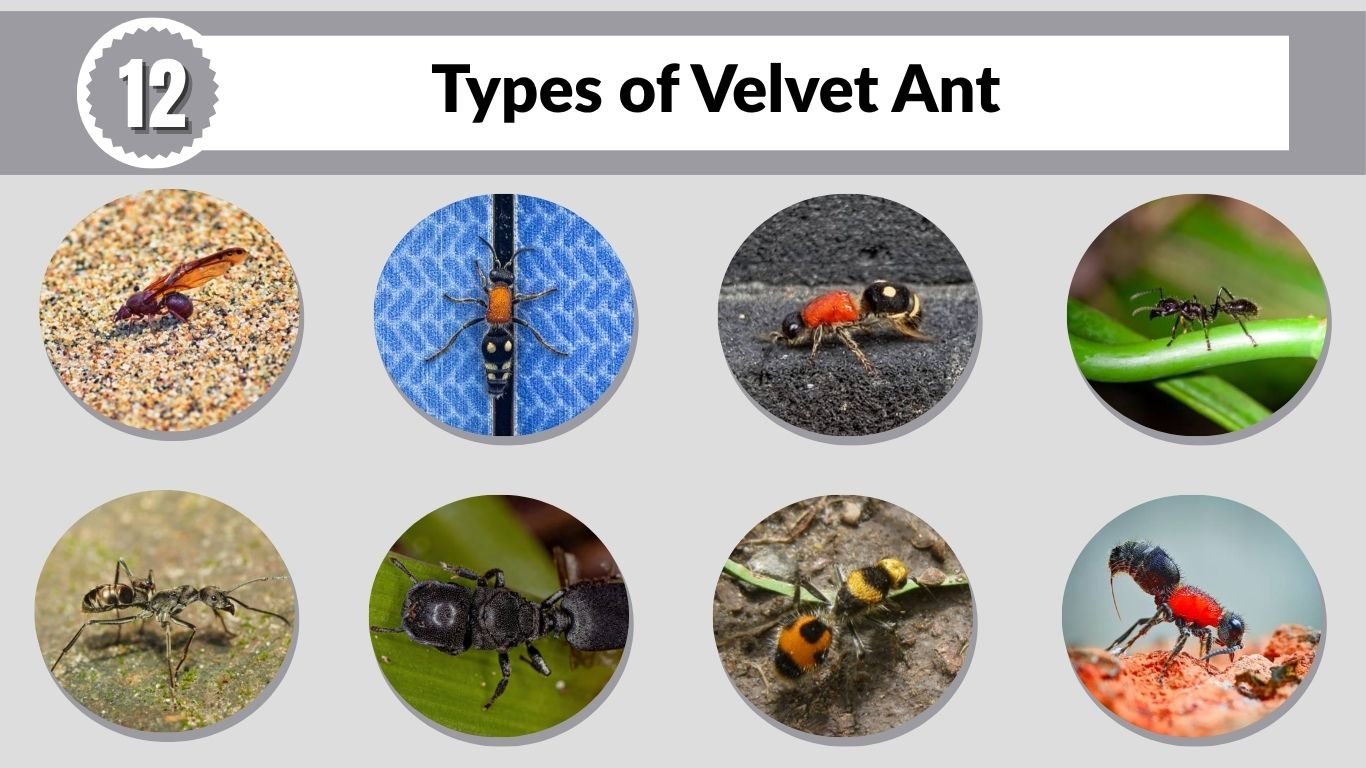
Velvet ants are unique, wasp-like insects known for their bright colors, dense velvety hair, and extremely painful sting. Despite their name, they are not true ants but belong to the wasp family. Commonly found in dry, sandy habitats, these solitary insects play an interesting role in ecosystems as parasites of other ground-nesting insects. This guide explores 12 different types of velvet ants, helping you identify them through their distinct characteristics, habitats, and behaviors.
1. Red Velvet Ant
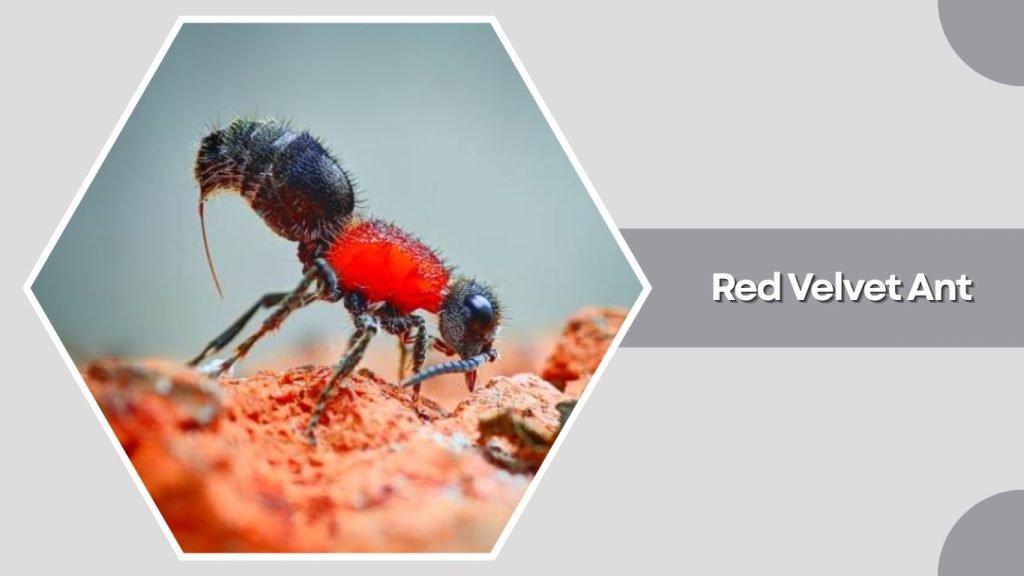
A brightly colored, wasp-like insect known for its dense, velvety hair and striking red coloration. Despite its name, it is not a true ant but a wingless female wasp. It is famous for its painful sting and solitary behavior.
Characteristics
- Covered in dense, velvety red or orange hair
- Wingless female with an ant-like appearance
- Hard exoskeleton that protects against predators
- Long legs adapted for fast movement on the ground
- Capable of delivering a very painful sting
Habitat and Distribution
The Red Velvet Ant is commonly found in North America, especially in dry, sandy areas such as deserts, grasslands, and open fields. It prefers warm climates and is often seen walking on the ground rather than flying. It may also be found near the nests of ground-dwelling insects.
Behavior and Diet
This insect is solitary and does not form colonies like true ants. Females are often seen wandering in search of host nests, while males can fly. Adults feed on nectar and plant fluids. They are generally non-aggressive but will sting if handled or threatened.
Life Cycle
The life cycle involves parasitism. Females lay eggs in the nests of other insects, such as bees or wasps. The larvae then feed on the host’s larvae or stored food. After development, they pupate and emerge as adults, continuing the cycle independently.
2. Cow Killer Ant
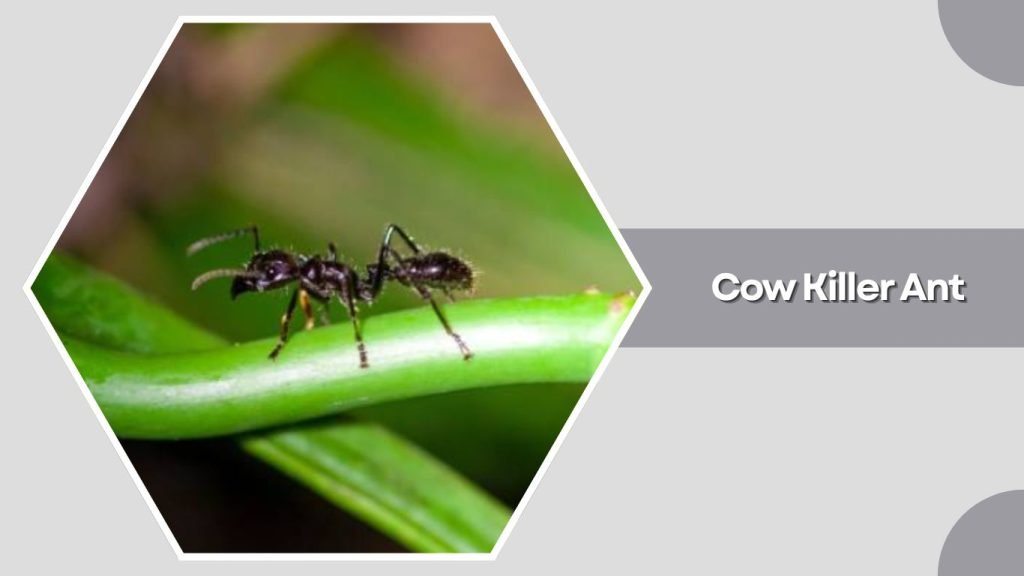
The Cow Killer Ant is one of the most well-known velvet ants, famous for its extremely painful sting. Despite its intimidating name, it does not actually kill cows. This species is easily recognized by its bright coloration and dense, velvety body covering, which serves as a warning to predators.
Characteristics
- Large velvet ant species with a robust, hairy body
- Bright red, orange, or mixed coloration with black markings
- Wingless female and winged male
- Thick exoskeleton that makes it hard to crush
- Possesses a very powerful and painful sting
Habitat and Distribution
The Cow Killer Ant is widely distributed across North America, particularly in the United States and Mexico. It prefers warm, dry environments such as grasslands, deserts, and open sandy areas. It is often seen walking along the ground, especially during hot weather. This species is commonly found near the nests of ground-nesting bees and wasps, which it uses for reproduction.
Behavior and Diet
This insect is solitary and does not live in colonies. Females roam the ground in search of host nests, while males fly and are rarely seen. Adults feed primarily on nectar and other sugary plant substances. Although not aggressive, the Cow Killer Ant will sting if disturbed, and its sting is considered one of the most painful among insects. Its bright coloration acts as a warning signal to potential predators.
Life Cycle
The Cow Killer Ant has a parasitic life cycle. Females locate the nests of ground-nesting bees or wasps and lay their eggs inside. Once hatched, the larvae feed on the host’s larvae or stored provisions. They develop through several stages before pupating within the host nest. Eventually, adult velvet ants emerge and begin their independent lives.
3. Eastern Velvet Ant
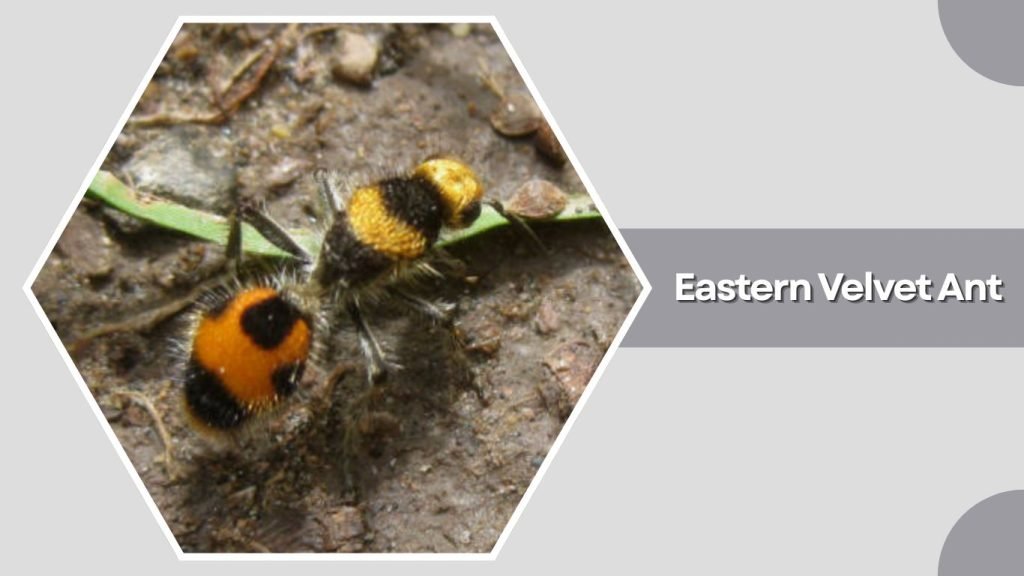
The Eastern Velvet Ant is a striking species commonly found in the eastern regions of North America. Known for its vivid coloration and velvety texture, it is a solitary insect that resembles an ant but is actually a type of wasp. Its bold appearance serves as a warning to predators.
Characteristics
- Medium to large size with a fuzzy, velvety body
- Bright red or orange coloration often combined with black
- Wingless female and winged male
- Strong exoskeleton for protection
- Equipped with a painful sting for defense
Habitat and Distribution
The Eastern Velvet Ant is commonly found in the eastern United States and surrounding regions. It inhabits forests, grasslands, and sandy areas where ground-nesting insects are present. It prefers warm environments and is often spotted moving across open ground during the day. It may also appear in gardens and lightly wooded areas.
Behavior and Diet
This species is solitary and spends most of its time searching for host nests. Females are frequently seen running quickly across the ground, while males are more elusive due to their ability to fly. Adults feed on nectar and plant secretions. The Eastern Velvet Ant is not aggressive but will sting if handled, using its sting as a primary defense.
Life Cycle
The life cycle of the Eastern Velvet Ant involves parasitism. Females invade the nests of bees or wasps and lay eggs inside. The larvae feed on the host’s offspring or stored food. After completing development, they pupate within the nest and later emerge as adults. This cycle allows them to reproduce without building their own nests.
4. Black Velvet Ant
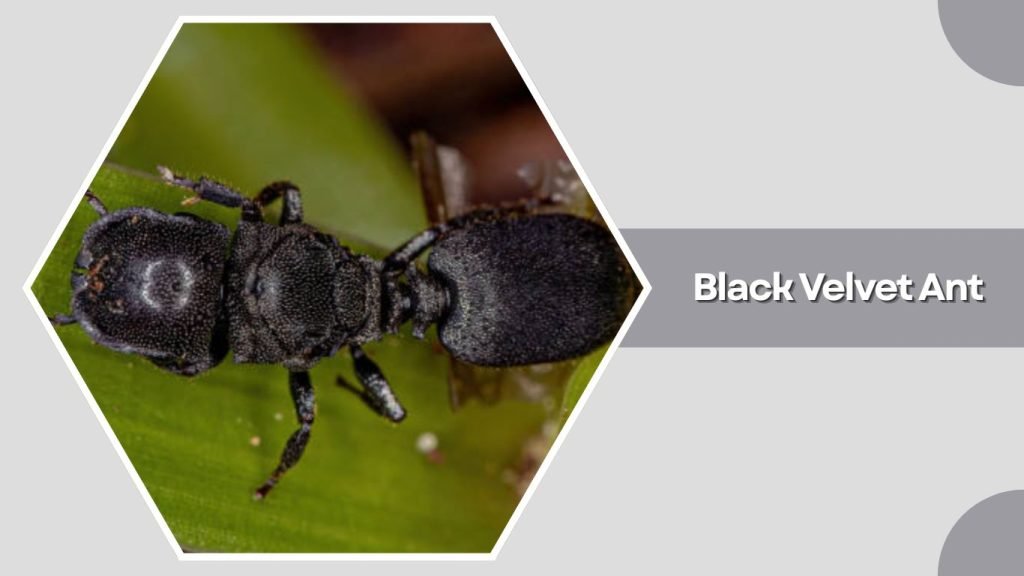
The Black Velvet Ant is a darker-colored species known for its sleek, velvety appearance and strong defensive abilities. Unlike the more brightly colored species, its dark coloration provides a different type of camouflage while still maintaining the typical velvet ant features.
Characteristics
- Medium-sized insect with a fully black or very dark body
- Covered in fine, velvety hair giving a soft appearance
- Wingless female and winged male
- Strong, durable exoskeleton for protection
- Equipped with a painful sting used for defense
Habitat and Distribution
The Black Velvet Ant is found in various regions, including North America, parts of Europe, and Asia. It prefers dry, open habitats such as grasslands, sandy soils, and woodland edges. This species is often seen moving along the ground, especially in sunny conditions. It is typically associated with areas where ground-nesting bees and wasps are present, as these are essential for its reproduction.
Behavior and Diet
This velvet ant is solitary and does not form colonies. Females are active hunters of host nests and can be seen quickly moving across the ground. Males, on the other hand, are winged and rarely noticed. Adults feed on nectar and sugary substances from plants. The Black Velvet Ant is generally non-aggressive but will deliver a painful sting if handled or threatened. Its dark coloration may help it avoid detection by predators.
Life Cycle
The life cycle is parasitic, similar to other velvet ants. Females locate the nests of ground-dwelling bees or wasps and lay their eggs inside. The larvae hatch and feed on the host’s larvae or stored food. They develop through several stages before pupating within the host nest. Eventually, they emerge as adults, continuing the cycle independently.
5. Orange Velvet Ant
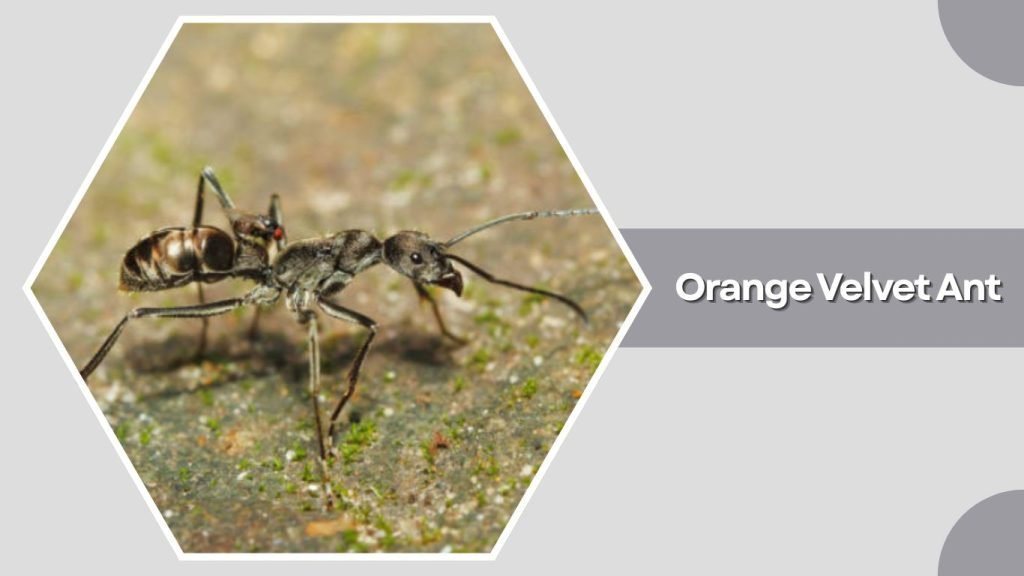
The Orange Velvet Ant is a brightly colored species that stands out due to its vivid orange body and dense hair covering. It is commonly found in warm regions and is known for its active movement and strong defensive capabilities.
Characteristics
- Bright orange coloration covering most of the body
- Dense, velvety hair giving a fuzzy appearance
- Wingless female and winged male
- Strong exoskeleton resistant to pressure
- Delivers a painful sting as a defense mechanism
Habitat and Distribution
This species is found in parts of North America, Africa, and Asia, particularly in warm and dry environments. It prefers sandy soils, deserts, grasslands, and open fields. The Orange Velvet Ant is often seen during the day, moving quickly across the ground in search of host nests. It is commonly associated with habitats where solitary bees and wasps are present.
Behavior and Diet
The Orange Velvet Ant is solitary and spends much of its time searching for suitable host nests. Females are ground-dwelling and highly active, while males are winged and less frequently observed. Adults feed on nectar and other plant-based sugars. Although not aggressive, this species will sting if provoked, and its bright coloration serves as a warning to predators.
Life Cycle
Like other velvet ants, this species follows a parasitic life cycle. Females lay eggs inside the nests of other insects, such as bees or wasps. The larvae feed on the host’s offspring or stored food, developing through multiple stages. After pupation, adults emerge and continue their independent life cycle, repeating the process.
6. Desert Velvet Ant
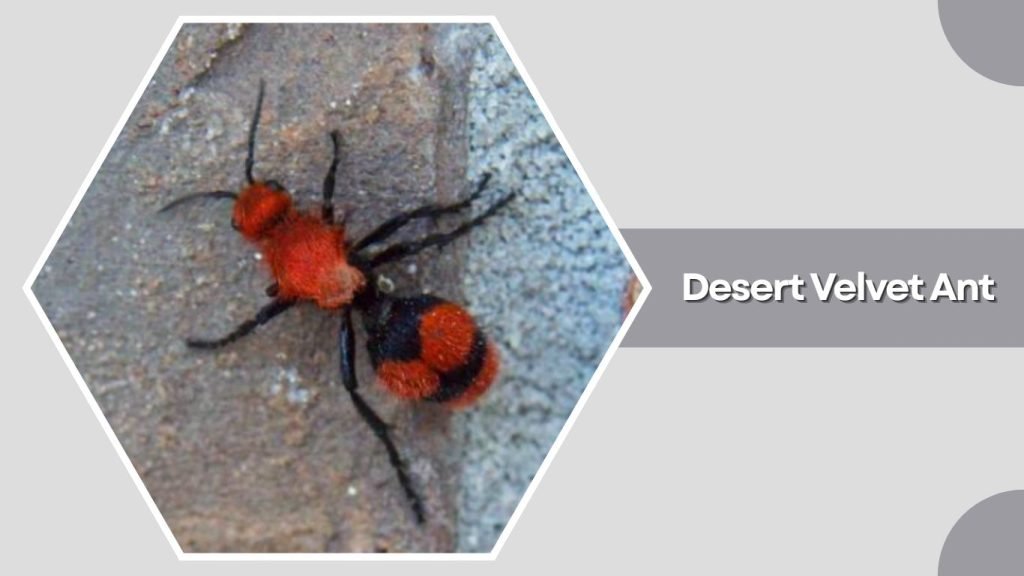
The Desert Velvet Ant is a heat-adapted species commonly found in arid and semi-arid regions. Its coloration often blends with sandy environments, helping it avoid predators while it actively searches for host nests in harsh conditions.
Characteristics
- Medium-sized insect with a sandy, orange, or reddish coloration
- Dense, velvety hair covering the body
- Wingless female and winged male
- Strong exoskeleton suited for tough environments
- Capable of delivering a very painful sting
Habitat and Distribution
The Desert Velvet Ant is primarily found in desert and semi-desert regions across North America, North Africa, and parts of Asia. It thrives in sandy soils, dry grasslands, and scrublands. This species is highly adapted to extreme temperatures and is often seen during the hottest parts of the day moving across open ground. It relies on the presence of ground-nesting insects, which are essential for its reproductive cycle.
Behavior and Diet
This species is solitary and highly active. Females are often observed running quickly across the ground in search of host nests, while males are winged and less frequently seen. Adults feed mainly on nectar and sugary plant secretions. The Desert Velvet Ant is not aggressive but will sting if threatened. Its coloration provides camouflage in sandy environments, while its sting serves as a strong defense against predators.
Life Cycle
The life cycle follows a parasitic pattern. Females locate the nests of ground-nesting bees or wasps and lay their eggs inside. The larvae hatch and feed on the host’s larvae or stored provisions. After progressing through several developmental stages, they pupate within the host nest. Adults eventually emerge and continue the cycle independently.
7. Blue Velvet Ant

The Blue Velvet Ant is a less common but visually striking species known for its dark bluish or metallic sheen. It shares the typical velvet ant structure but stands out due to its unique coloration and smooth, velvety texture.
Characteristics
- Medium-sized insect with dark blue or bluish-black coloration
- Velvety body with a subtle metallic sheen
- Wingless female and winged male
- Durable exoskeleton providing protection
- Possesses a strong and painful sting
Habitat and Distribution
The Blue Velvet Ant is found in parts of Africa, Asia, and occasionally in warmer regions of other continents. It prefers dry, open habitats such as grasslands, savannas, and lightly wooded areas. It is often seen during warm daylight hours moving across the ground. Like other velvet ants, it is closely associated with areas where ground-nesting bees and wasps are present.
Behavior and Diet
This species is solitary and spends much of its time searching for host nests. Females are ground-dwelling and highly mobile, while males are winged and rarely noticed. Adults feed on nectar and plant-based sugars. The Blue Velvet Ant is generally non-aggressive but will sting if handled. Its darker coloration may help it blend into shaded or soil-rich environments.
Life Cycle
The life cycle is parasitic, involving the use of other insects’ nests. Females lay eggs inside the nests of bees or wasps. The larvae feed on the host’s offspring or stored food, developing through multiple stages. After pupation, adult velvet ants emerge and continue their solitary lifestyle, repeating the reproductive cycle.
8. Striped Velvet Ant
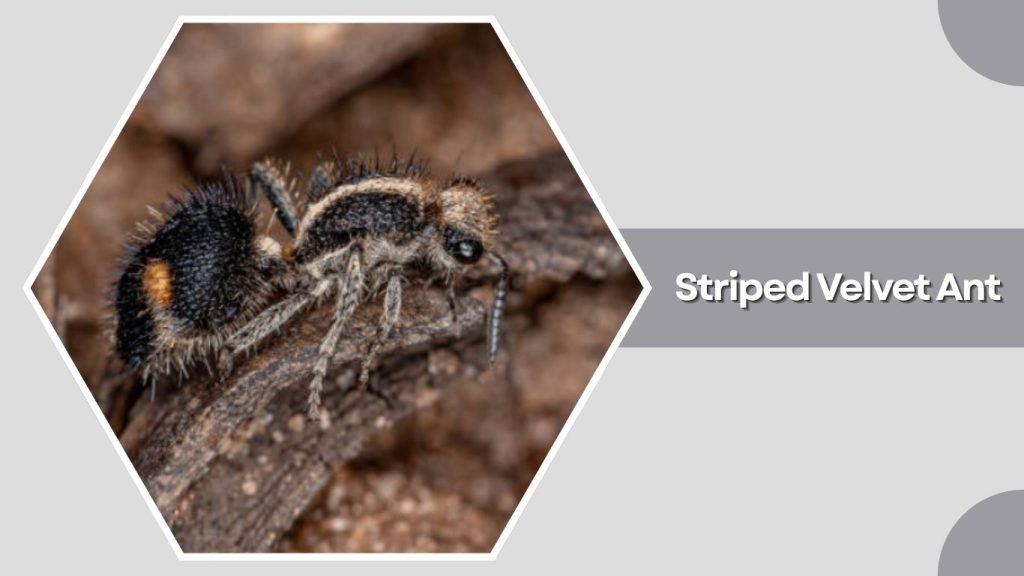
The Striped Velvet Ant is a visually distinctive species known for the contrasting stripes across its body. These bold markings serve as a warning signal to predators, indicating its ability to deliver a painful sting. It is commonly seen moving actively on the ground in warm environments.
Characteristics
- Medium-sized insect with clear striped patterns
- Combination of bright and dark colors for warning display
- Covered in dense, velvety hair
- Wingless female and winged male
- Strong exoskeleton with a powerful sting
Habitat and Distribution
The Striped Velvet Ant is found in regions of North America, Africa, and parts of Asia. It prefers open habitats such as grasslands, sandy areas, and dry fields. This species thrives in warm climates and is often observed during the daytime. It is commonly associated with areas where ground-nesting bees and wasps are present, as these provide necessary hosts for reproduction.
Behavior and Diet
This velvet ant is solitary and highly active. Females can often be seen running quickly across the ground in search of host nests, while males are winged and less visible. Adults primarily feed on nectar and plant-based sugars. Although not aggressive, the Striped Velvet Ant will sting if disturbed. Its bright stripes act as a clear warning to predators to avoid contact.
Life Cycle
The life cycle is parasitic in nature. Females locate the nests of ground-dwelling bees or wasps and lay their eggs inside. The larvae feed on the host’s larvae or stored provisions. After several developmental stages, they pupate within the host nest. Adults emerge and continue the cycle independently.
9. Hairy Velvet Ant
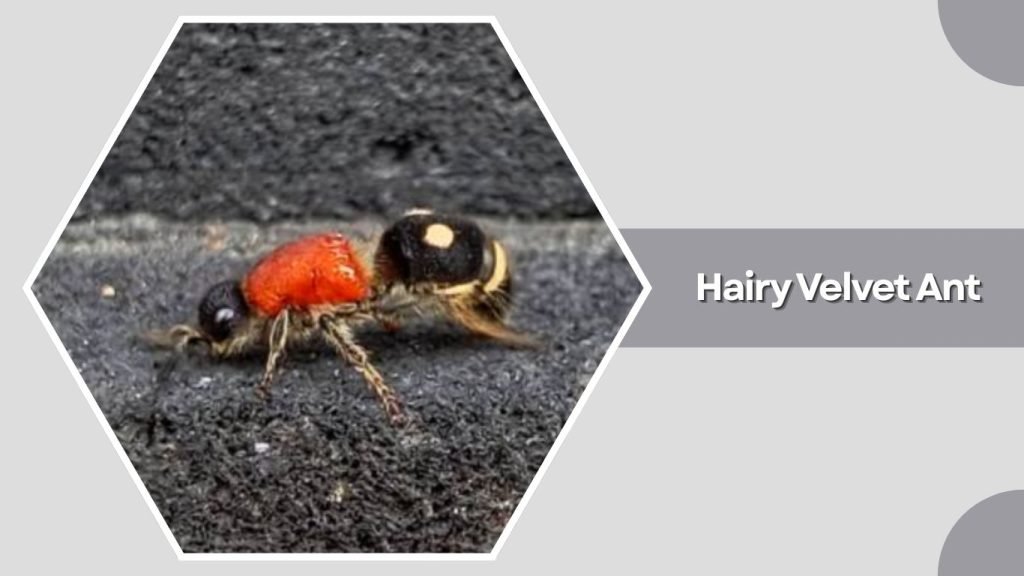
The Hairy Velvet Ant is known for its thick, fuzzy body covered in dense hair-like structures. This feature not only gives it a unique appearance but also provides protection against predators and environmental conditions.
Characteristics
- Medium-sized insect with dense, hair-like body covering
- Usually red, orange, or dark-colored depending on species
- Velvety texture with a slightly rough appearance
- Wingless female and winged male
- Equipped with a strong, painful sting
Habitat and Distribution
The Hairy Velvet Ant is widely distributed across North America, Europe, and parts of Asia. It prefers dry habitats such as grasslands, deserts, and open woodlands. It is often found in sandy soils where ground-nesting insects are present. This species is active during warm seasons and is commonly seen moving along the ground.
Behavior and Diet
This species is solitary and spends most of its time searching for host nests. Females are fast-moving and ground-dwelling, while males are winged and less commonly observed. Adults feed on nectar and plant secretions. The Hairy Velvet Ant is not aggressive but will sting if threatened. Its dense hair may also help protect it from extreme temperatures and predators.
Life Cycle
The life cycle follows a parasitic pattern. Females lay eggs inside the nests of bees or wasps. The larvae feed on the host’s larvae or stored food, developing through multiple stages. After pupation within the host nest, adults emerge and continue their independent and solitary life cycle.
10. Giant Velvet Ant
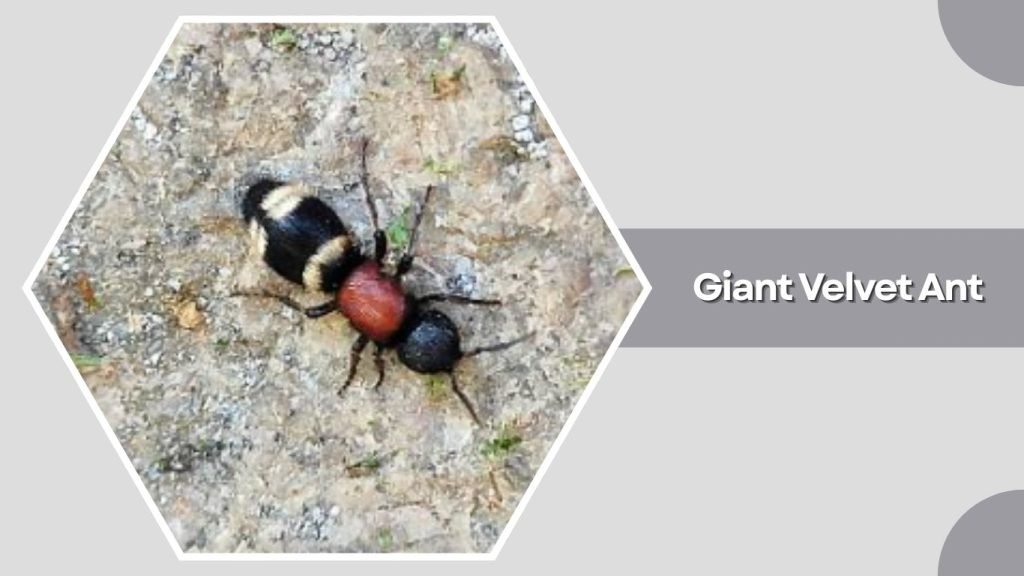
The Giant Velvet Ant is one of the largest members of this group, known for its impressive size and bold coloration. Its striking appearance and powerful sting make it one of the most noticeable velvet ants in its habitat.
Characteristics
- Large size compared to other velvet ants
- Bright red, orange, or mixed coloration with black areas
- Thick, velvety hair covering the body
- Wingless female and winged male
- Strong exoskeleton and extremely painful sting
Habitat and Distribution
The Giant Velvet Ant is primarily found in North America, especially in warm regions such as the southern United States and Mexico. It prefers dry, sandy environments including deserts, grasslands, and open fields. This species is often seen during the day moving quickly across the ground. It is closely associated with areas where ground-nesting bees and wasps are present, as these provide essential hosts for reproduction.
Behavior and Diet
This species is solitary and highly active. Females roam the ground in search of host nests, while males are winged and rarely observed. Adults feed mainly on nectar and other sugary plant substances. Despite its intimidating size, the Giant Velvet Ant is not aggressive but will sting if provoked. Its bright coloration serves as a warning to predators about its strong defense.
Life Cycle
The life cycle is parasitic. Females lay eggs inside the nests of ground-nesting bees or wasps. The larvae feed on the host’s offspring or stored provisions. They develop through several stages before pupating within the host nest. After metamorphosis, adults emerge and continue their independent life cycle.
11. Spotted Velvet Ant
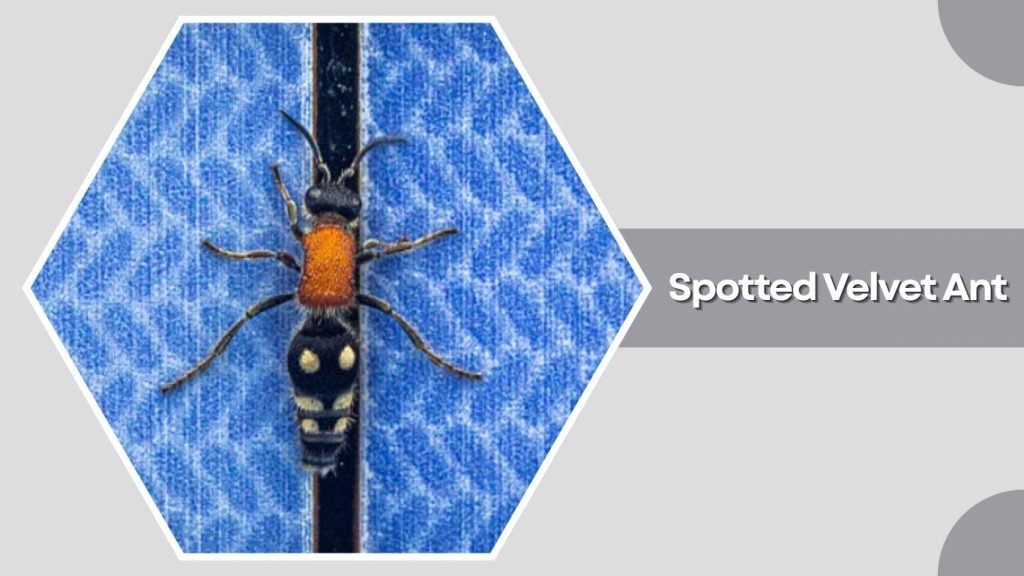
The Spotted Velvet Ant is a visually distinct species recognized by its spotted pattern across the body. These markings, along with its velvety texture, make it easy to identify in natural habitats.
Characteristics
- Medium-sized insect with noticeable spotted markings
- Combination of bright and dark colors
- Dense, velvety hair covering the body
- Wingless female and winged male
- Possesses a strong and painful sting
Habitat and Distribution
The Spotted Velvet Ant is found in parts of North America, Africa, and Asia. It prefers open habitats such as grasslands, sandy soils, and lightly wooded areas. It is commonly seen during warm weather, moving across the ground in search of host nests. Like other velvet ants, it is associated with environments where ground-nesting insects are present.
Behavior and Diet
This species is solitary and spends most of its time searching for suitable host nests. Females are ground-dwelling and highly active, while males are winged and less commonly seen. Adults feed on nectar and plant-based sugars. The Spotted Velvet Ant is not aggressive but will sting if disturbed. Its spotted pattern serves as a warning to potential predators.
Life Cycle
The life cycle follows a parasitic pattern. Females lay eggs inside the nests of bees or wasps. The larvae feed on the host’s larvae or stored food. After progressing through several stages, they pupate within the host nest. Adults emerge and continue their solitary lifestyle, repeating the reproductive cycle.
12. Sand Velvet Ant
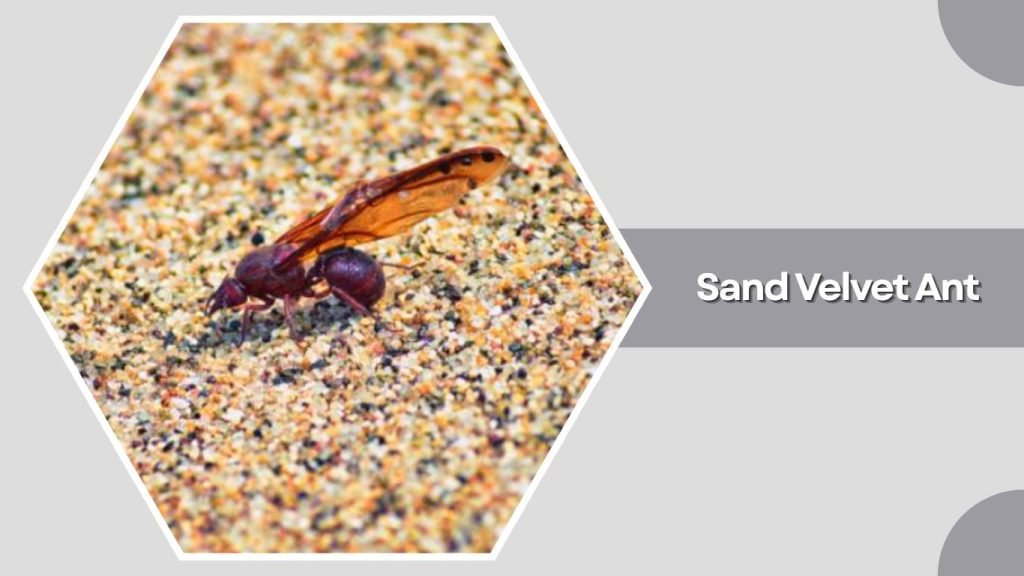
The Sand Velvet Ant is a well-adapted species commonly found in sandy environments. Its coloration often blends with its surroundings, providing natural camouflage while it searches for host nests. It is known for its resilience in hot and dry conditions.
Characteristics
- Medium-sized insect with sandy, light brown, or pale coloration
- Dense, velvety hair covering the body
- Wingless female and winged male
- Strong exoskeleton for protection
- Capable of delivering a painful sting
Habitat and Distribution
The Sand Velvet Ant is widely distributed in regions with sandy soils, including parts of North America, Africa, and Asia. It prefers deserts, coastal dunes, and dry grasslands. This species thrives in hot climates and is often seen moving across loose sand during the day. It is closely associated with areas where ground-nesting bees and wasps are present.
Behavior and Diet
This species is solitary and highly active. Females are frequently seen running across sandy surfaces in search of host nests, while males are winged and less visible. Adults feed mainly on nectar and plant-based sugars. The Sand Velvet Ant is not aggressive but will sting if threatened, using its sting as a primary defense.
Life Cycle
The life cycle is parasitic, like other velvet ants. Females lay eggs inside the nests of ground-nesting bees or wasps. The larvae feed on the host’s larvae or stored food, developing through several stages. After pupation within the host nest, adults emerge and continue their independent life cycle.
FAQs
What is a velvet ant?
A velvet ant is not a true ant but a type of wasp belonging to the family Mutillidae. Females are wingless and resemble ants, while males have wings. They are known for their bright colors and dense, velvety hair covering their bodies.
Why are velvet ants called “cow killers”?
Some velvet ants, especially certain large species, are nicknamed “cow killers” because of their extremely painful sting. However, this is just a name—these insects do not kill cows. The sting is used mainly for defense against predators.
Are velvet ants dangerous to humans?
Velvet ants are not aggressive and rarely sting unless handled or threatened. However, their sting is very painful, so it is best to avoid touching them. They do not attack humans without provocation.
Where are velvet ants commonly found?
Velvet ants are commonly found in warm, dry environments such as deserts, grasslands, sandy areas, and open fields. They are widely distributed across North America, Africa, and parts of Asia.
What do velvet ants eat?
Adult velvet ants primarily feed on nectar and plant-based sugars. Their larvae, however, are parasitic and feed on the larvae or food supplies of other insects, typically ground-nesting bees or wasps.
